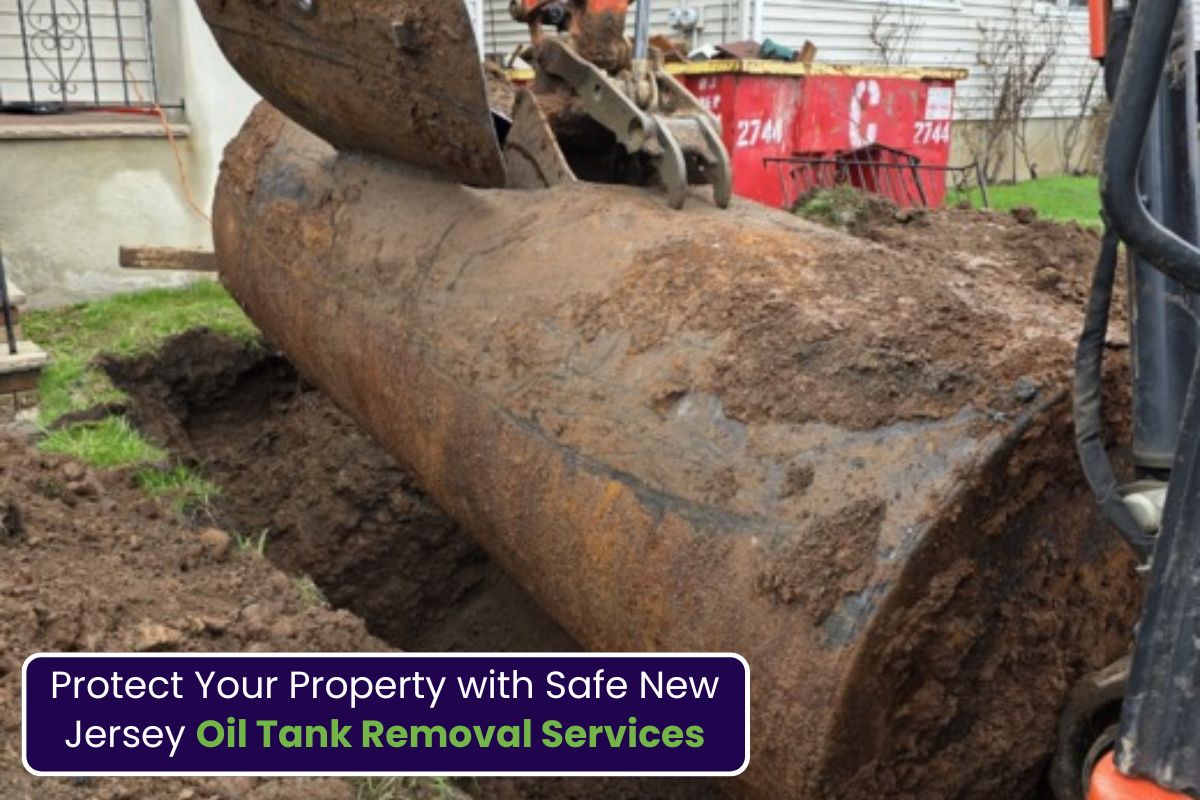


Is Oil Tank Removal Required in NJ: The 2026 Guide
Is oil tank removal required in NJ Learn about 2026 regulations risks costs and expert steps for compliance Protect your property and ensure legal peace of mind

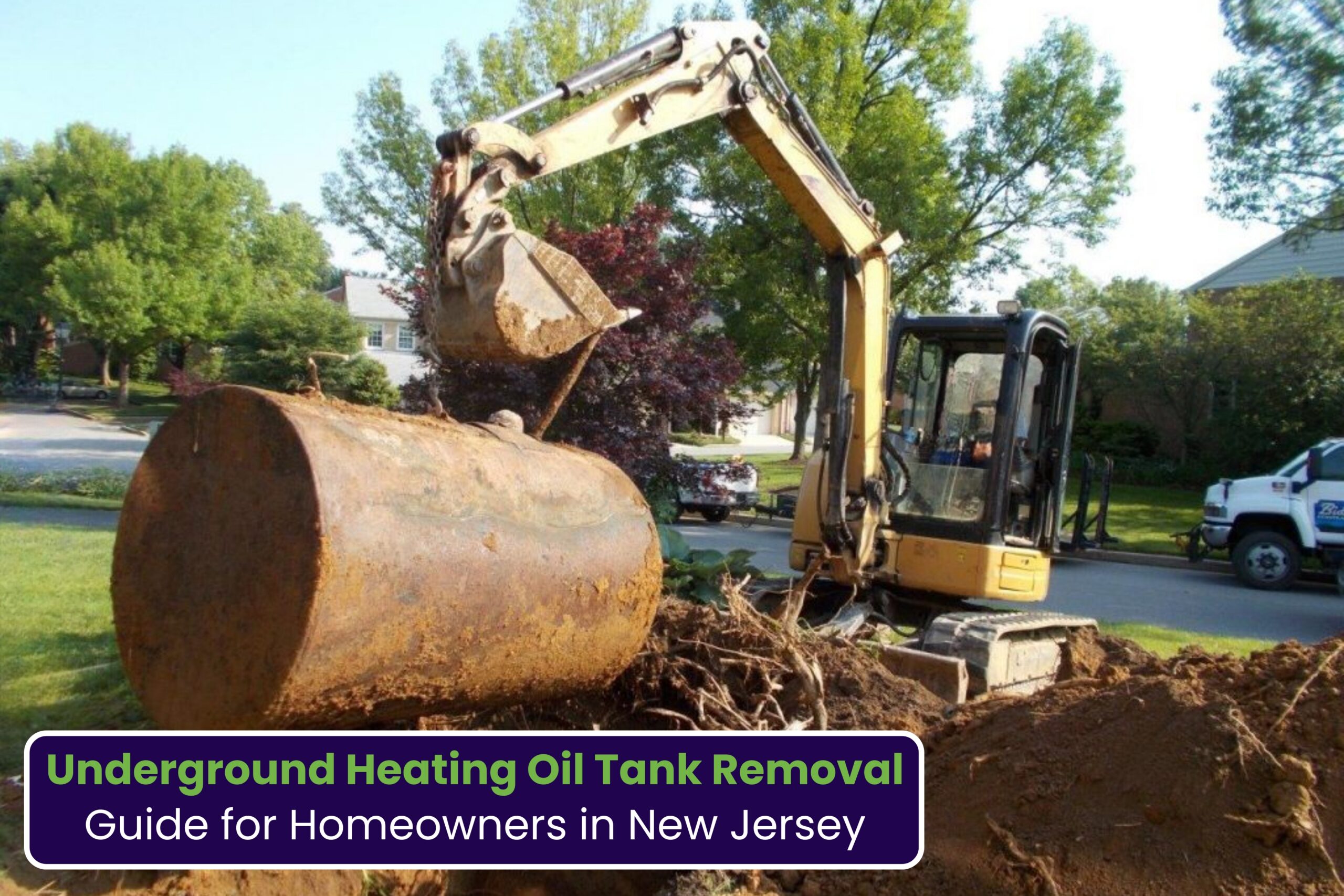
Removing an old or unused oil tank is not just about getting rid of unwanted equipment—it’s about protecting your property, the environment, and ensuring compliance with safety regulations. Underground and

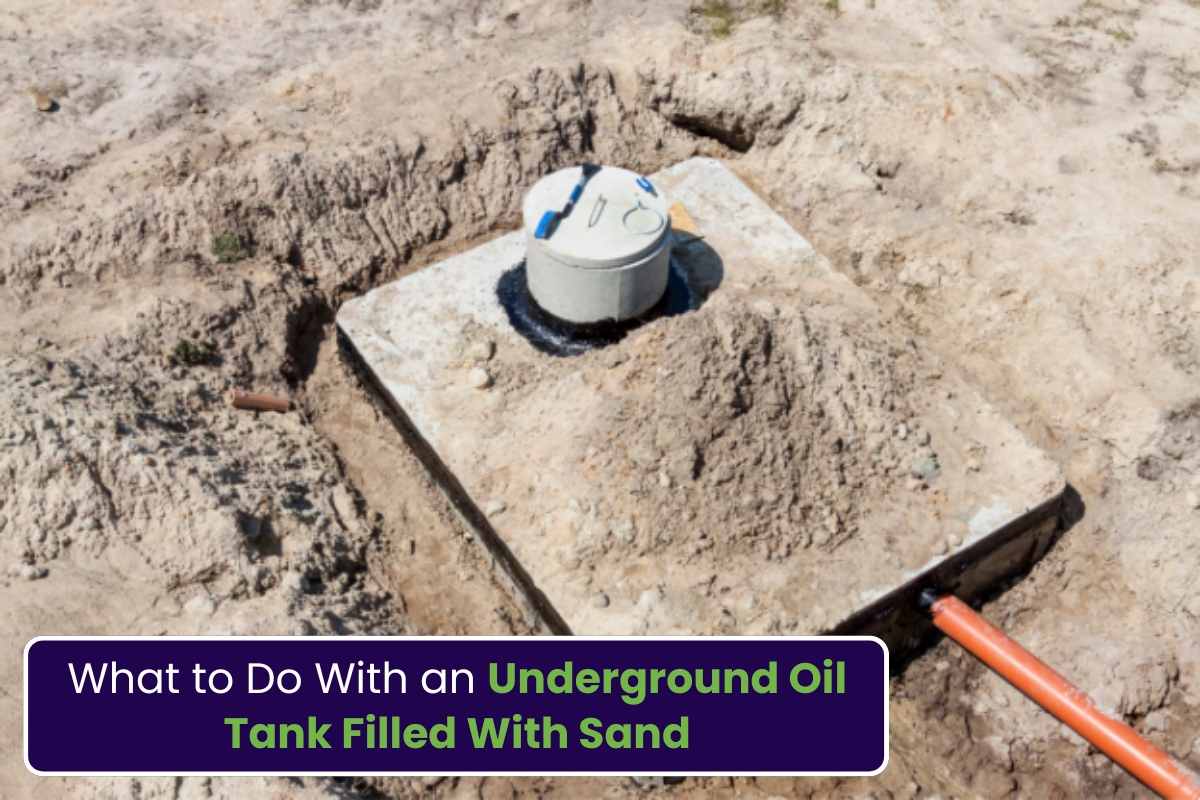
If you own a home in New Jersey, there’s a good chance it once used heating oil. Many of these homes still have underground oil tanks buried on the property

Removing an oil tank from your property in New Jersey can seem daunting, but understanding the process can help ease your worries. At Simple Tank Services, we provide professional oil

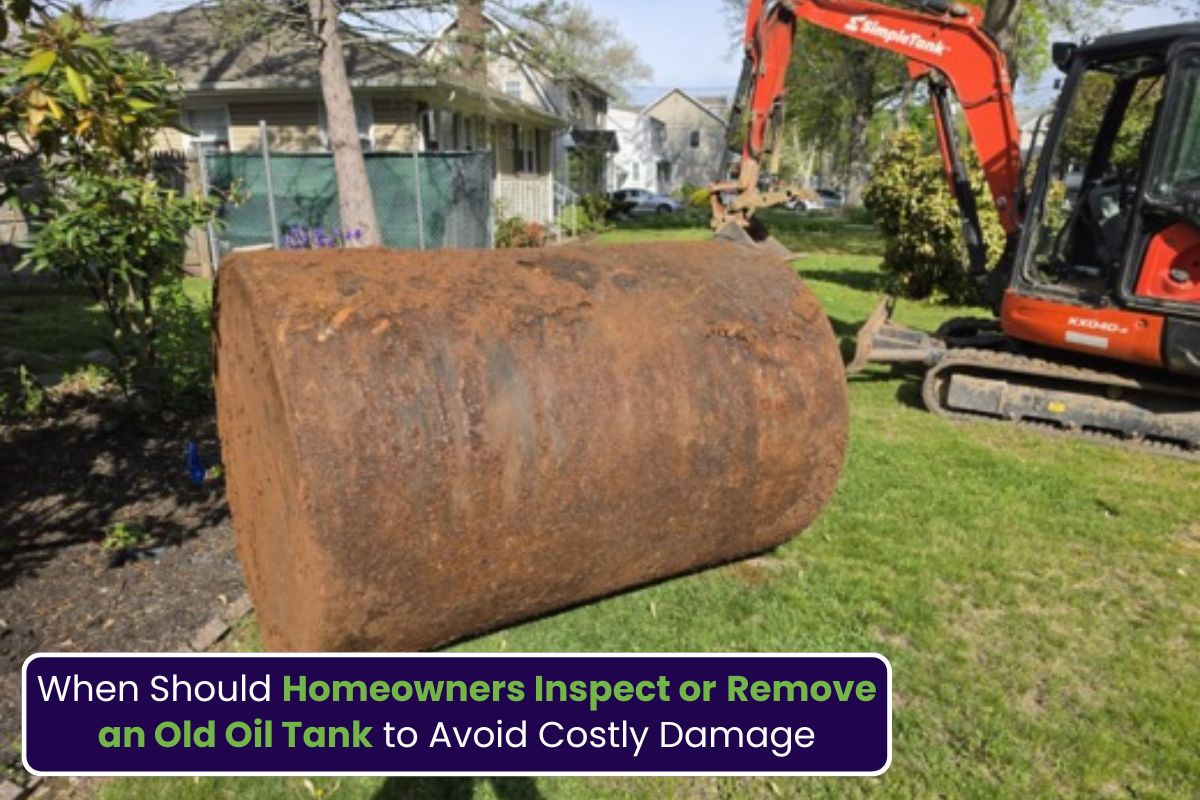
For many New Jersey homeowners, removing an old or unused oil tank is an important step in protecting both their property value and the environment. Buried oil tanks, if left

Are you concerned about an old or underground oil tank on your property? Whether you’re planning to sell, upgrade, or ensure safety, proper oil tank removal NJ is essential. At Simple Tank

For many homeowners and property buyers, the discovery of an underground oil tank (UST) can bring a mix of confusion and concern. These tanks were once a common way to

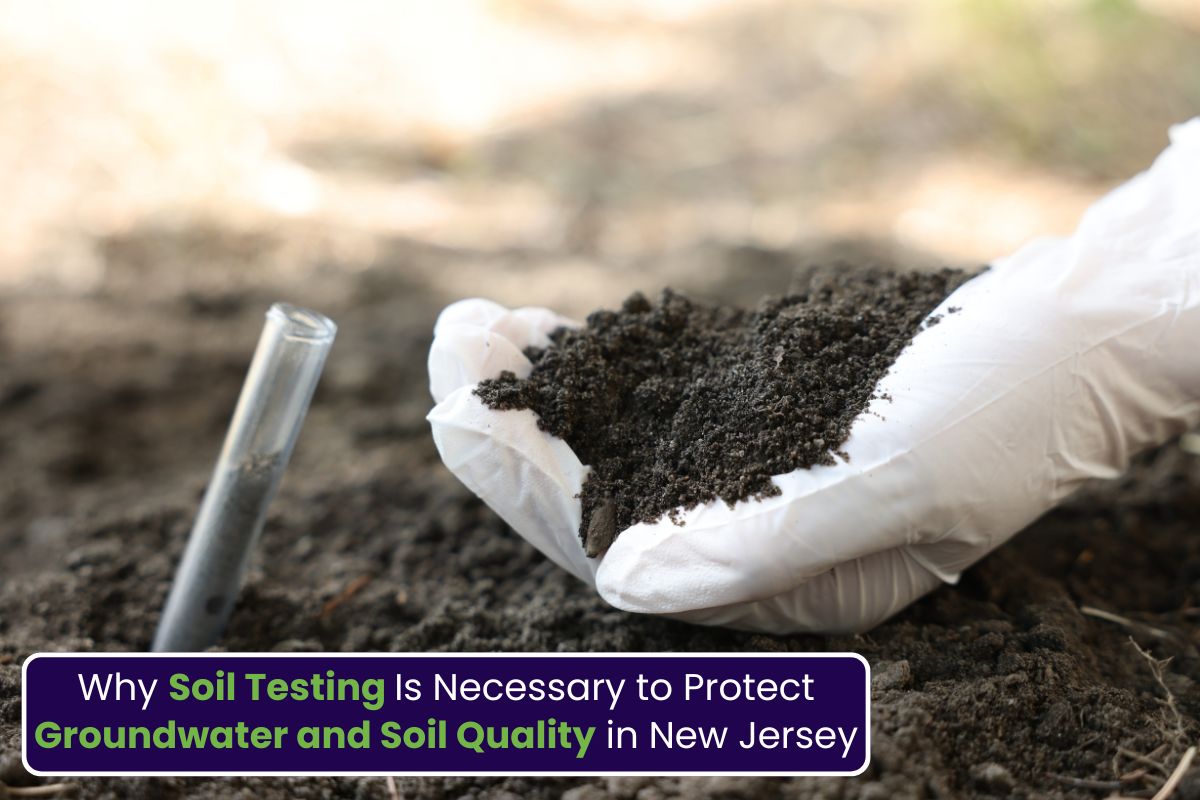
Groundwater is one of New Jersey’s most important natural resources. Nearly half of the state’s residents rely on it for drinking water, while it also supports agriculture, businesses, and community

If your property has an underground oil tank, you could be sitting on a hidden liability. Once widely used for heating oil storage, these tanks are often forgotten about—until they

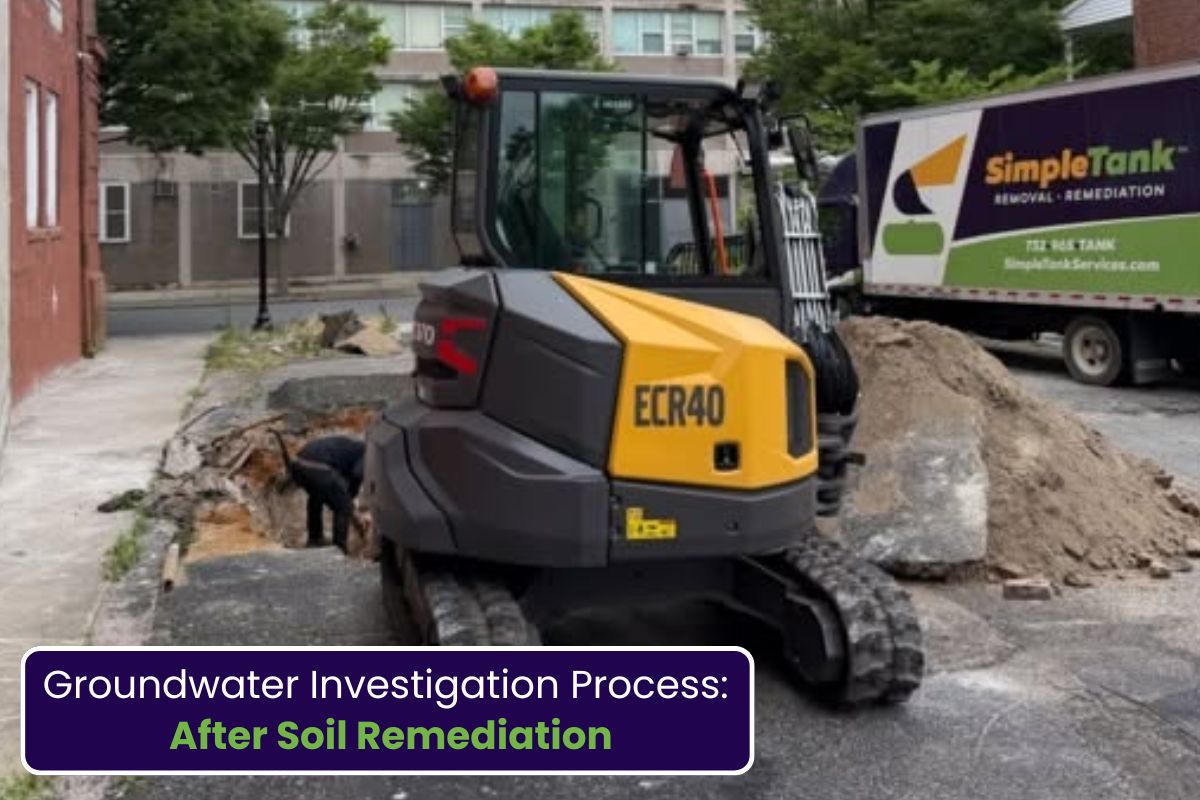
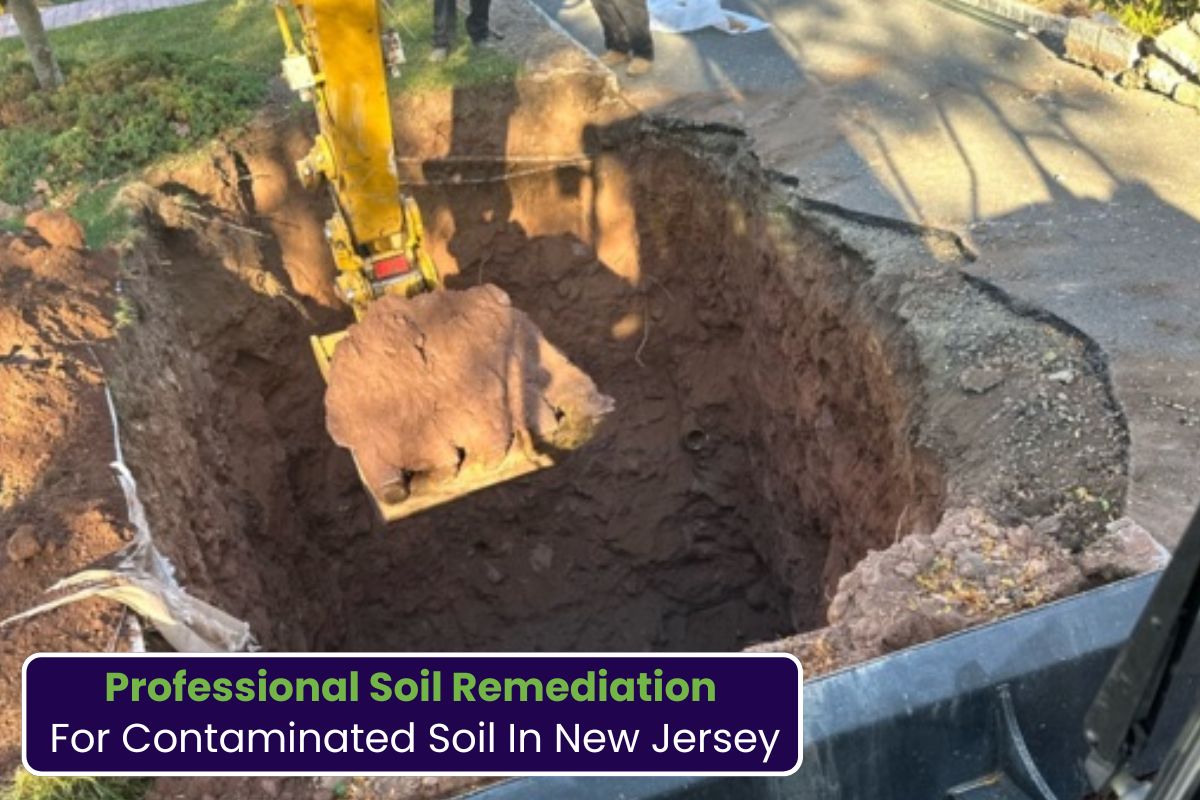
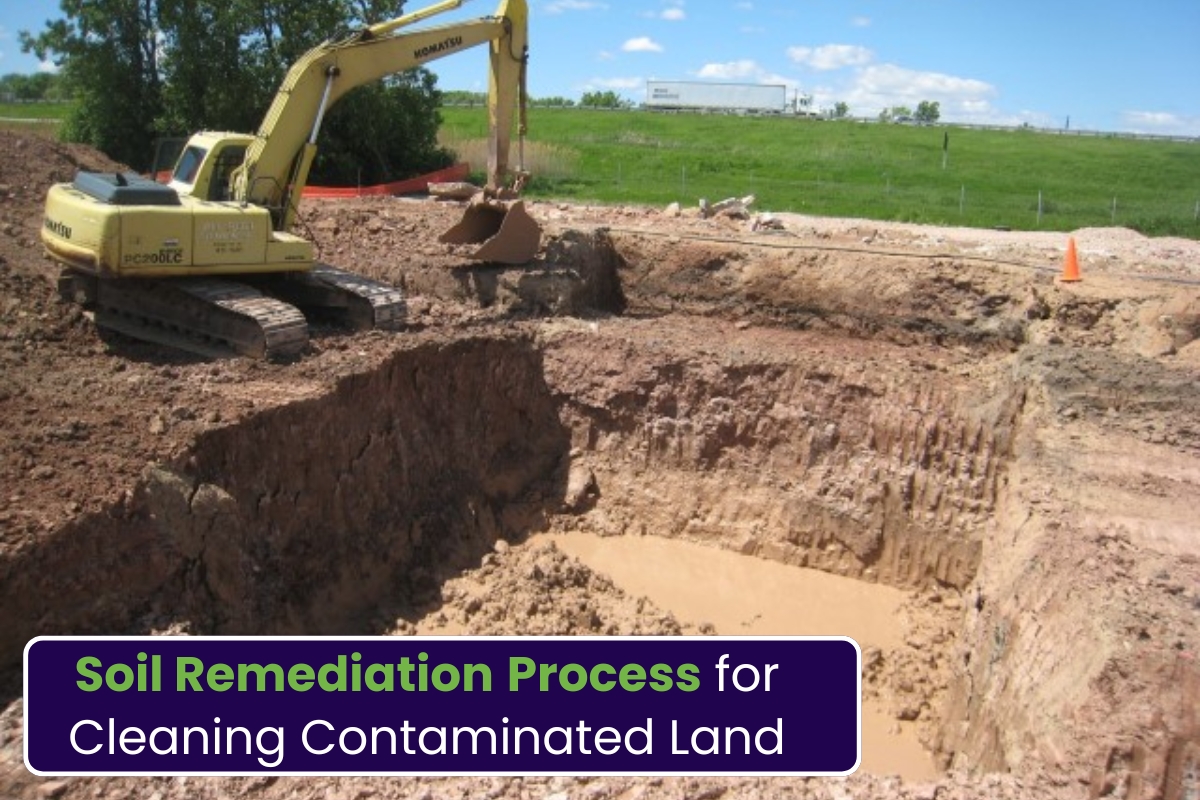
When it comes to protecting our environment, soil remediation plays a crucial role—especially in preserving the quality of our groundwater. Groundwater is a vital resource, supplying drinking water to millions

Soil contamination is more common than many people realize. Whether caused by industrial activity, leaking underground storage tanks, pesticide use, or accidental chemical spills, contaminated soil poses serious risks to

Underground oil tanks were once a popular solution for home heating—especially in older homes across the Northeast and Mid-Atlantic regions. But as technology has evolved and environmental awareness has grown,

Groundwater plays a vital role in New Jersey’s water supply, serving millions of residents and businesses across the state. However, as urbanization and industrial activity increase, so does the risk

Underground oil tanks were once a popular solution for home heating in New Jersey. However, as years pass and tanks age, they can pose serious environmental hazards if left ignored.

Oil tanks were once a staple of residential heating systems across New Jersey. But as properties age and environmental concerns increase, more homeowners are opting to remove old, underground storage

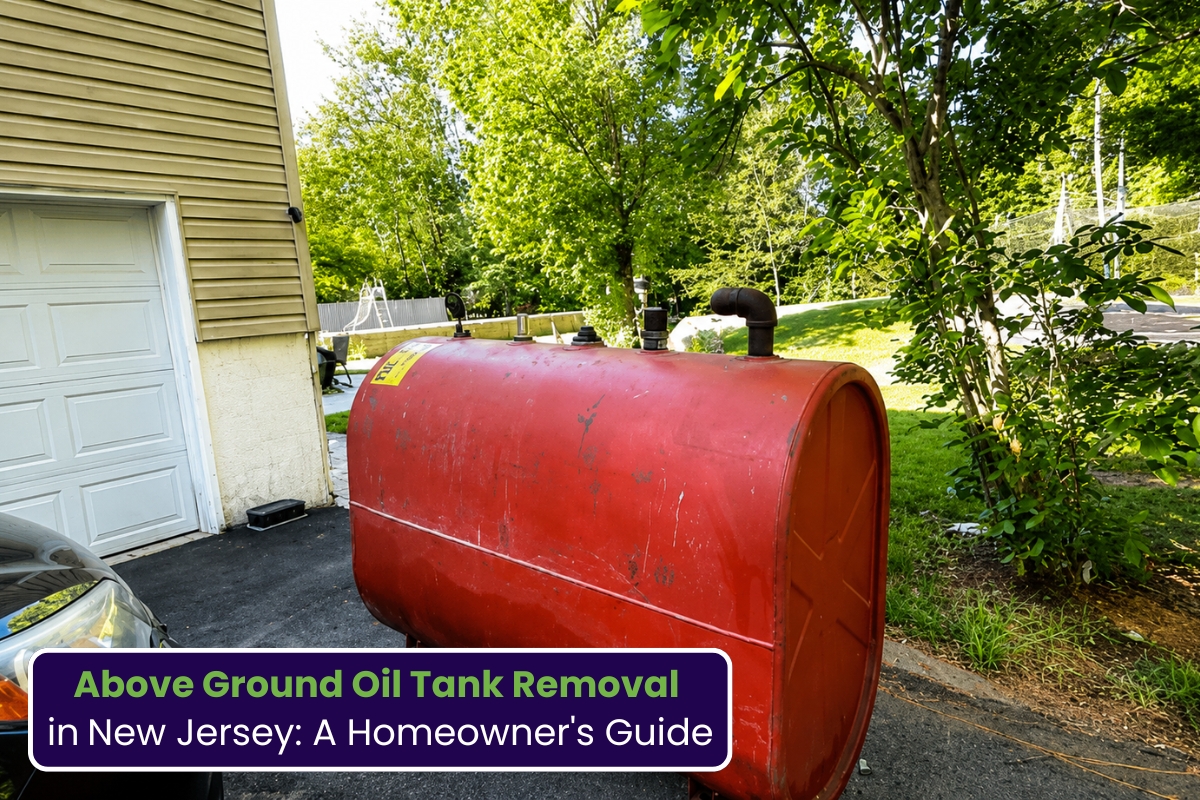
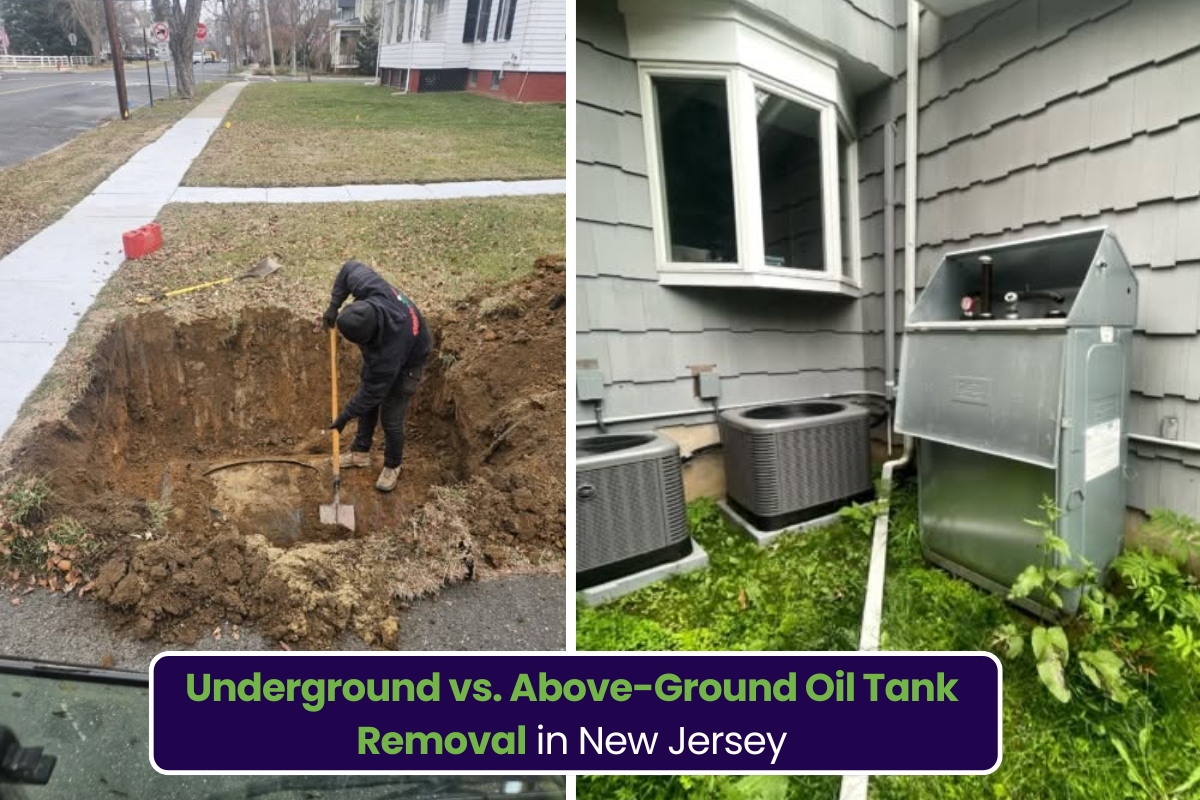
Underground and above-ground oil tanks have been a common feature on residential and commercial properties for decades, especially in older buildings. These tanks were originally installed to store heating oil,

Underground and aboveground oil tanks are commonly used for heating and fuel storage in residential, commercial, and industrial properties. While these tanks are built for durability, age, corrosion, or improper

Underground oil tanks were once a common way to heat homes across New Jersey. However, with aging infrastructure and growing environmental regulations, they’ve become more of a liability than a

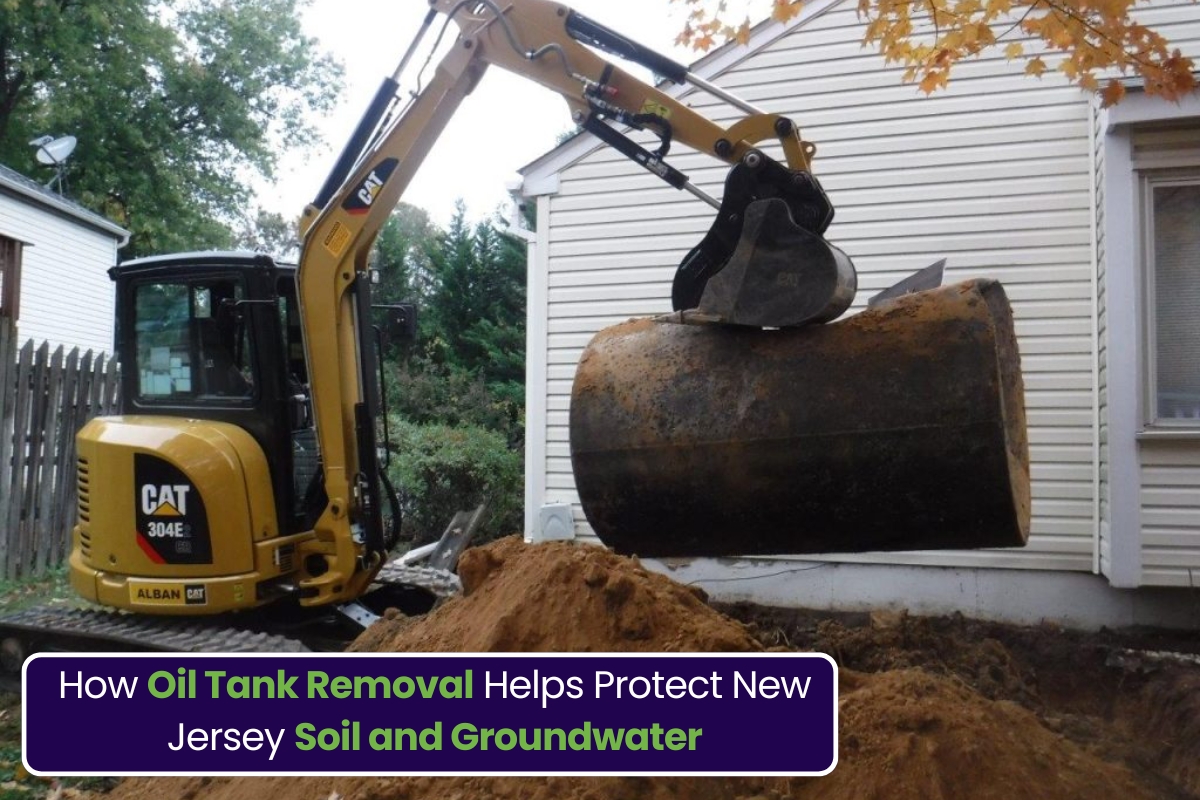
Removing an underground or aboveground oil tank might seem like a straightforward process—dig it up and haul it away. But the environmental impact of oil tank removal runs much deeper.

Underground oil tanks were once a common feature in homes and commercial properties, serving as a fuel source for heating systems. However, as environmental concerns and property risks associated with

Soil is the foundation of healthy plant growth, strong foundations, and successful agricultural yields. However, various soil problems can affect its quality and functionality, leading to poor crop production, weak

Soil is the muse of a healthy environment, assisting plant increase, water filtration, and universal environment balance. However, contamination from business activities, chemical spills, and improper waste disposal can degrade
Is oil tank removal required in NJ Learn about 2026 regulations risks costs and expert steps for compliance Protect your property and ensure legal peace of mind
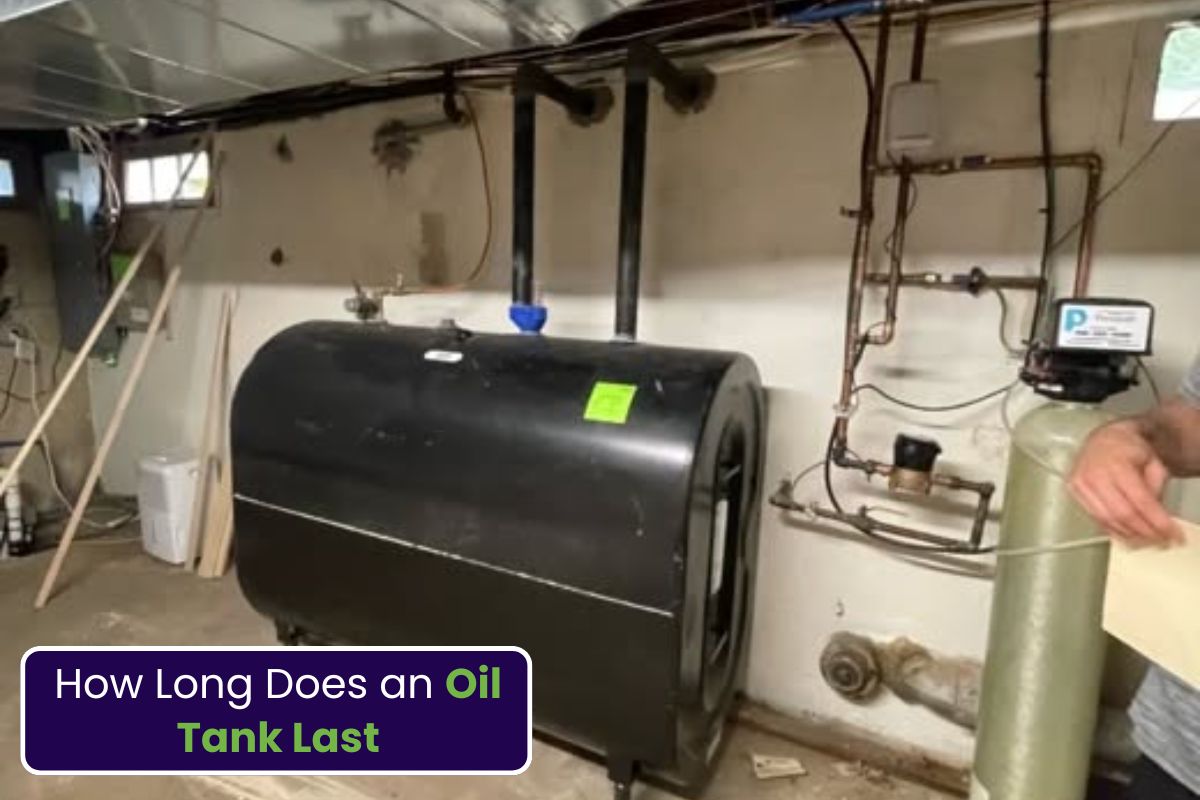
Oil heating systems are still common across many homes and commercial properties in New Jersey, especially in older buildings. While oil tanks can last for decades, they are not maintenance-free. Over time, corrosion, environmental exposure, and outdated installation practices can turn a once-reliable system into a serious risk. Understanding when you need oil tank services […]
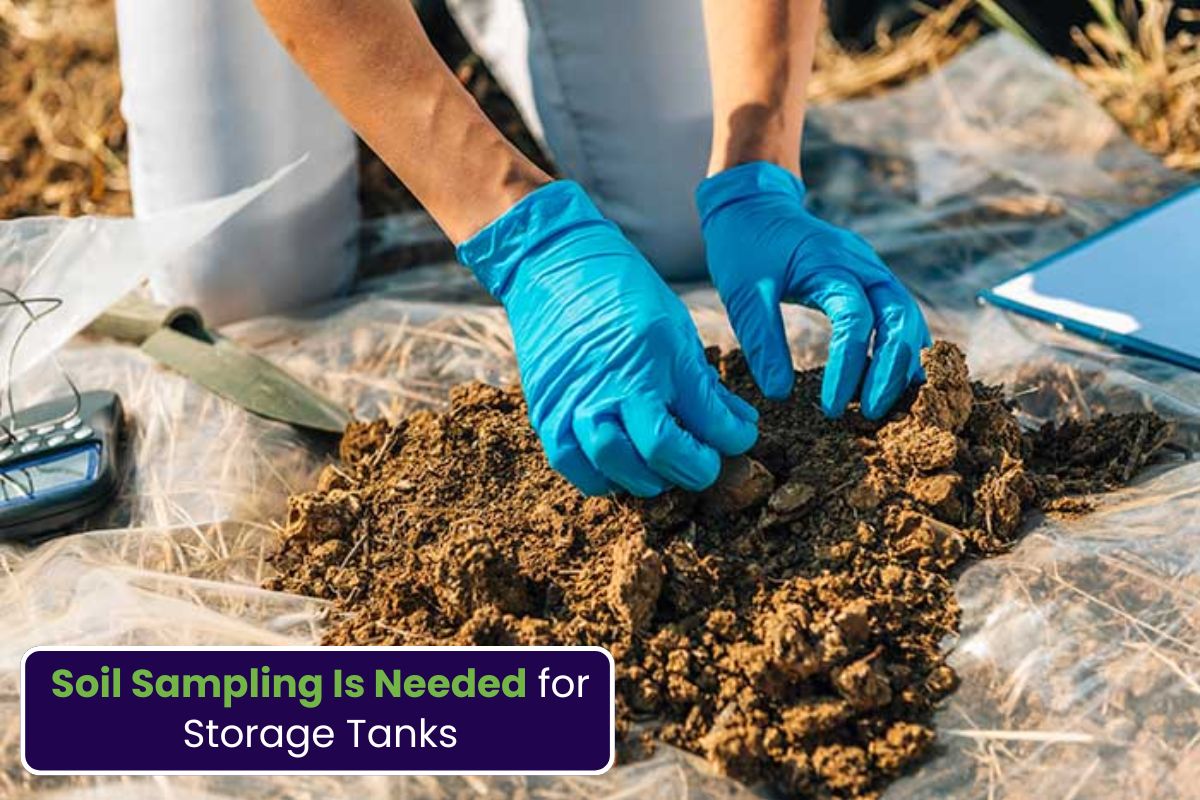
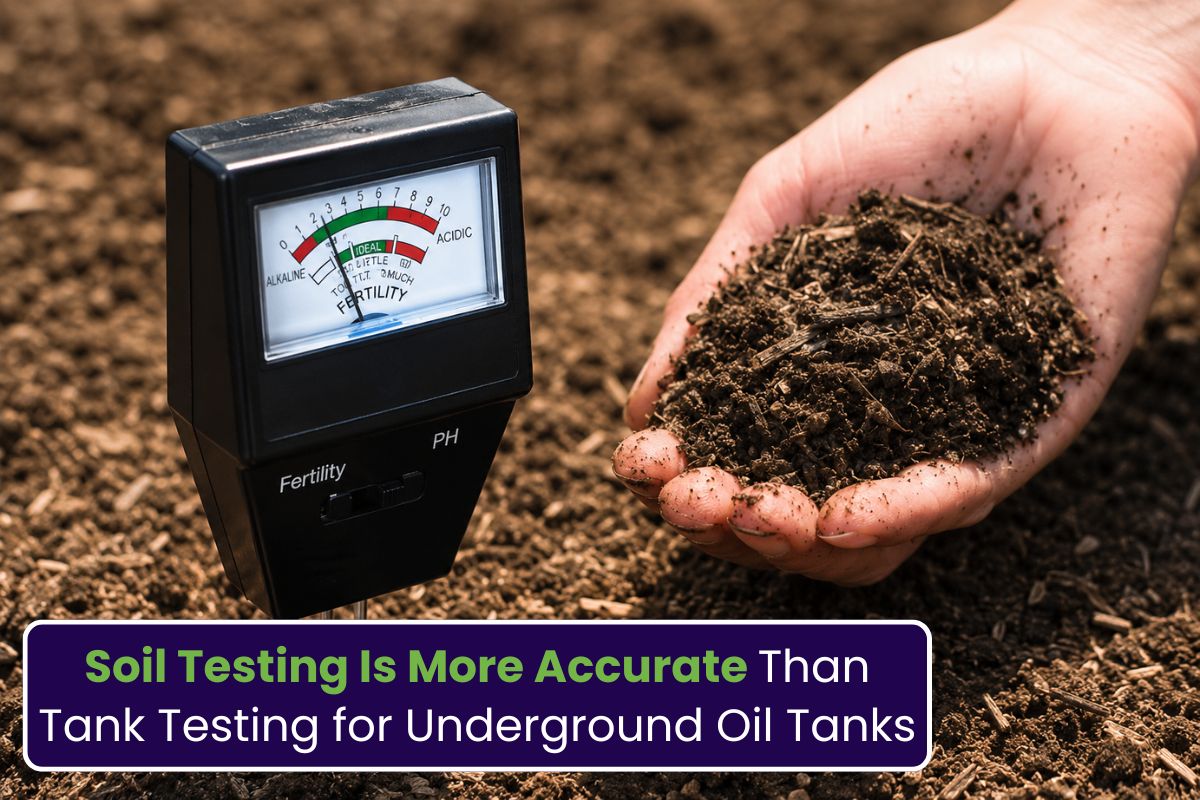
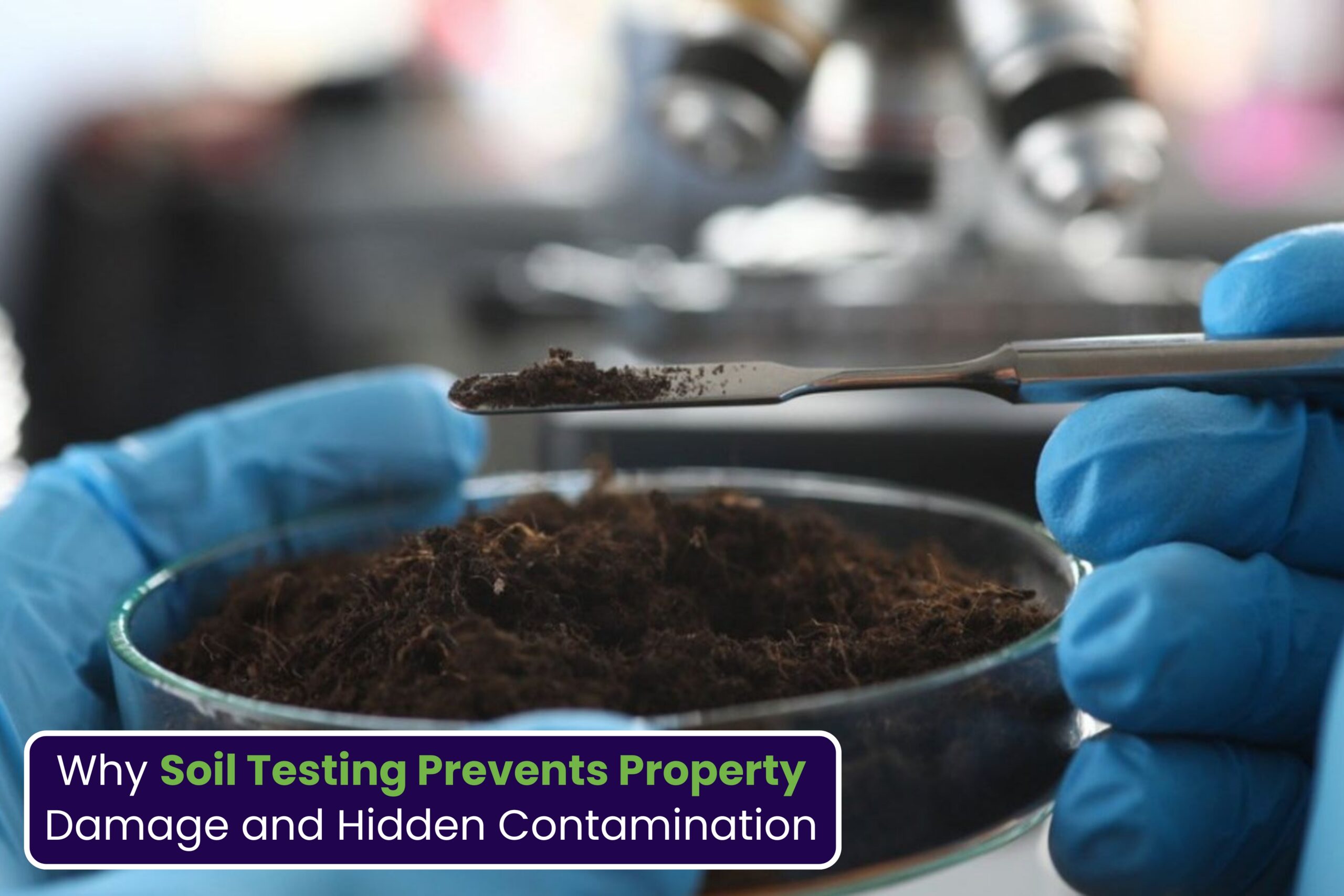
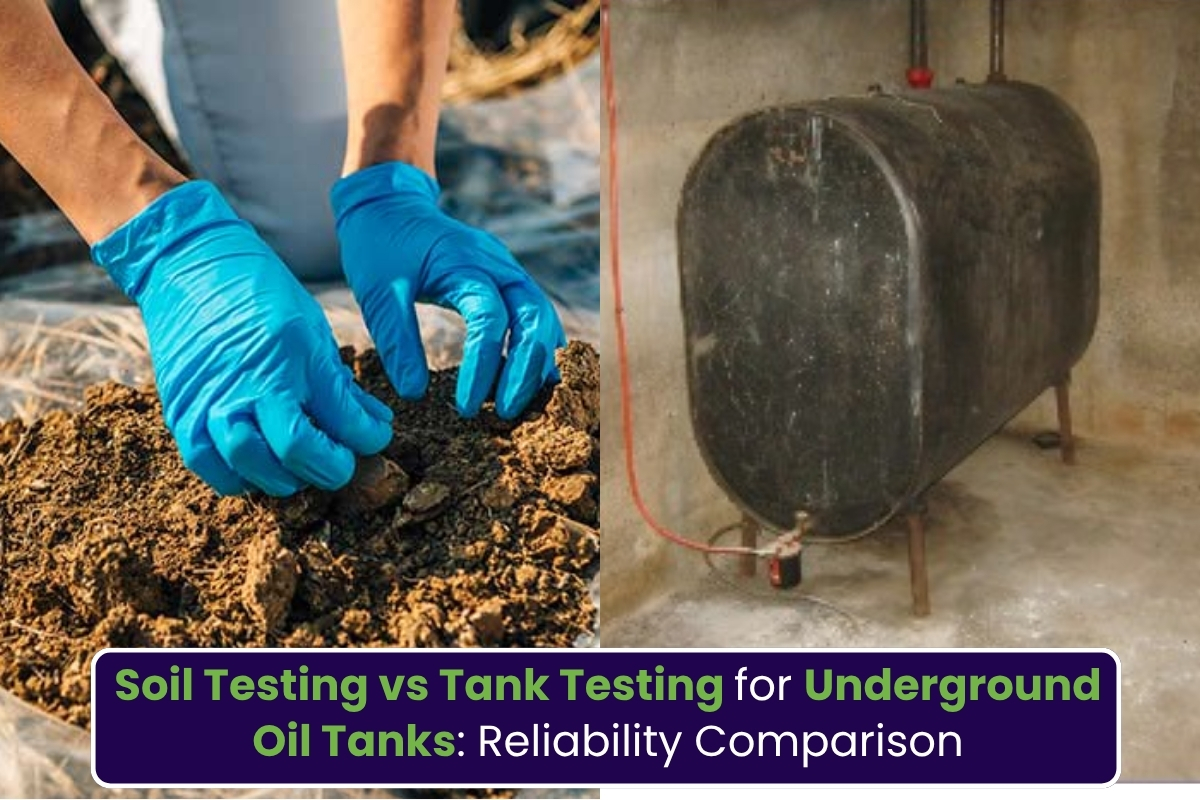
Oil tanks were once a common solution for heating homes and commercial buildings across New Jersey. However, aging underground and aboveground tanks now pose serious environmental and financial risks. One of the most important—but often misunderstood—steps in managing these risks is soil testing services in NJ. Whether you are planning to remove an old oil […]
NJ oil tank removal is essential for New Jersey homeowners. Learn about costs, laws, rebates, and safe removal in 2026. Ensure compliance and protect your property.
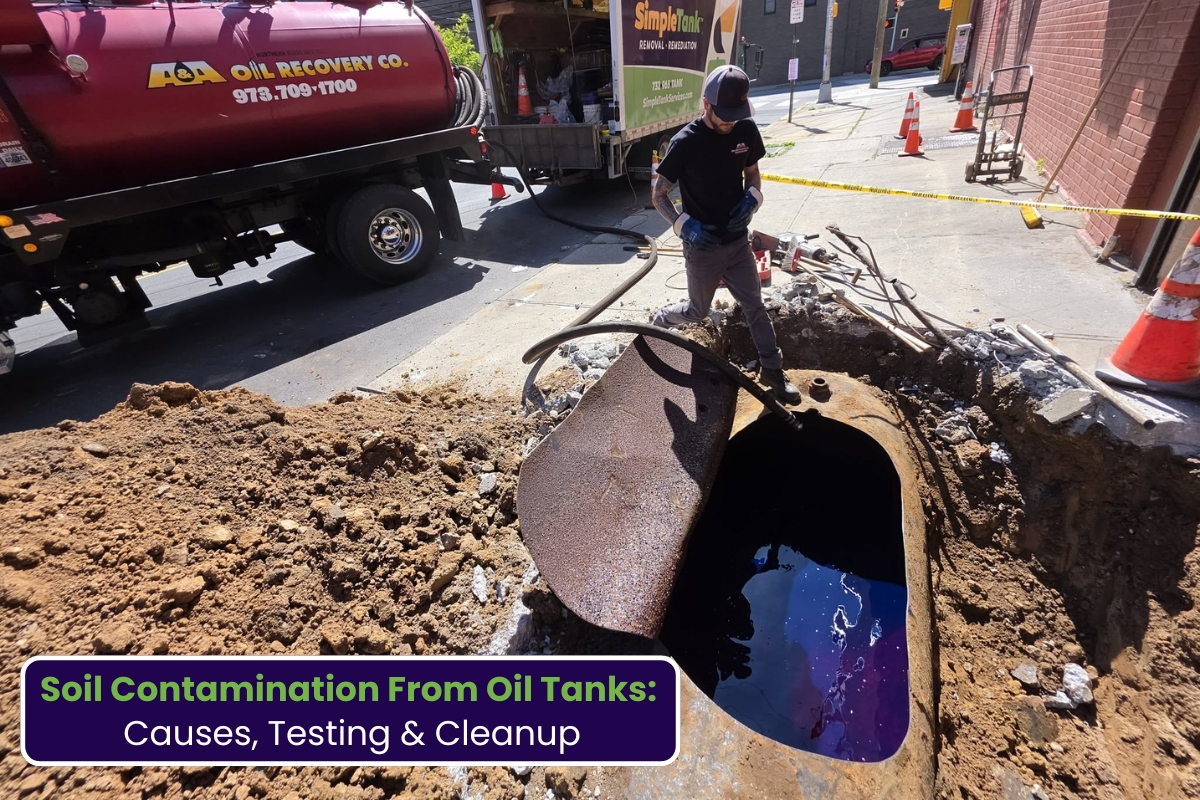
Oil tank leaks are a serious environmental concern for residential and commercial properties across New Jersey. When an underground or aboveground oil tank deteriorates, petroleum products can seep into the surrounding soil, creating contamination that poses risks to human health, groundwater, and property value. That’s why proper soil cleanup after tank removal is not optional—it’s […]
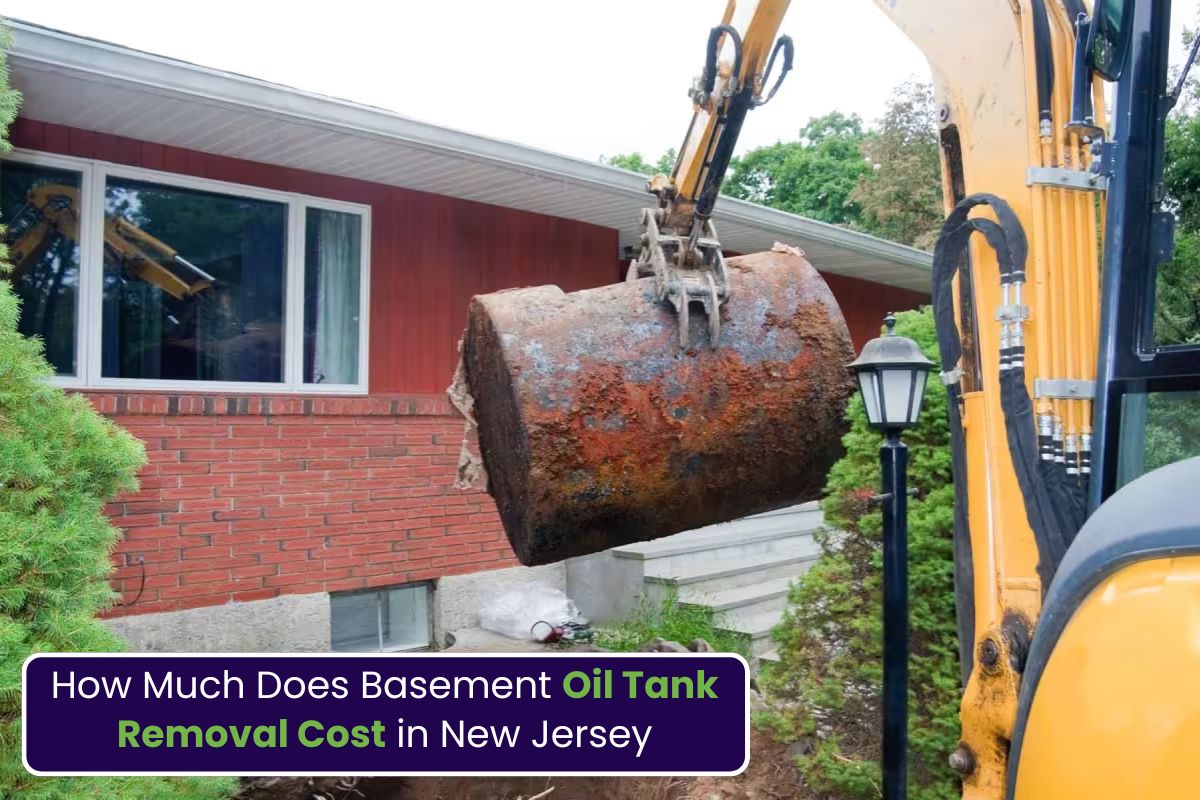
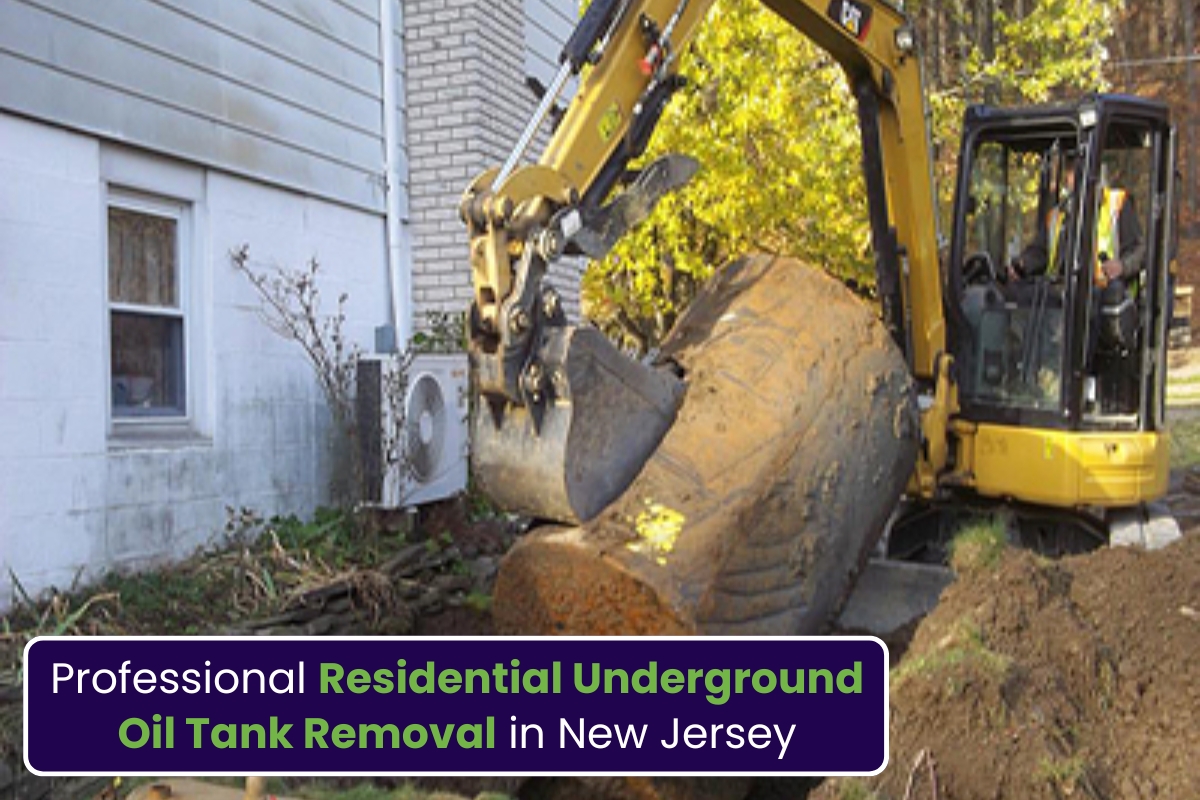
Oil heating systems were once common across New Jersey, but aging tanks, environmental risks, and stricter regulations have made oil tank removal a priority for many homeowners. Whether your tank is buried underground or located in a basement, understanding the costs, removal process, and legal responsibilities is critical before moving forward. This guide is designed […]
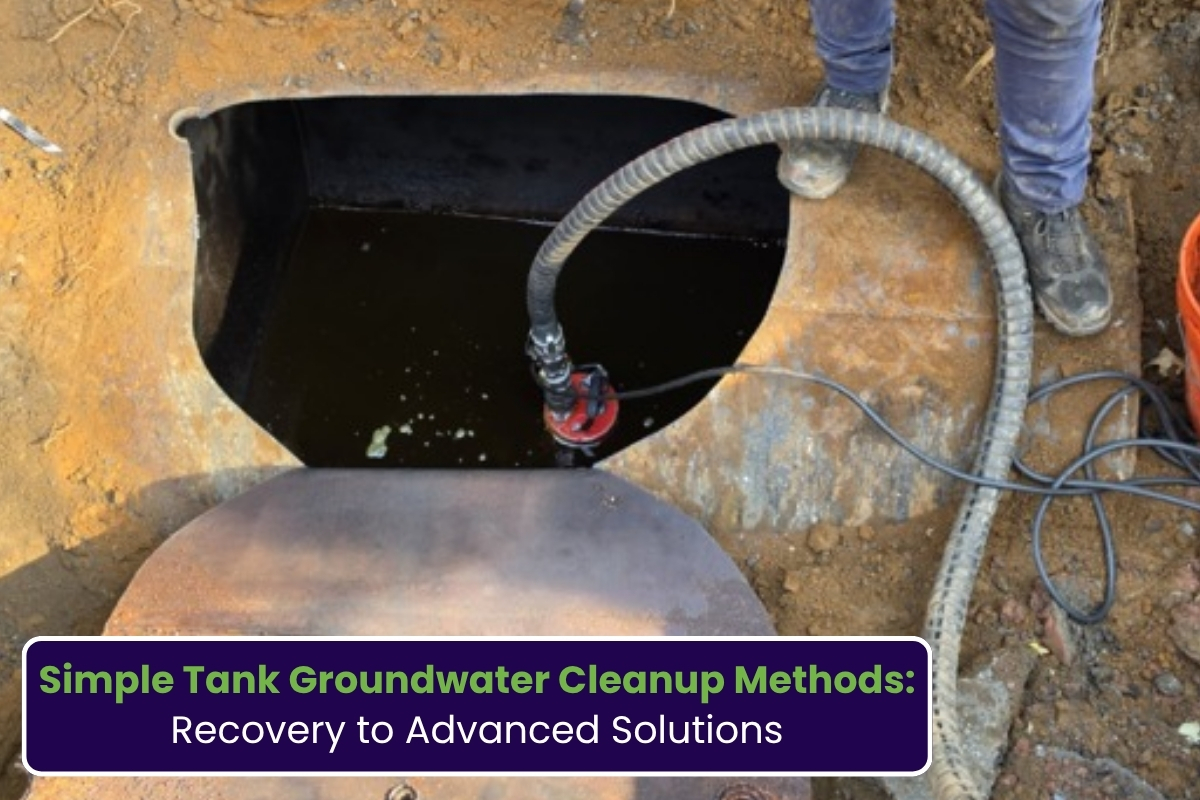
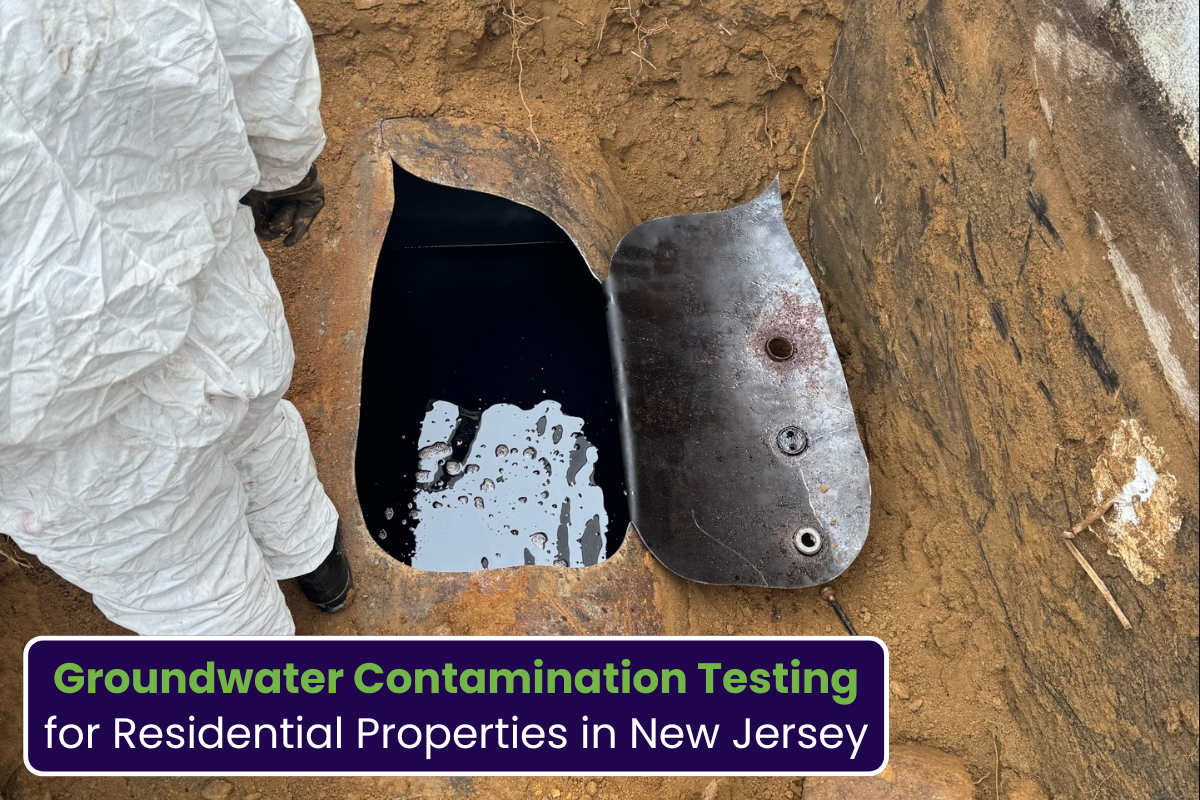
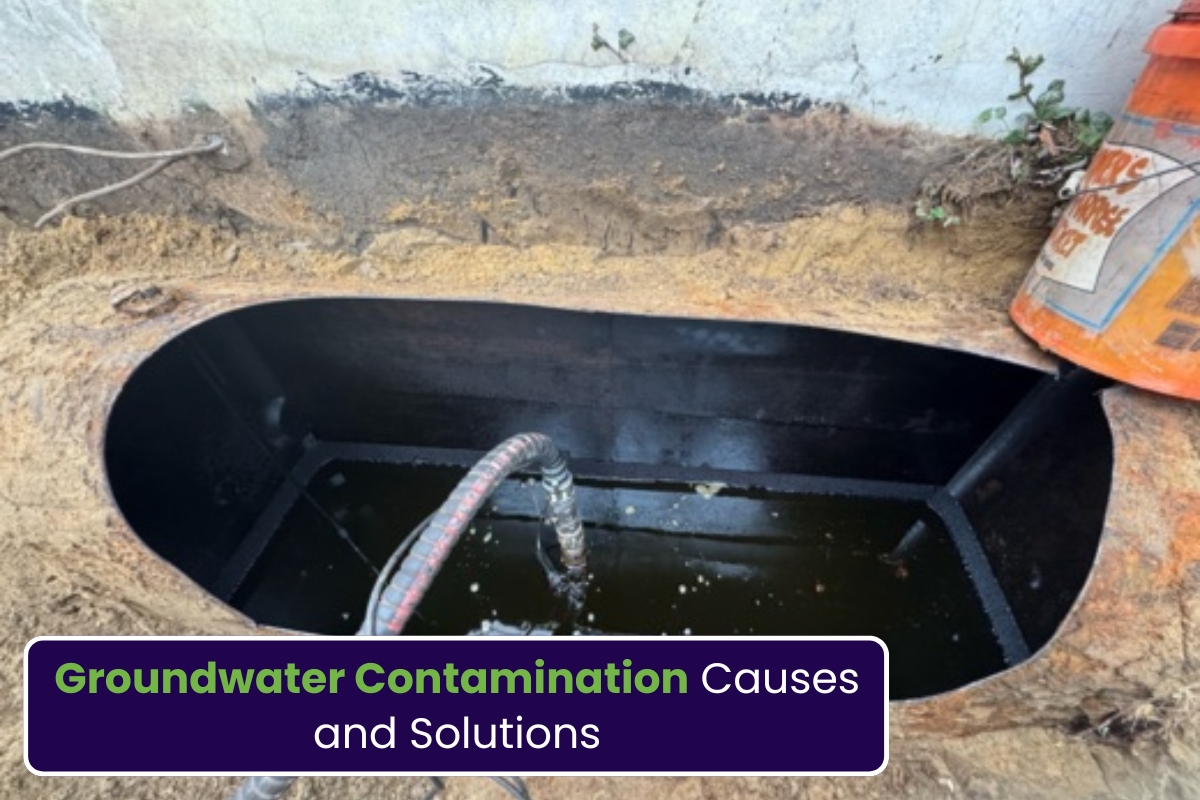
Groundwater is one of New Jersey’s most valuable natural resources, supplying drinking water to millions of residents through private wells and municipal systems. However, underground and aboveground oil tank leaks pose a serious threat to this vital resource. Over time, even small leaks can release petroleum products into the soil, allowing contaminants to migrate downward […]
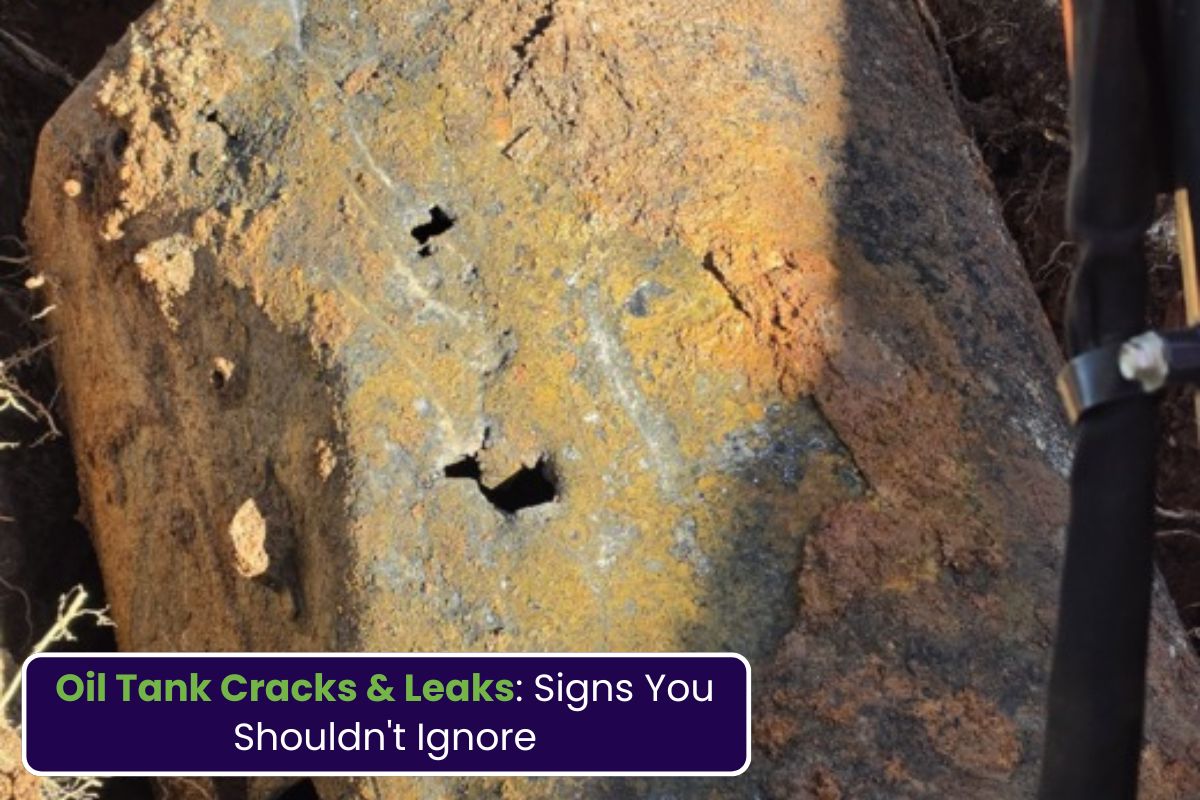
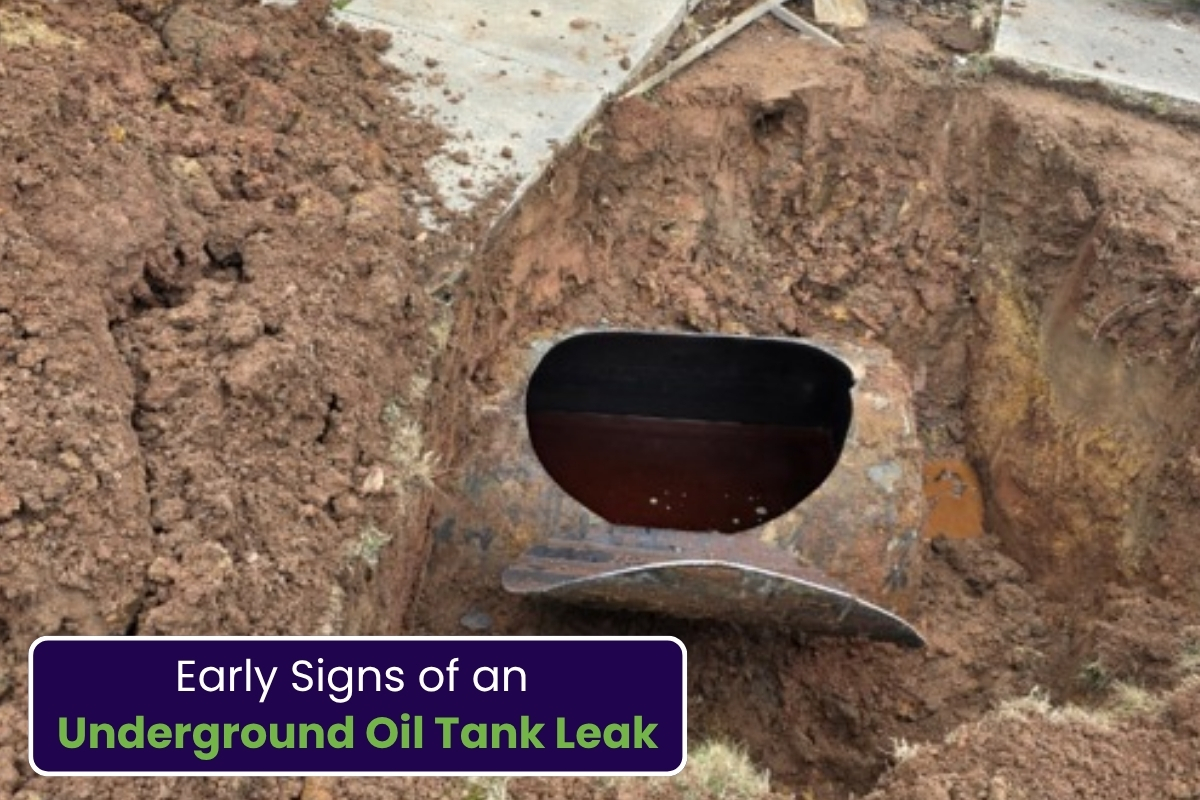
Oil tanks have long been used for residential heating across New Jersey, especially in older homes. While they can be reliable, aging oil tanks pose a serious risk when leaks go unnoticed. Even a small oil tank leak can lead to costly environmental damage, health concerns, and legal liabilities. Understanding early warning signs is critical […]
Underground Storage Tanks (USTs) play an essential role in many New Jersey homes and commercial properties, especially older ones that relied on buried oil tanks for heating. However, aging tanks often corrode, leak, and contaminate soil and groundwater—making proper removal a legal and environmental necessity. Understanding the UST removal requirements in New Jersey is crucial […]
Understanding the Risk of Hidden Oil Tanks Hidden oil tanks are far more common in older New Jersey homes than most property owners realize. Before natural gas became widely used, thousands of properties relied on underground residential heating oil tanks (USTs). Over time, many of these tanks were abandoned, forgotten, or improperly decommissioned. Today, these […]
Discover the latest on NJDEP in 2026 Gain expert insights on new regulations, compliance tips, and how changes impact New Jersey residents and businesses
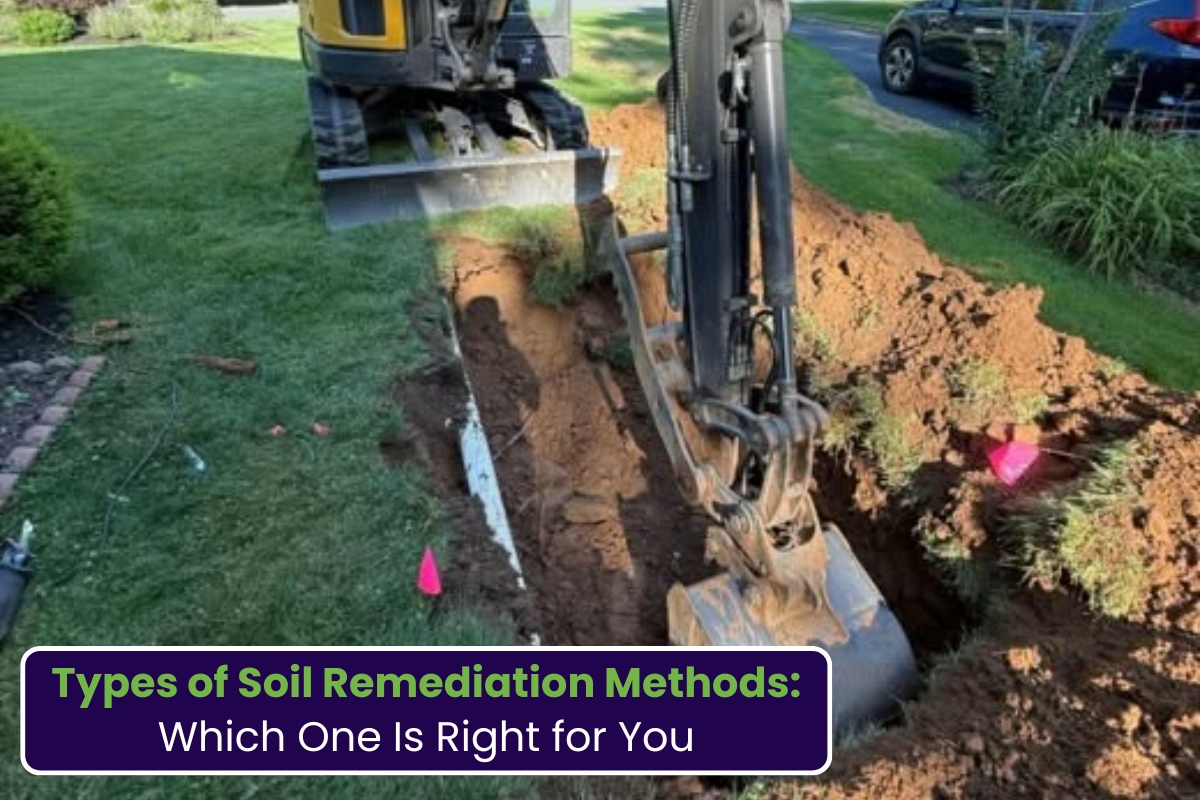
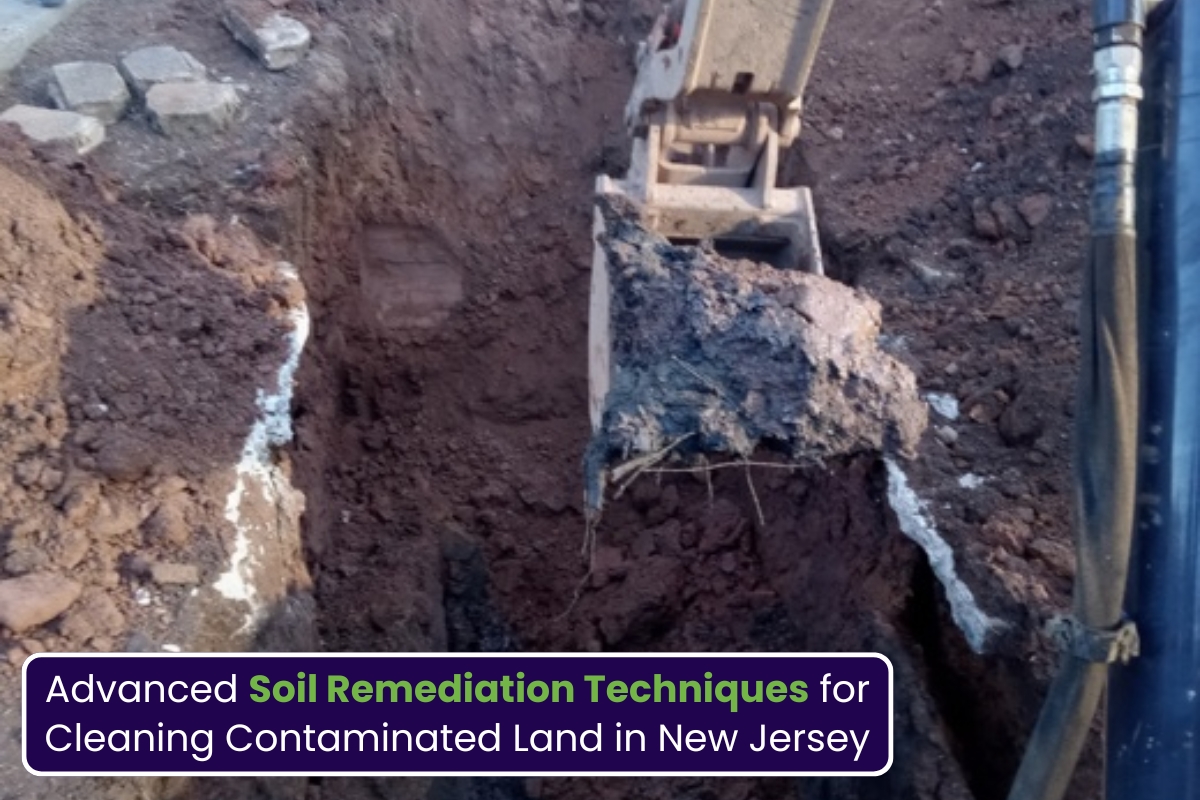
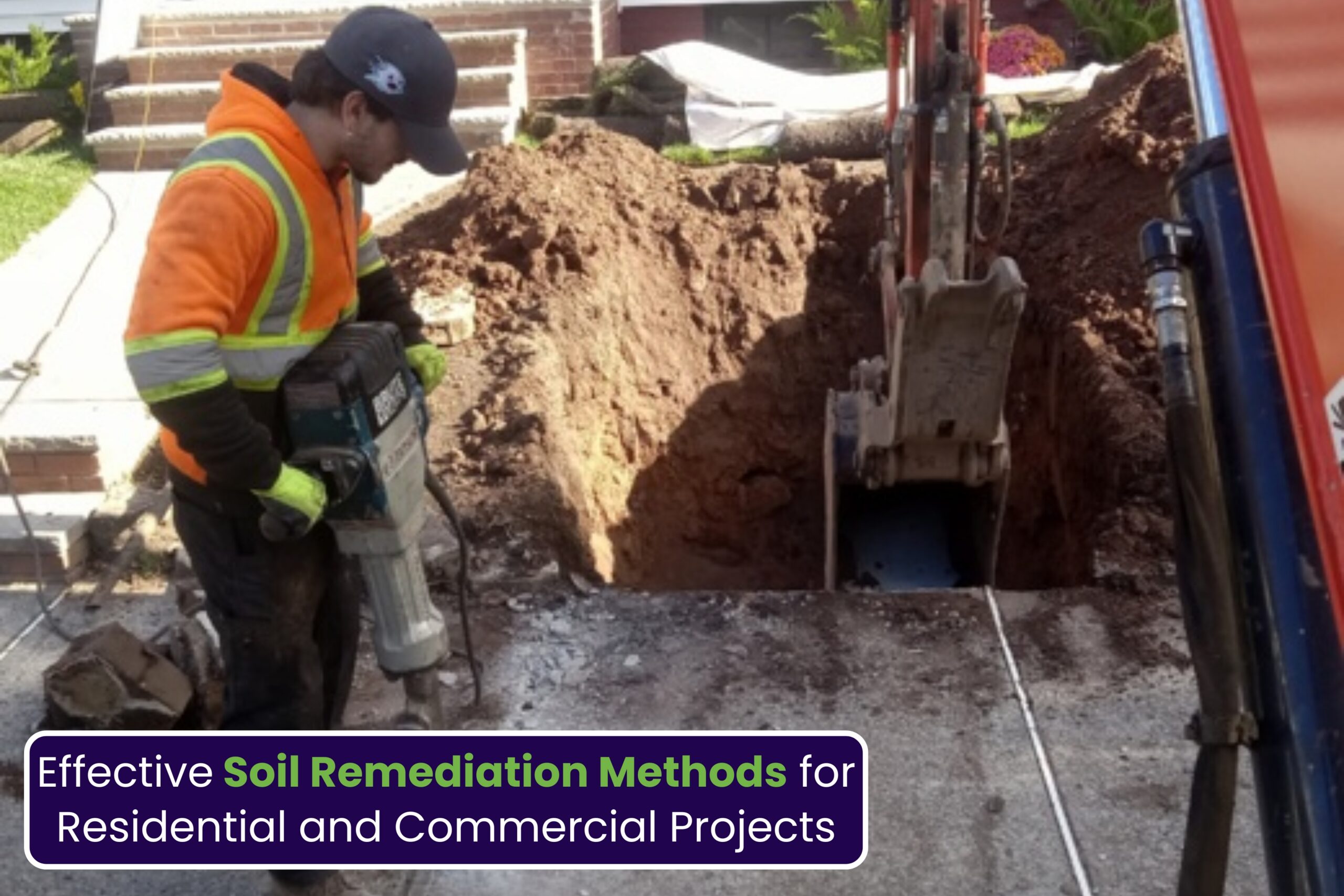
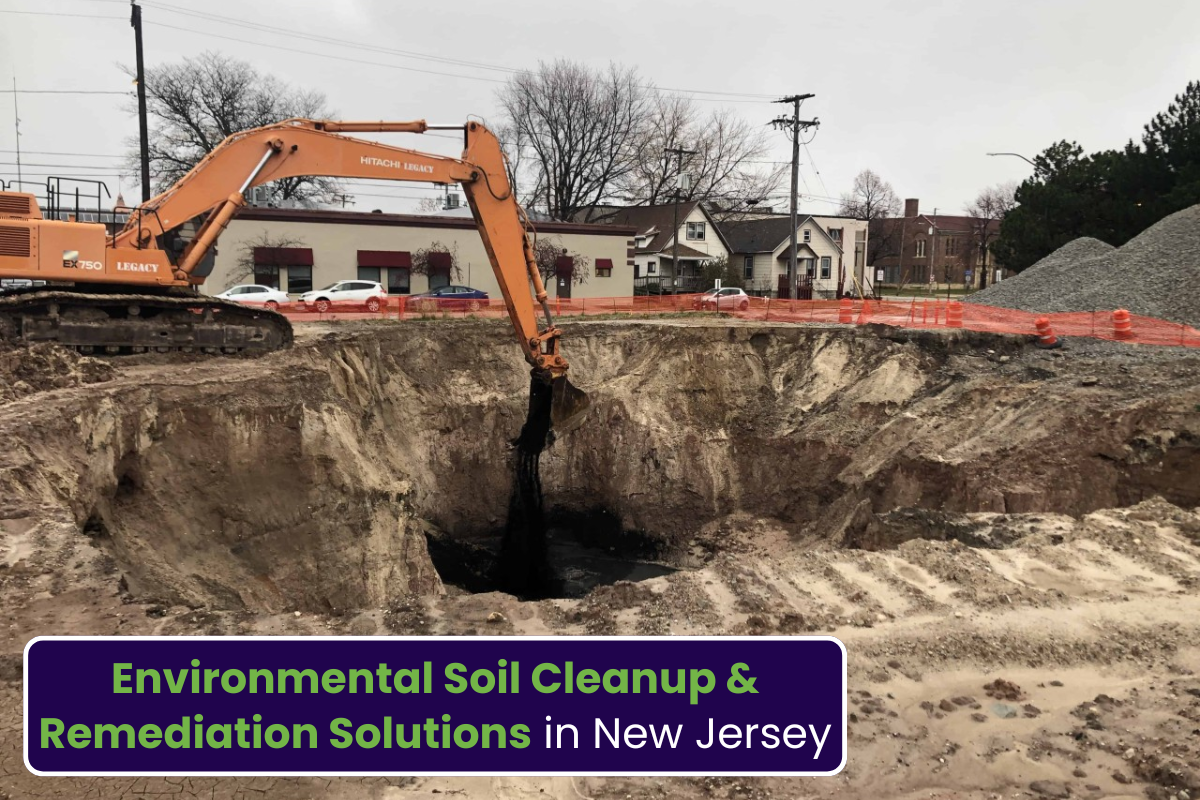
When a heating oil tank ages, leaks, or becomes damaged, it can quietly contaminate the soil around your New Jersey property. This contamination often goes unnoticed until property owners schedule oil tank removal, conduct real estate transactions, or notice unusual oil odors in the soil. Soil remediation services in New Jersey play a critical role […]
Oil tanks whether aboveground or underground were once common sources of residential heating. However, as environmental regulations evolved and modern heating systems replaced outdated tanks, thousands of homeowners have chosen to remove old, unused oil tanks from their property. While removing a tank is an important first step, the real safety measure begins afterward: Soil […]
Unlock expert insights on Grandby tank selection, installation, maintenance, and 2026 compliance. Make informed decisions to maximize safety, value, and longevity.
Discover essential Roth tank insights for 2026 buyers including technology safety sizing installation and costs Make informed decisions for secure storage solutions
Oil tanks play a critical role in providing heating solutions for many homes and businesses in New Jersey. However, failing to maintain these tanks properly can lead to a series of hidden risks that can cause substantial damage and financial loss. Understanding these risks and staying proactive with oil tank maintenance can help homeowners avoid […]
Ensure safe and compliant tank removal with this 2025 guide. Discover essential steps, expert tips, regulations, and best practices for property protection.
Underground oil tanks were widely used decades ago to store heating oil, particularly in older residential and commercial properties. Over time, many of these tanks corroded, leaked, or were abandoned without proper decommissioning. One of the biggest threats associated with these aging tanks is soil contamination. Contaminated soil can affect property value, create environmental hazards, […]
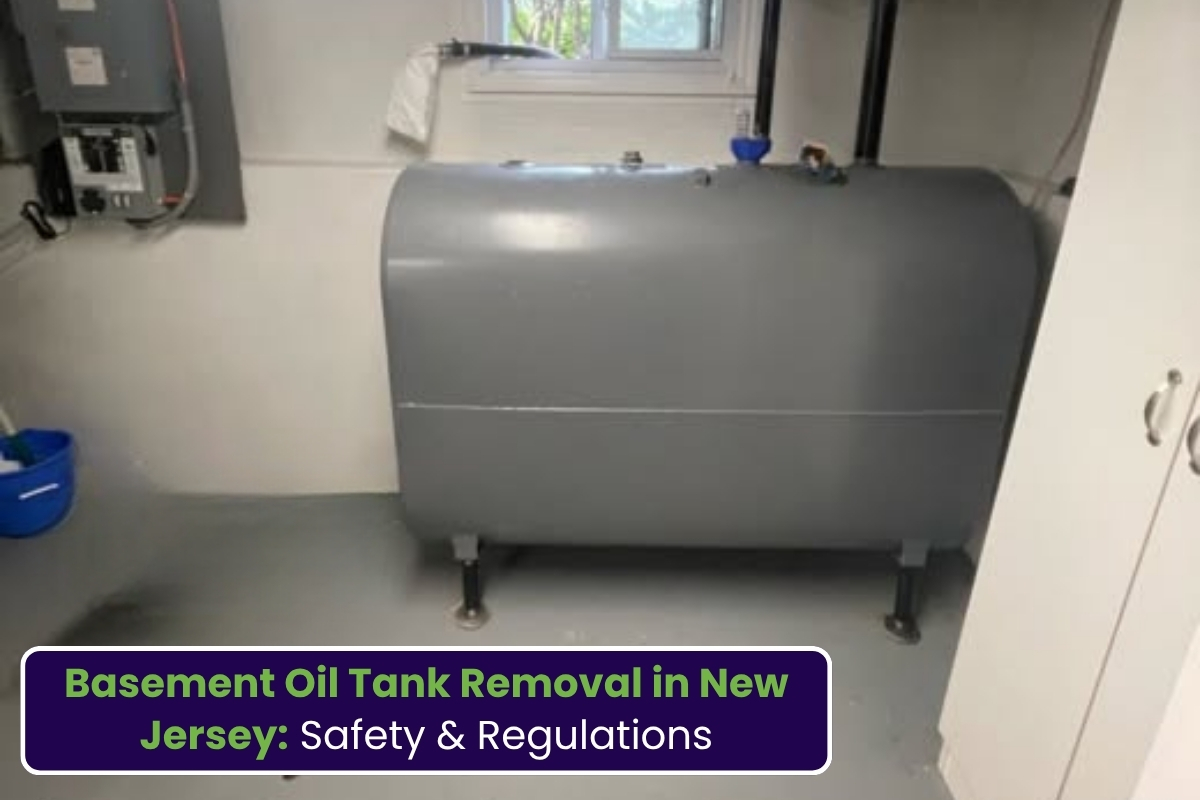
Get expert 2025 basement tank removal guidance Learn about new regulations safe removal steps contamination handling and post removal compliance tips
Discover essential soil remediation strategies for 2025. Learn about causes, regulations, advanced technologies, and best practices for effective land management.
Underground oil tanks were once very common in older homes, especially for heating systems. While many have been removed over the years, thousands still remain buried without the homeowner’s knowledge. These tanks may leak over time, causing soil contamination, property damage, and expensive cleanup costs. This guide reveals the clear signs you may have an […]
Ensure safe oil tank removal in 2025 with our expert guide. Learn legal steps, professional hiring tips, and remediation to protect your property and value.
Discover expert guidance on oil tanks for 2025 including installation, maintenance, compliance, and future trends. Ensure safety and efficiency with our essential guide.
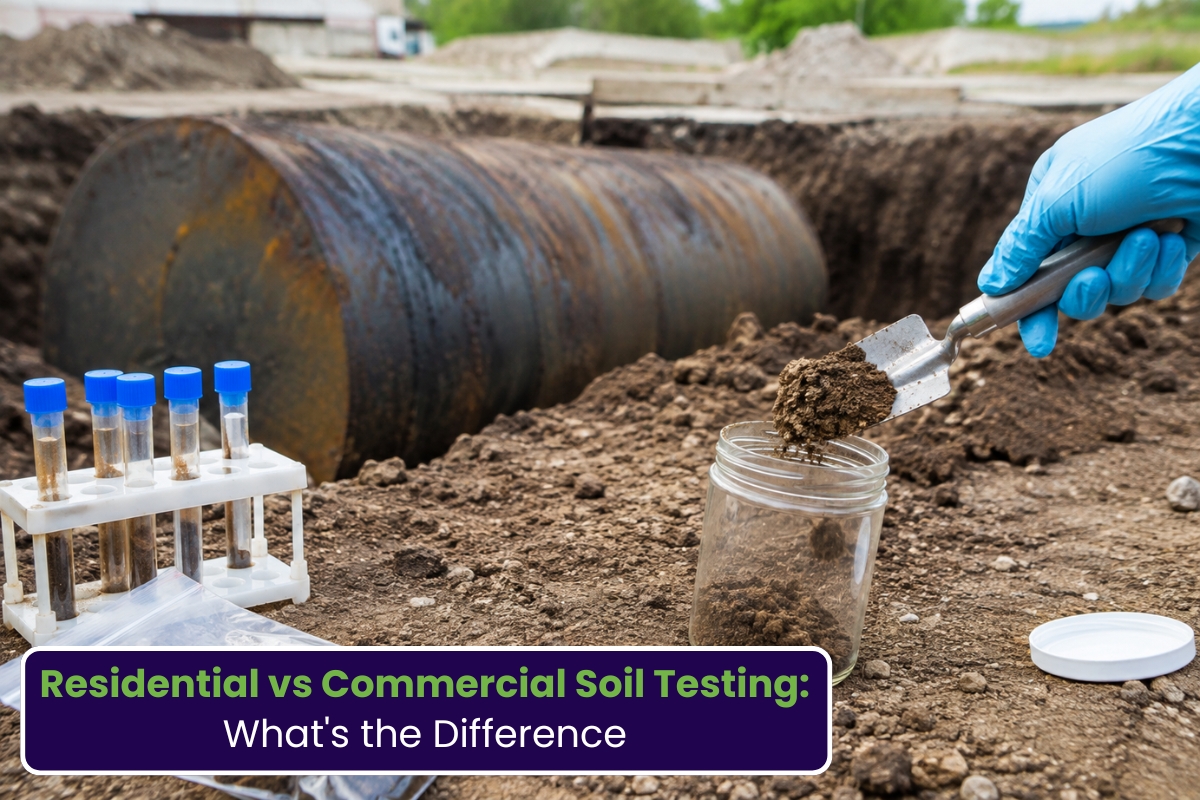
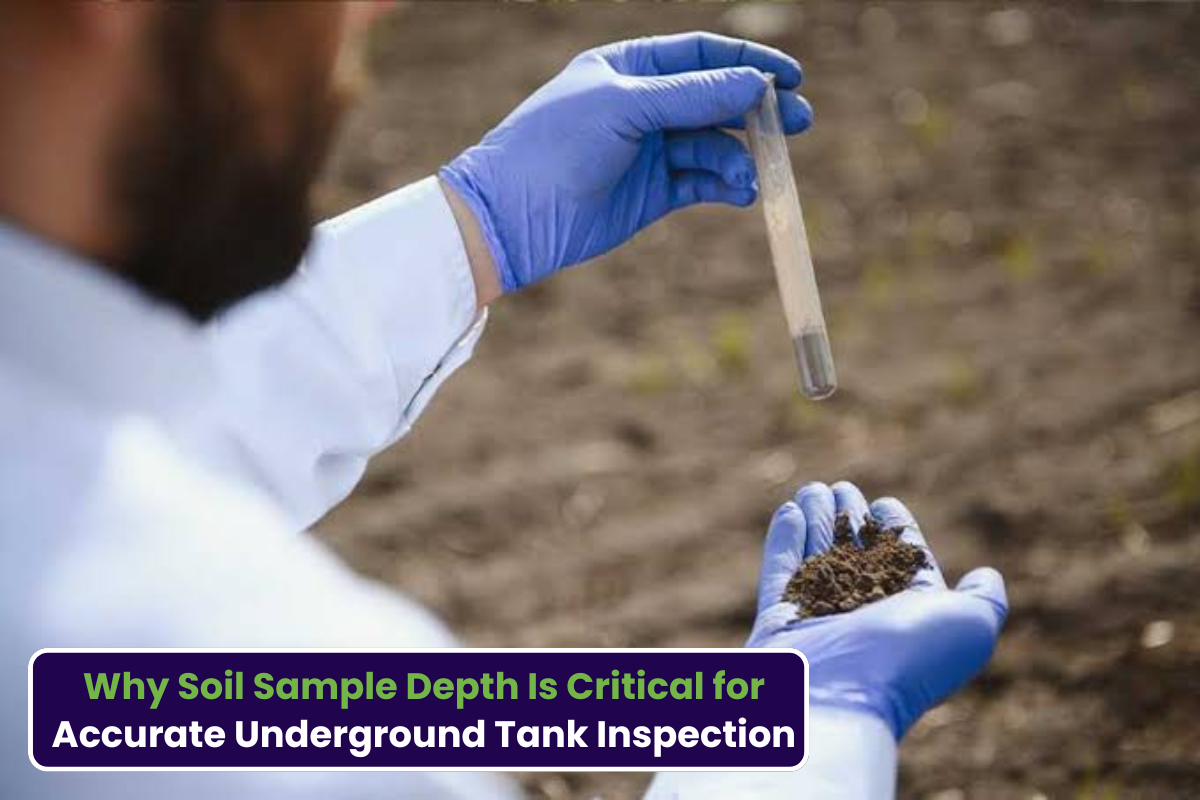
Removing an underground oil tank is a major property improvement step, especially for homeowners concerned about environmental safety or preparing their property for sale. But before removing the tank, one crucial step is always recommended — soil testing before oil tank removal. This process ensures the ground around the tank is safe, contamination-free, and compliant […]
Oil tank leaks pose serious environmental and structural risks, especially when the contamination reaches the soil beneath a property. Whether the tank is above-ground or buried, even a small leak can introduce harmful hydrocarbons into the ground, affect groundwater quality, damage landscaping, and trigger compliance issues with local environmental regulations. That’s why understanding the right […]
If you live in New Jersey and have discovered an old oil tank buried underground or sitting in your basement, it’s crucial to handle it properly. Old and unused oil tanks can become serious liabilities—posing environmental, financial, and even legal risks. Whether your home once relied on oil heating or you recently bought a property […]
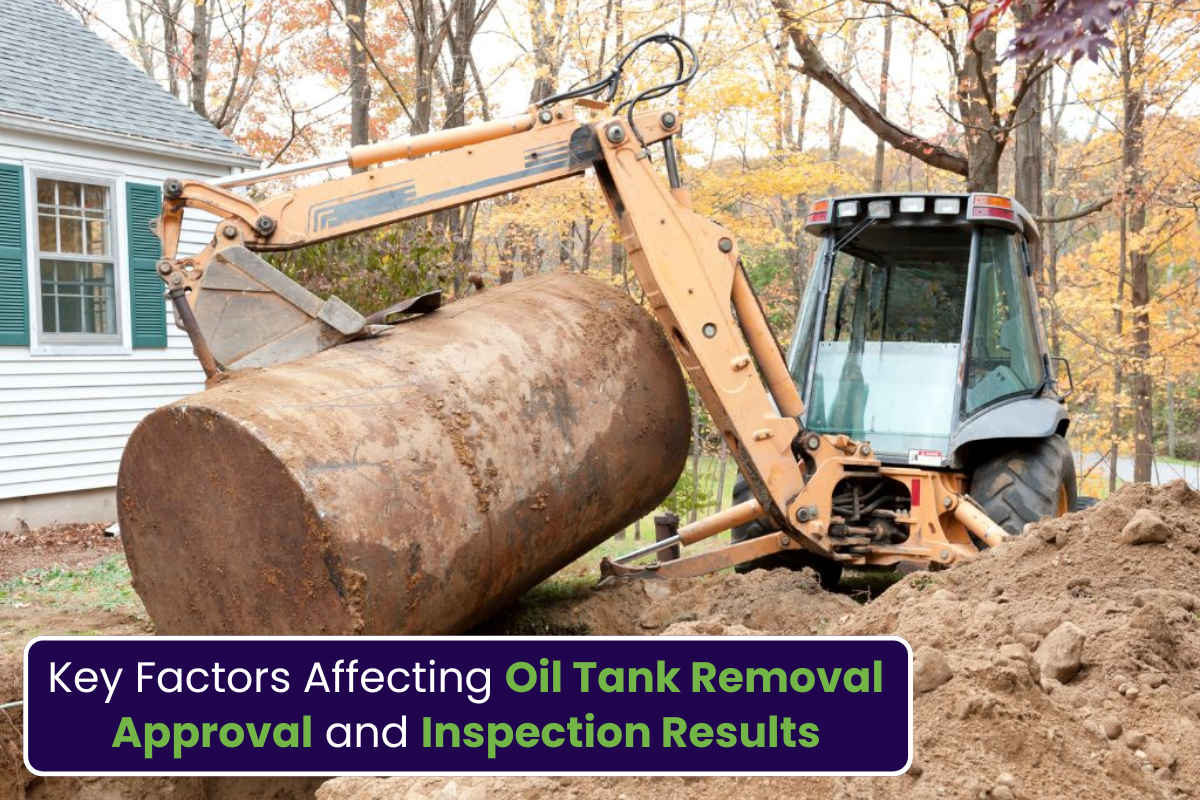
Removing an oil tank from your property is not as simple as digging it up and hauling it away. It involves a series of crucial steps that ensure safety, compliance with environmental laws, and the protection of your property’s value. Whether you are preparing for an underground or above-ground oil tank removal, taking the right […]
Owning a property in New Jersey comes with its perks, but it also brings hidden responsibilities—one of which could be the presence of an underground oil tank. Many homeowners and property investors may not even realize that an old, forgotten oil tank can pose serious environmental and financial risks. Engaging a professional oil tank removal […]
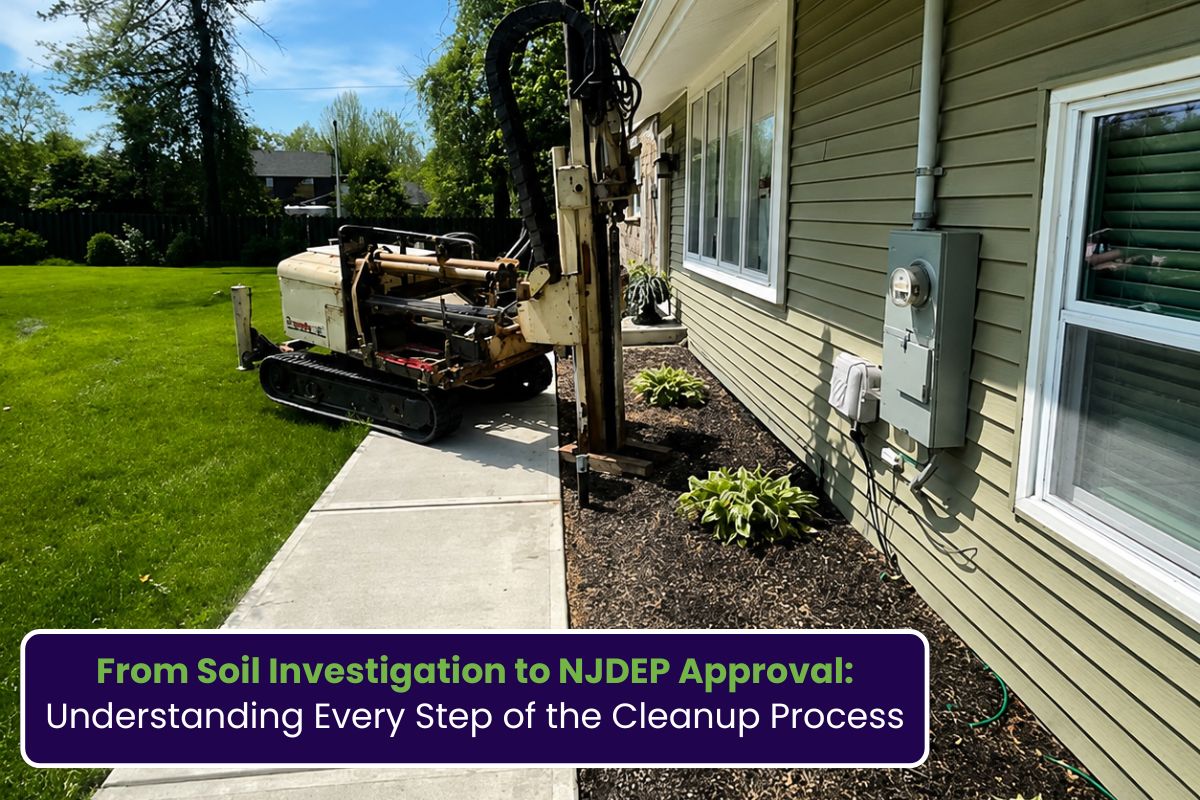
When it comes to oil tank removal, one of the most overlooked yet crucial steps is conducting a thorough soil investigation. Underground oil tanks, whether they are still in use or abandoned, can pose environmental and safety risks if leaks or contamination occur. A professional soil inspection helps identify hidden issues before the tank is […]
In this episode, the Simple Tank team tackles a challenging 550-gallon tank removal in Bloomfield, NJ, where access is limited. The tank is located up a steep hill and several flights of stairs, requiring the crew to remove it by hand in pieces, transporting everything with 5-gallon buckets. Despite the difficult conditions and rocky terrain, […]