
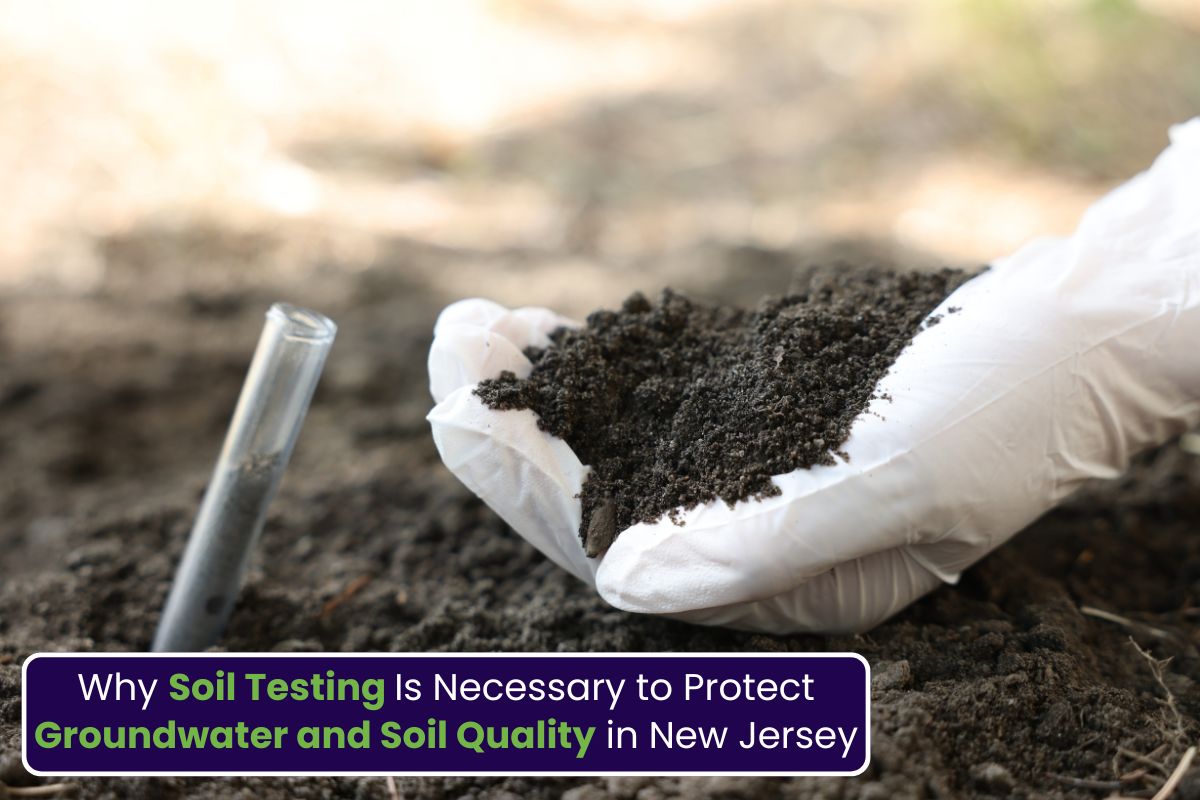
Protecting the environment starts from the ground beneath us. Across New Jersey, property owners, developers, and businesses face increasing concerns about soil pollution, underground contamination, and groundwater safety. Industrial activities, fuel leaks, construction waste, chemical spills, and aging underground storage tanks can all affect the condition of soil and water sources.
This is why professional soil testing has become an important step before construction, redevelopment, excavation, or environmental cleanup projects. Proper testing helps identify contamination early, supports regulatory compliance, and prevents pollutants from spreading into nearby groundwater systems. Understanding the condition of the soil is not only important for environmental protection but also for long-term property safety and development planning. Whether the property is residential, commercial, or industrial, soil testing helps determine potential risks before they become larger environmental problems.
Understanding the Importance of Groundwater Contamination Testing
Groundwater is one of the most valuable natural resources in New Jersey. Many communities depend on underground water sources for drinking water, agriculture, and industrial use. When contaminated soil is left untreated, harmful substances can slowly move through the ground and reach groundwater supplies.
Groundwater contamination testing helps environmental professionals detect pollutants such as petroleum products, heavy metals, chemicals, and hazardous materials before they spread further. Early testing allows property owners to take corrective action and reduce environmental damage. Contaminated groundwater can create serious environmental concerns and may affect nearby ecosystems, public health, and property values. In many cases, contamination is not visible on the surface, making professional inspection essential. Regular environmental testing can help identify:
-Chemical leaks from underground storage tanks
-Petroleum contamination from fuel spills
-Industrial waste contamination
-Hazardous substances in soil layers
-Risks to nearby wells and water systems
By identifying these problems early, property owners can prevent expensive environmental complications and support cleaner, safer land use throughout New Jersey.
How Soil Quality Testing Supports Environmental Protection
Healthy soil plays a major role in environmental stability and sustainable land use. Soil quality testing helps determine whether the soil can safely support construction, landscaping, agriculture, or redevelopment activities.
Different factors can affect soil quality, including erosion, chemical contamination, poor drainage, and long-term industrial activity. Testing evaluates the physical and chemical condition of soil to identify environmental risks that may require remediation or monitoring.
Signs of Soil Contamination
Several warning signs may indicate potential soil problems:
-Unusual odors near the property
-Dead vegetation or poor plant growth
-Discolored soil patches
-Standing water issues
-History of industrial or fuel storage use
Testing provides valuable information about nutrient levels, contamination presence, and overall soil health. This information helps engineers, environmental consultants, and property owners make informed decisions before beginning development projects.
The Role of Environmental Soil Testing in New Jersey Properties
Environmental soil testing is an essential part of responsible property management. In New Jersey, strict environmental regulations require many property owners and developers to assess soil conditions before construction or redevelopment activities begin.
Environmental testing helps determine whether contamination exists and identifies the severity of the issue. It also helps ensure compliance with environmental regulations and supports safer property transactions. Properties with a history of industrial use, fuel storage, manufacturing operations, or waste disposal often require detailed soil analysis. Testing may include:
-Soil sampling
-Laboratory analysis
-Chemical screening
-Groundwater evaluation
-Environmental risk assessment
These inspections help reduce liability risks while protecting nearby communities and natural resources.
Why Contaminated Soil Testing Is Essential Before Development
Before starting any construction or redevelopment project, contaminated soil testing should be completed to identify hidden environmental hazards. Construction activities can disturb contaminated soil and increase the spread of pollutants into surrounding land and water sources. Testing before development helps ensure that the site is safe for workers, future occupants, and nearby properties. It also supports project planning by identifying areas that may require cleanup or environmental remediation.
Benefits of Early Soil Inspection
Early soil testing provides several important advantages:
-Prevents unexpected environmental delays
-Reduces long-term liability risks
-Supports environmental compliance
-Protects groundwater resources
-Improves construction safety
Property developers who invest in early testing can avoid major complications during excavation and site preparation.
Why Soil and Groundwater Testing Work Together
Soil and groundwater testing are closely connected because contamination often moves between soil layers and underground water systems. Testing both areas provides a more complete understanding of environmental conditions on a property. For example, petroleum contamination from underground fuel tanks can leak into surrounding soil and eventually reach groundwater supplies. Without proper testing, contamination may continue spreading unnoticed for years. Combining soil and groundwater testing helps environmental professionals:
-Identify contamination sources
-Measure pollution levels
-Track contamination movement
-Develop remediation plans
-Protect surrounding properties
This comprehensive approach is especially important for commercial and industrial sites with a history of hazardous material use. In many redevelopment projects, professional soil testing in New Jersey plays a critical role in protecting nearby water resources and ensuring long-term environmental safety.
The Growing Need for Environmental Testing Services
As environmental regulations continue to evolve, the demand for professional environmental testing services continues to increase across New Jersey. Property owners are becoming more aware of the risks associated with contaminated land and groundwater pollution. Environmental testing services help identify potential hazards before they become major legal or environmental problems. These services are commonly used for:
-Commercial property transactions
-Industrial redevelopment projects
-Environmental investigations
-Site cleanup planning
-Construction preparation
Professional testing companies use advanced equipment and laboratory analysis to provide accurate environmental data. This information supports safer land development and helps property owners make informed decisions.
How Soil Health Assessment Helps Long-Term Property Safety
A complete soil health assessment evaluates the overall condition of the soil beyond contamination concerns alone. Healthy soil supports proper drainage, vegetation growth, erosion control, and structural stability. Environmental professionals analyze several factors during soil assessments, including:
-Soil composition
-Moisture levels
-Chemical balance
-Organic matter content
-Contamination indicators
Understanding soil health helps property owners maintain safer, more stable land conditions over time. This is particularly important for redevelopment projects, landscaping plans, and environmentally sensitive areas.
Environmental Risks for Property Owners
Ignoring soil health problems may lead to:
-Soil instability
-Water drainage issues
-Increased erosion
-Environmental violations
-Reduced property usability
Routine inspections help prevent these problems and support sustainable land management practices.
Why Pre-Construction Soil Testing Matters
Pre-construction soil testing is one of the most important steps before beginning any building project. Testing ensures that the land can safely support construction activities while identifying environmental risks that may affect project timelines. Without proper testing, developers may encounter hidden contamination during excavation, resulting in delays, environmental investigations, and remediation requirements. Pre-construction testing helps determine:
-Soil stability
-Contamination presence
-Drainage conditions
-Environmental risks
-Site preparation requirements
Early planning reduces unexpected issues and improves overall project efficiency.
The Importance of Soil Testing for Property Development
Soil testing for property development helps ensure that land is suitable for safe and responsible use. Whether developing residential communities, commercial buildings, or industrial facilities, environmental testing supports informed decision-making throughout the project. Developers rely on testing data to:
-Evaluate environmental conditions
-Identify contamination risks
-Plan site remediation
-Meet regulatory requirements
-Protect nearby ecosystems
Environmental due diligence is becoming increasingly important in New Jersey due to strict environmental regulations and growing concerns about groundwater protection.
How Environmental Remediation Services Help Restore Contaminated Land
When contamination is discovered, environmental remediation services help restore affected soil and groundwater systems. Remediation involves removing, containing, or treating pollutants to reduce environmental risks and improve site safety. The remediation process may include:
-Soil excavation
-Contaminant removal
-Groundwater treatment
-Site monitoring
-Environmental restoration
Professional remediation helps properties become safer for future use while supporting environmental compliance and long-term sustainability. Effective remediation also prevents contamination from spreading into surrounding communities and natural resources.
Frequently Asked Questions
Q1. What is soil testing used for?
Soil testing is used to identify contamination, evaluate soil quality, assess environmental risks, and support safe property development.
Q2. Why is groundwater contamination testing important?
Groundwater contamination testing helps detect pollutants before they spread into water supplies and surrounding ecosystems.
Q3. When should pre-construction soil testing be performed?
Pre-construction soil testing should be completed before excavation, land development, or building activities begin.
Q4. Can contaminated soil affect nearby properties?
Yes. Contaminated soil can spread pollutants into neighboring land and groundwater systems if left untreated.
Q5. What industries commonly require environmental soil testing?
Industries involving fuel storage, manufacturing, industrial operations, waste handling, and redevelopment projects often require testing.
Summary
Protecting groundwater and maintaining healthy soil conditions are essential for environmental safety and responsible property development in New Jersey. Professional soil testing helps identify contamination early, supports regulatory compliance, and reduces environmental risks before they become serious problems. From groundwater contamination testing to environmental remediation planning, these services play a critical role in protecting communities and natural resources. Businesses like Simple Tank Services help property owners better understand environmental conditions and support safer land management practices through reliable testing and remediation solutions.