
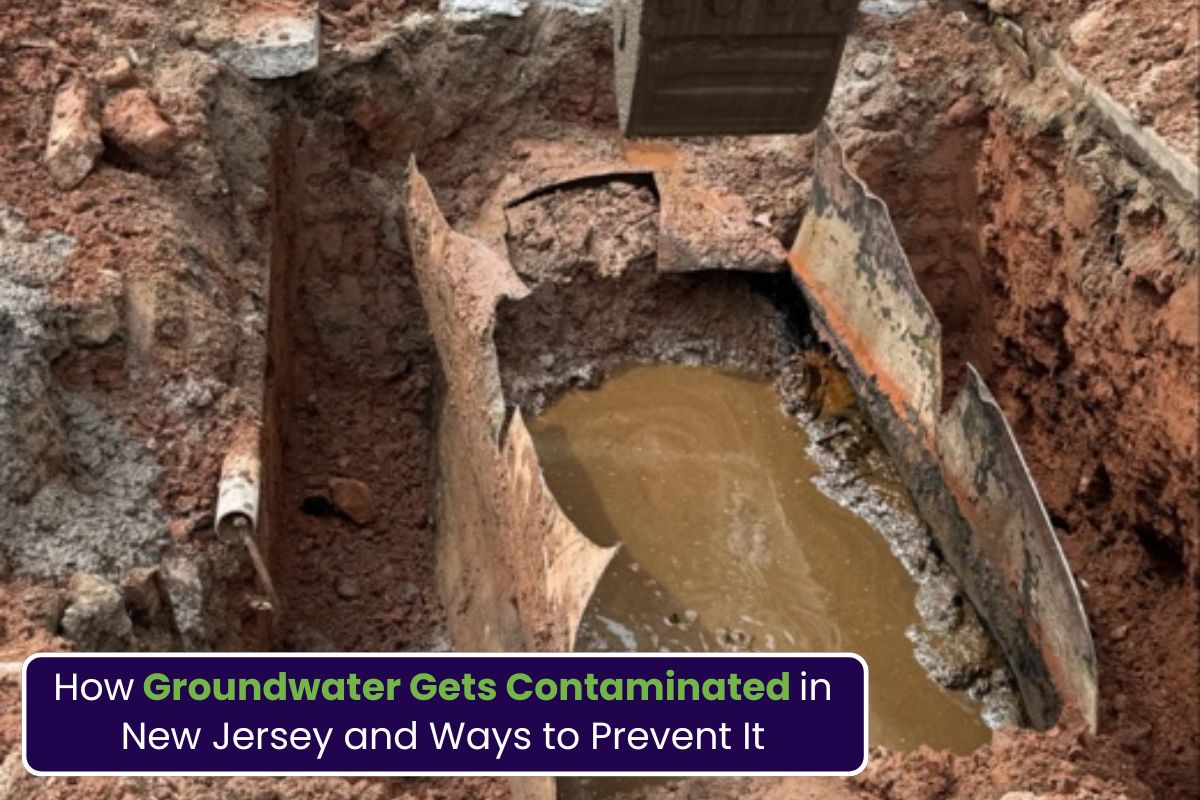
Groundwater is one of the most important natural resources in New Jersey, supplying drinking water to millions of homes and businesses. However, contamination of groundwater has become a growing concern due to industrial activities, agricultural practices, and improper waste disposal. Understanding how contamination happens and how to prevent it is essential for maintaining clean and safe water. This guide explains the key causes, risks, and solutions related to groundwater contamination, helping property owners and businesses make informed decisions.
Groundwater Pollution Causes and Their Impact
Groundwater contamination occurs when harmful substances seep into the soil and reach underground water sources. Common groundwater pollution causes include:
-Industrial waste and chemical spills
-Leaking underground storage tanks
-Agricultural runoff (fertilizers and pesticides)
-Improper disposal of hazardous materials
-Landfills and septic system leaks
These pollutants can travel through soil layers and contaminate aquifers, making water unsafe for drinking and daily use. Soil and water pollution are closely linked, meaning contamination in one often affects the other.
How to Prevent Groundwater Contamination Effectively
Taking preventive measures is the most effective way to protect groundwater. To prevent groundwater contamination, consider the following steps:
-Properly dispose of chemicals and hazardous waste
-Maintain septic systems regularly
-Use environmentally safe fertilizers and pesticides
-Inspect underground storage tanks for leaks
-Avoid dumping waste into drains or open land
Simple actions can significantly reduce the risk of long-term contamination and protect drinking water sources.
Groundwater Protection NJ: Why It Matters
Groundwater protection NJ is critical due to the state’s dense population and industrial activity. Protecting groundwater ensures:
-Safe drinking water for communities
-Healthy ecosystems and agriculture
-Reduced health risks from contaminated water
-Long-term environmental sustainability
At this stage, it’s important to understand the broader issue of groundwater contamination in New Jersey, as it affects both residential and commercial properties across the state.
Contaminated Well Water and Associated Risks
Contaminated well water is a serious issue for many property owners. Wells can easily become polluted if contaminants enter the surrounding soil.
Well Water Contamination Risks
-Bacteria and viruses
-Heavy metals like lead and arsenic
-Chemicals from industrial or agricultural sources
Regular testing is essential to detect contamination early and ensure water safety.
Water Safety and Drinking Water Safety Measures
Ensuring water safety is essential for public health. Drinking water safety can be improved by:
-Testing water quality regularly
-Installing certified filtration systems
-Avoiding exposure to contaminated sources
-Following local environmental guidelines
Safe drinking water is not just a convenience—it is a necessity for a healthy life.
Soil and Water Pollution: A Connected Problem
Soil and water pollution often occur together. Contaminated soil allows harmful substances to seep into groundwater, spreading pollution over a larger area.
Preventing soil contamination through responsible waste management and reduced chemical use is key to protecting groundwater resources.
Groundwater Cleanup Methods and Solutions
Once contamination occurs, cleanup can be complex and time-consuming. Common groundwater cleanup methods include:
-Pump and treat systems
-Soil vapor extraction
-Bioremediation using natural bacteria
-Chemical treatment processes
These methods help remove or neutralize pollutants, restoring water quality over time.
Water Filtration Solutions for Safer Water
Clean and safe water is essential for both homes and businesses, especially in areas where contamination may be a concern. Choosing the right water filtration solution helps remove harmful impurities, improve taste, and ensure water is safe for everyday use.
Common Water Filtration Options
-Activated Carbon Filters
Activated carbon filters are one of the most widely used and affordable solutions. They work by absorbing contaminants such as chlorine, bad odors, and certain chemicals, improving both taste and smell.
-Reverse Osmosis Systems
Reverse osmosis (RO) systems use a semi-permeable membrane to remove dissolved solids, heavy metals, and harmful substances. This method is highly effective for producing clean and purified drinking water.
-UV Purification Systems
UV purification systems use ultraviolet light to kill bacteria, viruses, and other microorganisms. This chemical-free method is ideal for ensuring microbiologically safe water.
These systems improve water quality and ensure safe consumption, especially in areas with known contamination issues. By selecting the right filtration system, you can significantly enhance water quality and ensure safer consumption for your family or business.
Groundwater Contamination Prevention Tips
Protecting groundwater is essential for maintaining clean and safe water supplies for homes, agriculture, and businesses. Since groundwater is often hidden beneath the surface, contamination can go unnoticed until it becomes a serious problem. Taking preventive steps can help reduce risks and preserve water quality for the long term.
Practical Tips to Prevent Groundwater Contamination
-Store Chemicals Safely
Always keep chemicals like pesticides, oils, and cleaning agents in sealed containers and away from soil or water sources. Proper storage reduces the risk of leaks and spills that can seep into the ground.
-Avoid Overuse of Fertilizers
Excessive use of fertilizers can lead to harmful chemicals seeping into the soil and contaminating groundwater. Use only the recommended amounts and consider eco-friendly alternatives when possible.
-Fix Leaks in Storage Tanks Immediately
Underground or above-ground storage tanks can develop leaks over time. Regularly inspect tanks and repair any leaks quickly to prevent hazardous substances from entering the groundwater.
-Conduct Routine Environmental Inspections
Regular site inspections help identify potential contamination risks early. Monitoring soil conditions and nearby water sources can prevent long-term environmental damage.
-Educate Communities About Water Conservation
Raising awareness about responsible water use and pollution prevention encourages communities to take part in protecting groundwater resources.
Why Prevention Matters
Preventing groundwater contamination not only protects human health but also preserves ecosystems and reduces the need for costly cleanup efforts. Small actions today can make a significant difference in ensuring clean water for future generations. Prevention is always more cost-effective and sustainable than remediation.
FAQs
Q1. What is the main cause of groundwater contamination?
The main causes include industrial waste, agricultural runoff, and leaking storage tanks.
Q2. How can I tell if my well water is contaminated?
You may notice unusual taste, odor, or color, but testing is the most reliable method.
Q3. Can groundwater contamination be reversed?
Yes, but it requires specialized groundwater cleanup methods and can take time.
Q4. How often should I test my water?
At least once a year, or more frequently if you live in a high-risk area.
Q5. What is the best way to protect groundwater?
Proper waste disposal, regular maintenance, and using eco-friendly products are key steps.
Summary
Groundwater contamination is a serious issue that affects water safety, public health, and the environment. By understanding its causes and taking preventive measures, individuals and businesses can protect valuable water resources. Professional services like Simple Tank Services play an important role in identifying risks, preventing contamination, and ensuring long-term groundwater protection.