
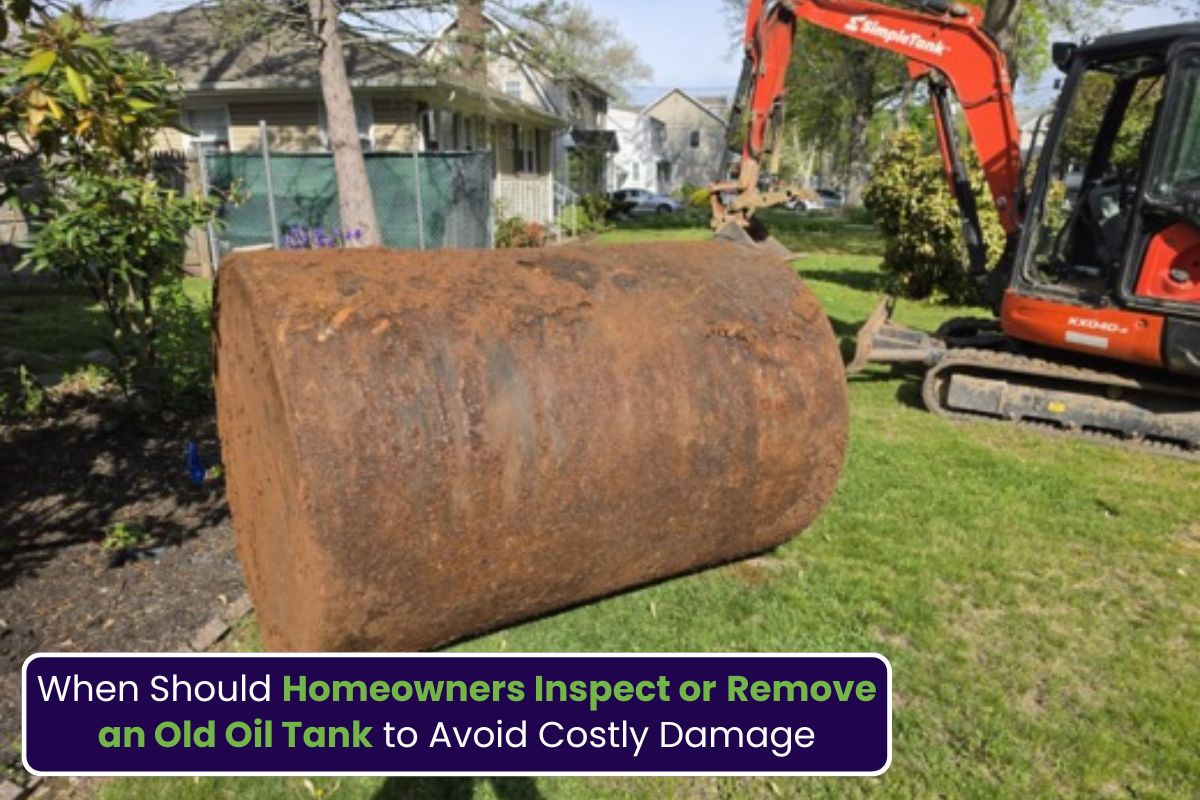
Many older homes still rely on heating oil tanks that were installed decades ago. While these systems may continue working for years, aging tanks can quietly develop corrosion, leaks, and structural damage over time. Unfortunately, homeowners often do not notice a problem until it leads to contaminated soil, property damage, or expensive repairs.
Knowing when to schedule an old oil tank inspection or plan for removal is one of the best ways to protect your property and avoid long-term environmental issues. Whether the tank is above ground or buried underground, regular inspections and proper maintenance can help homeowners identify problems early and make informed decisions before damage spreads. In this guide, we will explain the warning signs of a failing oil tank, why inspections matter, and when removal becomes the safest option for your home.
Understanding the Importance of Old Oil Tank Inspection
An old oil tank inspection is essential because heating oil tanks naturally weaken with age. Over time, moisture, rust, and soil conditions can slowly damage the tank’s structure. Small cracks or corrosion may go unnoticed for years while oil leaks seep into the surrounding ground. Professional inspections help homeowners identify early warning signs such as:
-Rust or corrosion around the tank
-Wet spots near the tank area
-Unusual fuel odors indoors or outdoors
-Uneven heating performance
-Visible oil stains or soil discoloration
Routine inspections are especially important for tanks that are more than 20 years old. Older tanks are more vulnerable to leaks and structural failure, particularly if they have not received regular maintenance. Homeowners who inspect their tanks regularly can reduce environmental risks and avoid sudden emergencies that may interrupt heating systems or damage property foundations.
Why Oil Tank Removal Becomes Necessary for Aging Systems
Many homeowners delay oil tank removal because the tank still appears functional. However, aging tanks often develop hidden problems that cannot be seen from the outside. As metal deteriorates, the likelihood of leaks increases significantly. Removing an old tank becomes necessary when:
-The tank has exceeded its expected lifespan
-Corrosion is spreading across the tank surface
-Previous leaks or repairs have occurred
-The heating system has been upgraded
-The property is being sold or renovated
Old tanks can also create issues during property transactions. Buyers and lenders may request inspections before approving a sale because of potential contamination risks. Removing a deteriorating tank before it fails can protect your property value and reduce future liability concerns.
Key Signs That Indicate Underground Oil Tank Removal May Be Needed
Underground oil tanks are particularly difficult to monitor because they are hidden beneath the soil. Many homeowners may not even realize an abandoned tank exists on their property until construction or landscaping work uncovers it. Some common signs that underground oil tank removal may be necessary include:
Rust and Corrosion Around Tank Components
If exposed pipes or fittings show heavy corrosion, the underground tank itself may also be deteriorating.
Unexplained Fuel Loss
A sudden increase in fuel usage or unexplained oil loss could indicate leakage underground.
Soil or Groundwater Problems
Oil contamination can affect nearby soil and groundwater, leading to environmental concerns and cleanup requirements.
Strong Fuel Odors Outdoors
Persistent oil smells near the yard or basement may signal an underground leak. Property owners should act quickly if these warning signs appear. Delaying removal can increase contamination risks and complicate future repairs.
How Oil Tank Leak Detection Helps Prevent Property Damage
Oil tank leak detection plays a major role in preventing environmental damage and protecting home structures. Even small leaks can spread beneath the soil and impact surrounding areas over time. Professional leak detection methods may include:
-Pressure testing
-Soil testing
-Ground scans
-Tank integrity inspections
-Monitoring fuel level changes
Early leak detection helps homeowners respond before contamination spreads into foundations, landscaping, or nearby water sources. Many homeowners searching for oil tank removal in New Jersey also schedule inspections and leak detection services to address aging underground tanks before major environmental concerns develop. Identifying leaks early can help homeowners make safer decisions about maintenance, repairs, or removal.
Practical Oil Tank Maintenance Tips for Long-Term Safety
Proper oil tank maintenance can extend the life of a heating oil system and reduce the likelihood of unexpected issues. While no tank lasts forever, regular upkeep helps homeowners monitor changing conditions over time. Important maintenance practices include:
-Scheduling regular professional inspections
-Keeping the tank clean and dry
-Monitoring fuel usage patterns
-Protecting outdoor tanks from excess moisture
-Checking valves, pipes, and fittings regularly
Maintenance is especially important during seasonal weather changes. Cold temperatures, moisture, and shifting soil can increase stress on aging tanks. Homeowners who invest in regular maintenance are more likely to identify small problems before they become larger environmental or structural concerns.
Understanding Aging Oil Tank Risks for Homeowners
Aging oil tank risks increase significantly once tanks begin reaching the later stages of their lifespan. Corrosion weakens the tank walls, making leaks and failures more likely over time. Some major risks include:
Environmental Contamination
Leaking oil can contaminate surrounding soil and groundwater, creating environmental hazards.
Structural Property Damage
Oil leaks may affect foundations, basements, driveways, and landscaping.
Health and Safety Concerns
Strong fuel odors and indoor vapor exposure can impact indoor air quality.
Complicated Real Estate Transactions
Older tanks can delay property sales if buyers request inspections or remediation. Understanding these risks helps homeowners make proactive decisions before major issues develop.
Why Home Oil Tank Removal Can Protect Property Value
Home oil tank removal is often viewed as a preventive investment in long-term property safety. Removing outdated or abandoned tanks reduces uncertainty for future buyers and minimizes the risk of future contamination issues. Property owners may consider removal when:
-Switching to alternative heating systems
-Renovating older homes
-Preparing a property for sale
-Discovering abandoned underground tanks
Removing an aging tank also provides peace of mind. Homeowners no longer need to worry about hidden leaks developing beneath the property over time. In many cases, proactive removal is safer than waiting for visible signs of failure.
How Oil Tank Contamination Affects Homes and the Environment
Oil tank contamination can create serious environmental challenges if leaks go unnoticed for extended periods. Heating oil can spread through soil and potentially reach nearby groundwater sources. Contamination may lead to:
-Soil damage around the property
-Harm to nearby vegetation
-Lingering fuel odors
-Environmental remediation requirements
-Potential legal or regulatory concerns
Because underground contamination is difficult to detect without testing, homeowners should never ignore signs of leakage or corrosion. Routine inspections and early removal decisions help reduce the likelihood of widespread contamination.
Factors That Influence the Cost of Oil Tank Removal
The cost of oil tank removal can vary depending on several factors related to the property and the condition of the tank. While homeowners often focus on immediate expenses, delaying removal can sometimes lead to larger environmental repair needs later. Factors that influence removal complexity include:
-Whether the tank is above ground or underground
-Tank size and accessibility
-Soil conditions around the tank
-Presence of contamination
-Local environmental regulations
Scheduling inspections early allows homeowners to better understand the condition of the system and avoid unexpected complications.
Oil Tank Leak Prevention Strategies Every Homeowner Should Follow
Oil tank leak prevention begins with awareness and regular monitoring. Homeowners should pay close attention to changes around their heating system and respond quickly if unusual conditions appear. Effective prevention strategies include:
-Inspecting the tank regularly
-Replacing outdated tanks before failure
-Keeping records of maintenance history
-Monitoring for fuel odors or stains
-Scheduling professional evaluations for older systems
Preventive action is far more effective than responding after contamination occurs. Homeowners who stay proactive can reduce environmental risks and maintain safer properties.
Avoiding Costly Oil Tank Damage Through Early Action
Avoiding costly oil tank damage requires homeowners to act before small problems become major environmental concerns. Many serious leaks begin with minor corrosion or unnoticed structural weakness that worsens over time. Early inspections, proper maintenance, and timely removal decisions allow homeowners to:
-Protect property value
-Prevent environmental contamination
-Maintain heating system safety
-Reduce future repair complications
-Improve peace of mind
The sooner warning signs are addressed, the easier it becomes to avoid larger structural or environmental problems later.
Frequently Asked Questions
Q1. How often should homeowners inspect an old oil tank?
Older oil tanks should typically be inspected regularly, especially once they begin reaching advanced age. Professional inspections help identify corrosion, leaks, or structural concerns early.
Q2. What are the signs of a leaking oil tank?
Common signs include fuel odors, wet soil, rust, staining around the tank, and unexplained increases in fuel usage.
Q3. Is underground oil tank removal necessary for abandoned tanks?
Yes. Abandoned underground tanks can still leak over time, even if they are no longer connected to the heating system.
Q4. Can oil tank contamination affect property value?
Yes. Contamination concerns may complicate property sales and create environmental remediation requirements.
Q5. Why is preventive maintenance important for heating oil tanks?
Routine maintenance helps homeowners identify problems early and reduce the likelihood of leaks, contamination, and structural damage.
Summary
Old heating oil tanks can become serious liabilities when corrosion, leaks, or structural problems go unnoticed. Scheduling inspections, monitoring warning signs, and planning timely removal are important steps for protecting your property and preventing environmental damage. Homeowners who act early can reduce long-term risks and maintain safer, healthier properties. For professional guidance and reliable support, many homeowners trust Simple Tank Services for inspection and removal solutions.