
Introduction
Across New Jersey, thousands of older homes and commercial properties still have aging underground oil tanks buried beneath the ground. While many of these tanks were once a common way to store heating oil, they can become a serious environmental concern as they age. Corrosion, leaks, and structural damage can allow oil to seep into surrounding soil and groundwater, creating costly and potentially hazardous problems for property owners.
Protecting natural resources is a shared responsibility, and one of the most effective ways to prevent contamination is through professional oil tank removal. Removing old or unused tanks helps reduce environmental risks, improves property safety, and supports compliance with state regulations. Understanding how this process protects New Jersey’s environment can help homeowners make informed decisions about their properties.
Why Aging Oil Tanks Pose Environmental Risks
Many underground oil tanks were installed decades ago without the advanced corrosion-resistant materials used today. Over time, exposure to moisture and changing soil conditions can weaken the tank’s structure.
When a tank begins to deteriorate, even a small leak can release petroleum products into the surrounding area. Unlike surface spills that are easier to identify, underground leaks often go unnoticed for years. During that time, oil can migrate through soil layers and potentially reach groundwater supplies.
This contamination can affect:
-Soil quality
-Nearby wells and water sources
-Landscaping and vegetation
-Property values
-Future construction projects
Because contamination often remains hidden, proactive removal is one of the best ways to avoid long-term environmental damage.
How Oil Tank Removal Prevents Soil Contamination
Eliminating the Source of Future Leaks
One of the primary benefits of Oil Tank Removal in New Jersey is eliminating a potential source of contamination before a leak occurs. Once an aging tank is removed, the risk of future petroleum release is significantly reduced.
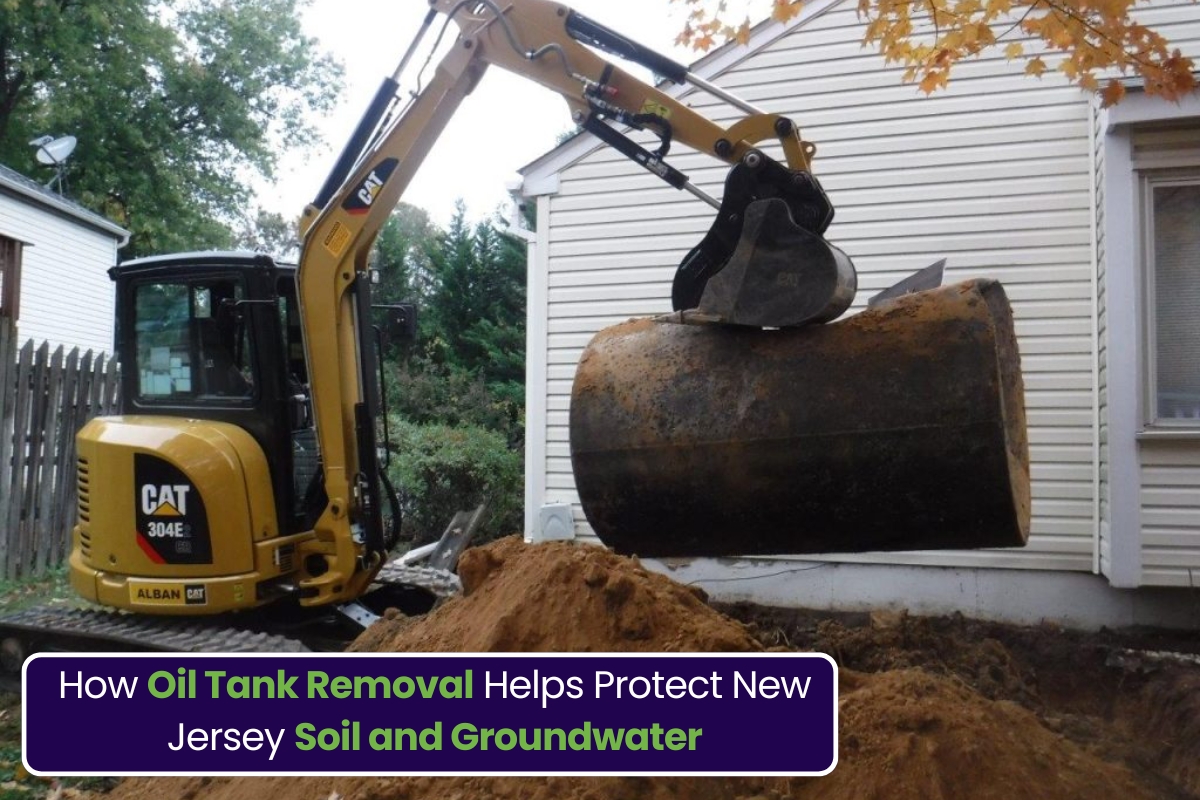
Professional removal contractors carefully excavate the tank, inspect surrounding conditions, and ensure that any environmental concerns are identified early. This preventative approach protects both private property and surrounding ecosystems.
Supporting Healthy Soil Conditions
Healthy soil plays a critical role in supporting vegetation, managing stormwater, and maintaining overall environmental balance. Petroleum contamination can alter soil composition and make it difficult for plants and grass to thrive.
By investing in Underground Oil Tank Removal, property owners help preserve soil quality and reduce the likelihood of expensive remediation efforts in the future.
Protecting New Jersey Groundwater Resources
Groundwater serves as an important source of water for many communities throughout New Jersey. When oil leaks into the ground, it can travel through soil layers and eventually reach underground water supplies.
Preventing Long-Term Water Pollution
Petroleum products contain chemicals that can persist in the environment for extended periods. Once groundwater becomes contaminated, cleanup can be complex, time-consuming, and expensive.
Removing unused tanks before they fail helps prevent pollutants from entering local water systems. This proactive measure contributes to cleaner water resources and a healthier environment for future generations.
Reducing Environmental Liability
Property owners may face significant financial responsibility if contamination is discovered on their land. Environmental investigations, cleanup projects, and regulatory requirements can become costly.
Professional Oil Tank Removal Services help minimize these risks by identifying potential issues early and addressing them before they become larger environmental concerns.
The Importance of Oil Tank Soil Testing
Identifying Hidden Contamination
Not every leaking tank shows visible signs of damage. In many cases, contamination remains beneath the surface where it cannot be detected without proper evaluation.
This is why Oil Tank Soil Testing is often recommended during the removal process. Soil samples collected around the tank area help determine whether any petroleum release has occurred.
Testing provides valuable information regarding:
-Soil condition
-Potential contamination levels
-Environmental compliance requirements
-Necessary remediation measures
Early detection allows property owners to address issues before they spread further into the environment.
Supporting Real Estate Transactions
Environmental concerns can complicate property sales. Buyers, lenders, and insurance providers often request documentation showing that a former oil tank site has been properly evaluated.
Soil testing results provide confidence that the property has been assessed and managed responsibly.
Environmental Benefits for Residential Properties
Creating Safer Outdoor Spaces
Old oil tanks can pose hidden hazards beneath lawns, gardens, and driveways. As tanks deteriorate, the risk of collapse or contamination increases.
Professional Residential Oil Tank Removal helps create a safer environment for families while reducing long-term property risks.
Improving Property Value
Environmental issues can negatively impact a property’s marketability. Buyers are often hesitant to purchase homes with abandoned underground tanks due to concerns about future liabilities.
Removing unused tanks demonstrates responsible property maintenance and may improve buyer confidence during future transactions.
Regulatory Considerations in New Jersey
New Jersey maintains strict environmental standards designed to protect public health and natural resources. Property owners are encouraged to address aging oil tanks before problems develop.
Working with experienced professionals helps ensure that removal projects follow proper procedures, including:
-Site evaluation
-Safe tank extraction
-Environmental inspection
-Soil assessment when necessary
-Documentation of completed work
Compliance with environmental regulations helps reduce risks while protecting local communities and ecosystems.
Why Professional Removal Matters
Oil tank removal involves much more than simply excavating a tank. Environmental protection requires specialized equipment, safety procedures, and knowledge of local regulations.
Qualified professionals understand how to:
-Safely remove tanks
-Prevent accidental spills during excavation
-Conduct environmental assessments
-Manage contaminated materials if discovered
-Provide proper documentation
Choosing experienced contractors helps ensure the project is completed efficiently while minimizing environmental impact.
Long-Term Benefits of Proactive Oil Tank Removal
Property owners who remove aging tanks before problems occur often experience significant long-term benefits.
These advantages include:
-Reduced environmental risk
-Lower likelihood of costly remediation
-Improved property value
-Greater buyer confidence
-Enhanced regulatory compliance
-Protection of local groundwater resources
Taking action today can prevent substantial environmental and financial challenges in the future.
Frequently Asked Questions
Q1. Why is oil tank removal important in New Jersey?
Oil tank removal helps prevent soil and groundwater contamination, reduces environmental liability, and protects property value.
Q2. How can an underground oil tank contaminate groundwater?
If a tank develops leaks, petroleum products can seep through soil layers and eventually reach underground water sources.
Q3. What happens during oil tank soil testing?
Professionals collect soil samples around the tank area to determine whether petroleum contamination is present.
Q4. Does removing an oil tank increase property value?
Removing an aging tank can improve buyer confidence and reduce concerns about future environmental liabilities.
Q5. How do I know if my property has an old underground oil tank?
Signs may include old fill pipes, vent pipes, historical property records, or previous heating oil usage. A professional inspection can help confirm its presence.
Conclusion
Aging underground oil tanks represent a significant environmental concern throughout New Jersey. Leaks can contaminate soil, threaten groundwater supplies, and create costly liabilities for property owners. By investing in Oil Tank Removal in New Jersey, homeowners can proactively protect their property and support environmental preservation efforts.
If you are considering removing an old or unused oil tank, partnering with experienced professionals is essential. Simple Tank Services provides reliable guidance and professional solutions to help property owners protect their land, preserve groundwater quality, and maintain environmental compliance with confidence.