
Introduction
Hiring the right contractor for an oil tank removal project is one of the most important decisions a New Jersey property owner can make. Whether you’re preparing to sell your home, replacing an outdated heating system, or addressing environmental concerns, choosing the wrong company can lead to unexpected costs, project delays, and compliance issues.
Many companies advertise similar services, making it difficult to know which one truly has the experience and qualifications needed for your project. Looking beyond price and understanding how a company handles permits, inspections, environmental regulations, and customer communication can make a significant difference in your overall experience.
This guide explains what to compare before hiring an oil tank removal company in NJ so you can make a confident and informed decision.
Why Choosing the Right Contractor Matters
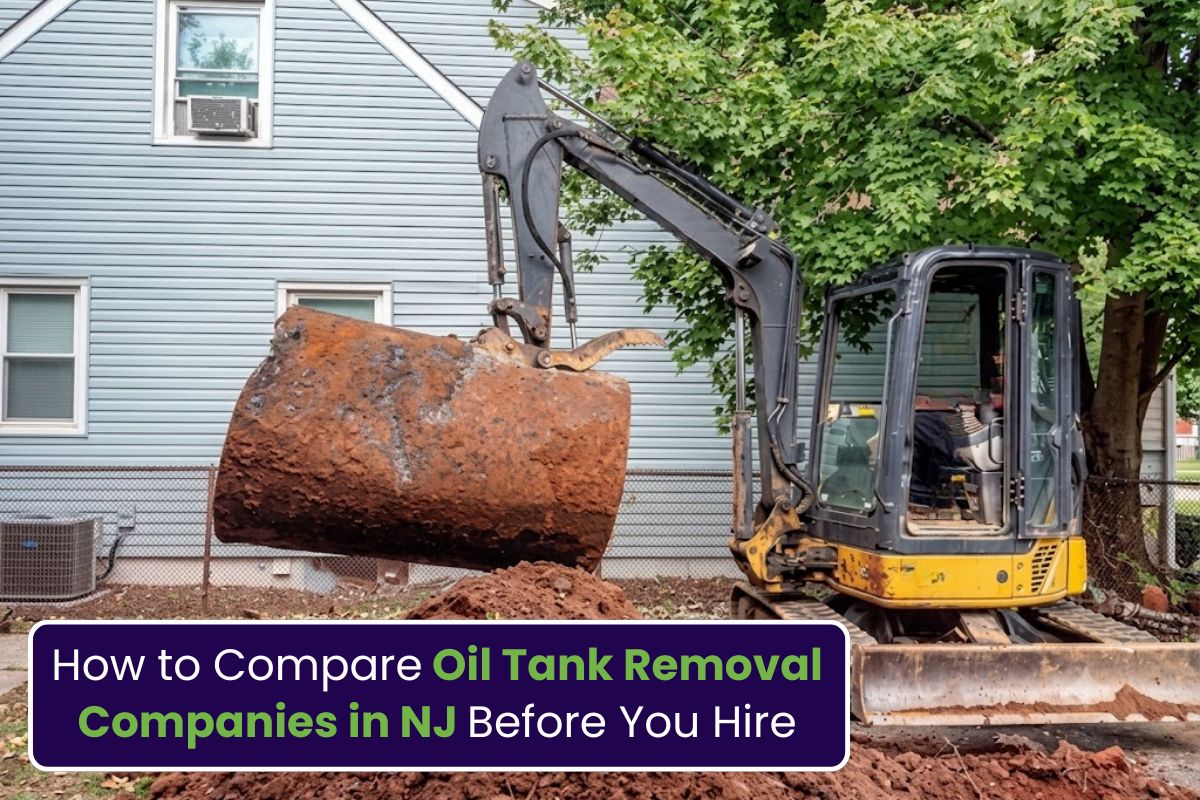
Oil tank removal is more than simply digging up an old tank. Every property presents unique conditions, and hidden issues such as corrosion, leakage, or contaminated soil may only become apparent during excavation.
An experienced contractor understands state regulations, follows proper removal procedures, and communicates clearly throughout the project. This reduces delays and helps ensure that the work meets local environmental requirements.
The right company also provides realistic timelines, transparent pricing, and complete documentation, giving homeowners peace of mind from start to finish.
Compare Experience With Underground Oil Tank Removal NJ Projects
One of the first things to evaluate is a company’s experience with underground oil tank removal NJ projects. Contractors who have completed numerous removals across New Jersey are more familiar with local permitting requirements, municipal inspections, and common underground conditions.
Ask questions such as:
-How many oil tanks have you removed?
-Have you handled projects similar to my property?
-What challenges have you encountered during previous removals?
-Can you explain your removal process from beginning to end?
Companies with proven experience are generally better prepared to manage unexpected conditions without disrupting the project.
Verify Licensing, Insurance, and Regulatory Compliance
A reputable contractor should always operate with the appropriate licenses and insurance coverage.
Before signing a contract, verify that the company carries:
-General liability insurance
-Workers’ compensation coverage
-Required state and local licenses
-Environmental compliance certifications when applicable
Proper insurance protects both the homeowner and the contractor if accidents occur during excavation.
If contamination is discovered during removal, qualified contractors can also coordinate soil remediation services in New Jersey while ensuring environmental regulations are followed correctly.
Ask About the Complete Removal Process
Every company follows its own workflow, so it’s important to understand exactly what is included before work begins.
A complete removal process typically includes:
-Site inspection
-Permit assistance
-Tank excavation
-Cleaning and disposal
-Soil sampling when required
-Backfilling and site restoration
-Final documentation
Companies that clearly explain every stage of the project often provide a smoother customer experience because expectations are established from the beginning.
Compare Pricing Beyond the Lowest Quote
Price is important, but it should never be the only deciding factor.
When comparing oil tank removal cost in New Jersey, ask each contractor for a detailed written estimate. A lower quote may exclude important services that become additional charges later.
Compare estimates based on:
-Permit fees
-Excavation work
-Tank disposal
-Soil testing
-Site restoration
-Equipment costs
-Inspection support
Transparent estimates help homeowners avoid unexpected expenses once the project is underway.
Read Customer Reviews and Project History
Online reviews provide valuable insight into how companies communicate with customers and handle projects.
Look for consistent feedback regarding:
-Professional communication
-On-time project completion
-Honest pricing
-Clean work sites
-Problem-solving ability
-Overall customer satisfaction
While every company may receive occasional negative feedback, repeated complaints about delays, hidden costs, or poor communication should be considered carefully.
Evaluate Communication Before the Project Begins
Good communication often reflects how the entire project will be managed.
Notice whether the contractor:
-Returns calls promptly
-Answers questions clearly
-Explains technical information in simple language
-Provides written estimates
-Sets realistic expectations
Contractors who communicate openly before the project usually continue providing the same level of service throughout the removal process.
Understand How Environmental Issues Are Managed
Not every underground tank leaks, but every contractor should have a plan if contamination is discovered.
Ask how they handle:
-Soil testing
-Environmental reporting
-Laboratory coordination
-State compliance
-Cleanup recommendations
If contamination is identified, qualified contractors can recommend appropriate soil remediation services in New Jersey to restore the affected area while meeting environmental standards.
Knowing these procedures in advance helps homeowners avoid unnecessary stress if unexpected conditions arise.
Compare Equipment and Safety Practices
Oil tank removal requires specialized excavation equipment and strict safety procedures.
Experienced contractors use equipment suited to different property conditions while minimizing disruption to landscaping, driveways, and nearby structures.
Safety practices should include:
-Utility location verification
-Secure excavation methods
-Spill prevention procedures
-Proper waste transportation
-Site cleanup after completion
A company that prioritizes safety protects both workers and your property.
Don’t Overlook Residential Experience
Not every excavation contractor specializes in residential oil tank removal. Residential properties often present unique challenges, including limited access, landscaping, underground utilities, and neighboring homes.
Choosing a contractor with residential experience helps reduce unnecessary property damage while improving project efficiency.
Ask whether the company has completed projects in neighborhoods similar to yours.
Request Documentation After Completion
A professional company should provide documentation once the project is finished.
Depending on your project, this may include:
-Tank disposal records
-Permit documentation
-Inspection reports
-Soil testing results
-Final completion paperwork
These documents may be valuable if you refinance, sell your property, or need proof that the tank was removed properly.
Frequently Asked Questions
Q1. How do I choose the best oil tank removal company in NJ?
Compare experience, licensing, insurance, customer reviews, pricing transparency, environmental knowledge, and communication before making your decision.
Q2. What should be included in an oil tank removal estimate?
A detailed estimate should outline excavation, permits, disposal, soil testing (if needed), backfilling, restoration, and any additional fees that may apply.
Q3. How long does an underground oil tank removal project usually take?
Most residential projects are completed within one to three days, although permitting, inspections, or environmental findings may extend the timeline.
Q4. Will every oil tank removal project require soil testing?
No. Soil testing is generally performed when required by local regulations or when evidence suggests a possible leak or contamination.
Q5. Why is it important to hire a licensed contractor?
Licensed contractors understand New Jersey regulations, follow proper removal procedures, maintain insurance coverage, and help ensure the project complies with environmental requirements.
Summary
Comparing oil tank removal companies involves much more than selecting the lowest estimate. Experience, licensing, communication, environmental knowledge, transparent pricing, and customer service all contribute to a successful project. Taking the time to evaluate these factors helps homeowners avoid unnecessary risks and costly surprises.
If you’re looking for a company that values transparency, follows New Jersey regulations, and guides homeowners through every step of the removal process, Simple Tank Services is committed to providing dependable support from the initial consultation through final project completion.