
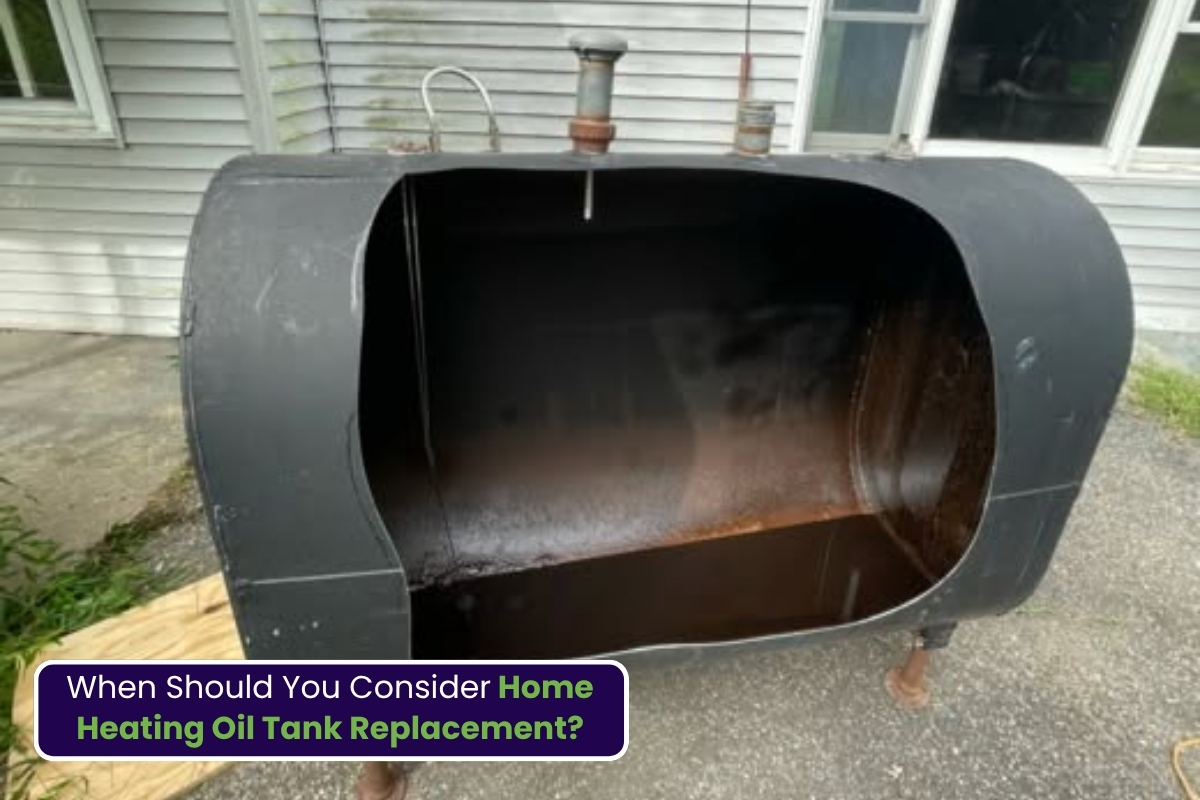
A home heating oil tank is an important part of many residential heating systems, but it does not last forever. Over time, corrosion, age, leaks, and structural damage can make an oil tank unsafe or unreliable. Knowing when to consider home heating oil tank replacement can help homeowners avoid unexpected heating problems, property damage, and potential environmental concerns.
How Long Does a Home Heating Oil Tank Last?
The lifespan of a heating oil tank depends on its material, installation conditions, maintenance, and exposure to moisture. Many residential oil tanks can last for several decades, but there is no guaranteed replacement date for every tank.
As a tank becomes older, the possibility of corrosion and deterioration generally increases. Homeowners with an aging tank should schedule professional inspections rather than waiting for visible damage or a heating failure.
What Are the Signs That an Oil Tank Needs Replacement?
Several warning signs may indicate that an oil tank is nearing the end of its useful life. Common signs include:
-Visible rust or corrosion on the tank
-Wet spots or oily residue around the tank
-Strong fuel-oil odors
-Cracks, dents, or damaged tank surfaces
-Corrosion around seams, fittings, or connections
-Unexplained loss of heating oil
-A tank that has become structurally weak
-Repeated concerns identified during inspections
A small amount of corrosion does not automatically mean replacement is required. However, significant deterioration should be evaluated by a qualified professional before the tank continues operating.
Does an Old Oil Tank Always Need to Be Replaced?
No. Age alone does not automatically mean an oil tank must be replaced. The tank’s condition, construction, installation environment, and inspection results are also important.
However, an older tank deserves closer attention because corrosion can develop gradually. If an inspection identifies significant deterioration, replacing the tank before it leaks may be a safer and more practical option than waiting for an emergency.
Why Is Oil Tank Corrosion a Concern?
Corrosion is one of the most common concerns associated with aging oil tanks. Moisture can contribute to rust, particularly around the bottom or other areas where water may collect. Over time, corrosion can weaken the tank and increase the possibility of a leak.
A leaking heating oil tank can create cleanup requirements and may affect surrounding soil or property. Early detection allows homeowners to address deterioration before a minor issue becomes a more complicated problem.
What Happens During an Oil Tank Replacement?
The home heating oil tank replacement process typically begins with an assessment of the existing tank and surrounding area. If replacement is recommended, the old tank is removed according to applicable requirements, and the area is evaluated for signs of leakage or contamination.
The replacement tank is then properly installed and connected to the heating system. Depending on the condition of the property, additional steps may be necessary if a previous leak has affected surrounding soil.
Professional planning is important because oil tank removal and replacement involve fuel, connections, disposal requirements, and potential environmental concerns.
Should You Replace an Oil Tank Before It Leaks?
Replacing an aging or deteriorating tank before it leaks can help reduce the risk of an emergency situation. A planned replacement gives homeowners an opportunity to address the tank when the heating system is not experiencing an immediate failure.
It can also help avoid the disruption associated with an unexpected oil tank leak. If you notice corrosion, odor, staining, or other warning signs, arrange an inspection rather than assuming the tank will continue working safely.
Is Home Heating Oil Tank Replacement Necessary Before Selling a Property?
Not always, but an old or questionable oil tank can become an important consideration during a property transaction. Buyers, sellers, inspectors, or insurance providers may request information about the tank’s condition.
If a tank is old or shows signs of deterioration, resolving the issue before selling may help prevent delays or unexpected negotiations. Property-specific requirements can vary, so homeowners should obtain professional guidance based on the tank’s actual condition.
What Should You Do If You Suspect an Oil Tank Leak?
If you suspect an oil tank leak, avoid ignoring the problem or attempting to repair the tank yourself. Look for visible oil, unusual odors, staining, or unexplained fuel loss and arrange a professional assessment.
If a leak is confirmed, additional steps such as oil tank removal, environmental testing, or soil remediation may be necessary depending on the circumstances and applicable requirements.
Frequently Asked Questions
Q1. How do I know if my heating oil tank needs replacement?
Visible corrosion, leakage, oily residue, strong fuel odors, structural damage, or significant deterioration can indicate that replacement may be necessary. A professional inspection can help determine the tank’s actual condition.
Q2. Can a rusty oil tank be repaired instead of replaced?
Minor surface rust may not require immediate replacement, but advanced corrosion or structural deterioration can make repair unsuitable. A professional should evaluate the tank before deciding between repair and replacement.
Q3. How often should a heating oil tank be inspected?
There is no single inspection schedule that applies to every tank. Older tanks and tanks installed in conditions that encourage corrosion may require closer monitoring. Professional inspection can help identify problems early.
Q4. What happens if an oil tank leaks?
A leaking tank can release heating oil into surrounding areas and may require cleanup, removal, environmental testing, and potentially soil remediation. The appropriate response depends on the size and location of the leak and local requirements.
Q5. Is replacing an old oil tank better than waiting for a leak?
In many situations, proactive replacement can reduce the risk of an unexpected leak and heating disruption. The decision should be based on the tank’s age, condition, corrosion level, installation environment, and inspection findings.
Final Thought
Knowing when to consider home heating oil tank replacement can help homeowners make informed decisions before an aging tank becomes a serious problem. If your tank shows signs of corrosion, leakage, or deterioration, a professional evaluation can help you determine the safest next step. For dependable guidance with oil tank removal and replacement, Simple Tank Services can help. Contact us today to discuss your oil tank needs.