
550-Gallon Oil Tank Removal in Newark, NJ | Tank TV
Watch Simple Tank Services complete a 550-gallon underground oil tank removal in Newark, New Jersey for a real estate transaction.

Tank TV Episode 30: Multiple oil tank projects in Bloomfield and Maplewood, NJ completed in heavy rain while keeping customer deadlines on track.

When an underground or aboveground oil tank is removed from a property, the job doesn’t end with hauling away the tank. One of the most critical follow-up steps is soil

Removing an old or unused oil tank is not just about getting rid of unwanted equipment—it’s about protecting your property, the environment, and ensuring compliance with safety regulations. Underground and

If you own a home in New Jersey, there’s a good chance it once used heating oil. Many of these homes still have underground oil tanks buried on the property
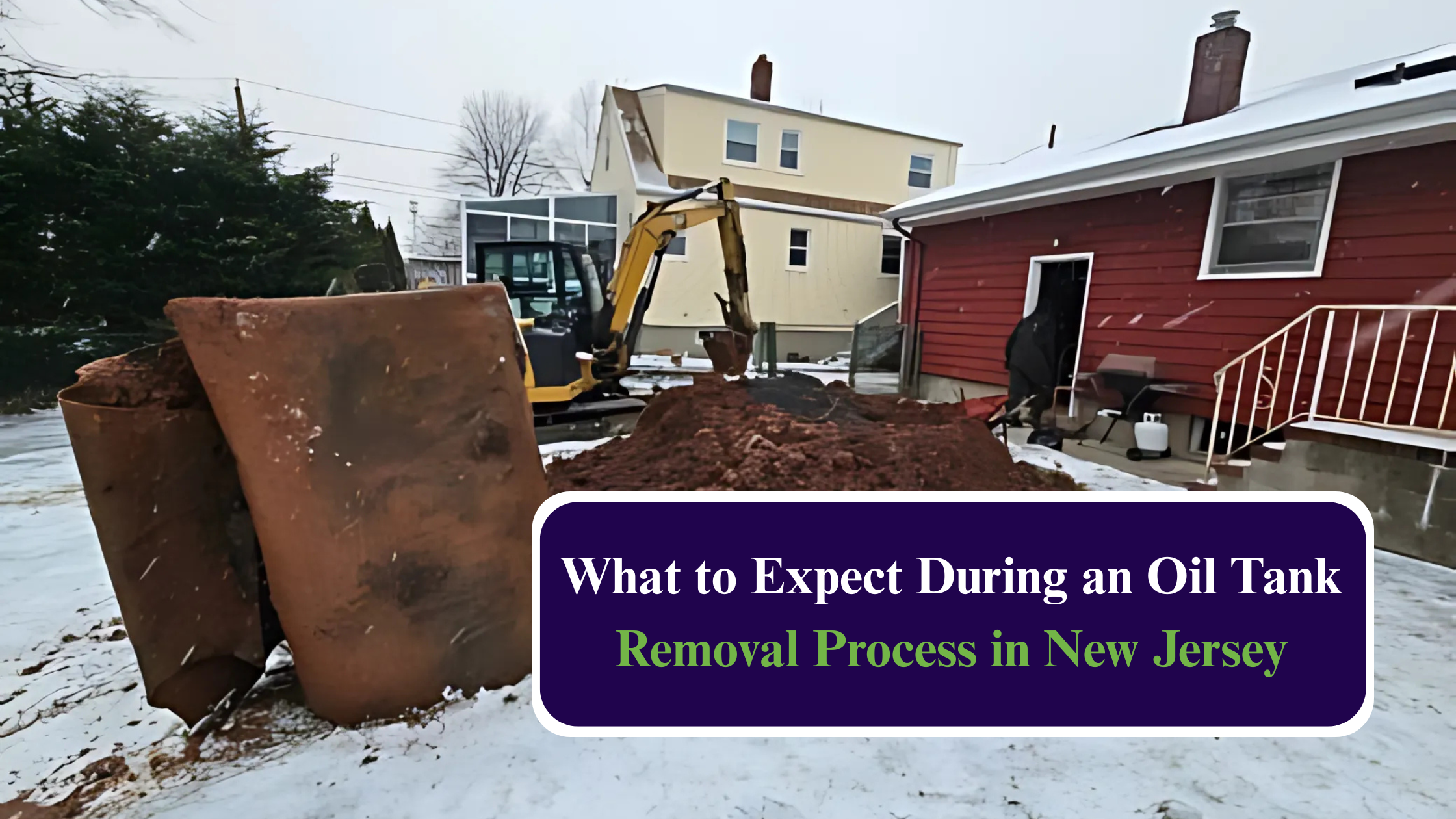
Removing an oil tank from your property in New Jersey can seem daunting, but understanding the process can help ease your worries. At Simple Tank Services, we provide professional oil

For many New Jersey homeowners, removing an old or unused oil tank is an important step in protecting both their property value and the environment. Buried oil tanks, if left
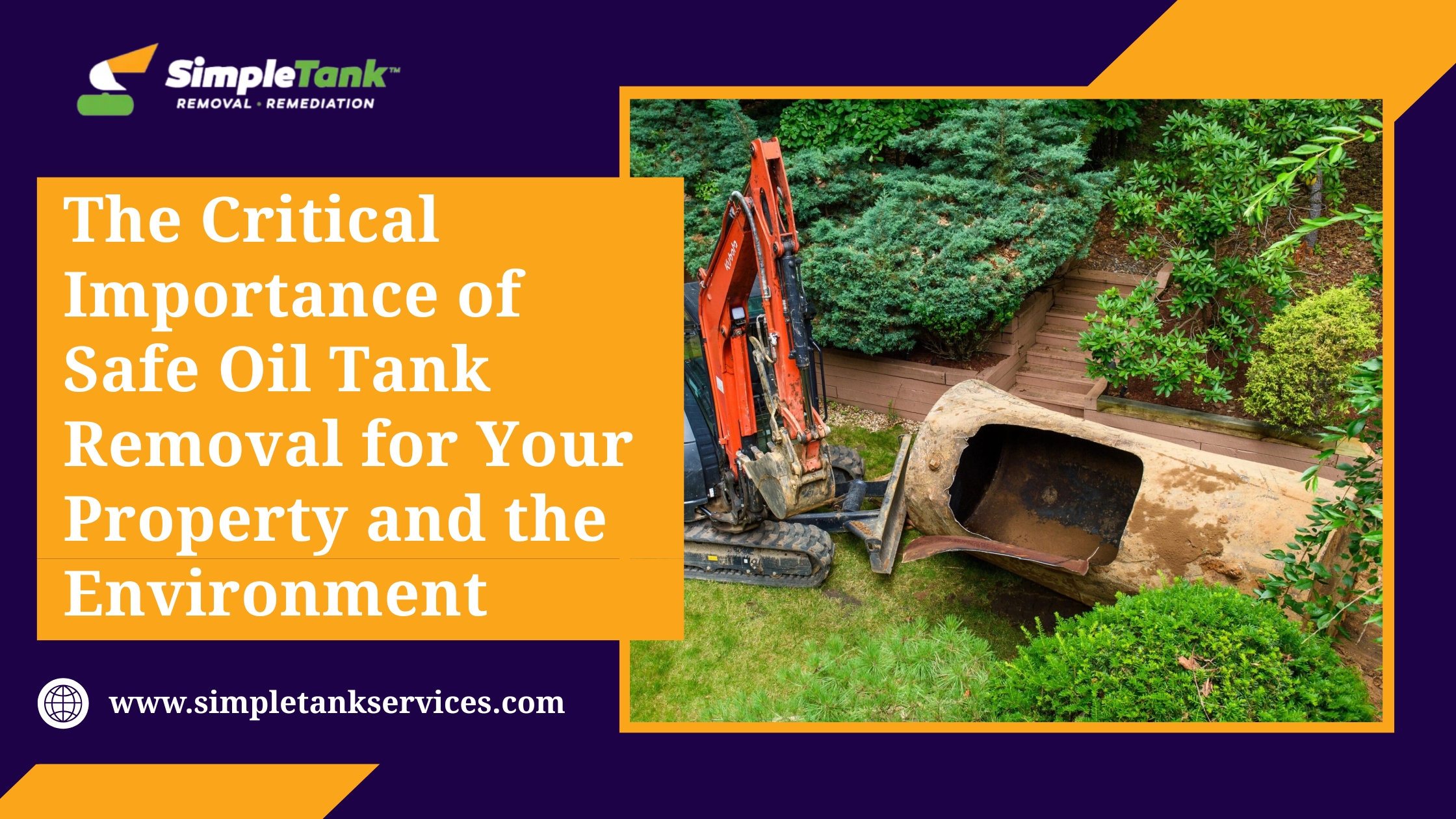
Are you concerned about an old or underground oil tank on your property? Whether you’re planning to sell, upgrade, or ensure safety, proper oil tank removal NJ is essential. At Simple Tank
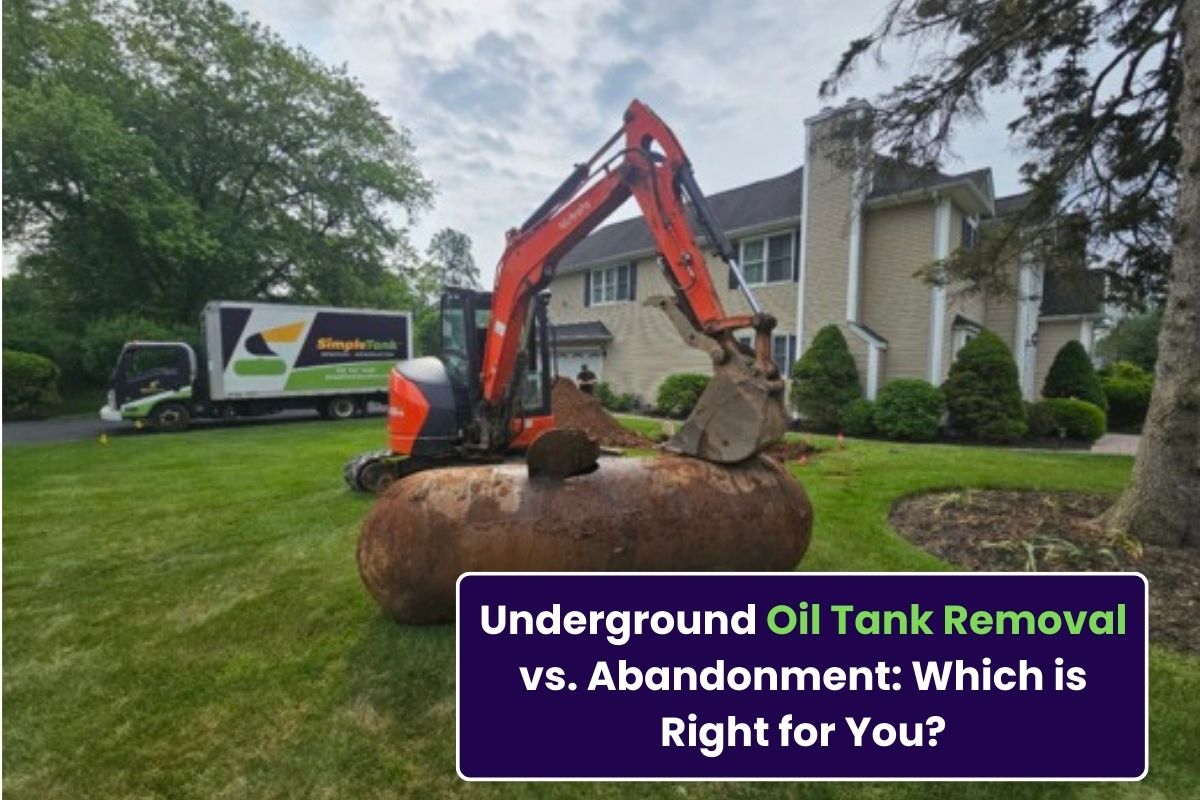
For many homeowners and property buyers, the discovery of an underground oil tank (UST) can bring a mix of confusion and concern. These tanks were once a common way to
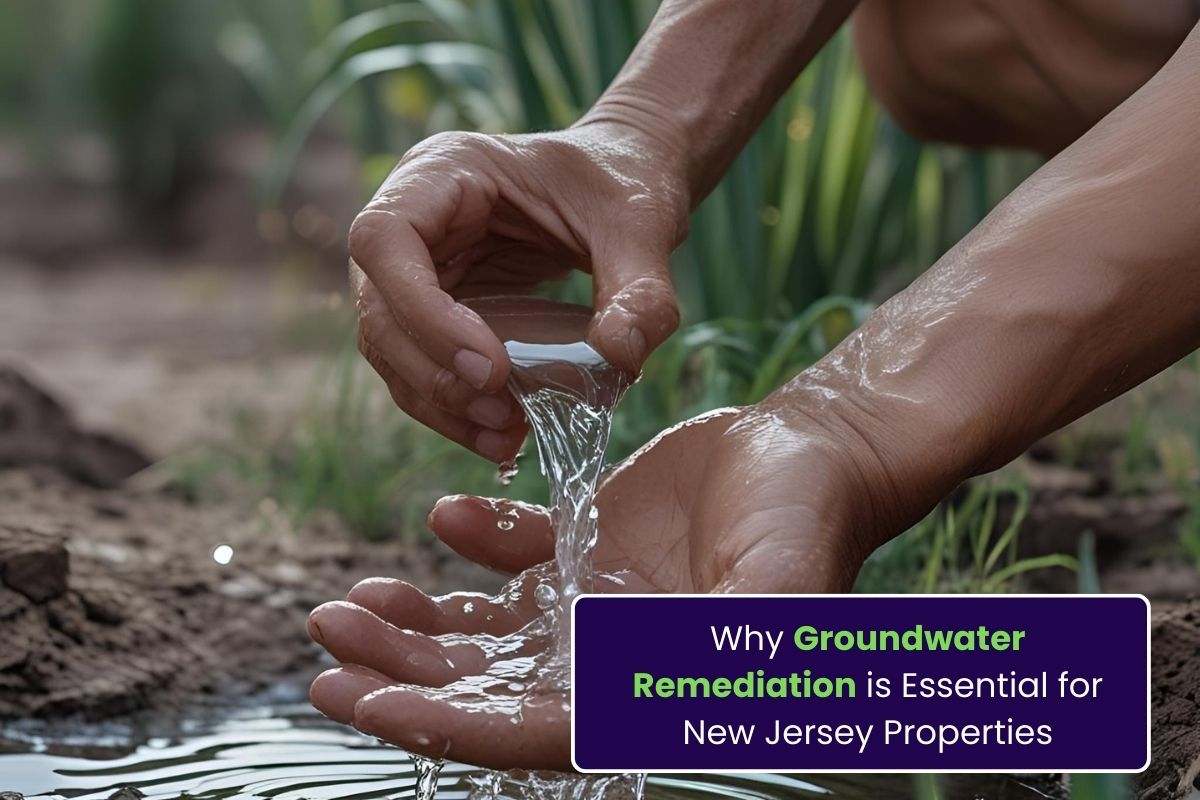
Groundwater is one of New Jersey’s most important natural resources. Nearly half of the state’s residents rely on it for drinking water, while it also supports agriculture, businesses, and community

If your property has an underground oil tank, you could be sitting on a hidden liability. Once widely used for heating oil storage, these tanks are often forgotten about—until they

When it comes to protecting our environment, soil remediation plays a crucial role—especially in preserving the quality of our groundwater. Groundwater is a vital resource, supplying drinking water to millions
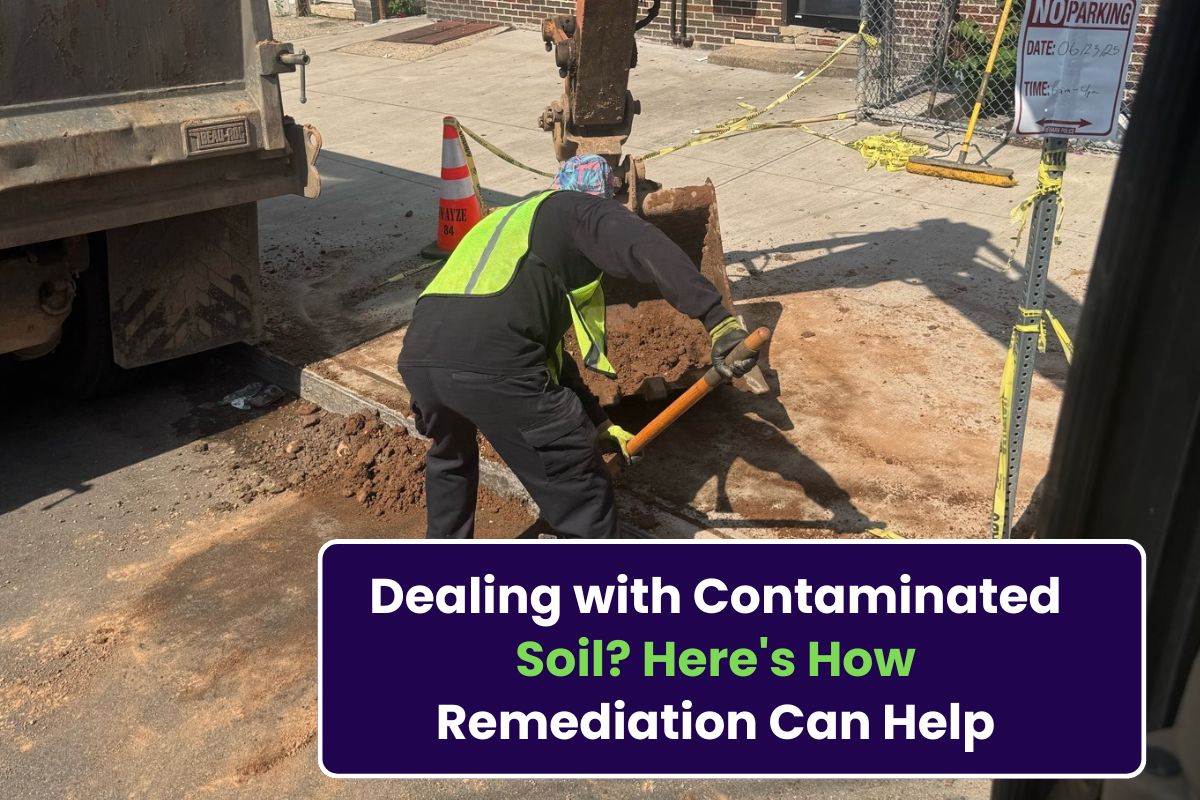
Soil contamination is more common than many people realize. Whether caused by industrial activity, leaking underground storage tanks, pesticide use, or accidental chemical spills, contaminated soil poses serious risks to

Underground oil tanks were once a popular solution for home heating—especially in older homes across the Northeast and Mid-Atlantic regions. But as technology has evolved and environmental awareness has grown,
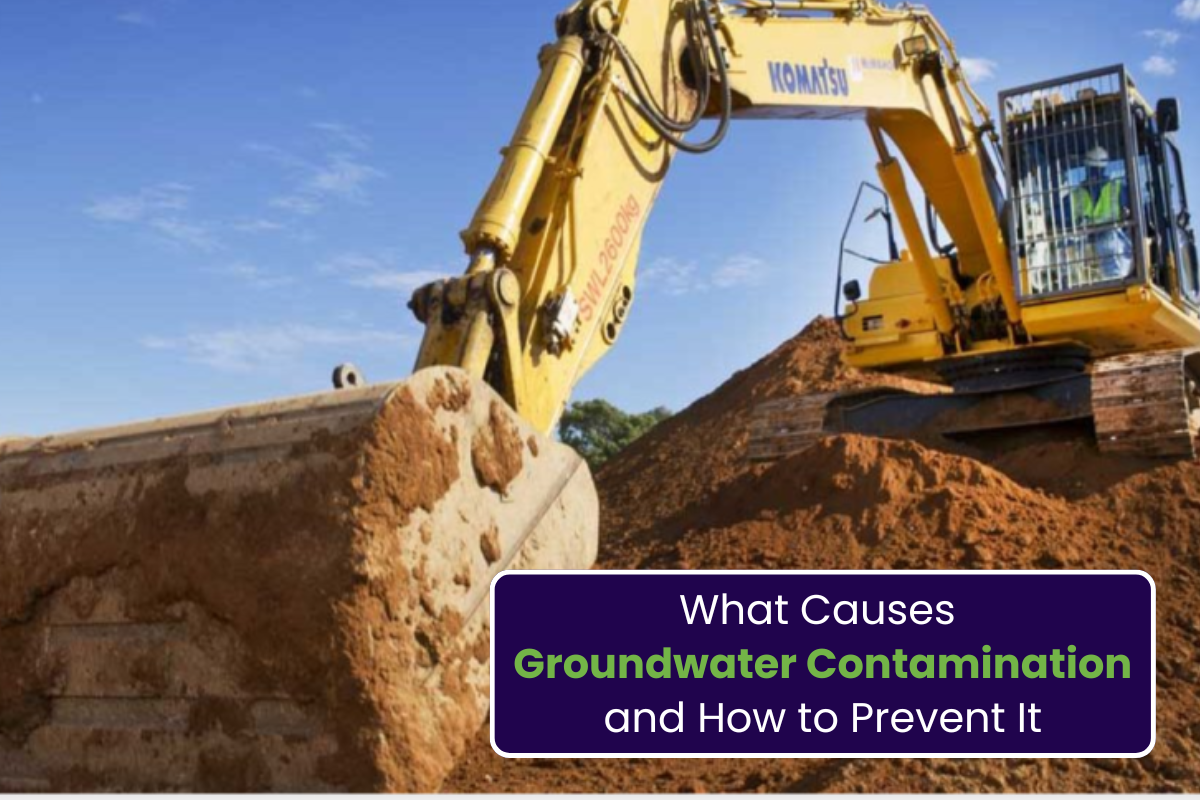
Groundwater plays a vital role in New Jersey’s water supply, serving millions of residents and businesses across the state. However, as urbanization and industrial activity increase, so does the risk

Underground oil tanks were once a popular solution for home heating in New Jersey. However, as years pass and tanks age, they can pose serious environmental hazards if left ignored.
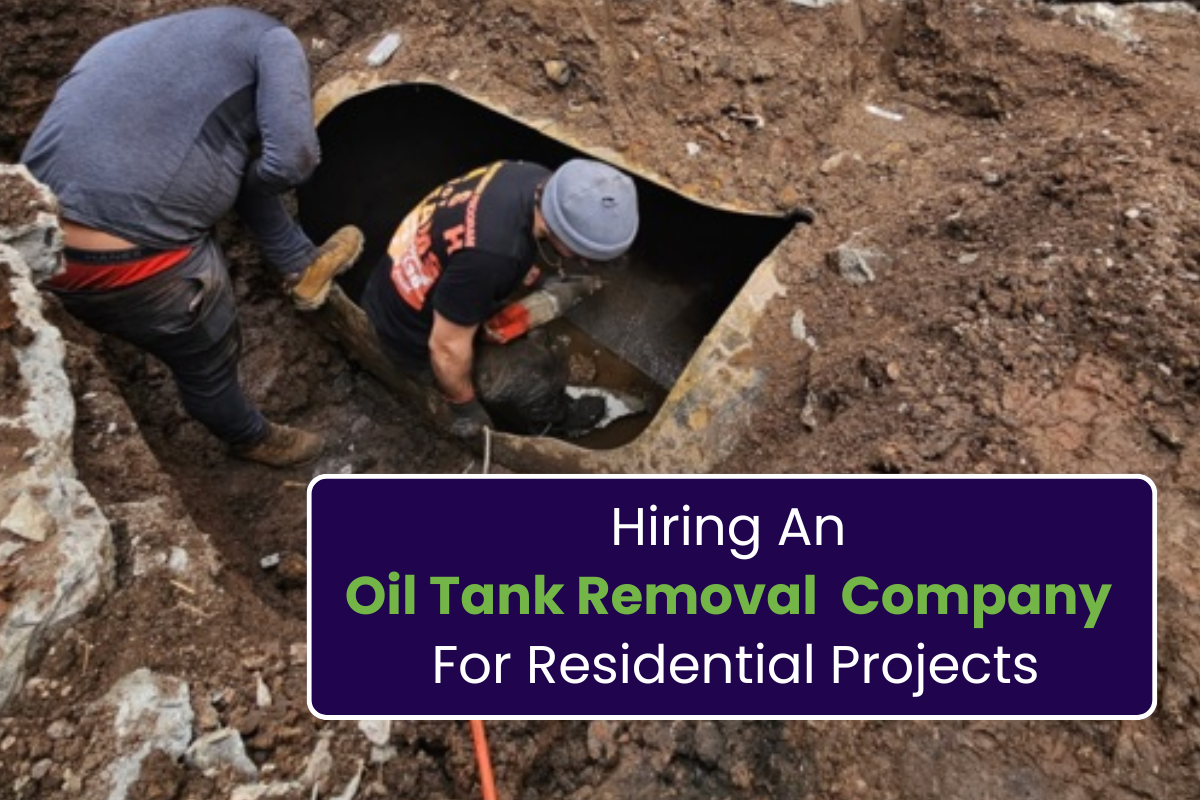
Oil tanks were once a staple of residential heating systems across New Jersey. But as properties age and environmental concerns increase, more homeowners are opting to remove old, underground storage
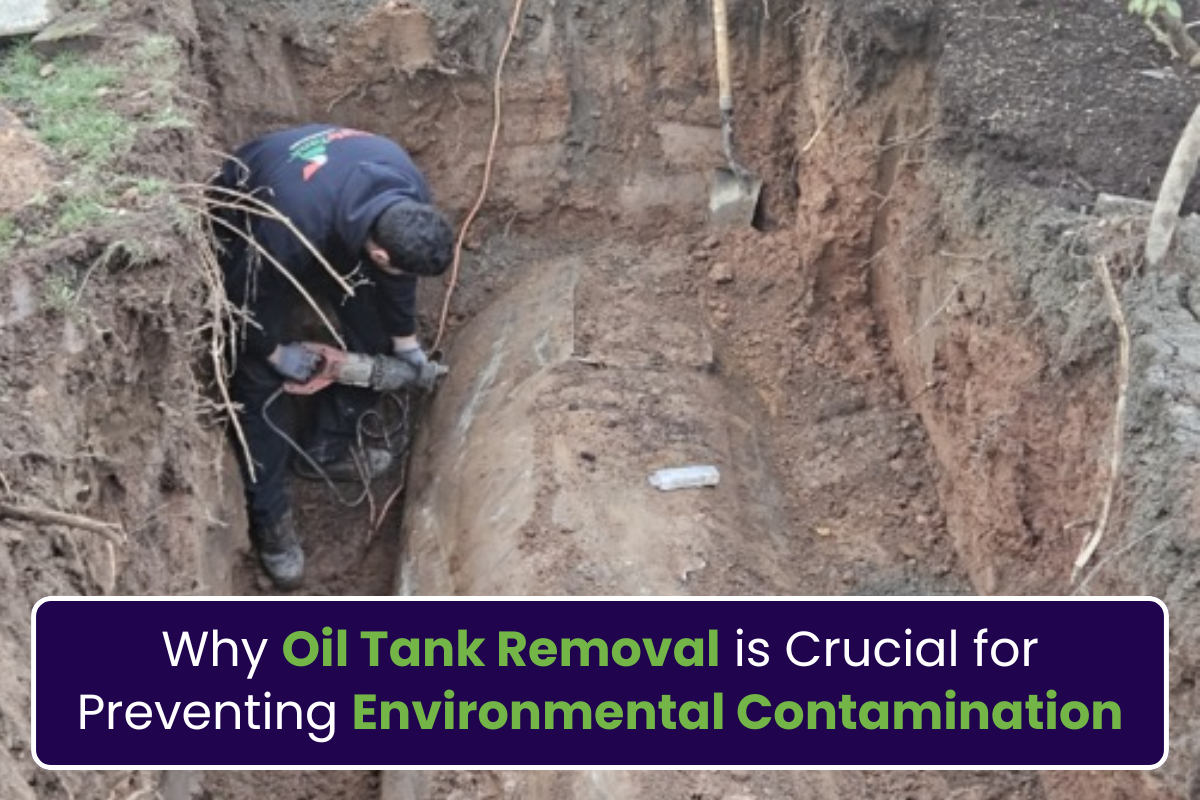
Underground and above-ground oil tanks have been a common feature on residential and commercial properties for decades, especially in older buildings. These tanks were originally installed to store heating oil,

Underground and aboveground oil tanks are commonly used for heating and fuel storage in residential, commercial, and industrial properties. While these tanks are built for durability, age, corrosion, or improper
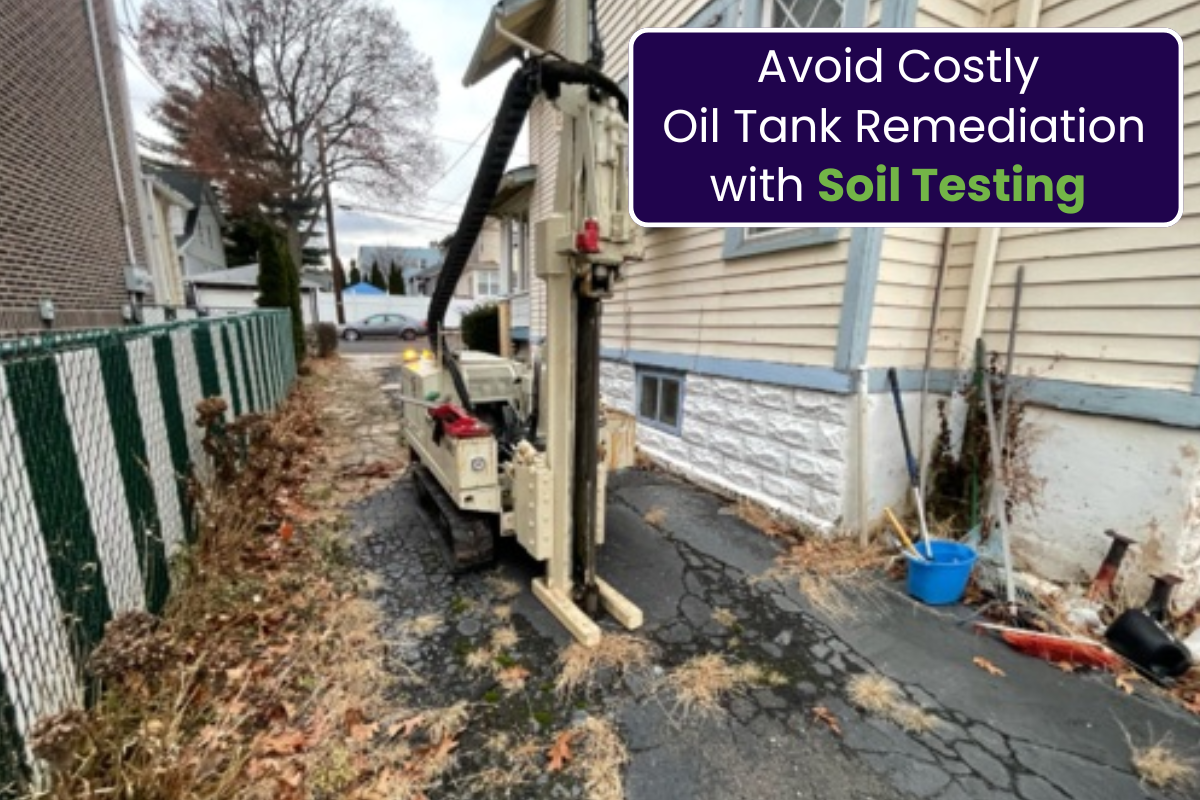
Underground oil tanks were once a common way to heat homes across New Jersey. However, with aging infrastructure and growing environmental regulations, they’ve become more of a liability than a
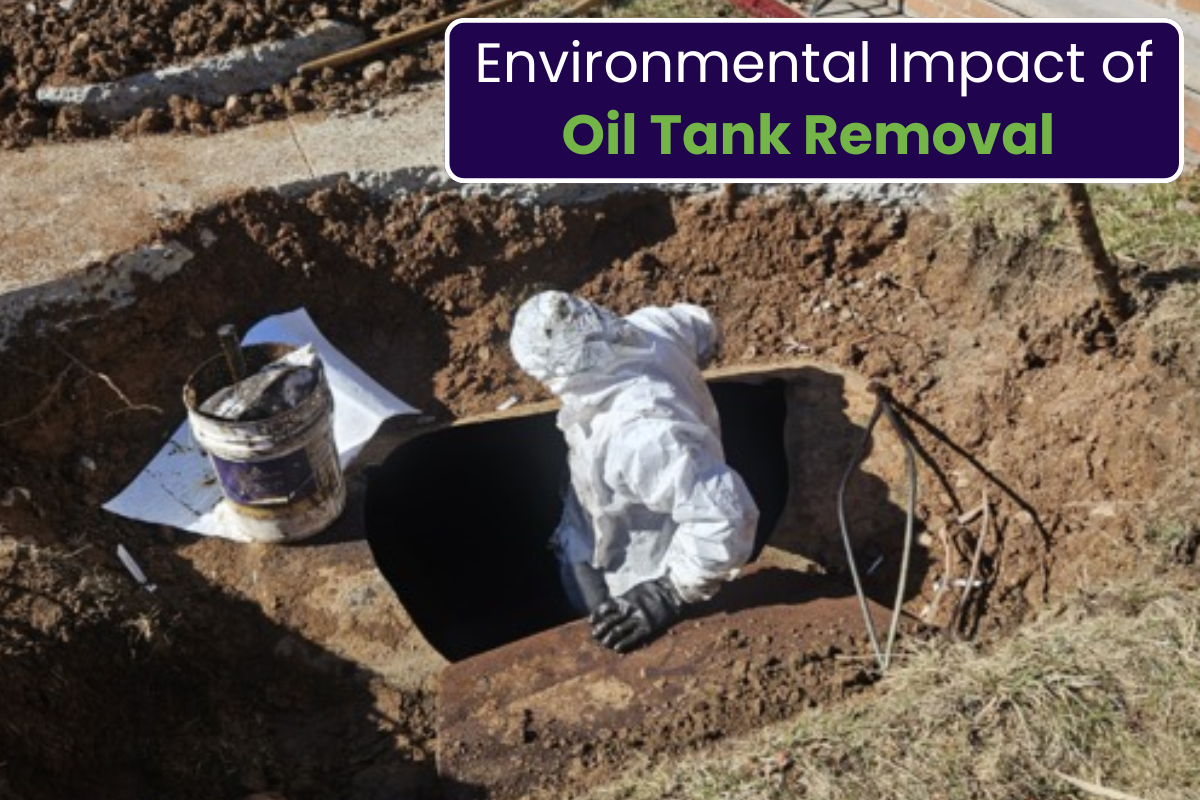
Removing an underground or aboveground oil tank might seem like a straightforward process—dig it up and haul it away. But the environmental impact of oil tank removal runs much deeper.
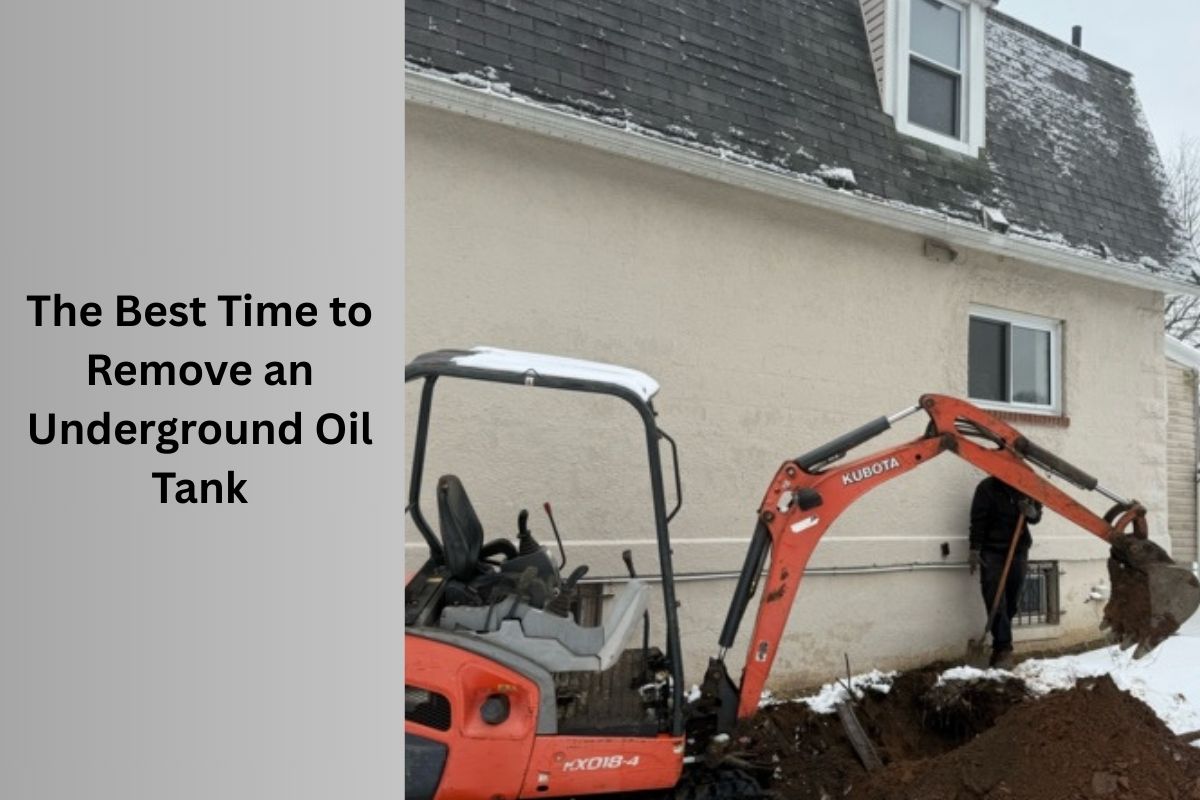
Underground oil tanks were once a common feature in homes and commercial properties, serving as a fuel source for heating systems. However, as environmental concerns and property risks associated with
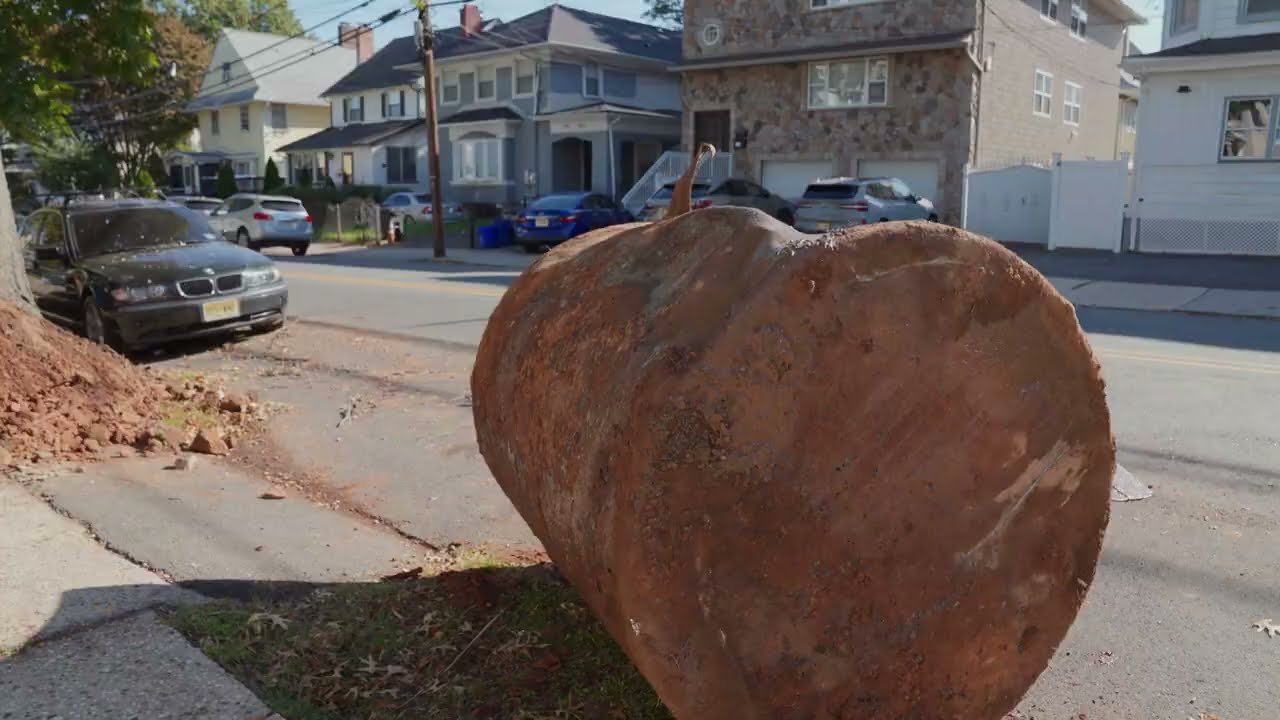
Watch Simple Tank Services complete a 550-gallon underground oil tank removal in Newark, New Jersey for a real estate transaction.
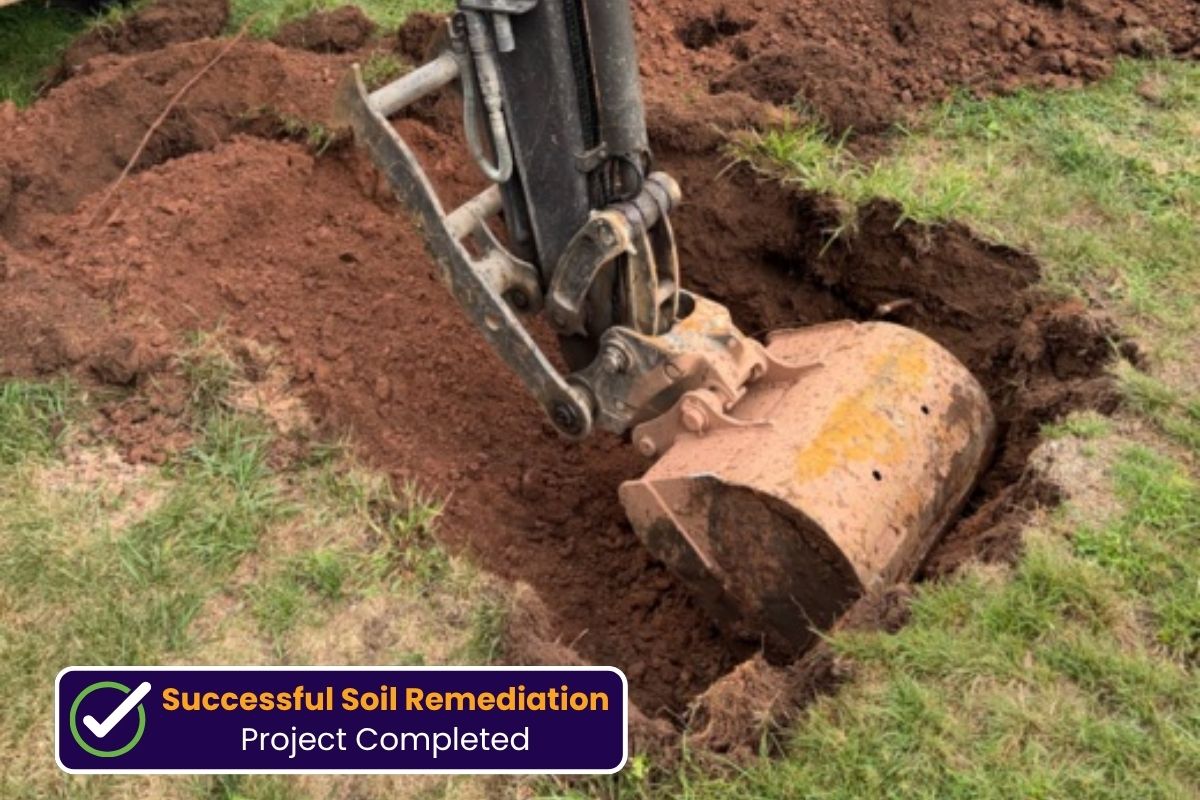
A recent soil remediation project in Union, NJ, involved addressing soil contamination discovered during excavation work at a residential property. After the initial soil sample was collected and sent to the laboratory for testing, the results confirmed that contamination levels were above the New Jersey Department of Environmental Protection (NJDEP) cleanup standards. The Soil Testing: […]
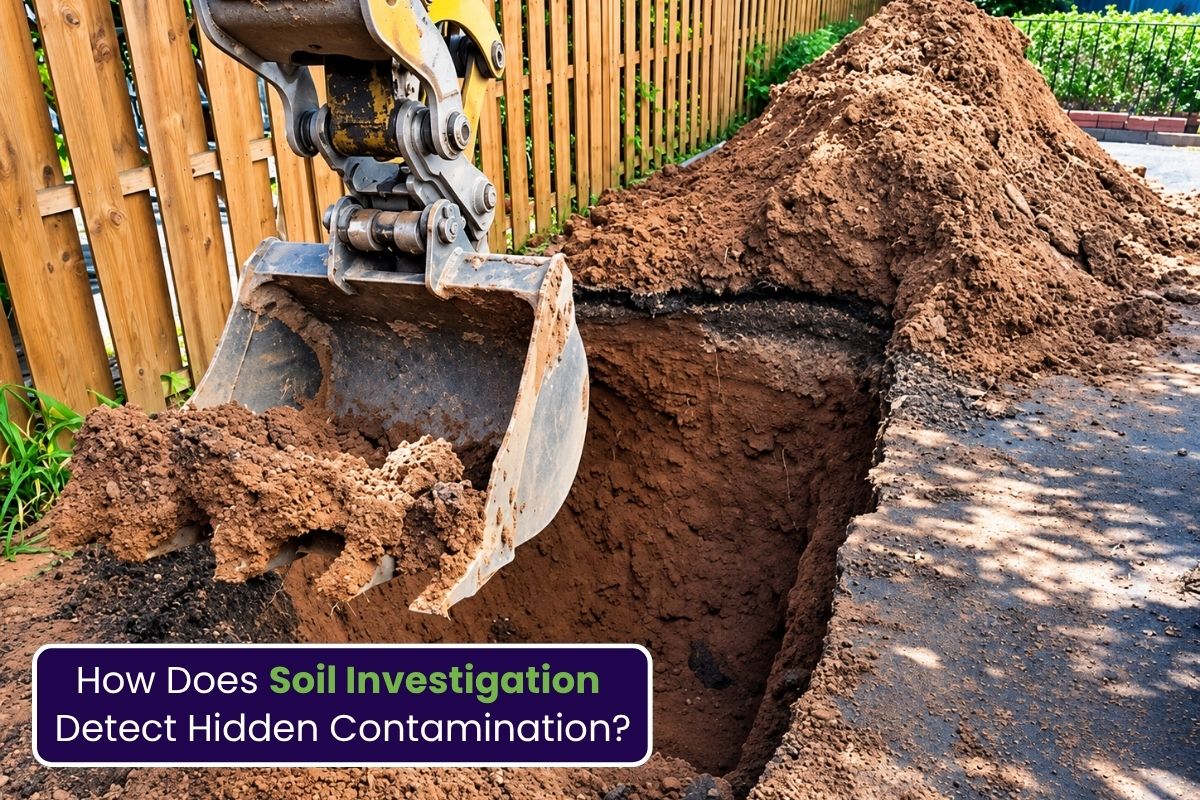
Soil contamination is not always visible on the ground. A property may appear clean while harmful substances remain underground due to leaking oil tanks, fuel spills, chemical storage, or previous industrial activities. A soil investigation helps identify these hidden environmental concerns before they affect construction, property transactions, or future land use. For property owners in […]
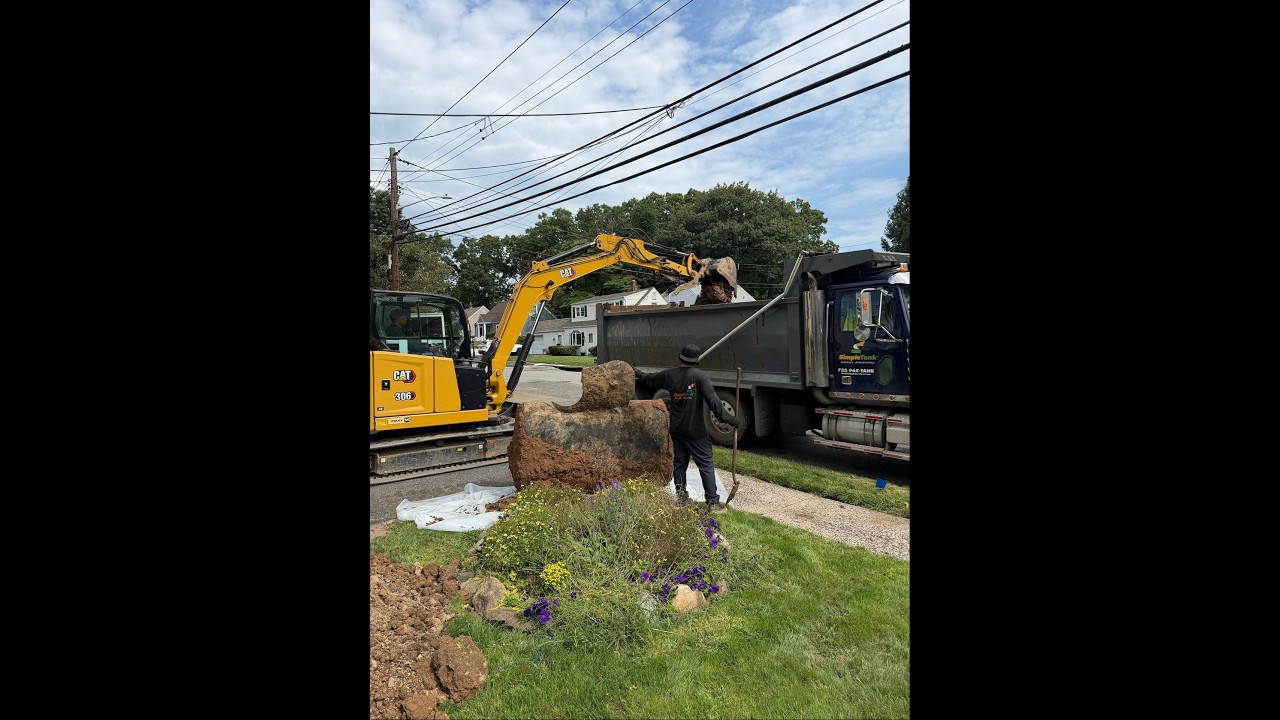
Watch Simple Tank Services complete an underground oil tank removal in Hawthorne, New Jersey, and learn what happens after the tank is removed.

A quick Tank TV guide to underground oil tank removal and soil remediation in New Jersey from Simple Tank Services.
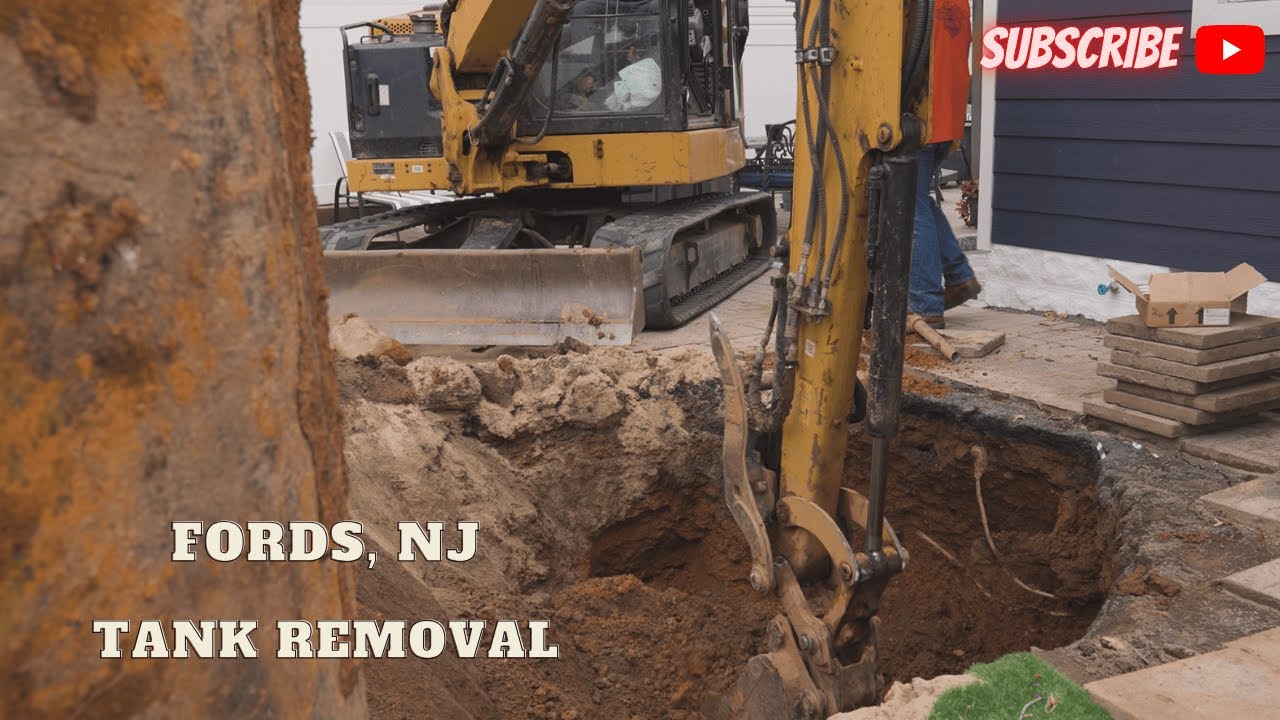
A real 550-gallon underground heating oil tank removal in Fords, New Jersey, including excavation, tank removal and soil testing by Simple Tank Services.

Soil remediation is not simply a matter of removing contaminated soil and replacing it with clean material. Groundwater and bedrock affect soil remediation by influencing how contaminants move, where they accumulate, and which cleanup methods are practical. In New Jersey, understanding these underground conditions is especially important because remediation decisions must account for applicable state […]
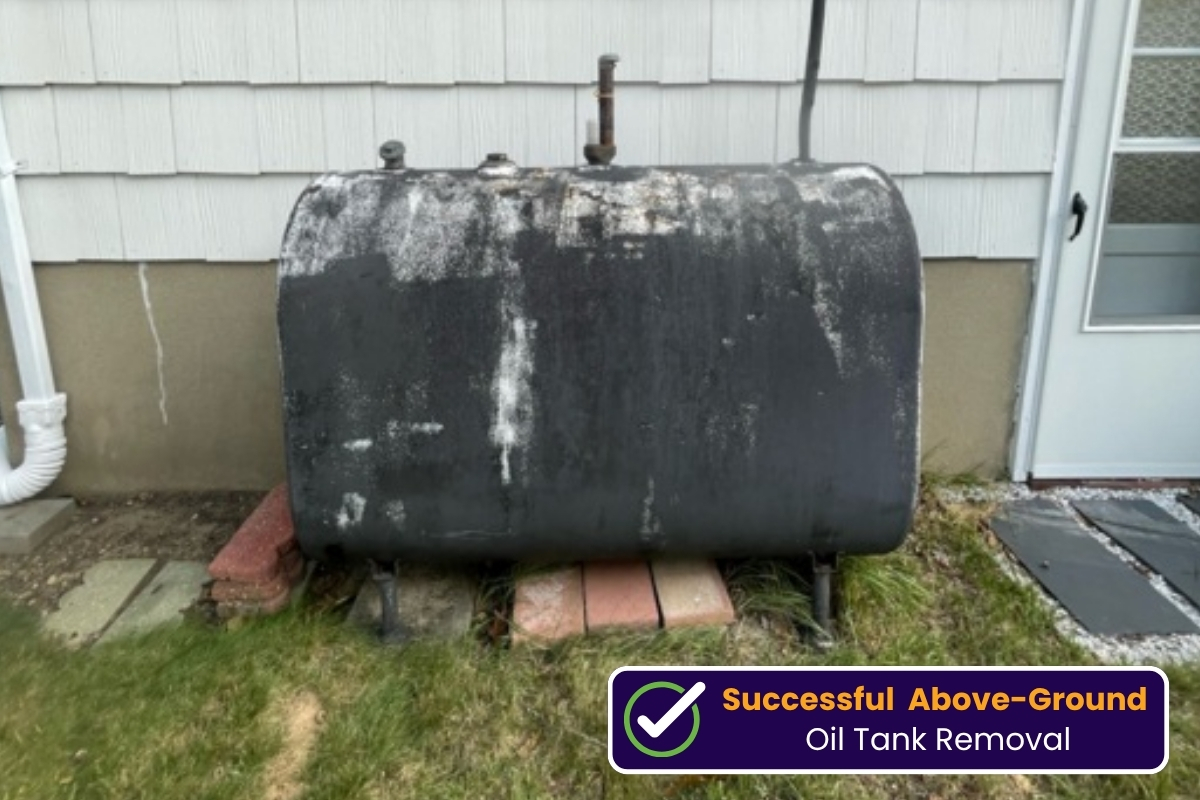
Removing an old above-ground heating oil tank can help homeowners clear unused equipment and create more usable space on their property. Recently, our team completed a 275-gallon above-ground oil tank removal in Hopatcong, NJ, carefully handling the tank and leaving the work area organized after removal. Project Overview The project involved an existing 275-gallon above-ground […]
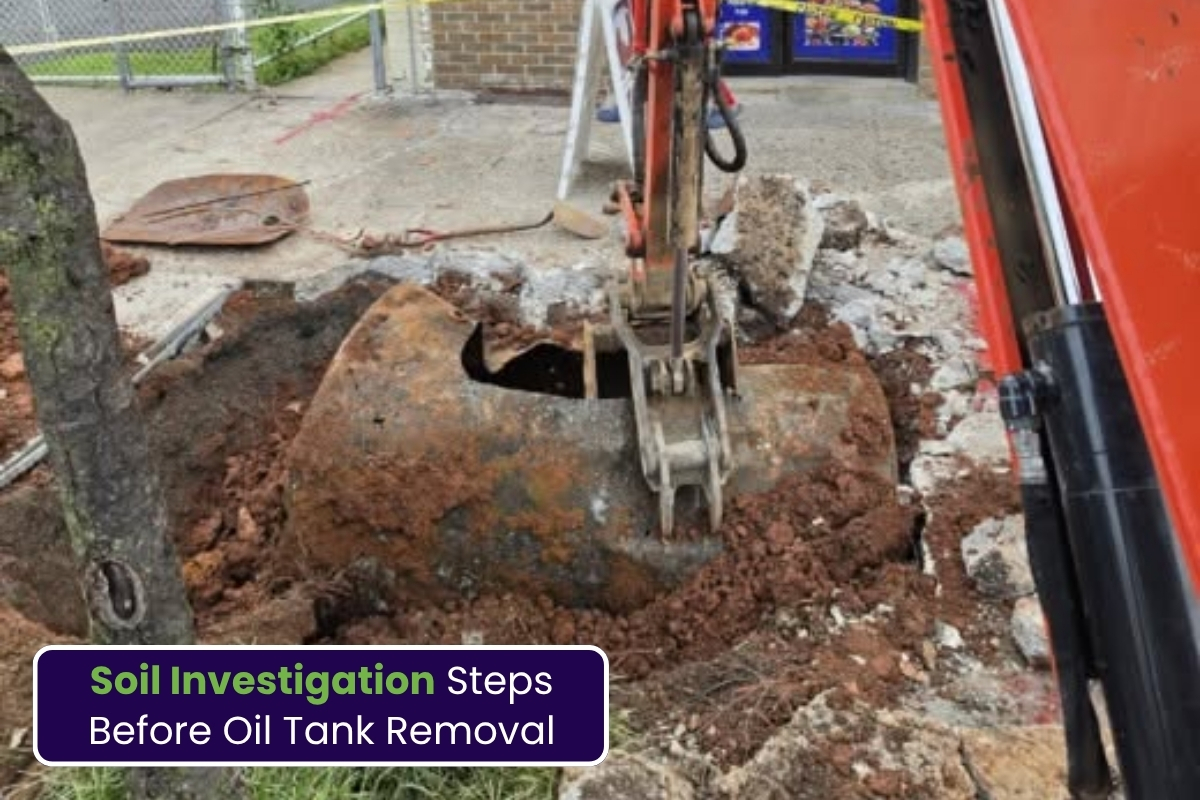
If you own a property in New Jersey with an underground oil tank, a soil investigation is an important part of the removal process. It helps determine whether petroleum has leaked into the surrounding soil and whether additional environmental work may be necessary. Before an underground tank is removed, professionals inspect the tank area, evaluate […]
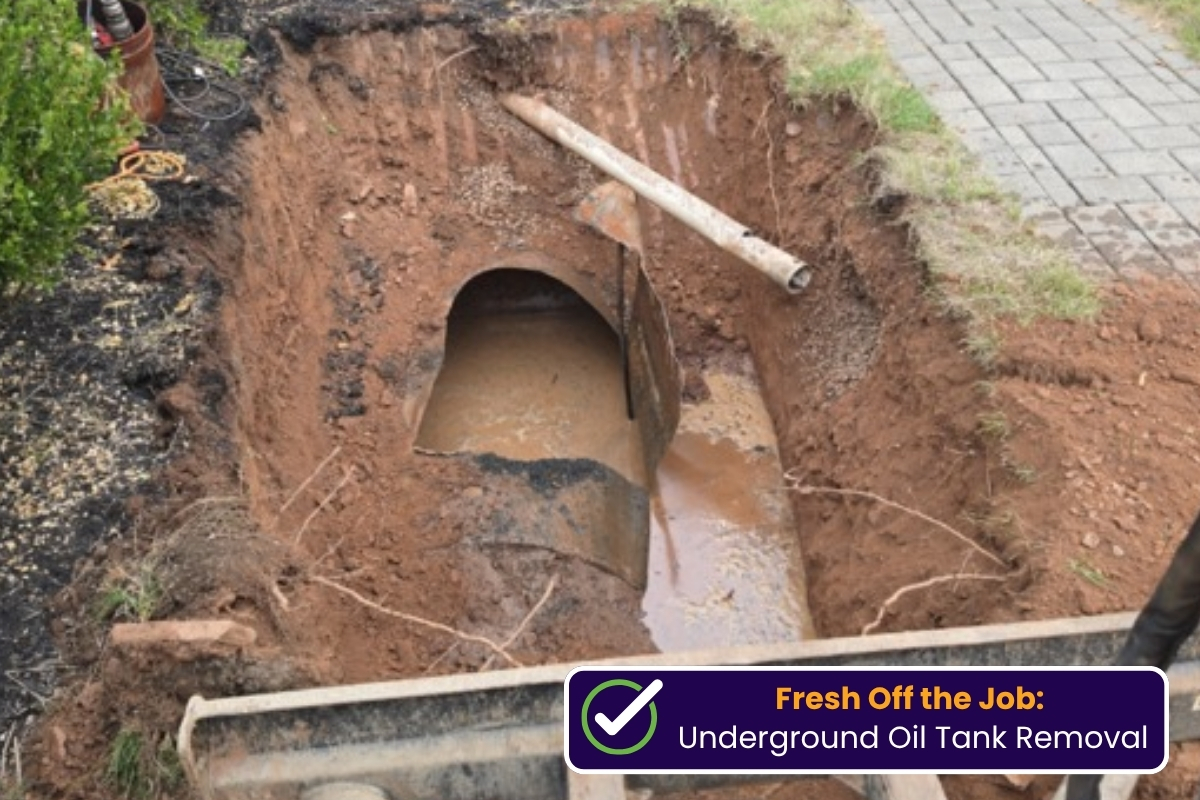
A homeowner in Bridgewater, NJ recently had an old 550-gallon underground oil tank sitting quietly beneath their yard for years. It was no longer in use, but it still posed a potential risk of rust, leaks, and soil contamination. Our team was called in to safely remove the tank and take care of the entire […]
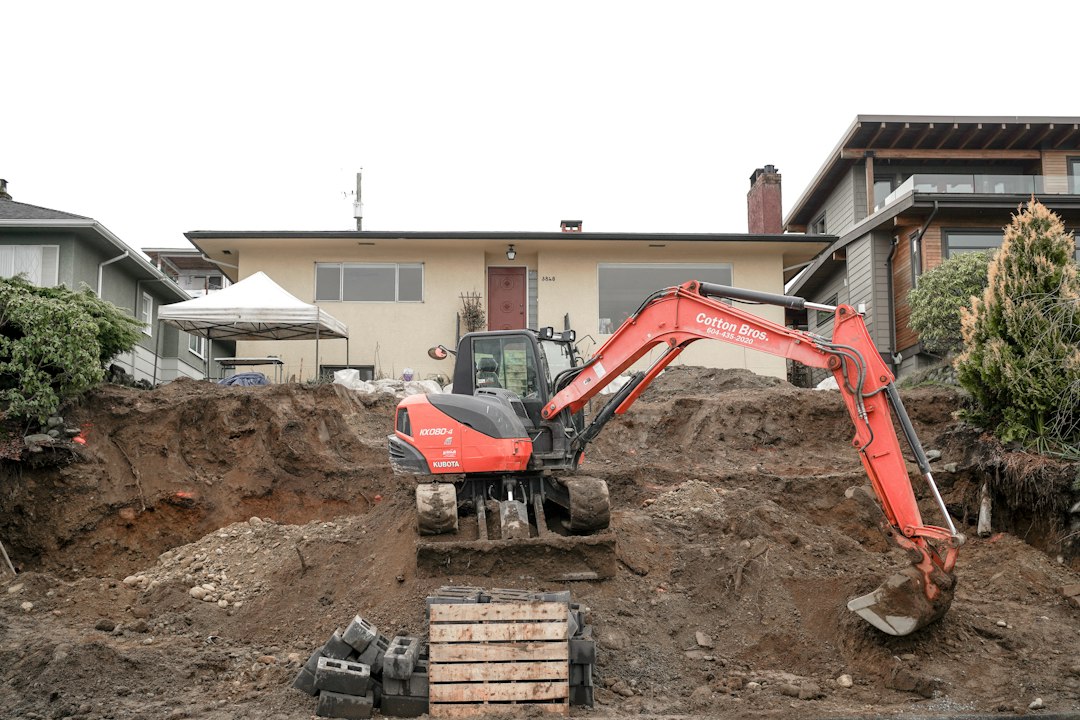
Removing an underground oil tank is not a job where homeowners should simply choose the lowest price or the first contractor who can get there. In New Jersey, oil tank removal involves permits, inspections, environmental regulations, soil evaluation, proper disposal, and detailed documentation. Choosing an experienced and reputable oil tank removal company can make the […]
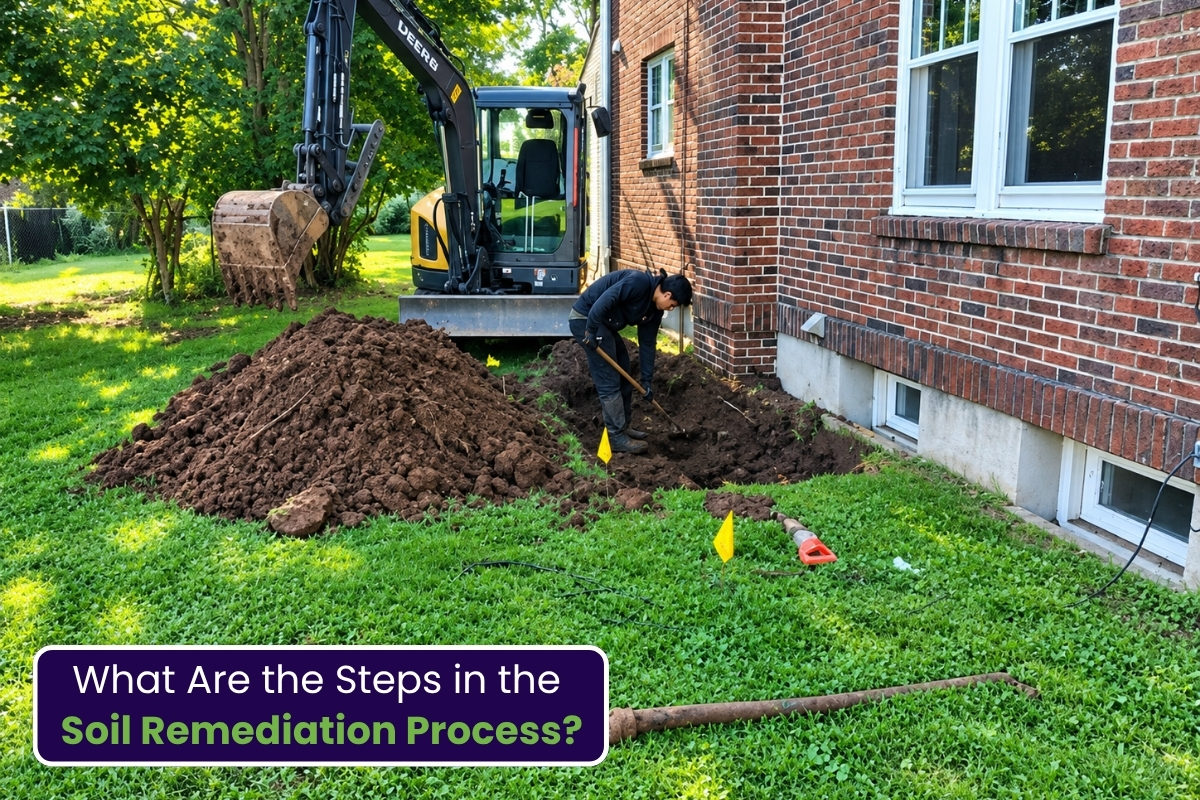
Soil contamination can happen when petroleum, chemicals, or other pollutants enter the ground and affect the surrounding soil. When contamination is identified, soil remediation helps address the affected area and reduce or remove contaminants. But what happens during this process? The remediation process generally involves several stages, starting with investigation and testing and ending with […]
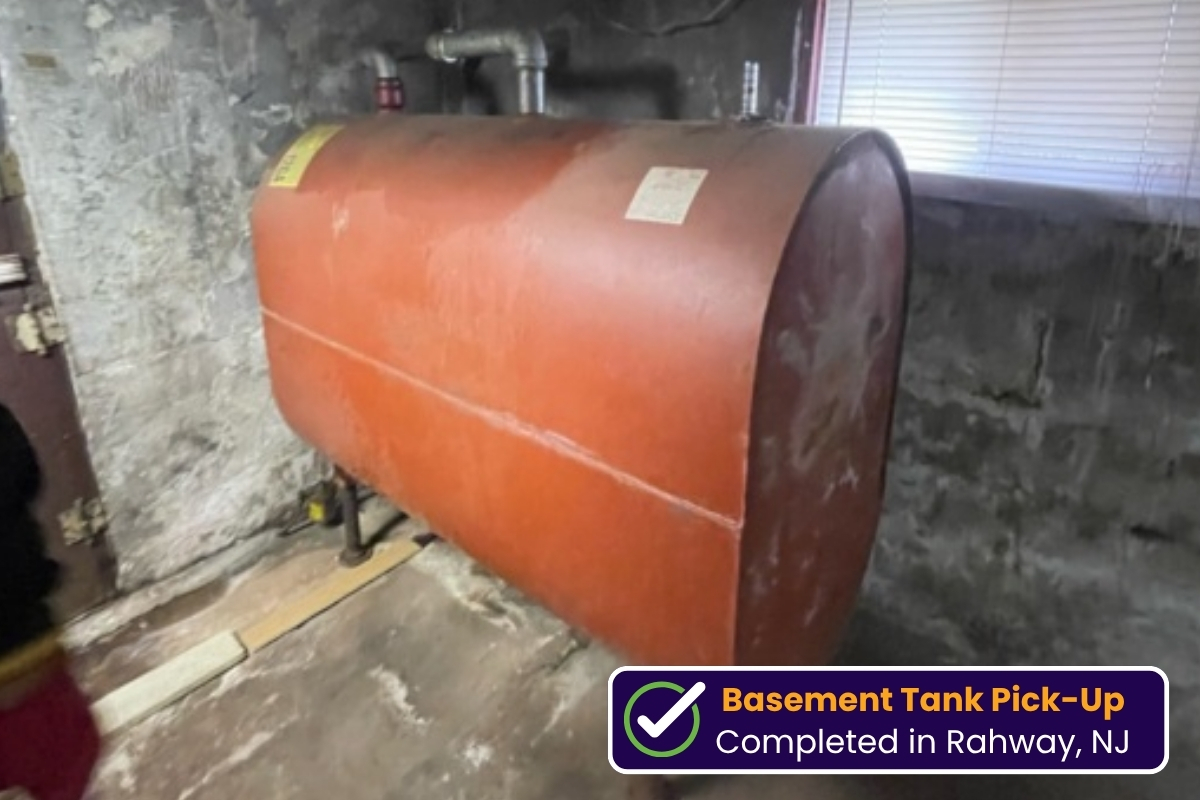
A basement tank pick-up project was recently completed in Rahway, NJ, involving the removal of an existing 275-gallon oil tank from inside a residential basement. Because the tank was located within the home, the project required careful preparation, proper handling, and attention to the available basement access points. The Project: A 275-Gallon Basement Tank The […]
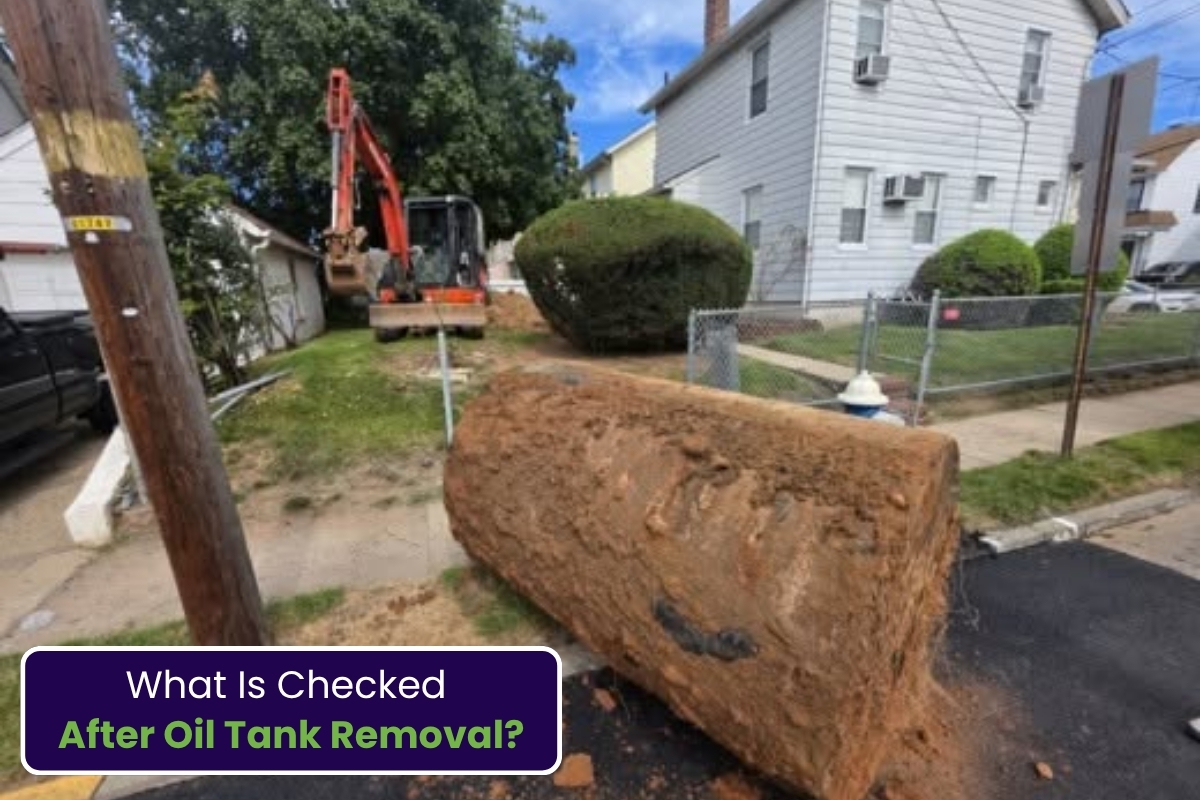
Removing an underground oil tank is only part of the job. Once the tank is out of the ground, the excavation site needs to be carefully inspected to determine whether the surrounding soil shows signs of a petroleum release. In New Jersey, this post-removal inspection can include visual observations, field screening, and soil sampling based […]
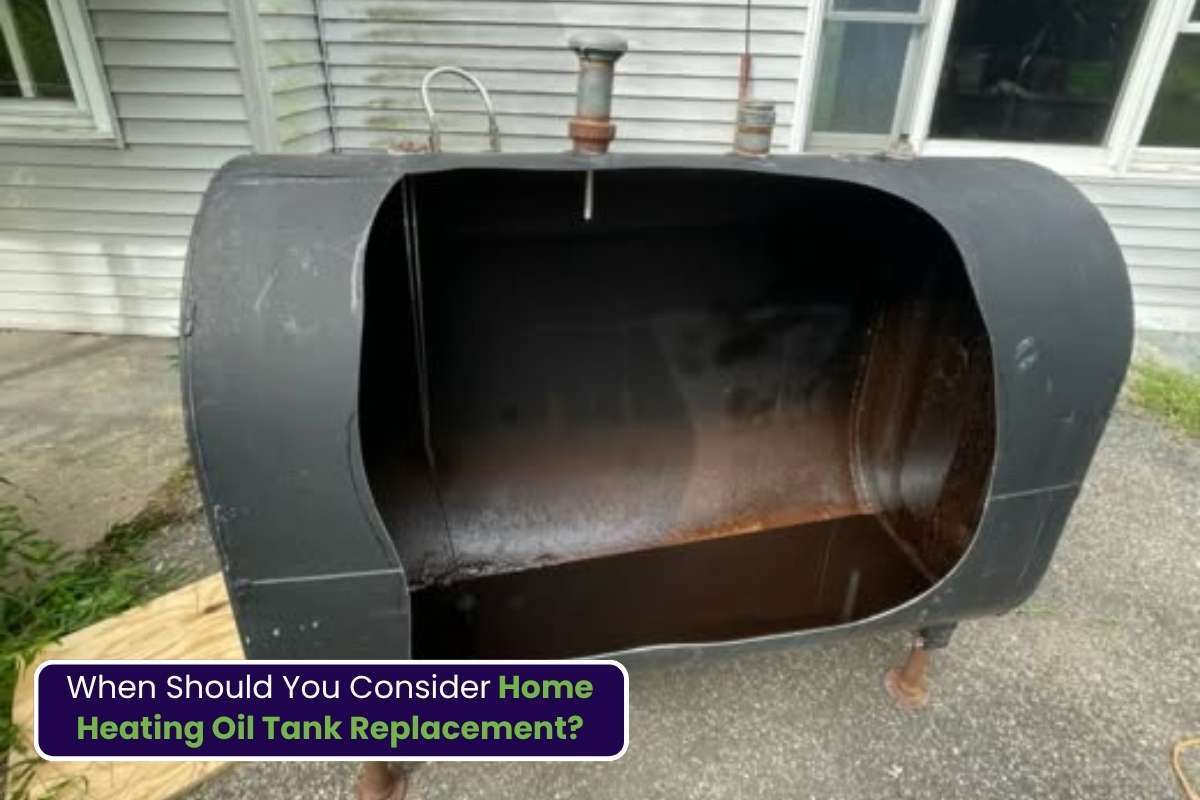
A home heating oil tank is an important part of many residential heating systems, but it does not last forever. Over time, corrosion, age, leaks, and structural damage can make an oil tank unsafe or unreliable. Knowing when to consider home heating oil tank replacement can help homeowners avoid unexpected heating problems, property damage, and […]
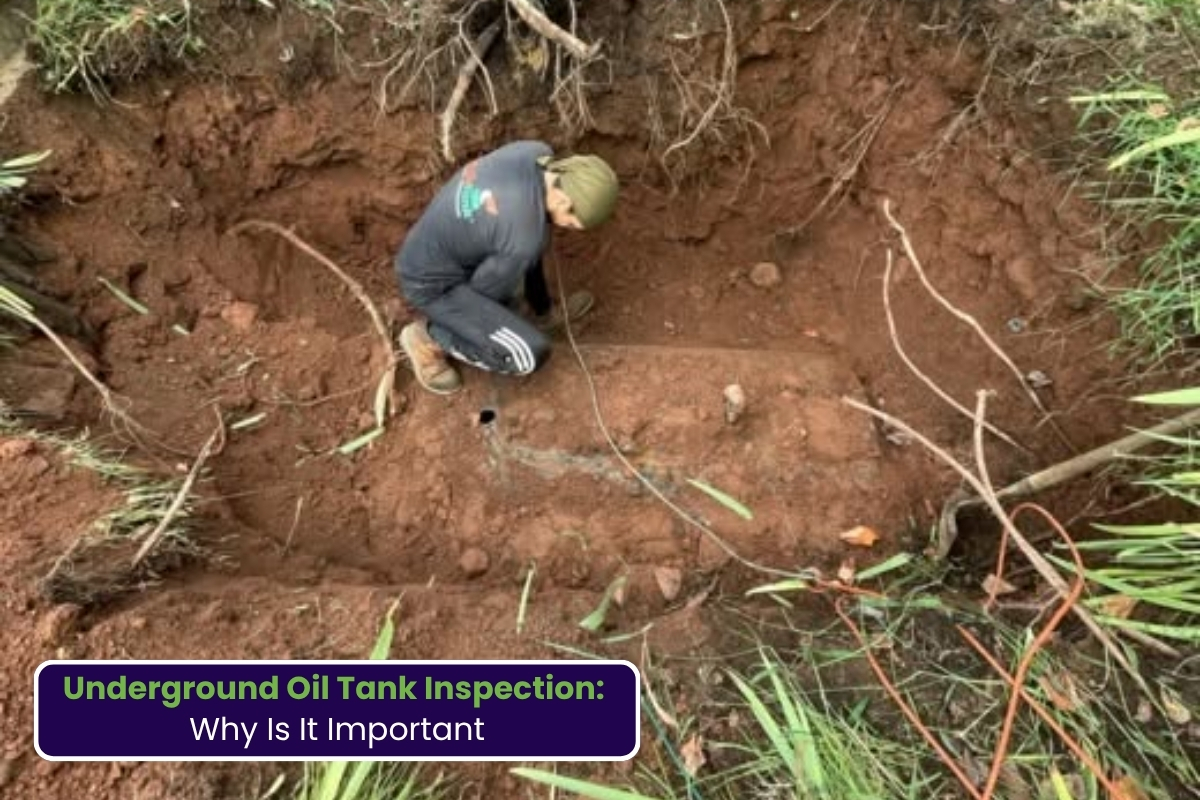
An underground oil tank inspection is a professional evaluation of a buried oil tank to determine its condition, potential for leaks, and possible environmental risks. In New Jersey, inspecting an underground oil tank can help property owners identify hidden problems before they lead to soil contamination, costly cleanup, or complications during a property sale. What […]
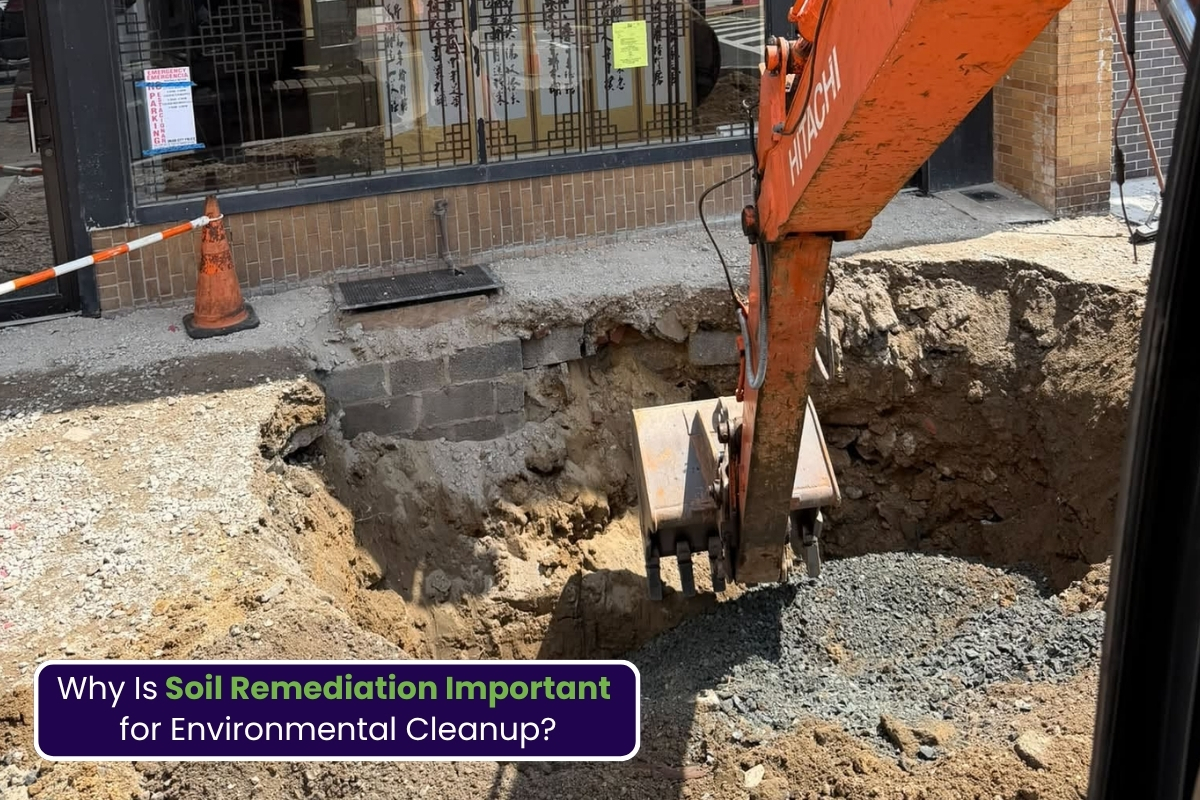
What Is Soil Remediation? Soil remediation is the process of identifying, treating, removing, or containing contaminated soil so that environmental risks are reduced. Contamination can occur because of leaking underground oil tanks, fuel spills, industrial activities, improper chemical storage, or other sources. The appropriate cleanup method depends on the type and concentration of contamination, the […]
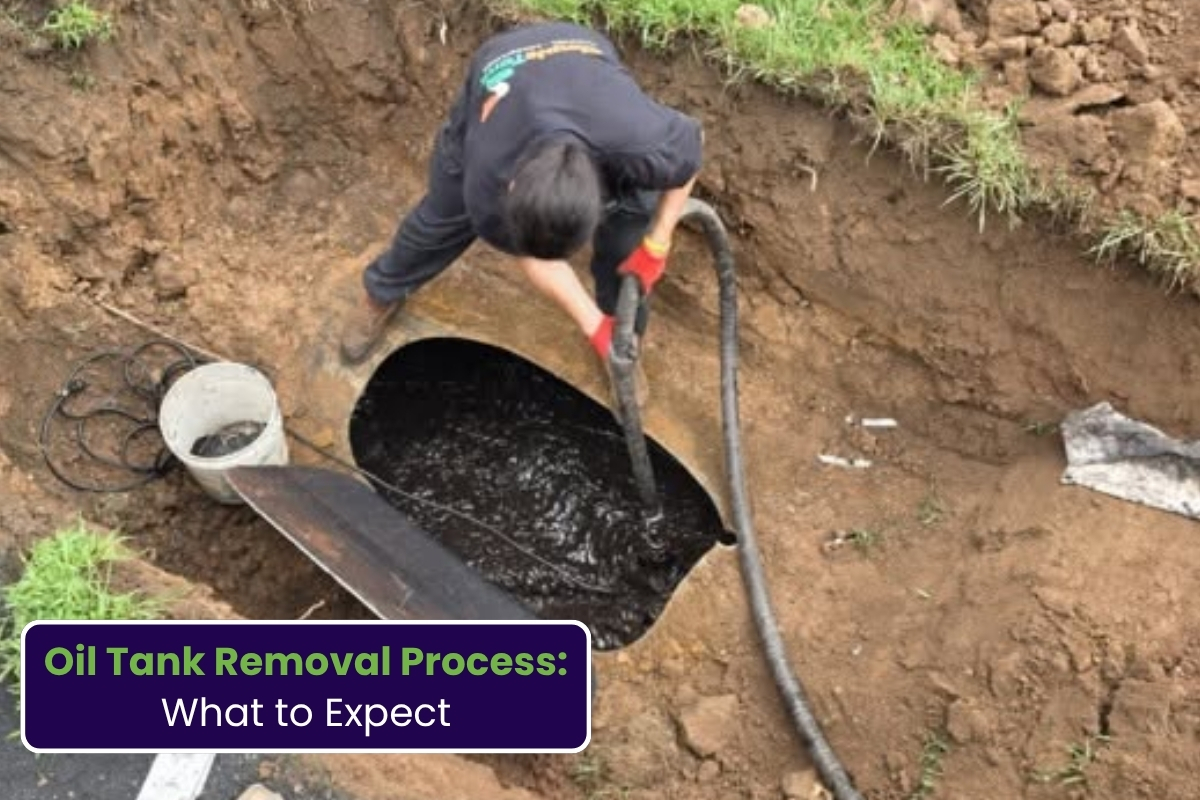
If you have an old or unused oil tank on your property, you may wonder what happens during removal. The oil tank removal process typically involves an initial inspection, obtaining required local approvals, safely removing the tank, checking the excavation for signs of contamination, collecting soil samples when required, and completing the necessary closure documentation. […]
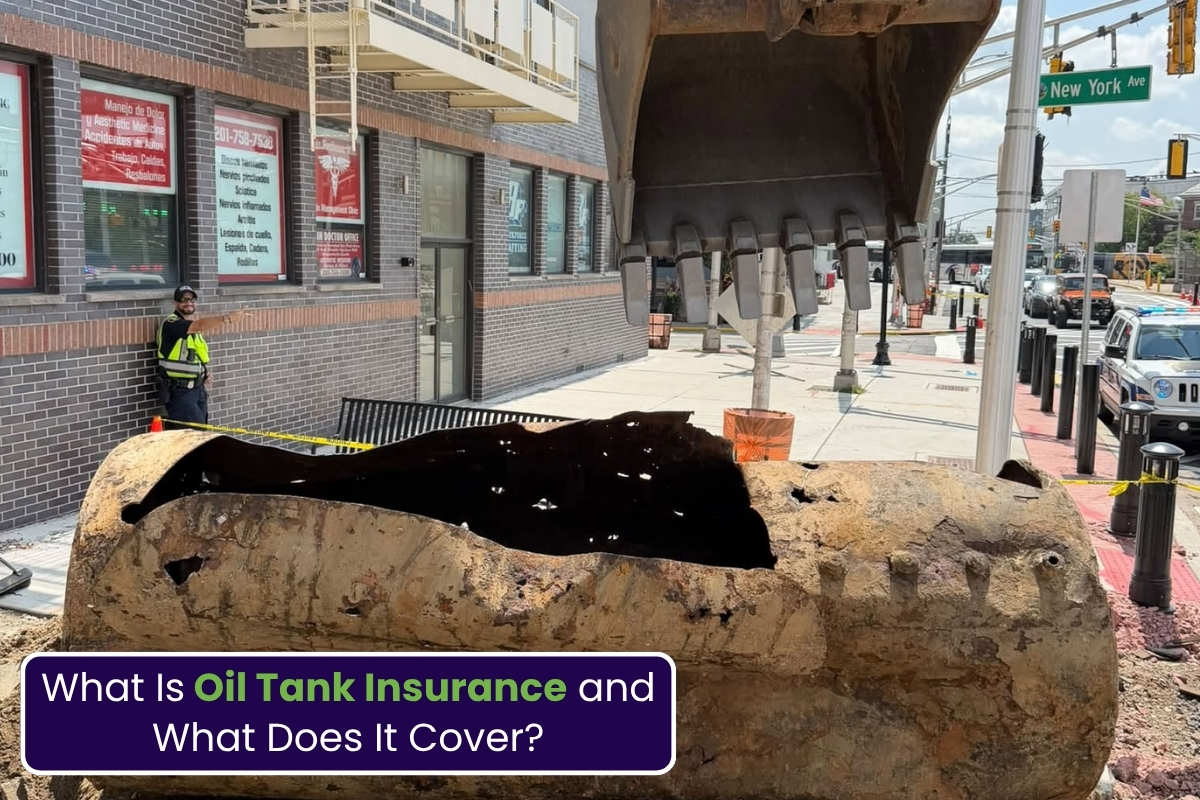
If your New Jersey property has an underground or above-ground oil tank, you may wonder whether your homeowners insurance will protect you if the tank leaks. The answer is not always straightforward. Oil tank insurance can provide specific protection related to oil tank damage, leaks, cleanup, and environmental liability, depending on the policy. Understanding what […]
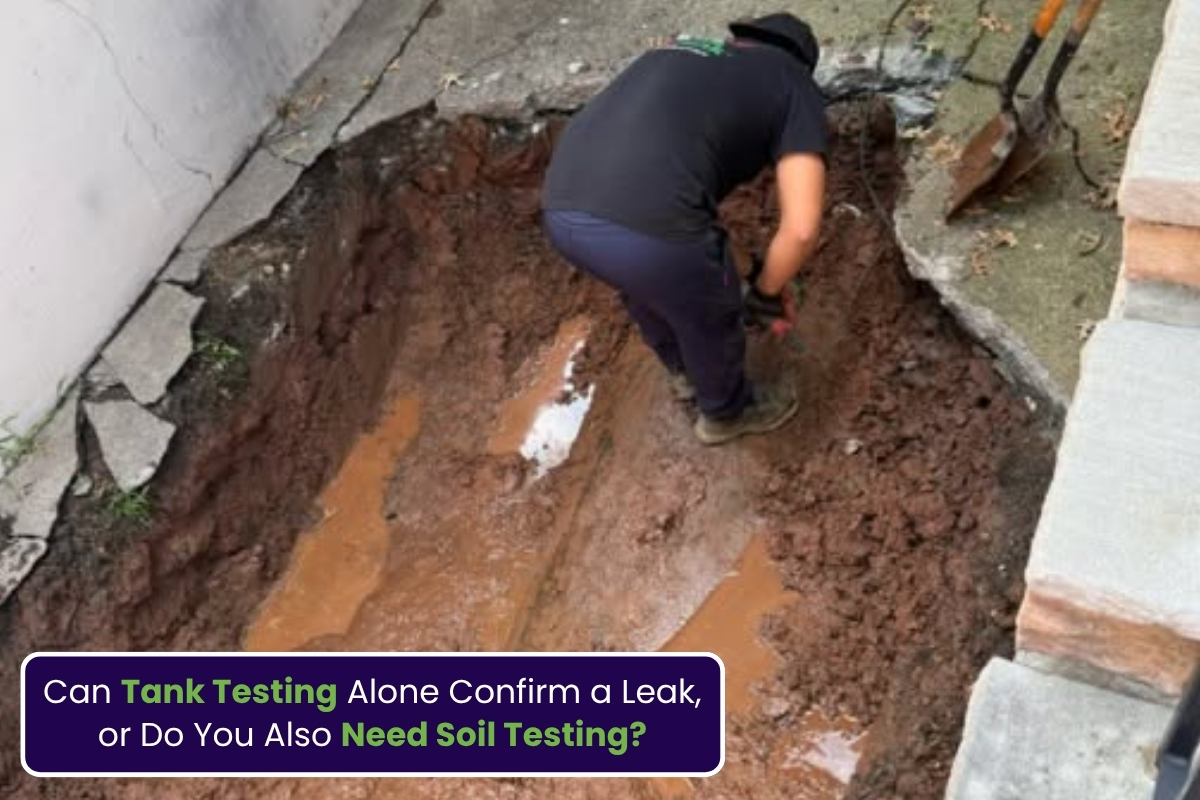
A tank test can provide useful information about the condition of an underground or above-ground oil tank, but it does not always tell the complete story. A tank may pass a pressure or tightness test while contamination has already affected the surrounding soil. This is why understanding the difference between tank testing and soil testing […]
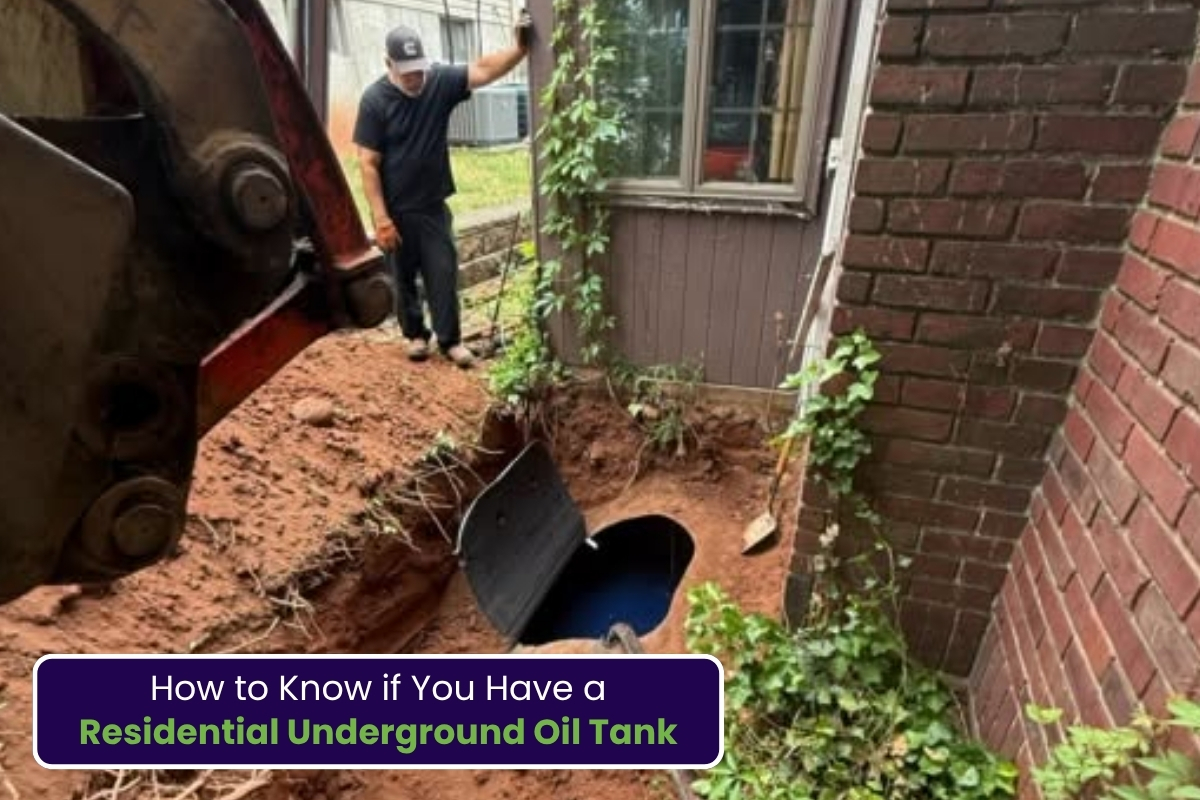
If you own an older home, there is a chance it may have an underground oil tank that is no longer in use. Many residential properties once relied on heating oil, and some tanks were buried underground when the home was built or when heating systems were installed. The challenge is that these tanks can […]
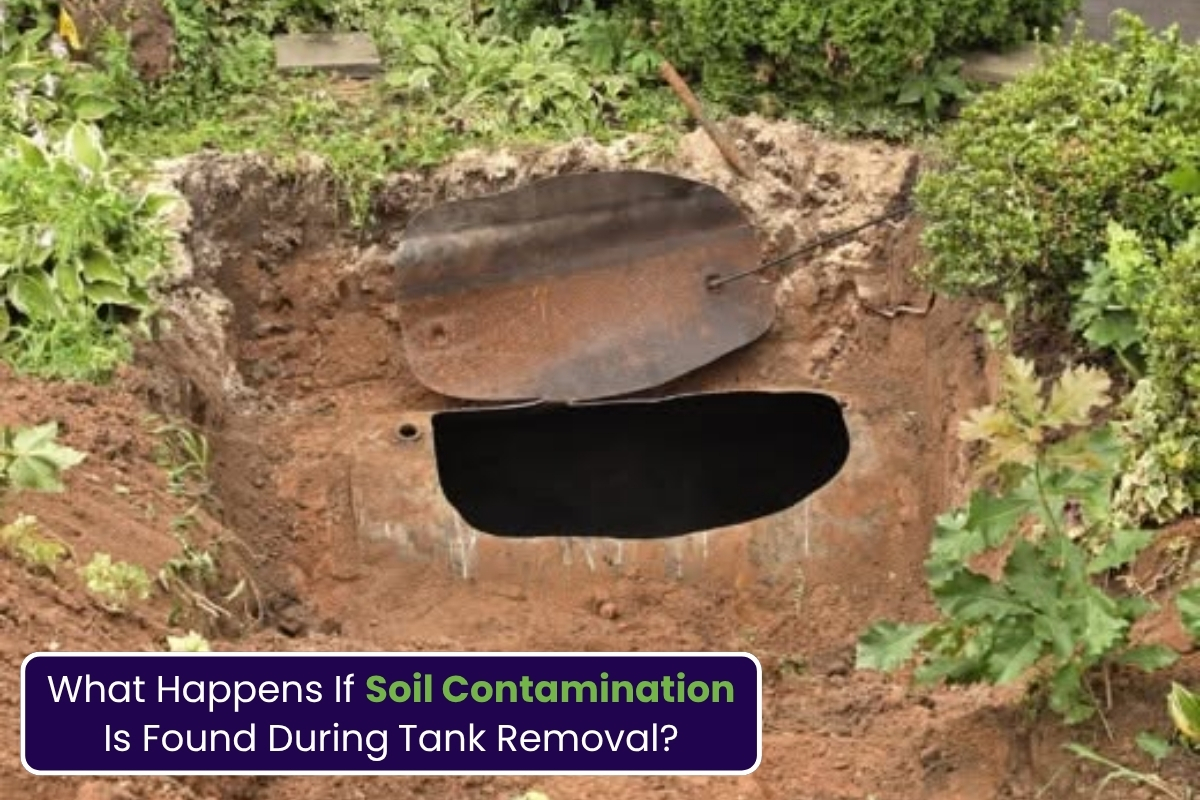
Removing an underground oil tank can uncover more than an old or damaged tank. In some cases, soil contamination during tank removal is discovered around the tank area. This usually happens when oil has leaked into the surrounding soil over time. Understanding what happens next can help property owners prepare for oil tank removal in […]
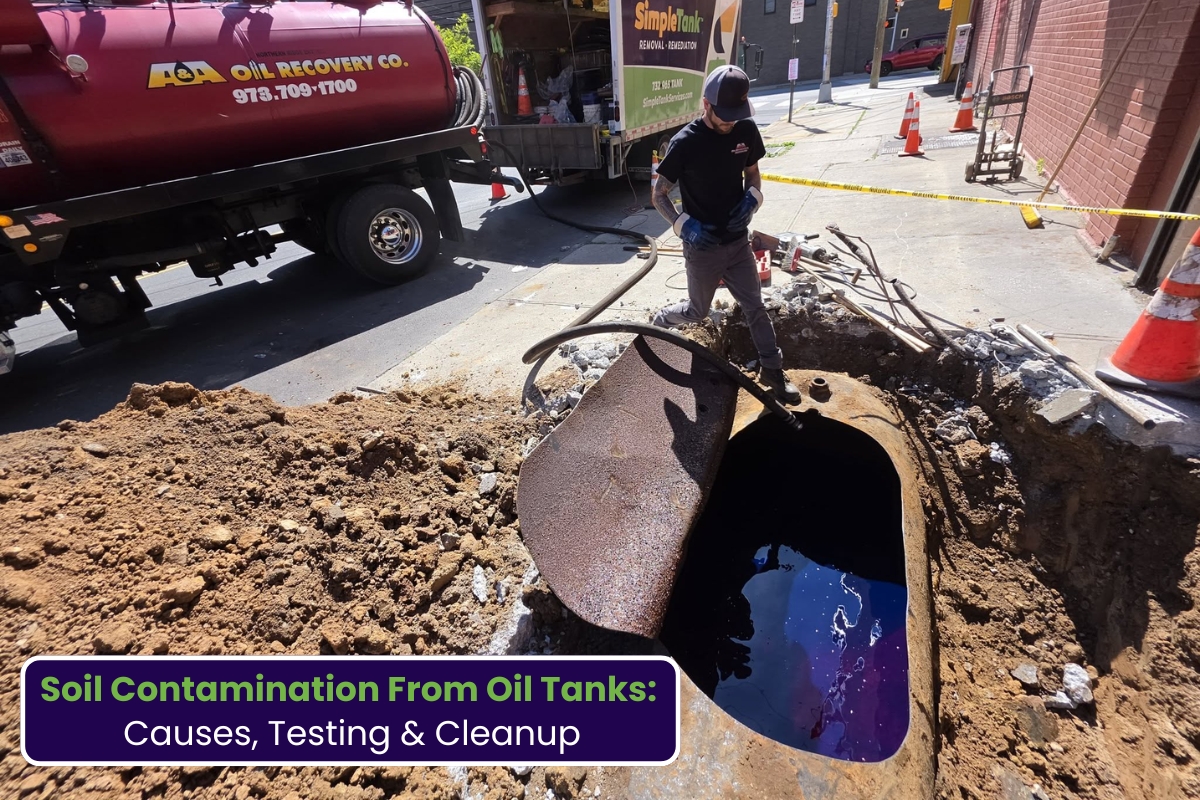
Oil tanks can provide reliable heating for homes and commercial properties, but older or damaged tanks may create a serious environmental concern: soil contamination. In New Jersey, underground oil tanks can develop leaks that allow petroleum products to seep into surrounding soil, potentially affecting groundwater, property value, and future construction plans. Understanding the causes of […]
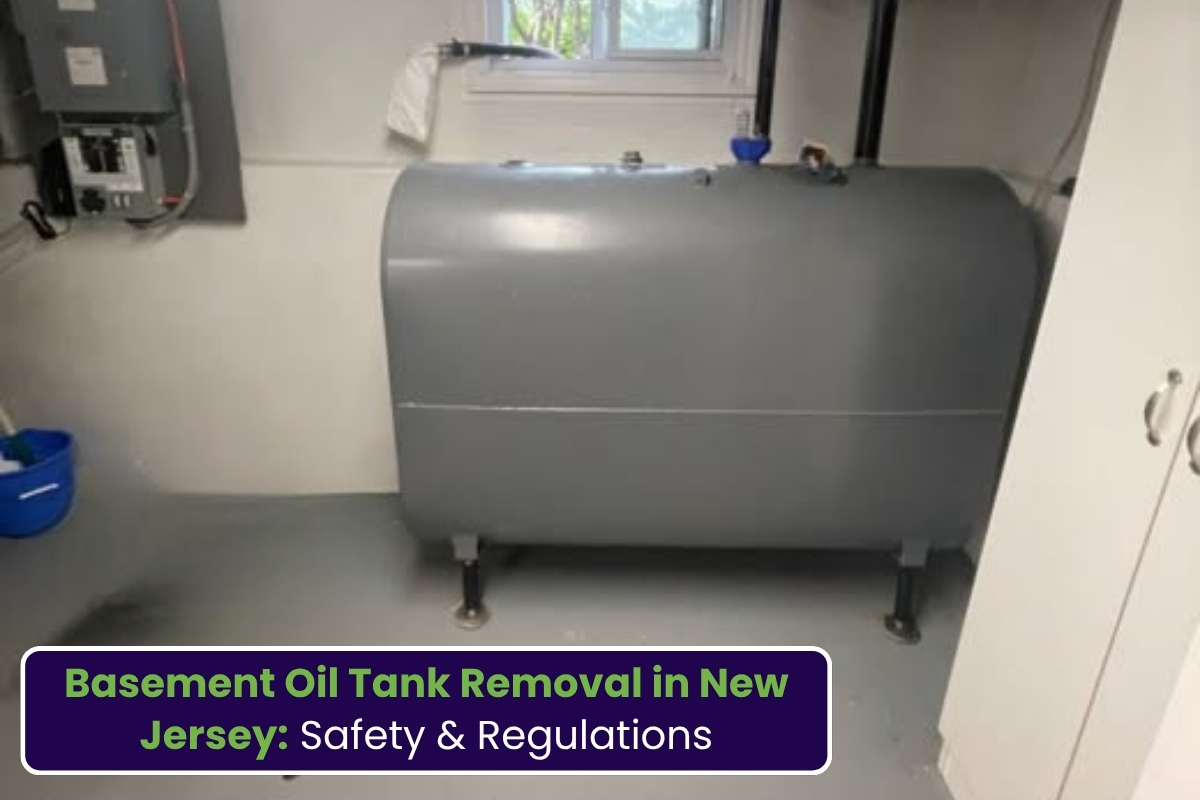
Basement oil tanks were once widely used to provide heating for homes throughout New Jersey. Many older properties still have these tanks, even after homeowners have switched to newer heating systems. Over time, an unused tank can become a concern because of corrosion, deterioration, or the possibility of a leak. For homeowners planning Basement Oil […]
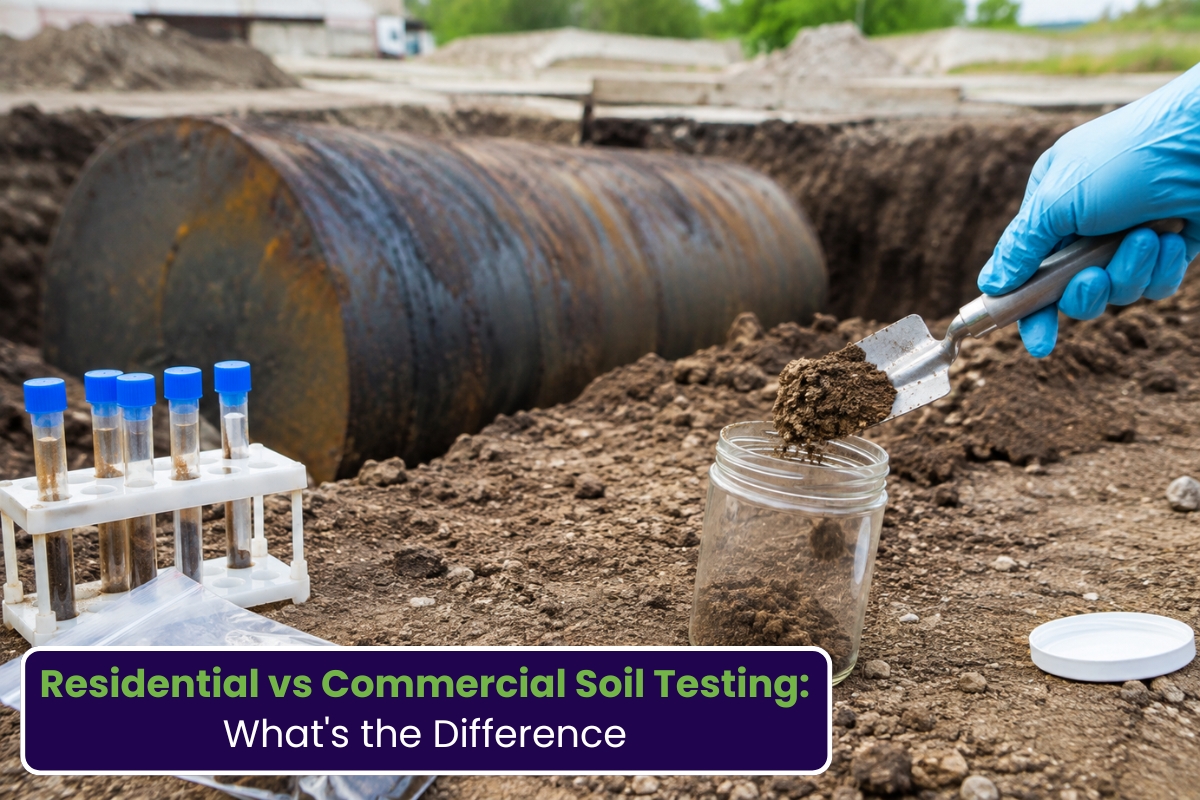
When it comes to buying, developing, or maintaining a property, soil testing is one of those steps that’s easy to overlook but nearly impossible to skip once problems show up. Whether you’re a homeowner installing a septic system or a business owner planning a new commercial development, understanding what’s beneath the surface can save you […]
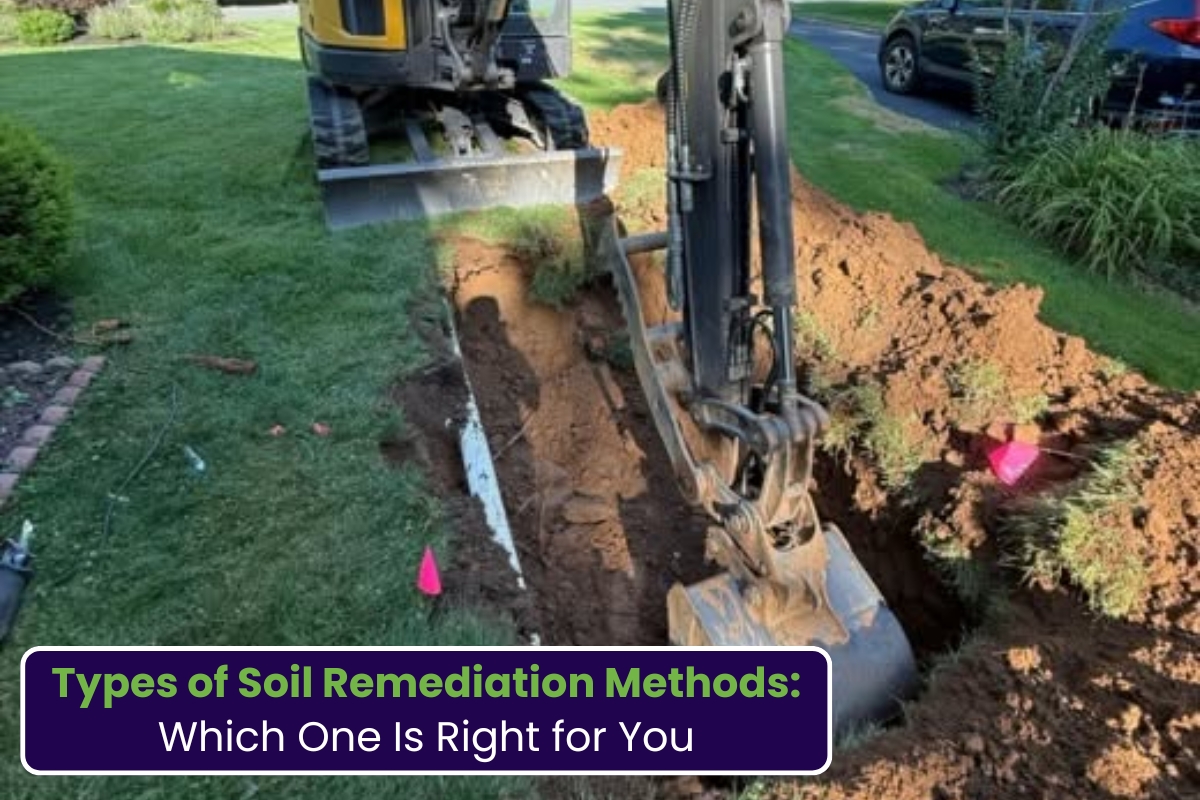
If you’ve discovered contamination on your property, you’re probably wondering what comes next. Not all contaminated soil is the same, and not every remediation method works for every situation. The right approach depends on the type of contaminant, how deep it goes, the soil composition, and your property’s future use. Understanding your options is the […]

Introduction Every construction project starts below the surface long before foundations are poured or utilities are installed. One hidden issue that many contractors overlook is the presence of an underground oil tank. These tanks were once common for heating homes and commercial buildings, especially in older neighborhoods. While many remain in good condition, others have […]
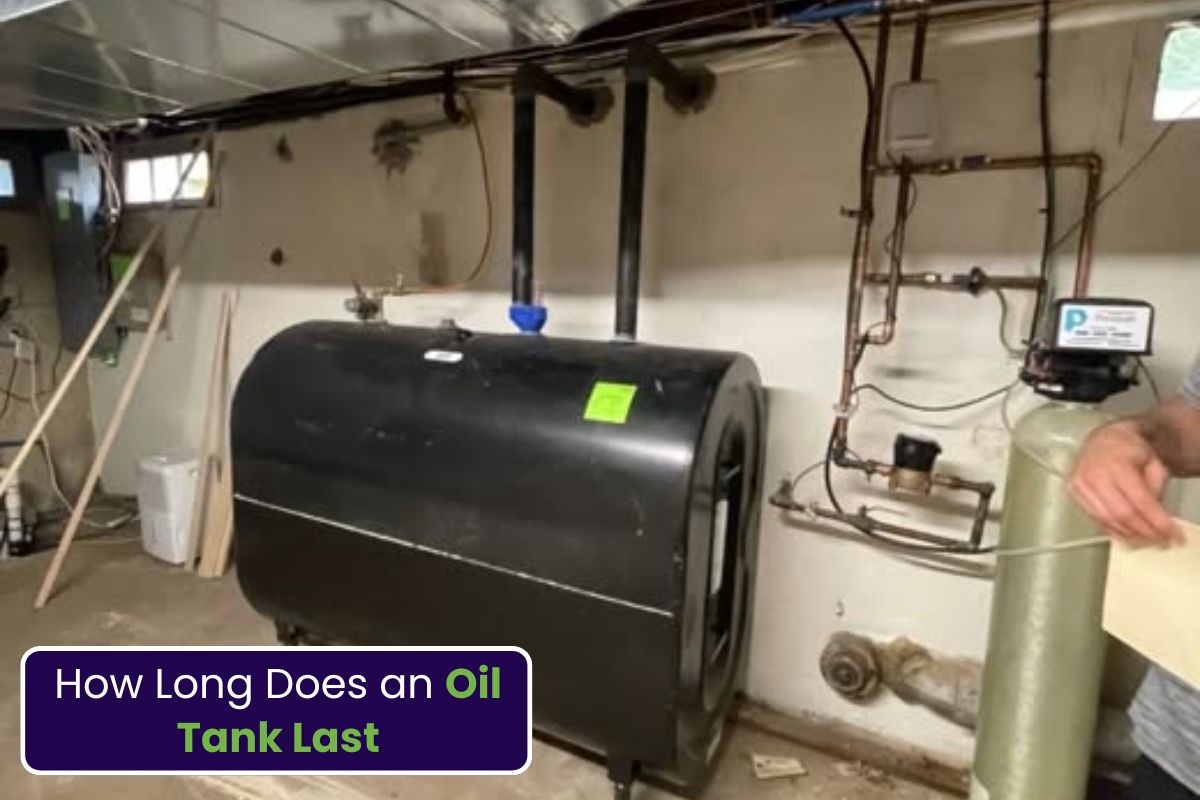
Owning a home with an oil heating system means understanding the condition of your oil tank. While these tanks are built to last for many years, they are not designed to last forever. Over time, corrosion, moisture, soil conditions, and regular wear can weaken the tank, increasing the risk of leaks and environmental contamination. Many […]
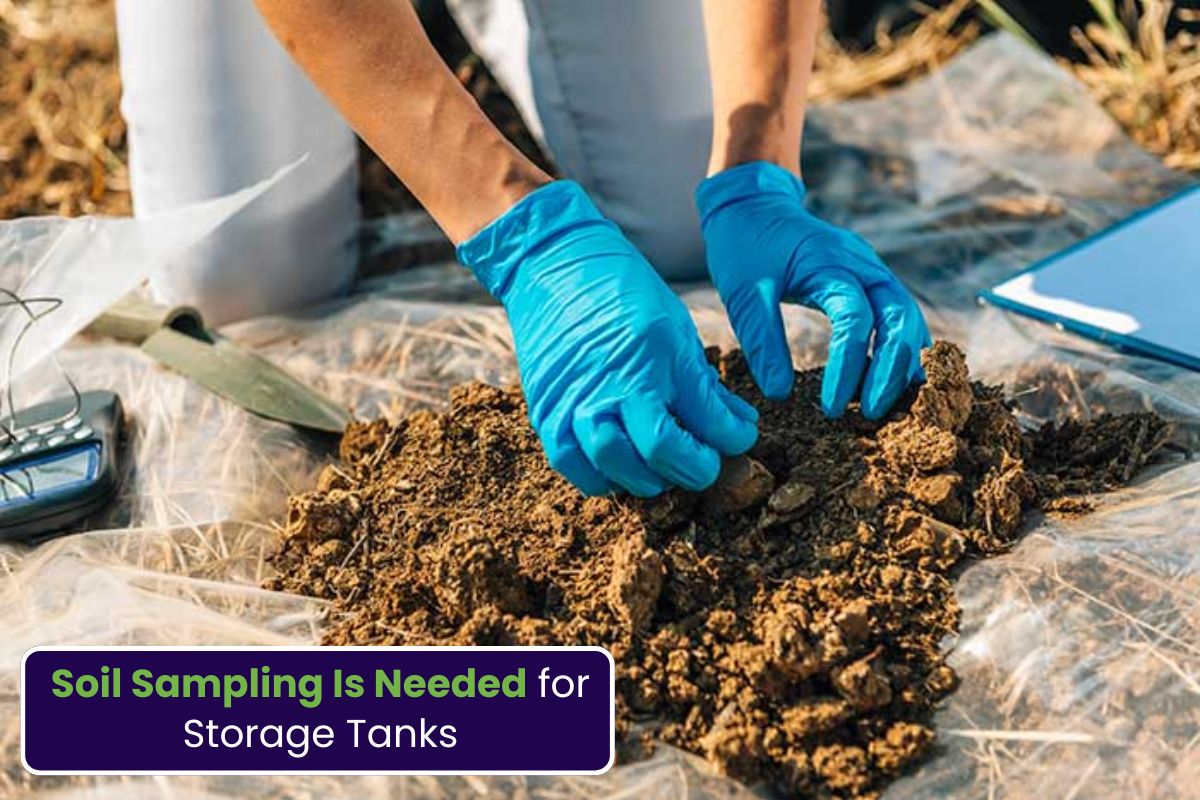
Storage tanks play an important role in storing heating oil, fuel, chemicals, and other liquids for residential and commercial properties. While these systems are designed to safely contain their contents, aging tanks, corrosion, accidental damage, and leaks can allow hazardous materials to seep into the surrounding soil. Unfortunately, many of these issues remain hidden until […]
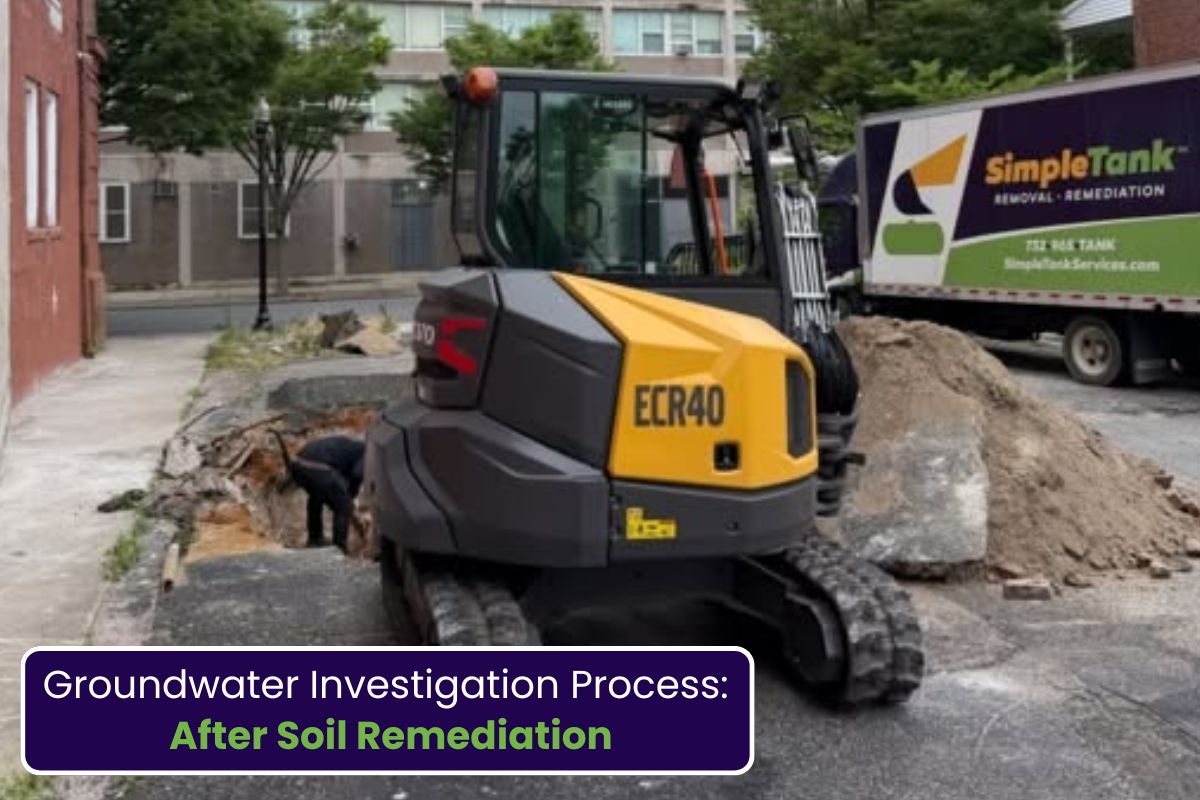
When contaminated soil is removed from a property, many homeowners and property owners assume the environmental issue has been completely resolved. However, soil cleanup is only one part of the restoration process. The next critical step is understanding whether contaminants have affected the groundwater beneath the property. This is where the Groundwater Investigation Process becomes […]

