
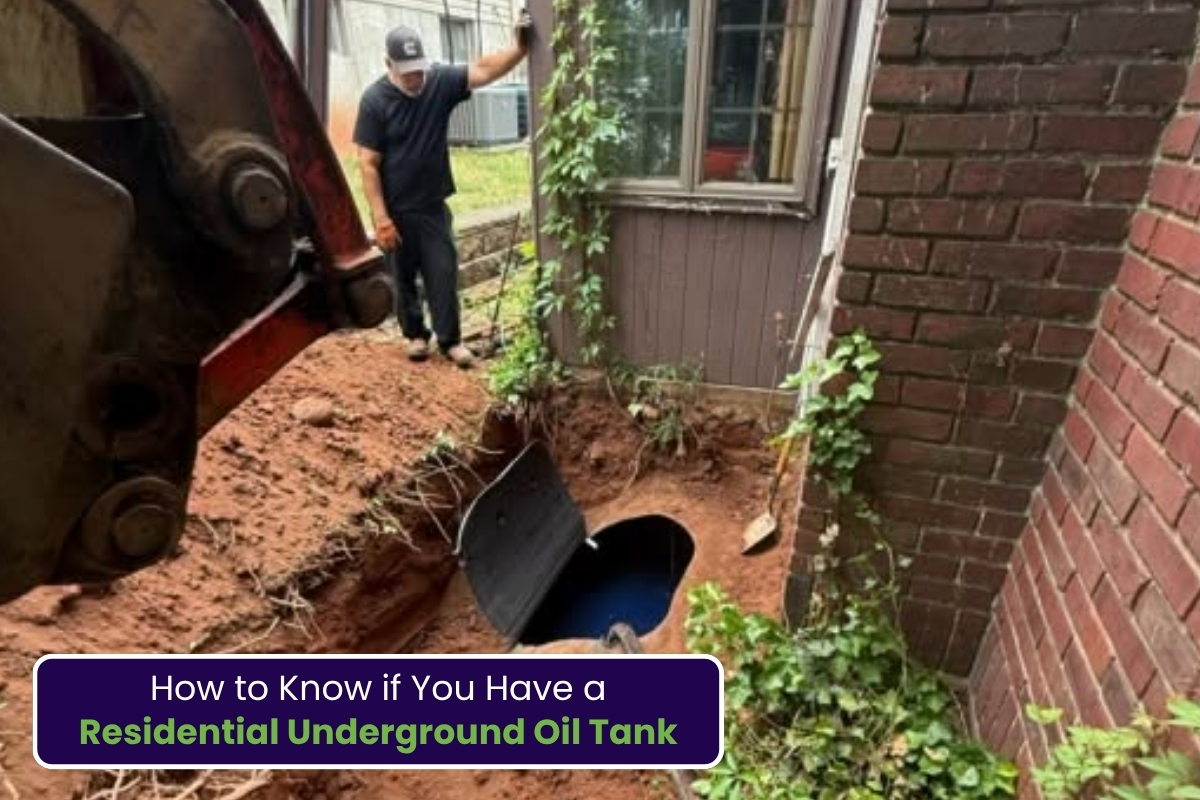
If you own an older home, there is a chance it may have an underground oil tank that is no longer in use. Many residential properties once relied on heating oil, and some tanks were buried underground when the home was built or when heating systems were installed. The challenge is that these tanks can be difficult to identify because they are hidden beneath soil, landscaping, driveways, or other structures.
Knowing how to identify a potential tank is important before buying or selling a property, starting construction, or making changes to the heating system. An old tank that has deteriorated may also create environmental concerns. Here are some practical ways to determine whether your property may have one.
Check Your Property’s Heating History
The first step is to find out how the home was heated in the past. Older properties may have used oil-fired heating systems before switching to natural gas, electric, or another heating source.
Look for old records, heating bills, inspection reports, or paperwork from previous owners. If the property previously used heating oil but there is no visible above-ground tank, an underground tank could still be present.
A previous oil heating system does not automatically mean there is a buried tank, but it is an important clue worth investigating.
Look for Old Oil Fill and Vent Pipes
One of the easiest signs of a possible buried tank is the presence of old metal pipes outside the home. Underground tanks typically have fill and vent pipes that extend above the ground.
Check around areas such as:
-Exterior basement walls
-Near the former boiler or furnace room
-Along the side or rear of the house
-Near driveways or foundation walls
-Areas where old heating equipment was located
Two small pipes close together can sometimes indicate that a tank is buried below the surface. However, pipes can be removed or modified over the years, so their absence does not necessarily prove that there is no tank.
Inspect the Basement for Old Oil Lines
Your basement can provide additional clues. Look for unused copper or steel fuel lines running through the basement toward an exterior wall or another part of the property.
You may also find an old oil burner, abandoned fittings, or capped fuel lines. These features can indicate that the property once used an oil heating system.
If the current heating system has been converted to gas or another fuel source, traces of the former system may still remain.
Review Property and Municipal Records
Property records can sometimes provide useful information about previous heating systems or tank installations. When buying an older home, ask the seller, real estate agent, or property inspector whether they have documentation related to an oil tank.
Depending on the property and local requirements, records may include previous removal paperwork, permits, inspection documents, or environmental reports.
This information can help determine whether a tank was removed previously or whether additional investigation is necessary.
Check the Yard for Unusual Signs
An underground tank may leave subtle signs on the property. Look for unusual patches of vegetation, depressions in the soil, areas of recently disturbed ground, or old concrete or asphalt sections.
These signs are not proof of an underground tank because landscaping and normal ground settlement can create similar conditions. Still, when combined with other evidence, they may justify further investigation.
Pay particular attention to areas close to the house where an old fill or vent pipe may have been located.
Use Professional Tank Detection Methods
If you cannot determine the tank’s location through visual inspection and records, professional detection can provide a more reliable answer. Specialists may use tools and methods designed to identify buried tanks without immediately excavating the entire property.
Depending on the site, professionals may investigate suspected tank locations and examine accessible areas around the property. A professional assessment can be especially useful when selling or purchasing an older home.
If you suspect an underground oil tank in New Jersey, it is important to work with professionals who understand local requirements and environmental considerations. Proper investigation can help identify potential concerns before they become more complicated or expensive.
Consider the Property’s Age
The age of your home can also provide useful context. Older houses are more likely to have used heating oil at some point, particularly in areas where oil heating was historically common.
However, the age of the property alone cannot confirm the presence of a buried tank. It should simply be treated as one factor alongside heating history, visible piping, property records, and professional inspection.
Why Identifying an Old Tank Matters
Finding an old tank is important even if it is no longer being used. Over time, underground tanks can corrode and potentially release oil into surrounding soil. A suspected tank may therefore become an issue during a property transaction or before certain construction projects.
If a tank is discovered, the next steps depend on its condition, location, and whether contamination is present. Professional evaluation can help determine whether the tank needs to be removed and whether soil testing or additional environmental work is appropriate.
Taking action early can also help homeowners understand potential costs and avoid unexpected problems later.
What Should You Do If You Suspect a Buried Oil Tank?
Do not attempt to dig up or remove a suspected tank yourself. Underground tanks can contain residual oil, and disturbing the surrounding soil may create additional environmental concerns.
Instead, document the signs you have found and arrange for a qualified professional to evaluate the property. They can help determine whether a tank is present and explain the appropriate next steps based on the condition of the site.
Frequently Asked Questions
Q1. How can I tell if my house has an underground oil tank?
Look for old oil fill and vent pipes, unused fuel lines, evidence of a former oil heating system, and property records. Professional tank detection can provide additional confirmation.
Q2. Can a home have an underground oil tank even if there are no visible pipes?
Yes. Pipes may have been removed, capped, buried, or covered during landscaping or construction. The absence of visible pipes does not completely rule out a tank.
Q3. Why are underground oil tanks a concern?
Older tanks can deteriorate over time and may release petroleum into surrounding soil. Discovering a potential tank early allows homeowners to investigate the situation before it creates larger property or environmental concerns.
Q4. Should I remove an underground oil tank myself?
No. Tank removal can involve safety and environmental considerations. A qualified professional should evaluate the tank and follow applicable local requirements.
Q5. Is a professional inspection useful when buying an older home?
Yes. If the property has a history of oil heating or other signs of a buried tank, professional investigation can help identify potential issues before completing a purchase.
Final Thoughts
Determining whether an older home has a buried oil tank starts with simple clues such as heating history, old pipes, basement fuel lines, and property records. When these signs raise concerns, professional evaluation is the safest way to determine what may be underground.
If you need help investigating or addressing a potential residential oil tank, Simple Tank Services can help you take the appropriate next step. Contact us today to discuss your property and service needs.