
550-Gallon Oil Tank Removal in Newark, NJ | Tank TV
Watch Simple Tank Services complete a 550-gallon underground oil tank removal in Newark, New Jersey for a real estate transaction.

What Is The Law Surrounding Oil Tank Removal Before I Sell My Home? icon There is no law stating that an oil tank needs to be removed before a home
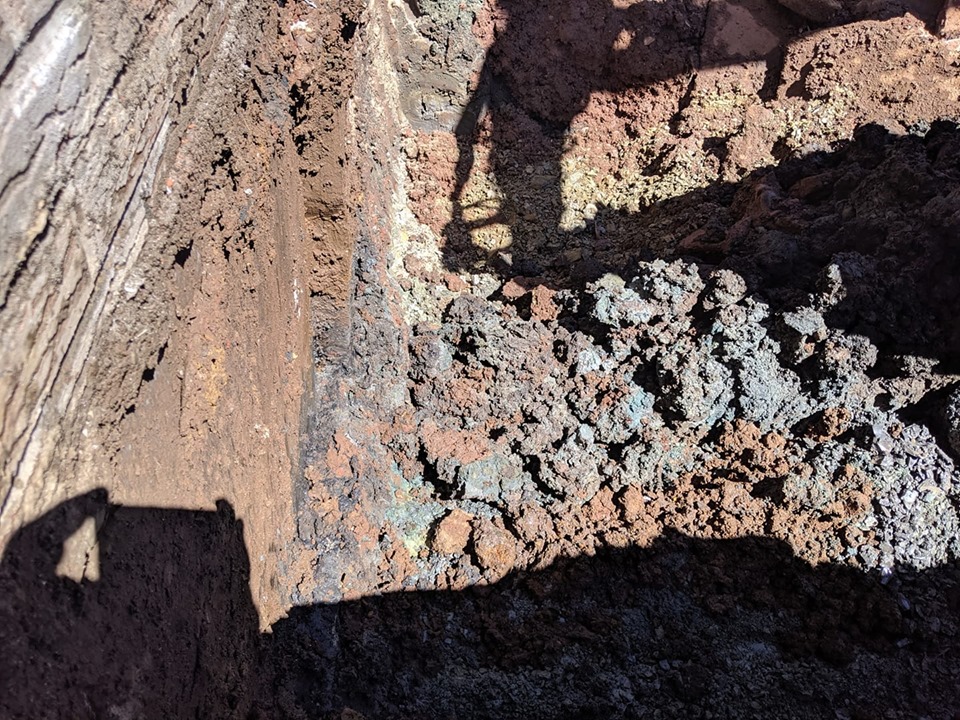
When you have an existing oil tank and want to know if there is any leakage, a contractor can come in and do a test on your property. This test

A lot of people often wonder where their invoices are coming from. Or maybe, they really do not consider where their invoices come from. As the customer, you hire someone
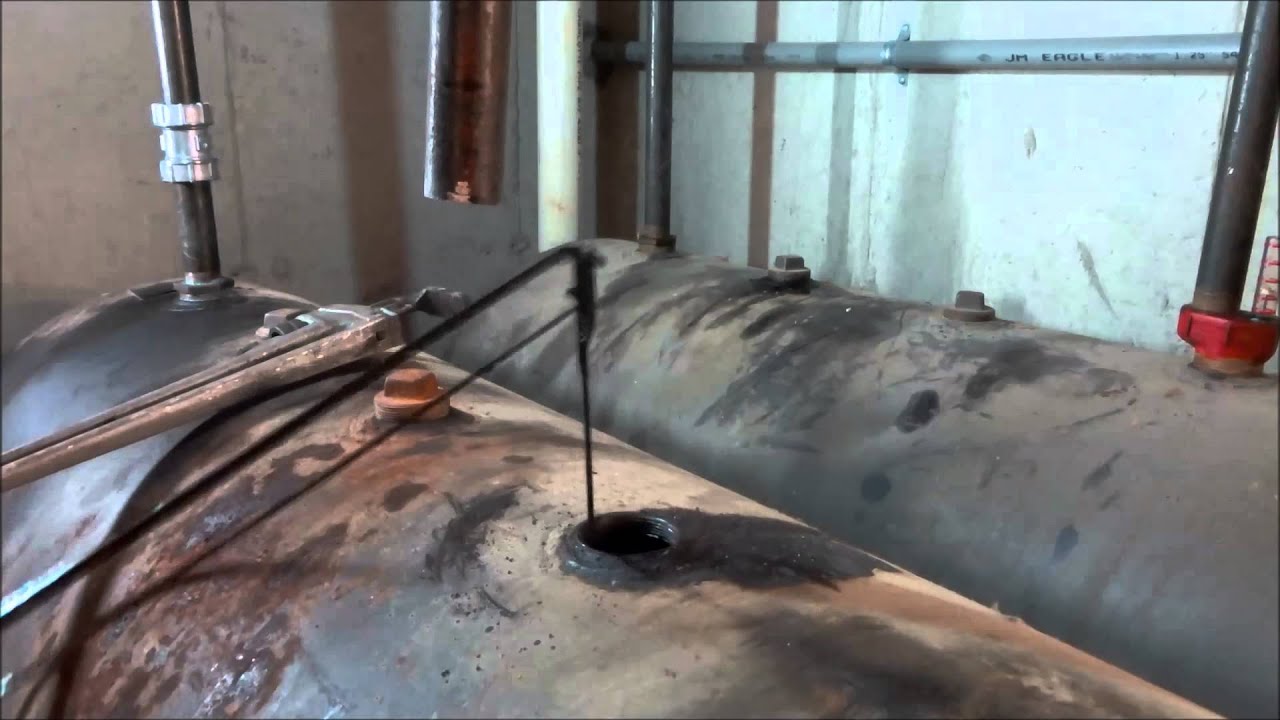
I was arrested a few months ago for driving under the influence!! I needed a really good defense attorney to get all the charges dropped because I wasn’t even drinking!! So
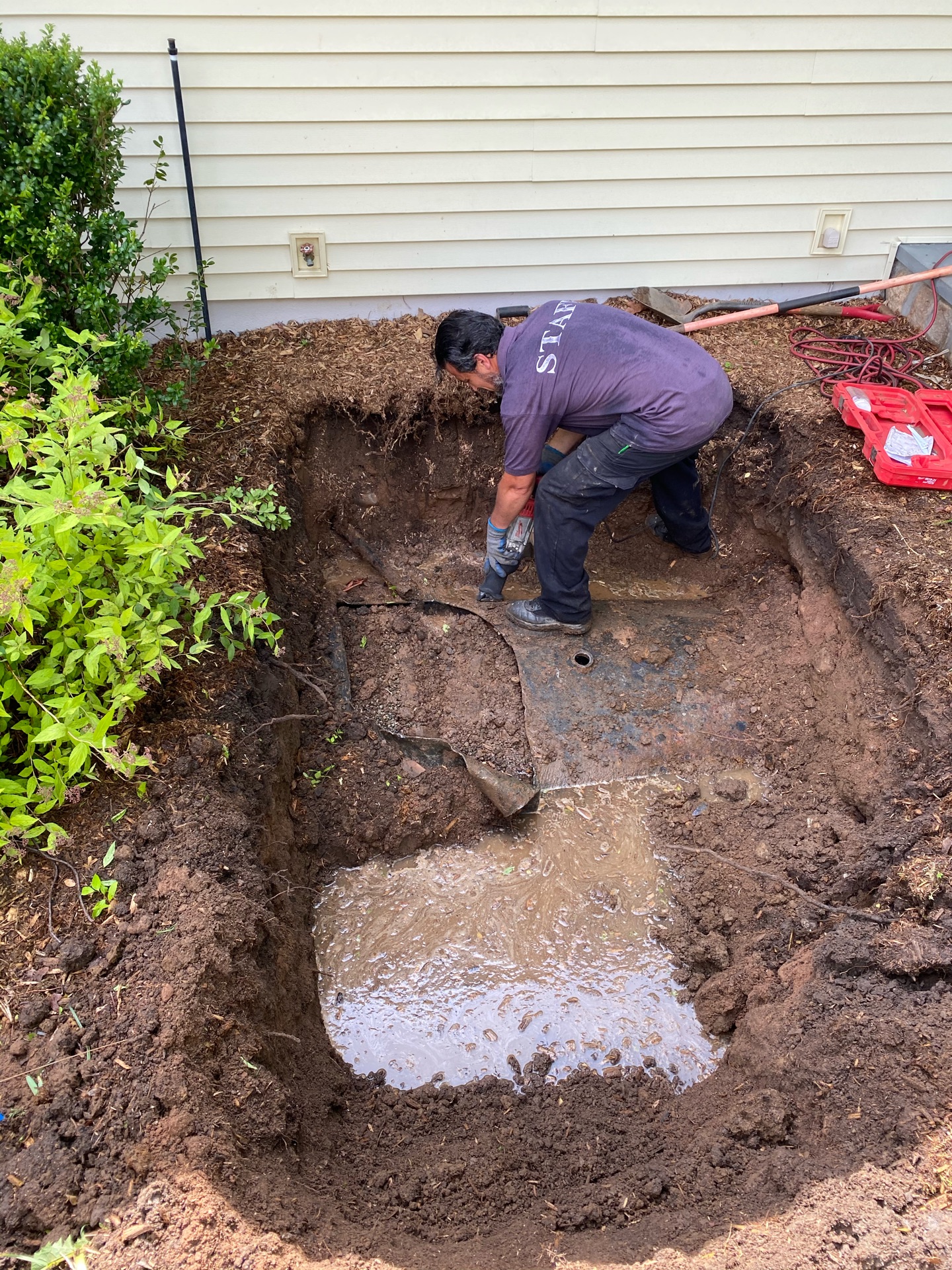
Clients ask us at Simple Tank about their filled oil tanks. Most, think that they are meeting standard requirements regarding their oil tank. However, this is false. When that tank
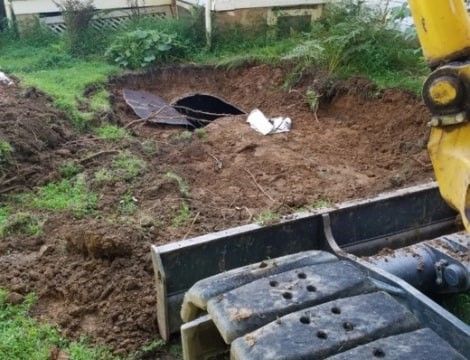
You may have heard from someone in your neighborhood that they are or have just gotten their oil tank removed. Your first instinct may be to walk over there or
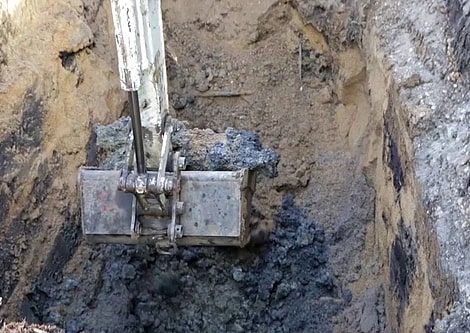
After your oil tank is found to be leaking and its proven that the soil exceeds the clean up standards, the next step is to perform a soil remediation. The
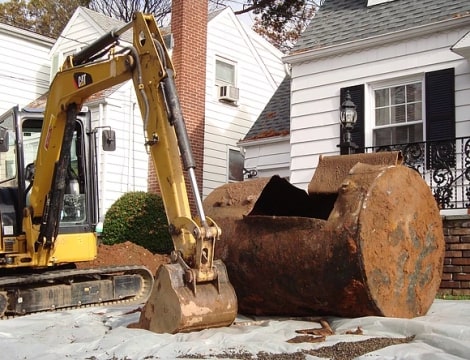
1. Test the soil around the oil tank – Hire Simple Tank Services to test the soil around the oil tank to determine if their is a leak or not.
Simple Tank Services understands that starting a project with a blank check can be very scary. For this reason, we have created a program that allows us to investigate the
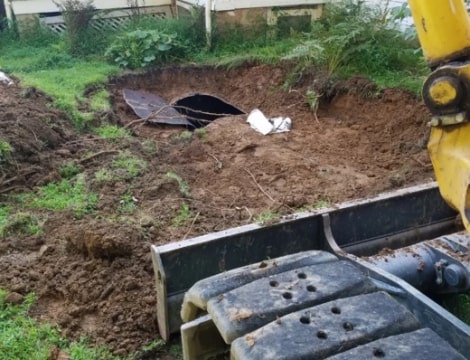
Most underground oil tank removal contracts seem easy to understand and somewhat affordable. The big bold number on the bottom of the contract seems reasonable right? Did you really read

The biggest lie about leaking oil tanks is that you HAVE to remediate the soils if the oil tank fails the inspection during the removal process. Most contractors want to
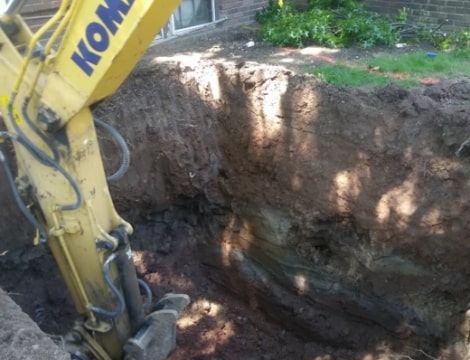
Don’t walk away from great deals just because the house has an underground oil tank. The bottom line of any investment, is that you need to know your numbers before
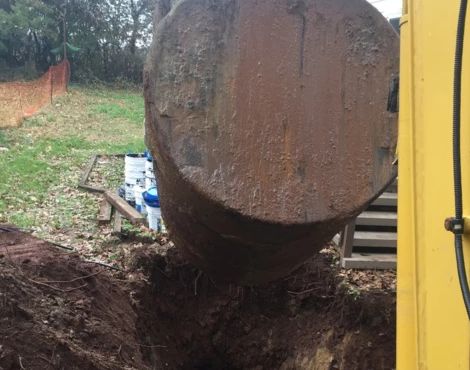
Introducing “Tank” our friendly mascot! He will be popping up here and there with some Simple Tank Tips! Here is the first of many! We received a call today from
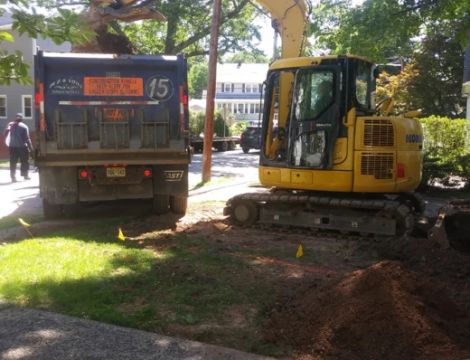
Good morning! “Tank” the mascot has another Simple Tank tip for you to start your Friday off on the right foot! We hear from our clients a lot that they
“Tank” here with tank tip #3! When booking your oil tank removal project, make sure you allow at least 30 days for the contractor to obtain the township permit……….
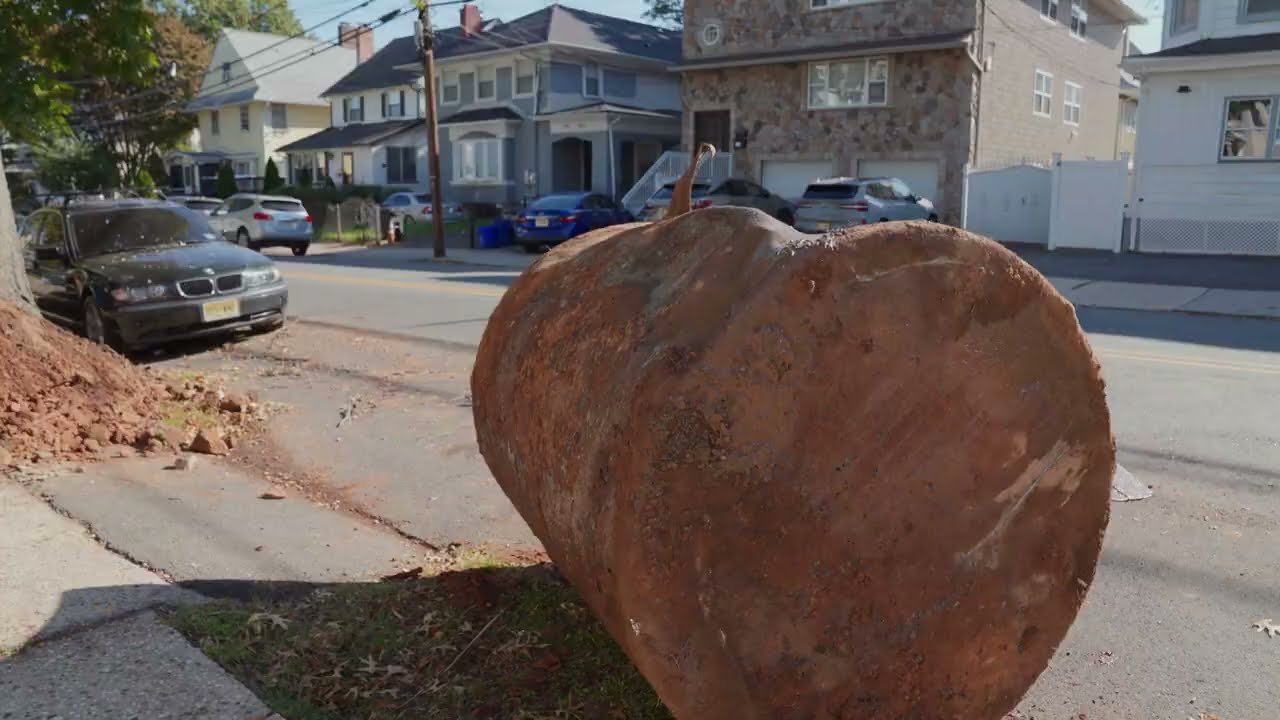
Watch Simple Tank Services complete a 550-gallon underground oil tank removal in Newark, New Jersey for a real estate transaction.
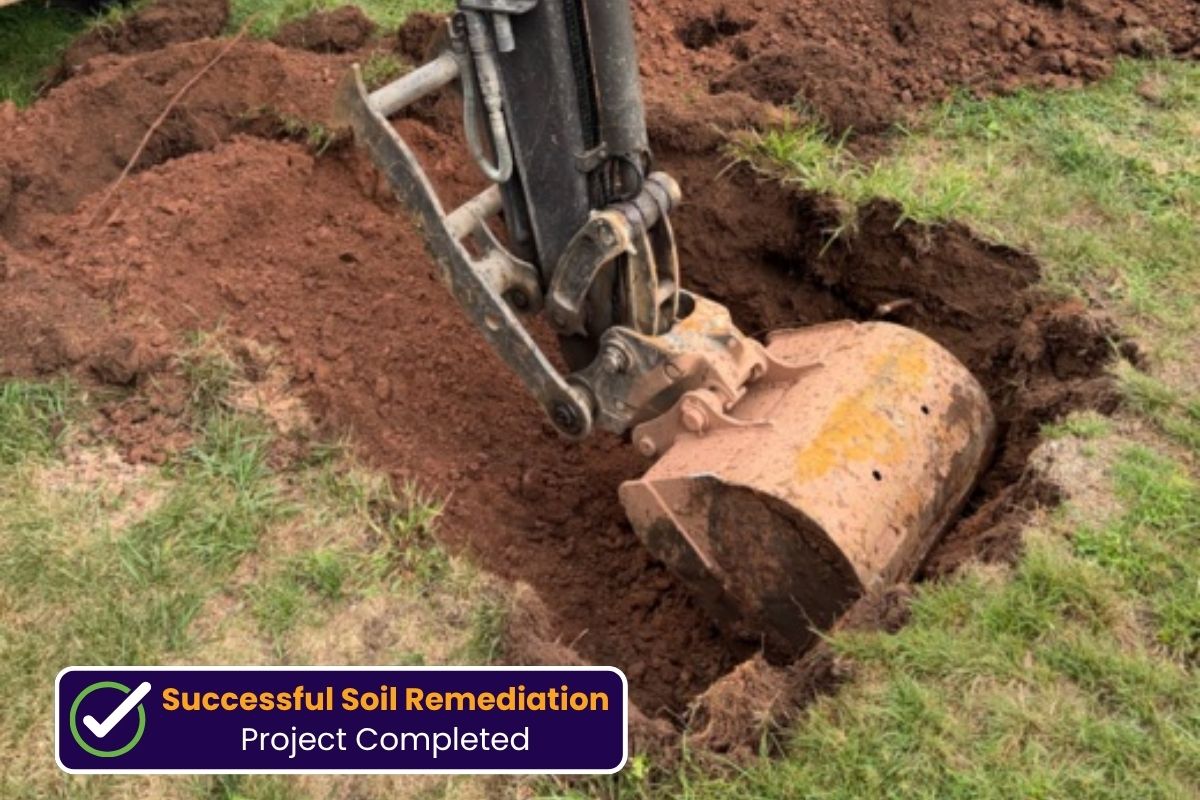
A recent soil remediation project in Union, NJ, involved addressing soil contamination discovered during excavation work at a residential property. After the initial soil sample was collected and sent to the laboratory for testing, the results confirmed that contamination levels were above the New Jersey Department of Environmental Protection (NJDEP) cleanup standards. The Soil Testing: […]
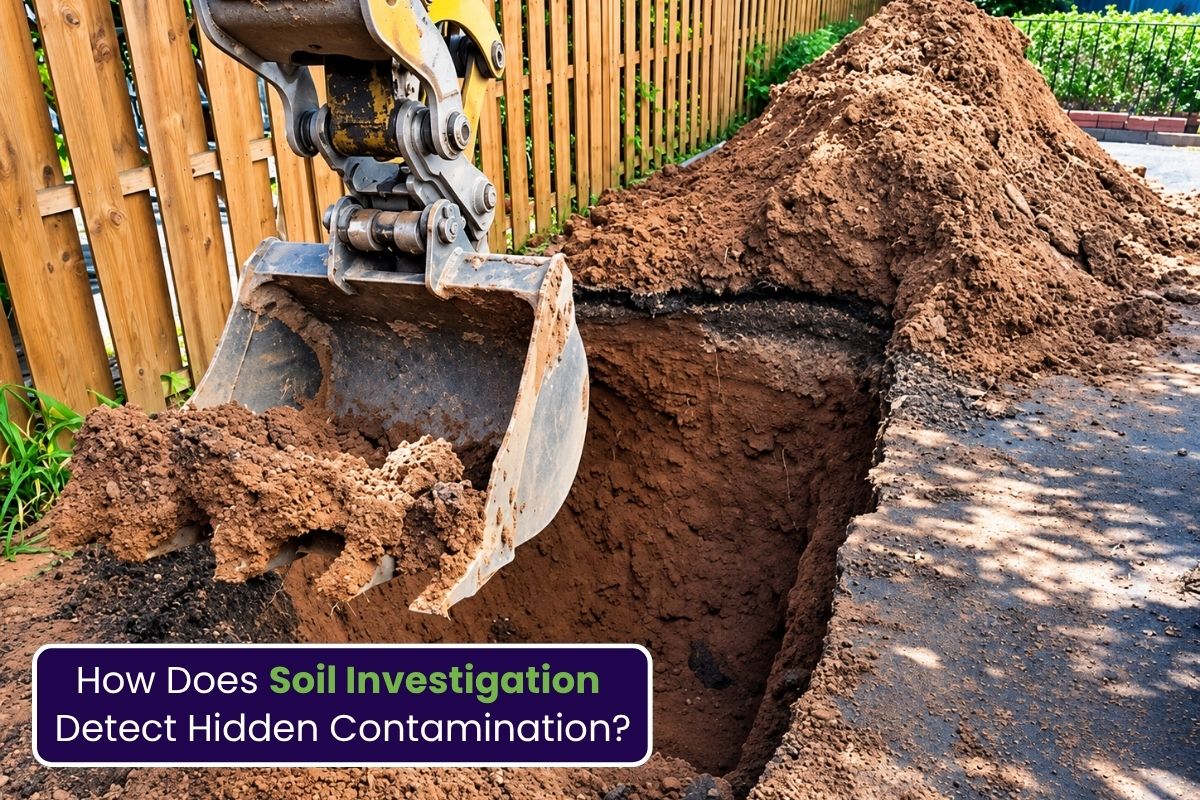
Soil contamination is not always visible on the ground. A property may appear clean while harmful substances remain underground due to leaking oil tanks, fuel spills, chemical storage, or previous industrial activities. A soil investigation helps identify these hidden environmental concerns before they affect construction, property transactions, or future land use. For property owners in […]
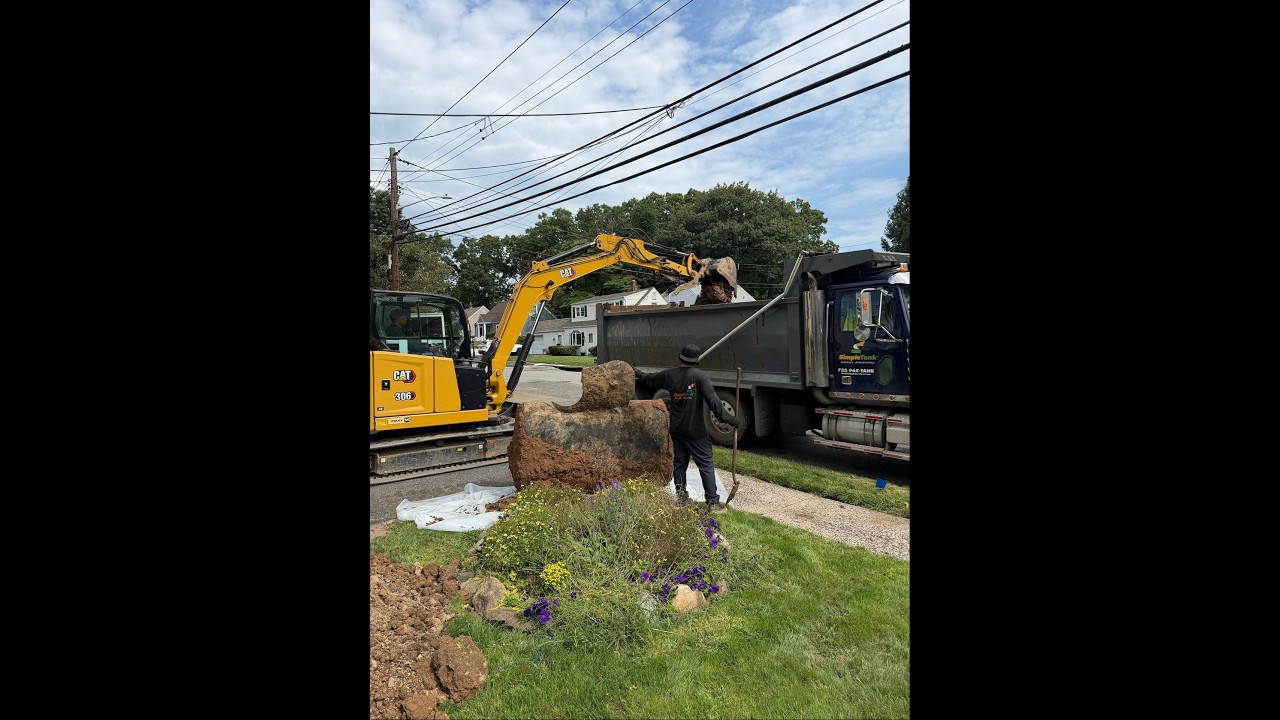
Watch Simple Tank Services complete an underground oil tank removal in Hawthorne, New Jersey, and learn what happens after the tank is removed.

A quick Tank TV guide to underground oil tank removal and soil remediation in New Jersey from Simple Tank Services.
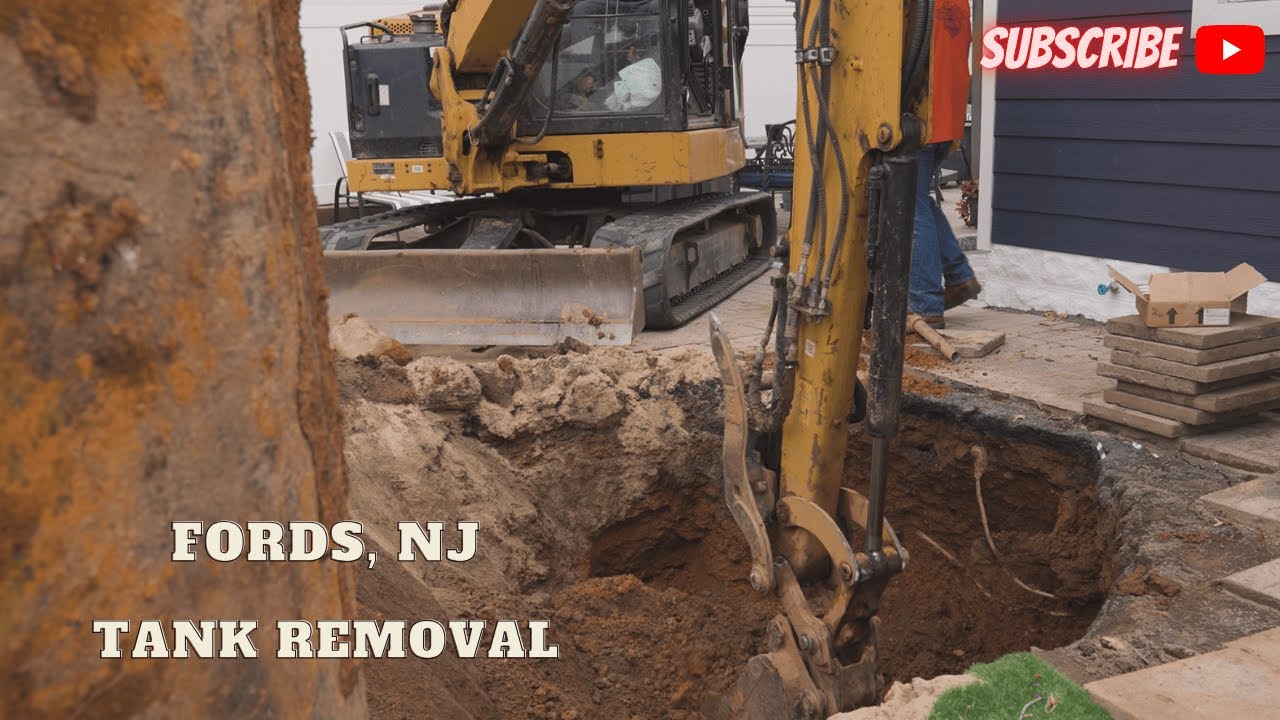
A real 550-gallon underground heating oil tank removal in Fords, New Jersey, including excavation, tank removal and soil testing by Simple Tank Services.

Soil remediation is not simply a matter of removing contaminated soil and replacing it with clean material. Groundwater and bedrock affect soil remediation by influencing how contaminants move, where they accumulate, and which cleanup methods are practical. In New Jersey, understanding these underground conditions is especially important because remediation decisions must account for applicable state […]
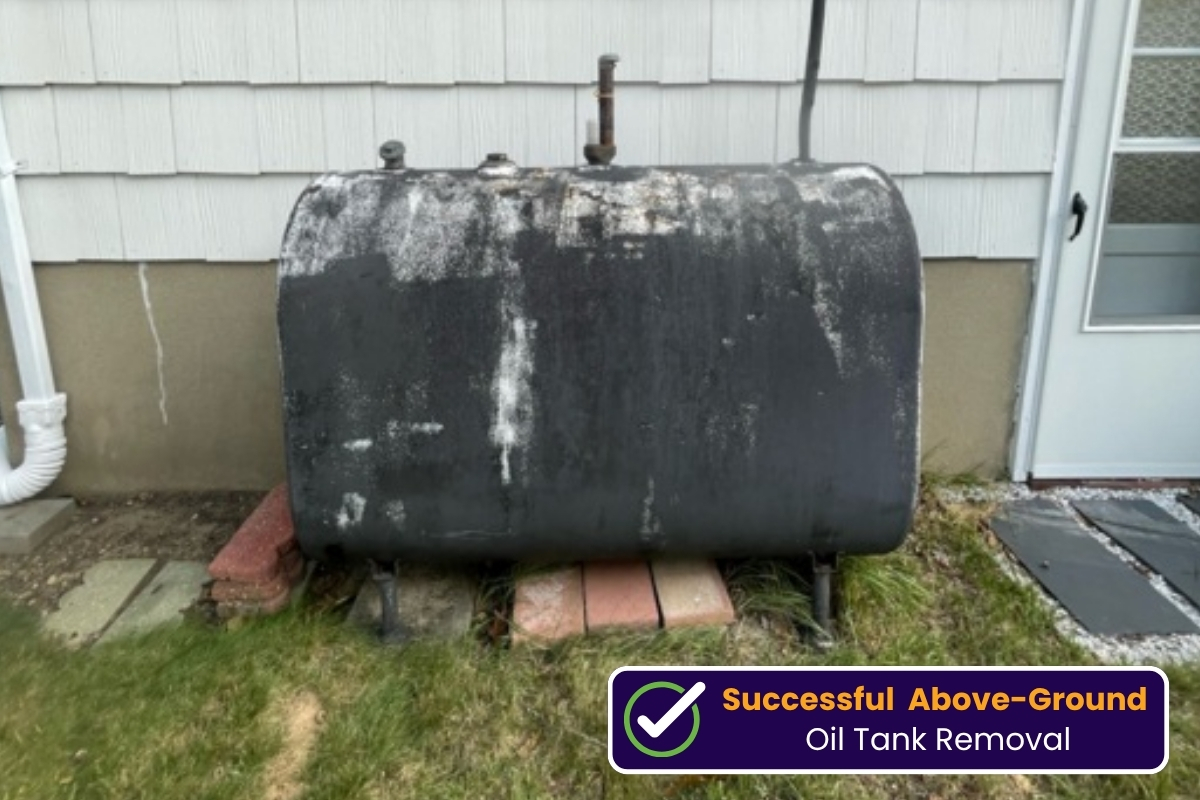
Removing an old above-ground heating oil tank can help homeowners clear unused equipment and create more usable space on their property. Recently, our team completed a 275-gallon above-ground oil tank removal in Hopatcong, NJ, carefully handling the tank and leaving the work area organized after removal. Project Overview The project involved an existing 275-gallon above-ground […]
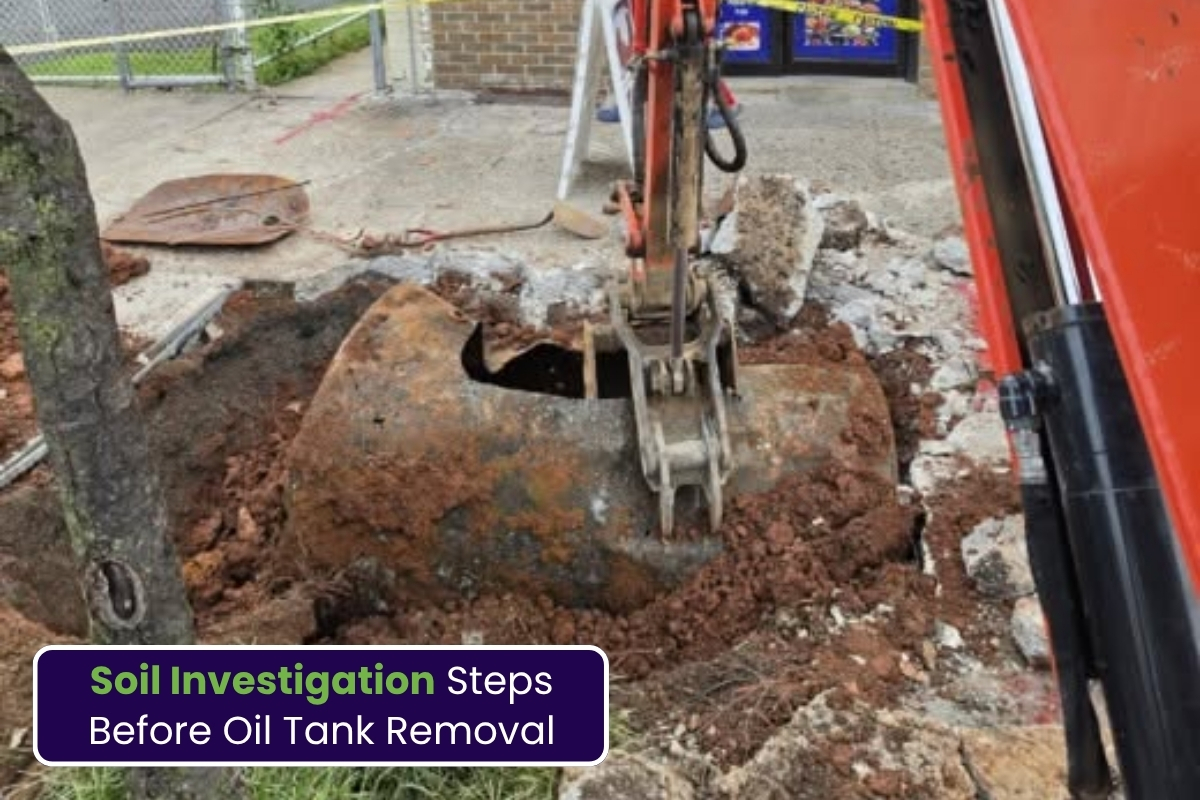
If you own a property in New Jersey with an underground oil tank, a soil investigation is an important part of the removal process. It helps determine whether petroleum has leaked into the surrounding soil and whether additional environmental work may be necessary. Before an underground tank is removed, professionals inspect the tank area, evaluate […]
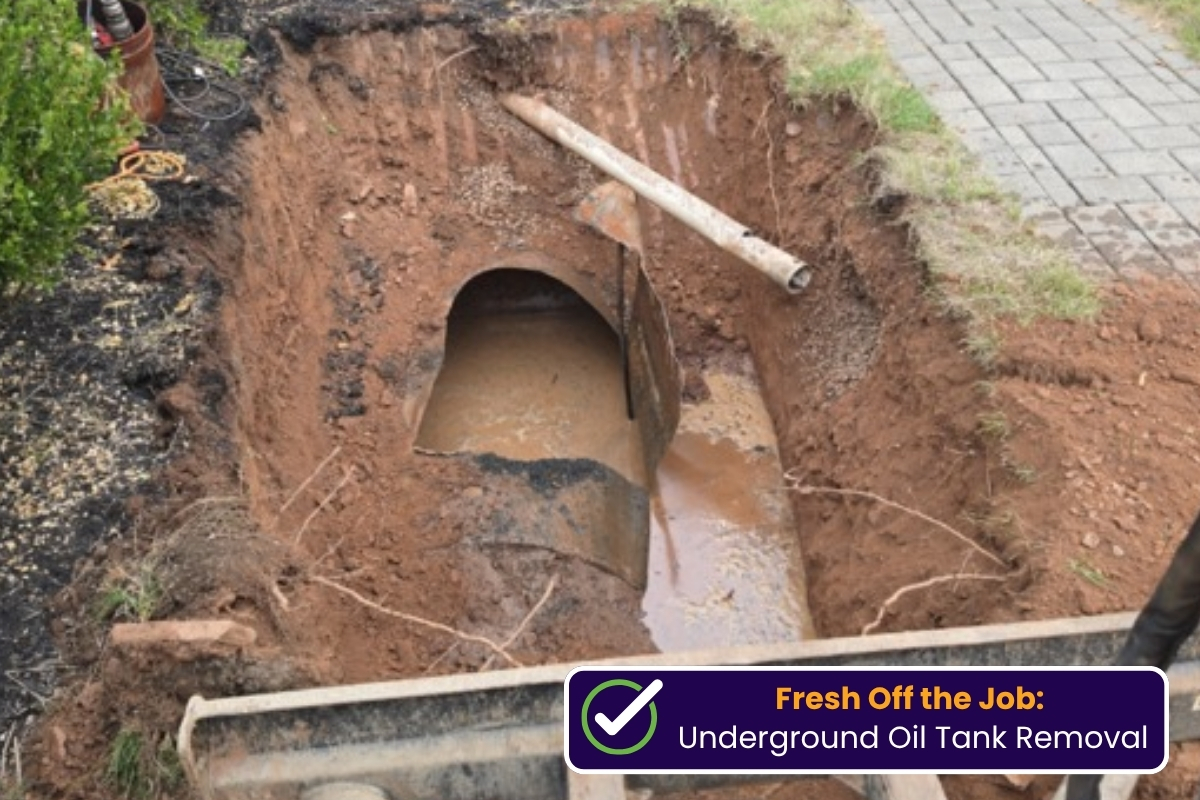
A homeowner in Bridgewater, NJ recently had an old 550-gallon underground oil tank sitting quietly beneath their yard for years. It was no longer in use, but it still posed a potential risk of rust, leaks, and soil contamination. Our team was called in to safely remove the tank and take care of the entire […]
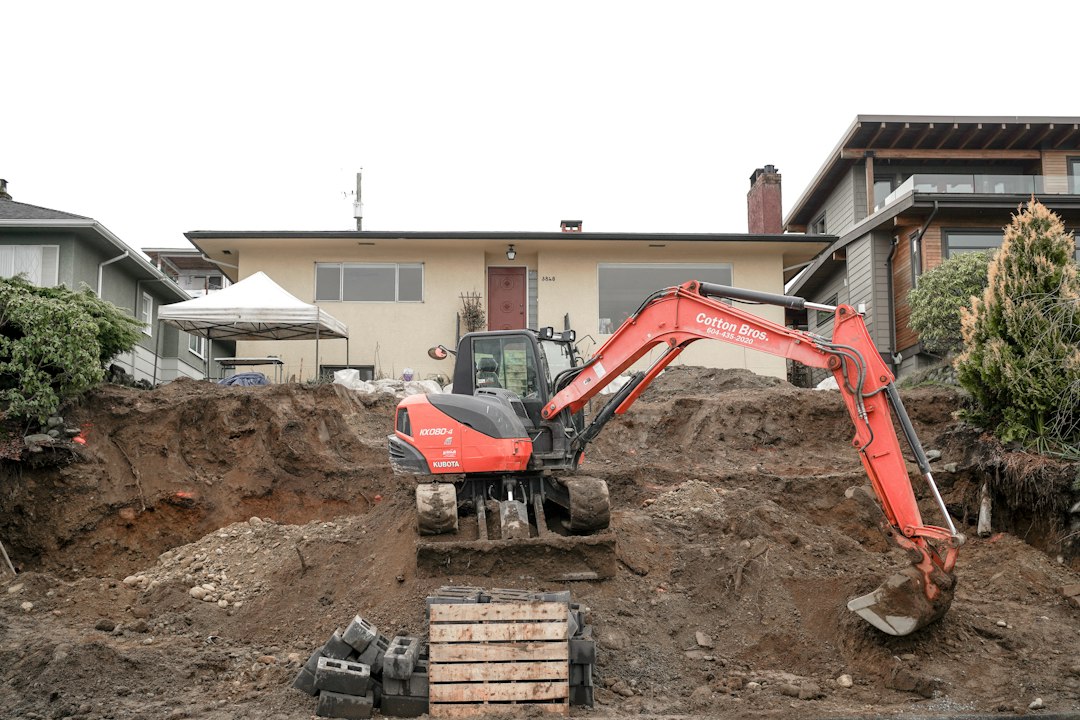
Removing an underground oil tank is not a job where homeowners should simply choose the lowest price or the first contractor who can get there. In New Jersey, oil tank removal involves permits, inspections, environmental regulations, soil evaluation, proper disposal, and detailed documentation. Choosing an experienced and reputable oil tank removal company can make the […]
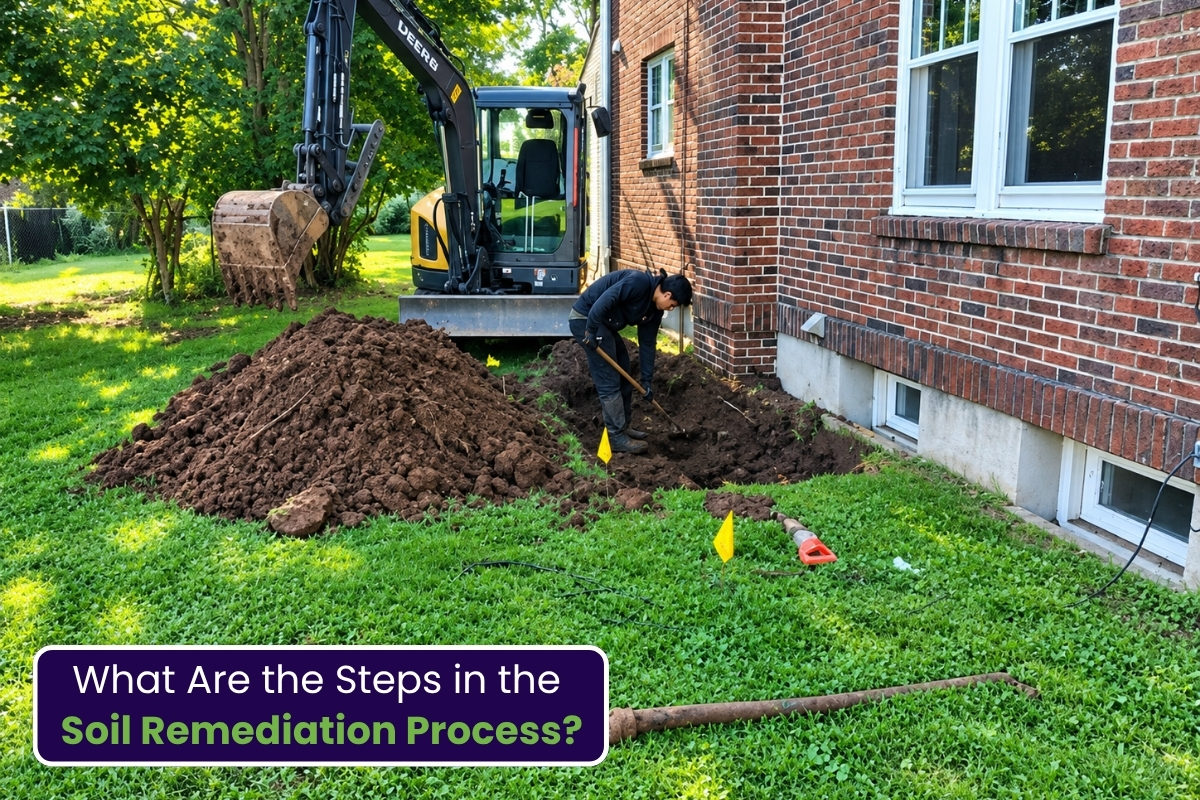
Soil contamination can happen when petroleum, chemicals, or other pollutants enter the ground and affect the surrounding soil. When contamination is identified, soil remediation helps address the affected area and reduce or remove contaminants. But what happens during this process? The remediation process generally involves several stages, starting with investigation and testing and ending with […]
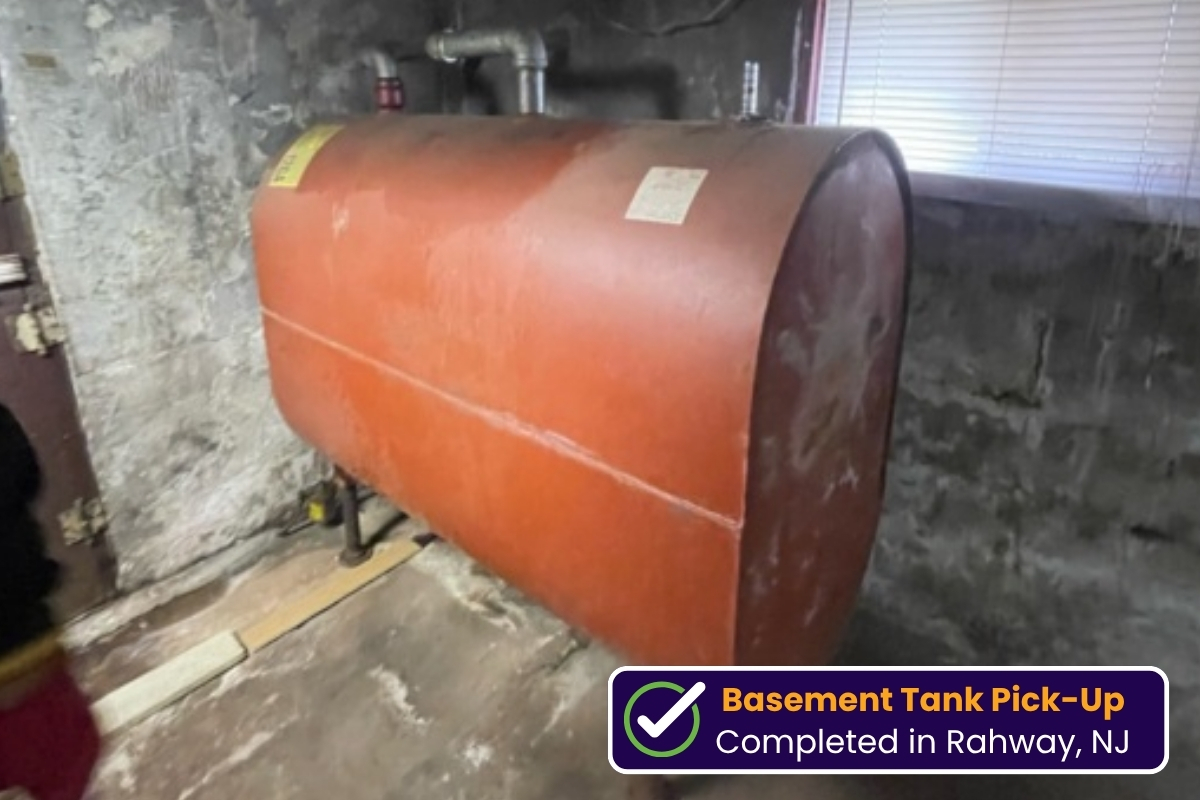
A basement tank pick-up project was recently completed in Rahway, NJ, involving the removal of an existing 275-gallon oil tank from inside a residential basement. Because the tank was located within the home, the project required careful preparation, proper handling, and attention to the available basement access points. The Project: A 275-Gallon Basement Tank The […]
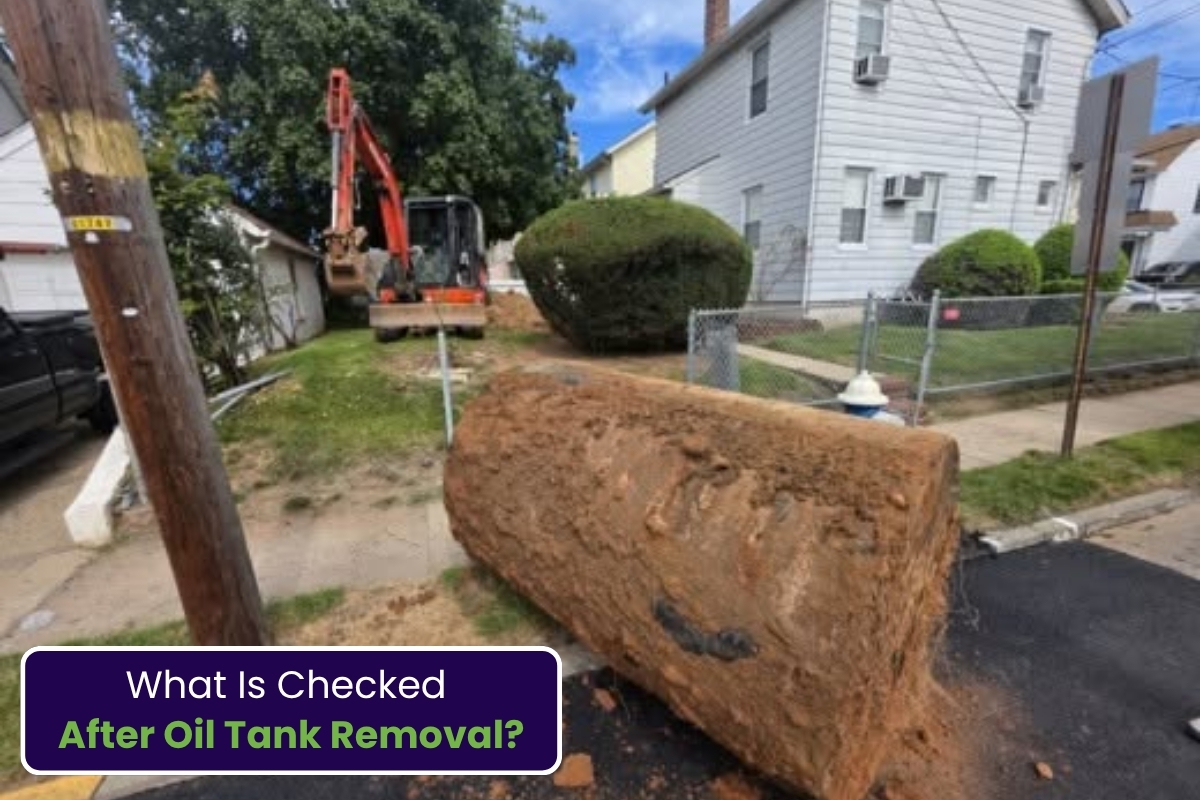
Removing an underground oil tank is only part of the job. Once the tank is out of the ground, the excavation site needs to be carefully inspected to determine whether the surrounding soil shows signs of a petroleum release. In New Jersey, this post-removal inspection can include visual observations, field screening, and soil sampling based […]
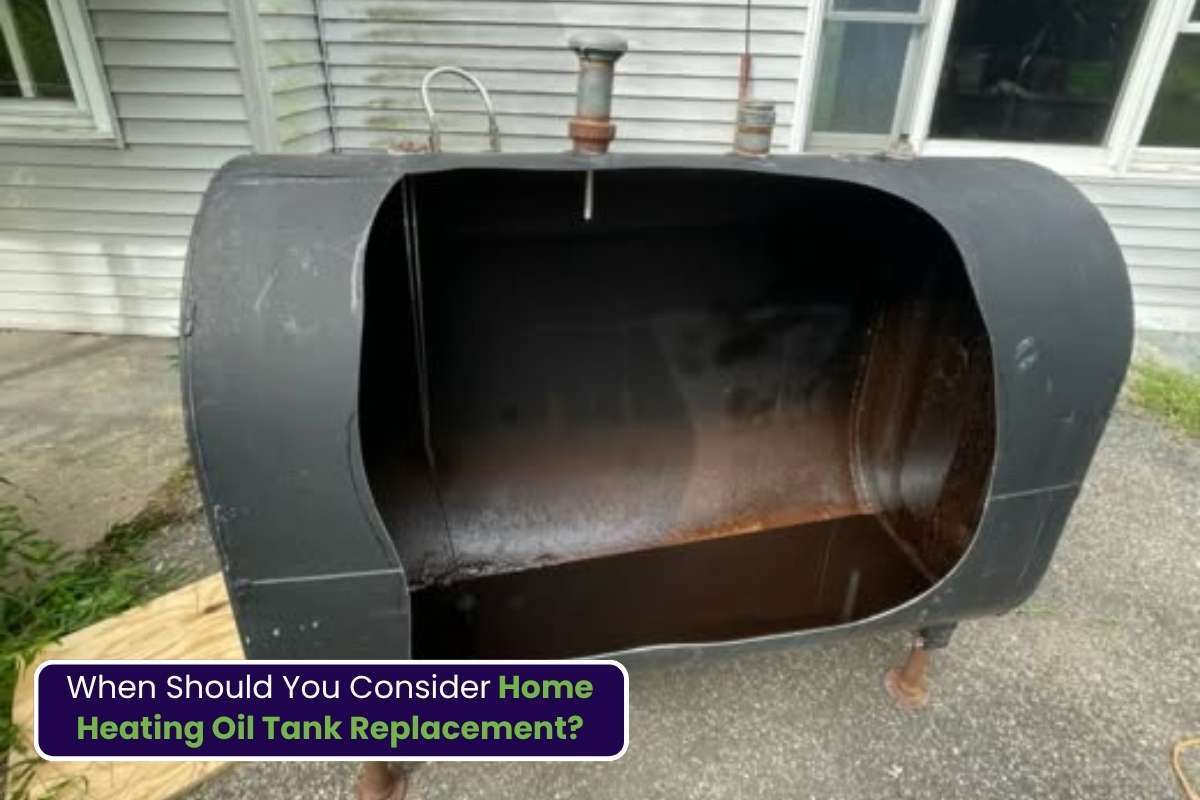
A home heating oil tank is an important part of many residential heating systems, but it does not last forever. Over time, corrosion, age, leaks, and structural damage can make an oil tank unsafe or unreliable. Knowing when to consider home heating oil tank replacement can help homeowners avoid unexpected heating problems, property damage, and […]
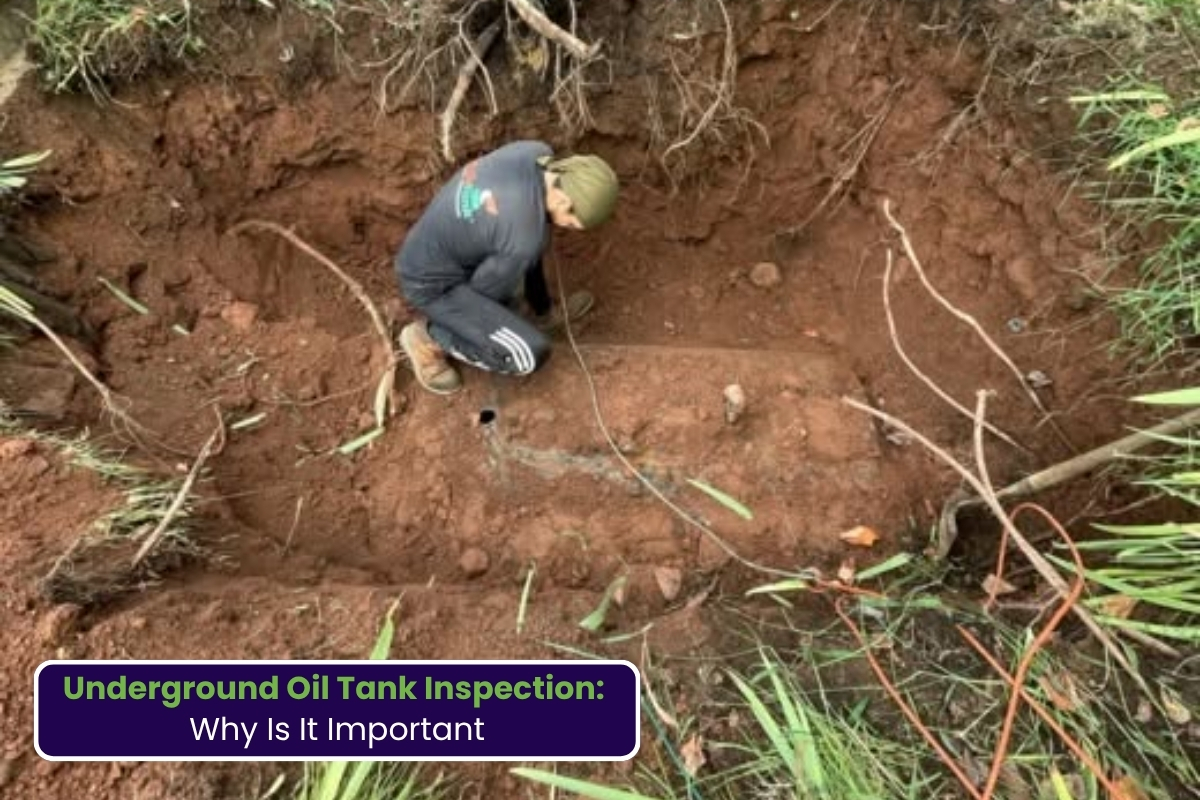
An underground oil tank inspection is a professional evaluation of a buried oil tank to determine its condition, potential for leaks, and possible environmental risks. In New Jersey, inspecting an underground oil tank can help property owners identify hidden problems before they lead to soil contamination, costly cleanup, or complications during a property sale. What […]
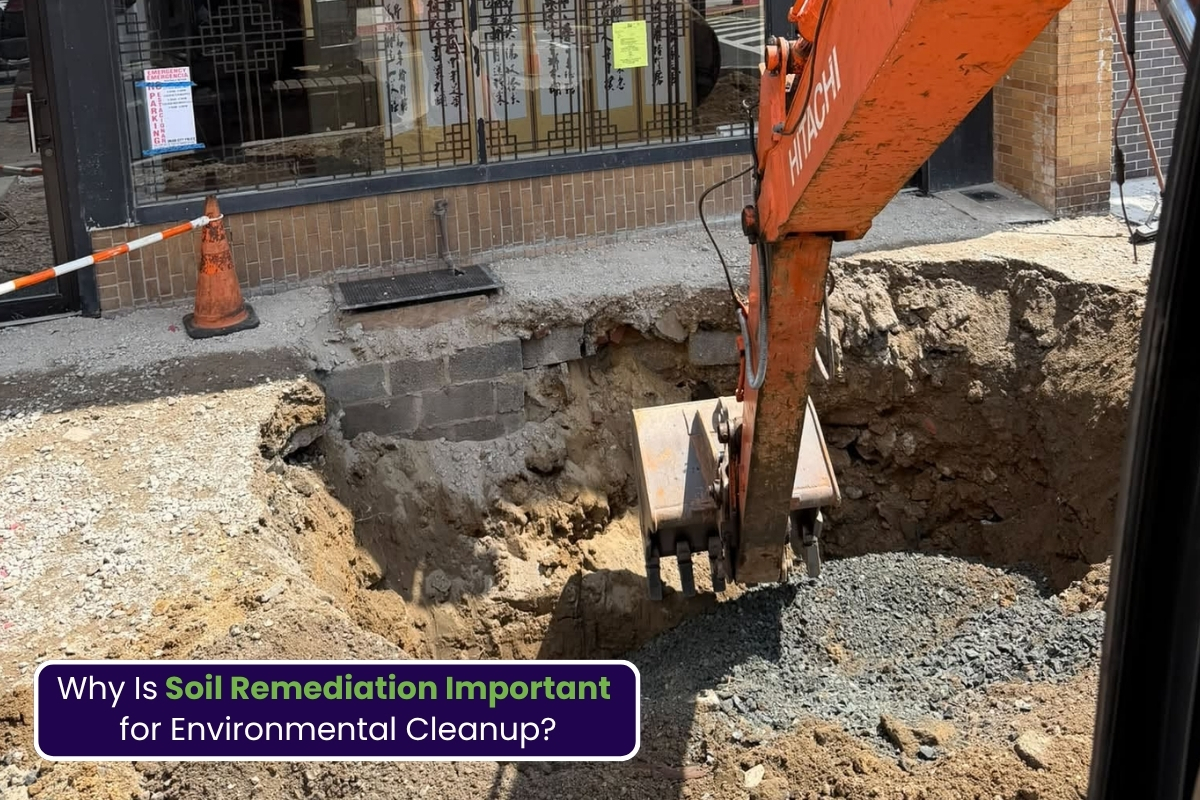
What Is Soil Remediation? Soil remediation is the process of identifying, treating, removing, or containing contaminated soil so that environmental risks are reduced. Contamination can occur because of leaking underground oil tanks, fuel spills, industrial activities, improper chemical storage, or other sources. The appropriate cleanup method depends on the type and concentration of contamination, the […]
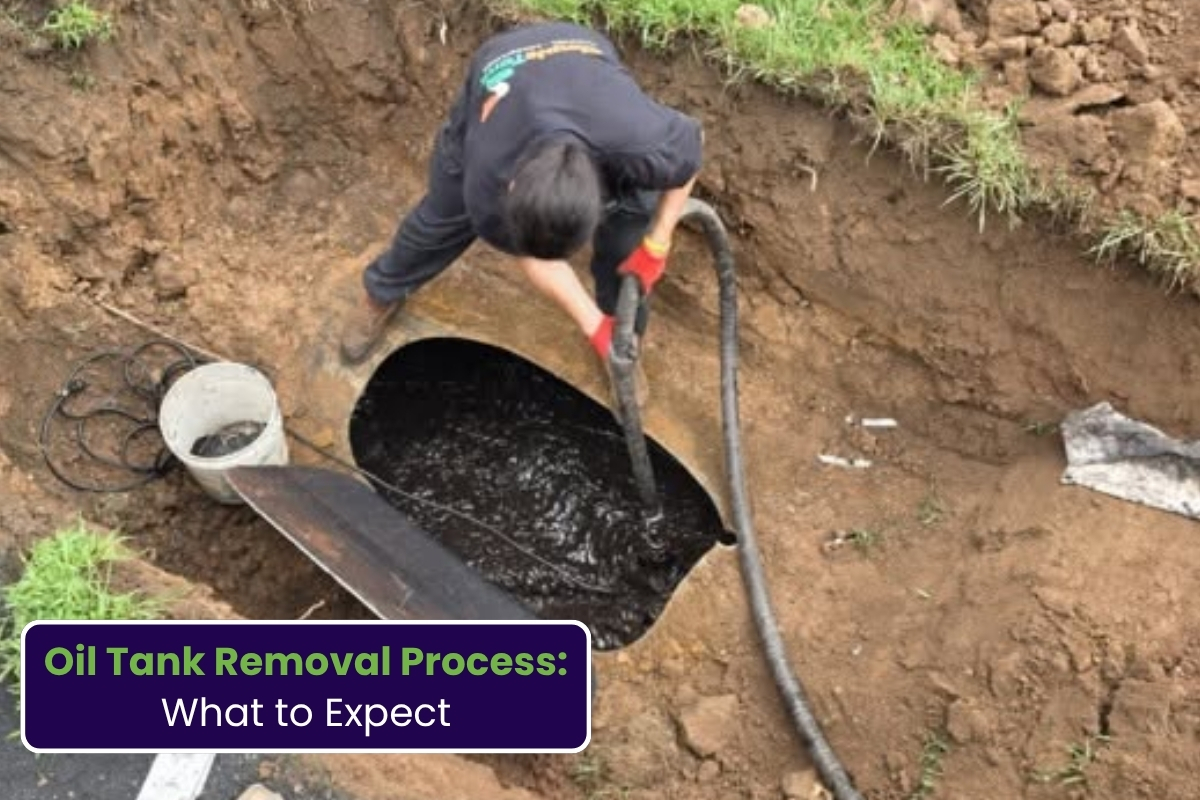
If you have an old or unused oil tank on your property, you may wonder what happens during removal. The oil tank removal process typically involves an initial inspection, obtaining required local approvals, safely removing the tank, checking the excavation for signs of contamination, collecting soil samples when required, and completing the necessary closure documentation. […]
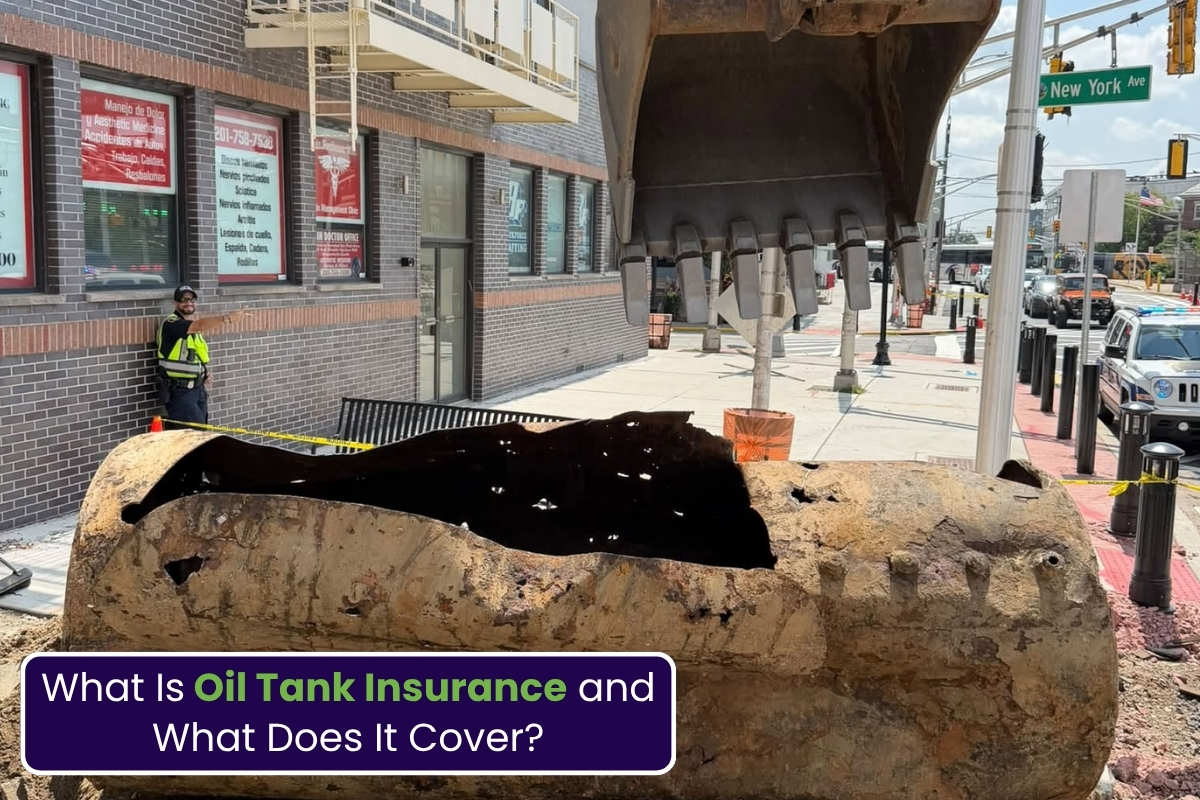
If your New Jersey property has an underground or above-ground oil tank, you may wonder whether your homeowners insurance will protect you if the tank leaks. The answer is not always straightforward. Oil tank insurance can provide specific protection related to oil tank damage, leaks, cleanup, and environmental liability, depending on the policy. Understanding what […]
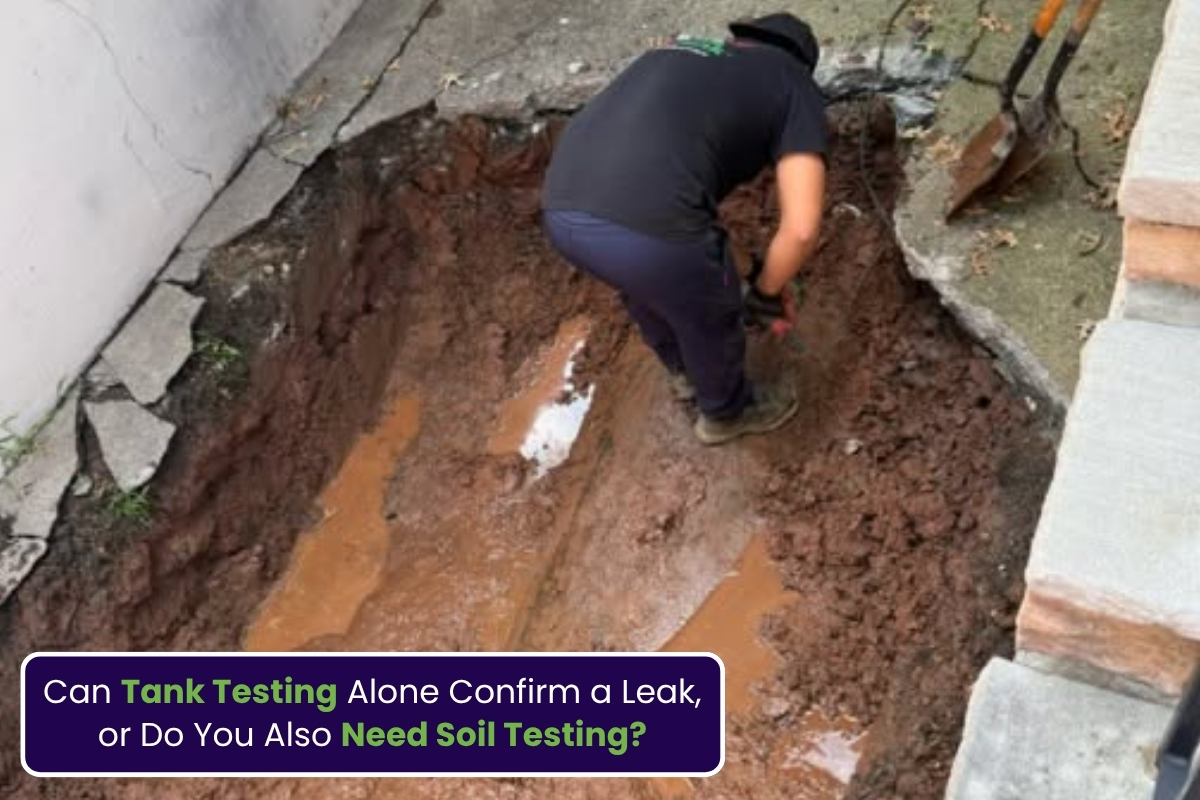
A tank test can provide useful information about the condition of an underground or above-ground oil tank, but it does not always tell the complete story. A tank may pass a pressure or tightness test while contamination has already affected the surrounding soil. This is why understanding the difference between tank testing and soil testing […]
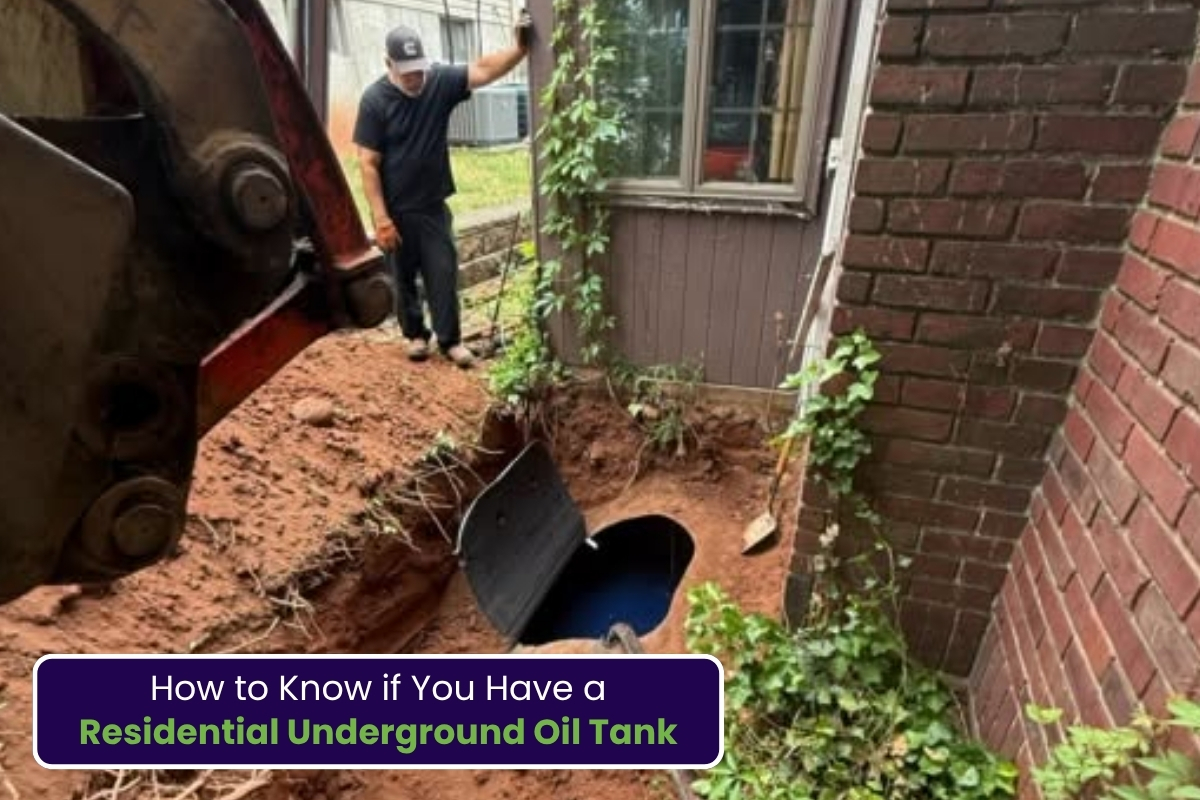
If you own an older home, there is a chance it may have an underground oil tank that is no longer in use. Many residential properties once relied on heating oil, and some tanks were buried underground when the home was built or when heating systems were installed. The challenge is that these tanks can […]
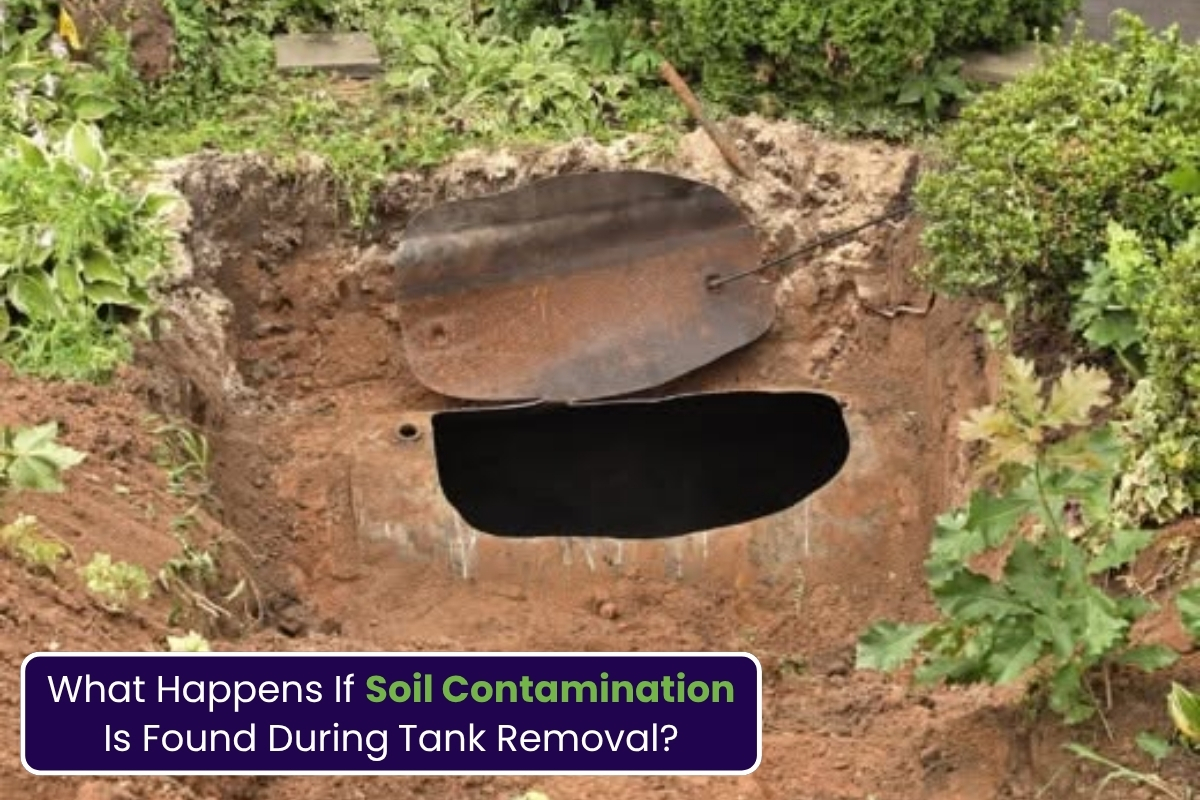
Removing an underground oil tank can uncover more than an old or damaged tank. In some cases, soil contamination during tank removal is discovered around the tank area. This usually happens when oil has leaked into the surrounding soil over time. Understanding what happens next can help property owners prepare for oil tank removal in […]
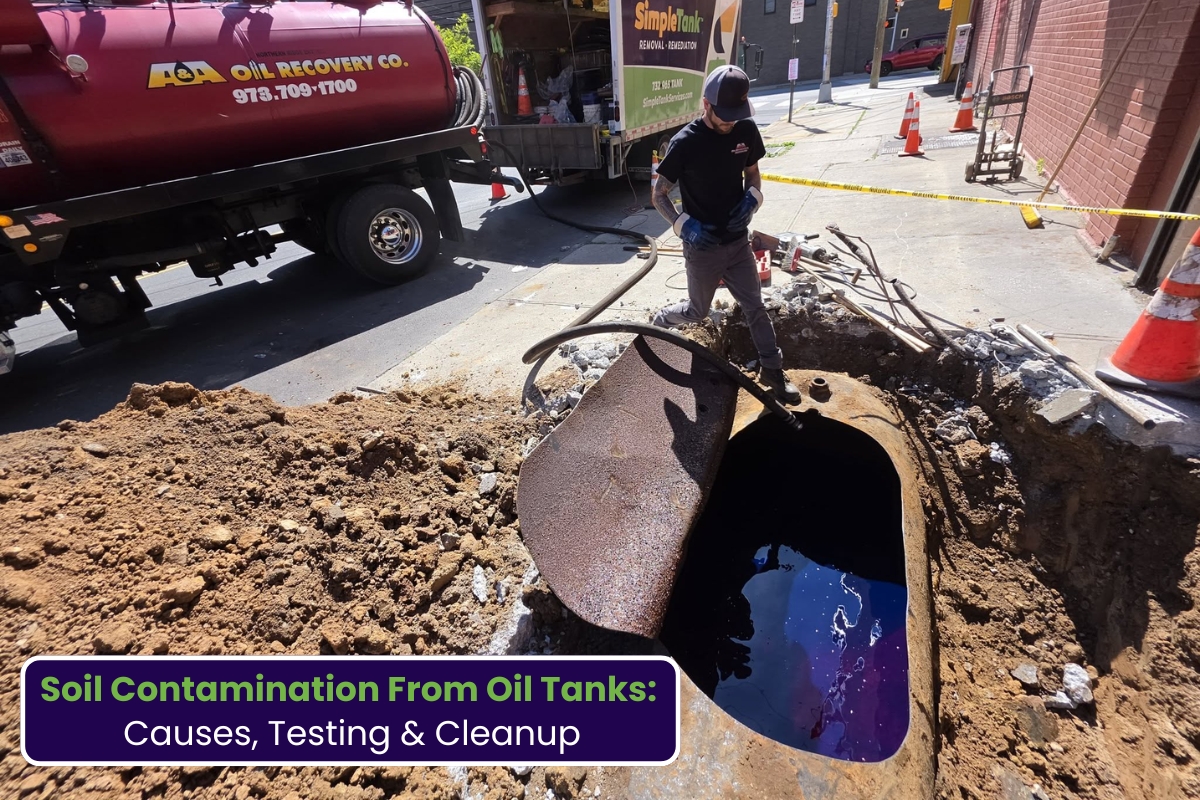
Oil tanks can provide reliable heating for homes and commercial properties, but older or damaged tanks may create a serious environmental concern: soil contamination. In New Jersey, underground oil tanks can develop leaks that allow petroleum products to seep into surrounding soil, potentially affecting groundwater, property value, and future construction plans. Understanding the causes of […]
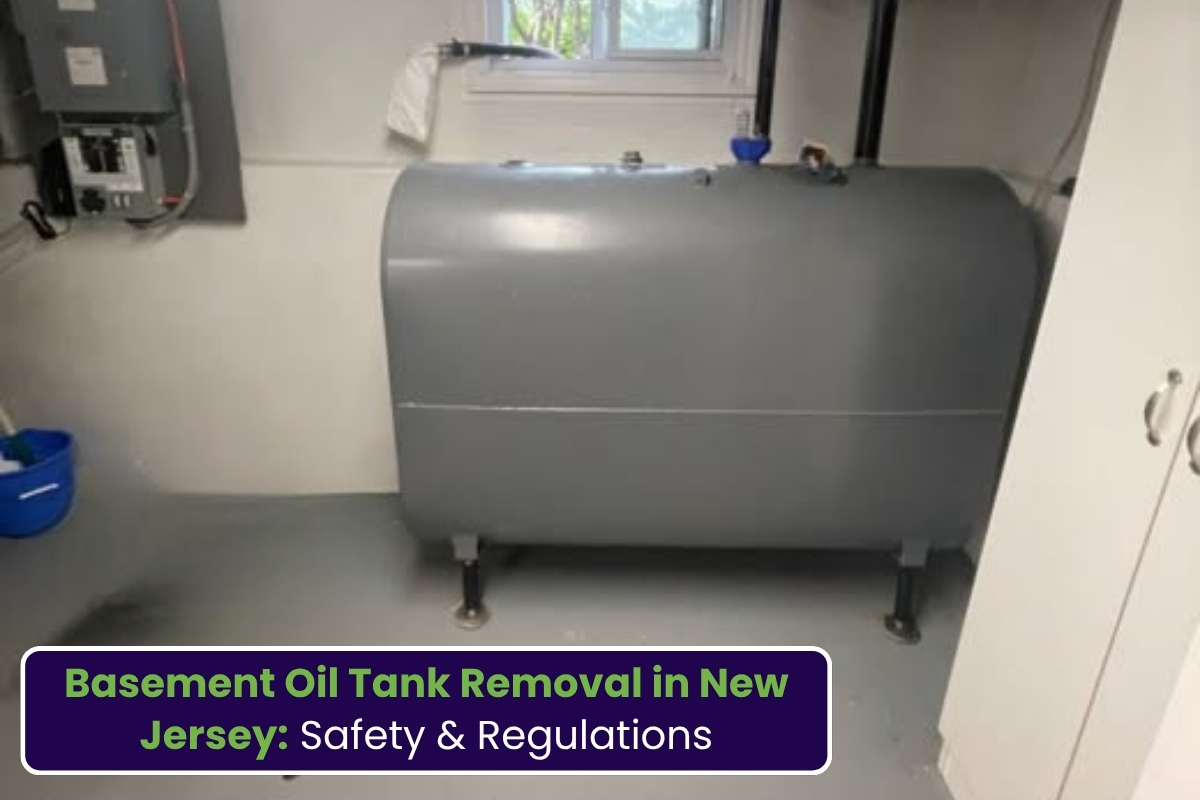
Basement oil tanks were once widely used to provide heating for homes throughout New Jersey. Many older properties still have these tanks, even after homeowners have switched to newer heating systems. Over time, an unused tank can become a concern because of corrosion, deterioration, or the possibility of a leak. For homeowners planning Basement Oil […]
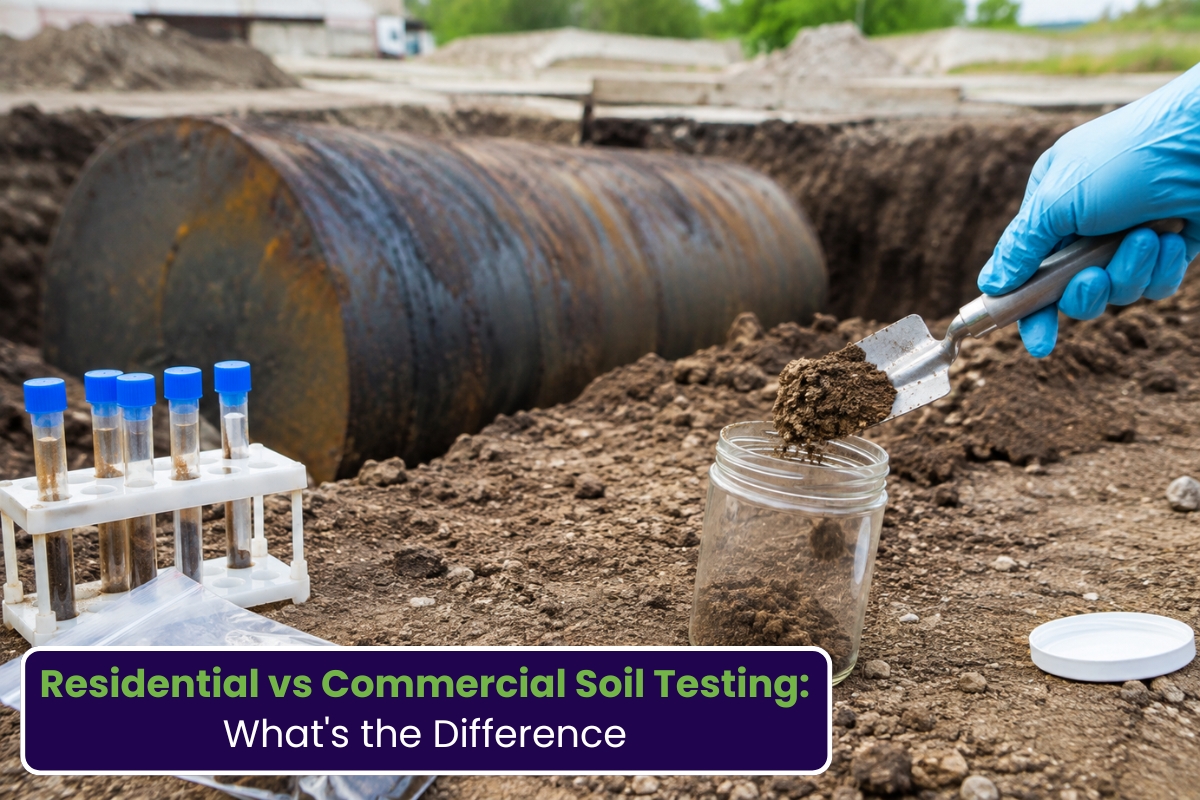
When it comes to buying, developing, or maintaining a property, soil testing is one of those steps that’s easy to overlook but nearly impossible to skip once problems show up. Whether you’re a homeowner installing a septic system or a business owner planning a new commercial development, understanding what’s beneath the surface can save you […]
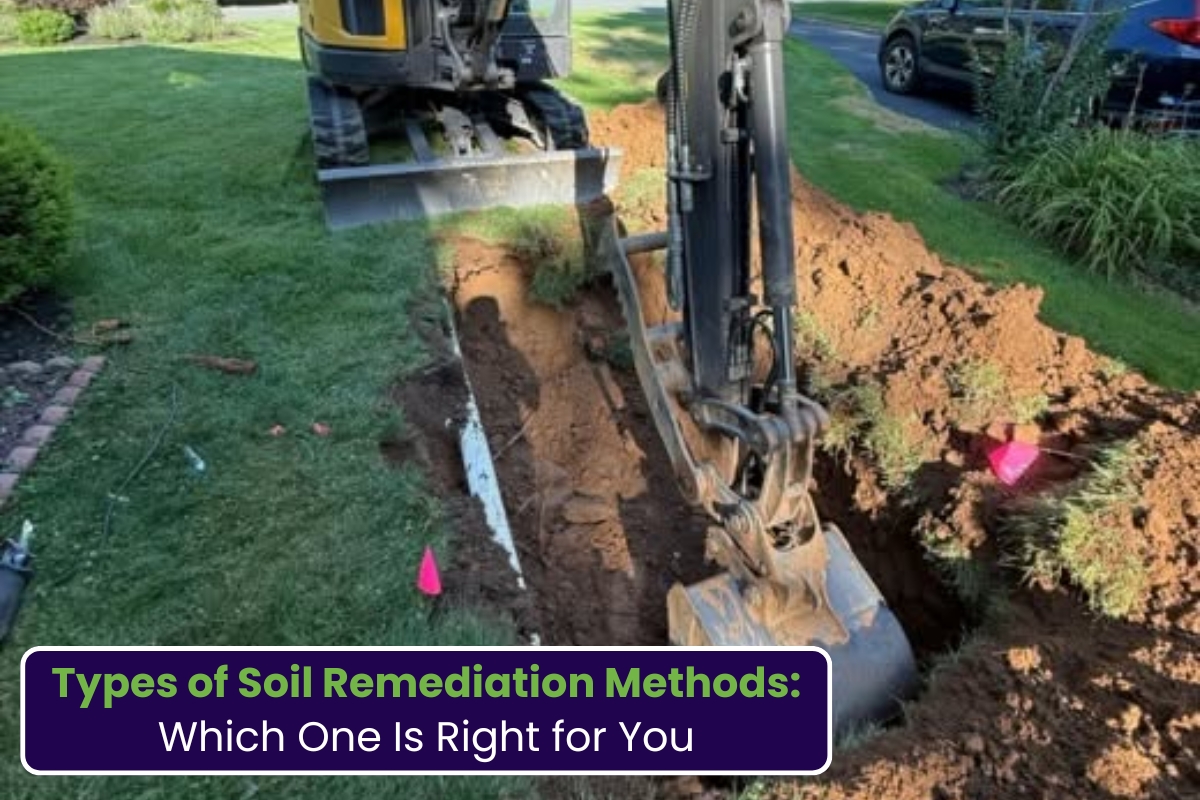
If you’ve discovered contamination on your property, you’re probably wondering what comes next. Not all contaminated soil is the same, and not every remediation method works for every situation. The right approach depends on the type of contaminant, how deep it goes, the soil composition, and your property’s future use. Understanding your options is the […]

Introduction Every construction project starts below the surface long before foundations are poured or utilities are installed. One hidden issue that many contractors overlook is the presence of an underground oil tank. These tanks were once common for heating homes and commercial buildings, especially in older neighborhoods. While many remain in good condition, others have […]
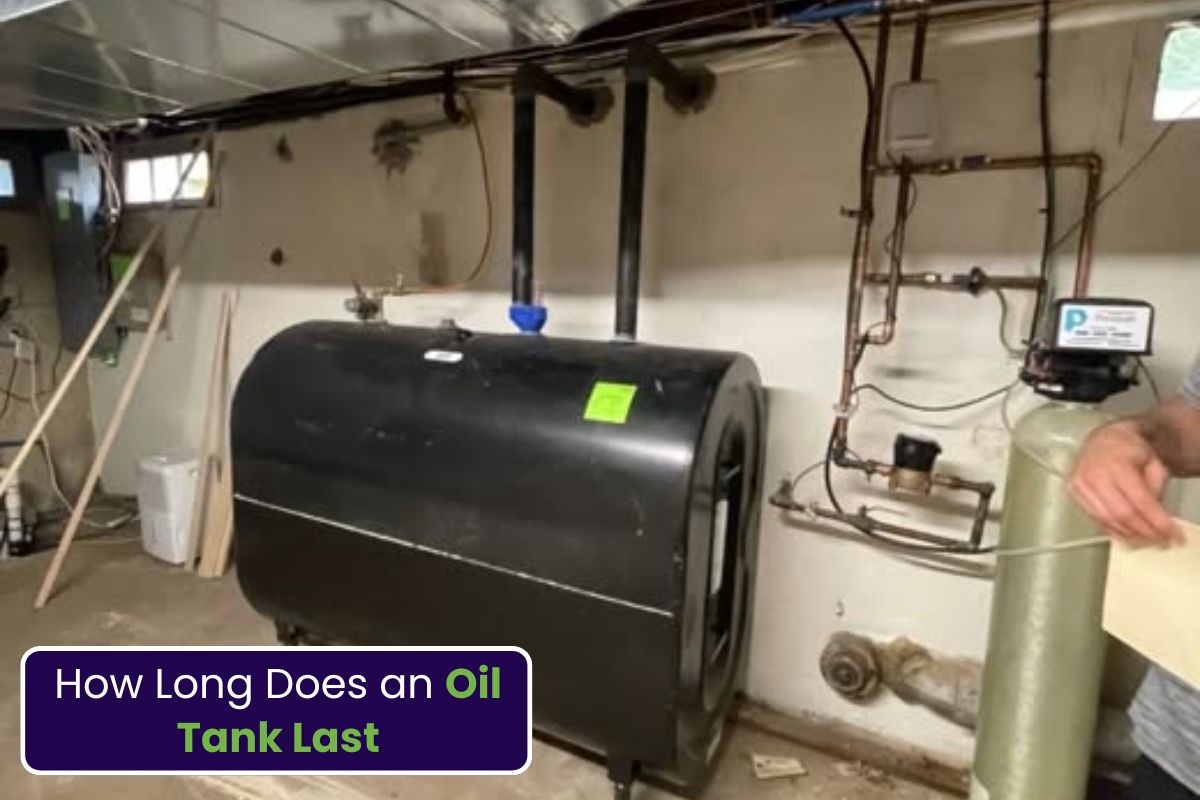
Owning a home with an oil heating system means understanding the condition of your oil tank. While these tanks are built to last for many years, they are not designed to last forever. Over time, corrosion, moisture, soil conditions, and regular wear can weaken the tank, increasing the risk of leaks and environmental contamination. Many […]
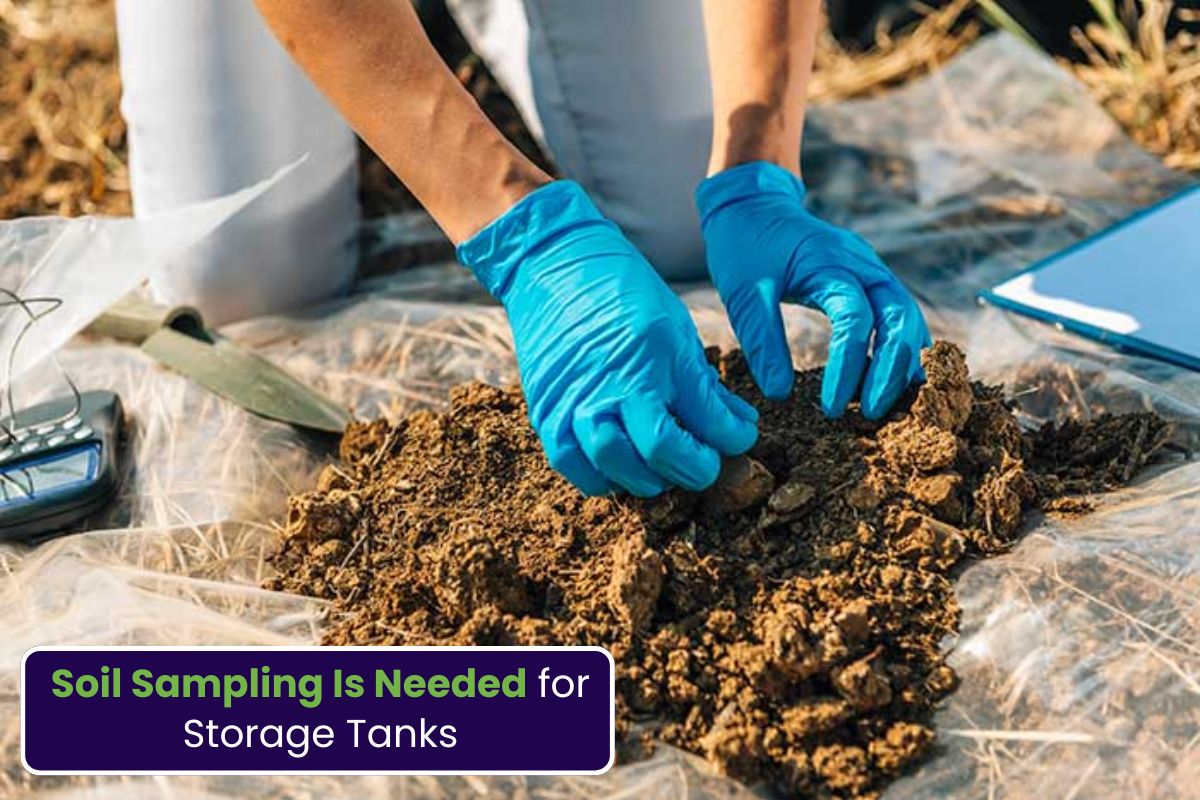
Storage tanks play an important role in storing heating oil, fuel, chemicals, and other liquids for residential and commercial properties. While these systems are designed to safely contain their contents, aging tanks, corrosion, accidental damage, and leaks can allow hazardous materials to seep into the surrounding soil. Unfortunately, many of these issues remain hidden until […]
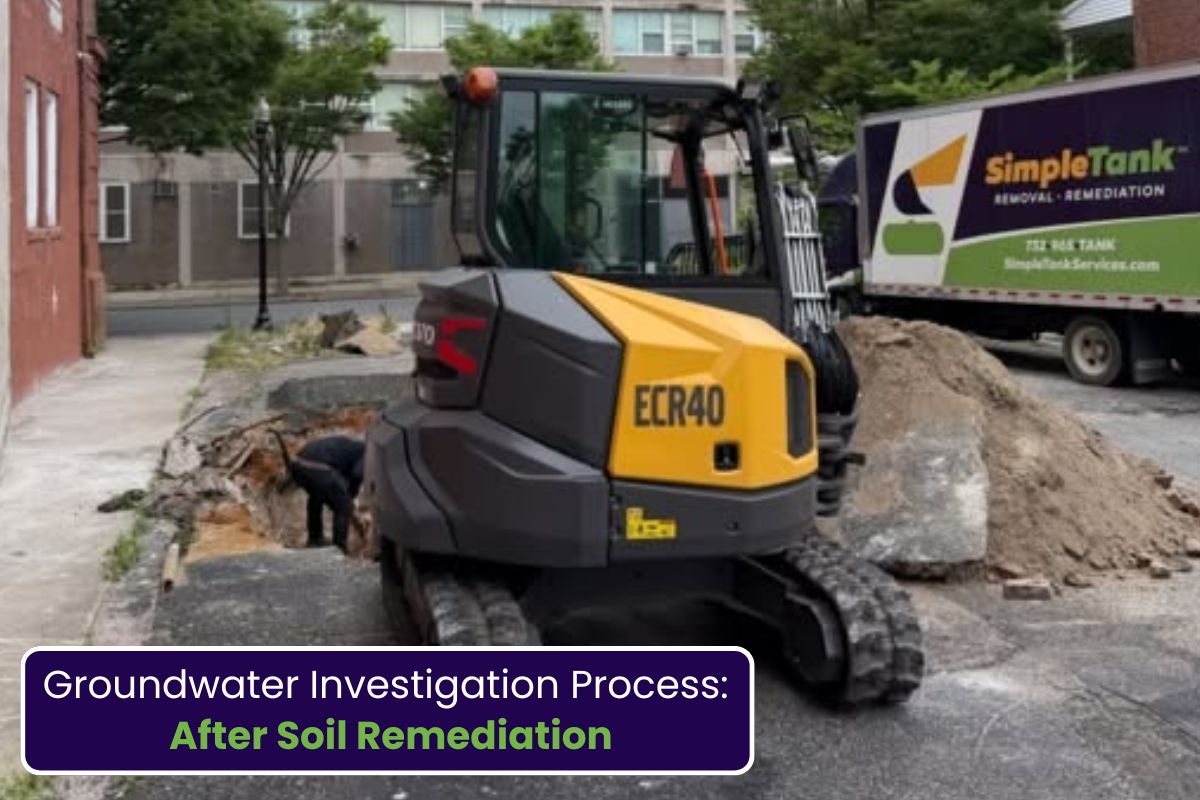
When contaminated soil is removed from a property, many homeowners and property owners assume the environmental issue has been completely resolved. However, soil cleanup is only one part of the restoration process. The next critical step is understanding whether contaminants have affected the groundwater beneath the property. This is where the Groundwater Investigation Process becomes […]

