
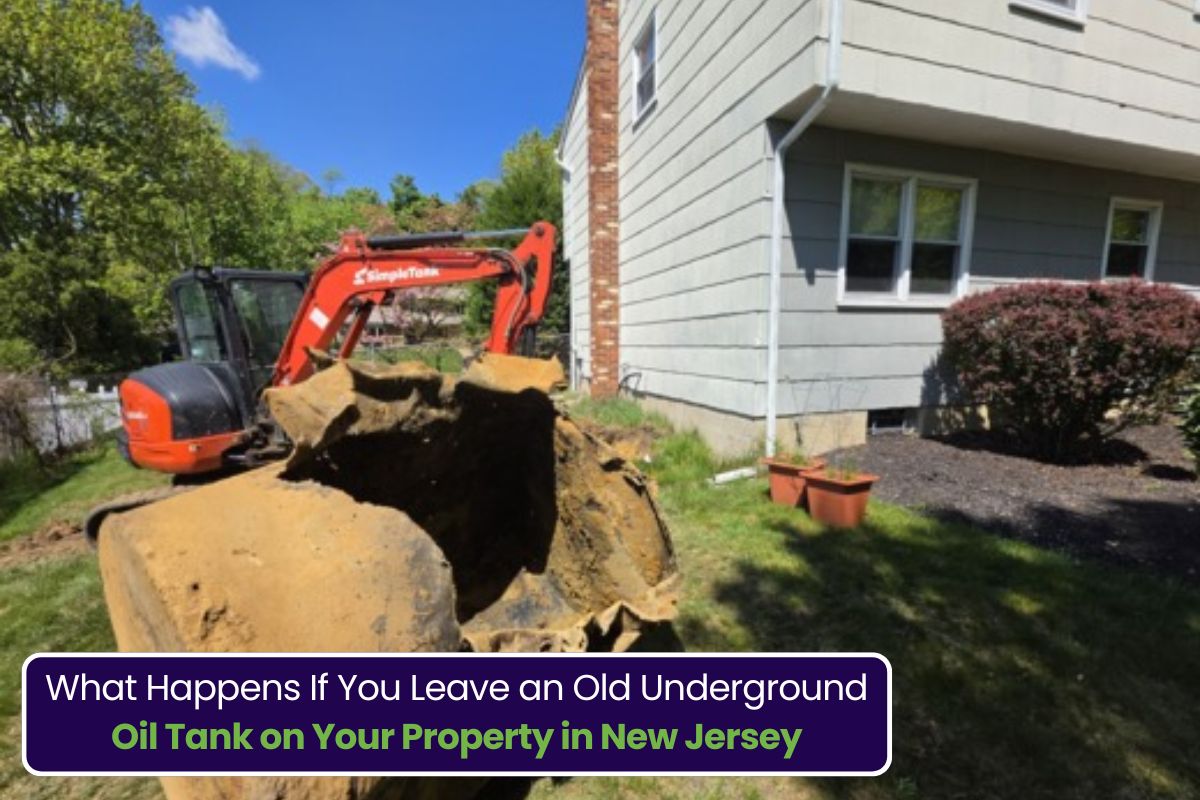
Many older homes across New Jersey still have underground heating oil tanks buried beneath their yards. Years ago, these tanks were commonly used to heat homes, but many properties have since switched to modern heating systems. Unfortunately, some homeowners leave old tanks underground without properly removing or inspecting them.
At first, an abandoned tank may not seem like a serious issue. However, over time, hidden problems can develop beneath the surface. Corrosion, leaks, soil contamination, environmental violations, and property damage are just a few of the risks associated with neglected underground tanks. Understanding the long-term consequences of leaving an old oil tank buried on your property is important for protecting your home, your finances, and the environment. This guide explains what homeowners in New Jersey should know about underground oil tanks and why timely action matters.
Understanding the Abandoned Oil Tank Risks for Homeowners
Leaving an old underground oil tank on your property can create several hidden problems. Most buried tanks are made from steel, which naturally corrodes over time when exposed to moisture underground. As the metal weakens, small holes and cracks can develop, allowing heating oil to leak into the surrounding soil.
One of the biggest abandoned oil tank risks is that damage often goes unnoticed for years. Since the tank is hidden underground, homeowners may not realize there is a problem until contamination spreads or a property inspection reveals it.
Old tanks may also create complications when selling a home. Many buyers in New Jersey request tank scans or environmental inspections before closing on a property. If a buried tank is discovered, it can delay or even stop the sale process until the issue is resolved.
Why Underground Tank Inspection Is Important
An underground tank inspection helps homeowners determine whether a buried tank is still present and whether it poses environmental or structural risks. Professional inspections may involve tank sweeps, soil testing, and advanced detection equipment to locate underground tanks accurately. Many property owners assume an old tank was removed years ago, only to discover later that it was abandoned underground. Inspections provide clarity and help prevent future surprises. A professional inspection can identify:
-Corrosion or structural damage
-Evidence of oil leaks
-Soil contamination around the tank
-Remaining oil or sludge inside the tank
-Environmental compliance concerns
Regular inspections are especially important for older homes in New Jersey where underground heating oil tanks were commonly installed decades ago.
Signs of a Hidden Oil Tank Leak
Some warning signs may suggest a buried oil tank is leaking, including:
-Unusual odors around the yard
-Dead grass or vegetation patches
-Oil stains in soil
-Basement fuel smells
-Unexplained heating oil loss
Even small leaks can eventually become serious environmental concerns if left untreated.
Common Oil Tank Leak Problems Beneath the Surface
Oil tank leak problems can spread far beyond the tank itself. Once heating oil escapes into the ground, it can travel through soil and potentially affect nearby groundwater sources. Leaking oil may also damage underground utility lines, landscaping, and nearby structures. In severe cases, contamination can migrate beyond the property boundary, increasing legal and environmental complications.
Another challenge is that oil leaks often worsen gradually. A small leak today may become a major remediation issue later if ignored. Because underground leaks are difficult to detect early, many homeowners only learn about contamination during real estate transactions or environmental testing.
Why Heating Oil Tank Removal Is Often Necessary
In many situations, heating oil tank removal is the safest and most responsible long-term solution. Removing an aging underground tank eliminates the risk of future leaks and helps protect the property from environmental issues. Professional contractors carefully excavate the area, remove the tank, inspect surrounding soil, and properly dispose of contaminated materials if needed.
Homeowners considering oil tank removal in New Jersey often do so to avoid future liabilities, improve property value, and simplify future property sales. Removing an unused tank also provides peace of mind knowing hidden contamination risks are no longer buried beneath the property.
How Oil Tank Soil Contamination Can Affect Your Property
Oil tank soil contamination is one of the most serious consequences of leaving an old underground tank in place. Heating oil contains hazardous chemicals that can seep deep into the soil after a leak develops. Contaminated soil may require environmental remediation to restore the affected area safely. If contamination spreads, nearby groundwater or neighboring properties could also become affected. Soil contamination may lead to:
-Environmental violations
-Delays in property sales
-Expensive cleanup requirements
-Long-term environmental hazards
-Reduced property usability
The earlier contamination is discovered, the easier it is to manage and contain.
Why Oil Tank Inspections Matter
Routine inspections can identify contamination before it spreads significantly. Environmental professionals use testing methods to determine the extent of affected soil and recommend the appropriate remediation process.
The Hidden Risk of Oil Tank Property Damage
Many homeowners underestimate how much oil tank property damage can occur underground. Leaks can weaken soil stability, affect landscaping, and damage foundations or nearby underground systems. Contaminated soil may also require excavation, which can temporarily disrupt driveways, lawns, patios, and outdoor spaces.
Additionally, if a property owner delays addressing a known issue, damage may worsen over time and create additional repair challenges. Property damage linked to underground oil tanks can become especially problematic during home inspections and refinancing processes.
Understanding Oil Tank Environmental Hazards in New Jersey
Underground oil tanks can create significant environmental hazards when leaks occur. Heating oil contains chemicals that may contaminate soil, groundwater, and nearby ecosystems. New Jersey has strict environmental standards designed to protect residential communities and natural resources. Property owners may face environmental investigations if contamination is discovered. Environmental hazards linked to buried tanks include:
-Soil pollution
-Groundwater contamination
-Harm to vegetation and wildlife
-Indoor air quality concerns
-Migration of contaminants to nearby properties
Preventive action is always safer than waiting for contamination to spread unnoticed.
Why Oil Tank Excavation NJ Services Require Professionals
Oil tank excavation NJ projects involve more than simply digging up a tank. Proper excavation requires safety planning, environmental awareness, and specialized equipment. Professionals understand how to safely remove tanks while minimizing disruption to the property. They also follow local environmental procedures to manage contaminated soil and dispose of hazardous materials correctly. An experienced team can help ensure:
-Safe excavation practices
-Proper environmental documentation
-Reduced risk of contamination spread
-Compliance with local regulations
-Thorough site restoration
Attempting to handle underground tanks without professional expertise may create additional risks.
What Homeowners Should Know About Buried Oil Tank Removal
Buried oil tank removal is often recommended when tanks are aging, inactive, or suspected of leaking. Even if a tank currently appears stable, corrosion continues underground over time. Removing a buried tank allows professionals to inspect the surrounding area and confirm whether contamination exists. The process generally includes:
-Locating the tank
-Excavating the surrounding area
-Cleaning residual oil or sludge
-Removing the tank safely
-Testing surrounding soil
-Restoring the property area
Removing an old tank early can help homeowners avoid more complicated environmental issues later.
How a Leaking Oil Tank NJ Problem Can Escalate
A leaking oil tank NJ issue may begin as a small underground leak, but over time it can become a major environmental concern. Leaks can continue spreading unnoticed beneath the surface for years. As contamination expands, remediation becomes more complex and disruptive. Homeowners who ignore warning signs may eventually face:
-Environmental investigations
-Property transaction delays
-Soil restoration requirements
-Structural concerns
-Increased liability risks
Early detection and action are the best ways to reduce long-term complications.
The Importance of Professional Oil Tank Cleanup Service
Oil tank cleanup services help restore contaminated areas safely after leaks occur. Cleanup professionals assess the extent of contamination, remove affected soil, and ensure environmental standards are followed throughout the process. Cleanup may involve:
-Soil excavation
-Environmental testing
-Groundwater monitoring
-Site restoration
-Disposal of contaminated materials
Professional cleanup reduces environmental risks and helps prepare the property for future use or sale.
Understanding Oil Tank Liability Issues for Property Owners
Oil tank liability issues can affect homeowners in several ways. Property owners may be held responsible for contamination originating from tanks on their land, even if the tank was installed decades ago. Environmental concerns can also complicate real estate transactions, insurance matters, and legal responsibilities. Potential liability concerns include:
-Environmental compliance violations
-Neighboring property contamination
-Delayed property sales
-Required remediation work
-Documentation and inspection requirements
Being proactive about underground tank management helps reduce future legal and environmental complications.
The Long-Term Underground Oil Tank Dangers
The underground oil tank dangers associated with aging tanks increase over time. Corrosion, leaks, and environmental contamination rarely improve without intervention. Older underground tanks often remain hidden until major problems develop. Unfortunately, by the time contamination is discovered, the cleanup process may become more extensive. Ignoring a buried tank can affect:
-Environmental safety
-Property condition
-Real estate value
-Future construction projects
-Home inspections and financing
Protecting the property starts with understanding the risks and addressing them early.
Understanding Oil Tank Environmental Compliance and Regulations
New Jersey has strict oil tank regulations designed to protect homeowners, groundwater, and surrounding communities. Property owners are expected to manage underground tanks responsibly and follow environmental compliance requirements when leaks or contamination occur. Oil tank environmental compliance may involve:
-Environmental inspections
-Proper tank abandonment procedures
-Soil testing
-Contamination reporting
-Approved disposal practices
Following regulations helps prevent environmental violations and supports safer property ownership.
Why Oil Tank Remediation NJ Services Matter
When contamination occurs, oil tank remediation NJ services help restore affected areas safely and responsibly. Remediation specialists evaluate contamination levels and create a cleanup strategy based on environmental findings. The remediation process may include soil removal, groundwater testing, and site monitoring to ensure the property meets environmental standards. Professional remediation helps reduce long-term environmental concerns while improving overall property safety.
How a Property Value Oil Tank Issue Can Affect Home Sales
A buried oil tank can directly impact property value. Many buyers hesitate to purchase homes with abandoned underground tanks due to concerns about contamination and future liabilities. Mortgage lenders and insurance providers may also request inspections before approving financing or coverage. Removing or properly addressing underground tank issues can help:
-Improve buyer confidence
-Simplify property transactions
-Reduce inspection concerns
-Support long-term property value
Homes with unresolved underground tank issues may remain on the market longer compared to properties without environmental concerns.
Why Proper Oil Tank Disposal Services Are Important
Proper oil tank disposal services ensure underground tanks are handled safely and responsibly after removal. Old tanks often contain residual oil, sludge, and hazardous materials that require specialized disposal methods. Professional disposal helps prevent environmental contamination while ensuring compliance with state environmental standards.
Responsible disposal practices also help homeowners avoid future environmental complications linked to improperly abandoned tanks.
Frequently Asked Questions
Q1. How do I know if my property has an underground oil tank?
Professional tank sweep services can detect buried tanks using specialized scanning equipment. Older homes in New Jersey are more likely to have underground heating oil tanks.
Q2. Can an old underground oil tank leak even if it is no longer used?
Yes. Even unused tanks can corrode underground over time and develop leaks that contaminate surrounding soil.
Q3. Why are underground oil tanks a problem during home sales?
Many buyers and lenders require inspections to ensure there are no environmental risks associated with buried tanks or contamination.
Q4. What happens if soil contamination is discovered?
Environmental professionals may recommend remediation services to remove contaminated soil and restore the property safely.
Q5. Is removing an old underground oil tank better than leaving it buried?
In many cases, removal helps eliminate future environmental risks and simplifies future property transactions.
Summary
Leaving an old underground oil tank on your property in New Jersey can create serious environmental, structural, and legal concerns over time. From hidden leaks and soil contamination to property damage and liability issues, aging underground tanks often become larger problems when ignored. Professional inspections, remediation, and responsible removal services help protect both homeowners and the environment. Companies like Simple Tank Services assist property owners by addressing underground oil tank concerns safely and professionally.