
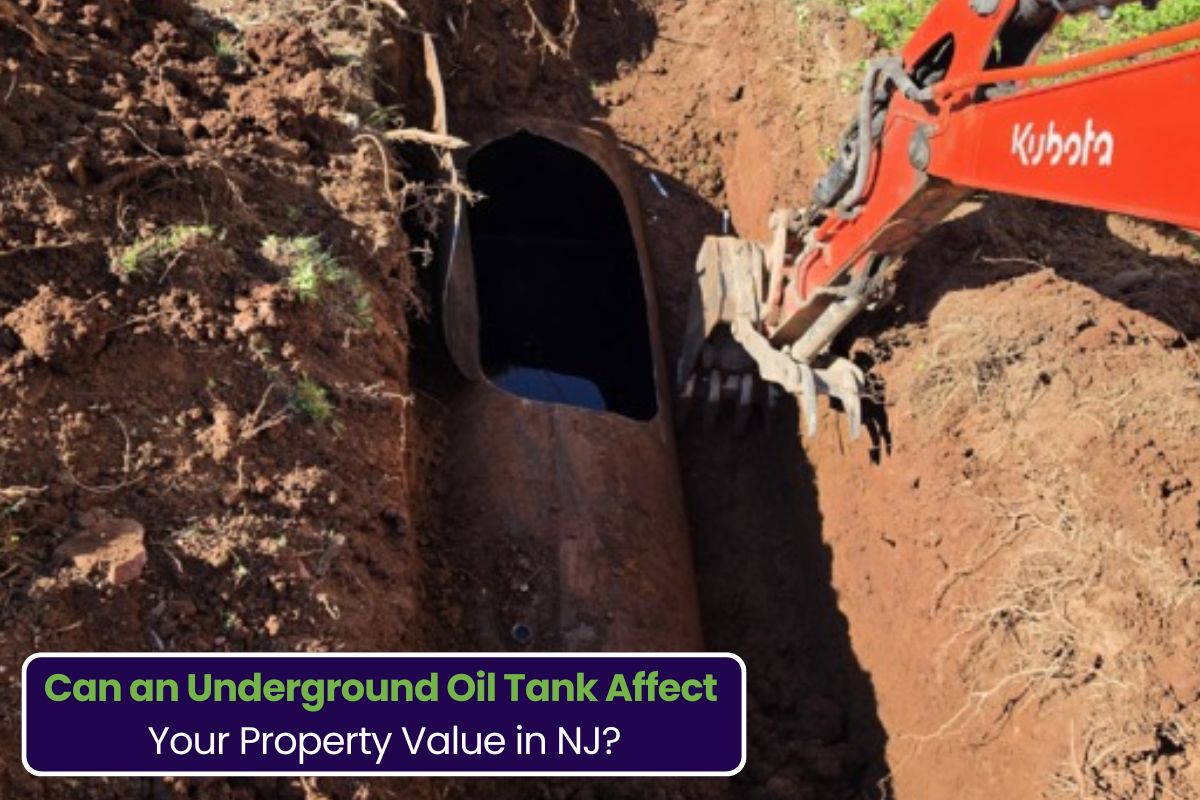
For many homeowners in New Jersey, discovering an underground oil tank on their property can raise important questions. One of the most common concerns is whether the tank can affect the property’s marketability, desirability, and overall value.
The short answer is yes. An underground oil tank can influence how buyers, lenders, inspectors, and real estate professionals view a property. While not every underground tank causes problems, the presence of one can introduce concerns related to environmental risks, future liabilities, and compliance requirements. Understanding these factors can help homeowners make informed decisions and protect their investments before selling, refinancing, or purchasing a property.
Understanding the Property Value Impact of Oil Tanks
The property value impact of oil tanks often depends on several factors, including the tank’s condition, age, location, and whether it has caused any environmental issues. Many buyers view underground oil tanks as potential liabilities. Even if a tank has never leaked, buyers may worry about hidden risks beneath the ground. This uncertainty can influence purchasing decisions and may cause some buyers to look elsewhere.
Real estate professionals often recommend investigating underground tanks before listing a property. A documented inspection or removal can provide confidence and reduce concerns during negotiations. In New Jersey’s competitive housing market, transparency regarding underground oil tanks can play a significant role in maintaining buyer trust and supporting a smoother transaction.
Signs Your Property May Have an Underground Oil Tank
Older homes are more likely to contain underground heating oil tanks, particularly those built before natural gas became widely available. Common indicators include:
-Unexplained pipes emerging from the ground
-Fill or vent pipes near exterior walls
-Historical records showing oil heating systems
-Previous homeowner disclosures
-Unusual soil depressions in the yard
Identifying these signs early can help homeowners avoid surprises during inspections or property sales.
How Underground Oil Tanks Influence Property Resale Value
A property’s property resale value can be affected when an underground oil tank is discovered during a home inspection. Potential buyers often view underground tanks as future responsibilities. They may anticipate additional inspections, environmental assessments, or removal requirements before completing a purchase.
Lenders can also become cautious when an underground oil tank is present. Some financing institutions require further investigation before approving loans, particularly if there is uncertainty about the tank’s condition. Properties with documented tank removal histories often provide buyers with greater confidence, helping facilitate a more straightforward sales process.
Why Homebuyers Are Concerned About Buried Oil Tanks
Homebuyers typically worry about:
-Potential leaks
-Future cleanup obligations
-Environmental regulations
-Insurance limitations
-Unexpected remediation requirements
These concerns can influence buyer interest and negotiation discussions throughout a transaction.
Environmental Contamination Risks Associated with Underground Oil Tanks
One of the biggest concerns surrounding underground oil tanks is environmental contamination. As tanks age, corrosion can develop. Over time, structural deterioration may allow heating oil to escape into surrounding soil. Even small leaks can create significant environmental concerns if they remain undetected for years.
Environmental contamination may require professional assessment and remediation, depending on the severity of the issue. This possibility often causes buyers to approach properties with underground tanks more cautiously. Preventing environmental issues begins with proactive inspections and responsible management of aging tanks.
Groundwater Contamination and Long-Term Property Concerns
Beyond soil impacts, underground oil tanks may contribute to groundwater contamination if leakage reaches subsurface water sources. Groundwater contamination is a serious environmental issue because it can affect surrounding properties and local ecosystems. Regulatory agencies often require detailed investigations when contamination is suspected.
For homeowners, the presence of groundwater contamination can create additional challenges during real estate transactions, property evaluations, and environmental reviews. Taking preventive measures before problems develop is often the most effective strategy for protecting both property value and environmental health.
Why Oil Tank Excavation May Be Necessary
In some situations, oil tank excavation becomes necessary to properly assess or remove an underground tank. Excavation allows professionals to:
-Access the tank safely
-Evaluate its condition
-Inspect surrounding soil
-Identify potential leaks
-Document findings for future buyers
Professional excavation helps provide a clearer understanding of the property’s condition and can reduce uncertainty during real estate transactions. For homeowners researching oil tank removal in New Jersey, understanding the role of excavation can be an important step toward protecting long-term property interests and addressing buyer concerns.
Tank Abandonment Versus Removal: What Homeowners Should Know
Many homeowners ask whether tank abandonment is an acceptable alternative to removal. Tank abandonment generally involves cleaning and filling an unused tank according to local regulations. While this approach may be permitted under certain circumstances, some buyers still prefer complete removal because it eliminates future uncertainty.
The best solution often depends on the property’s specific conditions, local regulations, and future plans for the home. Regardless of the chosen approach, proper documentation remains essential for future property transactions.
Environmental Compliance and Real Estate Transactions
Maintaining environmental compliance is an important aspect of owning a property with an underground oil tank. New Jersey has specific environmental regulations designed to protect public health and natural resources. Compliance requirements may involve inspections, reporting, testing, and documentation depending on the situation.
Buyers, lenders, and attorneys frequently review environmental records during property transactions. Proper compliance can help reduce delays and build confidence among all parties involved. Homeowners who proactively address environmental concerns often experience smoother transactions and fewer surprises during the sales process.
Protecting Your Property Investment for the Future
Every homeowner wants to ensure strong property investment protection. Underground oil tanks introduce variables that can affect future property decisions. By identifying potential issues early, homeowners can make informed choices that help preserve their investment. Protective measures may include:
-Conducting tank scans
-Obtaining professional inspections
-Maintaining environmental records
-Addressing potential concerns promptly
-Keeping documentation organized
These steps can demonstrate responsible ownership and support future property transactions.
Understanding Property Appraisal and Oil Tank Considerations
A property appraisal oil tank assessment may include consideration of underground tanks when determining a property’s overall marketability. Appraisers evaluate many factors that influence value, including environmental concerns and buyer perception. While every property is unique, uncertainty surrounding underground tanks can affect how a property is viewed within the market. Having documented inspections, compliance records, or removal documentation may help reduce concerns during the appraisal process.
Environmental Liability and Oil Tank Ownership
An important consideration for homeowners is the potential environmental liability oil tank ownership can create. Property owners may be responsible for addressing environmental issues associated with underground tanks, even if the tank was installed decades earlier.
Because liability concerns can affect future transactions, proactive management is often recommended. Early detection, proper documentation, and professional guidance can help homeowners better understand their responsibilities and minimize risks.
When to Consider Underground Tank Removal Services
Many homeowners eventually choose underground tank removal services to eliminate uncertainty and simplify future real estate transactions. Professional removal can provide:
-Clear documentation
-Environmental assessment opportunities
-Increased buyer confidence
-Reduced future liability concerns
-Greater transparency during property sales
Each property is different, but many homeowners find that addressing underground tanks proactively helps support long-term ownership goals.
Frequently Asked Questions
Q1. Can an underground oil tank reduce buyer interest in a property?
Yes. Some buyers view underground oil tanks as potential environmental and financial risks, which may influence purchasing decisions.
Q2. Is every underground oil tank a problem?
No. Many underground tanks remain in good condition. However, buyers and lenders often want verification through inspections and documentation.
Q3. Can a buried oil tank affect a home inspection?
Yes. Home inspectors frequently note the presence of underground oil tanks, which may lead to additional evaluations.
Q4. Why are lenders concerned about underground oil tanks?
Lenders may view underground tanks as potential environmental liabilities that could affect the property’s long-term value.
Q5. Does removing an underground oil tank help with property sales?
In many cases, documented removal can provide reassurance to buyers and reduce uncertainty during real estate transactions.
Q6. What is the biggest risk associated with aging underground oil tanks?
The primary concern is potential environmental contamination involving soil or groundwater.
Summary
An underground oil tank can affect property value in New Jersey by influencing buyer perception, lender requirements, environmental reviews, and future liability considerations. While not every tank creates problems, uncertainty alone can impact marketability and resale potential. Proactive inspections, documentation, compliance efforts, and professional evaluations can help homeowners protect their investment and prepare for future transactions. For homeowners seeking expert guidance, Simple Tank Services assists property owners with responsible tank-related solutions that support long-term property confidence.