
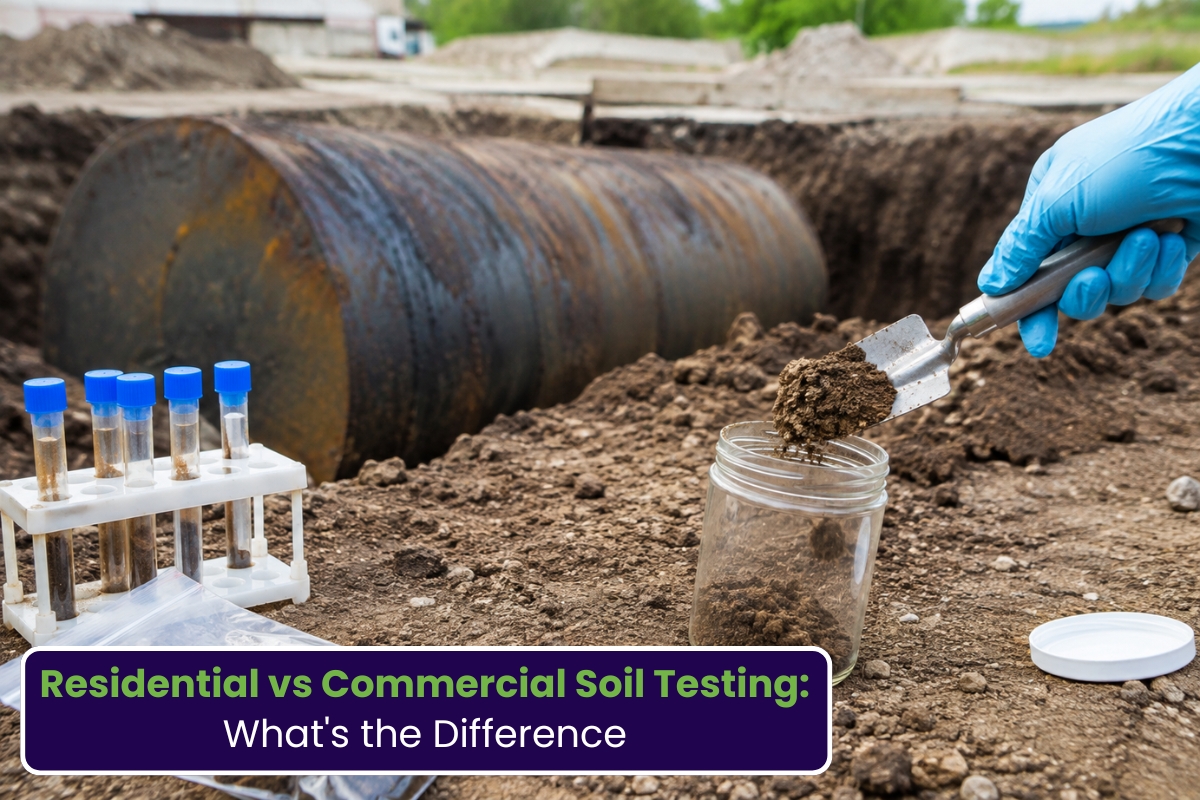
When it comes to buying, developing, or maintaining a property, soil testing is one of those steps that’s easy to overlook but nearly impossible to skip once problems show up. Whether you’re a homeowner installing a septic system or a business owner planning a new commercial development, understanding what’s beneath the surface can save you from expensive surprises down the road. But not all soil testing looks the same. Residential and commercial projects come with different goals, regulations, and levels of complexity, and knowing the difference can help you plan smarter from day one.
Why Soil Testing Matters
Soil isn’t just dirt. It’s a living system that affects drainage, structural stability, septic performance, and even the safety of the water supply nearby. Poor soil conditions can lead to foundation cracks, septic system failures, flooding, or contamination issues that are far more costly to fix after construction than before it. That’s exactly why soil testing in New Jersey has become a standard requirement for both homeowners and businesses before breaking ground on any major project.
What Is Residential Soil Testing?
Residential soil testing is typically smaller in scope and focused on individual properties. It’s most commonly required when a homeowner is installing or replacing a septic system, building an addition, or putting in a pool. The process usually involves checking soil composition, percolation rates (how well water drains through the soil), and groundwater levels.
For homeowners, the goal is straightforward: confirm the land can safely support what’s being built or installed. A perc test, for example, tells you whether soil can properly absorb wastewater from a septic system, which is a requirement in many New Jersey municipalities before a permit is even issued. Because residential lots are smaller and the stakes are more localized, this type of testing is usually quicker and less expensive than a commercial evaluation.
What Is Commercial Soil Testing?
Commercial soil testing, on the other hand, deals with much larger properties and far more variables. Think retail centers, office parks, warehouses, or industrial facilities. Because commercial developments often involve heavier structures, larger footprints, and stricter regulatory oversight, the testing process is more thorough.
Engineers may need to evaluate soil bearing capacity to determine if the ground can support the weight of a large building, check for underground contamination from previous industrial use, and assess drainage across acres rather than a single lot. Environmental due diligence is also a bigger part of commercial projects, especially if the land was previously used for manufacturing, fuel storage, or agriculture, where contamination risks are higher. This is where experienced soil testing services become essential, since the margin for error is much smaller when a multi-million-dollar project is on the line.
Key Differences at a Glance
The biggest differences between residential and commercial soil testing come down to scale, purpose, and regulation. Residential testing tends to focus on a single, specific use case, like confirming a septic system will function properly, and usually wraps up in a matter of days. Commercial testing, by contrast, often requires a broader environmental and structural assessment, additional permitting, and coordination with engineers, architects, and local or state agencies. The cost and timeline for commercial testing are typically higher simply because there’s more ground to cover, both literally and figuratively.
That said, both types of testing share the same core purpose: making sure the land is safe, stable, and suitable for its intended use before money is spent on construction.
Choosing the Right Approach for Your Property
If you’re a homeowner planning a renovation, septic installation, or new construction, residential soil testing will likely be sufficient and required by your local health department. If you’re developing a commercial property, expect a more detailed process that may include multiple rounds of testing, environmental reports, and coordination with your project engineers.
Either way, working with a knowledgeable local provider makes the process smoother. Local testing companies understand New Jersey’s specific soil conditions, regulatory requirements, and permitting processes, which can save significant time and prevent costly delays.
Frequently Asked Questions
Q1. What’s the main difference between residential and commercial soil testing?
Residential testing usually focuses on a single property and a specific need, such as confirming septic suitability, while commercial testing covers larger areas and involves more detailed structural and environmental assessments due to the scale and regulatory requirements of bigger projects.
Q2. How long does residential soil testing usually take?
Most residential soil tests, such as a perc test for septic approval, can be completed within a few days to a couple of weeks, depending on scheduling, weather conditions, and local permitting timelines.
Q3. Why does commercial soil testing cost more than residential testing?
Commercial testing generally covers more ground, requires specialized equipment and engineering analysis, and often includes environmental due diligence to check for contamination from prior land use, all of which add time and cost compared to a smaller residential evaluation.
Q4. Is soil testing required by law in New Jersey?
Yes, in many cases. New Jersey municipalities typically require soil testing before issuing permits for septic systems, and commercial developments often need additional environmental assessments depending on the site’s history and intended use.
Q5. Can soil testing reveal contamination issues?
Yes, especially in commercial settings where land may have been previously used for industrial or agricultural purposes. Testing can identify contamination from chemicals, fuel, or other pollutants that could pose risks to construction, health, or the surrounding environment.
Summary
Whether you’re building a home or developing a commercial property, understanding your land before construction begins is one of the smartest investments you can make. Residential and commercial soil testing may serve different scales of projects, but both share the same goal: protecting your investment and ensuring the ground beneath your feet is ready for what’s built on top of it. If you’re planning a project and want accurate, reliable results from a team that understands local soil conditions and regulations, Simple Tank Services is ready to help guide you through the process from start to finish.