
Introduction
Environmental risks are not always visible on the surface. A property may appear clean, stable, and ready for development while hidden contaminants, hazardous materials, or underlying environmental issues remain buried beneath the ground. These unseen problems can create significant challenges for property owners, developers, businesses, and municipalities if they are not identified early.
Soil testing plays a critical role in evaluating land conditions before construction, redevelopment, agricultural use, or environmental remediation projects begin. Through professional analysis, property owners can gain valuable insight into potential contamination, soil quality concerns, and environmental hazards that may otherwise remain undetected for years.
Understanding what lies beneath the surface helps protect public health, supports regulatory compliance, and reduces the risk of costly future liabilities. In many cases, early testing can save substantial time and resources while providing the information needed to make informed decisions about a property’s future use.
Why Hidden Environmental Risks Often Go Undetected
Many environmental hazards develop gradually and remain unnoticed until they begin affecting surrounding ecosystems, groundwater supplies, or human health. Industrial activities, fuel storage systems, chemical spills, construction operations, and improper waste disposal practices can all leave behind contaminants that persist in soil long after the original source is gone.
Because these substances are often invisible, property owners may have no indication that a problem exists. Contaminants can migrate through soil layers, spread into groundwater systems, or affect nearby properties without producing immediate warning signs.
This is why professional environmental soil assessment services are often recommended before land transactions, redevelopment projects, or environmental compliance reviews. Testing provides measurable data that helps identify conditions that visual inspections alone cannot detect.
The Role of Soil Testing in Environmental Risk Identification
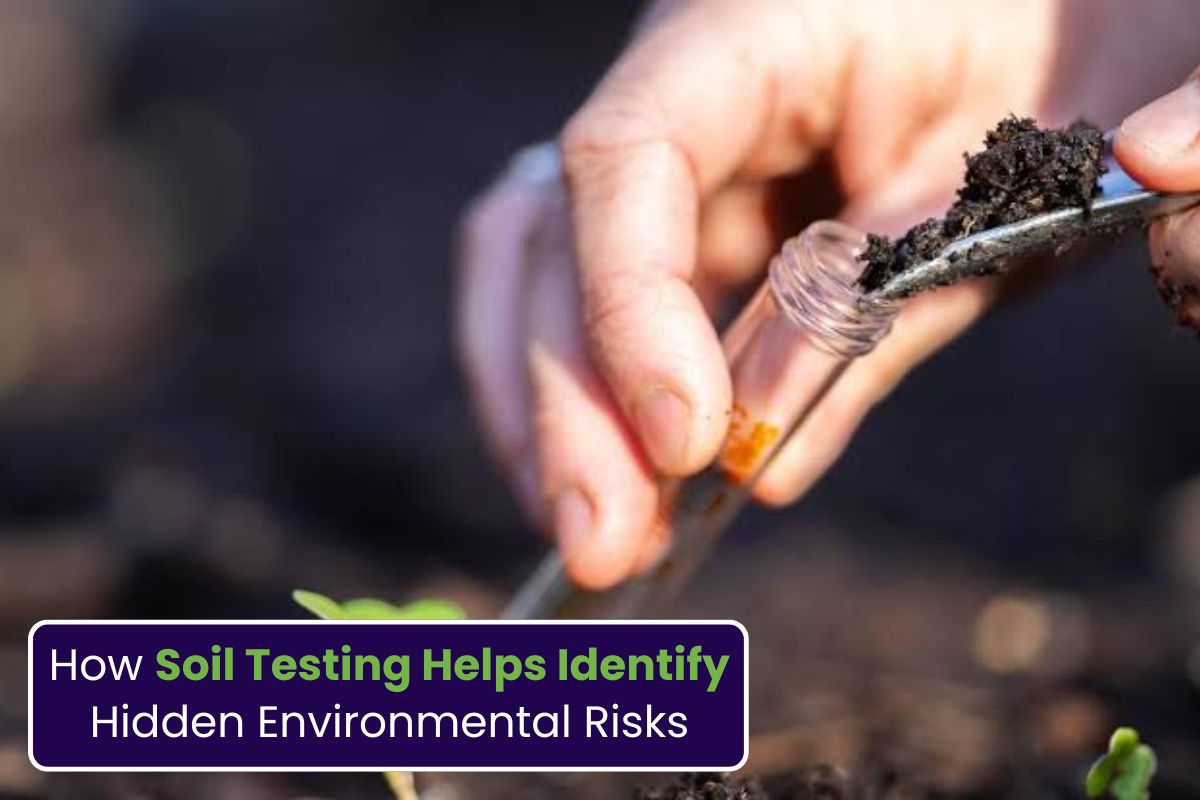
Soil testing involves collecting samples from multiple areas of a property and analyzing them for various physical, chemical, and environmental characteristics. The process helps determine whether contaminants are present and whether they exceed acceptable regulatory limits.
A comprehensive testing program can reveal:
-Petroleum-based contamination
-Heavy metals in soil
-Chemical residues
-Industrial pollutants
-Agricultural contaminants
-Excessive nutrient concentrations
-Soil stability concerns
-Potential migration pathways for pollutants
Professional testing provides property owners with objective information about site conditions, allowing them to evaluate potential risks before they become larger environmental or financial concerns.
For developers and commercial property owners seeking soil testing in New Jersey, early assessment can provide critical information that supports project planning and environmental due diligence.
Common Sources of Soil Contamination Testing Findings
Former Industrial Operations
Many properties have histories that include manufacturing, processing facilities, equipment maintenance yards, or storage operations. Even if these activities ended decades ago, residual contamination may remain in the soil.
Industrial solvents, fuels, oils, and heavy metals can persist underground and create long-term environmental concerns if left unaddressed.
Underground Storage Tanks
Leaking underground storage tanks represent one of the most common causes identified during soil contamination testing projects. Older fuel systems may deteriorate over time, allowing petroleum products to seep into surrounding soil and groundwater.
Testing helps determine whether leaks have occurred and whether corrective actions may be necessary.
Agricultural Activities
Fertilizers, pesticides, and herbicides can accumulate in soil over many years. While agricultural operations are essential for food production, historical chemical applications may contribute to environmental concerns that require evaluation.
Testing can identify elevated concentrations of agricultural compounds and help determine whether remediation or management strategies are needed.
Construction and Demolition Activities
Past construction practices sometimes involved the use of materials that may contain hazardous substances. Demolition debris, fill materials, and waste disposal activities can introduce contaminants that remain buried long after project completion.
Proper soil evaluation helps identify these issues before redevelopment begins.
Understanding Groundwater Contamination Risks
Environmental concerns are not limited to surface soil conditions. One of the most significant hidden threats associated with contamination is the potential impact on groundwater resources.
When pollutants enter the soil, they can migrate downward through natural infiltration processes. Over time, contaminants may reach underground water supplies that serve residential, commercial, or municipal users.
Assessing groundwater contamination risks is often an important component of environmental evaluations because contamination can spread beyond the original source area. In some cases, pollutants may travel significant distances before being detected.
Early identification allows environmental professionals to develop strategies that limit further migration and protect surrounding resources.
How Environmental Site Investigation Supports Property Decisions
A thorough environmental site investigation provides valuable information for buyers, investors, developers, lenders, and regulatory agencies. Rather than relying on assumptions, stakeholders gain access to scientific data that helps guide decision-making.
Environmental investigations often evaluate:
-Historical property use
-Current site conditions
-Potential contamination sources
-Soil sampling results
-Groundwater concerns
-Regulatory compliance requirements
-Future environmental liabilities
This information helps reduce uncertainty and supports more informed planning for property development, acquisition, or redevelopment projects.
Environmental due diligence has become increasingly important as regulations continue to evolve and stakeholders place greater emphasis on environmental responsibility.
Benefits of Early Soil Testing
Identifying environmental risks before they become major problems offers several important advantages.
Improved Public Health Protection
Contaminated soil can expose people to harmful substances through direct contact, dust inhalation, or groundwater impacts. Early testing helps identify potential hazards before they affect nearby communities.
Reduced Financial Liability
Environmental remediation costs can increase significantly when contamination remains undiscovered for extended periods. Early detection allows issues to be addressed before they expand and become more expensive to manage.
Better Regulatory Compliance
Many projects require environmental reviews before development approvals are granted. Soil testing provides documentation that may support permitting and compliance efforts.
Increased Property Value Confidence
Buyers and investors often seek assurance regarding environmental conditions. Testing can provide transparency and reduce uncertainty during property transactions.
Smarter Development Planning
Understanding site conditions helps project teams make informed decisions regarding construction methods, remediation needs, and long-term land use strategies.
Organizations seeking reliable soil testing in New Jersey often use these assessments to support both environmental protection goals and responsible property management decisions.
Why Professional Expertise Matters
Accurate environmental assessments depend on proper sampling procedures, laboratory analysis, and professional interpretation of results. Environmental consultants understand how contaminants behave, where risks are most likely to occur, and which testing methods are appropriate for specific site conditions.
Experienced professionals can also help property owners understand regulatory requirements and determine whether additional investigation or corrective action may be necessary.
Because every property has unique characteristics, customized testing strategies are often the most effective approach for identifying potential environmental concerns.
Frequently Asked Questions
Q1. Why is soil testing important before property development?
Soil testing helps identify contamination, environmental hazards, and site conditions that could affect construction plans, regulatory compliance, and long-term property safety.
Q2. What contaminants can soil testing detect?
Testing can identify petroleum products, heavy metals, industrial chemicals, pesticides, solvents, and other substances that may pose environmental or health risks.
Q3. How does soil contamination affect groundwater?
Contaminants can migrate through soil layers and eventually reach underground water supplies, potentially impacting drinking water sources and surrounding ecosystems.
Q4. When should an environmental site investigation be performed?
Environmental investigations are commonly conducted before property purchases, redevelopment projects, construction activities, or when historical site use suggests possible contamination concerns.
Q5. Can soil testing help reduce environmental liability?
Yes. Early identification of contamination allows property owners to address issues before they become larger environmental or financial problems, helping reduce potential liability and remediation costs.
Summary
Hidden environmental risks can exist beneath the surface of almost any property, regardless of its current appearance. Soil contamination, historical industrial activities, underground storage systems, and groundwater impacts can create challenges that remain undetected without proper evaluation.
Professional soil testing provides the data needed to identify these concerns early, helping property owners make informed decisions while protecting environmental and public health interests. Whether planning development, purchasing land, or evaluating a site’s environmental condition, proactive testing is an important step toward reducing risk and ensuring long-term property sustainability.
For property owners seeking trusted environmental evaluation services, Simple Tank Services provides professional solutions designed to help identify potential environmental concerns and support responsible site management decisions.