
If you’ve discovered contamination on your property, you’re probably wondering what comes next. Not all contaminated soil is the same, and not every remediation method works for every situation. The right approach depends on the type of contaminant, how deep it goes, the soil composition, and your property’s future use. Understanding your options is the first step toward making the right call for Soil Remediation in New Jersey.
Why Soil Remediation Matters
Contaminated soil isn’t just an environmental concern — it can affect property value, groundwater safety, and even the health of anyone living or working on the site. Common culprits include old underground storage tanks, industrial spills, pesticide residue, and heavy metals from past land use. Before choosing a fix, it’s important to understand what’s actually in the ground and how it’s spread.
Excavation and Off-Site Disposal
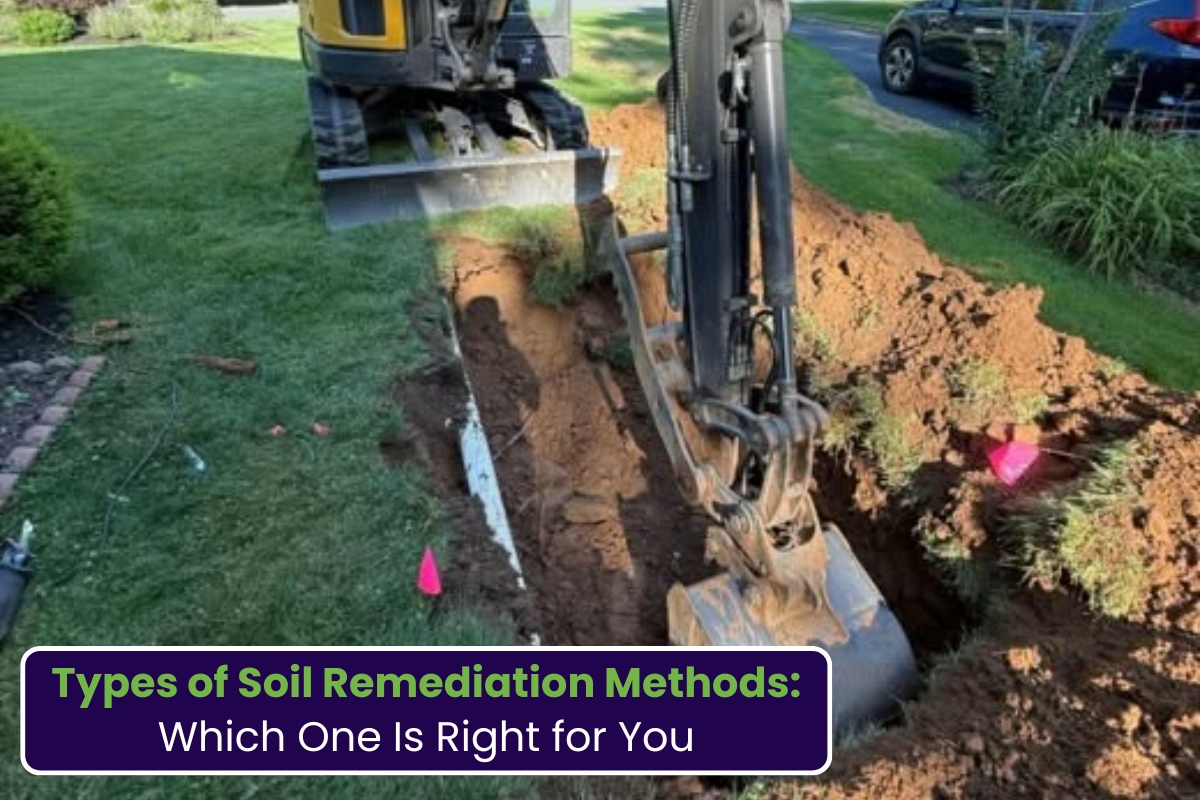
This is one of the most straightforward methods: the contaminated soil is physically dug up and hauled away to a licensed disposal facility, then replaced with clean fill. It works well for smaller, well-defined contamination zones, especially where speed matters — like before a construction project starts. The downside is cost, since transportation and disposal fees add up quickly, and it doesn’t actually treat the contamination, just relocates it.
Bioremediation
Bioremediation uses naturally occurring microorganisms to break down contaminants like petroleum hydrocarbons into harmless byproducts. It’s a slower process, often taking months, but it’s more affordable and environmentally friendly than excavation. This method works best for organic contaminants and is commonly used for sites affected by fuel or oil leaks.
Soil Vapor Extraction (SVE)
For volatile contaminants — things that evaporate easily, like solvents or gasoline — soil vapor extraction pulls contaminated vapors out of the ground using a vacuum system. It’s especially effective for sites where the contamination sits above the water table. SVE is a go-to option when speed and minimal soil disturbance are priorities.
Chemical Oxidation
This method injects oxidizing agents directly into the soil to chemically break down contaminants on-site. It’s fast-acting and works well for a range of pollutants, including certain solvents and petroleum products. It does require careful handling, since the chemicals used are powerful, but it can significantly cut down remediation timelines compared to biological methods.
Soil Washing
Soil washing separates contaminants from soil particles using water-based solutions, often combined with mechanical processes. It’s particularly useful for heavy metal contamination and situations where the soil itself can be reused after treatment. This method reduces the total volume of waste that needs disposal, which can also help control costs.
Thermal Desorption
Thermal desorption heats contaminated soil to a temperature that vaporizes the pollutants, which are then captured and treated separately. It’s effective for a wide range of contaminants, including heavier hydrocarbons that other methods struggle with. It tends to be used for larger-scale or more stubborn contamination issues.
So, Which Method Is Right for You?
There’s no one-size-fits-all answer here. The right method depends on:
-Type of contaminant — petroleum, metals, solvents, and pesticides all respond differently to treatment.
-Depth and spread of the contamination.
-Soil type and site conditions, including groundwater proximity.
-Timeline and budget — some methods work faster but cost more, while others are gentler on the budget but take longer.
-Future use of the property — residential redevelopment often requires stricter cleanup standards than commercial or industrial reuse.
A proper site assessment is really the only way to know which method — or combination of methods — makes sense for your situation. Jumping straight to a solution without understanding what you’re dealing with can lead to wasted time and money, or worse, incomplete cleanup.
Choosing the Right Partner for Soil Remediation in New Jersey
Getting soil remediation right requires experience, advanced equipment, and a thorough understanding of New Jersey’s environmental regulations. Whether you’re dealing with an underground storage tank leak, an industrial spill, or contamination discovered during a property transaction, working with specialists helps simplify the entire process.
That’s where Simple Tank Services comes in. With years of experience handling contaminated properties across New Jersey, the team provides detailed site assessments, recommends the most effective remediation strategy, and restores properties safely, efficiently, and in compliance with all regulatory requirements.
If you suspect contamination on your property or need a trusted partner for Soil Remediation in New Jersey, contact Simple Tank Services today to schedule an assessment and receive a clear remediation plan.
Frequently Asked Questions
1. What is soil remediation?
Soil remediation is the process of removing, treating, or containing contaminated soil to restore it to a safe condition for residential, commercial, or environmental use.
2. How do I know if my property needs soil remediation?
Properties with underground storage tanks, industrial activity, fuel spills, or environmental test results showing contamination may require professional soil remediation.
3. Which soil remediation method is the most effective?
The best method depends on the contaminant type, soil conditions, contamination depth, project timeline, and cleanup objectives.
4. How long does soil remediation take?
Project timelines vary based on the remediation method and site conditions. Some cleanups take days, while biological treatments may require several months.
5. Is excavation always necessary?
No. Many contaminated sites can be treated using in-place methods such as bioremediation, soil vapor extraction, or chemical oxidation without extensive excavation.
Blog Summary
Soil contamination can impact property value, environmental safety, and future development opportunities. Choosing the right remediation method depends on the type of contaminant, site conditions, project timeline, and intended land use. From excavation and bioremediation to soil vapor extraction, chemical oxidation, soil washing, and thermal desorption, each method offers unique advantages for different contamination scenarios. Working with an experienced company like Simple Tank Services ensures your property receives the most effective remediation solution while meeting New Jersey’s environmental regulations.