
Introduction
Removing an underground oil tank is an important step for many New Jersey homeowners. Whether you’re replacing an aging heating system, preparing to sell your property, or addressing environmental concerns, understanding the process can help you avoid unnecessary delays and unexpected expenses.
Many property owners assume that removing an underground tank simply involves digging it out. In reality, the project includes permits, inspections, environmental requirements, and final documentation before it is officially complete. Each step plays a role in protecting both the property owner and the environment.
This guide explains what homeowners should expect throughout the entire removal process, from obtaining permits to receiving final approval after the work is finished.
Why Underground Oil Tank Removal Matters
Thousands of older homes throughout New Jersey were originally heated with underground oil tanks. While many of these systems performed well for decades, age increases the possibility of corrosion and leakage. Even a small leak can affect surrounding soil and may require environmental cleanup.
Beyond environmental concerns, many buyers and mortgage lenders prefer properties without abandoned underground tanks. Removing an unused tank helps eliminate future uncertainty while making the property more attractive during a sale.
Understanding the required steps before work begins can make the project smoother and reduce unexpected complications.
Understanding New Jersey Oil Tank Permits
Before excavation begins, homeowners typically need to obtain the appropriate New Jersey oil tank permits required by their local municipality. Permit requirements can vary depending on the township or city where the property is located.
Permit applications generally include information about:
-Property location
-Tank size
-Planned removal method
-Contractor information
-Proposed work schedule
Some municipalities review applications within a few business days, while others may require additional documentation before approval. Applying early helps prevent delays once the project is scheduled.
Working with a contractor familiar with local permitting requirements can simplify this stage of the project.
What Happens Before Excavation Begins
Preparation is one of the most important parts of any tank removal project. Before heavy equipment arrives, several preliminary steps are completed to ensure the work can proceed safely.
These preparations often include utility locating services, site evaluation, equipment planning, and reviewing property access. The remaining fuel inside the tank is safely removed before excavation begins.
Once the area is prepared, excavation equipment carefully exposes the tank while minimizing disturbance to the surrounding property.
Residential Oil Tank Removal Process
The Residential oil tank removal process follows a structured sequence designed to meet state and local requirements while protecting the property.
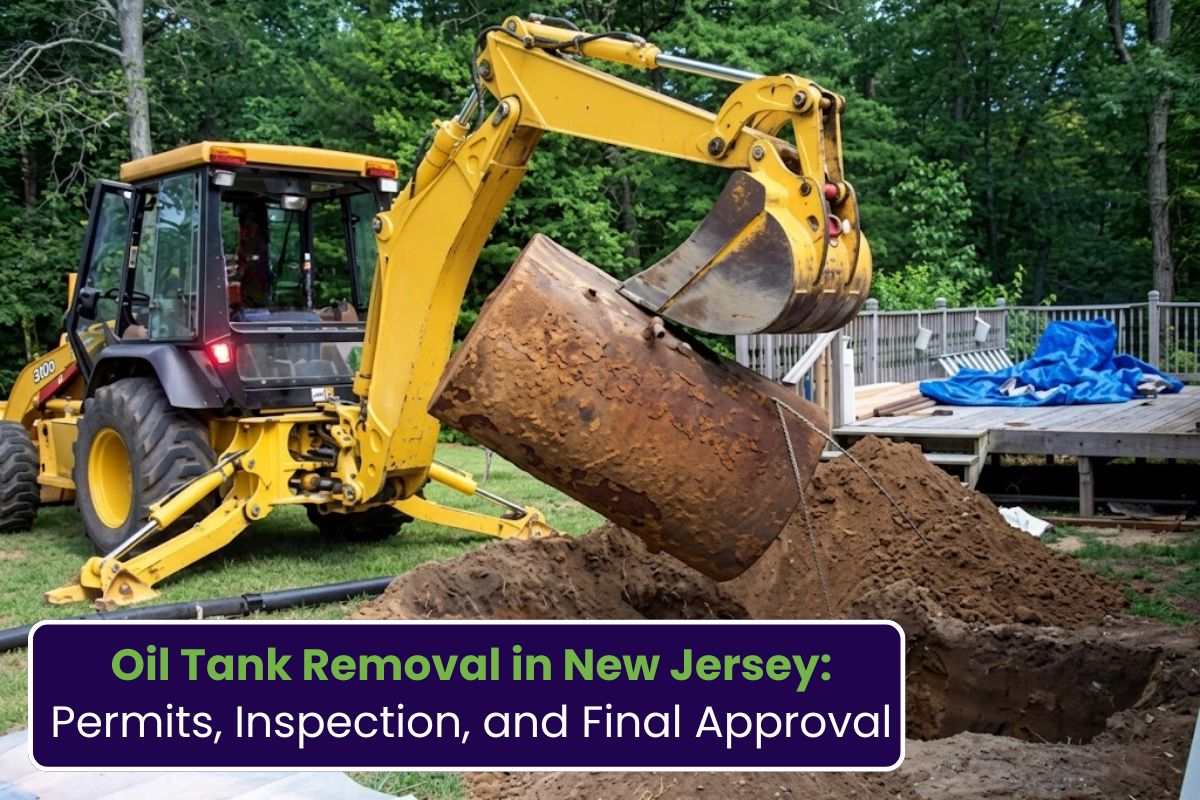
After excavation exposes the tank, technicians disconnect all remaining fuel lines and safely lift the tank from the ground. Once removed, the tank is visually examined for signs of corrosion, damage, or evidence of leakage.
The excavation area is then inspected for any indication that petroleum products entered the surrounding soil. If no contamination is found, the excavation can move toward closure.
Every property presents different site conditions, so removal timelines may vary depending on accessibility, weather, and tank size.
Underground Oil Tank Inspection Requirements
An Underground oil tank inspection is one of the most important parts of the removal process because it helps determine the condition of both the tank and the surrounding soil.
During the inspection, professionals typically evaluate:
-Tank condition
-Signs of corrosion
-Soil appearance
-Petroleum odors
-Possible staining around the excavation
If the inspection suggests possible contamination, additional soil sampling may be recommended to determine whether cleanup is necessary.
A thorough inspection provides documentation that supports the final project report and helps confirm whether additional environmental work is required.
Soil Testing and Environmental Evaluation
Not every underground tank removal requires extensive environmental remediation. However, evaluating surrounding soil is an important safeguard.
If inspectors observe unusual staining, corrosion, or petroleum odors, soil samples may be collected for laboratory analysis. These samples help determine whether contamination exists and whether additional cleanup is necessary.
If laboratory testing confirms that the soil meets acceptable environmental standards, the project can continue toward final approval without further remediation.
When contamination is discovered, environmental specialists develop a corrective plan based on state regulations and the property’s specific conditions.
Oil Tank Closure Process and Final Documentation
Completing the Oil tank closure process involves more than simply removing the tank from the ground.
After removal is complete, contractors prepare documentation that may include:
-Permit records
-Tank disposal documentation
-Inspection reports
-Soil testing results (when applicable)
-Photographs of the excavation
-Municipal approval paperwork
These documents provide valuable records for homeowners, particularly if they decide to refinance or sell the property in the future.
Maintaining organized records demonstrates that the project was completed according to applicable requirements.
Final Municipal Inspection and Approval
Once all work has been completed, the municipality may perform a final inspection depending on local requirements.
Inspectors review the completed work, verify that permit conditions have been satisfied, and ensure that required documentation has been submitted. If everything meets municipal standards, final approval is issued, officially closing the project.
Receiving final approval gives homeowners confidence that the removal has been completed in accordance with local regulations.
Planning Ahead Makes the Process Easier
Every underground tank removal project is unique, but careful planning helps reduce uncertainty from beginning to end.
Homeowners who understand the permitting process, inspection requirements, environmental evaluations, and documentation are generally better prepared for each stage of the project.
Whether the removal is being completed as part of a home improvement project or in preparation for a property sale, staying informed helps ensure that each step is completed efficiently and according to local requirements.
Oil Tank Removal in New Jersey involves more than excavation alone. Following the proper procedures, maintaining accurate documentation, and working through each required stage helps protect both the property and its future value.
Common Mistakes Homeowners Should Avoid
Many delays during tank removal occur because homeowners are unfamiliar with the overall process. Avoiding a few common mistakes can help the project move more efficiently.
Waiting until a home sale is already underway often creates unnecessary pressure. Planning ahead allows enough time for permitting, inspections, and documentation.
Another mistake is assuming every municipality follows identical procedures. Requirements may differ between local jurisdictions, making it important to verify expectations before work begins.
Keeping all project paperwork in a safe location is equally important, as future buyers or lenders may request copies years later.
Frequently Asked Questions
Q1. Do I need a permit before removing an underground oil tank in New Jersey?
Yes. Most municipalities require permits before excavation begins. Requirements vary by location, so homeowners should verify local regulations before scheduling removal.
Q2. How long does the oil tank removal process usually take?
Most residential projects can be completed within one to several days, depending on property access, permit approval, inspections, weather, and whether environmental testing is required.
Q3. What happens if contamination is found during tank removal?
If contamination is discovered, soil samples are typically collected for laboratory testing. Any required remediation is completed according to applicable environmental regulations before the project can be finalized.
Q4. Will I receive documentation after the tank is removed?
Yes. Homeowners generally receive project documentation that may include permits, inspection reports, disposal records, photographs, and any soil testing results completed during the project.
Q5. Why is final approval important after oil tank removal?
Final approval confirms that the removal was completed according to local requirements and that all necessary inspections and documentation have been satisfied. It also provides valuable records for future property transactions.
Summary
Removing an underground oil tank requires careful planning, proper permits, thorough inspections, environmental evaluation when needed, and complete documentation before final approval is issued. Understanding each phase helps homeowners avoid delays and ensures the project is completed according to local requirements. For property owners seeking experienced guidance throughout the removal process, Simple Tank Services provides dependable support from initial planning through project completion, helping make every stage as smooth and organized as possible.