
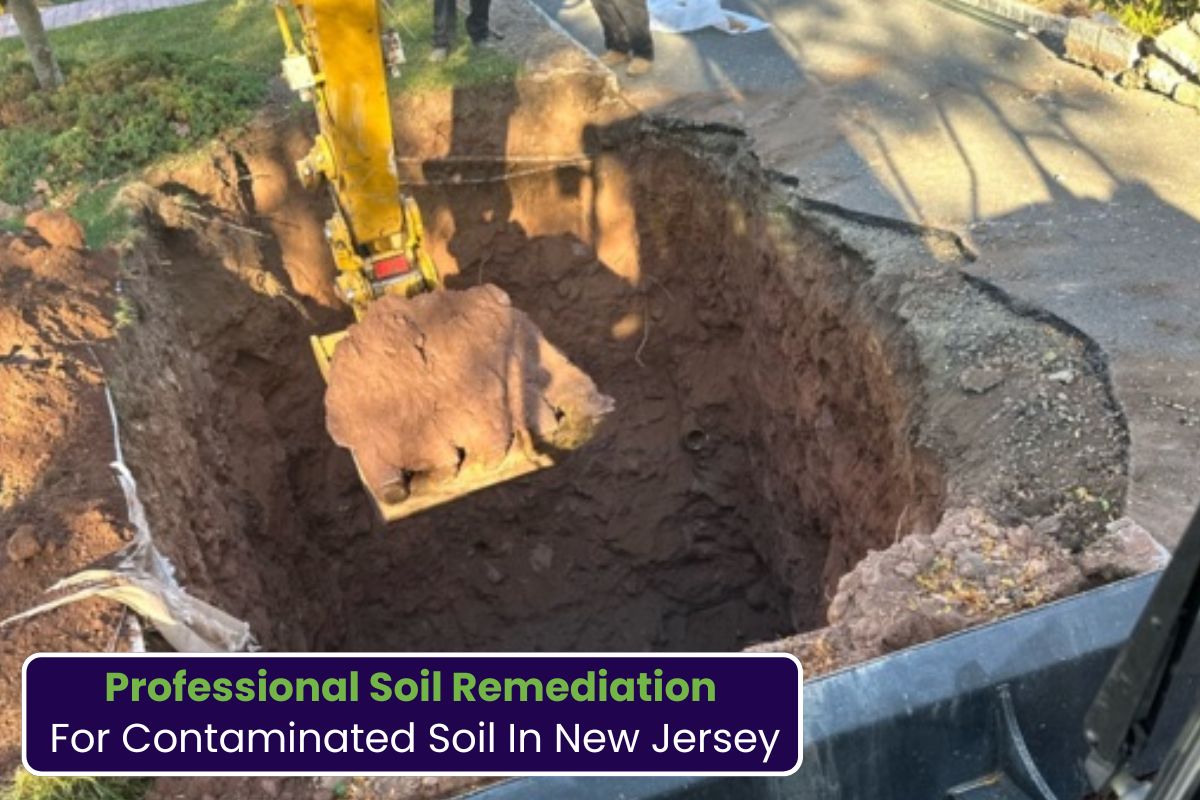
Soil contamination is a serious environmental issue that can affect residential, commercial, and industrial properties throughout New Jersey. Over time, hazardous materials, underground storage tank leaks, industrial waste, fuel spills, and construction activities can pollute the soil and create health and environmental risks. Property owners dealing with contaminated land often require professional solutions to restore safety, protect property value, and comply with environmental regulations.
Professional soil remediation solutions help identify, remove, and treat contaminated soil using safe and effective methods. Whether the issue involves petroleum contamination, chemical spills, or industrial waste, proper remediation can help restore land for future use while minimizing environmental impact.
Understanding Contaminated Soil Cleanup and Why It Matters
Contaminated soil cleanup is the process of removing or treating polluted soil to reduce environmental and health hazards. Soil contamination can spread harmful substances into groundwater, nearby ecosystems, and surrounding properties if left untreated.
Common Causes of Soil Contamination
-Heating oil tank leaks
-Industrial waste disposal
-Chemical spills
-Construction and demolition debris
-Underground fuel storage systems
-Hazardous waste exposure
Professional remediation contractors begin the process with environmental assessments and soil testing to determine contamination levels and identify the most effective cleanup strategy.
Soil Remediation Services for Residential and Commercial Properties
Soil remediation services are designed to address different types of contamination across residential, commercial, and industrial sites. Every property has unique environmental conditions, which is why customized remediation plans are essential.
Benefits of Professional Soil Remediation
-Restores property safety
-Helps meet environmental regulations
-Prevents contamination from spreading
-Supports future property development
-Protects groundwater and nearby ecosystems
Professional remediation teams use advanced equipment and environmentally responsible methods to ensure the cleanup process is handled safely and efficiently.
Contaminated Soil Treatment Methods Used for Environmental Restoration
Different contaminated soil treatment methods are used depending on the type and severity of contamination. Environmental specialists evaluate the site carefully before selecting the most appropriate remediation approach.
Common Soil Treatment Techniques
-Soil excavation and replacement
-Bioremediation
-Soil vapor extraction
-Chemical stabilization
-Thermal treatment
-Encapsulation methods
Each remediation strategy is designed to reduce contaminants and restore environmental quality while maintaining compliance with local and state regulations.
Environmental Soil Cleanup and Long-Term Property Protection
Environmental soil cleanup plays a major role in protecting both public health and property investments. Contaminated land can impact construction projects, property sales, and redevelopment plans if environmental concerns are not properly addressed.
Signs a Property May Need Environmental Cleanup Services
-Strong petroleum or chemical odors
-Discolored soil or vegetation damage
-History of underground storage tanks
-Previous industrial use of the property
-Environmental inspection violations
Timely cleanup services help prevent further contamination and reduce long-term environmental liabilities for property owners.
Soil Testing and Remediation for Accurate Environmental Assessment
Soil testing and remediation work together to identify contamination levels and determine the best treatment solution. Environmental testing provides important information about the type of pollutants present and the extent of contamination.
Why Proper Soil Testing Matters
-Identifies hazardous substances
-Determines contamination depth
-Supports regulatory compliance
-Helps create an effective cleanup plan
-Reduces unnecessary excavation work
Professional environmental specialists use laboratory testing and site evaluations to ensure accurate remediation planning and successful cleanup results.
Environmental Cleanup Services for Safer Land Restoration
Environmental cleanup services involve a combination of testing, excavation, remediation, and site restoration techniques. These services are essential for restoring contaminated properties and preparing them for safe future use. Property owners across New Jersey often require cleanup services for residential developments, commercial properties, gas stations, industrial facilities, and former fuel storage areas. For many property owners seeking reliable solutions, understanding the importance of Soil Remediation in New Jersey can help support safer land restoration and long-term environmental protection.
Contaminated Land Remediation and Environmental Compliance
Contaminated land remediation focuses on restoring polluted sites while meeting environmental standards and regulations. In New Jersey, strict environmental guidelines often require proper remediation before redevelopment or property transactions can move forward.
Key Goals of Land Contamination Cleanup
-Remove environmental hazards
-Restore soil stability
-Prevent groundwater pollution
-Improve land usability
-Support safe redevelopment projects
Professional remediation contractors help property owners navigate environmental requirements while minimizing delays during cleanup projects.
Excavation and Soil Disposal NJ Services for Contaminated Sites
Excavation and soil disposal NJ services are commonly used when contamination is severe or concentrated in specific areas. During this process, contaminated soil is carefully removed and transported to approved disposal facilities.
Safe Excavation and Disposal Process
-Site assessment and testing
-Identification of contaminated zones
-Controlled soil excavation
-Safe transportation and disposal
-Site restoration and backfilling
Proper handling and disposal are critical for preventing environmental damage and maintaining regulatory compliance.
Soil Cleanup Specialists and Their Role in Environmental Restoration
Experienced soil cleanup specialists play an important role in restoring contaminated properties safely and efficiently. Their expertise helps property owners manage complex environmental issues while reducing risks associated with contamination exposure.
Why Hiring Specialists Matters
-Access to professional equipment
-Knowledge of environmental regulations
-Safe handling of hazardous materials
-Efficient remediation planning
-Accurate contamination assessment
Professional remediation teams ensure that cleanup projects are completed responsibly while protecting surrounding communities and ecosystems.
Industrial Soil Remediation for High-Risk Contamination Areas
Industrial soil remediation is often required for manufacturing facilities, fuel storage sites, transportation yards, and other industrial properties where contamination risks are higher. Industrial sites may contain:
-Petroleum hydrocarbons
-Heavy metals
-Solvents
-Chemical residues
-Hazardous industrial waste
Specialized remediation methods help reduce contamination and prepare industrial properties for future redevelopment or continued operation.
Contaminated Property Restoration and Future Land Use
Contaminated property restoration helps transform polluted land into safe and usable space again. Proper restoration not only improves environmental safety but also enhances property value and supports future construction or redevelopment opportunities.
Long-Term Benefits of Property Restoration
-Improved environmental safety
-Better property marketability
-Reduced legal and environmental risks
-Increased redevelopment potential
-Protection of natural resources
Professional remediation services provide long-term solutions that help property owners regain confidence in their land and investment.
Soil Contamination Cleanup for Environmental Sustainability
Soil contamination cleanup supports environmental sustainability by preventing pollutants from spreading into nearby ecosystems and groundwater systems. Restoring contaminated land also reduces environmental liabilities and supports responsible land management practices across New Jersey. As environmental awareness continues to grow, more property owners are investing in professional remediation services to protect their properties and surrounding communities.
Hazardous Soil Remediation and Safe Environmental Practices
Hazardous soil remediation involves the removal or treatment of dangerous contaminants that may pose risks to human health and the environment. These projects require specialized handling, environmental monitoring, and regulatory compliance.
Hazardous Materials Commonly Found in Soil
-Petroleum products
-Industrial chemicals
-Heavy metals
-Toxic waste residues
-Solvents and hydrocarbons
Professional remediation experts use advanced safety procedures and environmental controls to ensure hazardous materials are managed responsibly throughout the cleanup process.
Frequently Asked Questions
Q1. What is soil remediation?
Soil remediation is the process of removing or treating contaminated soil to restore environmental safety and reduce health risks.
Q2. Why is contaminated soil dangerous?
Contaminated soil can expose people, groundwater, and ecosystems to harmful chemicals, petroleum products, and hazardous waste.
Q3. How do professionals test contaminated soil?
Environmental specialists collect soil samples and perform laboratory testing to identify pollutants and determine contamination levels.
Q4. What causes soil contamination in New Jersey?
Common causes include underground oil tank leaks, industrial waste, fuel spills, construction activities, and chemical disposal.
Q5. Can contaminated soil be restored safely?
Yes. Professional remediation methods help remove or treat contamination and restore land for safe residential, commercial, or industrial use.
Q6. Why is professional remediation important?
Professional remediation ensures proper environmental compliance, safe cleanup practices, and long-term protection for the property and surrounding environment.
Summary
Professional soil remediation solutions are essential for addressing contaminated soil problems and restoring environmental safety across New Jersey. From environmental testing and hazardous soil remediation to excavation and contaminated property restoration, professional cleanup services help protect both property value and public health. Companies like Simple Tank Services provide experienced environmental support for property owners dealing with contamination concerns, helping ensure safe, effective, and regulation-compliant land restoration solutions.