
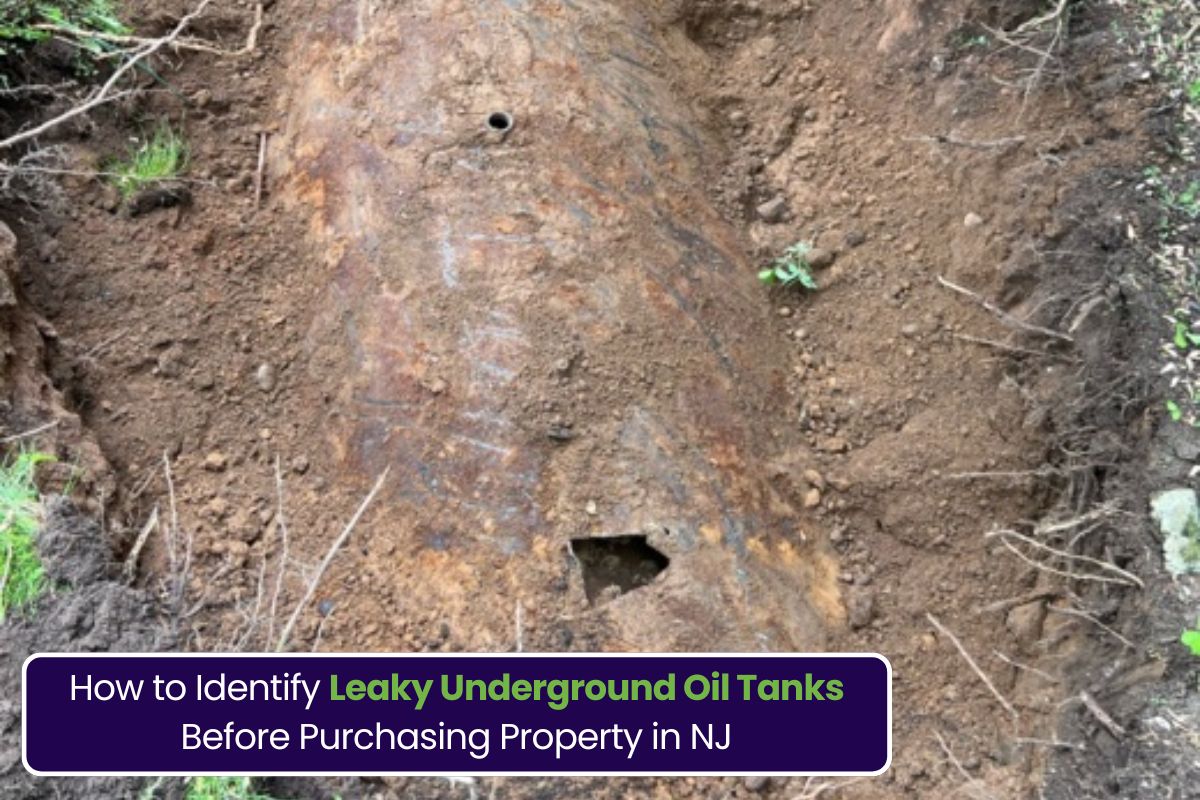
Buying a property is a major investment, and hidden environmental issues can quickly turn that investment into a costly problem. One issue many buyers in New Jersey overlook is the presence of old underground heating oil tanks. These buried tanks were commonly used in older homes, and many still remain underground today. If they leak, they can contaminate soil, damage property value, and create environmental concerns.
Understanding how to identify potential underground tank problems before purchasing property can help buyers avoid future complications. A careful inspection process, combined with professional testing, can reveal hidden issues early and protect both your finances and your safety.
Why Underground Oil Tanks Are Common in New Jersey
Many homes across New Jersey were built decades ago when underground heating oil tanks were a standard heating solution. Over time, many homeowners switched to modern systems but left old tanks buried underground. Some tanks were properly removed, while others remain abandoned without documentation.
Older steel tanks can corrode over time, increasing the risk of leaks. Since underground tanks are hidden from view, buyers may not realize a property has one until contamination or structural issues appear.
Oil Tank Inspection NJ: Why Professional Inspections Matter
One of the most important steps before purchasing a property is scheduling a professional oil tank inspection NJ service. Standard home inspections may not always detect buried tanks, especially if the tank has been concealed beneath landscaping, concrete, or driveways.
Professional inspectors use specialized equipment to scan the property and identify underground metal objects. This process can help locate abandoned tanks before closing on the property.
Visual Warning Signs Around the Property
Even before an inspection, some warning signs may indicate the presence of a buried oil tank:
-Unusual depressions in the yard
-Patches of dead grass or vegetation
-Oil odors around the property
-Fill pipes or vent pipes near the home
-Stained soil or discolored areas
-Older heating system connections
These signs do not always confirm a leak, but they should never be ignored during the buying process.
Leaking Oil Tank Signs Every Buyer Should Watch For
Recognizing leaking oil tank signs early can prevent serious environmental and financial problems. Underground tanks may leak slowly for years before the issue becomes visible.
Common signs include:
-Persistent fuel odors inside or outside the home
-Unexplained soil discoloration
-Groundwater contamination concerns
-Increased moisture near the tank area
-Sudden heating system performance issues
-Oil sheen in nearby puddles or drainage areas
If any of these signs appear during property inspections, buyers should request further environmental evaluation before proceeding.
Understanding Underground Tank Leak Risks Before Purchase
An underground tank leak can impact far more than the immediate property area. Heating oil can spread through surrounding soil and groundwater, creating long-term environmental issues.
In New Jersey, environmental regulations surrounding oil tank contamination can become complex if leaks are discovered after purchase. Buyers may become responsible for remediation efforts even if the leak occurred years earlier.
Potential risks include:
-Soil contamination
-Reduced property value
-Delays in property transactions
-Environmental reporting requirements
-Structural damage near the leak area
-Difficulties obtaining financing or insurance
Identifying these issues before purchasing the property is extremely important.
Home Oil Tank Inspection Tips for Property Buyers
A professional home oil tank inspection provides valuable information about the property’s condition and potential environmental risks.
Questions Buyers Should Ask
Before finalizing a purchase, consider asking:
-Was there ever an underground oil tank on the property?
-Are there removal certificates available?
-Has environmental testing been completed?
-Were prior leaks or remediation efforts documented?
-Is there evidence of abandoned tank piping?
Property records and municipal permits can also help verify whether a tank was removed properly.
Buried Oil Tank Problems That Can Affect Property Value
Buried oil tank problems often remain hidden until major property transactions occur. Buyers, lenders, and insurance companies may all require environmental verification before approving the sale. Undetected tanks can create:
-Delayed closings
-Financing challenges
-Insurance complications
-Environmental liability concerns
-Lower resale value
Properties with documented tank removal and clean environmental reports are generally more attractive to buyers and lenders.
Heating Oil Tank Leak Concerns and Environmental Damage
A heating oil tank leak may start small but gradually spread underground. Because heating oil can penetrate soil deeply, contamination may extend beyond the original tank location. Environmental damage may affect:
-Soil quality
-Groundwater systems
-Nearby landscaping
-Foundations and underground utilities
In some situations, contamination can migrate to neighboring properties, creating additional legal and environmental concerns. For buyers researching preventative solutions, learning more about oil tank removal in New Jersey can help reduce long-term property risks and support safer real estate investments.
Oil Tank Contamination and Property Safety Risks
Oil tank contamination can remain hidden for years before being discovered during property sales or construction projects. Once contamination is identified, environmental cleanup requirements may follow strict state regulations.
Risks of Hidden Underground Oil Tanks
Hidden contamination may lead to:
-Environmental compliance issues
-Health concerns from vapor exposure
-Expensive remediation procedures
-Long-term property monitoring requirements
This is why early inspections and environmental evaluations are so important before purchasing property.
Why Oil Tank Services Are Essential Before Buying Property
Professional oil tank services help buyers identify hidden risks before ownership transfers. Experienced specialists understand how to locate underground tanks, inspect for leaks, and evaluate environmental conditions. These services often include:
-Underground tank scanning
-Leak detection
-Soil testing
-Environmental reporting
-Tank abandonment verification
-Removal recommendations
Working with professionals helps buyers make informed decisions and avoid unexpected environmental liabilities.
Environmental Testing for Oil Tanks and Soil Safety
Environmental testing for oil tanks is one of the most reliable ways to confirm whether contamination exists on a property. Soil samples are collected and analyzed for petroleum-related pollutants.
Why Environmental Testing Matters
Environmental testing helps:
-Confirm whether a leak occurred
-Measure contamination levels
-Protect future property value
-Support real estate transactions
-Prevent future legal complications
Testing may also be required by lenders or attorneys during certain property sales.
Understanding Leaky Oil Tank Property Risks in NJ
Leaky oil tank property risks extend beyond environmental concerns. Properties with unresolved tank issues may become difficult to refinance, insure, or resell later. Buyers should carefully review:
-Environmental reports
-Tank removal documentation
-Property disclosure forms
-Municipal permits
-Historical property records
Taking these precautions early can help avoid future surprises.
Signs of a Leaking Oil Tank That Should Never Be Ignored
Some signs of a leaking oil tank become more noticeable over time. Buyers should never ignore unusual odors, soil changes, or visible oil stains during property inspections.
Steps to Take Before Finalizing a Property Purchase
If warning signs appear:
-Request a professional underground oil tank inspection
-Conduct environmental soil testing
-Review all available property records
-Consult environmental specialists if needed
-Delay closing until concerns are resolved
Being proactive can prevent serious environmental and financial complications later.
Underground Oil Tank Inspection Before Buying Property
An underground oil tank inspection before buying property is one of the smartest steps any buyer can take in New Jersey. Since underground tanks can remain hidden for decades, inspections help uncover problems before ownership changes hands. Professional inspections provide peace of mind by identifying:
-Active underground tanks
-Abandoned tank systems
-Possible leak locations
-Environmental contamination concerns
This process protects buyers from unexpected liabilities and supports safer property investments.
Buying a Home With an Oil Tank in NJ: What Buyers Should Know
Buying a home with an oil tank in NJ does not automatically mean the property is unsafe. However, buyers should verify whether the tank is active, abandoned, or properly removed. A thorough inspection process allows buyers to:
-Understand environmental conditions
-Reduce future risks
-Negotiate repairs if necessary
-Make informed purchasing decisions
Properties with proper documentation and clean environmental testing results generally present fewer complications.
Oil Tank Environmental Risks and Long-Term Property Concerns
Oil tank environmental risks can continue long after a leak begins. Contamination may affect surrounding ecosystems, groundwater, and neighboring properties if left untreated. Long-term concerns may include:
-Ongoing environmental monitoring
-Property use restrictions
-Future remediation obligations
-Delayed redevelopment projects
Identifying risks early helps buyers avoid future environmental burdens.
Residential Oil Tank Leak Detection Methods Explained
Residential oil tank leak detection involves specialized tools and environmental testing techniques used to locate hidden leaks underground. Common detection methods include:
-Ground scanning equipment
-Soil vapor testing
-Electronic leak detection
-Soil sampling analysis
-Tank pressure testing
Professional leak detection helps confirm whether a property is environmentally safe before purchase.
Soil Contamination From Oil Tanks and Environmental Liability
Soil contamination from oil tanks is one of the most serious concerns for property buyers in New Jersey. Petroleum contamination can spread beneath the surface without visible signs for years. If contamination is discovered after purchasing a property, the new owner may face cleanup responsibilities depending on the situation. This is why environmental due diligence before purchase is extremely important.
FAQs
Q1. How can I tell if a property has an underground oil tank?
Look for vent pipes, fill pipes, unusual soil conditions, or old heating system records. A professional tank sweep is the most reliable method.
Q2. Are underground oil tanks common in New Jersey?
Yes. Many older homes in New Jersey previously used underground heating oil tanks.
Q3. What happens if an underground oil tank leaks?
Leaks can contaminate soil and groundwater, reduce property value, and create environmental liability concerns.
Q4. Should I get environmental testing before buying a property?
Yes. Environmental testing helps identify contamination risks and protects buyers from future issues.
Q5. Can a buried oil tank affect property financing?
Yes. Some lenders and insurance companies may require inspections or environmental documentation before approving financing.
Summary
Identifying potential underground oil tank issues before purchasing property in New Jersey is essential for protecting your investment and avoiding environmental complications. Professional inspections, leak detection, and environmental testing can help uncover hidden risks before they become major problems. Buyers who take proactive steps during the purchasing process can make more informed decisions and avoid costly surprises later. Companies like Simple Tank Services help property owners and buyers navigate underground oil tank concerns through professional inspections, testing, and environmental support services.