
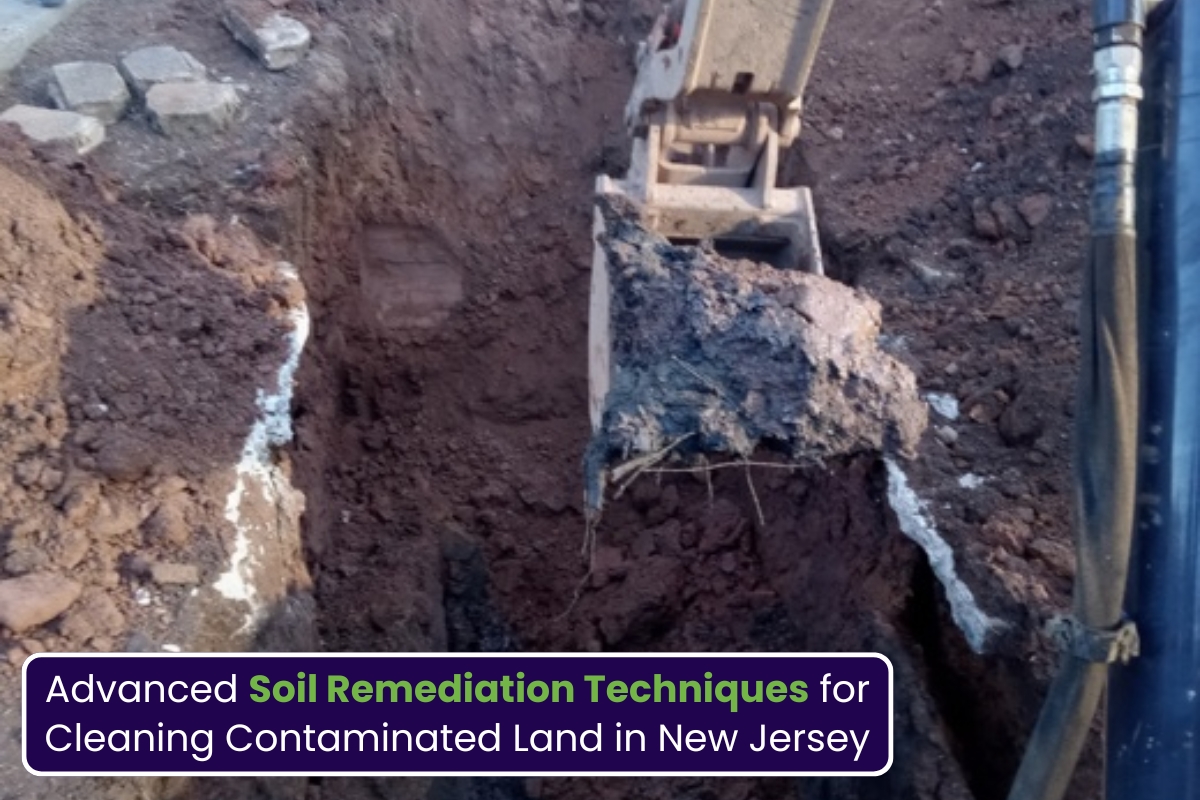
Soil contamination is a growing environmental concern across residential, commercial, and industrial properties. In a state like New Jersey, where older underground storage tanks, industrial activities, and oil leaks are common, proper soil cleanup is essential for protecting public health and the environment. Modern remediation technologies now make it possible to restore polluted land safely and efficiently while reducing environmental impact.
Advanced soil remediation techniques help remove harmful contaminants from the ground and support long-term environmental safety. Whether contamination is caused by leaking oil tanks, industrial waste, fuel spills, or hazardous chemicals, professional remediation services are designed to restore soil quality and prepare land for safe future use.
Understanding Contaminated Soil Cleanup and Why It Matters
Contaminated soil cleanup is the process of identifying, treating, and removing pollutants from soil to restore environmental safety. Soil contamination can occur from fuel leaks, industrial waste disposal, chemical spills, or aging underground tanks. If left untreated, pollutants can spread into groundwater and nearby ecosystems. Professional cleanup methods focus on reducing contamination levels while following environmental regulations. Early remediation also prevents structural damage, health risks, and long-term environmental problems.
Common Sources of Soil Contamination
-Underground oil tank leaks
-Industrial chemical spills
-Fuel storage system failures
-Improper waste disposal
-Oil spill runoff into soil
Environmental Remediation Solutions for Safer Properties
Environmental remediation involves restoring contaminated land through scientific cleanup methods. Modern environmental remediation techniques combine soil testing, contamination assessment, excavation, and treatment systems to improve land conditions safely. Today’s remediation projects prioritize environmentally responsible approaches that minimize disruption to surrounding areas. Environmental professionals use advanced tools and monitoring systems to ensure the cleanup process meets state and federal standards. Many remediation projects also include groundwater monitoring and long-term environmental assessments to prevent future contamination issues.
Soil Contamination Removal Through Advanced Technology
Modern soil contamination removal methods are more efficient than traditional excavation-only approaches. Depending on contamination severity, professionals may use a combination of biological, chemical, and thermal treatment systems. Some advanced remediation methods include:
-Bioremediation using microorganisms
-Soil vapor extraction systems
-Thermal desorption treatment
-Chemical oxidation processes
-Stabilization and solidification methods
These technologies help reduce pollutants while preserving as much natural soil structure as possible.
Land Restoration Services for Residential and Commercial Properties
Land restoration services play a major role in returning contaminated properties to safe, usable conditions. After contamination is removed, the soil may need stabilization, grading, or replacement to support future construction or landscaping. Restoration projects are important for:
-Residential developments
-Commercial properties
-Industrial redevelopment sites
-Public infrastructure projects
Professional restoration also improves property value and environmental compliance.
Polluted Soil Treatment Methods for Long-Term Results
Polluted soil treatment focuses on eliminating harmful substances while improving soil health. Different treatment approaches are selected based on the type of contaminant and the level of pollution present. Eco-conscious treatment methods are becoming increasingly popular because they reduce waste and preserve surrounding ecosystems. Many remediation experts now prioritize sustainable cleanup technologies that lower environmental impact.
Benefits of Modern Soil Treatment
-Reduced environmental damage
-Improved soil stability
-Safer groundwater conditions
-Faster cleanup timelines
-Long-term contamination control
Oil Contaminated Soil Cleanup After Tank Leaks
Oil contaminated soil cleanup is one of the most common remediation services in New Jersey due to aging underground storage tanks. Fuel leaks can spread quickly through soil layers and contaminate nearby groundwater sources. Professional cleanup teams begin by locating the source of contamination and removing affected soil. Specialized treatment methods are then used to eliminate petroleum-based pollutants. In many cases, remediation specialists also inspect surrounding structures and utilities to ensure contamination has not spread further underground.
Hazardous Soil Removal for Environmentally Sensitive Areas
Hazardous soil removal requires careful planning and compliance with environmental safety standards. Contaminated soil containing toxic substances must be handled, transported, and disposed of properly to prevent additional environmental damage. Safety measures often include:
-Controlled excavation procedures
-Air quality monitoring
-Protective containment systems
-Regulated disposal methods
Proper hazardous waste management is essential for protecting workers, nearby residents, and natural ecosystems.
Choosing Experienced Soil Cleanup Contractors in New Jersey
Hiring experienced soil cleanup contractors is critical for successful remediation projects. Qualified professionals understand local environmental regulations and use industry-approved cleanup technologies. Reliable contractors typically provide:
-Comprehensive site assessments
-Soil testing and laboratory analysis
-Customized remediation plans
-Environmental documentation support
-Post-cleanup monitoring services
If your property requires professional assistance, understanding the process of Soil Remediation in New Jersey can help property owners make informed environmental decisions and reduce future liability risks.
Underground Oil Tank Cleanup and Environmental Safety
Underground oil tank cleanup projects often involve both tank removal and soil remediation. Older tanks may corrode over time, allowing fuel to leak into surrounding soil. Professional cleanup services include:
-Tank excavation and removal
-Contaminated soil testing
-Leak source identification
-Environmental reporting
-Site restoration procedures
Proper cleanup helps property owners avoid long-term environmental complications and future property issues.
Environmental Cleanup Services Supporting Sustainable Development
Environmental cleanup services are essential for supporting sustainable land development and urban redevelopment projects. Restoring contaminated land allows communities to safely reuse properties while protecting environmental resources. Modern remediation projects focus on balancing environmental safety with sustainable development goals. This approach helps reduce waste and preserve valuable land resources.
Contaminated Land Restoration for Future Property Use
Contaminated land restoration improves the condition of polluted properties so they can be safely reused. Restoration projects often include soil replacement, vegetation recovery, erosion control, and environmental monitoring. Proper restoration creates safer conditions for:
-Homes and residential communities
-Commercial construction
-Parks and recreational spaces
-Industrial redevelopment projects
Long-term environmental monitoring also ensures restored land remains stable and safe over time.
Eco-Friendly Soil Treatment for Sustainable Soil Remediation
Eco-friendly soil treatment methods are becoming a preferred solution for many remediation projects. These sustainable soil remediation techniques reduce environmental impact while effectively removing contaminants. Green remediation methods may include:
-Biological treatment systems
-Natural soil recovery methods
-Low-emission cleanup equipment
-Soil recycling technologies
These environmentally responsible approaches support cleaner ecosystems and healthier communities.
Oil Spill Soil Cleanup and Emergency Response Planning
Oil spill soil cleanup requires immediate action to prevent contamination from spreading. Rapid response teams assess the affected area, contain the spill, and begin remediation procedures quickly. Emergency cleanup plans typically include:
-Spill containment barriers
-Soil sampling and analysis
-Pollutant removal procedures
-Site recovery monitoring
Fast response efforts help minimize environmental damage and reduce cleanup complexity.
Site Contamination Cleanup and Long-Term Environmental Protection
Site contamination cleanup is a critical step in protecting land, water, and surrounding communities from harmful pollutants. Advanced remediation technologies now allow environmental professionals to address contamination more accurately and efficiently. Long-term cleanup success depends on:
-Accurate environmental assessments
-Proper remediation planning
-Ongoing monitoring systems
-Sustainable restoration practices
Effective cleanup protects both public health and future land use opportunities.
FAQs
Q1. What is soil remediation?
Soil remediation is the process of removing or treating contaminants in soil to restore environmental safety and improve land usability.
Q2. What causes soil contamination?
Common causes include underground oil tank leaks, industrial waste disposal, fuel spills, chemical leaks, and improper hazardous waste handling.
Q3. How long does soil remediation take?
The timeline depends on the level of contamination, property size, and remediation method being used.
Q4. Is contaminated soil dangerous?
Yes. Contaminated soil can affect groundwater, nearby ecosystems, and human health if not properly treated.
Q5. What is the most eco-friendly soil remediation method?
Bioremediation is considered one of the most environmentally friendly methods because it uses natural microorganisms to break down pollutants.
Summary
Advanced remediation technologies are transforming how contaminated land is restored across New Jersey. From oil contaminated soil cleanup to eco-friendly treatment systems, modern solutions provide safer and more sustainable environmental restoration options for residential and commercial properties. Professional remediation services help property owners address contamination issues responsibly while supporting long-term environmental protection. Businesses like Simple Tank Services help property owners navigate complex cleanup projects with reliable environmental remediation expertise.