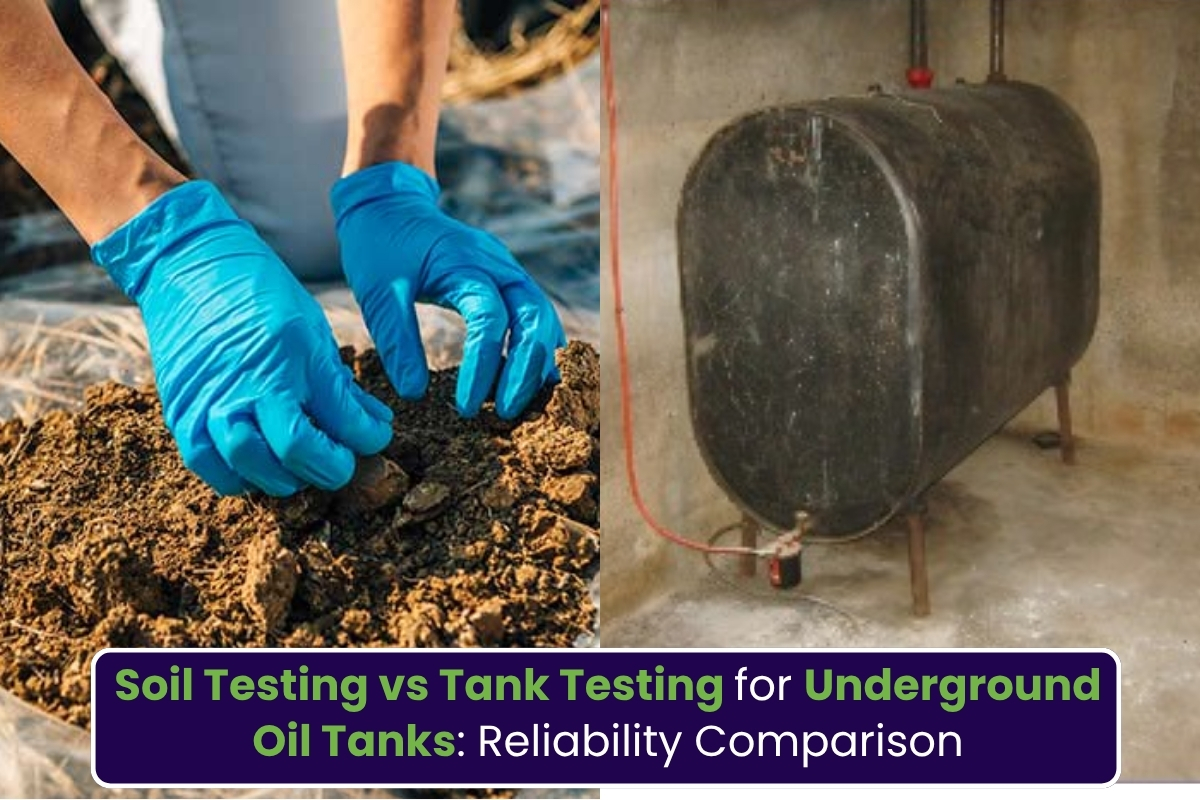
Soil Testing vs. Tank Testing: Which Method Is More Reliable for Underground Oil Tanks?

Underground oil tanks have been used for decades to store heating oil for homes and businesses. However, as these tanks age, the risk of corrosion, leaks, and environmental contamination increases significantly. Because of these risks, property owners and buyers often need reliable inspection methods to determine whether an underground tank is leaking.

Two common methods are soil testing and tank testing. While both are used during environmental inspections, they differ greatly in accuracy, reliability, and the level of assurance they provide.

Understanding the difference between these two approaches can help property owners make better decisions when evaluating underground oil tanks.

Understanding Soil Testing for Underground Oil Tanks

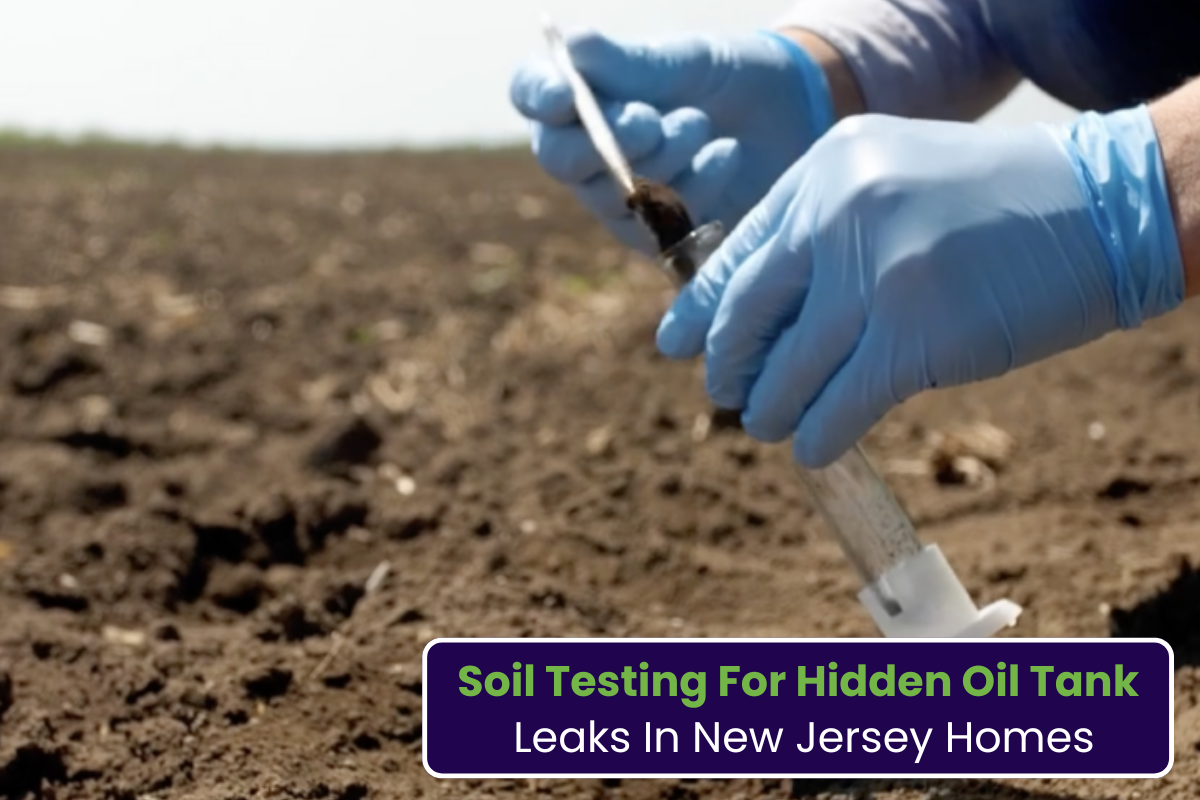
Soil testing is a method used to detect petroleum contamination in the soil surrounding an underground storage tank. This process involves collecting soil samples near the tank and analyzing them in a laboratory for signs of heating oil or petroleum products.

In many cases, environmental professionals rely on Soil Testing in New Jersey when they want a more accurate assessment of potential leakage. The presence of petroleum compounds in the surrounding soil often indicates that the tank has leaked at some point.

Unlike indirect testing methods, soil sampling directly evaluates the environment around the tank. If contamination is detected, property owners can take immediate action before the issue becomes more severe.

Because underground oil tanks can corrode from the inside out, a tank might pass pressure testing while still having small leaks that slowly contaminate the surrounding soil. Soil testing helps identify those hidden issues that other methods might miss.

What Is Tank Testing and How Does It Work?

Underground Oil Tank Testing Methods

Tank testing generally involves pressure testing or electronic monitoring systems to determine whether the tank is currently holding pressure. The idea behind this process is simple: if the tank maintains pressure, it is assumed to be structurally sound.

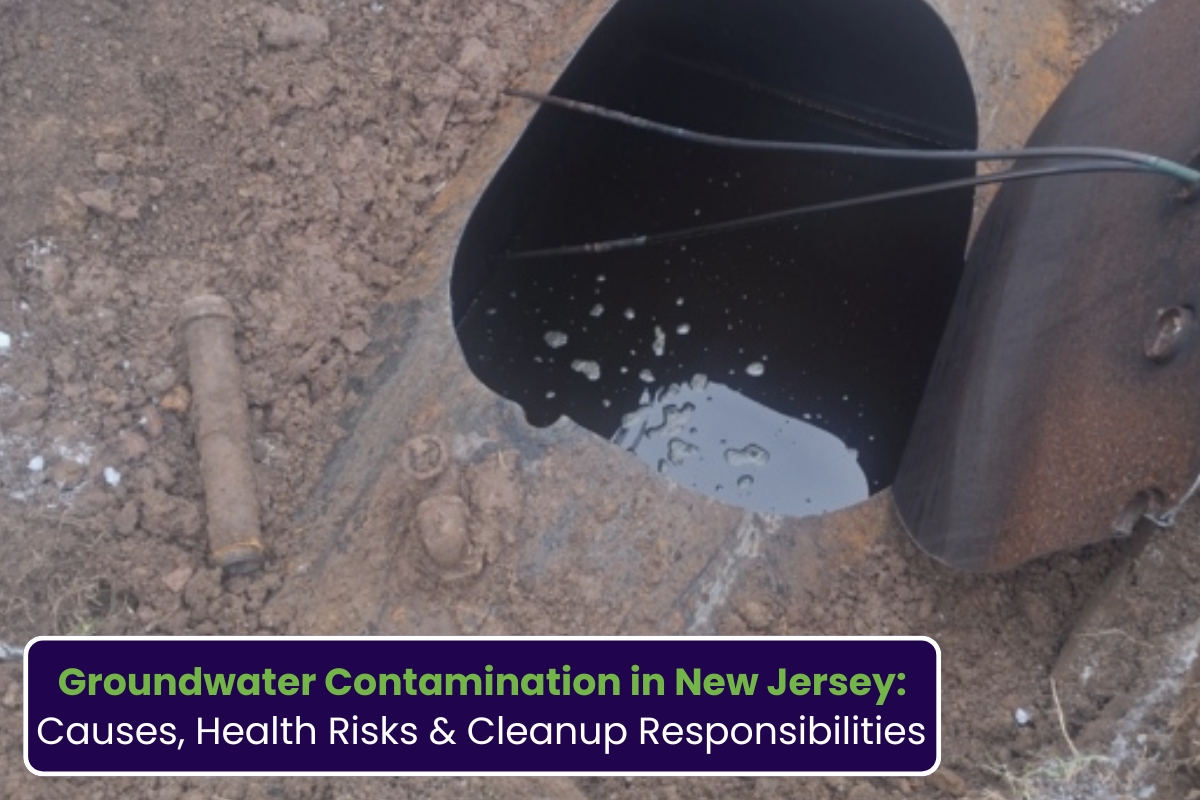
However, the reliability of these underground oil tank testing methods has been debated within the environmental industry. Tanks may pass pressure tests even if corrosion has already occurred, especially if leaks are extremely small or intermittent.

Pressure testing also evaluates the tank itself rather than the surrounding environment. This means contamination could already exist in the soil even if the tank appears to be intact during testing.

Because of these limitations, many environmental professionals consider tank testing to be a preliminary screening tool rather than a definitive confirmation of safety.

Why Soil Sampling Provides More Reliable Results

Environmental Soil Contamination Testing

One of the biggest advantages of soil testing is that it directly evaluates whether petroleum contamination is present in the environment. Environmental soil contamination testing allows inspectors to analyze soil samples for hydrocarbons, providing clear evidence of leakage if contamination exists.

If petroleum compounds are detected, it confirms that a leak has occurred at some point. This level of certainty is something tank pressure tests often cannot provide.

In many real estate transactions, buyers request Soil Testing in New Jersey because it offers greater peace of mind compared to tank testing alone. A laboratory analysis of soil samples gives a more complete picture of environmental risk.

Additionally, soil testing can identify historical leaks that may no longer be active but still require remediation. Detecting these issues early helps prevent expensive environmental cleanup problems later.

The Risks of Relying Only on Tank Testing

Heating Oil Tank Inspection

A typical heating oil tank inspection may involve visual evaluation, pressure testing, and electronic leak detection. While these inspections can provide useful information, they may not reveal past leaks that already contaminated the soil.

For example, if a tank leaked years ago but corrosion sealed the opening afterward, the tank could still pass a pressure test today. However, contamination may already exist beneath the ground.

This is why many environmental consultants recommend soil sampling in addition to tank testing. The goal is to evaluate both the structural integrity of the tank and the condition of the surrounding environment.

By combining multiple inspection approaches, property owners can reduce uncertainty and better understand potential environmental risks.

When Soil Testing Is the Preferred Method

Soil testing is often recommended in situations such as:

-Real estate transactions involving older homes

-Properties with undocumented underground tanks

-Sites where tank age and maintenance history are unknown

-Areas with visible signs of oil leakage or staining

Because underground tanks installed decades ago were often made from unprotected steel, corrosion is common. As these tanks deteriorate, even small leaks can lead to significant contamination over time.

In these cases, petroleum contamination soil analysis becomes essential for identifying whether environmental damage has already occurred.

Laboratory testing provides measurable results, allowing environmental professionals to determine the level of contamination and recommend the appropriate course of action.

Which Method Is Ultimately More Reliable?

When comparing the two methods, soil testing is generally considered more reliable for detecting environmental contamination.

Tank testing evaluates whether the tank currently holds pressure, but it cannot confirm whether leaks have occurred in the past. Soil testing, on the other hand, directly examines the environment where contamination would appear.

Because of this, many environmental experts recommend using soil testing as the primary method when investigating underground oil tanks.

Property owners should also remember that environmental regulations and insurance requirements may vary by state. Choosing the right inspection method can help prevent costly surprises and ensure compliance with environmental guidelines.

FAQs

Q1. What is the main difference between soil testing and tank testing?

Soil testing analyzes the surrounding soil for petroleum contamination, while tank testing evaluates whether the tank can hold pressure without leaking.

Q2. Why is soil testing considered more reliable?

Soil testing directly detects contamination in the environment, making it more accurate for identifying both current and past leaks.

Q3. When should underground oil tanks be tested?

Testing is recommended during property sales, when tanks are old, or when there is uncertainty about the tank’s condition.

Q4. Can a tank pass testing even if it has leaked before?

Yes. A tank may pass pressure testing even if a leak occurred previously and contamination already exists in the soil.

Q5. Who should perform soil testing for underground tanks?

Licensed environmental professionals or certified testing companies should conduct soil sampling and laboratory analysis.

Summary

When evaluating underground oil tanks, accuracy is critical. Soil testing provides direct evidence of contamination, while tank testing focuses primarily on structural integrity. For property owners seeking a reliable assessment, soil testing often offers the clearest answers.

By identifying contamination early, property owners can protect their investments, avoid environmental liabilities, and ensure safer property transactions. Industry experts, including insights highlighted by Simple Tank Services , often emphasize that thorough environmental evaluation is the key to reducing long-term risks associated with aging underground oil tanks.
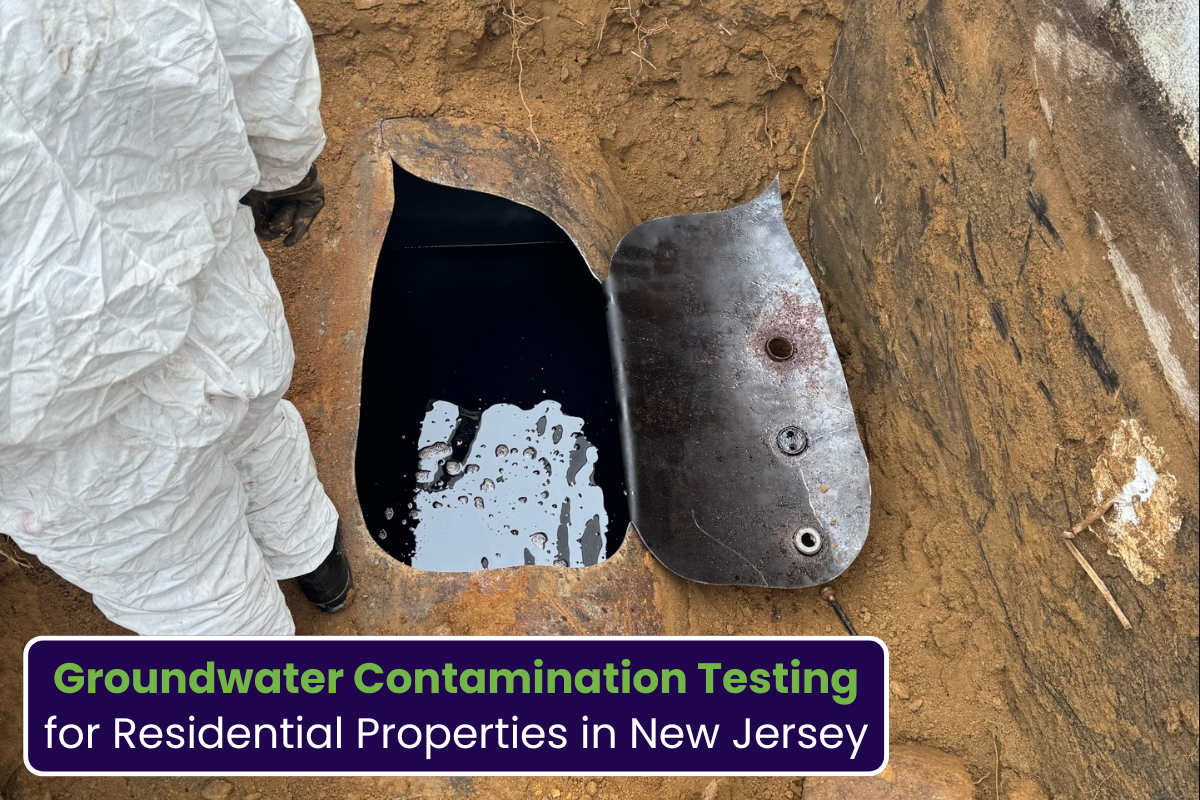
What Homeowners Should Know About Groundwater Contamination in New Jersey

Groundwater is one of the most important natural resources for homeowners and communities. It supplies drinking water, supports ecosystems, and plays a major role in maintaining environmental balance. However, pollution from underground sources, aging infrastructure, and leaking tanks can affect water quality over time.

For many homeowners, understanding the risks associated with Groundwater Contamination in New Jersey is essential. The state has a long history of residential heating oil tanks and industrial activity, both of which can contribute to groundwater issues if not properly managed. Knowing the causes, warning signs, and prevention strategies can help protect both property value and environmental safety.

Understanding Groundwater and Why It Matters

Groundwater is water stored beneath the earth’s surface in soil and rock layers called aquifers. Many homes rely on groundwater sources for drinking water, irrigation, and household use. When contaminants enter the soil, they can eventually reach these aquifers.

Once pollution reaches groundwater, it can spread slowly through the soil and remain for years if not properly addressed. This makes early detection and prevention extremely important for homeowners.

Contamination often begins with small issues such as underground oil tank leaks, chemical spills, or improper disposal of hazardous materials. Over time, these pollutants seep into the soil and move toward groundwater reserves.

Common Causes of Groundwater Issues in Residential Areas

Underground Oil Tank Leaks

Many homes built decades ago used heating oil stored in underground tanks. While these tanks were once common, older systems can corrode and eventually leak into surrounding soil.

When a leak occurs, heating oil can travel through the soil and eventually affect nearby water sources. This is one of the most common environmental concerns for homeowners dealing with older heating systems.

Improper Waste Disposal

Certain household chemicals, cleaning agents, and oils can also contribute to groundwater pollution when they are disposed of incorrectly. Over time, these substances accumulate in soil layers and move deeper into the ground.

Construction and Land Development

Excavation and land disturbance can expose contaminated soil or release pollutants trapped underground. This can accelerate the spread of pollutants into water sources if environmental safety procedures are not followed.

Signs That May Indicate Environmental Risks for Homeowners

Detecting groundwater issues early can prevent larger environmental and financial problems later. Homeowners should watch for warning signs that may indicate soil or groundwater concerns.

Some common indicators include:

-Strong petroleum or chemical odors around the property

-Oil stains or discolored soil near tank locations

-Changes in water taste or smell

-Unexpected vegetation damage in certain areas of the yard

-Discovery of an abandoned oil tank during property inspections

These warning signs often signal potential environmental risks for homeowners that should be investigated by professionals.

The Importance of Soil Testing for Oil Tanks

When an underground heating tank is suspected of leaking, professional soil testing for oil tanks is one of the most reliable ways to determine whether contamination has occurred.

This testing process involves collecting soil samples from areas around the tank and analyzing them for petroleum compounds or other pollutants. The results help determine whether contamination is present and what steps are needed to resolve the issue.

Accurate testing is especially important during property sales or renovations, as environmental concerns can affect permits, insurance coverage, and property value.

Many homeowners concerned about Groundwater Contamination in New Jersey choose professional testing to confirm whether their property is environmentally safe.

Why Oil Tank Removal in New Jersey Is Often Recommended

Older underground tanks pose a long-term risk even if they have not yet leaked. Over time, corrosion weakens metal tanks and increases the chance of failure.

Because of this, oil tank removal in New Jersey has become a common solution for homeowners looking to eliminate potential environmental risks.

Removing an outdated tank provides several benefits:

-Reduces the chance of soil contamination

-Improves property resale value

-Prevents costly environmental cleanup in the future

-Helps ensure compliance with local regulations

Professional removal services safely extract the tank and evaluate the surrounding soil to confirm whether contamination exists.

Steps Homeowners Can Take to Protect Their Property

Preventing groundwater problems is far easier and less expensive than dealing with environmental cleanup later. Homeowners can take several proactive steps to protect their property.

Schedule Regular Inspections
If a property has an underground tank or previously had one, routine inspections help identify potential issues before they become serious problems.

Test Soil When Buying a Property
Environmental testing during real estate transactions helps ensure buyers are aware of any potential risks before completing the purchase.

Dispose of Chemicals Safely
Proper disposal of oils, fuels, and household chemicals prevents pollutants from entering the soil.

Work with Licensed Environmental Professionals
Environmental specialists can evaluate risk levels and recommend solutions that meet state regulations.

Why Professional Services Are Important

Environmental concerns related to tanks and soil contamination require specialized expertise and equipment. Attempting to handle the issue without professional assistance can lead to inaccurate results or incomplete cleanup.

Experienced environmental professionals understand state regulations, testing procedures, and proper removal methods. Their services help homeowners address issues efficiently while ensuring environmental safety.

Frequently Asked Questions

Q1. What causes groundwater contamination near residential homes?

Common causes include leaking underground oil tanks, improper chemical disposal, industrial pollutants, and aging infrastructure that allows contaminants to seep into soil.

Q2. How do homeowners know if their property may be contaminated?

Warning signs may include petroleum odors, unusual soil discoloration, or discovery of old underground tanks during inspections.

Q3. Is soil testing necessary before removing an underground oil tank?

Yes. Soil testing helps determine whether contamination has occurred and identifies the extent of the problem before removal or remediation begins.

Q4. Can groundwater contamination affect property value?

Yes. Environmental contamination can reduce property value and complicate real estate transactions if it is not properly addressed.

Q5. What is the safest way to handle an old underground oil tank?

The safest approach is professional inspection, environmental testing, and certified tank removal to ensure the property meets environmental safety standards.

Summary

Groundwater protection is an important responsibility for homeowners, especially in regions with older infrastructure and underground heating systems. Understanding the causes and warning signs of contamination allows property owners to act early and prevent long-term environmental damage.

Professional inspections, soil testing, and safe tank removal all play a key role in protecting both property and local water sources. Companies like Simple Tank Services help homeowners identify risks, perform environmental testing, and ensure safe tank removal when necessary. Taking proactive steps today can prevent costly environmental problems and help maintain safe groundwater for future generations.

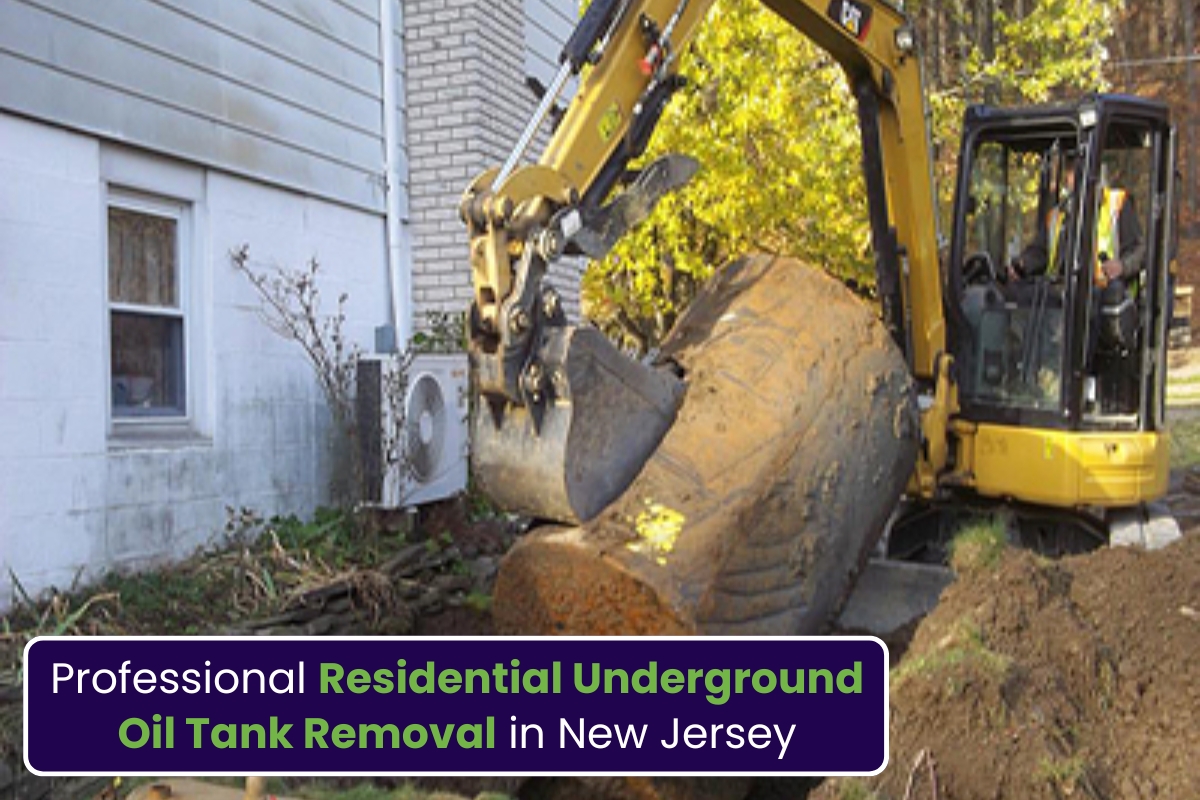
How Professionals Safely Remove Residential Underground Oil Tanks in New Jersey

Underground oil tanks were commonly installed in residential properties decades ago to store heating oil. While these tanks once served as a reliable energy source, many have now reached the end of their lifespan. Old tanks can corrode, leak, and contaminate surrounding soil, creating environmental risks and potential property value issues.

Because of these risks, property owners increasingly rely on professional services for residential oil tank removal. Licensed experts follow strict safety procedures, environmental regulations, and specialized removal techniques to ensure the process is completed properly.

In this guide, we will explain how professionals safely remove underground oil tanks from residential properties, what steps are involved, and why hiring experienced contractors is essential.

Why Removing Old Underground Oil Tanks Is Important

Many underground heating oil tanks installed in the 1950s–1980s were made of steel. Over time, steel tanks naturally corrode when exposed to soil moisture and environmental conditions. Once corrosion begins, small cracks can develop and allow oil to leak into surrounding soil.

These leaks can lead to several problems for homeowners:

-Soil contamination around the tank area

-Environmental hazards that require remediation

-Reduced property value during home sales

-Legal and regulatory concerns in some areas

For these reasons, homeowners often schedule Oil Tank Removal in New Jersey when upgrading heating systems, preparing a property for sale, or addressing aging infrastructure.

Professional removal ensures the tank is extracted safely while preventing further environmental impact.

Initial Property Inspection Before Residential Oil Tank Removal

Before any work begins, experienced technicians conduct a detailed inspection of the property. This evaluation helps determine the tank’s exact location, size, and condition.

During the inspection phase, professionals typically:

-Use tank locating equipment or historical property records

-Identify potential soil contamination risks

-Review environmental guidelines and permits

-Evaluate accessibility for excavation equipment

This preparation stage is critical because it helps contractors design a safe and efficient underground oil tank removal process. Proper planning minimizes unexpected complications during excavation.

In many cases, contractors also review local environmental regulations to ensure every step meets compliance standards.

The Underground Oil Tank Removal Process

Removing a buried heating oil tank requires specialized procedures to ensure safety and environmental protection. The underground oil tank removal process typically follows a structured sequence.

1. Site Preparation

The removal area is marked and secured to prevent accidental damage to nearby utilities or landscaping. Contractors also prepare safety barriers and protective equipment.

2. Tank Pumping and Cleaning

Before excavation begins, any remaining oil or sludge inside the tank must be safely removed. Professionals use pumping equipment to extract fuel and dispose of it according to environmental guidelines.

Cleaning the tank helps reduce fire hazards and contamination risks during removal.

3. Excavation Around the Tank

Heavy equipment or manual excavation is used to carefully expose the underground tank. Contractors dig around the tank while protecting nearby structures, foundations, and utility lines.

4. Tank Removal

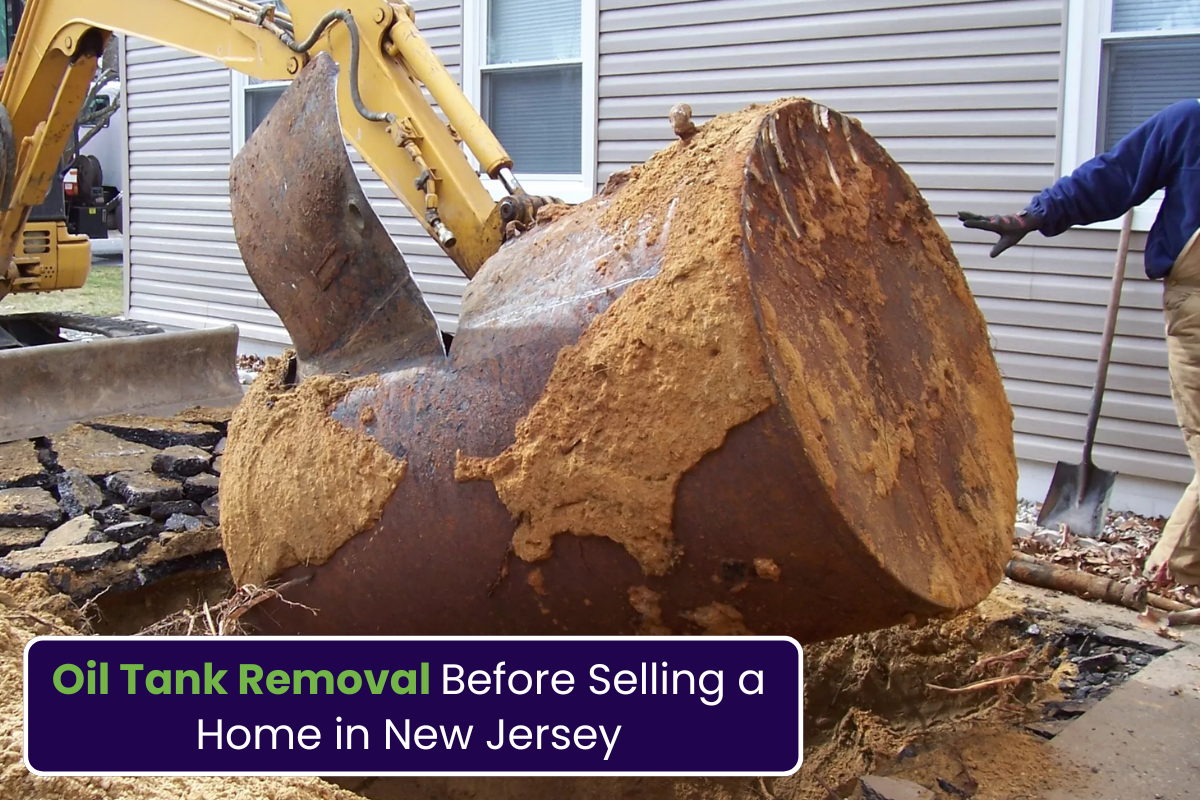
Once the tank is fully exposed, lifting equipment is used to remove it from the ground. The tank is then transported to an approved recycling or disposal facility.

5. Soil Testing

After removal, soil samples are collected and tested to ensure no oil contamination remains. If contamination is detected, remediation procedures may be required.

This structured approach ensures safety while minimizing environmental impact.

Environmental Protection and Soil Safety

Environmental protection is one of the most important parts of oil tank removal. Even small leaks can create long-term contamination issues if not addressed quickly.

Professional oil tank removal contractors follow strict environmental guidelines to protect surrounding soil and groundwater.

Key safety measures include:

-Using containment systems during removal

-Preventing fuel spills during pumping

-Conducting soil testing after excavation

-Properly disposing of tanks and fuel residue

These precautions ensure that properties remain environmentally safe after the tank removal process.

Understanding the Underground Oil Tank Removal Cost

Homeowners often ask about the underground oil tank removal cost before scheduling the service. While prices vary depending on property conditions, several factors influence the overall cost.

Common factors include:

-Tank size and capacity

-Depth of the underground tank

-Accessibility for excavation equipment

-Soil contamination or remediation needs

-Local disposal and recycling fees

In many cases, residential tank removal projects follow a fixed pricing structure that includes excavation, tank removal, soil testing, and disposal.

Working with experienced contractors helps ensure homeowners receive accurate estimates and avoid unexpected costs during the project.

Choosing Reliable Oil Tank Removal Contractors

Selecting the right professionals is critical when removing underground heating oil tanks. Experienced oil tank removal contractors understand environmental regulations, safety procedures, and excavation techniques required for residential properties.

When choosing a contractor, homeowners should look for:

-Proper licensing and insurance

-Experience with residential oil tank removal projects

-Knowledge of environmental regulations

-Clear project estimates and timelines

Qualified professionals ensure that the removal process is completed safely while protecting both the property and the surrounding environment.

When Should Homeowners Consider Oil Tank Removal?

There are several situations where removing an underground oil tank becomes necessary.

Common reasons include:

-The tank is over 30–40 years old

-The property is being prepared for sale

-A heating system upgrade is planned

-Signs of leakage or corrosion are present

Many homeowners schedule Oil Tank Removal in New Jersey during property upgrades or real estate transactions to prevent future environmental liabilities.

Removing aging tanks early can prevent larger and more expensive problems later.

Benefits of Professional Residential Oil Tank Removal

Hiring professionals offers several important advantages compared to attempting removal without expertise.

Environmental Compliance

Professionals understand environmental regulations and ensure all procedures meet state guidelines.

Property Value Protection

Removing outdated tanks can increase buyer confidence during property sales.

Safety and Risk Reduction

Experts use proper equipment and procedures to avoid accidents or environmental hazards.

Efficient Project Completion

Experienced crews complete the work quickly while minimizing disruption to the property.

These benefits make professional services the safest option for handling underground oil tanks.
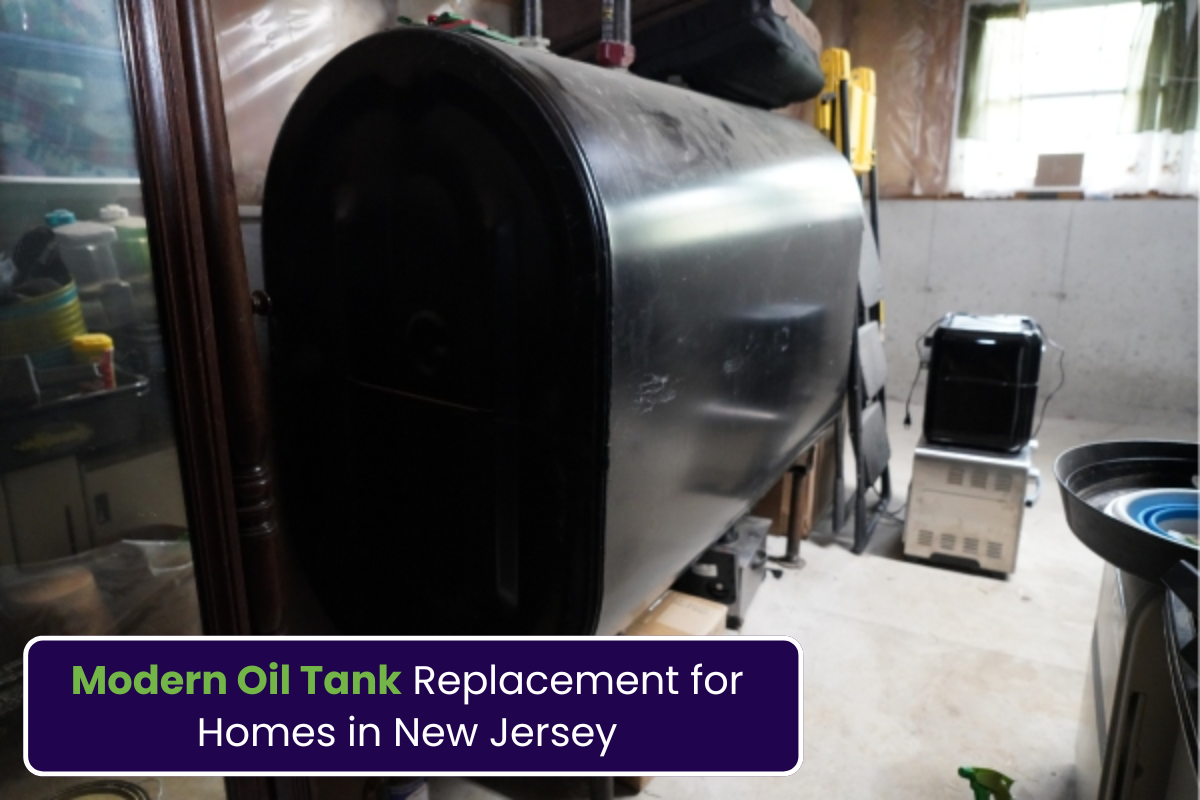
Summary

Removing aging underground oil tanks is an important step for protecting residential properties, the environment, and property value. The process requires careful planning, proper equipment, and strict safety procedures.

From inspection and excavation to soil testing and disposal, trained professionals manage each stage of the project to ensure environmental protection and regulatory compliance.

For homeowners dealing with older heating oil systems, scheduling Oil Tank Removal in New Jersey helps prevent leaks, eliminate environmental risks, and maintain a safe property.

Working with experienced contractors ensures the tank removal process is handled efficiently and responsibly.

Why Soil Investigation Matters After Underground Oil Tank Removal in New Jersey

Removing an underground oil tank from a residential property is an important step in protecting both the environment and the safety of the property. Many homes built decades ago used underground tanks to store heating oil, but over time these tanks can deteriorate, leak, and contaminate the surrounding soil.

While the removal of the tank itself is a critical task, the work does not end there. After the tank is removed, professionals often perform soil testing to determine whether any petroleum products leaked into the ground. This step helps property owners understand the condition of their property and ensures that any contamination is identified and addressed quickly.

A proper Soil Investigation in New Jersey helps homeowners confirm whether the soil is safe or if additional remediation is needed. Without this investigation, hidden contamination could remain undetected and create problems in the future.

In this guide, we will explain why soil investigation is essential after underground tank removal, how the process works, and how it protects both property owners and the environment.

Understanding the Underground Oil Tank Removal Process

Before discussing soil testing, it is helpful to understand the underground oil tank removal process. Many older homes still have buried heating oil tanks that were installed decades ago. Over time, corrosion can weaken the metal and cause leaks.

During the removal process, professionals typically:

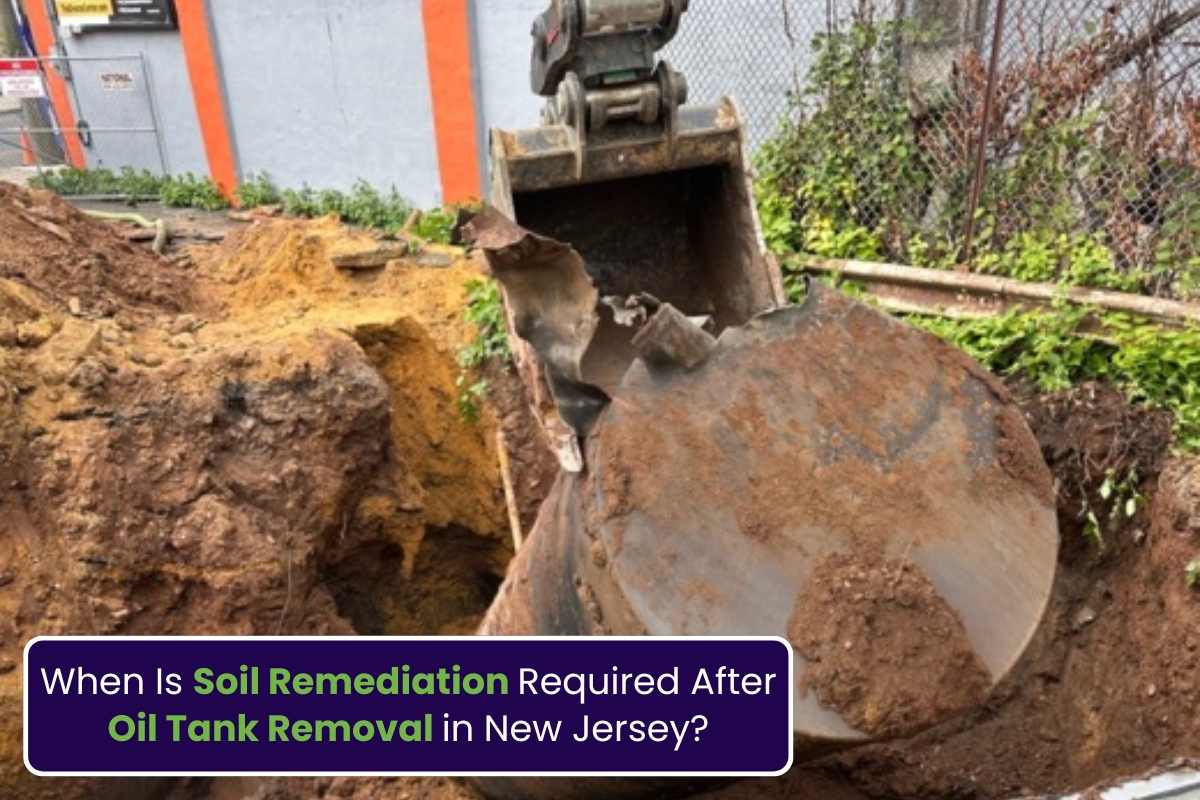
-Locate and expose the buried tank

-Pump out any remaining oil or sludge

-Carefully remove the tank from the ground

-Inspect the tank for signs of corrosion or leaks

-Collect soil samples from the excavation area

This process allows technicians to determine whether oil has leaked into the surrounding soil. If contamination is suspected, further testing will be required to evaluate the extent of the issue.

Even if the tank appears intact, soil testing is still recommended because small leaks can occur over time without obvious signs.

Why Soil Testing Is Important After Tank Removal

Identifying Hidden Soil Contamination

One of the biggest concerns with underground tanks is the possibility of slow leaks that go unnoticed for years. Oil can seep into the surrounding soil and spread beyond the immediate area of the tank.

Through environmental soil testing, technicians analyze soil samples to detect petroleum hydrocarbons and other contaminants. This testing provides a clear picture of whether contamination exists and how far it may have spread.

Early detection allows for faster remediation and prevents contamination from affecting groundwater or nearby properties.

Protecting Property Value

Undetected soil contamination can significantly impact the value of a property. When buyers discover that a property once had an underground tank, they often request proof that the site is safe.

A documented Soil Investigation in New Jersey provides reassurance that the property has been properly inspected after tank removal. This documentation can help property owners avoid delays or complications when selling their home.

In many cases, having professional reports available makes the real estate transaction smoother and more transparent.

Environmental Protection and Safety

Oil leaks do more than damage property. They can also affect nearby ecosystems and water sources.

If petroleum products enter the soil, they may eventually reach groundwater or drainage systems. This can harm plants, wildlife, and even drinking water supplies.

A soil contamination inspection helps determine whether the soil surrounding the removed tank has been affected. If contamination is found, remediation professionals can remove or treat the affected soil before the issue spreads further.

This step protects not only the property owner but also the surrounding community.

Compliance With Local Environmental Regulations

In many areas, environmental regulations require proper documentation after underground tank removal. These regulations are designed to ensure that contaminated soil does not remain untreated.

Local authorities may require soil sampling reports or environmental documentation before closing permits or approving property sales.

By conducting a soil investigation after the tank removal, property owners can demonstrate compliance with environmental standards and avoid potential legal or financial complications.

Working with experienced professionals ensures that the process follows proper environmental guidelines and reporting procedures.

How Soil Investigation Is Conducted

A soil investigation is a systematic process carried out by environmental professionals. The goal is to evaluate soil conditions around the former tank location.

The typical process includes:

Site Assessment

Technicians examine the excavation area and surrounding ground to identify possible contamination zones.

Soil Sampling

Samples are collected from different depths and locations around the tank pit.

Laboratory Testing

The soil samples are sent to certified laboratories where they are tested for petroleum hydrocarbons and other contaminants.

Results and Evaluation

The results determine whether contamination exists and whether remediation is necessary.

This detailed analysis helps property owners understand the true condition of the soil beneath their property.

The Role of Soil Investigation in Residential Oil Tank Removal

When performing residential oil tank removal, professionals often combine tank extraction with soil analysis. This integrated approach ensures that any environmental concerns are addressed immediately.

If contamination is discovered, remediation specialists may remove contaminated soil, treat the affected area, or recommend further environmental monitoring.

By addressing these issues early, homeowners can prevent more expensive environmental problems in the future.

Additionally, documenting soil conditions after tank removal helps maintain transparency for future property transactions.

Preventing Future Environmental Problems

A proper soil investigation does more than confirm the presence of contamination. It also helps prevent future environmental issues.

If contamination is identified early, remediation can stop pollutants from spreading deeper into the soil or reaching groundwater systems.

This proactive approach protects both property owners and nearby communities from long-term environmental damage.

Professional environmental services play a critical role in maintaining safe residential and commercial properties.

FAQs

Q1. Why is soil testing necessary after underground oil tank removal?

Soil testing helps determine whether oil leaked from the tank and contaminated the surrounding soil.

Q2. How long does soil investigation take?

Most soil testing processes take a few days to complete, including laboratory analysis of soil samples.

Q3. Can oil tank leaks affect groundwater?

Yes, if contamination spreads through the soil, it can potentially reach groundwater sources.

Q4. Is soil investigation required before selling a property?

Many buyers and lenders request soil testing documentation to confirm the property is free from contamination.

Q5. What happens if contaminated soil is found?

Environmental professionals may remove the contaminated soil or apply remediation techniques to clean the affected area.

Summary

Removing an underground oil tank is only part of the process of protecting a property. After the tank is removed, soil testing helps determine whether any contamination has occurred and whether remediation is necessary.

A thorough soil investigation provides important environmental information, protects property value, and ensures compliance with environmental regulations. Property owners who take this step can move forward with confidence knowing that their land is safe.

Professional services such as Simple Tank Services help property owners complete the tank removal and soil testing process efficiently and responsibly, ensuring that both safety and environmental standards are met.

How Soil Remediation Helps Protect Groundwater from Contamination

Groundwater is one of the most important natural resources on our planet. It provides drinking water for millions of people, supports agriculture, and maintains ecosystems. However, when soil becomes contaminated by hazardous substances such as petroleum products, industrial waste, or chemicals, those pollutants can eventually seep into groundwater supplies. Once groundwater becomes contaminated, it is extremely difficult and expensive to restore.

This is why soil remediation plays a vital role in environmental protection. By identifying, removing, or neutralizing pollutants in the soil, remediation efforts help prevent contamination from spreading into underground water sources. Effective remediation strategies not only restore land quality but also ensure long-term environmental safety for communities and businesses.

Understanding Soil Remediation and Why It Matters

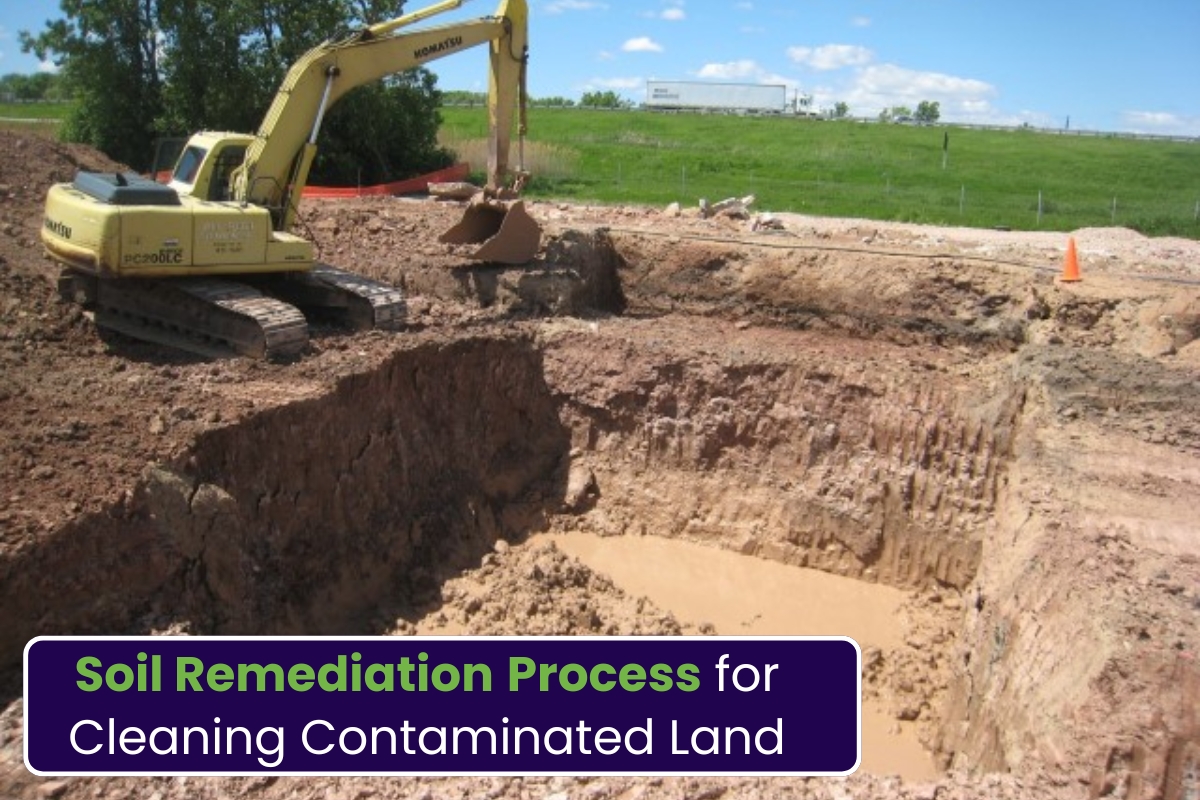
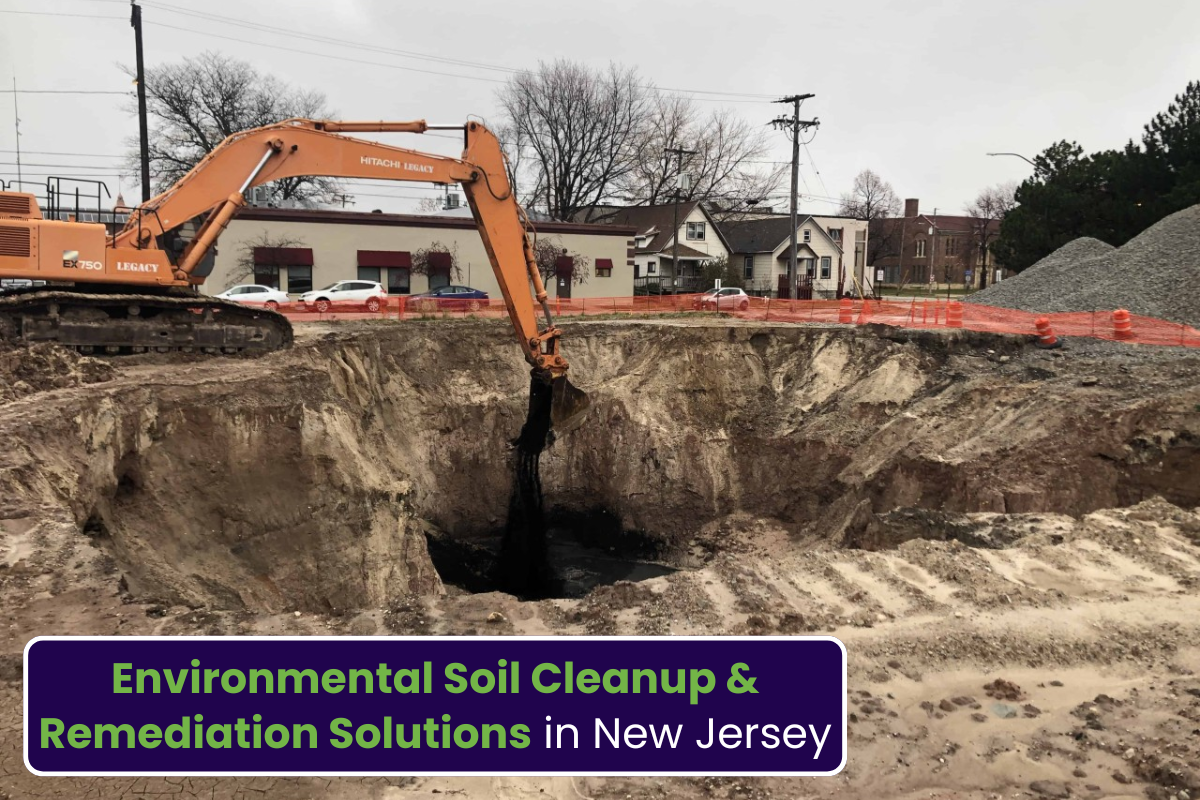
Soil remediation refers to the process of cleaning up contaminated soil so that it becomes safe for the environment and human use again. Pollution can enter the soil through leaking storage tanks, chemical spills, industrial operations, or improper waste disposal. Over time, these contaminants move through the soil layers and can reach groundwater aquifers.

Professional environmental teams use advanced testing and treatment techniques to detect pollutants and determine the most effective cleanup strategy. In many regions, including areas that require Soil remediation in New Jersey, environmental regulations ensure that contaminated land is treated properly before redevelopment or construction begins.

The goal of remediation is not just removing pollutants but also restoring soil health and preventing contamination from migrating further into the ecosystem.

How Contaminants Travel from Soil to Groundwater

Groundwater contamination often begins with pollutants entering the soil surface. Rainfall, irrigation, or natural soil permeability can carry these contaminants deeper into the ground.

Several factors influence how quickly pollutants move through soil:

-Soil composition and permeability

-The type of contaminant present

-Rainfall and groundwater movement

-Depth of the water table

When harmful substances penetrate soil layers, they can dissolve in water and migrate into underground aquifers. This process threatens drinking water systems, agricultural irrigation, and natural habitats.

By addressing contamination at the soil level, remediation prevents pollutants from reaching groundwater in the first place.

Key Methods Used in Soil Remediation

Environmental professionals use a variety of remediation techniques depending on the type and severity of contamination. These methods focus on removing pollutants, stabilizing them, or breaking them down into harmless compounds.

Excavation and Removal

This method involves physically removing contaminated soil and transporting it to approved disposal facilities. It is often used when pollution levels are high or localized.

Bioremediation

Bioremediation uses naturally occurring microorganisms to break down contaminants such as petroleum products and organic chemicals. This environmentally friendly approach reduces pollution without causing additional environmental harm.

Chemical Treatment

Chemical agents can neutralize or transform contaminants into less harmful substances. This approach is commonly used in industrial pollution cases.

Soil Vapor Extraction

This technique removes volatile contaminants from the soil by applying a vacuum system that extracts polluted vapors from underground.

Each of these techniques contributes to effective groundwater contamination prevention by stopping pollutants before they reach aquifers.

The Role of Environmental Site Cleanup in Protecting Water Sources

One of the most important steps in addressing contaminated land is conducting a thorough environmental site cleanup. This process begins with environmental assessments that identify the source and extent of pollution.

Environmental experts analyze soil samples, groundwater data, and historical site activities to determine contamination risks. Once the assessment is complete, a remediation plan is developed to remove pollutants and restore the land.

Environmental cleanup not only protects groundwater but also allows properties to be safely redeveloped for residential, commercial, or industrial use.

Why Soil Contamination Treatment Is Essential for Communities

When land becomes polluted, the consequences extend far beyond the immediate area. Contaminants can spread underground and affect nearby wells, streams, and ecosystems.

Proper soil contamination treatment ensures that pollutants are removed before they cause long-term environmental damage. This is especially important for communities that rely heavily on groundwater for drinking water supplies.

Effective treatment also helps property owners meet environmental regulations and avoid legal or financial liabilities associated with contaminated land.

Long-Term Benefits of Groundwater Protection

Protecting groundwater through soil remediation offers several important benefits:

Improved Public Health

Contaminated groundwater can expose communities to harmful chemicals and toxins. Removing pollution from soil reduces this risk and protects public health.

Environmental Sustainability

Healthy soil supports plant life, wildlife habitats, and natural ecosystems. Remediation helps restore ecological balance.

Safe Property Development

Remediated land can be safely used for construction, agriculture, or commercial projects without environmental concerns.

Regulatory Compliance

Environmental laws require proper cleanup of contaminated land. Remediation ensures compliance and avoids penalties.

In regions where environmental protection standards are strict, including areas requiring Soil remediation in New Jersey, professional remediation services help property owners meet regulatory requirements while protecting natural resources.

The Importance of Professional Remediation Services

Soil remediation requires technical expertise, specialized equipment, and knowledge of environmental regulations. Professional remediation companies conduct detailed site assessments, select the appropriate treatment method, and ensure that contamination is fully addressed.

Experts also monitor groundwater conditions after remediation to confirm that pollutants are no longer spreading underground.

Without professional intervention, contaminated soil can continue to pose environmental risks for years. Proper remediation ensures that land is restored safely and responsibly.

FAQ

Q1. What is soil remediation?

Soil remediation is the process of removing or neutralizing contaminants in soil to restore it to a safe and usable condition.

Q2. Why is groundwater protection important?

Groundwater supplies drinking water, supports agriculture, and sustains ecosystems. Protecting it from contamination is essential for public health.

Q3. What causes soil contamination?

Common causes include leaking fuel tanks, chemical spills, industrial waste, and improper disposal of hazardous materials.

Q4. How long does soil remediation take?

The timeline varies depending on contamination levels, site size, and the remediation method used. Some projects take weeks while others may require months.

Q5. Can contaminated soil affect nearby water wells?

Yes. If pollutants seep through the soil into groundwater aquifers, nearby wells and water supplies can become contaminated.

Summary

Protecting groundwater is essential for public health, agriculture, and environmental sustainability. When soil becomes contaminated, pollutants can slowly migrate underground and threaten water supplies. Soil remediation plays a critical role in preventing this process by removing or neutralizing harmful substances before they spread.

Through effective environmental cleanup strategies such as excavation, bioremediation, and chemical treatment, contaminated land can be restored to a safe condition. Professional remediation services ensure that environmental regulations are met and groundwater resources remain protected for future generations.

For property owners and businesses dealing with contamination concerns, working with experienced providers like Simple Tank Services ensures that remediation is handled efficiently and responsibly while protecting both soil and groundwater quality.

How Does Professional Soil Testing in New Jersey Help Detect Soil Contamination?

Soil contamination is a serious environmental concern that can affect property safety, groundwater quality, and overall land usability. In regions like New Jersey—where residential, commercial, and industrial developments have existed for decades—hidden soil pollutants are more common than many property owners realize. Contaminants may come from leaking underground oil tanks, chemical spills, construction debris, or historical industrial activity.

This article explains how professional soil testing in New Jersey helps detect soil contamination, why it is important for property owners, and how modern testing methods identify pollutants such as oil leaks and chemical residues.

Why Soil Contamination Is a Concern in New Jersey

New Jersey has a long history of residential development, manufacturing, transportation infrastructure, and fuel storage. Because of this, many properties may contain contaminants left behind from older systems such as underground oil tanks, industrial equipment, or previous land use. Common sources of soil contamination include:

-Leaking underground heating oil tanks

-Fuel storage systems and pipelines

-Industrial chemical spills

-Improper waste disposal

-Agricultural chemicals and pesticides

-Construction debris or hazardous materials

When these contaminants seep into the soil, they can spread through the ground and potentially reach groundwater sources. This creates risks not only for the environment but also for homeowners, buyers, and developers.

Soil Contamination Testing and Environmental Risk Assessment

Soil contamination testing is the process of collecting soil samples and analyzing them in a certified laboratory to determine whether harmful substances are present. Environmental specialists conduct this testing using strict procedures to ensure accuracy and reliability.

The process usually begins with a site evaluation. Experts review the property’s history to identify potential contamination risks. For example, older homes may have previously used underground heating oil tanks, while commercial sites may have handled industrial chemicals.

Once potential risk areas are identified, technicians collect soil samples from multiple locations on the property. These samples are carefully labeled and sent to environmental laboratories where they are tested for contaminants such as:

-Petroleum hydrocarbons

-Heavy metals

-Chemical solvents

-Industrial compounds

-Organic pollutants

The laboratory analysis reveals whether contamination exists and how severe it may be. Based on these results, environmental professionals can recommend the next steps, such as soil remediation or further investigation. This process ensures that property owners have a clear understanding of environmental conditions before construction, renovation, or property transactions.

Professional Soil Testing for Accurate Environmental Evaluation

Professional soil testing is far more comprehensive than basic soil checks. Certified environmental specialists use advanced equipment, standardized sampling procedures, and laboratory analysis to produce reliable results. Professional testing includes several important steps:

Site History Review

Environmental experts analyze the history of the property to identify potential contamination risks. Past industrial activity, fuel storage, or construction work may indicate areas that require closer inspection.

Soil Sampling Procedures

Technicians collect soil samples at specific depths and locations to ensure a representative analysis of the site. Proper sampling techniques prevent cross-contamination and ensure accurate data.

Laboratory Analysis

Certified laboratories analyze the samples using specialized instruments capable of detecting even trace amounts of contaminants.

Environmental Reporting

After analysis, professionals provide detailed reports outlining findings, contamination levels, and recommended actions if pollutants are detected. These detailed reports are often required for environmental compliance, property transactions, and construction approvals in many areas of New Jersey.

Soil Contamination Detection Through Scientific Testing Methods

Modern soil contamination detection relies on scientific methods that can identify even small concentrations of hazardous substances. These advanced techniques help environmental professionals determine the presence and spread of pollutants beneath the surface. Some common testing methods include:

Chemical Analysis

Laboratories test soil samples for petroleum hydrocarbons, volatile organic compounds (VOCs), and heavy metals.

Gas Detection Monitoring

In certain cases, specialists monitor soil gases to detect vapors from petroleum products or chemical solvents.

Groundwater Monitoring

If contamination has spread beyond soil layers, groundwater testing may also be conducted to evaluate environmental impact.

Subsurface Investigation

Drilling and soil borings allow experts to examine deeper layers of soil where contaminants may accumulate. These scientific techniques ensure that contamination is detected accurately and early, reducing environmental risks and preventing larger problems in the future.

Oil Tank Leak Detection and Its Impact on Soil Health

One of the most common causes of soil contamination in residential areas is leaking underground oil tanks. Many older homes in New Jersey previously relied on underground tanks to store heating oil. Over time, these tanks can corrode and develop leaks. Even a small leak may release fuel into the surrounding soil, creating contamination that spreads underground.
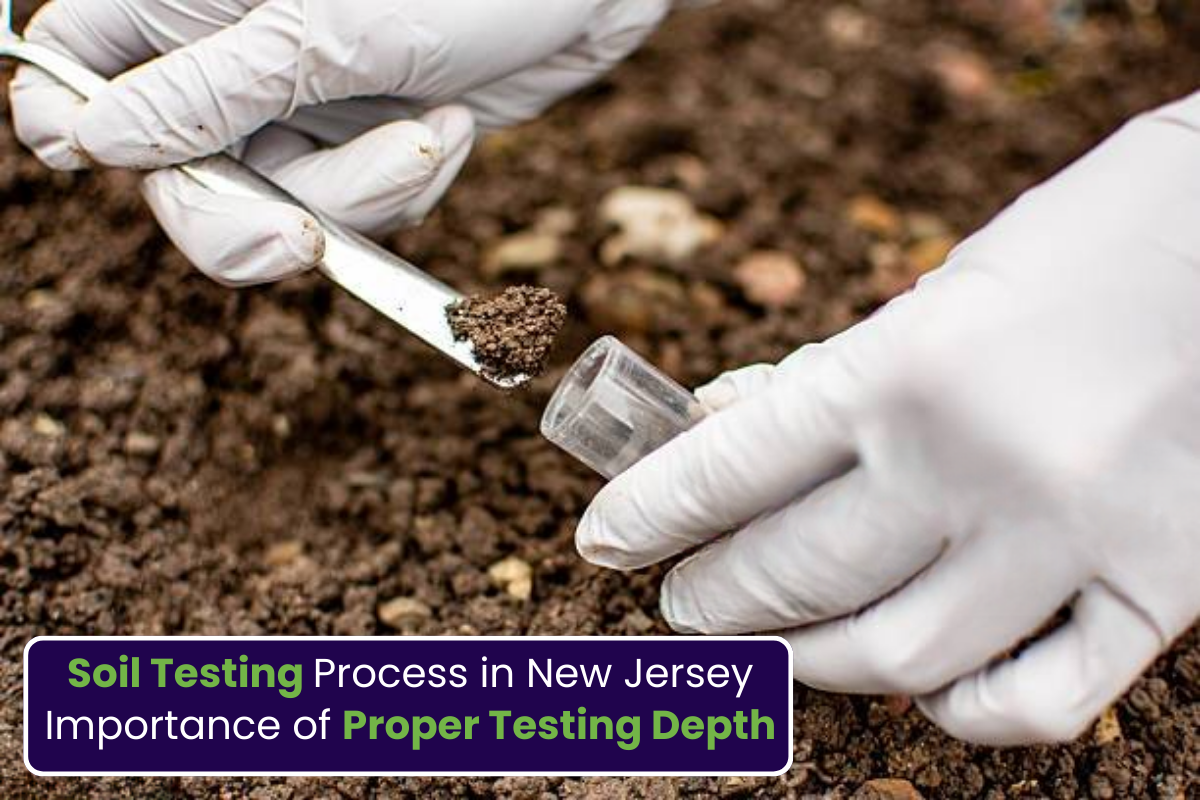
Oil tank leak detection is an important part of professional soil testing. Environmental specialists inspect areas near current or former tanks and collect soil samples to determine whether petroleum products have entered the soil. Early detection of oil tank leaks helps prevent several problems:

-Environmental damage to soil and groundwater

-Property value reduction

-Complications during property sales

-Regulatory compliance issues

In some situations, contamination discovered during soil testing may also require related services such as oil tank removal in New Jersey, especially if an aging tank is still present on the property. Identifying leaks early helps property owners resolve issues before contamination spreads further underground.

Property Soil Inspection Before Buying or Developing Land

A thorough property soil inspection is often recommended before purchasing land or starting construction. Soil testing provides valuable information about environmental conditions that may affect development plans.

Buyers, developers, and property investors rely on soil inspection to identify potential environmental liabilities. If contamination exists, remediation may be required before building permits or property transfers can proceed.

Benefits of property soil inspection include:

-Identifying hidden contamination risks

-Ensuring environmental compliance

-Protecting investment value

-Preventing future legal complications

-Supporting safe construction planning

For residential buyers, soil testing offers peace of mind that the land is environmentally safe and free from hazardous substances.

Oil Spill Soil Testing for Environmental Protection

Accidental fuel spills or historical petroleum leaks can cause long-term damage to soil if not properly addressed. Oil spill soil testing is designed to evaluate the extent of contamination after a spill or suspected leak. Environmental specialists collect samples from affected areas to determine how far the oil has spread through the soil. This testing helps guide cleanup strategies and ensures that contaminated soil is properly managed.

Oil spill testing typically focuses on detecting petroleum hydrocarbons and related compounds that can remain in soil for extended periods. Once contamination levels are identified, environmental professionals may recommend soil remediation methods such as:

-Excavation of contaminated soil

-Bioremediation using natural microorganisms

-Soil vapor extraction

-Environmental monitoring and follow-up testing

These solutions help restore soil quality and reduce environmental risks associated with petroleum contamination.

Environmental Regulations and Soil Testing Requirements

New Jersey has strict environmental regulations designed to protect land and water resources. Many property transactions and development projects require environmental assessments, including soil testing, to ensure compliance with state guidelines. Professional soil testing helps property owners meet these regulatory requirements by providing documented evidence of environmental conditions. Environmental testing may be required in situations such as:

-Property sales involving older buildings

-Land redevelopment projects

-Suspected underground oil tank leaks

-Industrial property transfers

-Environmental site assessments

By identifying contamination early, property owners can address environmental issues and move forward with development plans without unexpected delays.

The Long-Term Benefits of Professional Soil Testing

Professional soil testing provides long-term benefits that extend beyond simple contamination detection. By understanding the environmental condition of a property, owners can make informed decisions about maintenance, development, and environmental protection. Key advantages include:

-Early identification of environmental hazards

-Protection of groundwater and ecosystems

-Improved property value and safety

-Compliance with environmental regulations

-Reduced risk during property transactions

Investing in proper soil testing helps property owners avoid costly environmental complications and ensures responsible land management.

FAQs

Q1. What is soil contamination?

Soil contamination occurs when hazardous substances such as chemicals, petroleum products, or heavy metals enter the soil and negatively affect its quality and safety.

Q2. Why is professional soil testing important?

Professional soil testing identifies harmful pollutants in soil using scientific analysis, helping property owners understand environmental risks and take corrective action.

Q3. Can underground oil tanks cause soil contamination?

Yes. Aging or corroded underground oil tanks can leak heating oil into the surrounding soil, leading to petroleum contamination.

Q4. When should property owners consider soil testing?

Soil testing is recommended before property purchases, construction projects, oil tank removal, or when contamination is suspected.

Q5. How are soil samples tested?

Samples are collected by environmental professionals and analyzed in certified laboratories to detect contaminants such as petroleum hydrocarbons, chemicals, and heavy metals.

Summary

Professional soil testing plays a vital role in detecting and addressing environmental contamination across New Jersey. Through careful site evaluations, soil sampling, and laboratory analysis, environmental specialists can identify pollutants such as petroleum leaks, chemical residues, and other hazardous substances hidden beneath the surface. Companies like Simple Tank Services assist property owners by providing reliable environmental inspections and solutions that help identify contamination risks and ensure properties remain safe and compliant with environmental regulations.

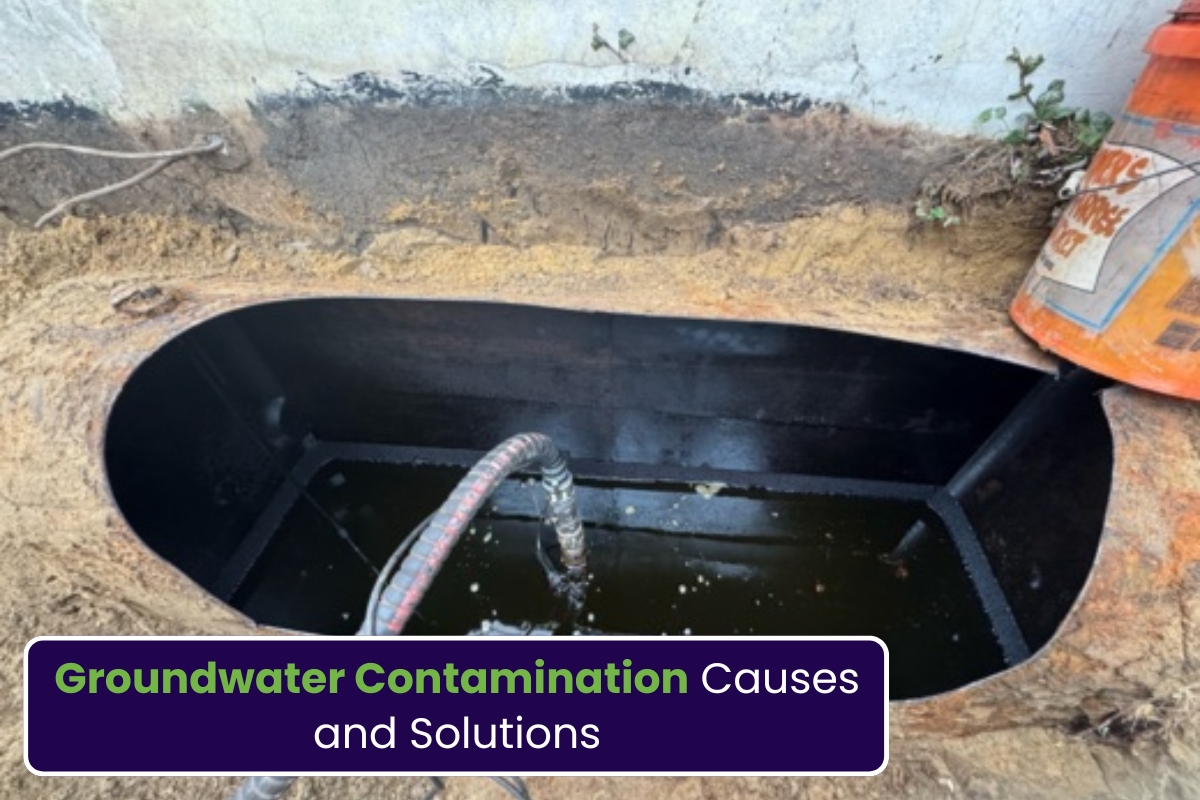
Groundwater Contamination: Causes, Consequences, and Solutions

Groundwater is one of the most valuable natural resources in the United States. It supplies drinking water to millions of homes, supports agriculture, and keeps ecosystems balanced. In states like New Jersey, where residential, commercial, and industrial activities exist close together, protecting underground water sources is especially important.

When harmful substances enter underground aquifers, the impact can be long-lasting and expensive to fix. Understanding how contamination happens, what damage it causes, and how it can be prevented helps property owners, businesses, and municipalities make better environmental decisions.

What Is Groundwater and Why It Matters?

Groundwater is water stored beneath the earth’s surface in soil pores and rock formations called aquifers. Unlike surface water, groundwater is hidden from view, which makes contamination difficult to detect without proper testing.

In urban and suburban areas, groundwater is often used for:

-Private wells

-Agricultural irrigation

-Industrial processes

-Public water supply systems

Because it moves slowly underground, contamination can remain undetected for years. Once polluted, cleanup can take decades and require advanced treatment systems.

Major Causes of Groundwater Contamination in New Jersey

Several human activities contribute to Groundwater Contamination in New Jersey. The state’s industrial history, dense population, and aging infrastructure increase the risk of pollutants entering underground water systems.

Leaking Underground Storage Tanks

One of the leading causes is fuel or chemical leaks from underground storage tanks. Over time, corrosion or poor installation can allow hazardous materials to seep into surrounding soil and water.

Industrial Waste Disposal

Improper disposal of industrial byproducts can release heavy metals, solvents, and toxic compounds into the ground. These contaminants often travel slowly through soil before reaching aquifers.

Septic System Failures

Poorly maintained septic systems can leak bacteria, nitrates, and harmful pathogens into groundwater sources, especially in residential areas with high housing density.

Agricultural Runoff

Fertilizers and pesticides used in farming can infiltrate soil and contaminate groundwater, particularly during heavy rainfall.

Common Sources of Water Pollution

Understanding the main sources of water pollution helps identify potential risks before serious damage occurs. These sources typically include:

-Petroleum spills

-Chemical storage leaks

-Landfill seepage

-Road salt runoff

-Construction site discharge

In highly developed areas, multiple contamination sources may overlap, increasing the complexity of environmental remediation efforts.

Environmental Impact of Contaminated Groundwater

The environmental impact of contaminated groundwater extends beyond drinking water safety. Once pollutants reach an aquifer, they can:

-Damage aquatic ecosystems

-Contaminate nearby streams and rivers

-Affect soil quality

-Reduce property value

-Increase public health risks

Contaminants such as benzene, lead, arsenic, and nitrates pose serious health hazards. Long-term exposure can lead to neurological disorders, organ damage, and other chronic conditions.

New Jersey’s environmental agencies regularly monitor water quality, but prevention remains more cost-effective than cleanup.

Signs of Well Water Contamination

Property owners who rely on private wells should be aware of early warning signs. Signs of well water contamination may include:

-Unusual taste or odor

-Discoloration

-Cloudy appearance

-Oily sheen on water surface

-Sudden health symptoms among household members

However, many contaminants are odorless and invisible. That is why annual water testing is strongly recommended.

Soil and Groundwater Testing: A Preventive Step

Regular soil and groundwater testing is essential for identifying pollutants before they spread. Testing is especially important for:

-Properties with underground tanks

-Commercial facilities handling chemicals

-Industrial sites

-Areas with previous environmental violations

Professional environmental inspections typically include sampling, laboratory analysis, and risk assessment. Early detection can significantly reduce remediation costs.

Long-Term Consequences of Groundwater Contamination

The effects of contamination are not limited to environmental damage. They also create financial and legal consequences.

Public Health Costs

When drinking water becomes unsafe, communities may require expensive filtration systems or alternative water supplies. Healthcare costs may also rise due to exposure-related illnesses.

Property Devaluation

Properties located near contaminated sites often experience lower market value. Buyers may hesitate due to environmental risk concerns.

Regulatory Penalties

Businesses responsible for pollution may face fines, lawsuits, and cleanup mandates under state and federal environmental regulations.

Solutions and Prevention Strategies

Preventing groundwater pollution requires cooperation between property owners, environmental agencies, and service professionals.

Regular Tank Inspections

Underground storage systems should be inspected and maintained to prevent leaks. Modern double-wall tanks and leak detection systems offer improved protection.

Proper Waste Disposal

Hazardous materials must be disposed of according to environmental guidelines. Illegal dumping significantly increases contamination risks.

Septic System Maintenance

Routine septic inspections help prevent bacterial seepage into underground water supplies.

Site Remediation Services

If contamination is detected, professional remediation services can remove pollutants and restore environmental safety. In high-risk areas, early action is critical to minimize long-term damage.

Because Groundwater Contamination in New Jersey can spread slowly and silently, proactive environmental management is essential.

How Businesses and Homeowners Can Stay Protected

Whether you operate a commercial facility or own residential property, environmental responsibility protects both public health and long-term investment value.

Practical steps include:

-Conducting environmental risk assessments

-Scheduling annual water testing

-Replacing aging underground tanks

-Following local environmental regulations

-Consulting certified environmental service providers

These measures not only reduce contamination risks but also demonstrate regulatory compliance and community responsibility.

Frequently Asked Questions

Q1. What causes groundwater contamination most often?
Leaking tanks, industrial waste, septic failures, and agricultural runoff are common causes.

Q2. How can I know if my well water is contaminated?
Only professional laboratory testing can confirm contamination accurately.

Q3. Is groundwater contamination reversible?
Yes, but remediation can be costly and time-consuming depending on severity.

Q4. How often should groundwater be tested?
Private wells should be tested at least once per year.

Q5. Who is responsible for contamination cleanup?
Typically, the property owner or responsible party must manage remediation.

Summary

Groundwater plays a vital role in supporting communities, agriculture, and industry. When contamination occurs, the consequences affect public health, property values, and environmental stability. By understanding the causes, recognizing early warning signs, and investing in preventive strategies, individuals and businesses can reduce risks and protect vital water resources. Professional environmental support from trusted providers like Simple Tank Services ensures responsible inspections, testing, and remediation solutions that safeguard both property and community well-being.

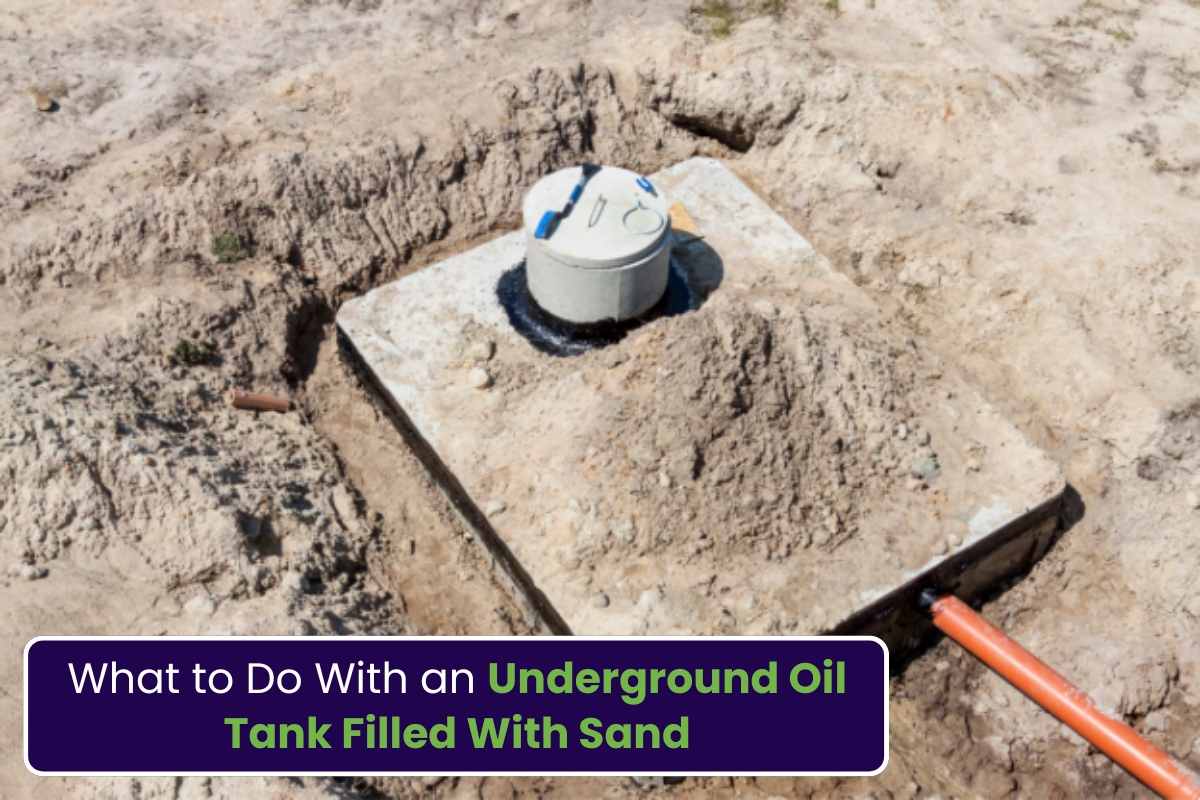
What Should We Do With an Underground Oil Tank With Sand?

Underground oil tanks were once common in older homes across New Jersey. Many homeowners filled unused tanks with sand decades ago, believing it was a permanent solution. However, regulations, property sales, and environmental concerns have changed over time.

If you recently discovered that your property has an underground oil tank filled with sand, you may be wondering what to do next. Is it safe? Should it stay buried? Does it affect your home value?

Let’s break it down in simple, practical terms.

Why Were Underground Oil Tanks Filled With Sand?

Years ago, when homeowners converted from oil heating to gas systems, contractors often abandoned tanks in place. Instead of removing them, they were drained and filled with sand or foam to prevent collapse.

At the time, it seemed like an affordable option. But today, filled tanks can still pose risks:

-Hidden oil residue

-Corrosion over time

-Soil contamination

-Insurance or mortgage issues

-Delays during property sale

Even if a tank is filled with sand, it does not mean the risk is eliminated.

Is a Sand-Filled Oil Tank Still a Problem?

Yes, it can be.

Sand does not remove contamination. If oil sludge was left inside before filling, corrosion may eventually cause leakage. Over time, underground metal tanks deteriorate due to moisture and soil conditions.

In New Jersey, environmental regulations are strict. If contamination is discovered during inspection or property transfer, the cleanup process can become expensive and time-consuming.

That’s why many homeowners now choose oil tank removal in New Jersey instead of leaving abandoned tanks underground.

Signs You May Still Have a Buried Oil Tank

If you’re unsure whether your tank was removed or just filled, look for these clues:

-Old oil fill pipe near foundation

-Vent pipe sticking out of the ground

-Oil supply line in basement

-Uneven patches in yard soil

-Historical heating oil records

A professional scan using ground-penetrating radar can confirm the tank’s presence without digging.

Underground Oil Tank Abandonment vs. Removal

When dealing with an old tank filled with sand, homeowners typically have two options:

Leave It in Place (With Proper Documentation)

If the tank was officially abandoned according to state standards and you have documentation, you may legally leave it underground. However:

-You may still face issues during home sale.

-Buyers may request removal.

-Insurance companies may deny coverage.

Remove the Tank Completely

Full removal eliminates long-term liability. During removal:

-The tank is excavated.

-Soil is tested for contamination.

-Residual waste is disposed of safely.

-Proper documentation is issued.

Many property owners prefer removal for peace of mind and resale value protection.

Environmental Risks of Sand-Filled Tanks

Even when filled with sand, underground tanks can:

-Rust from inside and outside.

-Leak small amounts of oil residue.

-Contaminate groundwater.

-Trigger mandatory environmental reporting.

New Jersey takes environmental safety seriously. If contamination spreads beyond your property, the liability can increase significantly.

That’s why homeowners researching oil tank removal in New Jersey often act before selling their property rather than waiting for inspection surprises.

Oil Tank Soil Contamination Risks

One of the biggest concerns is what’s happening in the soil around the tank.

How Contamination Occurs

-Residual sludge was never fully cleaned.

-Tank corrosion causes small leaks.

-Rainwater accelerates rusting.

-Soil acidity damages metal.

What Happens If Contamination Is Found?

If soil testing shows contamination:

-The affected soil must be excavated.

-Samples are sent for laboratory analysis.

-A remediation report is filed.

-State clearance documentation is required.

Handling contamination early can reduce cleanup costs and avoid real estate transaction delays.

Safe Oil Tank Decommissioning Process

If your tank was filled with sand but not officially removed, professionals follow a structured process:

-Site inspection and tank location scan

-Permit verification (if required)

-Excavation around tank

-Sand removal and interior inspection

-Tank extraction

-Soil testing

-Backfilling and restoration

-Final compliance documentation

A safe oil tank decommissioning process protects homeowners from unexpected environmental penalties later.

How Does This Affect Property Value?

In New Jersey’s real estate market, underground oil tanks are considered red flags. Many buyers:

-Request tank sweep inspections

-Require removal before closing

-Negotiate price reductions

-Delay contracts until soil clearance is provided

Removing the tank proactively makes your property more attractive and reduces transaction stress.

When Should You Take Action?

You should consider addressing a sand-filled tank if:

-You plan to sell your home

-You are refinancing

-You lack abandonment documentation

-You notice oil odors in soil

-Your insurance company requests inspection

Waiting may increase risks. Acting early gives you more control over cost and timeline.

Cost Considerations

Costs vary depending on:

-Tank size

-Depth of burial

-Soil condition

-Accessibility

-Contamination level

However, early removal is usually more affordable than emergency remediation triggered during a property sale.

Residential Oil Tank Removal Cost Factors

Understanding cost components helps homeowners prepare:

Tank Size and Depth

Larger or deeper tanks require more excavation time.

Soil Testing Requirements

Laboratory testing is mandatory in many cases.

Site Accessibility

Limited yard access may require specialized equipment.

Backfill and Landscaping

Post-removal restoration affects total expense.

While pricing varies, removing risk is often worth the investment.

Should You Leave a Sand-Filled Tank Alone?

In simple terms — it depends on your future plans.

If you plan to stay long-term and have proper abandonment paperwork, you may choose to monitor it.

If you plan to sell, refinance, or avoid liability, removal is typically the safer route.

Every property is different. Consulting a licensed environmental contractor ensures you understand local requirements and documentation standards.

Summary

If you have an underground oil tank filled with sand, do not assume the issue is resolved. Sand does not prevent corrosion or eliminate contamination risk. Inspection, documentation review, and possible removal are often the safest path forward. Taking proactive steps now can protect property value, prevent environmental liability, and simplify future home sales — and when handled correctly with trusted support like Simple Tank Services, the process becomes far more manageable.

How Soil Testing Helps Detect Contamination After Oil Tank Removal

Removing an underground oil tank is a major step toward protecting your property and the environment. However, the removal process is only half the job. What truly determines whether your property is safe is what lies beneath the surface. That’s where Soil Testing in New Jersey    becomes essential.

Many homeowners and property investors assume that once the tank is removed, the issue is resolved. Unfortunately, underground oil tanks often leak slowly over time. Even a small leak can contaminate surrounding soil and groundwater, creating long-term environmental and financial risks.

This guide explains how soil testing works, why it matters after oil tank removal, and how it protects your property value.

Why Oil Tank Removal Isn’t the Final Step

Underground oil tanks, especially older steel tanks, are prone to corrosion. Over time, rust weakens the structure, allowing oil to seep into surrounding soil. These leaks may go unnoticed for years.

After removal, visible signs of contamination might include:

-Dark, stained soil

-Strong petroleum odors

-Oily residue

-Unusual vegetation damage

However, not all contamination is visible. That’s why professional Soil Testing in New Jersey is critical to confirm whether the land is clean or requires remediation.

Without proper testing, hidden contamination can:

-Delay property sales

-Trigger environmental fines

-Impact groundwater quality

-Reduce property value

The Importance of Soil Testing After Oil Tank Removal

Environmental Protection

Petroleum products contain hazardous compounds such as benzene and toluene. These substances can migrate through soil layers and potentially reach groundwater sources. Early detection through soil analysis prevents larger environmental damage.

Legal Compliance

New Jersey has strict environmental regulations regarding underground storage tanks. Soil testing ensures compliance with state environmental guidelines and helps avoid legal complications during real estate transactions.

Property Value Protection

If contamination is discovered later—especially during a property sale—it can significantly lower your home’s market value. Buyers often require documentation proving the land is free from contamination.

How the Soil Testing Process Works

Understanding the process can ease concerns and help you know what to expect.

Initial Site Assessment

Professionals evaluate the tank location and surrounding soil conditions. They identify sampling points around the excavation site.

Soil Sample Collection

Soil samples are collected from multiple depths and areas around where the tank was located. This ensures accurate contamination detection.

Laboratory Analysis

Samples are sent to certified laboratories for detailed testing. The lab checks for petroleum hydrocarbons and other hazardous compounds.

Report and Documentation

The final report outlines whether contamination exists and whether remediation is required. This documentation is essential for property records and future transactions.

Common Contaminants Found in Soil

After oil tank removal, soil may contain:

-Total Petroleum Hydrocarbons (TPH)

-Benzene

-Ethylbenzene

-Toluene

-Xylene

Even small concentrations can require professional remediation depending on state guidelines.

Signs You May Need Environmental Testing Services in NJ

While soil testing is recommended after every tank removal, certain warning signs make it even more urgent:

-Strong fuel odors in soil

-Visible oil staining

-History of an aging steel tank

-Property located near groundwater sources

Hiring professional Environmental Testing Services NJ ensures accurate detection and proper compliance with state standards.

The Role of Contaminated Soil Inspection

A thorough Contaminated Soil Inspection identifies how far the oil has spread and whether it has impacted deeper soil layers. This inspection helps determine:

-The extent of contamination

-Whether groundwater is affected

-The scope of required remediation

Without inspection, contamination can remain undetected beneath the surface for years.

Why Oil Tank Soil Analysis Is Critical for Real Estate Transactions

If you plan to sell your home, buyers often request documentation proving that the underground oil tank was properly removed and the soil is clean.

A professional Oil Tank Soil Analysis provides:

-Certified lab results

-Documentation for lenders

-Confidence for buyers

-Faster closing process

In New Jersey’s competitive housing market, having proper documentation can prevent delays and negotiations related to environmental concerns.

Understanding New Jersey Soil Contamination Laws

New Jersey has strict environmental protection standards. The state requires documentation of soil conditions after underground tank removal. Failure to comply can result in fines or mandatory remediation orders.

Working with specialists who understand New Jersey Soil Contamination Laws ensures:

-Proper sample collection

-Accurate reporting

-Full regulatory compliance

This legal compliance protects property owners from unexpected liabilities.

What Happens If Contamination Is Found?

Discovering contamination can feel overwhelming, but solutions are available.

Remediation Options May Include:

-Excavation and removal of contaminated soil

-Soil vapor extraction

-Bioremediation treatments

-Groundwater monitoring

Early detection makes remediation less costly and more manageable.

Cost Factors of Soil Testing

Several factors influence the cost:

-Number of soil samples required

-Depth of contamination

-Laboratory analysis fees

-Site accessibility

While testing involves upfront costs, it prevents significantly higher expenses later if contamination spreads or goes unnoticed.

Long-Term Benefits of Professional Soil Testing

Investing in proper soil testing provides long-term advantages:

-Peace of mind

-Increased property value

-Regulatory compliance

-Environmental responsibility

-Easier insurance approvals

Most importantly, it protects your family and neighbors from potential exposure to hazardous substances.

Choosing the Right Professionals

When selecting a company for soil testing:

-Ensure they are licensed and experienced

-Verify they use certified laboratories

-Confirm familiarity with New Jersey environmental regulations

-Ask for detailed documentation and reports

Experienced professionals make the process smooth and transparent.

Frequently Asked Questions

Q1. Is soil testing mandatory after oil tank removal in New Jersey?

While not always mandatory, it is strongly recommended and often required during property sales to ensure compliance with environmental regulations.

Q2. How long does soil testing take?

The sampling process usually takes a few hours, while lab results may take several days depending on the testing scope.

Q3. What happens if contamination is found?

If contamination is detected, remediation methods such as soil excavation or treatment will be recommended based on severity.

Q4. Can contaminated soil affect groundwater?

Yes. Petroleum leaks can seep into groundwater, which is why testing at different soil depths is essential.

Q5. Will soil testing increase my property value?

Yes. Documentation proving clean soil improves buyer confidence and can prevent delays during real estate transactions.

Summary

Oil tank removal is only the first step in protecting your property. Hidden contamination can create serious environmental and financial consequences if left undetected. Proper testing confirms whether your soil is safe or requires remediation. By investing in professional evaluation, property owners ensure compliance, protect property value, and avoid future complications. For reliable and thorough assessment services after oil tank removal, trust experienced providers like Simple Tank Services.

Soil Remediation Best Practices: How We Clean Contaminated Sites

Soil contamination is a serious issue that can affect residential properties, commercial developments, and industrial sites. Whether caused by underground oil tanks, chemical spills, or long-term industrial activity, contaminated soil can pose environmental and health risks if not handled properly. That’s why professional Soil Remediation in New Jersey plays a critical role in restoring land safely and efficiently.

In this guide, we’ll explain the best practices used to clean contaminated sites, how the remediation process works, and why proper handling protects both property owners and the environment.

Understanding Soil Contamination

Soil becomes contaminated when hazardous substances seep into the ground. Common pollutants include:

-Petroleum hydrocarbons

-Heavy metals

-Industrial solvents

-Chemical residues

Over time, these contaminants can migrate deeper into the soil and potentially reach groundwater. Without proper action, contamination may spread beyond the original site.

Professional Soil Remediation in New Jersey ensures these risks are managed according to environmental regulations while restoring the property to safe conditions.

Step 1: Environmental Site Assessment NJ

Before remediation begins, experts conduct a detailed Environmental Site Assessment NJ to determine the extent of contamination.

This assessment includes:

-Reviewing historical property records

-Identifying possible contamination sources

-Collecting soil samples

-Laboratory testing

Accurate assessment is essential because it determines which remediation method will be most effective. Skipping this step can lead to incomplete cleanup and future liabilities.

Step 2: Contaminated Soil Removal Process

One of the most common remediation methods is the Contaminated Soil Removal Process. This involves excavating polluted soil and safely transporting it to approved disposal facilities.

When Is Soil Removal Necessary?

-High levels of petroleum contamination

-Strong chemical odors

-Visible staining or oily residue

-Regulatory requirements

Excavation is often the fastest way to eliminate heavily polluted soil, especially when contamination is concentrated in one area.

However, removal is not always the only solution. In some cases, alternative treatment methods may be more cost-effective and environmentally friendly.

Step 3: Soil Testing and Analysis Services

After initial removal or treatment, Soil Testing and Analysis Services are performed to verify that contamination levels meet state safety standards.

Testing confirms:

-Whether cleanup goals were achieved

-If additional remediation is needed

-Compliance with New Jersey environmental laws

Proper documentation from soil testing is crucial for property sales, refinancing, or redevelopment projects.

Step 4: Hazardous Waste Cleanup Procedures

When contamination involves toxic chemicals or hazardous materials, specialized Hazardous Waste Cleanup Procedures are required.

These procedures may include:

-Soil vapor extraction

-Bioremediation techniques

-Chemical oxidation treatments

-Groundwater monitoring systems

Each site is unique, so remediation strategies are tailored to match contamination levels and environmental conditions.

Best Practices in Soil Remediation

Successful remediation requires more than just removing polluted soil. It involves strategic planning and compliance with environmental guidelines.

Accurate Contamination Mapping

Identifying the exact boundaries of contamination prevents unnecessary excavation and reduces costs.

Regulatory Compliance

New Jersey has strict environmental standards. Working with experienced professionals ensures adherence to state and federal regulations.

Use of Certified Laboratories

Reliable lab testing ensures accurate results and prevents future disputes.

Detailed Documentation

Comprehensive reporting protects property owners during inspections or property transactions.

Why Professional Soil Remediation Matters

Attempting to handle contamination without professional guidance can create serious risks. Improper cleanup may lead to:

-Continued environmental damage

-Legal penalties

-Reduced property value

-Health concerns for occupants

Professional remediation teams follow established procedures to ensure thorough and safe cleanup.

By investing in proper remediation, property owners secure long-term environmental safety and financial protection.

Long-Term Benefits of Soil Remediation

Effective soil cleanup provides several advantages:

-Restores land usability

-Protects groundwater quality

-Increases property market value

-Reduces liability risks

-Supports safe redevelopment projects

Properties that undergo documented remediation often attract more buyers and investors because environmental risks are minimized.

Signs Your Property May Need Remediation

You may need remediation if you notice:

-History of underground oil tanks

-Past industrial activity

-Fuel odors in soil

-Unusual vegetation damage

Environmental inspection notices

Early intervention reduces cleanup costs and prevents contamination from spreading further.

Choosing the Right Remediation Partner

When selecting a remediation company, consider:

-Experience with New Jersey environmental laws

-Proven track record

-Transparent pricing

-Detailed reporting and documentation

An experienced team ensures the cleanup process runs smoothly from assessment to final clearance.

Frequently Asked Questions

Q1. What causes soil contamination?

Soil contamination is commonly caused by oil leaks, chemical spills, industrial waste, or underground storage tank failures.

Q2. How long does soil remediation take?

The timeline depends on the level of contamination and the remediation method used. Some projects take days, while others may require several weeks.

Q3. Is soil remediation expensive?

Costs vary based on contamination severity, soil volume, and treatment method. Early detection typically reduces overall expenses.

Q4. Can contaminated soil affect groundwater?

Yes, pollutants can migrate through soil layers and impact groundwater sources if not treated properly.

Q5. Is remediation required before selling property?

In many cases, environmental clearance is necessary during property transactions to avoid legal or financial complications.

Summary

Cleaning contaminated land requires careful planning, professional assessment, and strict adherence to environmental standards. From site evaluations to soil removal and advanced treatment methods, each step plays a vital role in restoring safety and compliance. Proper remediation protects property value, prevents environmental harm, and ensures regulatory approval. When handled by experienced professionals like Simple Tank Services, contaminated sites can be transformed into safe, usable land once again.

Environmental Soil Cleanup & Remediation Solutions in New Jersey

Industrial growth, commercial expansion, fuel storage systems, and aging underground tanks have all contributed to soil contamination issues across New Jersey. From residential properties to large industrial sites, environmental compliance is no longer optional — it is a legal and financial necessity. Property owners, developers, and business operators must act quickly when contamination is discovered to avoid penalties, liability risks, and project delays.

Professional soil remediation in New Jersey plays a critical role in restoring land safety, protecting groundwater resources, and ensuring properties meet state environmental standards. Whether contamination results from petroleum leaks, chemical spills, or historic industrial use, a structured remediation approach can transform a compromised site into a safe, usable asset.

This guide explains the remediation process, available cleanup methods, regulatory considerations, and why working with experienced professionals ensures long-term success.

Understanding Soil Contamination in New Jersey

New Jersey has a long industrial history. Manufacturing plants, gas stations, storage facilities, and commercial properties often leave behind residual pollutants. Over time, these contaminants migrate through soil layers and can impact groundwater, nearby ecosystems, and public health.

Common sources of contamination include:

-Underground storage tank leaks

-Petroleum spills

-Hazardous waste disposal

-Industrial byproducts

-Construction site runoff

The state’s dense population and strict environmental regulations make early detection and remediation especially important. Soil contamination can delay property sales, construction permits, and redevelopment plans if not properly addressed.

Why Professional Soil Remediation Matters

Contaminated soil is not just an environmental concern; it is a financial liability. Left untreated, pollutants can spread deeper into the subsurface and increase cleanup costs significantly.

Professional remediation services provide:

-Environmental risk assessment

-Regulatory compliance documentation

-Site investigation and testing

-Safe contaminant removal

-Long-term monitoring plans

Timely soil remediation in New Jersey protects property value while preventing costly enforcement actions from environmental authorities.

The Soil Remediation Process Explained

Every contaminated site requires a tailored approach. However, most projects follow a structured process to ensure efficiency and compliance.

1. Site Assessment and Environmental Testing

The first step involves soil sampling and laboratory analysis. Environmental engineers identify:

-Type of contaminant

-Contamination depth

-Concentration levels

-Groundwater impact

This phase determines the remediation strategy and ensures accurate cost estimation.

2. Remediation Plan Development

Based on laboratory findings, specialists design a cleanup strategy that aligns with New Jersey environmental regulations. The remediation plan includes:

-Treatment method selection

-Project timeline

-Disposal procedures

-Safety protocols

3. Soil Cleanup and Treatment Implementation

Depending on contamination severity, professionals may use excavation, treatment, or in-place solutions to restore soil health.

Types of Soil Remediation Techniques

Different contamination scenarios require different cleanup technologies. Below are the most effective remediation methods used across the state.

Excavation and Off-Site Disposal

In cases of heavy contamination, affected soil is removed and transported to licensed disposal facilities. Clean fill material replaces the excavated soil to restore stability.

In-Situ Treatment Methods

In-situ remediation treats soil without excavation. Techniques include:

-Bioremediation (microorganisms break down contaminants)

-Chemical oxidation

-Soil vapor extraction

This method minimizes site disruption and reduces overall costs.

Thermal Treatment

Thermal systems use controlled heat to remove volatile contaminants such as petroleum compounds.

Groundwater Remediation Services

When contamination extends below the water table, groundwater remediation services become necessary. Pump-and-treat systems, filtration technology, and chemical treatments are commonly used to restore water quality and prevent migration.

The Importance of Underground Storage Tank Removal

A significant portion of soil contamination cases in New Jersey are linked to aging fuel tanks. Leaking tanks can release petroleum hydrocarbons into surrounding soil and groundwater.

Professional underground storage tank removal NJ services include:

-Tank excavation

-Soil testing around tank cavities

-Leak detection

-Safe disposal

-Regulatory reporting

Early tank removal prevents long-term environmental damage and reduces remediation expenses.

Industrial Site Cleanup in New Jersey

Older manufacturing facilities and commercial properties often require industrial site cleanup in NJ before redevelopment or resale. These sites may contain:

-Heavy metals

-Solvents

-Chemical residues

-Petroleum-based contaminants

Cleanup ensures compliance with environmental standards and allows developers to move forward with construction permits without regulatory delays.

Environmental Compliance and Regulatory Requirements

New Jersey maintains strict environmental standards to protect public health and groundwater resources. Property owners must follow state-approved remediation guidelines and obtain proper documentation before project completion.

Working with experienced environmental professionals ensures:

-Accurate reporting

-Compliance with state remediation standards

-Proper disposal of contaminated materials

-Clearance certification

Failing to meet compliance standards can result in heavy fines and legal complications.

Benefits of Professional Soil Cleanup

Investing in professional remediation services provides long-term benefits beyond regulatory compliance.

Protects Property Value

Contaminated properties lose market value. Remediation restores investor confidence and improves resale potential.

Prevents Health Risks

Exposure to contaminated soil can pose respiratory and chemical exposure risks. Cleanup eliminates potential hazards.

Supports Sustainable Development

Clean soil allows safe construction of residential, commercial, and industrial developments.

Reduces Long-Term Liability

Prompt remediation prevents contamination from spreading to adjacent properties and reduces future legal exposure.

Choosing the Right Soil Remediation Partner

Selecting a qualified environmental contractor is critical. Look for companies that offer:

-Licensed environmental professionals

-Proven remediation experience

-Advanced testing technology

-Transparent reporting

-Regulatory expertise

An experienced team will assess site conditions accurately and recommend the most cost-effective and compliant solution.

Environmental Responsibility and Community Safety

Beyond property protection, remediation contributes to broader environmental health. New Jersey relies heavily on groundwater resources. Preventing soil contamination protects drinking water supplies and natural ecosystems.

Responsible remediation demonstrates environmental stewardship while supporting safe urban and commercial growth.

Frequently Asked Questions

Q1. What is soil remediation?

Soil remediation is the process of removing or neutralizing contaminants from soil to restore it to safe and usable conditions.

Q2. How long does soil cleanup take?

Project duration depends on contamination severity, site size, and remediation method. Some projects take weeks, while others may require several months.

Q3. Is soil remediation mandatory in New Jersey?

Yes. If contamination exceeds state environmental limits, remediation is required to meet regulatory compliance standards.

Q4. What contaminants are commonly found in New Jersey soil?

Petroleum hydrocarbons, heavy metals, solvents, and industrial chemicals are among the most common contaminants.

Q5. Can contaminated soil affect groundwater?

Yes. Contaminants can migrate downward and impact groundwater sources, which is why early intervention is essential.

Summary

Environmental Soil Cleanup & Remediation Solutions in New Jersey focus on restoring contaminated properties through professional testing, excavation, in-situ treatment, groundwater restoration, and regulatory compliance services. With expert assessment and advanced remediation methods, property owners can protect public health, preserve groundwater quality, and maintain property value — delivered with trusted support from Simple Tank Services.

6 Reasons Why You Need to Remove an Oil Tank Before Moving in New Jersey

Moving into a new home is exciting. It’s a fresh start, a new neighborhood, and a major investment in your future. But if the property has an old underground or above-ground oil tank, there is one critical step you should not ignore removal.

In many older properties across New Jersey, heating oil tanks were commonly installed decades ago. Over time, these tanks can corrode, leak, and cause environmental contamination. Before you finalize your move, it’s essential to evaluate whether the tank should stay—or go.

If you are considering Oil Tank Removal in New Jersey, understanding the risks and benefits will help you make a smart, informed decision.

1. Prevent Costly Environmental Contamination

One of the biggest risks of keeping an old oil tank is leakage. Underground tanks are especially vulnerable because corrosion often goes unnoticed. When a tank leaks, heating oil seeps into the surrounding soil and potentially groundwater.

New Jersey has strict environmental regulations. Even a small leak can trigger mandatory reporting, soil testing, and remediation requirements. Cleanup costs can quickly escalate into thousands—or even tens of thousands—of dollars.

Removing the tank before moving in eliminates this uncertainty. It protects your investment and ensures your property remains environmentally compliant.

2. Avoid Expensive Future Repairs

Old oil tanks rarely fail suddenly without warning—but the signs are often hidden underground. Corrosion, structural weakening, and internal sludge buildup reduce the tank’s lifespan over time.

If you postpone removal, you may eventually face:

-Soil contamination cleanup

-Foundation damage due to leaking oil

-Insurance claim complications

-Reduced resale value

Professional underground oil tank removal NJ services include safe excavation, proper disposal, and environmental testing. Taking action early prevents future financial stress.

3. Improve Property Value and Marketability

When buying or selling a home in New Jersey, oil tanks can become a deal-breaker. Many buyers hesitate to purchase a property with an aging tank because of contamination risks.

Mortgage lenders and insurance providers may also require inspections or certifications. In some cases, lenders may delay closing until the tank issue is resolved.

Removing the tank before you move in offers several advantages:

-Cleaner home inspection reports

-Higher buyer confidence

-Faster resale process

-Stronger negotiation position

From a real estate perspective, tank removal is an investment—not an expense.

4. Ensure Compliance with State Regulations

New Jersey has strict environmental guidelines regarding oil storage tanks. If contamination is discovered, homeowners are responsible for remediation even if the leak happened years ago.

Hiring a licensed contractor ensures:

-Proper permits are obtained

-Soil testing is conducted

-The tank is disposed of legally

-Documentation is provided

Working with certified NJ oil tank removal services protects you from regulatory penalties and ensures the work meets state standards.

If you plan to live in the home long-term, removing the tank now prevents legal and compliance complications later.

5. Reduce Insurance and Liability Risks

Insurance companies view old oil tanks as high-risk features. Some insurers:

-Refuse coverage on homes with underground tanks

-Increase premiums significantly

-Exclude pollution-related damage

If a leak occurs after you move in, you could be personally liable for cleanup costs if coverage is denied.

By scheduling Oil Tank Removal in New Jersey before occupying the property, you eliminate a major liability risk and make it easier to secure homeowner’s insurance at reasonable rates.

6. Create Peace of Mind Before Moving In

Moving is stressful enough without hidden environmental concerns. Removing an oil tank before you settle in gives you confidence that your property is safe and secure.

A professional contractor will:

-Locate and inspect the tank

-Obtain necessary permits

-Safely remove and dispose of the tank

-Conduct soil testing if required

-Provide compliance documentation

This process ensures your new home is clean, compliant, and ready for a fresh start.

If contamination is discovered, experienced oil tank abandonment NJ specialists can guide you through remediation steps efficiently and professionally.

Understanding the Oil Tank Removal Process

Before deciding, it helps to understand what the removal process involves.

Step 1: Tank Inspection

The contractor identifies the tank location and condition.

Step 2: Permit Acquisition

Local permits are secured in accordance with New Jersey environmental regulations.

Step 3: Safe Extraction

Fuel residue is pumped out, and the tank is excavated carefully.

Step 4: Soil Testing

Samples are tested for contamination.

Step 5: Site Restoration

The excavation area is backfilled and restored properly.

Professional residential oil tank removal NJ companies ensure every step meets environmental and safety standards.

Signs an Oil Tank Should Be Removed Immediately

If you notice any of the following, removal should not be delayed:

-Oil odor inside or outside the home

-Unexplained soil discoloration

-Rusted or deteriorated tank walls

-Increased heating inefficiency

-Unknown tank age (20+ years old)

Older tanks are far more likely to fail. Proactive removal is often more affordable than emergency remediation.

Why New Jersey Homeowners Face Higher Risks

New Jersey has dense residential development and strict environmental oversight. Soil and groundwater contamination are taken seriously due to public health concerns.

Properties with leaking oil tanks may require:

-NJDEP case management

-Licensed Site Remediation Professional (LSRP) oversight

-Soil excavation and replacement

-Groundwater monitoring

-Avoiding these complications is one of the strongest reasons to remove a tank before moving in.

FAQs

Q1. Is oil tank removal mandatory in New Jersey?

It is not always mandatory, but if a tank is leaking or inactive, removal is strongly recommended to avoid environmental liability.

Q2. How much does oil tank removal cost in New Jersey?

Costs vary depending on tank size, location, and soil condition. Removal is significantly less expensive than contamination cleanup.

Q3. How long does the removal process take?

Most residential removals are completed within one to two days, depending on site conditions.

Q4. Can I sell my home with an old oil tank?

Yes, but buyers may request removal or environmental certification before closing.

Q5. What happens if contamination is found?

If contamination is detected, remediation steps will be required under state environmental guidelines.

Final Thoughts

Moving into a new home should feel secure—not uncertain. An aging oil tank introduces environmental, financial, and legal risks that can follow you for years.

Taking action before you move in protects your investment, simplifies insurance coverage, and increases long-term property value. It’s a strategic decision that saves money and eliminates stress.

If you’re planning a move and want a safe, compliant solution, professional removal ensures everything is handled correctly from start to finish.

Soil Testing in New Jersey: How to Take Samples and Understand the Results

Soil is the foundation of every successful construction, landscaping, and septic project. In a state like New Jersey, soil conditions vary widely depending on location, making proper testing essential before any major work begins. Understanding soil composition, drainage, and stability helps property owners avoid costly errors and long-term structural issues.

This guide explains how soil testing works, how to collect accurate samples, and how to understand the results so you can make confident, informed decisions for your land.

Why Soil Testing Is Important Before Any Project

Soil conditions directly affect how land performs under pressure, water exposure, and seasonal changes. Without testing, issues such as poor drainage, unstable ground, or unsuitable soil chemistry may go unnoticed until problems appear.

Professional soil evaluation helps identify:

-Load-bearing capacity for buildings

-Drainage and water absorption levels

-Soil chemistry for landscaping success

-Suitability for septic systems

Soil Testing in New Jersey is especially important because soil types can change dramatically within short distances, increasing the risk of unexpected site challenges.

Common Soil Types Found Across New Jersey

Understanding local soil types helps interpret test results more effectively.

Sandy Soil

Found mainly in southern and coastal areas, sandy soil drains quickly but often lacks nutrients and structural strength.

Clay Soil

More common in northern regions, clay retains moisture and expands when wet, which can affect foundations and underground systems.

Loamy Soil

Loam is a balanced mix of sand, silt, and clay and is ideal for landscaping, though it still requires testing for construction use.

How to Take Soil Samples Correctly

Accurate testing starts with proper sample collection. Even small mistakes can lead to misleading results.

Step 1: Select the Sampling Area

Choose areas where construction, excavation, or planting will occur. Avoid disturbed soil or areas near drainage outlets.

Step 2: Dig to the Required Depth

For landscaping, samples are usually taken 6–8 inches deep. Construction and septic projects often require deeper sampling.

Step 3: Collect Multiple Samples

Take samples from several locations and mix them together to create a representative composite sample.

Step 4: Prepare Samples for Testing

Allow soil to air-dry and store it in clean, labeled containers before sending it to a lab.

Laboratory Testing vs. At-Home Soil Kits

At-Home Soil Testing

These kits are useful for basic pH and nutrient checks but are limited in accuracy and scope.

Professional Soil Testing

Laboratory analysis provides detailed data on soil texture, compaction, drainage, and stability, making it the preferred option for serious projects.

Soil Sampling for Construction Projects

Soil Sampling for Construction Projects

Construction requires precise soil analysis to ensure safety and durability. Engineers rely on test results to design foundations, drainage systems, and load distribution plans.

Testing helps prevent:

-Uneven settling

-Foundation cracks

-Long-term drainage issues

Early testing reduces redesign costs and construction delays.

Understanding Soil Test Results

Understanding Soil pH and Nutrients

Soil pH affects plant growth and material durability. Balanced nutrients support landscaping and prevent soil degradation.

Soil Texture and Drainage

Texture determines how well soil drains water. Poor drainage can weaken structures and cause erosion.

Soil Density and Stability

Highly compacted or loose soil may require stabilization before development.

Interpreting Soil Test Results for Better Land Use

Interpreting Soil Test Results

Soil reports provide insight into whether land needs improvement before use. Adjustments may include soil amendments, grading, or drainage solutions.

Clear interpretation helps landowners choose the right construction methods and avoid future repairs.

Soil Testing for Septic Systems in New Jersey

Soil Testing for Septic Systems in New Jersey

Septic systems depend on soil’s ability to absorb and filter wastewater. Soil testing ensures compliance with local regulations and prevents system failure.

Poor soil conditions can lead to contamination, backups, and expensive repairs, making testing a critical step.

When Should Soil Be Tested?

Soil testing is recommended:

-Before construction begins

-Prior to septic system installation

-Before major landscaping projects

-When drainage problems occur

-If vegetation struggles to grow

Testing early saves time, money, and effort.

Mistakes to Avoid During Soil Testing

-Taking samples from only one location

-Testing soil immediately after heavy rain

-Using unclean tools

-Ignoring professional recommendations

Avoiding these mistakes ensures reliable results.

Why Professional Soil Testing Is a Smart Investment

Professional testing delivers accurate data and expert guidance. This helps reduce risks and ensures land is suitable for its intended purpose.

Soil Testing in New Jersey provides clarity, safety, and long-term cost savings for property owners and developers alike.

FAQs

Q1. Why is soil testing necessary before building?

It helps identify soil stability, drainage, and load capacity to prevent structural problems.

Q2. How deep should soil samples be taken?

Depth depends on the project, but construction and septic testing often require deeper samples.

Q3. Can soil testing be done without professional help?

Basic tests can be done at home, but professional testing is essential for construction and septic planning.

Q4. How long does it take to get soil test results?

Most lab results are available within a few days to one week.

Q5. Does soil type affect septic system performance?

Yes, soil texture and drainage directly impact wastewater absorption and system efficiency.

Summary

Soil testing is a vital step for anyone planning construction, landscaping, or septic installation in New Jersey. Proper sampling and clear interpretation of results help prevent unexpected issues and improve project outcomes. Reliable testing supports safer land use, better planning, and long-term stability. For dependable support and practical solutions, many property owners rely on Simple Tank Services.

Groundwater Contamination in New Jersey: Causes, Health Risks, and Cleanup Responsibilities

Groundwater is a vital source of drinking water for homes, businesses, and industries across the state. When pollutants seep into underground water sources, the effects can last for decades and impact both public health and the environment. Groundwater Contamination in New Jersey has become a growing concern due to aging infrastructure, industrial activity, and improper waste handling.

This blog explains the major causes of groundwater pollution, the health risks involved, and who is responsible for cleanup under state regulations.

What Is Groundwater Contamination?

Groundwater contamination occurs when hazardous substances travel through soil and reach underground aquifers. These contaminants can spread slowly, making detection difficult until wells, rivers, or nearby properties are affected.

In New Jersey, contamination is often discovered during property sales, redevelopment projects, or environmental inspections. Once identified, the issue must be addressed in compliance with state environmental laws.

Common Causes of Groundwater Pollution

Industrial and Commercial Operations

Factories, warehouses, and service facilities may release chemicals such as petroleum products, solvents, or heavy metals. Even small leaks over time can lead to serious underground pollution.

Underground Storage Tank Failures

Leaking fuel and chemical tanks are one of the most common sources of groundwater contamination. Many older tanks corrode or crack, allowing hazardous substances to escape. This is why underground storage tank removal in New Jersey is often required when tanks are no longer safe or compliant.

Agricultural Chemical Use

Fertilizers, herbicides, and pesticides can seep into groundwater if overused or improperly applied. Rural and farming areas face a higher risk from this type of contamination.

Improper Waste Disposal

Illegal dumping, poorly designed landfills, and mishandled hazardous waste can allow toxins to migrate into groundwater systems, creating long-term environmental problems.

Health Risks Linked to Contaminated Groundwater

Polluted groundwater can affect people who rely on private wells or local water supplies. Exposure may occur through drinking, cooking, bathing, or irrigation.

Short-Term Health Effects

-Nausea and digestive issues

-Skin irritation

-Headaches and fatigue

Long-Term Health Concerns

-Increased cancer risk

-Liver and kidney damage

-Nervous system disorders

-Developmental issues in children

Many contaminants are invisible and odorless, making regular testing essential for early detection.

Environmental Impact on Communities

Groundwater pollution does not stay underground forever. Contaminants can move into nearby streams, lakes, and wetlands, harming aquatic life and plant ecosystems. Over time, this can reduce biodiversity and damage natural habitats that communities rely on for recreation and water resources.

Identifying Contamination Through Environmental Assessments

Before purchasing or redeveloping property, environmental due diligence is critical. A Phase I Environmental Site Assessment New Jersey helps identify potential contamination risks by reviewing historical land use and existing conditions.

If concerns are found, further investigation may be required to confirm groundwater contamination and determine the next steps.

Cleanup Responsibilities in New Jersey

Who Is Legally Responsible?

In most cases, the party that caused the contamination is responsible for cleanup costs. This may include:

-Property owners

-Business operators

-Tank owners or fuel suppliers

Responsibility can vary depending on site history and legal agreements.

Regulatory Oversight

Cleanup projects must follow strict state guidelines and are often overseen by licensed professionals. Environmental remediation services New Jersey providers ensure that remediation work meets legal and environmental standards.

Failure to comply with regulations can result in fines, legal action, and restrictions on property use.

Groundwater Remediation and Cleanup Methods

Treatment and Removal

Cleanup may involve removing contaminated soil, treating groundwater with filtration systems, or applying chemical treatments to neutralize pollutants.

Monitoring and Compliance

After cleanup, long-term monitoring is often required to ensure contamination does not return. This ongoing oversight is a standard part of groundwater contamination cleanup NJ efforts and protects nearby properties and water sources.

Why Professional Support Matters

Managing groundwater contamination is complex and highly regulated. Professional environmental services help property owners:

-Identify contamination accurately

-Choose effective cleanup solutions

-Meet legal requirements

-Reduce financial and environmental risk

Expert guidance ensures the issue is handled correctly from assessment to final clearance.

Frequently Asked Questions (FAQs)

Q1. What causes groundwater contamination most often in New Jersey?

Leaking underground storage tanks, industrial spills, and improper waste disposal are the most common causes.

Q2. How can groundwater contamination be detected?

Environmental assessments, soil testing, and groundwater sampling are the most reliable detection methods.

Q3. Is groundwater contamination dangerous to health?

Yes, long-term exposure can lead to serious health issues, including cancer and organ damage.

Q4. Who pays for groundwater cleanup?

Typically, the responsible party must cover cleanup costs, though liability can depend on site history.

Q5. Can contaminated groundwater be fully cleaned?

In many cases, groundwater can be treated to safe levels, but ongoing monitoring is often required.

Summary

Groundwater contamination poses serious risks to public health, property values, and the environment across New Jersey. Leaking tanks, industrial activity, and improper waste disposal are common contributors, and the effects can remain hidden for years. Understanding the causes, health impacts, and cleanup responsibilities allows property owners and businesses to take timely action. With proper assessment, remediation, and experienced support—such as assistance from Simple Tank Services—contaminated sites can be addressed safely and responsibly.

Upgrade Your Home in New Jersey: The Benefits of Modern Oil Tank Replacement

Many homeowners across New Jersey still rely on aging oil tanks that were installed decades ago. While these tanks may have worked well in the past, modern safety standards, environmental concerns, and home value expectations have changed. If your oil tank is outdated, damaged, or nearing the end of its lifespan, upgrading it is not just a smart move—it’s a necessary one.

Choosing Oil Tank Replacement in New Jersey helps protect your property, improve heating efficiency, and ensure compliance with local regulations. In this guide, we’ll explain why modern oil tank replacement is worth considering, what benefits it brings to your home, and how professional services make the process simple and stress-free.

Why Old Oil Tanks Can Be a Serious Risk

Older oil tanks were often made with single-wall steel and installed without the safeguards required today. Over time, corrosion, rust, and wear can weaken the tank structure.

Common Problems With Aging Oil Tanks

-Oil leaks that contaminate soil

-Expensive environmental cleanup costs

-Heating inefficiency

-Insurance and compliance issues

-Reduced property value

In New Jersey, strict environmental regulations mean homeowners are often held responsible for cleanup if a tank fails. That’s why proactive Oil Tank Replacement in New Jersey is far safer than waiting for a problem to occur.

How Modern Oil Tank Replacement Systems Improve Home Safety

Modern oil tanks are designed with durability, safety, and efficiency in mind. They meet current state and environmental standards and are built to last significantly longer than older models.

Key Features of Modern Oil Tanks

-Double-wall construction for leak protection

-Corrosion-resistant materials

-Improved spill containment systems

-Compact designs for indoor or outdoor use

Upgrading to a modern system reduces the risk of leaks and provides peace of mind for homeowners across the state.

Benefits of Oil Tank Replacement in New Jersey

Replacing your oil tank offers advantages that go beyond basic safety. It’s an investment that pays off in multiple ways.

 Improved Home Safety

Oil leaks pose fire hazards and health risks. A new tank dramatically reduces these dangers by using advanced containment and monitoring features.

 Environmental Protection

New Jersey takes environmental protection seriously. Modern tanks prevent soil and groundwater contamination, helping homeowners stay compliant with regulations.

 Increased Property Value

Homes with updated heating systems are more attractive to buyers. Replacing an old tank can eliminate a major concern during inspections and negotiations.

 Better Heating Efficiency

New tanks deliver fuel more reliably, helping your heating system operate efficiently and consistently during cold months.

Residential Oil Tank Replacement: What Homeowners Should Know

Residential oil tank replacement requires careful planning and professional execution. Every home has unique needs based on tank size, location, and heating demands.

Factors That Influence Replacement

-Indoor vs. outdoor tank placement

-Size requirements based on fuel usage

-Local permits and inspections

-Soil condition if removing an underground tank

Professional contractors handle these details to ensure the replacement process is safe and compliant from start to finish.

Heating Oil Tank Upgrade: Is It the Right Time?

If your tank is over 20 years old, showing signs of rust, or failing inspections, it’s time to consider a heating oil tank upgrade.

Signs You Need an Upgrade

-Visible corrosion or dents

-Oil odors near the tank

-Frequent heating system issues

-Failed insurance or municipal inspections

Upgrading early can save thousands of dollars in emergency repairs and cleanup costs later.

Aboveground vs Underground Oil Tank Replacement

Choosing between aboveground and underground systems is an important part of the replacement process.

Aboveground Oil Tank Replacement

Aboveground oil tank replacement is often preferred because:

-Easier inspections and maintenance

-Lower installation and removal costs

-Reduced risk of hidden leaks

Underground Tank Considerations

While underground tanks save space, they carry higher risks and removal costs due to soil contamination concerns. Many New Jersey homeowners choose to replace underground tanks with modern aboveground systems.

The Oil Tank Removal and Replacement Process

Professional oil tank removal and replacement follows a structured process to ensure safety and compliance.

Step-by-Step Overview

-Site inspection and tank evaluation

-Permit acquisition (if required)

-Safe draining and cleaning of the old tank

-Tank removal with environmental precautions

-Installation of the new oil tank

-Final inspection and system testing

Experienced contractors ensure the job is completed efficiently while minimizing disruption to your home.

Compliance With New Jersey Regulations

New Jersey has some of the strictest environmental laws in the country regarding oil storage. Failing to meet these standards can result in fines and liability issues.

Professional Oil Tank Replacement in New Jersey services ensure:

-Proper permits are secured

-Environmental guidelines are followed

-Documentation is completed correctly

This protects homeowners from legal and financial risks.

Long-Term Cost Savings of Oil Tank Replacement

While replacement has an upfront cost, it prevents far more expensive issues in the future.

Cost-Saving Benefits

-Avoidance of environmental cleanup fees

-Reduced insurance complications

-Improved heating efficiency

-Fewer emergency repairs

Over time, a modern tank pays for itself through safety and reliability.

Summary: A Smart Upgrade for New Jersey Homes

Upgrading your oil tank is one of the most important steps you can take to protect your home, family, and investment. With improved safety features, environmental protection, and long-term savings, Oil Tank Replacement in New Jersey is a smart and responsible decision for homeowners.

By working with experienced professionals and choosing modern tank systems, you can enjoy peace of mind knowing your heating system is safe, efficient, and compliant—made simple with trusted solutions like Simple Tank Services.

Frequently Asked Questions

How long does oil tank replacement take?

Most residential oil tank replacement projects are completed within one day, depending on tank location and site conditions.

Is oil tank replacement required by law in New Jersey?

Replacement isn’t always mandatory, but failing tanks or non-compliant systems must be addressed to meet state environmental regulations.

What is the lifespan of a modern oil tank?

Modern oil tanks typically last 30 years or more with proper maintenance.

Can I replace an underground tank with an aboveground tank?

Yes, many homeowners choose this option to reduce future risks and maintenance concerns.

Does replacing an oil tank increase home value?

Yes. Updated oil tanks improve inspection results and make homes more attractive to buyers.

Soil Testing Process Explained: Why Proper Depth Matters in New Jersey

Before any construction, tank installation, or land development project begins, understanding what lies beneath the surface is critical. Soil conditions directly impact safety, compliance, and long-term performance. That’s why Soil Testing in New Jersey plays a vital role in responsible property development.

Many property owners assume soil testing is a simple surface check. In reality, proper testing involves strategic sampling at specific depths to uncover hidden risks such as contamination, poor load-bearing capacity, or drainage issues. This guide explains the soil testing process, why depth matters so much, and how accurate results protect both your project and your investment.

Understanding the Soil Testing Process

The soil testing process is a structured method used to evaluate the physical, chemical, and environmental properties of soil. It is not just about collecting dirt—it’s about gathering accurate data from the right locations and depths.

Key Goals of Soil Testing

-Identify soil composition and stability

-Detect contaminants or hazardous materials

-Determine suitability for construction or tank installation

-Ensure compliance with New Jersey environmental regulations

Skipping steps or testing at incorrect depths can lead to misleading results, which may cause structural failures or regulatory issues later.

Why Proper Soil Depth Matters More Than You Think

Soil conditions can change dramatically just a few feet below the surface. That’s why soil testing depth requirements are a critical factor in obtaining reliable data.

Shallow vs. Deep Soil Samples

-Surface samples reveal topsoil quality and minor contamination

-Deeper samples expose hidden issues like petroleum residue, clay layers, or unstable soil

For projects involving underground tanks, foundations, or environmental clearance, testing only the top layer is not enough.

Soil Layers and Their Impact on Construction

Understanding soil layers helps explain why depth matters so much.

Topsoil Layer

This layer contains organic material and nutrients but offers limited structural support.

Subsoil Layer

Subsoil determines load-bearing capacity and drainage behavior. Poor subsoil conditions can lead to foundation cracking or settlement.

Parent Material

At deeper levels, parent material reveals long-term stability and contamination risks that directly affect construction safety.

A proper construction soil analysis examines all relevant layers, not just what’s visible.

Environmental Soil Testing: Protecting Property and Health

Environmental soil testing focuses on detecting harmful substances that may pose risks to people or the environment. This is especially important in New Jersey, where many properties have a history of industrial or fuel-related use.

Common Contaminants Found

-Petroleum hydrocarbons

-Heavy metals

-Chemical residues from past land use

Testing at the correct depth ensures contaminants aren’t missed, helping property owners avoid future liability and cleanup costs.

Soil Testing for Tank Installations in New Jersey

When installing or replacing fuel tanks, soil testing becomes even more critical. Improper depth testing can fail to detect leaks from previous tanks or unstable soil conditions.

Professionals conducting Soil Testing in New Jersey follow strict protocols to ensure:

-Accurate contamination detection

-Compliance with state regulations

-Safe tank placement and long-term performance

This step protects homeowners, contractors, and service providers from costly mistakes.

How Professionals Determine the Right Testing Depth

Soil testing depth is not random. Experts consider multiple factors before sampling.

Factors That Influence Testing Depth

-Type of project (residential, commercial, tank installation)

-Local soil composition

-Property history and prior land use

-Regulatory requirements

Using specialized drilling equipment, technicians extract samples at precise intervals to ensure accuracy.

The Role of Construction Soil Analysis in Project Planning

A detailed construction soil analysis helps engineers and builders make informed decisions before work begins.

Benefits of Proper Soil Analysis

-Prevents structural failures

-Reduces project delays

-Improves foundation design

-Enhances drainage planning

Accurate soil data allows projects to move forward with confidence instead of guesswork.

Why Soil Testing Is Especially Important in New Jersey

New Jersey’s diverse soil conditions and strict environmental regulations make accurate testing essential.

Unique Challenges in the State

-Varied soil composition across regions

-Older properties with fuel tank history

-High environmental compliance standards

Professional testing ensures projects meet both safety and legal requirements.

Choosing the Right Soil Testing Partner

Selecting an experienced service provider ensures proper sampling, accurate reporting, and regulatory compliance.

Look for professionals who:

-Understand local regulations

-Use modern testing equipment

-Provide clear, detailed reports

-Offer guidance based on results

Expert testing delivers peace of mind from start to finish.

Frequently Asked Questions

How deep should soil testing be done?

The required depth depends on the project type, soil conditions, and regulatory requirements. Deeper testing is often necessary for construction and tank-related projects.

Is soil testing mandatory in New Jersey?

In many cases, yes—especially for construction, fuel tank installations, and environmental compliance.

What happens if contaminants are found?

If contamination is detected, further evaluation and remediation may be required before proceeding with the project.

How long does the soil testing process take?

Most soil testing projects are completed within a few days, depending on site conditions and analysis requirements.

Can soil testing affect construction timelines?

Yes, but proper testing usually prevents larger delays later by identifying issues early.

Summary

Understanding the soil beneath your property is not optional—it’s essential. Proper soil testing goes beyond surface checks and focuses on accurate depth analysis to uncover risks that could impact safety, compliance, and project success. From construction planning to tank installations, correct testing depth ensures reliable data and smarter decisions.

For property owners and contractors seeking dependable results, working with experienced professionals makes all the difference. This is where Simple Tank Services fits in—helping ensure soil testing is handled correctly, responsibly, and in line with New Jersey standards.


When Is Soil Remediation Required After Oil Tank Removal in New Jersey?

Removing an underground or above-ground oil tank is a big step toward protecting your property and the environment. However, many New Jersey property owners are surprised to learn that oil tank removal doesn’t always end the process. In certain situations, soil remediation becomes necessary to address contamination caused by leaking heating oil.

Understanding when soil remediation is required, how it works, and why it matters can save you from legal issues, failed property sales, and unexpected costs. This guide explains everything homeowners, buyers, and commercial property owners need to know about Soil Remediation in New Jersey after oil tank removal.

Understanding Oil Tank Removal and Soil Contamination

Oil tanks, especially older steel tanks, can corrode over time. Even small leaks can allow heating oil to seep into surrounding soil without obvious surface signs. By the time a tank is removed, contamination may already exist underground.

In New Jersey, environmental regulations are strict due to groundwater sensitivity and dense residential development. That’s why tank removal contractors must assess the surrounding soil during and after removal.

When Is Soil Remediation Required After Oil Tank Removal in New Jersey?

Visible Signs of Oil Contamination During Tank Removal

If stained soil, oil odors, or sludge are discovered during excavation, Soil Remediation in New Jersey is usually required. These signs indicate that petroleum has migrated beyond the tank itself.

Failed Soil Testing Results

After removal, environmental soil testing after oil tank removal is commonly performed. If lab results show petroleum levels above state-approved limits, remediation becomes mandatory to meet New Jersey Department of Environmental Protection (NJDEP) standards.

Groundwater Impact or Risk

If contamination threatens groundwater or nearby wells, remediation is required immediately. This is especially common in areas with shallow water tables or sandy soil conditions.

Property Sale or Refinancing Requirements

Many lenders and buyers require clean environmental reports. If contamination is discovered during a real estate transaction, remediation must be completed before closing.

Why Soil Remediation Is Taken Seriously in New Jersey

New Jersey has one of the most regulated environmental frameworks in the U.S. Oil contamination can:

-Reduce property value

-Delay or cancel home sales

-Lead to NJDEP enforcement actions

-Pose long-term health and environmental risks

Proper remediation ensures compliance while restoring land usability and safety.

Types of Soil Remediation Used After Oil Tank Removal

Excavation and Soil Disposal

This is the most common remediation method. Contaminated soil is removed and transported to an approved disposal facility. Clean fill is then brought in to restore the area.

In-Situ Treatment

In some cases, remediation occurs without excavation. Treatments may break down petroleum compounds directly in the soil, minimizing disruption.

Groundwater Monitoring

If contamination is close to groundwater, long-term monitoring may be required to confirm that pollution levels are declining.

Each method is selected based on contamination depth, soil type, and NJDEP guidelines.

NJDEP Guidelines for Soil Remediation in New Jersey

The NJDEP sets strict cleanup standards that dictate:

-Acceptable contamination thresholds

-Testing and documentation requirements

-Remediation methods and reporting timelines

Failing to follow these guidelines can result in fines or future liability, even years after tank removal.

Working with licensed professionals familiar with NJDEP soil cleanup standards is critical to avoid compliance issues.

How Environmental Soil Testing After Oil Tank Removal Works

Environmental soil testing after oil tank removal involves collecting soil samples from:

-Beneath the former tank

-Surrounding excavation walls

-Any visibly affected areas

Samples are analyzed in certified laboratories, and results determine whether remediation is necessary. This step protects property owners from hidden liabilities.

Cost Factors Associated With Soil Remediation

Several factors influence remediation costs:

-Extent of contamination

-Depth of impacted soil

-Disposal and transportation fees

-Testing and reporting requirements

While remediation adds cost, addressing contamination early is often far less expensive than dealing with legal disputes or delayed property transactions.

Choosing a Qualified Contractor for Oil Tank Removal and Remediation

Not all contractors are equipped to handle remediation. Look for professionals who:

-Are licensed and insured in New Jersey

-Understand NJDEP reporting procedures

-Offer both tank removal and remediation services

-Provide clear documentation for property records

Experienced oil tank removal and soil remediation contractors streamline the process and reduce long-term risk.

Long-Term Benefits of Proper Soil Remediation

Completing remediation offers several advantages:

-Protects groundwater and surrounding properties

-Improves resale value

-Prevents future environmental liability

-Provides peace of mind for homeowners and buyers

Clean soil means your property is safer, marketable, and compliant with state regulations.

Frequently Asked Questions (FAQ)

How do I know if soil remediation is required after tank removal?

Soil testing results, visible contamination, or NJDEP requirements determine whether remediation is necessary.

Is soil testing mandatory in New Jersey?

While not always legally required, soil testing is strongly recommended and often required by lenders or buyers.

How long does soil remediation take?

Most residential projects take a few days to a few weeks, depending on contamination severity and reporting requirements.

Can I sell my home if soil contamination is found?

Yes, but remediation usually must be completed first to satisfy buyers, lenders, and state regulations.

Does homeowners insurance cover soil remediation?

Some policies offer limited coverage. It’s best to check with your insurer early in the process.

Summary

Understanding when soil remediation is required after oil tank removal in New Jersey helps property owners avoid costly surprises and legal complications. From environmental soil testing after oil tank removal to meeting NJDEP soil cleanup standards, proper remediation protects both your investment and the environment. Working with experienced oil tank removal and soil remediation contractors ensures the process is handled correctly from start to finish — delivering safe, compliant results you can trust, Simple Tank Services.

The Impact of Groundwater Contamination in New Jersey: What Residents Need to Know

Groundwater is one of New Jersey’s most important natural resources. Millions of residents rely on it every day for drinking, cooking, farming, and industrial use. However, increasing pollution risks have raised serious concerns about water safety across the state. Understanding how contamination occurs, its long-term effects, and what residents can do is essential for protecting public health and the environment.

This guide explains the causes, risks, and solutions related to groundwater contamination in New Jersey, with practical insights for homeowners, businesses, and communities.

Understanding Groundwater and Why It Matters in New Jersey

Groundwater is the water stored beneath the earth’s surface in soil and rock layers known as aquifers. In New Jersey, these aquifers supply drinking water to a large portion of the population, especially in suburban and rural areas.

Because groundwater moves slowly and is hidden from view, contamination can go unnoticed for years. Once pollutants enter an aquifer, they are difficult and expensive to remove, making prevention and early detection critical.

Major Causes of Groundwater Contamination in New Jersey

Industrial Pollution and Hazardous Waste

New Jersey’s long industrial history has left behind numerous contaminated sites. Improper disposal of chemicals, solvents, and heavy metals has allowed toxic substances to seep into the ground over time. These pollutants often remain in the soil and migrate into groundwater sources.

Leaking Underground Storage Tanks

Underground storage tank leaks and soil contamination

Thousands of underground storage tanks are used across the state to store fuel and chemicals. Aging infrastructure and corrosion can lead to leaks, releasing petroleum products and hazardous materials directly into surrounding soil and groundwater.

Agricultural Runoff and Pesticides

Agricultural runoff and groundwater pollution

Fertilizers, herbicides, and pesticides used in farming can wash into the soil during rainfall. Over time, these chemicals reach groundwater supplies, particularly in agricultural regions, increasing nitrate levels and chemical exposure risks.

Failing Septic Systems

Older or poorly maintained septic systems can leak untreated wastewater into the ground. This introduces bacteria, viruses, and nutrients into groundwater, posing serious health risks for nearby residents.

Health Risks Associated With Contaminated Groundwater

Exposure to polluted groundwater can have both short-term and long-term health effects, depending on the type of contaminant, concentration levels, and duration of exposure. In many communities, groundwater contamination in New Jersey has become a growing public health concern due to historical industrial activity, aging infrastructure, and environmental factors.

Common health risks include:

-Gastrointestinal illnesses caused by bacteria and pathogens

-Developmental issues in children linked to chemical exposure

-Increased cancer risk from long-term exposure to toxic compounds

-Nervous system and organ damage resulting from heavy metals

These health risks highlight why ongoing monitoring, testing, and community awareness are essential for reducing the impact of contaminated groundwater.

Environmental Impact on Local Ecosystems

Contaminated groundwater does not only affect human health. Pollutants can eventually discharge into rivers, lakes, and wetlands, harming aquatic life and disrupting ecosystems.

-Fish and wildlife may absorb toxins through water and food sources

-Wetland habitats can lose biodiversity

-Soil quality may degrade, affecting plant growth

Protecting groundwater is directly tied to preserving New Jersey’s natural landscapes and ecosystems.

How Groundwater Contamination Is Identified and Monitored

Groundwater testing and water quality monitoring

Regular testing is the primary method used to identify contamination. Public water systems are required to meet strict testing standards, but private well owners are responsible for monitoring their own water quality.

Testing typically checks for:

-Bacteria and pathogens

-Nitrates and nitrites

-Volatile organic compounds (VOCs)

-Heavy metals such as lead and arsenic

Early detection allows for faster response and reduces long-term damage.

What Homeowners and Property Owners Can Do

Residents play a critical role in preventing and managing contamination risks. Practical steps include:

-Testing private wells regularly

-Maintaining septic systems and addressing failures quickly

-Properly disposing of household chemicals and waste

-Reporting suspected leaks or spills

Awareness and responsible property management can significantly reduce the spread of contamination.

Cleanup and Remediation Efforts in New Jersey

Cleaning contaminated groundwater is complex and often requires years of effort. Common remediation methods include:

-Pump-and-treat systems to remove polluted water

-Soil excavation and replacement

-In-situ treatment using chemical or biological agents

-Long-term monitoring to prevent recontamination

While cleanup is possible, prevention remains the most effective and affordable solution.

The Role of Professional Environmental and Tank Services

Many contamination cases stem from fuel tanks and industrial storage systems. Professional inspection, maintenance, and removal services are essential for reducing risks. Companies with experience in environmental compliance and tank management help property owners meet regulations and avoid costly contamination issues.

Long-Term Solutions and Prevention Strategies

Preventing future contamination requires cooperation between residents, businesses, and regulatory agencies. Key strategies include:

-Updating aging infrastructure and storage systems

-Enforcing environmental protection standards

-Educating the public on groundwater safety

-Encouraging sustainable agricultural practices

These efforts help safeguard water resources for future generations.

Frequently Asked Questions (FAQs)

What is the main cause of groundwater contamination in New Jersey?

The most common causes include industrial waste, leaking underground storage tanks, agricultural runoff, and failing septic systems.

How can I tell if my well water is contaminated?

Contamination is not always visible or detectable by taste. Regular professional water testing is the only reliable way to ensure safety.

Is groundwater contamination reversible?

In some cases, contamination can be treated and reduced. However, cleanup is expensive and time-consuming, which is why prevention is critical.

Who is responsible for testing private wells?

Private well owners are responsible for arranging and paying for their own water quality testing and system maintenance.

How often should groundwater be tested?

Private wells should be tested at least once a year, or more frequently if contamination risks are present nearby.

Summary

Protecting groundwater is essential for public health, environmental stability, and long-term sustainability in New Jersey. From industrial pollution to leaking tanks and agricultural runoff, the risks are real but manageable with proper awareness, testing, and preventive action. Addressing groundwater contamination in New Jersey requires a proactive approach involving residents, regulators, and professional service providers. By staying informed and working with experienced companies such as Simple Tank Services, communities can reduce risks, protect water quality, and ensure a safer future for generations to come.

Soil Remediation Contractors in New Jersey: Complete Guide to Oil Tank Cleanup for Homeowners

Oil contamination from aging or leaking residential oil tanks is a serious concern for homeowners across New Jersey. Whether the tank is underground or above ground, even a small leak can result in significant soil pollution, health risks, and costly property damage. This comprehensive guide explains how soil remediation contractors in NJ handle oil tank cleanup, what homeowners should expect, and why timely action is essential for protecting both property value and the environment.

Understanding Oil Tank Contamination and Soil Remediation in NJ

Many older homes in New Jersey still rely on oil heating systems installed decades ago. Over time, corrosion, improper installation, or lack of maintenance can cause oil tanks to leak. When heating oil seeps into the soil, it can spread quickly, contaminating surrounding land and sometimes groundwater.

Soil remediation in NJ refers to the professional process of removing or treating contaminated soil to restore it to safe environmental standards. Licensed soil remediation contractors in NJ follow strict state regulations to assess contamination levels and apply approved cleanup methods.

Why Oil Tank Cleanup Is Critical for Homeowners

Oil tank contamination is not just an environmental issue it directly affects homeowners financially and legally.

Key Risks of Ignoring Oil Tank Leaks

-Health hazards: Exposure to petroleum-contaminated soil can cause respiratory and skin issues.

-Property devaluation: Contaminated land can significantly reduce resale value.

-Legal liability: Homeowners may be held responsible for environmental damage.

-Financing issues: Banks often refuse mortgages for properties with unresolved contamination.

Prompt oil tank cleanup helps avoid these risks and ensures compliance with New Jersey environmental standards.

Role of Soil Remediation Contractors in NJ

Professional soil remediation contractors in NJ specialize in identifying, containing, and cleaning oil-contaminated soil. Their role includes technical expertise, regulatory compliance, and safe waste disposal.

What Professionals Handle

-Environmental soil testing and analysis

-Oil tank removal coordination

-Contaminated soil excavation

-Proper disposal at licensed facilities

-Soil replacement and site restoration

Hiring a qualified soil remediation company ensures the cleanup is performed correctly and documented properly for future property transactions.

Oil Tank Removal: The First Step in Cleanup

Oil tank removal is often required before soil remediation can begin. Contractors determine whether the tank should be removed or abandoned in place based on its condition and contamination level.

Oil Tank Removal Process

-Locating the tank using detection equipment

-Draining and cleaning residual oil

-Safe excavation (for underground tanks)

-Removing and transporting the tank

-Inspecting surrounding soil for contamination

This step is critical because leaving a damaged tank in place can lead to recurring leaks even after cleanup.

Soil Testing and Environmental Assessment

After oil tank removal, contractors conduct soil testing to measure contamination severity. Samples are analyzed for petroleum hydrocarbons and other harmful compounds.

Testing helps determine:

-Depth and spread of contamination

-Cleanup method required

-Estimated remediation timeline

Accurate assessment ensures cost-effective and compliant remediation planning.

Soil Remediation Methods Used in NJ

Different remediation techniques are used depending on contamination levels and site conditions.

Common Soil Remediation Techniques

-Excavation and replacement: Removing contaminated soil and replacing it with clean fill

-Bioremediation: Using microorganisms to break down petroleum compounds

-Soil vapor extraction: Removing volatile contaminants from soil

-Thermal treatment: Heating soil to evaporate contaminants

Midway through most residential projects, homeowners often require professional soil remediation services in NJ to ensure the cleanup meets state environmental requirements and passes final inspections.

Choosing the Right Soil Remediation Company in NJ

Selecting a reliable soil remediation company is crucial for a successful cleanup. Homeowners should look beyond pricing and focus on expertise and compliance.

What to Look For

-NJDEP licensing and certifications

-Experience with residential oil tank cleanup

-Clear documentation and reporting

-Transparent cost estimates

-Knowledge of local environmental regulations

A reputable soil remediation company ensures the project is completed safely, efficiently, and legally.

Costs Involved in Oil Tank Cleanup and Soil Remediation

Costs vary depending on contamination severity, tank type, and soil volume affected.

Factors Affecting Cost

-Size and depth of oil tank

-Extent of soil contamination

-Remediation method used

-Disposal and transportation fees

-Testing and documentation requirements

While cleanup can be expensive, addressing the issue early usually reduces overall costs and prevents future liabilities.

Regulatory Requirements for Soil Remediation in New Jersey

New Jersey has strict environmental laws governing oil tank cleanup. Soil remediation contractors in NJ must comply with NJDEP guidelines, including proper reporting and closure documentation.

Homeowners benefit from working with professionals who understand:

-Mandatory notifications

-Cleanup standards

-Final approval processes

Compliance ensures the property is legally cleared for use or sale.

Long-Term Benefits of Professional Soil Remediation

Investing in professional soil remediation offers long-term advantages beyond immediate cleanup.

Benefits Include

-Restored property value

-Improved environmental safety

-Easier property resale

-Peace of mind and legal protection

Professional remediation ensures the land is safe for future use and development.

FAQs

Q1: How do I know if my oil tank is leaking?
Common signs include oil odors, stained soil, dead vegetation, or failed home inspections.

Q2: Is oil tank removal mandatory in NJ?
Removal is often required if the tank is leaking or no longer in use, especially during property sales.

Q3: How long does soil remediation take?
Most residential projects take a few days to several weeks, depending on contamination severity.

Q4: Can contaminated soil affect groundwater?
Yes, untreated oil contamination can spread to groundwater, increasing cleanup complexity.

Q5: Do I need permits for oil tank cleanup?
Licensed contractors typically handle all required permits and regulatory filings.

Summary

Oil tank contamination is a serious issue that requires expert handling. Working with experienced soil remediation contractors in NJ ensures proper oil tank removal, thorough cleanup, and full regulatory compliance. Professional remediation protects your health, property value, and long-term investment.

For homeowners seeking dependable and compliant solutions, Simple Tank Services provides professional expertise, transparent processes, and reliable support for oil tank cleanup and soil remediation projects across New Jersey.

How Soil Testing Services Help Detect Hidden Oil Tank Leaks on Residential Properties in New Jersey

Hidden oil tank leaks are a serious concern for homeowners across New Jersey, especially in older residential properties where underground heating oil tanks were commonly installed decades ago. These leaks often remain unnoticed for years, silently contaminating soil and increasing environmental and financial risks. This is where professional soil testing services play a critical role. By identifying contamination early, homeowners can protect their property value, ensure regulatory compliance, and prevent long-term damage.

This in-depth guide explains how soil testing works, why it matters, and how it helps uncover concealed oil tank leaks before they become costly problems.

Understanding Hidden Oil Tank Leaks on Residential Properties

Many residential oil tanks, particularly underground ones, are prone to corrosion due to age, moisture, and soil conditions. Over time, small leaks can develop without any visible signs on the surface. Homeowners may not notice odors, staining, or vegetation damage until contamination has already spread.

Hidden oil tank leaks are especially problematic because:

-They can remain undetected for years

-Contamination spreads beyond the tank area

-Cleanup becomes more complex and expensive

-Property sales may be delayed or blocked

Soil testing acts as the first line of defense by detecting contamination early, even when no obvious symptoms are present.

Why Soil Testing Services Are Essential for Oil Tank Leak Detection

Early Detection of Subsurface Contamination

Professional soil testing services analyze soil samples taken from strategic locations around a suspected oil tank. These tests detect petroleum hydrocarbons and other contaminants at very low levels, helping identify leaks long before they reach groundwater or neighboring properties.

Accurate Risk Assessment for Homeowners

Soil testing doesn’t just confirm whether a leak exists—it helps determine how far contamination has spread. This information allows homeowners to understand the severity of the issue and plan the next steps responsibly.

Protection of Property Value

Undiscovered oil contamination can significantly reduce property value. Early testing and documentation show due diligence, which is especially important during real estate transactions.

How Soil Testing Services Work for Residential Oil Tanks

Site Inspection and Initial Evaluation

The process begins with a detailed inspection of the property. Technicians assess the tank’s age, location, and surrounding soil conditions to identify high-risk areas.

Strategic Soil Sampling

Samples are collected from multiple depths and locations around the tank. This targeted approach ensures accurate detection of even minor leaks.

Laboratory Analysis

Collected samples are sent to certified laboratories where they are tested for petroleum-related contaminants. Results provide precise data on contamination levels.

Clear Reporting and Expert Interpretation

Homeowners receive detailed reports explaining the findings in clear, understandable terms. This transparency supports informed decision-making.

Common Signs That Soil Testing Services May Be Needed

Even when leaks are hidden, certain warning signs suggest that testing is advisable:

-Aging or unknown-condition oil tanks

-Strong petroleum odors near the tank area

-Unexplained soil discoloration

-Property sale or purchase involving an oil-heated home

-Regulatory or lender requirements

Proactive soil testing is often recommended before these signs escalate into major issues.

The Role of Soil Testing in Oil Tank Services and Remediation Planning

Soil testing is not a standalone step—it is a foundational part of comprehensive oil tank services. Once contamination is detected, test results guide responsible remediation planning. This ensures that cleanup efforts are precise, efficient, and compliant with environmental standards.

At the midpoint of many assessments, professionals rely on soil testing services in New Jersey to confirm contamination boundaries, helping prevent unnecessary excavation while ensuring complete environmental protection.

How Soil Testing Supports Oil Tank Removal Decisions

When contamination is confirmed, soil testing results help determine whether tank removal is necessary. An experienced oil tank removal company uses this data to:

-Plan safe excavation strategies

-Minimize disturbance to unaffected soil

-Reduce environmental impact

-Ensure regulatory compliance

This structured approach protects both homeowners and surrounding communities.

Environmental and Health Benefits of Professional Soil Testing

Protecting Groundwater and Local Ecosystems

Oil leaks can migrate through soil and reach groundwater supplies. Early testing helps prevent broader environmental damage.

Safeguarding Family Health

Exposure to petroleum-contaminated soil can pose health risks, particularly for children and pets. Identifying contamination early reduces exposure risks.

Supporting Sustainable Property Management

Responsible soil testing aligns with long-term environmental stewardship and community safety.

Why Professional Expertise Matters in Soil Testing Services

DIY testing kits cannot match the accuracy or credibility of professional services. Certified experts use advanced equipment, follow strict protocols, and provide legally recognized documentation. This expertise ensures:

-Reliable, defensible results

-Compliance with state regulations

-Clear guidance for next steps

Professional soil testing services bring both technical accuracy and peace of mind.

FAQs

Q1: Can soil testing detect very small oil tank leaks?
Yes. Professional laboratory analysis can identify even trace amounts of petroleum contamination.

Q2: Is soil testing required before selling a home with an oil tank?
While not always mandatory, many buyers and lenders request it for assurance and transparency.

Q3: How long does the soil testing process take?
Sampling is usually completed quickly, with laboratory results typically available within a short timeframe.

Q4: Does soil testing mean I must remove my oil tank?
Not necessarily. Results help determine whether removal or monitoring is the best course of action.

Q5: Are soil testing results legally recognized?
Yes. Reports from certified professionals are widely accepted by regulators, lenders, and real estate professionals.

Summary

Hidden oil tank leaks pose serious risks, but they don’t have to become costly surprises. Professional soil testing services provide early detection, clear insights, and reliable guidance for homeowners across New Jersey. By identifying contamination before it spreads, homeowners can protect their property, health, and investment.

At the heart of responsible oil tank management is expert support. Simple Tank Services offers dependable solutions backed by experience, precision testing, and a commitment to protecting residential properties and the environment—helping homeowners move forward with confidence and clarity.