
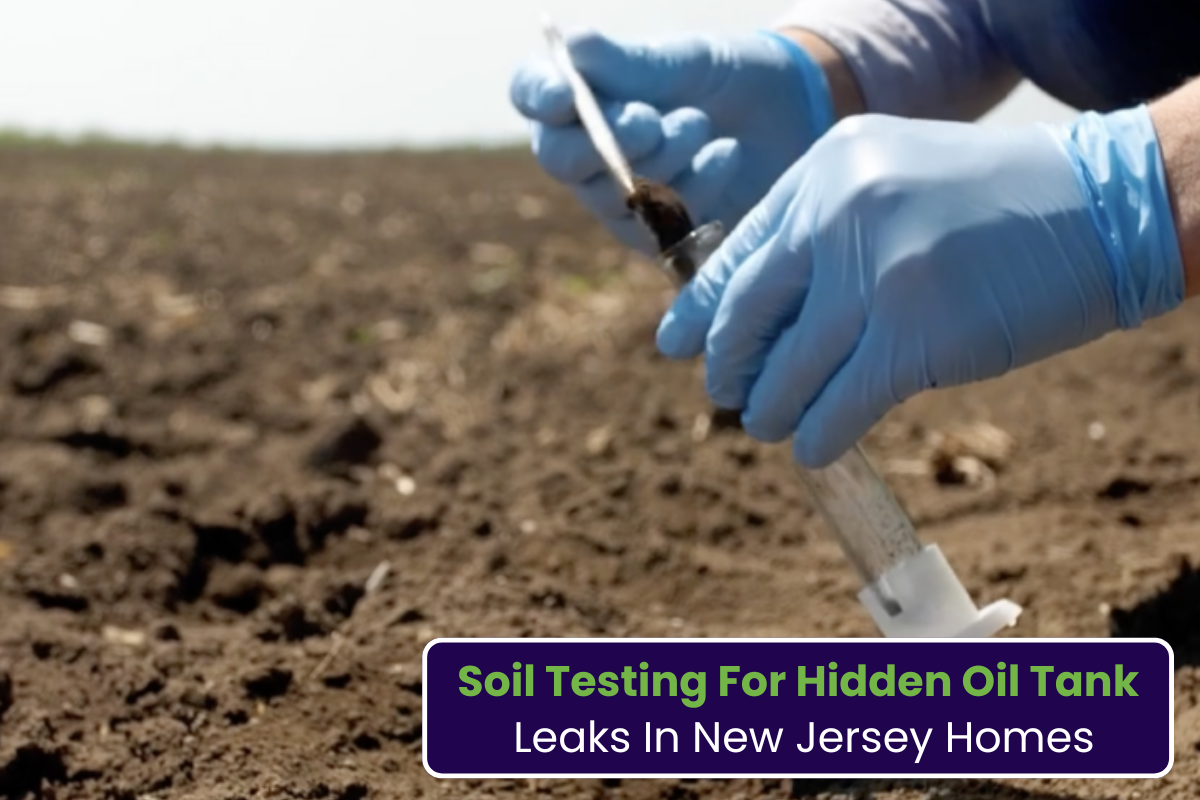
Hidden oil tank leaks are a serious concern for homeowners across New Jersey, especially in older residential properties where underground heating oil tanks were commonly installed decades ago. These leaks often remain unnoticed for years, silently contaminating soil and increasing environmental and financial risks. This is where professional soil testing services play a critical role. By identifying contamination early, homeowners can protect their property value, ensure regulatory compliance, and prevent long-term damage.
This in-depth guide explains how soil testing works, why it matters, and how it helps uncover concealed oil tank leaks before they become costly problems.
Understanding Hidden Oil Tank Leaks on Residential Properties
Many residential oil tanks, particularly underground ones, are prone to corrosion due to age, moisture, and soil conditions. Over time, small leaks can develop without any visible signs on the surface. Homeowners may not notice odors, staining, or vegetation damage until contamination has already spread.
Hidden oil tank leaks are especially problematic because:
-They can remain undetected for years
-Contamination spreads beyond the tank area
-Cleanup becomes more complex and expensive
-Property sales may be delayed or blocked
Soil testing acts as the first line of defense by detecting contamination early, even when no obvious symptoms are present.
Why Soil Testing Services Are Essential for Oil Tank Leak Detection
Early Detection of Subsurface Contamination
Professional soil testing services analyze soil samples taken from strategic locations around a suspected oil tank. These tests detect petroleum hydrocarbons and other contaminants at very low levels, helping identify leaks long before they reach groundwater or neighboring properties.
Accurate Risk Assessment for Homeowners
Soil testing doesn’t just confirm whether a leak exists—it helps determine how far contamination has spread. This information allows homeowners to understand the severity of the issue and plan the next steps responsibly.
Protection of Property Value
Undiscovered oil contamination can significantly reduce property value. Early testing and documentation show due diligence, which is especially important during real estate transactions.
How Soil Testing Services Work for Residential Oil Tanks
Site Inspection and Initial Evaluation
The process begins with a detailed inspection of the property. Technicians assess the tank’s age, location, and surrounding soil conditions to identify high-risk areas.
Strategic Soil Sampling
Samples are collected from multiple depths and locations around the tank. This targeted approach ensures accurate detection of even minor leaks.
Laboratory Analysis
Collected samples are sent to certified laboratories where they are tested for petroleum-related contaminants. Results provide precise data on contamination levels.
Clear Reporting and Expert Interpretation
Homeowners receive detailed reports explaining the findings in clear, understandable terms. This transparency supports informed decision-making.
Common Signs That Soil Testing Services May Be Needed
Even when leaks are hidden, certain warning signs suggest that testing is advisable:
-Aging or unknown-condition oil tanks
-Strong petroleum odors near the tank area
-Unexplained soil discoloration
-Property sale or purchase involving an oil-heated home
-Regulatory or lender requirements
Proactive soil testing is often recommended before these signs escalate into major issues.
The Role of Soil Testing in Oil Tank Services and Remediation Planning
Soil testing is not a standalone step—it is a foundational part of comprehensive oil tank services. Once contamination is detected, test results guide responsible remediation planning. This ensures that cleanup efforts are precise, efficient, and compliant with environmental standards.
At the midpoint of many assessments, professionals rely on soil testing services in New Jersey to confirm contamination boundaries, helping prevent unnecessary excavation while ensuring complete environmental protection.
How Soil Testing Supports Oil Tank Removal Decisions
When contamination is confirmed, soil testing results help determine whether tank removal is necessary. An experienced oil tank removal company uses this data to:
-Plan safe excavation strategies
-Minimize disturbance to unaffected soil
-Reduce environmental impact
-Ensure regulatory compliance
This structured approach protects both homeowners and surrounding communities.
Environmental and Health Benefits of Professional Soil Testing
Protecting Groundwater and Local Ecosystems
Oil leaks can migrate through soil and reach groundwater supplies. Early testing helps prevent broader environmental damage.
Safeguarding Family Health
Exposure to petroleum-contaminated soil can pose health risks, particularly for children and pets. Identifying contamination early reduces exposure risks.
Supporting Sustainable Property Management
Responsible soil testing aligns with long-term environmental stewardship and community safety.
Why Professional Expertise Matters in Soil Testing Services
DIY testing kits cannot match the accuracy or credibility of professional services. Certified experts use advanced equipment, follow strict protocols, and provide legally recognized documentation. This expertise ensures:
-Reliable, defensible results
-Compliance with state regulations
-Clear guidance for next steps
Professional soil testing services bring both technical accuracy and peace of mind.
FAQs
Q1: Can soil testing detect very small oil tank leaks?
Yes. Professional laboratory analysis can identify even trace amounts of petroleum contamination.
Q2: Is soil testing required before selling a home with an oil tank?
While not always mandatory, many buyers and lenders request it for assurance and transparency.
Q3: How long does the soil testing process take?
Sampling is usually completed quickly, with laboratory results typically available within a short timeframe.
Q4: Does soil testing mean I must remove my oil tank?
Not necessarily. Results help determine whether removal or monitoring is the best course of action.
Q5: Are soil testing results legally recognized?
Yes. Reports from certified professionals are widely accepted by regulators, lenders, and real estate professionals.
Summary
Hidden oil tank leaks pose serious risks, but they don’t have to become costly surprises. Professional soil testing services provide early detection, clear insights, and reliable guidance for homeowners across New Jersey. By identifying contamination before it spreads, homeowners can protect their property, health, and investment.
At the heart of responsible oil tank management is expert support. Simple Tank Services offers dependable solutions backed by experience, precision testing, and a commitment to protecting residential properties and the environment—helping homeowners move forward with confidence and clarity.