
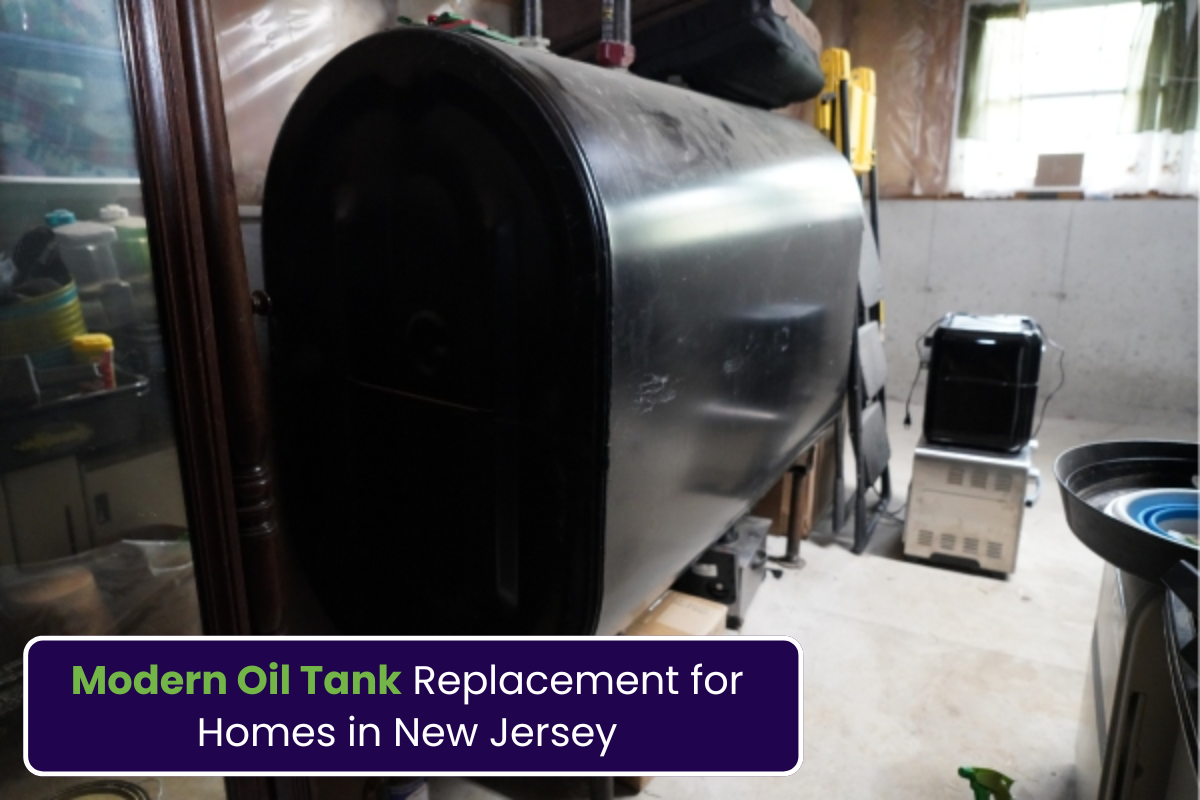
Many homeowners across New Jersey still rely on aging oil tanks that were installed decades ago. While these tanks may have worked well in the past, modern safety standards, environmental concerns, and home value expectations have changed. If your oil tank is outdated, damaged, or nearing the end of its lifespan, upgrading it is not just a smart move—it’s a necessary one.
Choosing Oil Tank Replacement in New Jersey helps protect your property, improve heating efficiency, and ensure compliance with local regulations. In this guide, we’ll explain why modern oil tank replacement is worth considering, what benefits it brings to your home, and how professional services make the process simple and stress-free.
Why Old Oil Tanks Can Be a Serious Risk
Older oil tanks were often made with single-wall steel and installed without the safeguards required today. Over time, corrosion, rust, and wear can weaken the tank structure.
Common Problems With Aging Oil Tanks
-Oil leaks that contaminate soil
-Expensive environmental cleanup costs
-Heating inefficiency
-Insurance and compliance issues
-Reduced property value
In New Jersey, strict environmental regulations mean homeowners are often held responsible for cleanup if a tank fails. That’s why proactive Oil Tank Replacement in New Jersey is far safer than waiting for a problem to occur.
How Modern Oil Tank Replacement Systems Improve Home Safety
Modern oil tanks are designed with durability, safety, and efficiency in mind. They meet current state and environmental standards and are built to last significantly longer than older models.
Key Features of Modern Oil Tanks
-Double-wall construction for leak protection
-Corrosion-resistant materials
-Improved spill containment systems
-Compact designs for indoor or outdoor use
Upgrading to a modern system reduces the risk of leaks and provides peace of mind for homeowners across the state.
Benefits of Oil Tank Replacement in New Jersey
Replacing your oil tank offers advantages that go beyond basic safety. It’s an investment that pays off in multiple ways.
Improved Home Safety
Oil leaks pose fire hazards and health risks. A new tank dramatically reduces these dangers by using advanced containment and monitoring features.
Environmental Protection
New Jersey takes environmental protection seriously. Modern tanks prevent soil and groundwater contamination, helping homeowners stay compliant with regulations.
Increased Property Value
Homes with updated heating systems are more attractive to buyers. Replacing an old tank can eliminate a major concern during inspections and negotiations.
Better Heating Efficiency
New tanks deliver fuel more reliably, helping your heating system operate efficiently and consistently during cold months.
Residential Oil Tank Replacement: What Homeowners Should Know
Residential oil tank replacement requires careful planning and professional execution. Every home has unique needs based on tank size, location, and heating demands.
Factors That Influence Replacement
-Indoor vs. outdoor tank placement
-Size requirements based on fuel usage
-Local permits and inspections
-Soil condition if removing an underground tank
Professional contractors handle these details to ensure the replacement process is safe and compliant from start to finish.
Heating Oil Tank Upgrade: Is It the Right Time?
If your tank is over 20 years old, showing signs of rust, or failing inspections, it’s time to consider a heating oil tank upgrade.
Signs You Need an Upgrade
-Visible corrosion or dents
-Oil odors near the tank
-Frequent heating system issues
-Failed insurance or municipal inspections
Upgrading early can save thousands of dollars in emergency repairs and cleanup costs later.
Aboveground vs Underground Oil Tank Replacement
Choosing between aboveground and underground systems is an important part of the replacement process.
Aboveground Oil Tank Replacement
Aboveground oil tank replacement is often preferred because:
-Easier inspections and maintenance
-Lower installation and removal costs
-Reduced risk of hidden leaks
Underground Tank Considerations
While underground tanks save space, they carry higher risks and removal costs due to soil contamination concerns. Many New Jersey homeowners choose to replace underground tanks with modern aboveground systems.
The Oil Tank Removal and Replacement Process
Professional oil tank removal and replacement follows a structured process to ensure safety and compliance.
Step-by-Step Overview
-Site inspection and tank evaluation
-Permit acquisition (if required)
-Safe draining and cleaning of the old tank
-Tank removal with environmental precautions
-Installation of the new oil tank
-Final inspection and system testing
Experienced contractors ensure the job is completed efficiently while minimizing disruption to your home.
Compliance With New Jersey Regulations
New Jersey has some of the strictest environmental laws in the country regarding oil storage. Failing to meet these standards can result in fines and liability issues.
Professional Oil Tank Replacement in New Jersey services ensure:
-Proper permits are secured
-Environmental guidelines are followed
-Documentation is completed correctly
This protects homeowners from legal and financial risks.
Long-Term Cost Savings of Oil Tank Replacement
While replacement has an upfront cost, it prevents far more expensive issues in the future.
Cost-Saving Benefits
-Avoidance of environmental cleanup fees
-Reduced insurance complications
-Improved heating efficiency
-Fewer emergency repairs
Over time, a modern tank pays for itself through safety and reliability.
Summary: A Smart Upgrade for New Jersey Homes
Upgrading your oil tank is one of the most important steps you can take to protect your home, family, and investment. With improved safety features, environmental protection, and long-term savings, Oil Tank Replacement in New Jersey is a smart and responsible decision for homeowners.
By working with experienced professionals and choosing modern tank systems, you can enjoy peace of mind knowing your heating system is safe, efficient, and compliant—made simple with trusted solutions like Simple Tank Services.
Frequently Asked Questions
How long does oil tank replacement take?
Most residential oil tank replacement projects are completed within one day, depending on tank location and site conditions.
Is oil tank replacement required by law in New Jersey?
Replacement isn’t always mandatory, but failing tanks or non-compliant systems must be addressed to meet state environmental regulations.
What is the lifespan of a modern oil tank?
Modern oil tanks typically last 30 years or more with proper maintenance.
Can I replace an underground tank with an aboveground tank?
Yes, many homeowners choose this option to reduce future risks and maintenance concerns.
Does replacing an oil tank increase home value?
Yes. Updated oil tanks improve inspection results and make homes more attractive to buyers.