
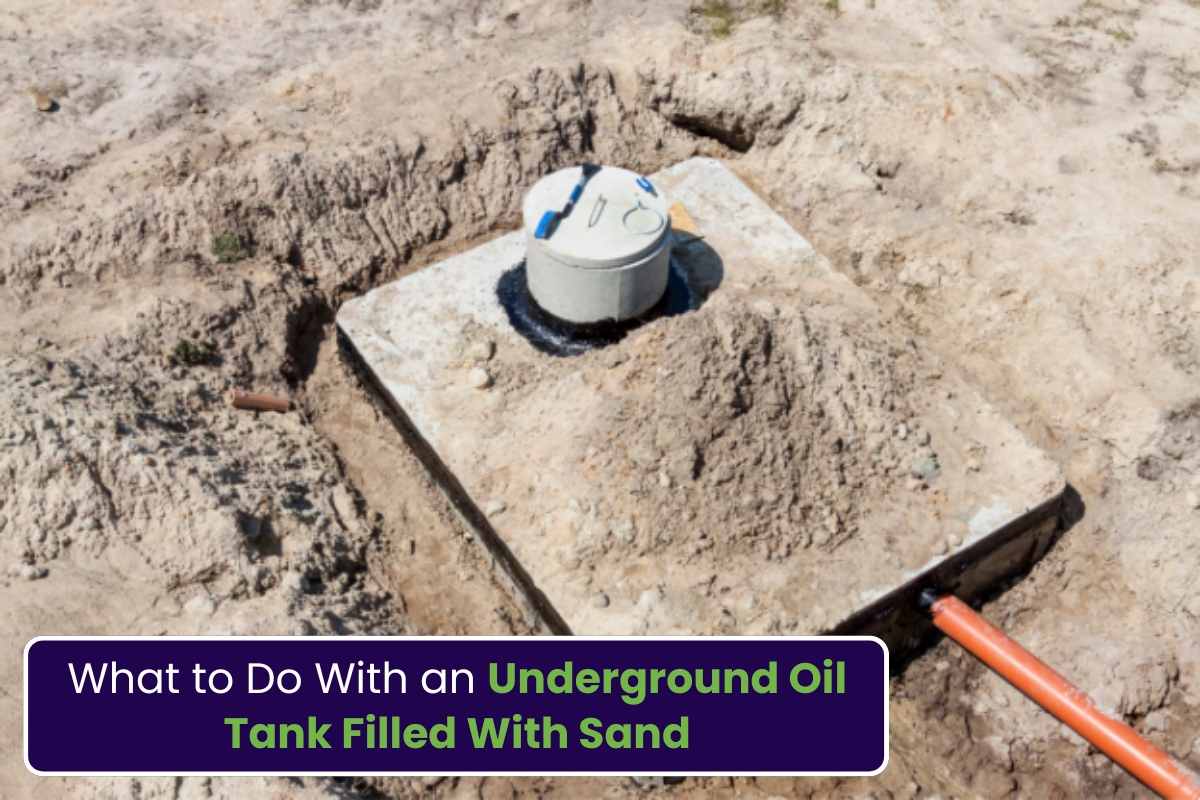
Underground oil tanks were once common in older homes across New Jersey. Many homeowners filled unused tanks with sand decades ago, believing it was a permanent solution. However, regulations, property sales, and environmental concerns have changed over time.
If you recently discovered that your property has an underground oil tank filled with sand, you may be wondering what to do next. Is it safe? Should it stay buried? Does it affect your home value?
Let’s break it down in simple, practical terms.
Why Were Underground Oil Tanks Filled With Sand?
Years ago, when homeowners converted from oil heating to gas systems, contractors often abandoned tanks in place. Instead of removing them, they were drained and filled with sand or foam to prevent collapse.
At the time, it seemed like an affordable option. But today, filled tanks can still pose risks:
-Hidden oil residue
-Corrosion over time
-Soil contamination
-Insurance or mortgage issues
-Delays during property sale
Even if a tank is filled with sand, it does not mean the risk is eliminated.
Is a Sand-Filled Oil Tank Still a Problem?
Yes, it can be.
Sand does not remove contamination. If oil sludge was left inside before filling, corrosion may eventually cause leakage. Over time, underground metal tanks deteriorate due to moisture and soil conditions.
In New Jersey, environmental regulations are strict. If contamination is discovered during inspection or property transfer, the cleanup process can become expensive and time-consuming.
That’s why many homeowners now choose oil tank removal in New Jersey instead of leaving abandoned tanks underground.
Signs You May Still Have a Buried Oil Tank
If you’re unsure whether your tank was removed or just filled, look for these clues:
-Old oil fill pipe near foundation
-Vent pipe sticking out of the ground
-Oil supply line in basement
-Uneven patches in yard soil
-Historical heating oil records
A professional scan using ground-penetrating radar can confirm the tank’s presence without digging.
Underground Oil Tank Abandonment vs. Removal
When dealing with an old tank filled with sand, homeowners typically have two options:
Leave It in Place (With Proper Documentation)
If the tank was officially abandoned according to state standards and you have documentation, you may legally leave it underground. However:
-You may still face issues during home sale.
-Buyers may request removal.
-Insurance companies may deny coverage.
Remove the Tank Completely
Full removal eliminates long-term liability. During removal:
-The tank is excavated.
-Soil is tested for contamination.
-Residual waste is disposed of safely.
-Proper documentation is issued.
Many property owners prefer removal for peace of mind and resale value protection.
Environmental Risks of Sand-Filled Tanks
Even when filled with sand, underground tanks can:
-Rust from inside and outside.
-Leak small amounts of oil residue.
-Contaminate groundwater.
-Trigger mandatory environmental reporting.
New Jersey takes environmental safety seriously. If contamination spreads beyond your property, the liability can increase significantly.
That’s why homeowners researching oil tank removal in New Jersey often act before selling their property rather than waiting for inspection surprises.
Oil Tank Soil Contamination Risks
One of the biggest concerns is what’s happening in the soil around the tank.
How Contamination Occurs
-Residual sludge was never fully cleaned.
-Tank corrosion causes small leaks.
-Rainwater accelerates rusting.
-Soil acidity damages metal.
What Happens If Contamination Is Found?
If soil testing shows contamination:
-The affected soil must be excavated.
-Samples are sent for laboratory analysis.
-A remediation report is filed.
-State clearance documentation is required.
Handling contamination early can reduce cleanup costs and avoid real estate transaction delays.
Safe Oil Tank Decommissioning Process
If your tank was filled with sand but not officially removed, professionals follow a structured process:
-Site inspection and tank location scan
-Permit verification (if required)
-Excavation around tank
-Sand removal and interior inspection
-Tank extraction
-Soil testing
-Backfilling and restoration
-Final compliance documentation
A safe oil tank decommissioning process protects homeowners from unexpected environmental penalties later.
How Does This Affect Property Value?
In New Jersey’s real estate market, underground oil tanks are considered red flags. Many buyers:
-Request tank sweep inspections
-Require removal before closing
-Negotiate price reductions
-Delay contracts until soil clearance is provided
Removing the tank proactively makes your property more attractive and reduces transaction stress.
When Should You Take Action?
You should consider addressing a sand-filled tank if:
-You plan to sell your home
-You are refinancing
-You lack abandonment documentation
-You notice oil odors in soil
-Your insurance company requests inspection
Waiting may increase risks. Acting early gives you more control over cost and timeline.
Cost Considerations
Costs vary depending on:
-Tank size
-Depth of burial
-Soil condition
-Accessibility
-Contamination level
However, early removal is usually more affordable than emergency remediation triggered during a property sale.
Residential Oil Tank Removal Cost Factors
Understanding cost components helps homeowners prepare:
Tank Size and Depth
Larger or deeper tanks require more excavation time.
Soil Testing Requirements
Laboratory testing is mandatory in many cases.
Site Accessibility
Limited yard access may require specialized equipment.
Backfill and Landscaping
Post-removal restoration affects total expense.
While pricing varies, removing risk is often worth the investment.
Should You Leave a Sand-Filled Tank Alone?
In simple terms — it depends on your future plans.
If you plan to stay long-term and have proper abandonment paperwork, you may choose to monitor it.
If you plan to sell, refinance, or avoid liability, removal is typically the safer route.
Every property is different. Consulting a licensed environmental contractor ensures you understand local requirements and documentation standards.
Summary
If you have an underground oil tank filled with sand, do not assume the issue is resolved. Sand does not prevent corrosion or eliminate contamination risk. Inspection, documentation review, and possible removal are often the safest path forward. Taking proactive steps now can protect property value, prevent environmental liability, and simplify future home sales — and when handled correctly with trusted support like Simple Tank Services, the process becomes far more manageable.