
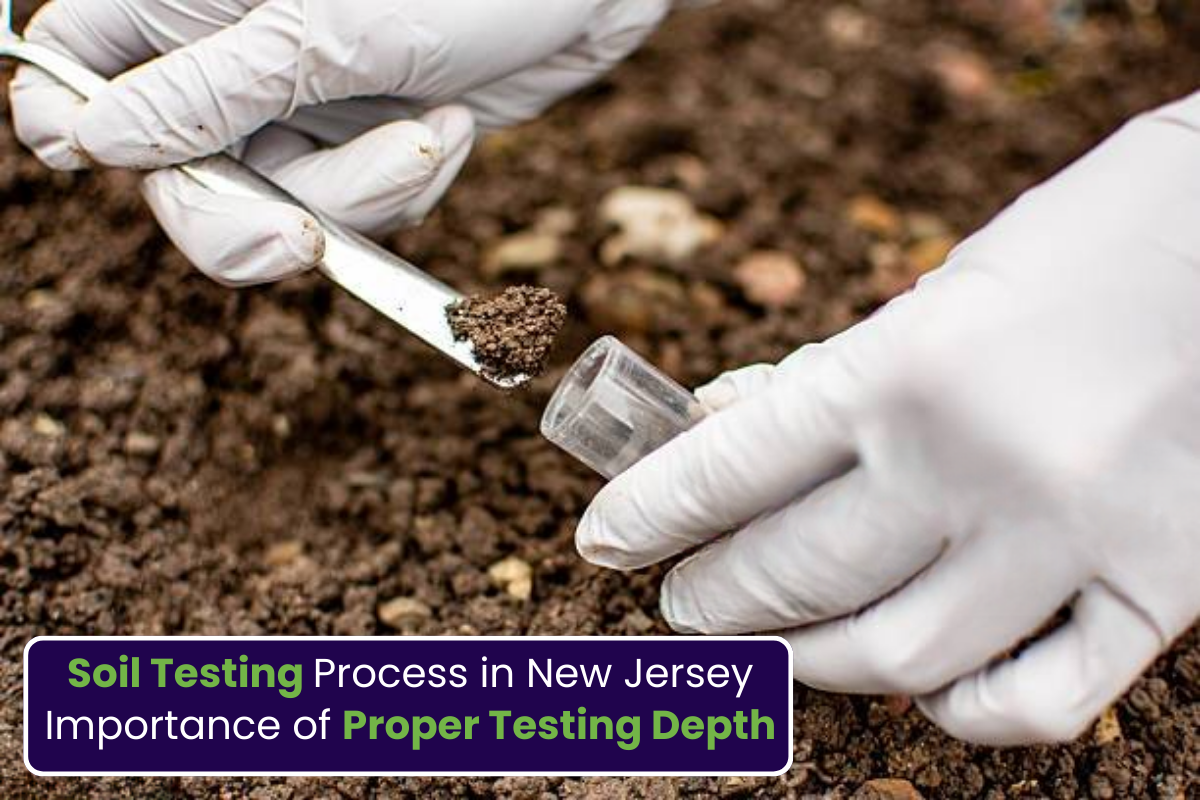
Before any construction, tank installation, or land development project begins, understanding what lies beneath the surface is critical. Soil conditions directly impact safety, compliance, and long-term performance. That’s why Soil Testing in New Jersey plays a vital role in responsible property development.
Many property owners assume soil testing is a simple surface check. In reality, proper testing involves strategic sampling at specific depths to uncover hidden risks such as contamination, poor load-bearing capacity, or drainage issues. This guide explains the soil testing process, why depth matters so much, and how accurate results protect both your project and your investment.
Understanding the Soil Testing Process
The soil testing process is a structured method used to evaluate the physical, chemical, and environmental properties of soil. It is not just about collecting dirt—it’s about gathering accurate data from the right locations and depths.
Key Goals of Soil Testing
-Identify soil composition and stability
-Detect contaminants or hazardous materials
-Determine suitability for construction or tank installation
-Ensure compliance with New Jersey environmental regulations
Skipping steps or testing at incorrect depths can lead to misleading results, which may cause structural failures or regulatory issues later.
Why Proper Soil Depth Matters More Than You Think
Soil conditions can change dramatically just a few feet below the surface. That’s why soil testing depth requirements are a critical factor in obtaining reliable data.
Shallow vs. Deep Soil Samples
-Surface samples reveal topsoil quality and minor contamination
-Deeper samples expose hidden issues like petroleum residue, clay layers, or unstable soil
For projects involving underground tanks, foundations, or environmental clearance, testing only the top layer is not enough.
Soil Layers and Their Impact on Construction
Understanding soil layers helps explain why depth matters so much.
Topsoil Layer
This layer contains organic material and nutrients but offers limited structural support.
Subsoil Layer
Subsoil determines load-bearing capacity and drainage behavior. Poor subsoil conditions can lead to foundation cracking or settlement.
Parent Material
At deeper levels, parent material reveals long-term stability and contamination risks that directly affect construction safety.
A proper construction soil analysis examines all relevant layers, not just what’s visible.
Environmental Soil Testing: Protecting Property and Health
Environmental soil testing focuses on detecting harmful substances that may pose risks to people or the environment. This is especially important in New Jersey, where many properties have a history of industrial or fuel-related use.
Common Contaminants Found
-Petroleum hydrocarbons
-Heavy metals
-Chemical residues from past land use
Testing at the correct depth ensures contaminants aren’t missed, helping property owners avoid future liability and cleanup costs.
Soil Testing for Tank Installations in New Jersey
When installing or replacing fuel tanks, soil testing becomes even more critical. Improper depth testing can fail to detect leaks from previous tanks or unstable soil conditions.
Professionals conducting Soil Testing in New Jersey follow strict protocols to ensure:
-Accurate contamination detection
-Compliance with state regulations
-Safe tank placement and long-term performance
This step protects homeowners, contractors, and service providers from costly mistakes.
How Professionals Determine the Right Testing Depth
Soil testing depth is not random. Experts consider multiple factors before sampling.
Factors That Influence Testing Depth
-Type of project (residential, commercial, tank installation)
-Local soil composition
-Property history and prior land use
-Regulatory requirements
Using specialized drilling equipment, technicians extract samples at precise intervals to ensure accuracy.
The Role of Construction Soil Analysis in Project Planning
A detailed construction soil analysis helps engineers and builders make informed decisions before work begins.
Benefits of Proper Soil Analysis
-Prevents structural failures
-Reduces project delays
-Improves foundation design
-Enhances drainage planning
Accurate soil data allows projects to move forward with confidence instead of guesswork.
Why Soil Testing Is Especially Important in New Jersey
New Jersey’s diverse soil conditions and strict environmental regulations make accurate testing essential.
Unique Challenges in the State
-Varied soil composition across regions
-Older properties with fuel tank history
-High environmental compliance standards
Professional testing ensures projects meet both safety and legal requirements.
Choosing the Right Soil Testing Partner
Selecting an experienced service provider ensures proper sampling, accurate reporting, and regulatory compliance.
Look for professionals who:
-Understand local regulations
-Use modern testing equipment
-Provide clear, detailed reports
-Offer guidance based on results
Expert testing delivers peace of mind from start to finish.
Frequently Asked Questions
How deep should soil testing be done?
The required depth depends on the project type, soil conditions, and regulatory requirements. Deeper testing is often necessary for construction and tank-related projects.
Is soil testing mandatory in New Jersey?
In many cases, yes—especially for construction, fuel tank installations, and environmental compliance.
What happens if contaminants are found?
If contamination is detected, further evaluation and remediation may be required before proceeding with the project.
How long does the soil testing process take?
Most soil testing projects are completed within a few days, depending on site conditions and analysis requirements.
Can soil testing affect construction timelines?
Yes, but proper testing usually prevents larger delays later by identifying issues early.
Summary
Understanding the soil beneath your property is not optional—it’s essential. Proper soil testing goes beyond surface checks and focuses on accurate depth analysis to uncover risks that could impact safety, compliance, and project success. From construction planning to tank installations, correct testing depth ensures reliable data and smarter decisions.
For property owners and contractors seeking dependable results, working with experienced professionals makes all the difference. This is where Simple Tank Services fits in—helping ensure soil testing is handled correctly, responsibly, and in line with New Jersey standards.