Groundwater is one of the most valuable natural resources in the United States. It supplies drinking water to millions of homes, supports agriculture, and keeps ecosystems balanced. In states like New Jersey, where residential, commercial, and industrial activities exist close together, protecting underground water sources is especially important.
When harmful substances enter underground aquifers, the impact can be long-lasting and expensive to fix. Understanding how contamination happens, what damage it causes, and how it can be prevented helps property owners, businesses, and municipalities make better environmental decisions.
What Is Groundwater and Why It Matters?
Groundwater is water stored beneath the earth’s surface in soil pores and rock formations called aquifers. Unlike surface water, groundwater is hidden from view, which makes contamination difficult to detect without proper testing.
In urban and suburban areas, groundwater is often used for:
-Private wells
-Agricultural irrigation
-Industrial processes
-Public water supply systems
Because it moves slowly underground, contamination can remain undetected for years. Once polluted, cleanup can take decades and require advanced treatment systems.
Major Causes of Groundwater Contamination in New Jersey
Several human activities contribute to Groundwater Contamination in New Jersey. The state’s industrial history, dense population, and aging infrastructure increase the risk of pollutants entering underground water systems.
Leaking Underground Storage Tanks
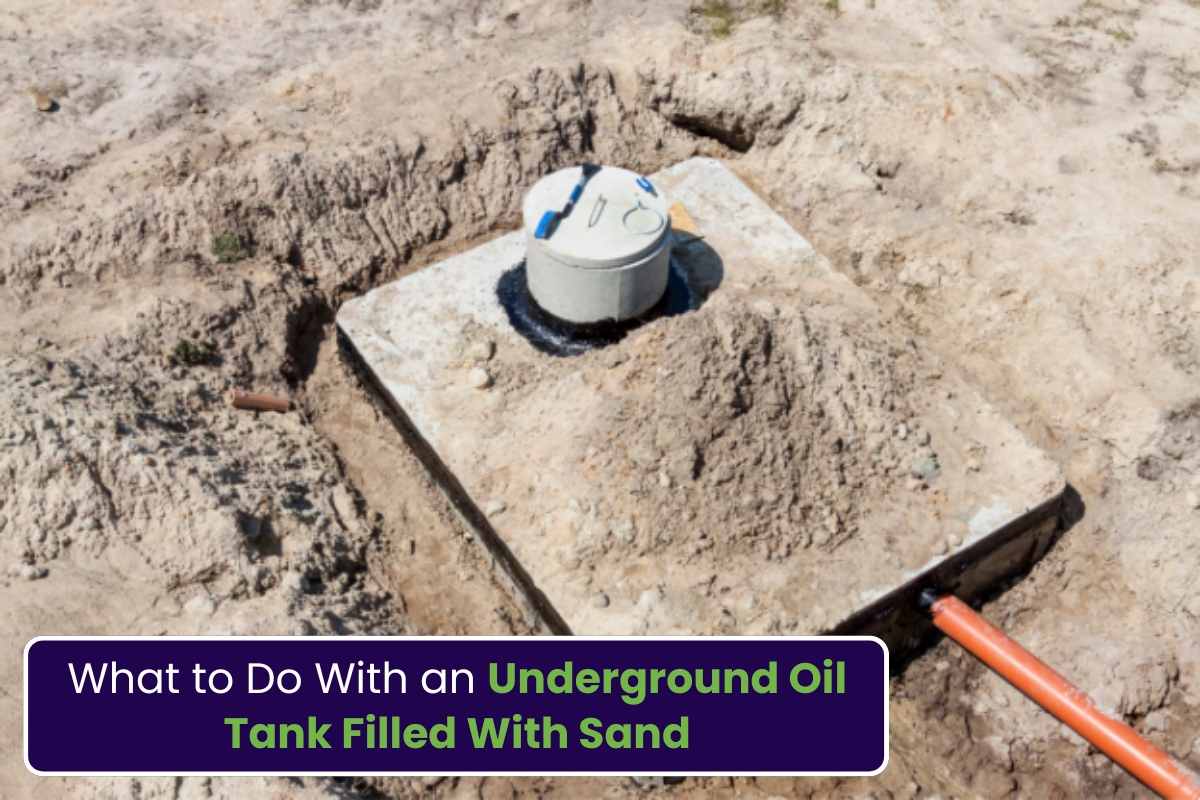
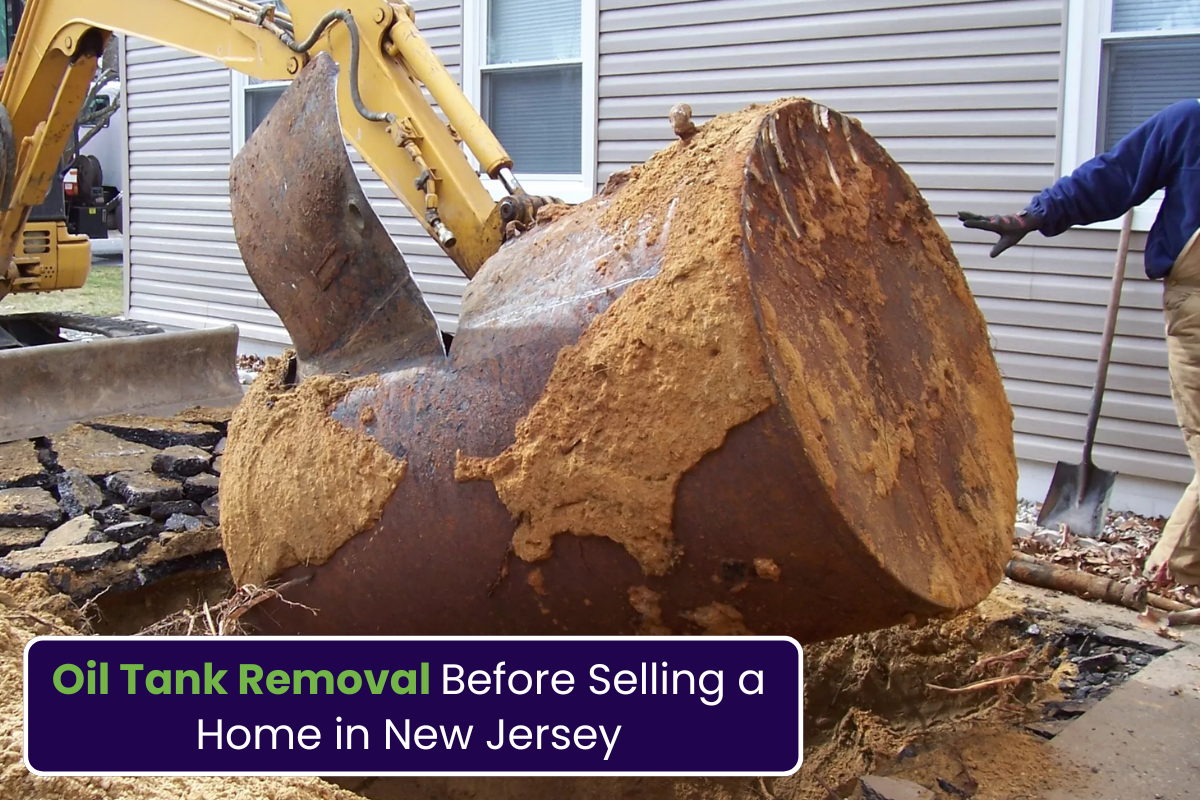
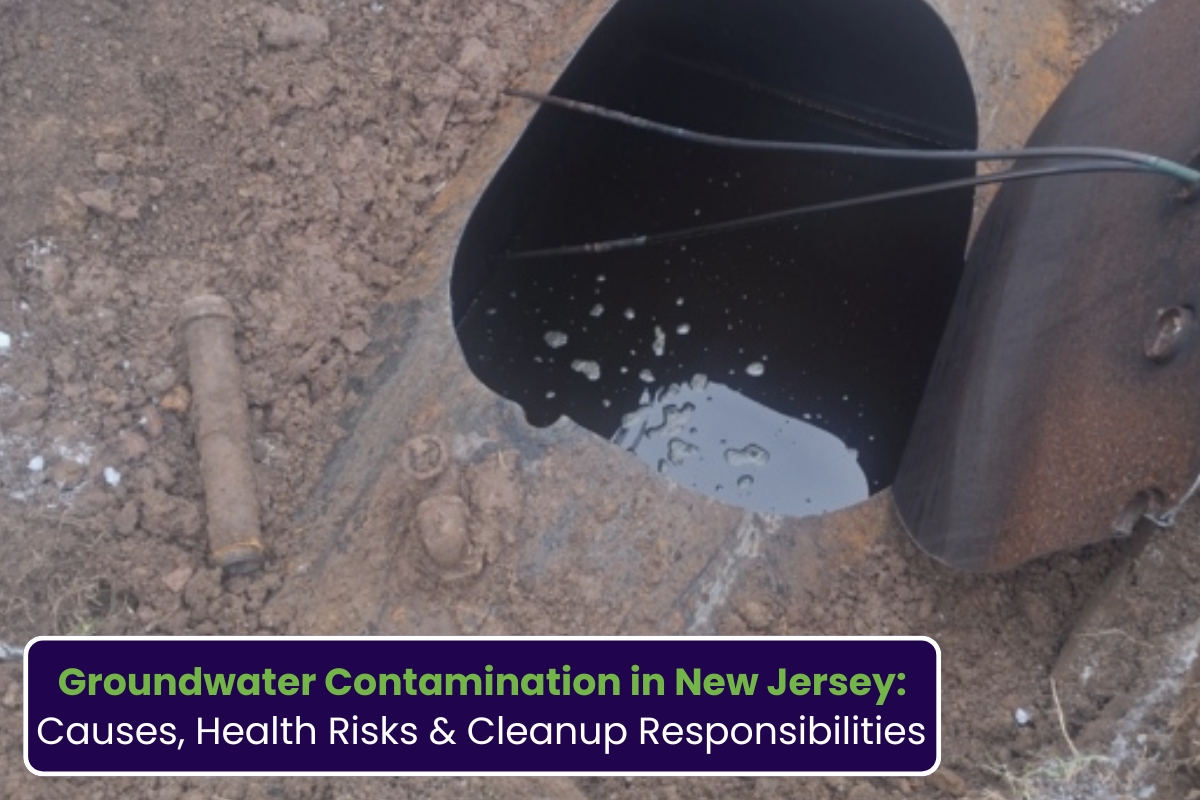
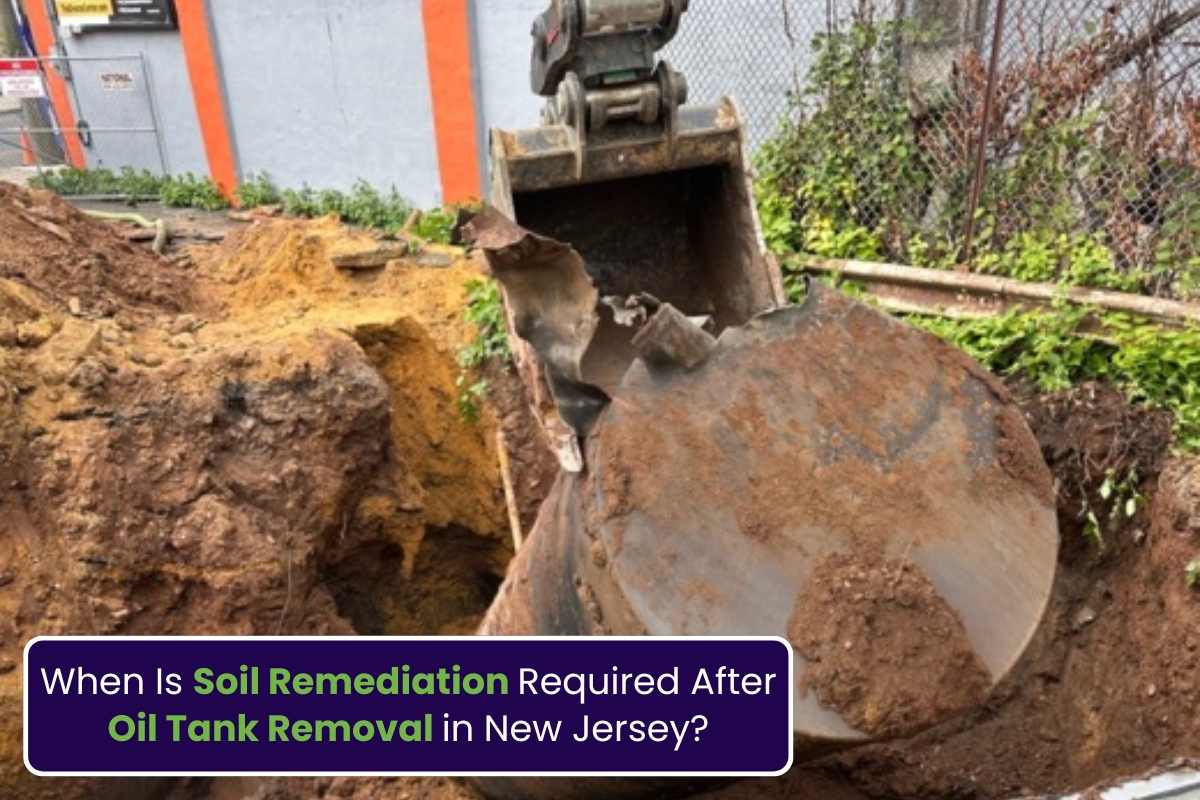
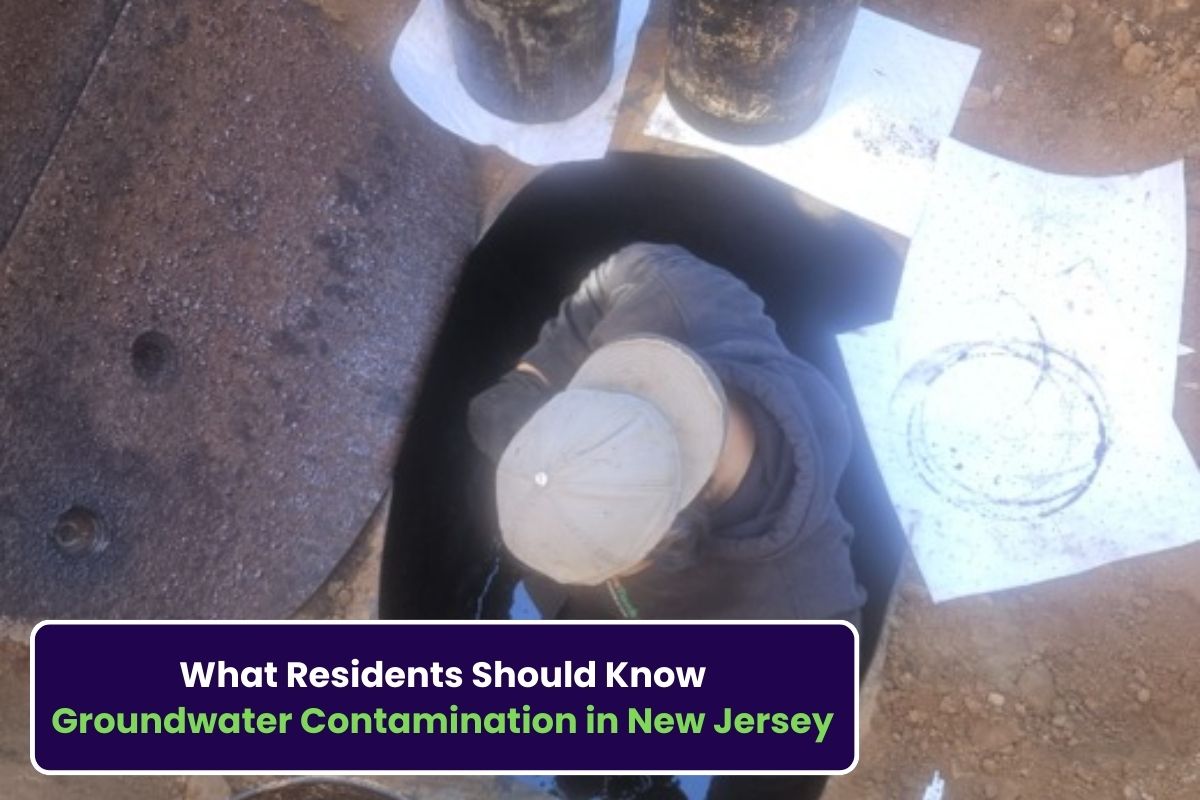
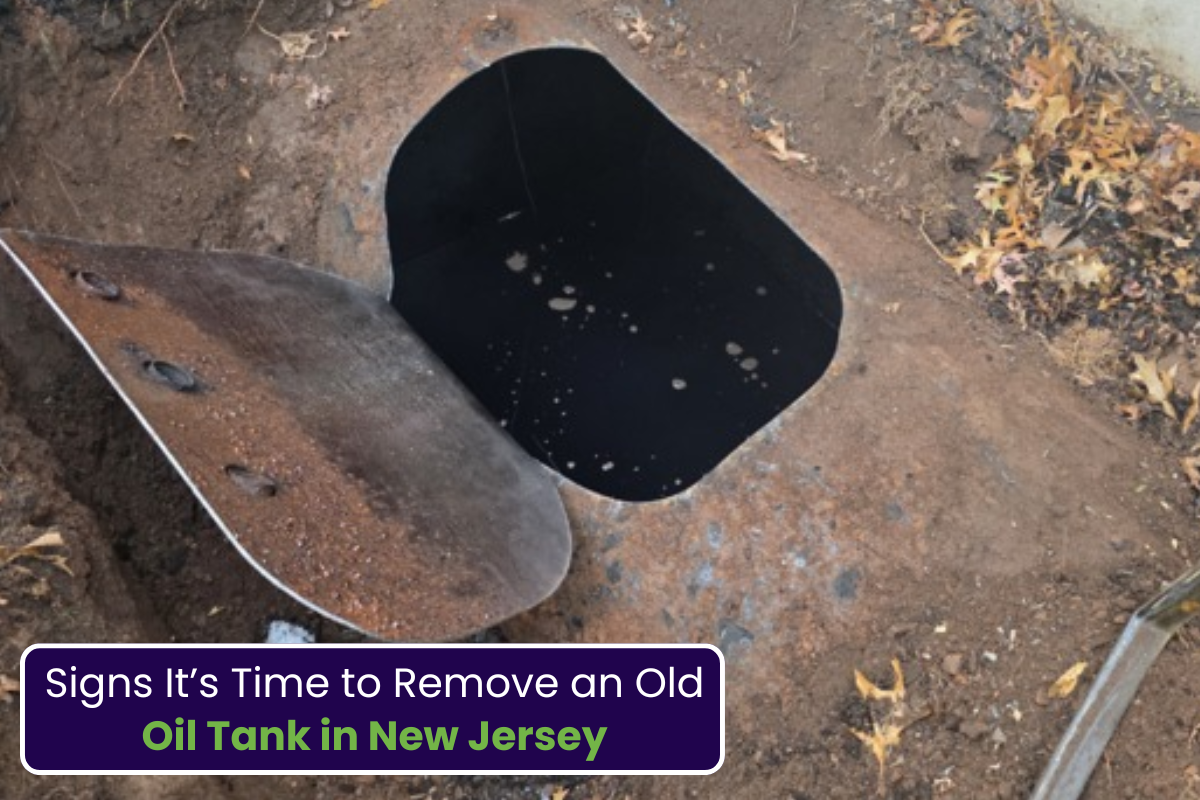
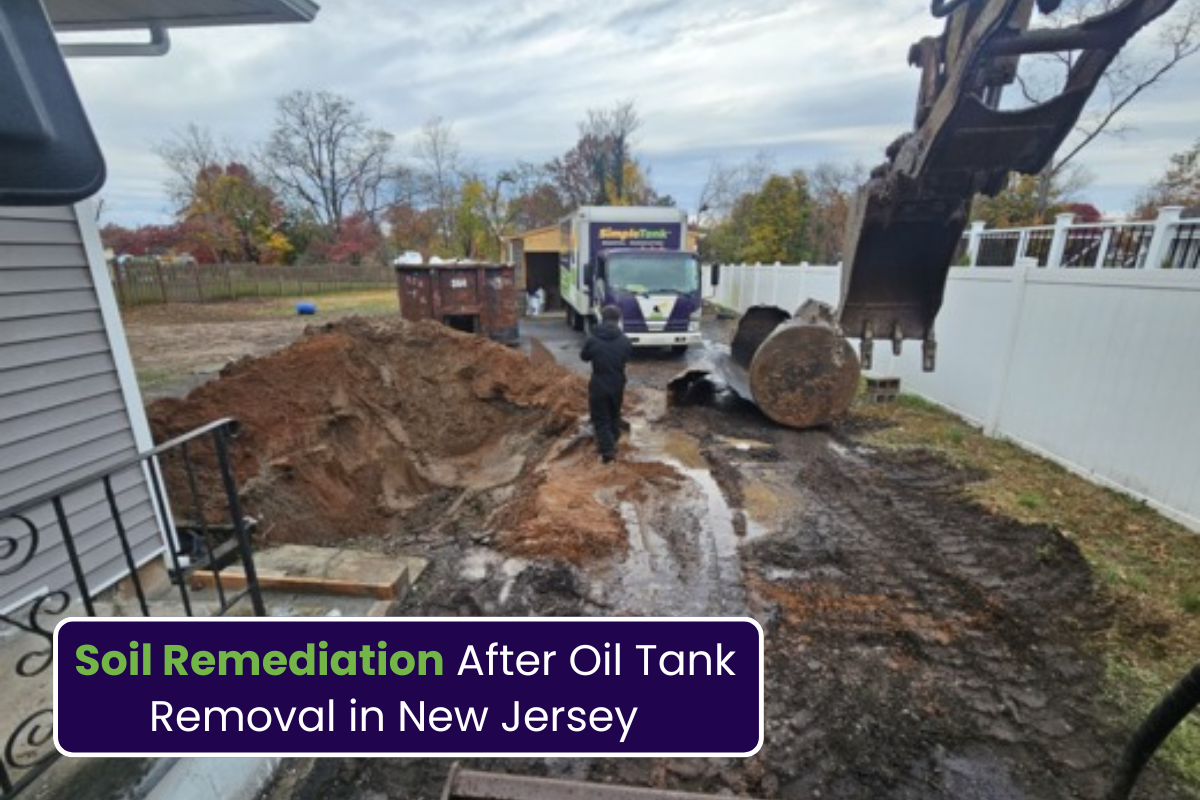
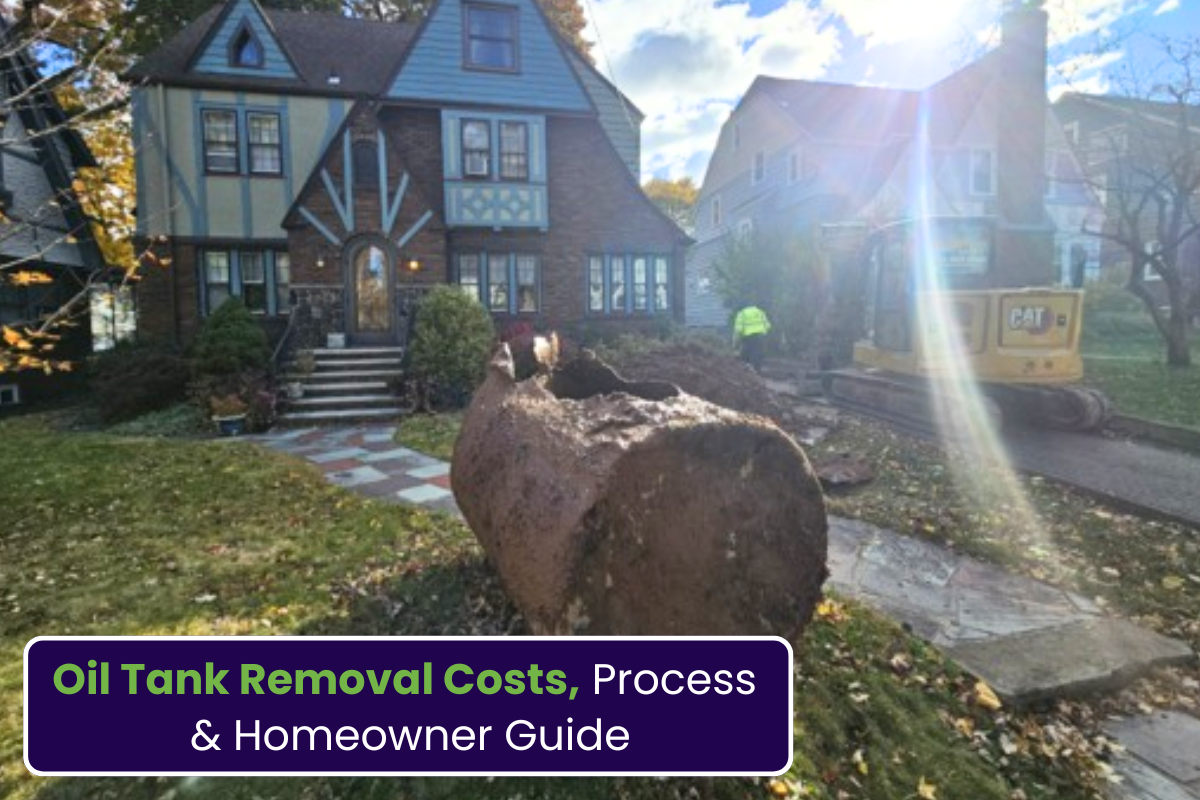
One of the leading causes is fuel or chemical leaks from underground storage tanks. Over time, corrosion or poor installation can allow hazardous materials to seep into surrounding soil and water.
Industrial Waste Disposal
Improper disposal of industrial byproducts can release heavy metals, solvents, and toxic compounds into the ground. These contaminants often travel slowly through soil before reaching aquifers.
Septic System Failures
Poorly maintained septic systems can leak bacteria, nitrates, and harmful pathogens into groundwater sources, especially in residential areas with high housing density.
Agricultural Runoff
Fertilizers and pesticides used in farming can infiltrate soil and contaminate groundwater, particularly during heavy rainfall.
Common Sources of Water Pollution
Understanding the main sources of water pollution helps identify potential risks before serious damage occurs. These sources typically include:
-Petroleum spills
-Chemical storage leaks
-Landfill seepage
-Road salt runoff
-Construction site discharge
In highly developed areas, multiple contamination sources may overlap, increasing the complexity of environmental remediation efforts.
Environmental Impact of Contaminated Groundwater
The environmental impact of contaminated groundwater extends beyond drinking water safety. Once pollutants reach an aquifer, they can:
-Damage aquatic ecosystems
-Contaminate nearby streams and rivers
-Affect soil quality
-Reduce property value
-Increase public health risks
Contaminants such as benzene, lead, arsenic, and nitrates pose serious health hazards. Long-term exposure can lead to neurological disorders, organ damage, and other chronic conditions.
New Jersey’s environmental agencies regularly monitor water quality, but prevention remains more cost-effective than cleanup.
Signs of Well Water Contamination
Property owners who rely on private wells should be aware of early warning signs. Signs of well water contamination may include:
-Unusual taste or odor
-Discoloration
-Cloudy appearance
-Oily sheen on water surface
-Sudden health symptoms among household members
However, many contaminants are odorless and invisible. That is why annual water testing is strongly recommended.
Soil and Groundwater Testing: A Preventive Step
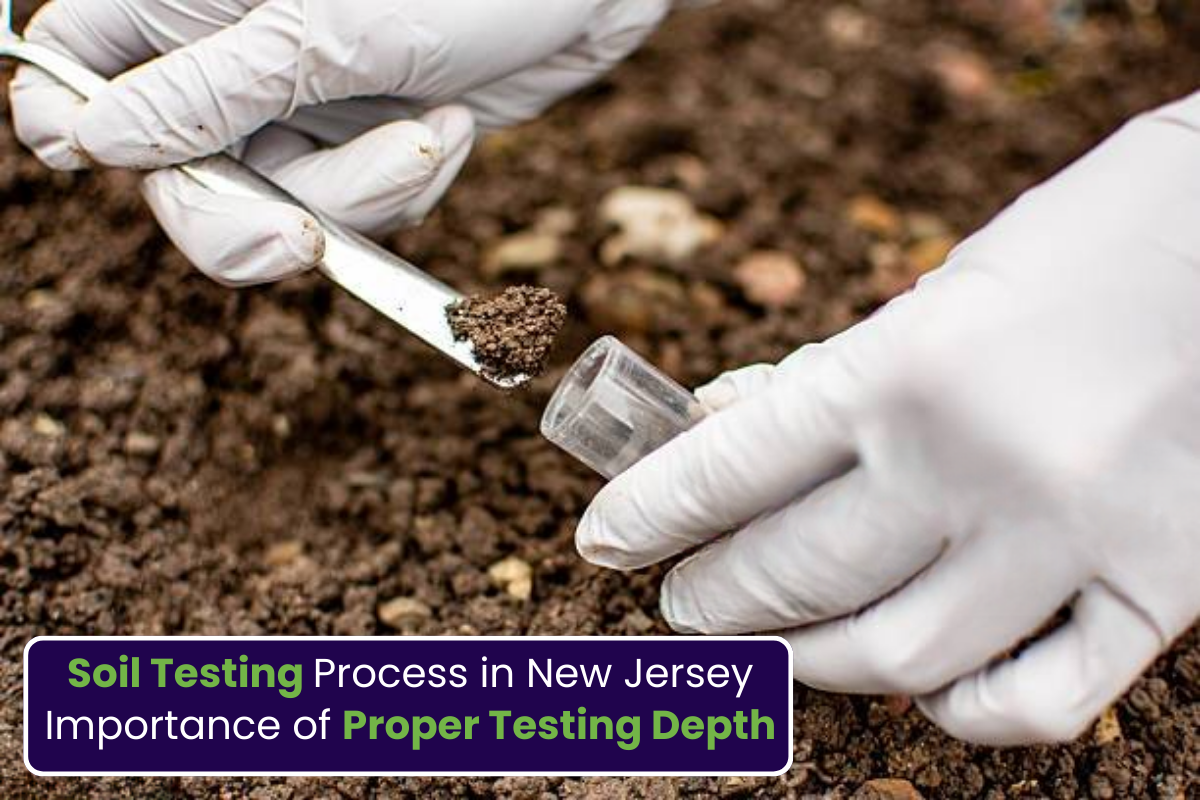
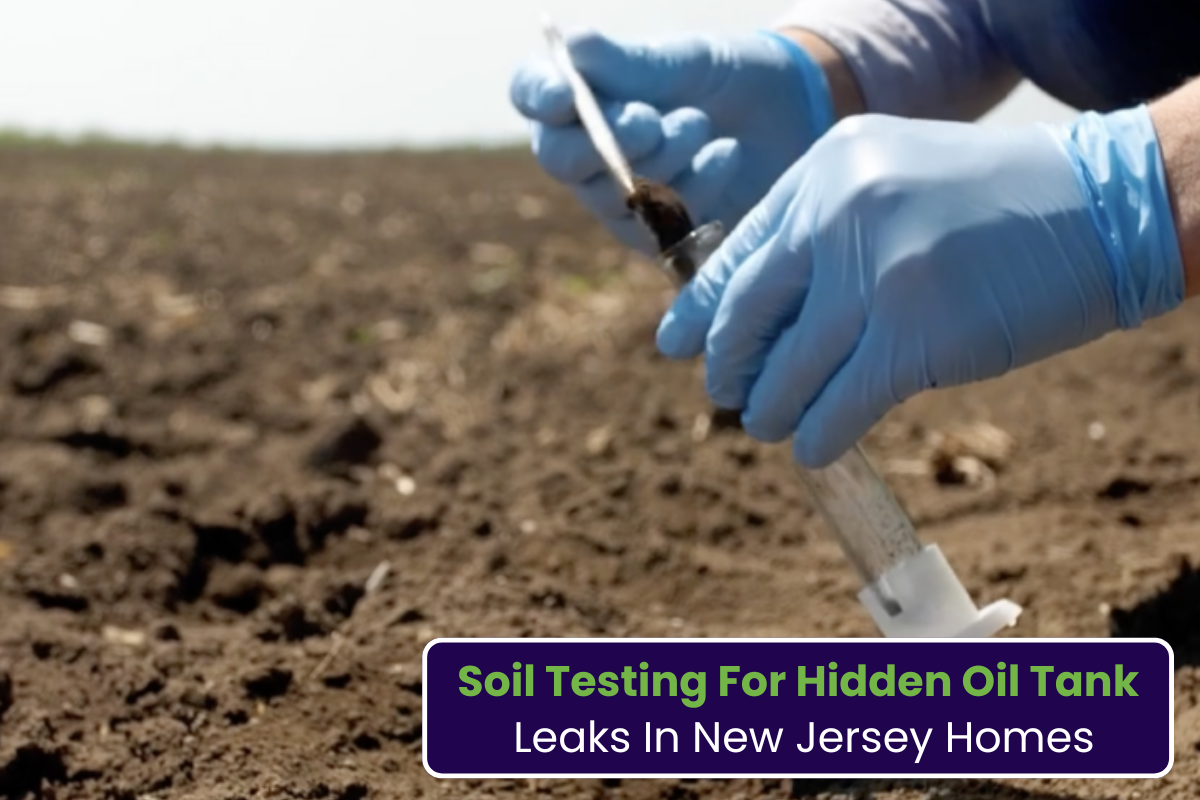
Regular soil and groundwater testing is essential for identifying pollutants before they spread. Testing is especially important for:
-Properties with underground tanks
-Commercial facilities handling chemicals
-Industrial sites
-Areas with previous environmental violations
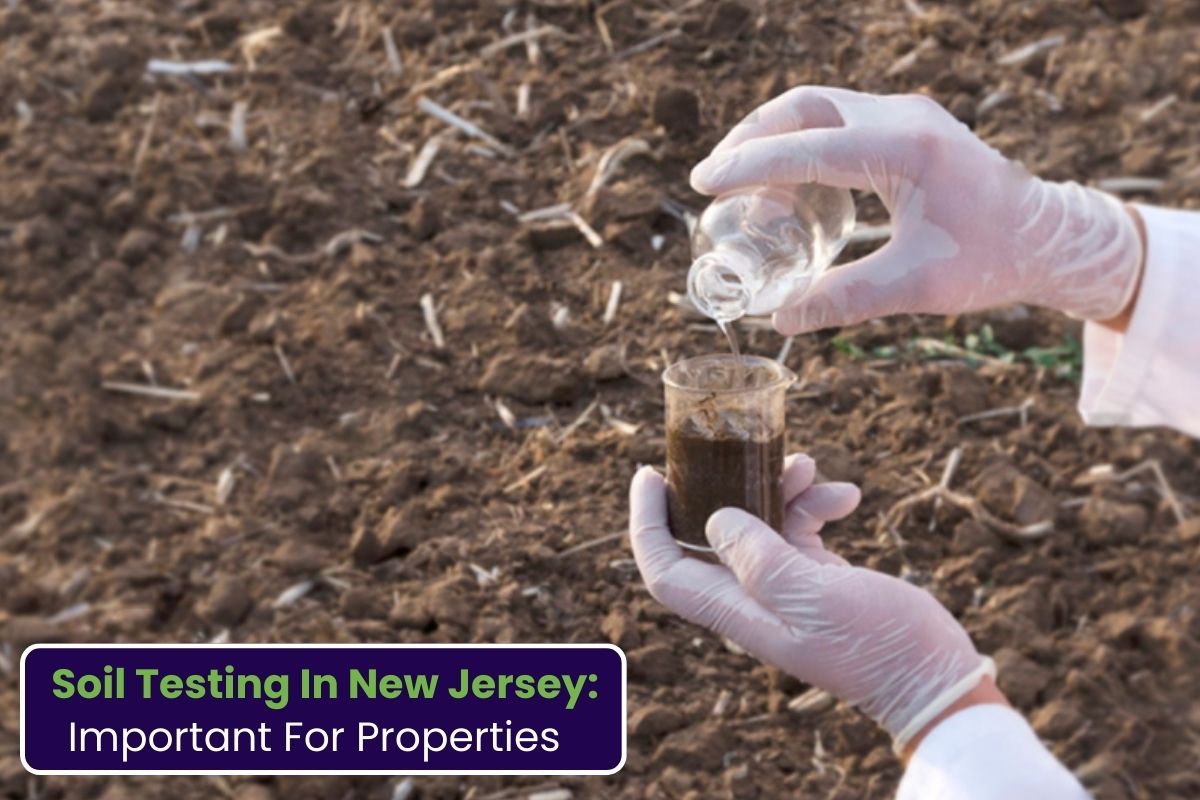
Professional environmental inspections typically include sampling, laboratory analysis, and risk assessment. Early detection can significantly reduce remediation costs.
Long-Term Consequences of Groundwater Contamination
The effects of contamination are not limited to environmental damage. They also create financial and legal consequences.
Public Health Costs
When drinking water becomes unsafe, communities may require expensive filtration systems or alternative water supplies. Healthcare costs may also rise due to exposure-related illnesses.
Property Devaluation
Properties located near contaminated sites often experience lower market value. Buyers may hesitate due to environmental risk concerns.
Regulatory Penalties
Businesses responsible for pollution may face fines, lawsuits, and cleanup mandates under state and federal environmental regulations.
Solutions and Prevention Strategies
Preventing groundwater pollution requires cooperation between property owners, environmental agencies, and service professionals.
Regular Tank Inspections
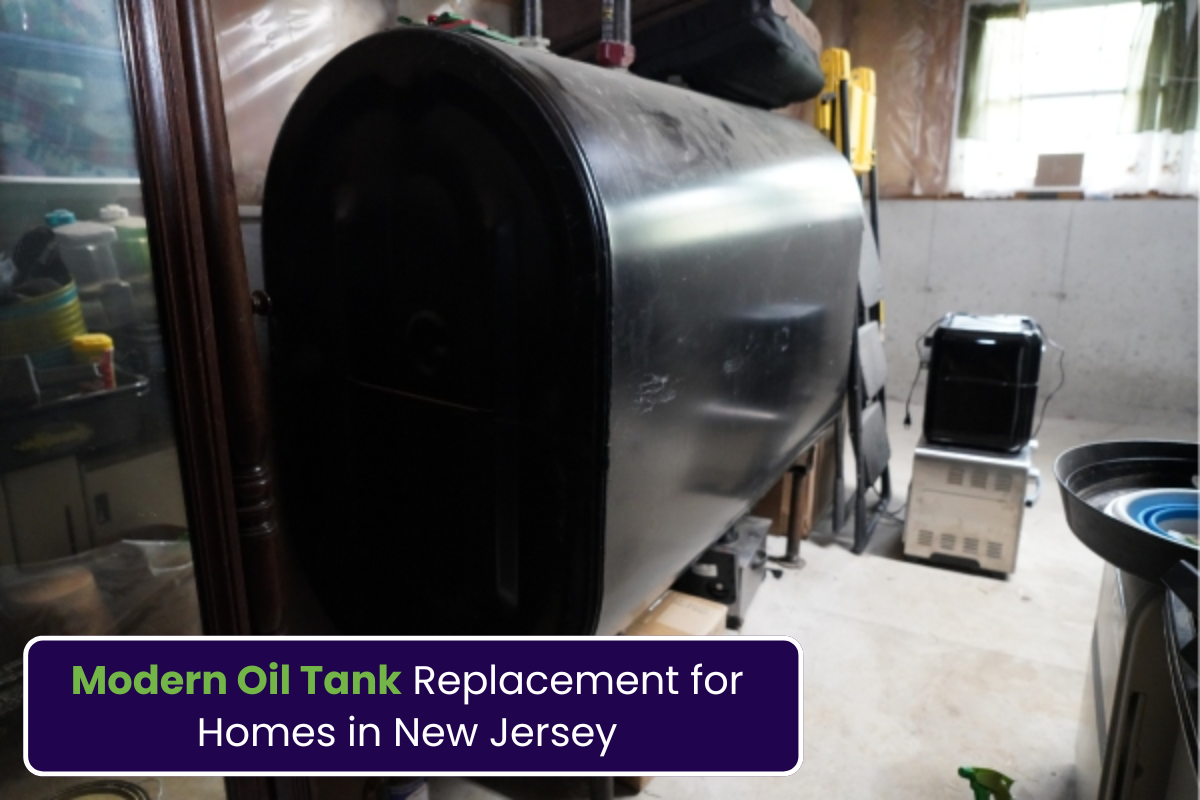
Underground storage systems should be inspected and maintained to prevent leaks. Modern double-wall tanks and leak detection systems offer improved protection.
Proper Waste Disposal
Hazardous materials must be disposed of according to environmental guidelines. Illegal dumping significantly increases contamination risks.
Septic System Maintenance
Routine septic inspections help prevent bacterial seepage into underground water supplies.
Site Remediation Services
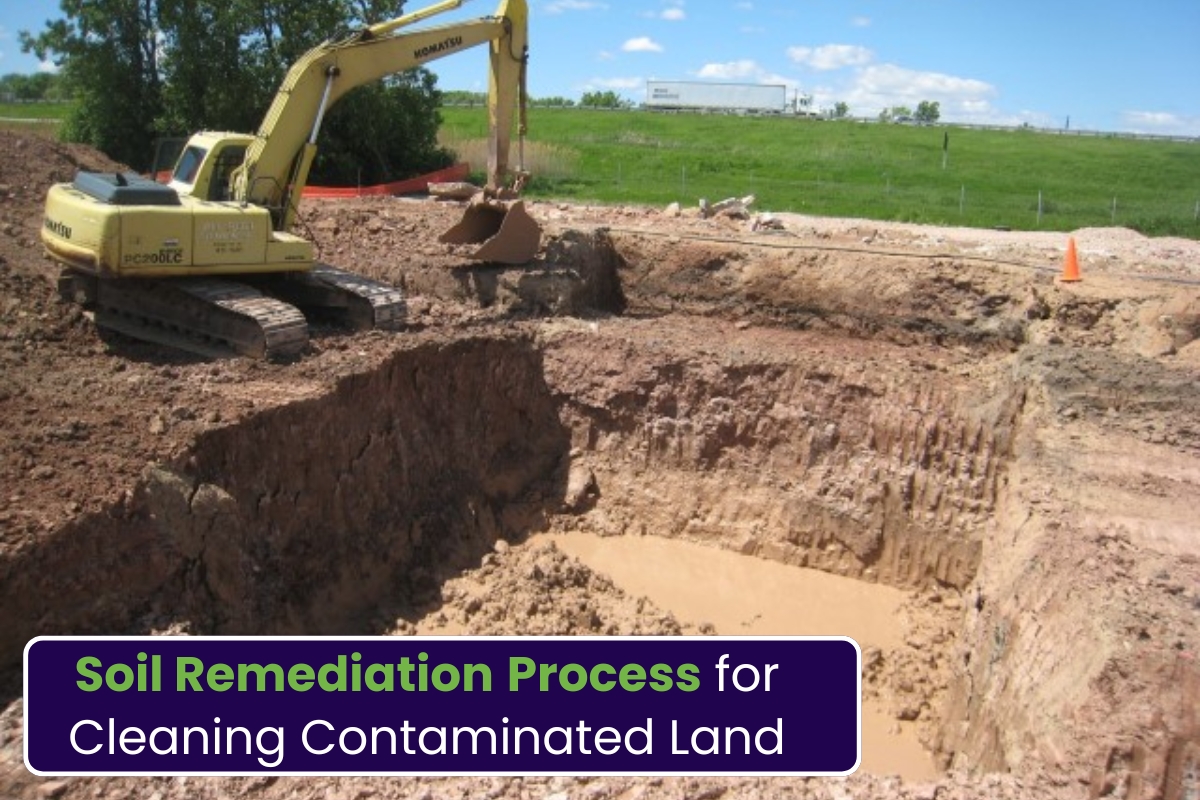
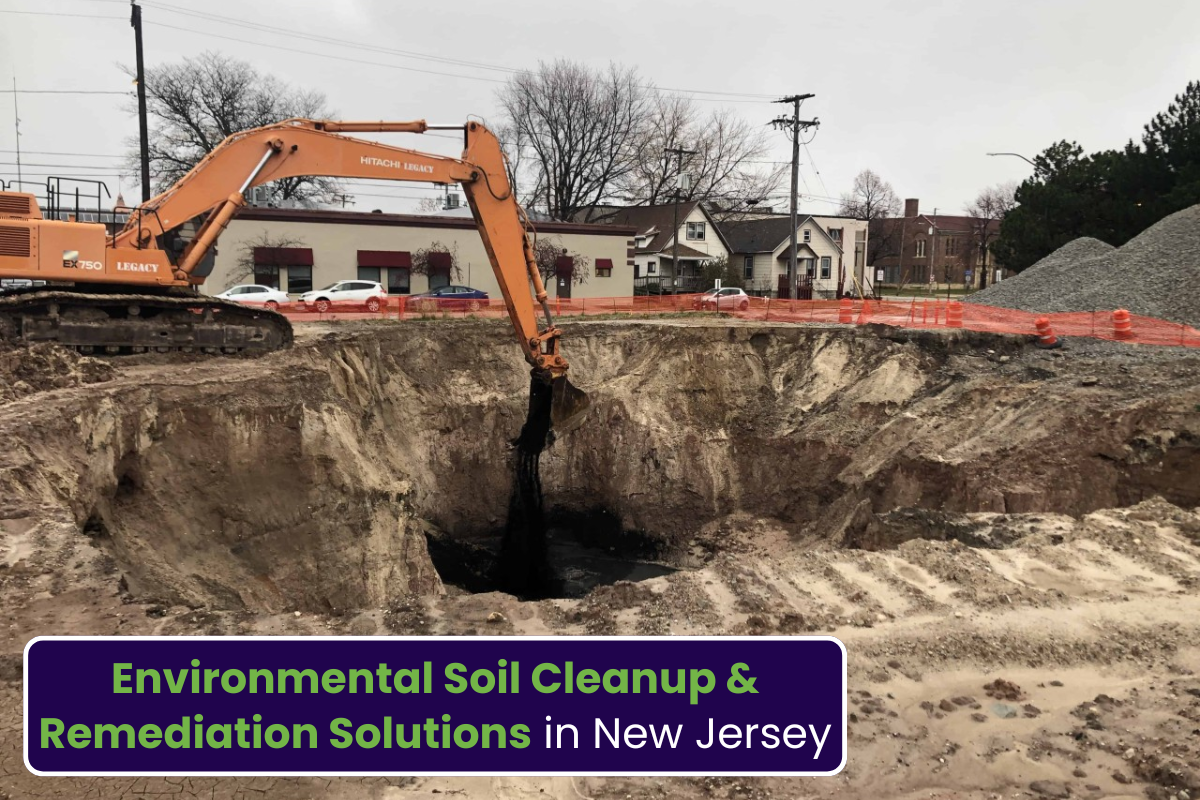
If contamination is detected, professional remediation services can remove pollutants and restore environmental safety. In high-risk areas, early action is critical to minimize long-term damage.
Because Groundwater Contamination in New Jersey can spread slowly and silently, proactive environmental management is essential.
How Businesses and Homeowners Can Stay Protected
Whether you operate a commercial facility or own residential property, environmental responsibility protects both public health and long-term investment value.
Practical steps include:
-Conducting environmental risk assessments
-Scheduling annual water testing
-Replacing aging underground tanks
-Following local environmental regulations
-Consulting certified environmental service providers
These measures not only reduce contamination risks but also demonstrate regulatory compliance and community responsibility.
Frequently Asked Questions
Q1. What causes groundwater contamination most often?
Leaking tanks, industrial waste, septic failures, and agricultural runoff are common causes.
Q2. How can I know if my well water is contaminated?
Only professional laboratory testing can confirm contamination accurately.
Q3. Is groundwater contamination reversible?
Yes, but remediation can be costly and time-consuming depending on severity.
Q4. How often should groundwater be tested?
Private wells should be tested at least once per year.
Q5. Who is responsible for contamination cleanup?
Typically, the property owner or responsible party must manage remediation.
Summary
Groundwater plays a vital role in supporting communities, agriculture, and industry. When contamination occurs, the consequences affect public health, property values, and environmental stability. By understanding the causes, recognizing early warning signs, and investing in preventive strategies, individuals and businesses can reduce risks and protect vital water resources. Professional environmental support from trusted providers like Simple Tank Services ensures responsible inspections, testing, and remediation solutions that safeguard both property and community well-being.