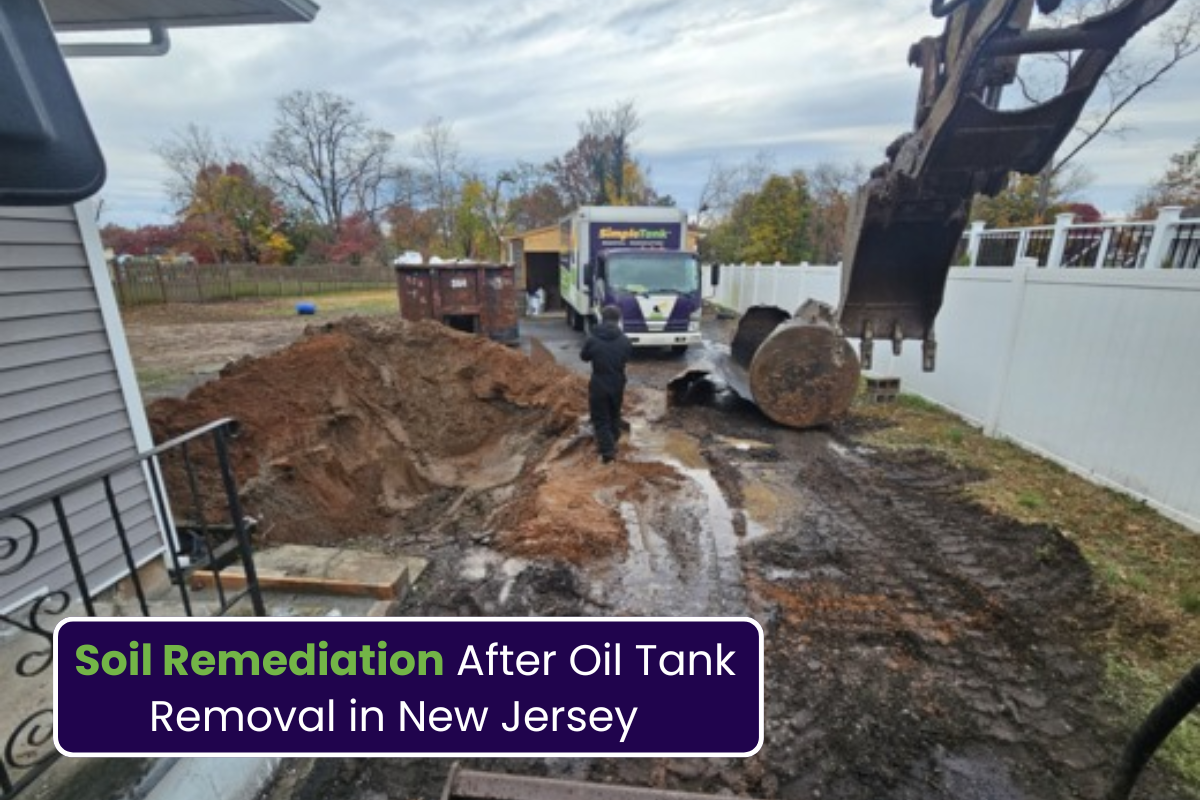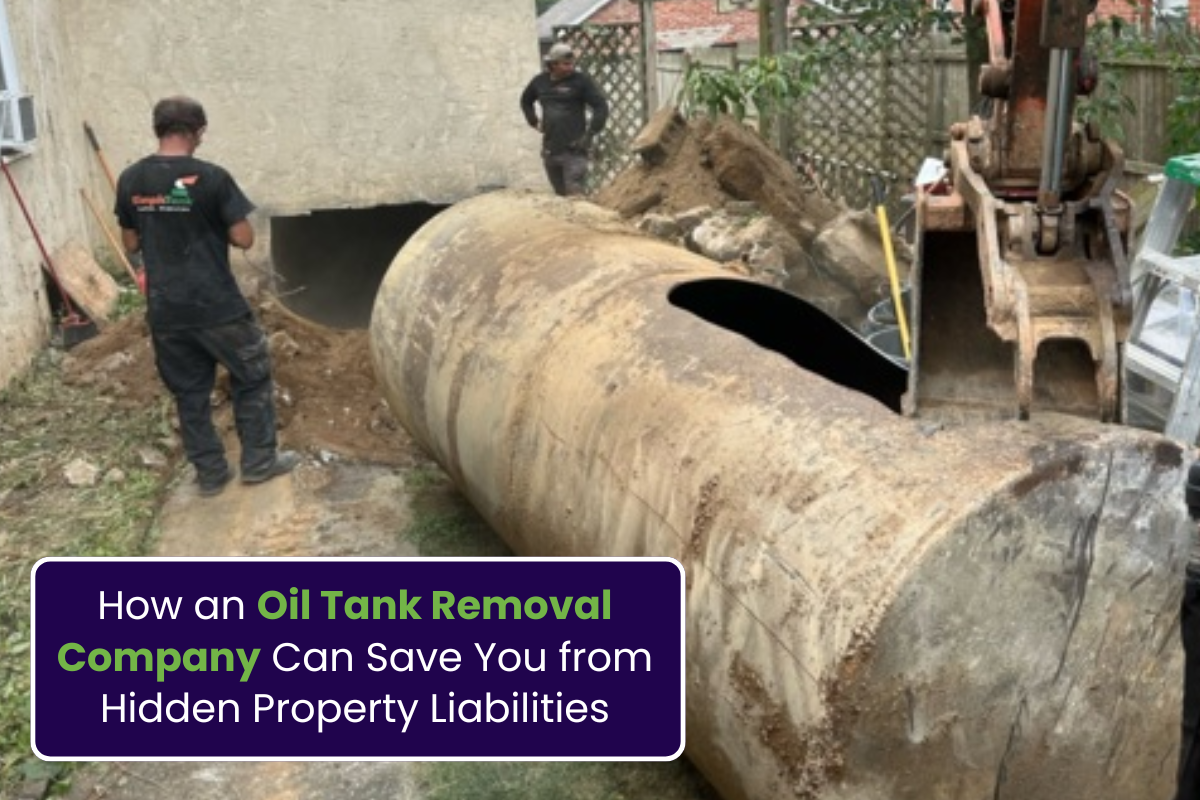
Soil Remediation Contractors in New Jersey: Complete Guide to Oil Tank Cleanup for Homeowners

Oil contamination from aging or leaking residential oil tanks is a serious concern for homeowners across New Jersey. Whether the tank is underground or above ground, even a small leak can result in significant soil pollution, health risks, and costly property damage. This comprehensive guide explains how soil remediation contractors in NJ handle oil tank cleanup, what homeowners should expect, and why timely action is essential for protecting both property value and the environment.

Understanding Oil Tank Contamination and Soil Remediation in NJ

Many older homes in New Jersey still rely on oil heating systems installed decades ago. Over time, corrosion, improper installation, or lack of maintenance can cause oil tanks to leak. When heating oil seeps into the soil, it can spread quickly, contaminating surrounding land and sometimes groundwater.

Soil remediation in NJ refers to the professional process of removing or treating contaminated soil to restore it to safe environmental standards. Licensed soil remediation contractors in NJ follow strict state regulations to assess contamination levels and apply approved cleanup methods.

Why Oil Tank Cleanup Is Critical for Homeowners

Oil tank contamination is not just an environmental issue it directly affects homeowners financially and legally.

Key Risks of Ignoring Oil Tank Leaks

-Health hazards: Exposure to petroleum-contaminated soil can cause respiratory and skin issues.

-Property devaluation: Contaminated land can significantly reduce resale value.

-Legal liability: Homeowners may be held responsible for environmental damage.

-Financing issues: Banks often refuse mortgages for properties with unresolved contamination.

Prompt oil tank cleanup helps avoid these risks and ensures compliance with New Jersey environmental standards.

Role of Soil Remediation Contractors in NJ

Professional soil remediation contractors in NJ specialize in identifying, containing, and cleaning oil-contaminated soil. Their role includes technical expertise, regulatory compliance, and safe waste disposal.

What Professionals Handle

-Environmental soil testing and analysis

-Oil tank removal coordination

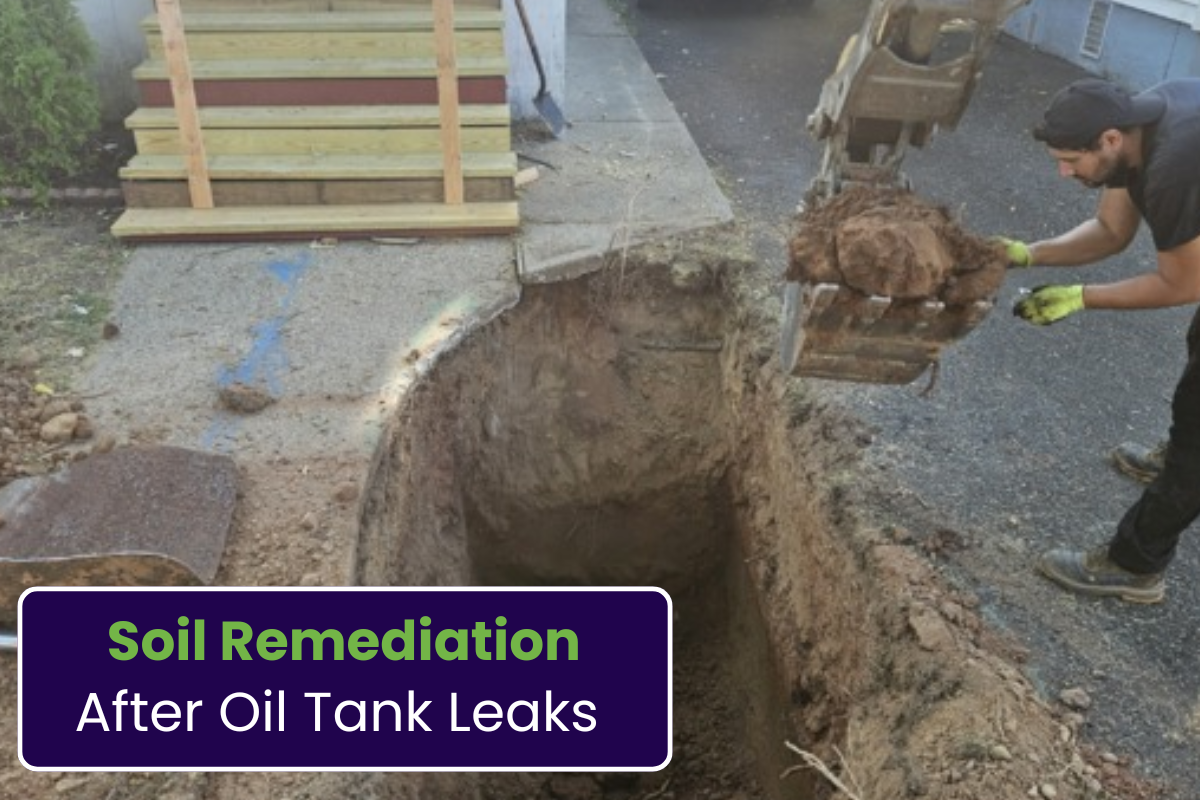
-Contaminated soil excavation

-Proper disposal at licensed facilities

-Soil replacement and site restoration

Hiring a qualified soil remediation company ensures the cleanup is performed correctly and documented properly for future property transactions.

Oil Tank Removal: The First Step in Cleanup

Oil tank removal is often required before soil remediation can begin. Contractors determine whether the tank should be removed or abandoned in place based on its condition and contamination level.

Oil Tank Removal Process

-Locating the tank using detection equipment

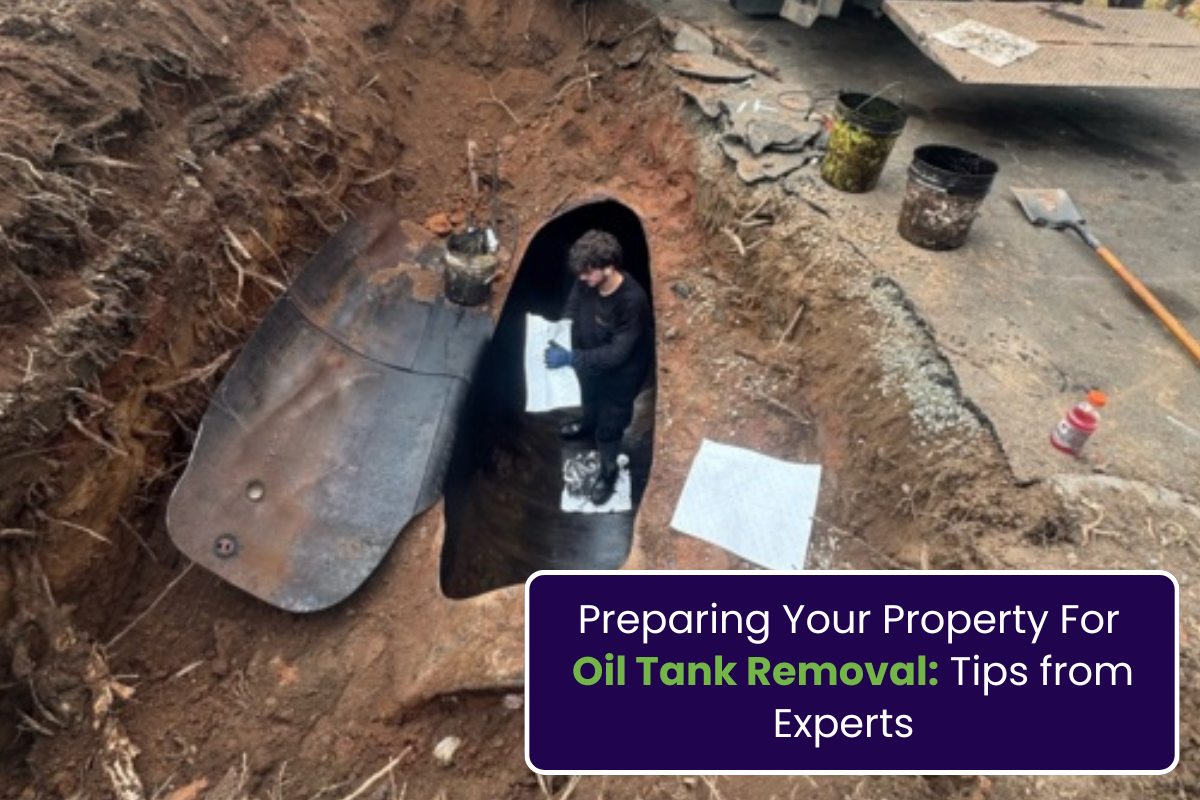
-Draining and cleaning residual oil

-Safe excavation (for underground tanks)

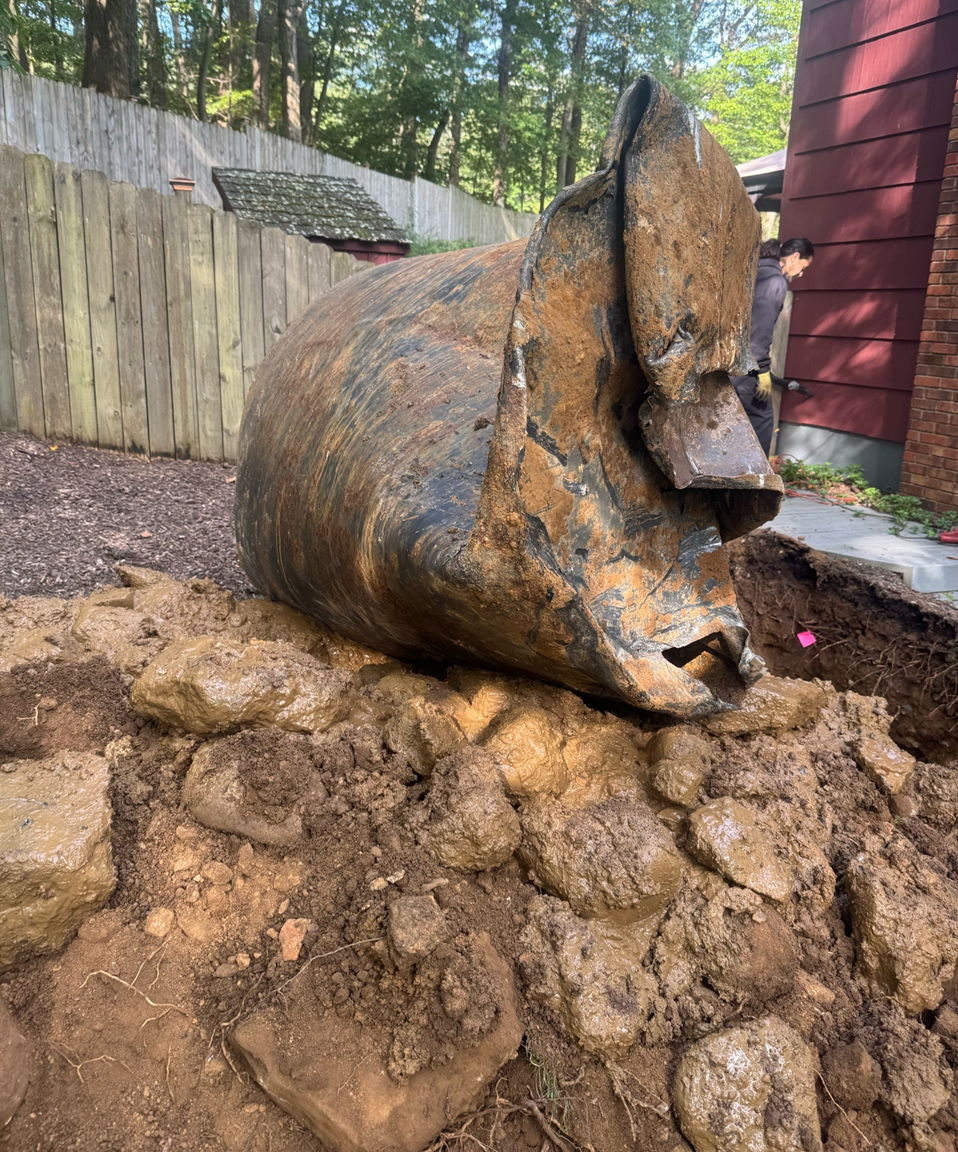
-Removing and transporting the tank

-Inspecting surrounding soil for contamination

This step is critical because leaving a damaged tank in place can lead to recurring leaks even after cleanup.

Soil Testing and Environmental Assessment

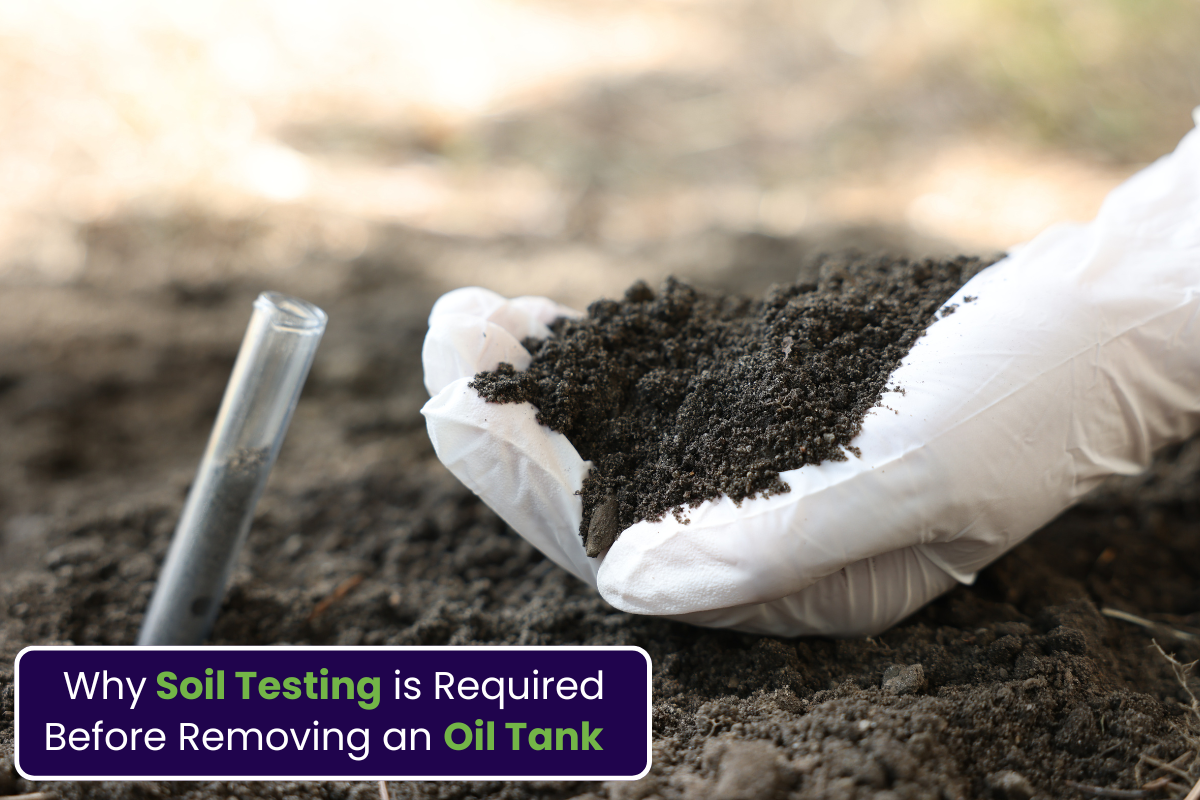
After oil tank removal, contractors conduct soil testing to measure contamination severity. Samples are analyzed for petroleum hydrocarbons and other harmful compounds.

Testing helps determine:

-Depth and spread of contamination

-Cleanup method required

-Estimated remediation timeline

Accurate assessment ensures cost-effective and compliant remediation planning.

Soil Remediation Methods Used in NJ

Different remediation techniques are used depending on contamination levels and site conditions.

Common Soil Remediation Techniques

-Excavation and replacement: Removing contaminated soil and replacing it with clean fill

-Bioremediation: Using microorganisms to break down petroleum compounds

-Soil vapor extraction: Removing volatile contaminants from soil

-Thermal treatment: Heating soil to evaporate contaminants

Midway through most residential projects, homeowners often require professional soil remediation services in NJ to ensure the cleanup meets state environmental requirements and passes final inspections.

Choosing the Right Soil Remediation Company in NJ

Selecting a reliable soil remediation company is crucial for a successful cleanup. Homeowners should look beyond pricing and focus on expertise and compliance.

What to Look For

-NJDEP licensing and certifications

-Experience with residential oil tank cleanup

-Clear documentation and reporting

-Transparent cost estimates

-Knowledge of local environmental regulations

A reputable soil remediation company ensures the project is completed safely, efficiently, and legally.

Costs Involved in Oil Tank Cleanup and Soil Remediation

Costs vary depending on contamination severity, tank type, and soil volume affected.

Factors Affecting Cost

-Size and depth of oil tank

-Extent of soil contamination

-Remediation method used

-Disposal and transportation fees

-Testing and documentation requirements

While cleanup can be expensive, addressing the issue early usually reduces overall costs and prevents future liabilities.

Regulatory Requirements for Soil Remediation in New Jersey

New Jersey has strict environmental laws governing oil tank cleanup. Soil remediation contractors in NJ must comply with NJDEP guidelines, including proper reporting and closure documentation.

Homeowners benefit from working with professionals who understand:

-Mandatory notifications

-Cleanup standards

-Final approval processes

Compliance ensures the property is legally cleared for use or sale.

Long-Term Benefits of Professional Soil Remediation

Investing in professional soil remediation offers long-term advantages beyond immediate cleanup.

Benefits Include

-Restored property value

-Improved environmental safety

-Easier property resale

-Peace of mind and legal protection

Professional remediation ensures the land is safe for future use and development.

FAQs

Q1: How do I know if my oil tank is leaking?
Common signs include oil odors, stained soil, dead vegetation, or failed home inspections.

Q2: Is oil tank removal mandatory in NJ?
Removal is often required if the tank is leaking or no longer in use, especially during property sales.

Q3: How long does soil remediation take?
Most residential projects take a few days to several weeks, depending on contamination severity.

Q4: Can contaminated soil affect groundwater?
Yes, untreated oil contamination can spread to groundwater, increasing cleanup complexity.

Q5: Do I need permits for oil tank cleanup?
Licensed contractors typically handle all required permits and regulatory filings.

Summary

Oil tank contamination is a serious issue that requires expert handling. Working with experienced soil remediation contractors in NJ ensures proper oil tank removal, thorough cleanup, and full regulatory compliance. Professional remediation protects your health, property value, and long-term investment.

For homeowners seeking dependable and compliant solutions, Simple Tank Services provides professional expertise, transparent processes, and reliable support for oil tank cleanup and soil remediation projects across New Jersey.

How Soil Testing Services Help Detect Hidden Oil Tank Leaks on Residential Properties in New Jersey

Hidden oil tank leaks are a serious concern for homeowners across New Jersey, especially in older residential properties where underground heating oil tanks were commonly installed decades ago. These leaks often remain unnoticed for years, silently contaminating soil and increasing environmental and financial risks. This is where professional soil testing services play a critical role. By identifying contamination early, homeowners can protect their property value, ensure regulatory compliance, and prevent long-term damage.

This in-depth guide explains how soil testing works, why it matters, and how it helps uncover concealed oil tank leaks before they become costly problems.

Understanding Hidden Oil Tank Leaks on Residential Properties

Many residential oil tanks, particularly underground ones, are prone to corrosion due to age, moisture, and soil conditions. Over time, small leaks can develop without any visible signs on the surface. Homeowners may not notice odors, staining, or vegetation damage until contamination has already spread.

Hidden oil tank leaks are especially problematic because:

-They can remain undetected for years

-Contamination spreads beyond the tank area

-Cleanup becomes more complex and expensive

-Property sales may be delayed or blocked

Soil testing acts as the first line of defense by detecting contamination early, even when no obvious symptoms are present.

Why Soil Testing Services Are Essential for Oil Tank Leak Detection

Early Detection of Subsurface Contamination

Professional soil testing services analyze soil samples taken from strategic locations around a suspected oil tank. These tests detect petroleum hydrocarbons and other contaminants at very low levels, helping identify leaks long before they reach groundwater or neighboring properties.

Accurate Risk Assessment for Homeowners

Soil testing doesn’t just confirm whether a leak exists—it helps determine how far contamination has spread. This information allows homeowners to understand the severity of the issue and plan the next steps responsibly.

Protection of Property Value

Undiscovered oil contamination can significantly reduce property value. Early testing and documentation show due diligence, which is especially important during real estate transactions.

How Soil Testing Services Work for Residential Oil Tanks

Site Inspection and Initial Evaluation

The process begins with a detailed inspection of the property. Technicians assess the tank’s age, location, and surrounding soil conditions to identify high-risk areas.

Strategic Soil Sampling

Samples are collected from multiple depths and locations around the tank. This targeted approach ensures accurate detection of even minor leaks.

Laboratory Analysis

Collected samples are sent to certified laboratories where they are tested for petroleum-related contaminants. Results provide precise data on contamination levels.

Clear Reporting and Expert Interpretation

Homeowners receive detailed reports explaining the findings in clear, understandable terms. This transparency supports informed decision-making.

Common Signs That Soil Testing Services May Be Needed

Even when leaks are hidden, certain warning signs suggest that testing is advisable:

-Aging or unknown-condition oil tanks

-Strong petroleum odors near the tank area

-Unexplained soil discoloration

-Property sale or purchase involving an oil-heated home

-Regulatory or lender requirements

Proactive soil testing is often recommended before these signs escalate into major issues.

The Role of Soil Testing in Oil Tank Services and Remediation Planning

Soil testing is not a standalone step—it is a foundational part of comprehensive oil tank services. Once contamination is detected, test results guide responsible remediation planning. This ensures that cleanup efforts are precise, efficient, and compliant with environmental standards.

At the midpoint of many assessments, professionals rely on soil testing services in New Jersey to confirm contamination boundaries, helping prevent unnecessary excavation while ensuring complete environmental protection.

How Soil Testing Supports Oil Tank Removal Decisions

When contamination is confirmed, soil testing results help determine whether tank removal is necessary. An experienced oil tank removal company uses this data to:

-Plan safe excavation strategies

-Minimize disturbance to unaffected soil

-Reduce environmental impact

-Ensure regulatory compliance

This structured approach protects both homeowners and surrounding communities.

Environmental and Health Benefits of Professional Soil Testing

Protecting Groundwater and Local Ecosystems

Oil leaks can migrate through soil and reach groundwater supplies. Early testing helps prevent broader environmental damage.

Safeguarding Family Health

Exposure to petroleum-contaminated soil can pose health risks, particularly for children and pets. Identifying contamination early reduces exposure risks.

Supporting Sustainable Property Management

Responsible soil testing aligns with long-term environmental stewardship and community safety.

Why Professional Expertise Matters in Soil Testing Services

DIY testing kits cannot match the accuracy or credibility of professional services. Certified experts use advanced equipment, follow strict protocols, and provide legally recognized documentation. This expertise ensures:

-Reliable, defensible results

-Compliance with state regulations

-Clear guidance for next steps

Professional soil testing services bring both technical accuracy and peace of mind.

FAQs

Q1: Can soil testing detect very small oil tank leaks?
Yes. Professional laboratory analysis can identify even trace amounts of petroleum contamination.

Q2: Is soil testing required before selling a home with an oil tank?
While not always mandatory, many buyers and lenders request it for assurance and transparency.

Q3: How long does the soil testing process take?
Sampling is usually completed quickly, with laboratory results typically available within a short timeframe.

Q4: Does soil testing mean I must remove my oil tank?
Not necessarily. Results help determine whether removal or monitoring is the best course of action.

Q5: Are soil testing results legally recognized?
Yes. Reports from certified professionals are widely accepted by regulators, lenders, and real estate professionals.

Summary

Hidden oil tank leaks pose serious risks, but they don’t have to become costly surprises. Professional soil testing services provide early detection, clear insights, and reliable guidance for homeowners across New Jersey. By identifying contamination before it spreads, homeowners can protect their property, health, and investment.

At the heart of responsible oil tank management is expert support. Simple Tank Services offers dependable solutions backed by experience, precision testing, and a commitment to protecting residential properties and the environment—helping homeowners move forward with confidence and clarity.

When Do You Need Oil Tank Services in New Jersey? Key Warning Signs Explained

Oil heating systems are still common across many homes and commercial properties in New Jersey, especially in older buildings. While oil tanks can last for decades, they are not maintenance-free. Over time, corrosion, environmental exposure, and outdated installation practices can turn a once-reliable system into a serious risk. Understanding when you need oil tank services in New Jersey is essential to protect your property, comply with regulations, and avoid costly environmental damage.

This guide explains the most critical warning signs, outlines why timely action matters, and helps property owners make informed decisions—well before a small issue turns into a major liability.

Understanding Oil Tank Services in New Jersey: What They Include

Before identifying warning signs, it’s important to understand what oil tank services typically cover. These services are designed to manage the full lifecycle of an oil tank safely and legally.

Core Oil Tank Services

-Oil tank inspection and testing

-Leak detection and soil assessment

-Oil tank decommissioning

-Oil tank removal (aboveground and underground)

-Environmental compliance support

-Soil remediation coordination if contamination is found

New Jersey has strict environmental standards, making professional handling essential whenever concerns arise.

Why Early Detection Matters for New Jersey Property Owners

Ignoring oil tank issues can lead to:

-Soil and groundwater contamination

-Structural damage to foundations

-Failed real estate transactions

-Legal and regulatory penalties

-Expensive cleanup obligations

Because many tanks are buried underground, problems often remain hidden until damage is already extensive. Early warning signs are your best opportunity to act proactively.

Key Warning Signs You Need Oil Tank Services in New Jersey

1. Unexplained Fuel Loss or Rising Oil Usage

If your heating oil consumption increases without changes in weather or usage patterns, it could indicate a slow leak. Even minor leaks can contaminate soil over time, making early investigation critical.

2. Strong Odor of Oil Inside or Outside the Property

A persistent petroleum smell near your home, basement, or yard is a major red flag. Oil vapors can travel through soil and enter living spaces, signaling possible tank failure or compromised lines.

3. Visible Corrosion or Rust on Aboveground Tanks

Rust, flaking metal, or discoloration on an aboveground tank weakens structural integrity. Once corrosion begins, leaks are often not far behind—especially in humid or coastal New Jersey environments.

4. Staining or Dead Vegetation Around the Tank Area

Oil leaks can kill grass and plants by disrupting soil health. If you notice dark stains, oily patches, or unexplained dead vegetation near the tank location, immediate evaluation is necessary.

5. Aging or Unknown Tank History

Many New Jersey properties still have tanks installed decades ago. If:

-The tank is over 20–25 years old

-You don’t know when it was installed

-Property records are incomplete

…it’s wise to schedule professional oil tank services to assess its condition.

6. Failed or Delayed Real Estate Transactions

Oil tanks are one of the most common deal-breakers in New Jersey real estate. Buyers, lenders, and insurers often require tank inspections or removal before closing. Discovering an issue late in the process can cause delays or cancellations.

7. Moisture or Water in the Basement Near Tank Lines

Water intrusion near oil lines or tanks can accelerate corrosion. Moisture combined with metal degradation significantly increases leak risk, especially for older steel tanks.

8. Soil Testing Reveals Contamination

If environmental testing detects petroleum hydrocarbons in soil, it often points directly to a leaking or previously abandoned tank. This typically triggers mandatory corrective action under state guidelines.

Aboveground vs. Underground Oil Tanks: Risk Comparison

Aboveground Tanks

-Easier to inspect and monitor

-Visible corrosion warning signs

-Lower cleanup complexity if issues arise

Underground Tanks

-Hidden corrosion and leaks

-Greater environmental risk

-Higher regulatory scrutiny

-Often discovered only during property sales

Because underground tanks pose higher risks, oil tank services in New Jersey frequently focus on early detection and safe removal.

Regulatory and Environmental Considerations in New Jersey

New Jersey enforces strict environmental protections to prevent oil-related contamination. Property owners are responsible for:

-Preventing leaks

-Addressing contamination promptly

-Following approved removal and remediation processes

Failing to act after warning signs appear can lead to enforcement actions and long-term liability, even years after a property changes ownership.

When Oil Tank Removal Becomes Necessary

Not all tanks need immediate removal, but certain situations make oil tank removal the safest option:

-Confirmed or suspected leaks

-Advanced corrosion

-Tank no longer in use

-Conversion to gas or alternative heating

-Real estate transaction requirements

Working with a qualified oil tank removal company ensures the process meets environmental, safety, and documentation standards required in New Jersey.

Choosing the Right Professional Support

Oil tank issues are not DIY problems. Professional services bring:

-Certified inspection methods

-Proper equipment for safe extraction

-Environmental compliance expertise

-Documentation for regulators and buyers

In the middle of your planning or inspection process, linking with reliable oil tank services in NJ helps streamline decision-making and reduces uncertainty.

Long-Term Benefits of Timely Oil Tank Services

Acting early provides several advantages:

-Reduced environmental impact

-Lower remediation complexity

-Protection of property value

-Faster real estate transactions

-Peace of mind for homeowners

Proactive management is always more cost-effective and less stressful than emergency cleanup.

Frequently Asked Questions

How often should oil tanks be inspected in New Jersey?

Older tanks or those nearing the end of their expected lifespan should be inspected regularly, especially before property sales or heating system upgrades.

Can an unused oil tank still cause problems?

Yes. Abandoned tanks can corrode and leak over time, even if they are no longer connected to a heating system.

Are oil tank issues always visible?

No. Underground tank leaks often go unnoticed until soil testing or real estate inspections uncover contamination.

Is oil tank removal mandatory in New Jersey?

Removal is not always mandatory, but it is often required when leaks are suspected, during property sales, or when switching to another heating system.

What happens if contamination is found?

Additional steps such as soil testing and remediation may be required to meet environmental standards.

Summary: Protecting Your Property with the Right Expertise

Recognizing the warning signs early is the key to managing oil tank risks responsibly. From unusual odors and rising fuel usage to aging infrastructure and real estate requirements, these indicators should never be ignored. Timely oil tank services help safeguard your property, the environment, and your financial interests.

Simple Tank Services provides professional, compliant solutions tailored to New Jersey property owners, ensuring every step—from inspection to resolution—is handled with expertise, transparency, and care.

Soil Testing Services in NJ: Why They’re Critical Before and After Oil Tank Removal

Oil tanks were once a common solution for heating homes and commercial buildings across New Jersey. However, aging underground and aboveground tanks now pose serious environmental and financial risks. One of the most important—but often misunderstood—steps in managing these risks is soil testing services in NJ. Whether you are planning to remove an old oil tank or have recently completed the removal, soil testing plays a critical role in protecting your property, health, and legal interests.

This guide explains why soil testing is essential before and after oil tank removal, how the process works, and what New Jersey property owners must know to stay compliant and informed.

Understanding Soil Testing Services in NJ and Their Purpose

Soil testing is a scientific process used to evaluate soil conditions and detect contaminants such as petroleum hydrocarbons, heating oil, and other hazardous substances. In New Jersey, soil testing is especially important due to strict environmental regulations and the high number of older properties with buried oil tanks.

Professional soil testing services help:

-Identify existing contamination

-Determine environmental risks

-Support regulatory compliance

-Protect property value and future development

Without proper testing, contamination can go unnoticed for years, leading to costly remediation and legal complications.

Why Soil Testing Services in NJ Are Critical Before Oil Tank Removal

Identifying Pre-Existing Contamination

Before removing an oil tank, soil testing establishes a baseline condition of the surrounding soil. Many tanks develop leaks over time, and early detection helps determine whether contamination already exists.

If pollution is found before removal, it confirms that the issue was not caused by the removal process itself—an important factor for insurance claims and liability protection.

Planning a Safe and Compliant Removal Process

Soil testing results help guide the removal strategy. If contamination is present, specialized handling, containment, and disposal methods may be required. This is where working with an experienced oil tank removal company becomes essential, as they rely on accurate soil data to plan compliant and efficient operations.

Meeting New Jersey Environmental Regulations

New Jersey has stringent environmental standards. Soil testing before tank removal helps ensure that all actions align with state and local requirements, reducing the risk of fines, delays, or stop-work orders.

The Role of Soil Testing Services in NJ After Oil Tank Removal

Confirming Successful Cleanup

Once the tank is removed, post-removal soil testing verifies that no residual contamination remains. This step is crucial to confirm that the site is environmentally safe.

In many cases, property owners need documented proof that the soil meets acceptable standards—especially when selling or refinancing a property.

Protecting Property Value and Marketability

Properties with unresolved soil contamination often face reduced market value or failed real estate transactions. Post-removal testing provides confidence to buyers, lenders, and insurers that the land is safe and compliant.

This is particularly important in New Jersey, where disclosure laws require transparency about past oil tank issues.

What Contaminants Are Checked During Soil Testing?

Professional soil testing services typically analyze samples for:

-Petroleum hydrocarbons

-Volatile organic compounds (VOCs)

-Heavy metals linked to fuel degradation

-Soil vapor intrusion risks

These tests are performed in certified laboratories to ensure accuracy and regulatory acceptance.

The Soil Testing Process Explained Step by Step

1. Site Assessment and Sampling Plan

Experts evaluate the tank location, soil type, and property layout to determine where samples should be collected.

2. Soil Sample Collection

Samples are taken from multiple depths and locations around the tank area, especially near fill lines and potential leak points.

3. Laboratory Analysis

Collected samples are tested under controlled conditions to identify contamination levels.

4. Reporting and Recommendations

A detailed report outlines findings, risk levels, and whether further action—such as remediation—is required.

Midway through this process, many property owners choose to coordinate soil testing in New Jersey with other environmental services to streamline timelines and documentation.

Why Skipping Soil Testing Can Be a Costly Mistake

Failing to conduct soil testing before or after oil tank removal can lead to:

-Undetected contamination spreading further

-Expensive remediation discovered during property sales

-Legal disputes with buyers or insurers

-Non-compliance penalties from regulators

In contrast, proactive soil testing offers peace of mind and long-term cost savings.

How Soil Testing Services Support Long-Term Environmental Safety

Beyond immediate compliance, soil testing contributes to broader environmental protection. Leaking oil tanks can contaminate groundwater, harm ecosystems, and pose health risks to nearby residents. Early detection through testing helps prevent these long-term consequences.

By hiring a qualified oil tank removal company and certified soil testing professionals, property owners can take responsible steps toward environmental stewardship.

Choosing the Right Soil Testing Services in NJ

When selecting a provider, look for:

-Experience with New Jersey regulations

-Certified laboratories and technicians

-Clear, detailed reporting

-Coordination with tank removal professionals

Quality soil testing is not just a formality—it is a critical safeguard for your property and community.

FAQs

Q1: Is soil testing mandatory before oil tank removal in New Jersey?
In many cases, soil testing is strongly recommended and often required to document environmental conditions and meet regulatory expectations.

Q2: How long does soil testing take?
Sampling usually takes a few hours, while laboratory analysis and reporting may take several days.

Q3: Can soil testing affect my property sale?
Yes. Clear soil test results can speed up transactions, while unresolved contamination can delay or cancel sales.

Q4: What happens if contamination is found?
If contamination is detected, remediation plans are developed to clean and restore the soil to acceptable standards.

Q5: Do I need soil testing after aboveground tank removal?
Even aboveground tanks can leak. Post-removal testing helps confirm that no hidden contamination exists.

Summary

Soil testing services in NJ are a critical component of responsible oil tank management. From identifying hidden contamination before removal to confirming environmental safety afterward, soil testing protects property owners from financial, legal, and environmental risks.

By working with trusted professionals like Simple Tank Services, homeowners and businesses can ensure that every step—from testing to removal—is handled with expertise, compliance, and long-term peace of mind.

Soil Remediation Services in New Jersey: How Contaminated Soil Is Cleaned After Oil Tank Removal

Oil tank leaks are a serious environmental concern for residential and commercial properties across New Jersey. When an underground or aboveground oil tank deteriorates, petroleum products can seep into the surrounding soil, creating contamination that poses risks to human health, groundwater, and property value. That’s why proper soil cleanup after tank removal is not optional—it’s essential.

This in-depth guide explains how contaminated soil is identified, treated, and restored after oil tank removal, while also clarifying regulations, remediation methods, timelines, and costs. The content follows EEAT principles by focusing on technical accuracy, real-world processes, and compliance with environmental standards.

Understanding Soil Contamination After Oil Tank Removal in New Jersey

Soil contamination typically occurs when heating oil or fuel escapes from a damaged tank or supply line. Over time, even a small leak can saturate soil layers, releasing harmful hydrocarbons and volatile organic compounds (VOCs).

In New Jersey, soil contamination is taken seriously because of its dense population and reliance on groundwater. If contamination is discovered during tank removal, remediation becomes mandatory before the property can be sold, refinanced, or redeveloped.

Why Soil Remediation Services Are Critical After Oil Tank Removal

Professional soil remediation services play a crucial role in restoring environmental safety and legal compliance. Leaving contaminated soil untreated can lead to:

-Long-term health risks from vapor intrusion

-Groundwater pollution

-Structural damage to foundations

-Property devaluation and legal liability

Remediation ensures that contaminants are reduced to acceptable levels and the land can be safely reused.

Initial Site Assessment and Soil Testing Process

Before cleanup begins, environmental specialists conduct a detailed site assessment. This includes:

-Visual inspection during tank removal

-Soil sampling from multiple depths and locations

-Laboratory testing to identify contamination type and severity

Testing determines whether petroleum contamination exceeds state action levels and guides the remediation strategy.

Regulatory Oversight and Environmental Compliance in New Jersey

New Jersey has strict environmental regulations governing contaminated soil cleanup. All remediation activities must follow approved procedures, documentation standards, and reporting timelines.

Property owners are required to demonstrate that contamination has been properly addressed before receiving clearance. This regulatory framework protects homeowners while ensuring environmental accountability.

Common Soil Remediation Methods Used After Oil Tank Removal

The remediation approach depends on contamination depth, soil type, and site conditions. Common techniques include:

1. Soil Excavation and Replacement

Contaminated soil is physically removed and disposed of at licensed facilities. Clean soil is then backfilled to restore the area. This is one of the fastest and most reliable methods.

2. Bioremediation

Naturally occurring microorganisms are stimulated to break down petroleum contaminants over time. This method is environmentally friendly and effective for moderate contamination.

3. Soil Vapor Extraction (SVE)

Vapors from volatile contaminants are extracted using vacuum systems. This method is often combined with other treatments for deeper contamination.

4. In-Situ Chemical Treatment

Specialized compounds are injected into the soil to neutralize hydrocarbons. This approach minimizes excavation and site disruption.

Each method is selected based on site-specific data to ensure efficiency and regulatory acceptance.

Mid-Process Insight: Choosing the Right Cleanup Partner

Working with an experienced oil tank removal company is critical because remediation often begins during tank extraction. Coordinated services reduce delays, control costs, and ensure contamination is addressed immediately.

At the mid-stage of many projects, property owners search for reliable soil remediation services in NJ that can handle testing, cleanup, and regulatory coordination under one process, avoiding unnecessary handoffs.

How Long Does Soil Remediation Take?

Timelines vary depending on contamination severity and chosen remediation method:

-Minor contamination: 1–3 weeks

-Moderate contamination: 1–3 months

-Severe contamination: Several months with monitoring

Factors such as weather, soil conditions, and regulatory review can also impact duration.

Cost Factors for Soil Remediation in New Jersey

There is no flat cost for remediation, but pricing is influenced by:

-Volume of contaminated soil

-Depth of contamination

-Disposal and transportation requirements

-Testing and reporting needs

-Selected remediation method

Early detection during oil tank services often reduces cleanup costs by preventing widespread soil saturation.

Impact of Soil Remediation on Property Value

Proper remediation significantly improves property marketability. Clean soil certification reassures buyers, lenders, and insurers that environmental risks have been resolved. In many cases, documented remediation protects homeowners from future liability.

Health and Environmental Benefits of Professional Remediation

Professional cleanup delivers long-term benefits, including:

-Reduced exposure to harmful chemicals

-Protection of groundwater and nearby ecosystems

-Compliance with state environmental laws

-Peace of mind for property owners

Skipping remediation can lead to escalating environmental damage and costly enforcement actions.

How to Prepare Your Property for Soil Remediation

Before remediation begins, property owners should:

-Secure access to the work area

-Remove obstacles like sheds or landscaping

-Inform neighbors if excavation is required

-Review remediation plans and timelines

Preparation helps ensure the process moves smoothly and efficiently.

FAQs

Q1: Is soil remediation mandatory after oil tank removal?
Yes, if contamination exceeds allowable limits, remediation is required to meet environmental regulations.

Q2: Can contaminated soil affect indoor air quality?
Yes, petroleum vapors can migrate into buildings, making cleanup essential for health and safety.

Q3: Who is responsible for remediation costs?
Typically, the property owner is responsible, though insurance or state programs may offer assistance.

Q4: Can I sell my property before remediation is complete?
Most lenders and buyers require remediation and clearance before closing.

Q5: Is excavation always required?
Not always. Some sites qualify for in-situ or biological treatment methods depending on contamination levels.

Summary

Soil contamination after oil tank removal is a serious issue that demands professional attention, regulatory compliance, and proven cleanup methods. From testing and excavation to biological treatment and documentation, every step plays a role in restoring environmental safety and protecting property value.

Simple Tank Services provides comprehensive solutions by combining oil tank removal, environmental testing, and remediation coordination into a streamlined process. With expert handling and regulatory knowledge, property owners can move forward confidently, knowing their land is clean, compliant, and safe for future use.

Oil Tank Removal in New Jersey: Costs, Process, and What Homeowners Must Know

Oil heating systems were once common across New Jersey, but aging tanks, environmental risks, and stricter regulations have made oil tank removal a priority for many homeowners. Whether your tank is buried underground or located in a basement, understanding the costs, removal process, and legal responsibilities is critical before moving forward. This guide is designed to provide clear, trustworthy, and experience-based information that helps homeowners make confident, informed decisions—without confusion or guesswork.

Understanding Oil Tank Removal in New Jersey and Why It Matters

Oil tank removal in New Jersey is more than a routine home improvement task. Old or unused oil tanks pose serious risks, including soil contamination, groundwater pollution, and property value loss. Many homeowners discover oil tank issues during real estate transactions, insurance renewals, or renovation planning.

New Jersey’s environmental sensitivity and strict state oversight make proper oil tank services essential. Ignoring a deteriorating tank can result in expensive cleanup liabilities that far exceed the cost of timely removal.

Common Types of Oil Tanks Found in New Jersey Homes

Before estimating costs or timelines, it’s important to identify the type of tank on your property.

Above-Ground Oil Tanks

Typically located in basements or garages, these tanks are easier and less expensive to remove. However, corrosion, leaks, and outdated connections can still pose safety risks.

Underground Oil Storage Tanks (USTs)

Buried tanks are more common in older New Jersey homes. These present higher environmental risks and require specialized oil tank contractor expertise due to excavation, soil testing, and regulatory compliance.

What Is the Cost of Oil Tank Removal in New Jersey?

Oil tank removal costs in New Jersey vary widely based on several factors. While exact pricing depends on site conditions, homeowners should understand the cost drivers involved.

Key Factors That Influence Removal Costs

-Tank location (above-ground vs underground)

-Tank size and material

-Soil conditions and accessibility

-Presence of oil leaks or contamination

-Permit and inspection requirements

-Testing and documentation needs

Underground tank removal generally costs more due to excavation and environmental safeguards. If soil contamination is found, remediation costs may apply, increasing the overall investment.

Step-by-Step Oil Tank Removal Process in New Jersey

Understanding the removal process helps homeowners know what to expect and ensures transparency when working with an oil tank removal company.

1. Site Evaluation and Tank Inspection

The process begins with a detailed inspection to determine tank type, condition, and risk level. This step helps plan safe removal and identify potential environmental concerns early.

2. Permits and Regulatory Compliance

In many New Jersey municipalities, permits are required before removal begins. A qualified oil tank contractor handles this process to ensure compliance with state and local regulations.

3. Oil Tank Cleaning and Decommissioning

Remaining oil and sludge are safely pumped out and disposed of according to environmental standards. This step is crucial to prevent spills during removal.

4. Tank Removal or Excavation

-Above-ground tanks are disconnected and removed intact.

-Underground tanks require careful excavation to avoid soil disturbance and structural damage.

5. Soil Sampling and Testing

After removal, soil samples are collected to check for contamination. This protects homeowners from future liability and provides documentation for property records.

6. Backfilling and Site Restoration

Once testing is complete, the excavation area is backfilled and restored, leaving the property safe and stable.

Environmental and Legal Responsibilities for Homeowners

New Jersey homeowners are legally responsible for environmental damage caused by leaking oil tanks—even if the leak occurred years earlier. That’s why professional oil tank services focus not just on removal, but also on compliance, reporting, and documentation.

Failing to address an old tank can result in:

-Delayed home sales

-Insurance claim denials

-Costly environmental remediation

-Reduced property value

Timely removal protects both your home and your financial future.

Choosing the Right Oil Tank Removal Company in New Jersey

Selecting the right professional is critical. Not all contractors have the same level of experience, equipment, or regulatory knowledge.

What to Look for in an Oil Tank Contractor

-Proven experience with New Jersey regulations

-Licensed and insured operations

-In-house soil testing coordination

-Clear documentation and reporting

-Transparent communication throughout the project

A reliable oil tank removal company in New Jersey ensures the job is done safely, legally, and efficiently—without cutting corners.

When Is the Best Time to Remove an Oil Tank?

Homeowners often delay removal until problems arise, but proactive timing can save money and stress.

Ideal Times for Oil Tank Removal

-Before listing a home for sale

-When switching to gas or electric heating

-During major renovations

-If the tank is over 25–30 years old

-When insurance companies require removal

Early action reduces the likelihood of leaks and avoids emergency remediation costs.

Common Mistakes Homeowners Should Avoid

-Ignoring unused or abandoned tanks

-Choosing contractors without environmental expertise

-Skipping soil testing to save money

-Failing to obtain proper permits

-Not keeping removal documentation

Avoiding these mistakes ensures compliance and long-term peace of mind.

FAQs

Q: Is oil tank removal mandatory in New Jersey?

Removal is not always mandatory, but it is strongly recommended—especially when selling a home or switching heating systems.

Q: How long does the oil tank removal process take?

Most residential projects are completed within one to two days, excluding soil testing results.

Q: What happens if contaminated soil is found?

If contamination is detected, remediation steps are required. Early detection often limits cleanup scope and cost.

Q: Can I sell my home with an oil tank still in place?

Yes, but it can significantly complicate or delay the sale and reduce buyer confidence.

Q: Does homeowners insurance cover oil tank removal?

Coverage varies. Some policies cover cleanup from sudden leaks, but planned removal is typically out-of-pocket.

Summary

Oil tank removal in New Jersey is a critical step in protecting your property, health, and financial security. Understanding the costs, process, and homeowner responsibilities allows you to take action before small issues become major liabilities. By working with experienced professionals who prioritize safety, compliance, and transparency, homeowners can confidently move forward.

At the conclusion of your project, partnering with Simple Tank Services ensures that oil tank removal is handled with professionalism, environmental responsibility, and clear documentation—helping New Jersey homeowners protect what matters most.

Groundwater Contamination from Oil Tank Leaks in NJ: Risks, Cleanup, and Remediation Solutions

Groundwater is one of New Jersey’s most valuable natural resources, supplying drinking water to millions of residents through private wells and municipal systems. However, underground and aboveground oil tank leaks pose a serious threat to this vital resource. Over time, even small leaks can release petroleum products into the soil, allowing contaminants to migrate downward and pollute groundwater. Understanding the risks, cleanup requirements, and remediation solutions is essential for property owners, real estate investors, and businesses across New Jersey.

This guide explains how oil tank leaks lead to groundwater contamination, why it is such a serious concern in NJ, and what professional solutions are available to address the problem effectively and responsibly.

Understanding Groundwater Contamination from Oil Tank Leaks in New Jersey

Groundwater contamination occurs when hazardous substances seep through soil and reach underground water tables. In New Jersey, many older residential and commercial properties still have aging oil tanks installed decades ago. As these tanks corrode, crack, or fail, heating oil and petroleum byproducts can escape unnoticed for years.

Once oil enters the soil, gravity and groundwater flow can carry contaminants far beyond the original leak source. This makes cleanup more complex and increases the risk of affecting neighboring properties, drinking water wells, and local ecosystems.

Why Oil Tank Leaks Are a Major Environmental Risk in NJ

New Jersey has some of the most stringent environmental regulations in the country due to its dense population and reliance on groundwater. Oil tank leaks are particularly dangerous because petroleum contains toxic compounds such as benzene, toluene, ethylbenzene, and xylene (BTEX), which are harmful even at low concentrations.

Key reasons oil tank leaks are a serious risk in NJ include:

-High groundwater tables in many regions

-Widespread use of private wells

-Older housing stock with legacy oil tanks

-Strict liability laws for property owners

Without timely action, contamination can escalate from a manageable issue into a costly environmental liability.

Common Causes of Oil Tank Leaks Leading to Groundwater Contamination

Understanding how oil tank leaks occur helps property owners reduce risk and act early.

Aging and Corrosion of Underground Tanks

Steel tanks installed decades ago naturally corrode over time. Once corrosion penetrates the tank wall, leaks begin slowly and often go undetected.

Improper Installation or Abandonment

Poor installation practices or improperly decommissioned tanks can shift, crack, or collapse, allowing oil to escape into surrounding soil.

Overfills and Line Failures

Fuel line breaks, loose fittings, and overfills during refueling can release significant amounts of oil directly into the ground.

Health and Environmental Impacts of Groundwater Contamination

Groundwater contamination affects more than just property value—it directly impacts health and the environment.

Risks to Human Health

Contaminated groundwater used for drinking or household purposes can expose residents to harmful chemicals linked to neurological issues, organ damage, and increased cancer risk.

Environmental Damage

Oil contamination disrupts soil quality, harms vegetation, and threatens nearby streams, wetlands, and wildlife habitats.

Signs Your Property May Be Affected by Groundwater Contamination

Early detection can significantly reduce cleanup costs and long-term damage.

Warning signs include:

-Strong petroleum odors in soil or water

-Discolored or oily residue in well water

-Unexplained health symptoms among occupants

-Failed real estate environmental inspections

If any of these signs are present, professional evaluation is critical.

Professional Groundwater Contamination Services: Why Expertise Matters

Addressing contamination is not a DIY project. Professional groundwater contamination services use advanced testing, regulatory knowledge, and proven remediation techniques to manage the issue safely and legally.

Certified environmental specialists assess soil and groundwater conditions, identify contamination plumes, and develop site-specific cleanup plans that meet New Jersey Department of Environmental Protection (NJDEP) requirements.

Oil Tank Removal as the First Step in Contamination Control

Oil tank removal is often the most critical initial step in stopping further contamination. Leaving a leaking tank in place allows the problem to worsen over time.

Professional removal includes:

-Safe excavation and tank extraction

-Proper disposal or recycling of the tank

-Soil sampling around the tank area

-Documentation for regulatory compliance

Timely removal can significantly limit the spread of contamination and reduce remediation costs.

Groundwater Contamination and Remediation: Proven Cleanup Solutions

Effective remediation depends on contamination severity, soil type, and groundwater depth.

Soil Excavation and Replacement

Contaminated soil is removed and replaced with clean fill, eliminating the primary pollution source.

Groundwater Treatment Systems

Pump-and-treat systems extract contaminated water for filtration, while in-situ treatments neutralize pollutants underground.

Bioremediation Techniques

Naturally occurring or introduced microorganisms break down petroleum compounds into less harmful substances.

In many cases involving groundwater contamination in New Jersey, a combination of these methods is used to ensure thorough cleanup and long-term environmental safety.

Regulatory Compliance and NJ Environmental Requirements

New Jersey enforces strict environmental oversight for oil tank leaks and groundwater contamination. Property owners are legally responsible for reporting leaks and completing cleanup in accordance with NJDEP standards.

Failure to comply can result in:

-Significant fines and penalties

-Delays in property sales or refinancing

-Legal disputes with neighboring landowners

Working with experienced professionals ensures all reporting, testing, and remediation steps meet state regulations.

Impact on Property Value and Real Estate Transactions

Groundwater contamination can significantly reduce property value and complicate real estate transactions. Buyers and lenders often require environmental clearance before closing, especially for properties with known or suspected oil tanks.

Proactive cleanup and proper documentation can restore buyer confidence and protect long-term investment value.

Preventing Future Groundwater Contamination

Prevention is always more cost-effective than remediation.

Best practices include:

-Regular tank inspections and testing

-Upgrading aging oil tanks

-Proper decommissioning of unused tanks

-Immediate response to suspected leaks

Early action reduces environmental risk and financial exposure.

Frequently Asked Questions (FAQs)

How long does groundwater contamination cleanup take?

Cleanup timelines vary based on contamination severity. Some projects take a few months, while others may require ongoing monitoring over several years.

Is oil tank removal mandatory if contamination is found?

In most cases, yes. Removing the source of contamination is essential to prevent further groundwater pollution.

Who is responsible for cleanup costs in New Jersey?

Property owners are typically responsible, even if the tank was installed by a previous owner.

Can contaminated groundwater affect neighboring properties?

Yes. Groundwater contamination can migrate beyond property boundaries, increasing liability risks.

Are professional groundwater contamination services required by law?

While not always legally mandated, professional services are strongly recommended to meet NJDEP standards and avoid compliance issues.

Summary

Groundwater contamination from oil tank leaks is a serious environmental and financial concern for New Jersey property owners. From health risks to regulatory penalties and reduced property value, the consequences of ignoring the issue can be significant. Proper assessment, oil tank removal, and scientifically proven remediation solutions are essential for protecting groundwater resources and ensuring compliance with state regulations.

Simple Tank Services provides professional expertise in identifying oil tank leaks, managing contamination risks, and delivering responsible remediation solutions that protect both property owners and the environment.

Oil Tank Leak Signs Every New Jersey Homeowner Should Know Before It’s Too Late

Oil tanks have long been used for residential heating across New Jersey, especially in older homes. While they can be reliable, aging oil tanks pose a serious risk when leaks go unnoticed. Even a small oil tank leak can lead to costly environmental damage, health concerns, and legal liabilities. Understanding early warning signs is critical for homeowners who want to avoid expensive cleanups and protect their property value.

This guide explains the most common oil tank leak signs, why they occur, and what steps New Jersey homeowners should take before a minor issue becomes a major problem.

Why Oil Tank Leaks Are a Serious Concern for New Jersey Homeowners

New Jersey has strict environmental regulations regarding fuel oil contamination. A leaking tank—whether above ground or underground—can contaminate soil, groundwater, and even neighboring properties. Homeowners may be held responsible for cleanup costs, which can reach tens of thousands of dollars.

Because many tanks are buried underground or hidden in basements, leaks often go unnoticed for years. That’s why early detection is essential.

Common Causes of Oil Tank Leaks in Residential Properties

Before identifying the signs, it’s important to understand what causes oil tanks to fail:

-Aging tanks (20+ years old)

-Corrosion and rust buildup

-Poor installation practices

-Soil movement or settling

-Lack of routine inspections

These factors are especially common in older New Jersey neighborhoods, making proactive awareness critical.

Strong Odor: One of the Earliest Oil Tank Leak Signs

A persistent smell of fuel oil in your home or yard is often the first indicator of a leak. This odor may resemble diesel or kerosene and can linger even with proper ventilation.

Key areas where smells may appear:

-Basement or crawl spaces

-Utility rooms

-Near outdoor fill or vent pipes

-Yard areas above buried tanks

If the smell worsens after rainfall, it may indicate oil spreading through soil.

Unexplained Dead Grass or Discolored Soil in Your Yard

For homes with underground tanks, changes in landscaping can signal a hidden leak. Oil contamination prevents plants from absorbing nutrients, leading to:

-Dead or yellowing grass patches

-Dark, oily-looking soil

-Areas where snow melts faster in winter

These signs should never be ignored, especially if they appear near where a tank is located.

Oil Stains, Puddles, or Sheen Around the Tank Area

Visible oil residue is a clear warning sign. Homeowners may notice:

-Oily puddles near the tank or pipes

-Dark stains on basement floors or walls

-Rainbow-colored sheen on standing water

Even small stains suggest structural failure and require immediate professional attention.

Increased Heating Oil Consumption Without Explanation

If your oil usage suddenly increases but your heating habits haven’t changed, a leak could be the cause. Oil escaping from the tank or supply lines forces the system to work harder, increasing fuel consumption.

Tracking delivery frequency and usage patterns can help identify abnormal behavior early.

Rust, Corrosion, or Structural Damage on the Tank

Above-ground tanks often show physical signs before failing completely. Look for:

-Flaking rust

-Bulging or dents

-Wet spots under the tank

-Corroded fittings or valves

These signs indicate weakened metal and a high risk of rupture.

Health Symptoms Linked to Oil Tank Leaks

Prolonged exposure to fuel oil vapors can cause health issues, including:

-Headaches or dizziness

-Nausea

-Respiratory irritation

-Eye and skin irritation

If multiple household members experience unexplained symptoms, an oil leak may be affecting indoor air quality.

What to Do If You Suspect an Oil Tank Leak in New Jersey

If you notice any warning signs, take action immediately:

-Stop using the heating system

-Avoid disturbing contaminated soil

-Contact licensed oil tank professionals

-Schedule an inspection and testing

-Follow NJDEP compliance requirements

Delaying action often increases cleanup costs and regulatory complications.

Importance of Timely Oil Tank Removal and Compliance

Older or leaking tanks should be professionally decommissioned or removed to prevent further damage. Licensed oil tank removal services follow strict state guidelines to ensure safe extraction, soil testing, and documentation.

Working with a certified UST removal company is especially important for underground tanks, as improper handling can worsen contamination and legal exposure.

Homeowners planning renovations or property sales should also address tank issues early, as unresolved leaks can delay or cancel real estate transactions.

Preventive Tips to Avoid Costly Oil Tank Leaks

Prevention is always more affordable than remediation. Consider these best practices:

-Schedule routine tank inspections

-Replace tanks older than 20 years

-Upgrade to double-wall or fiberglass tanks

-Keep records of maintenance and inspections

-Address minor corrosion immediately

Proactive steps can save homeowners from unexpected emergencies.

Frequently Asked Questions (FAQs)

Q. How do I know if my underground oil tank is leaking?

Common signs include fuel odors, dead grass above the tank, increased oil usage, or failed soil tests. Professional testing is the most reliable method.

Q. Are homeowners legally responsible for oil tank leaks in New Jersey?

Yes. New Jersey law typically holds property owners responsible for investigation and cleanup, even if the leak occurred years earlier.

Q. Can a small oil leak fix itself?

No. Oil leaks always worsen over time and spread through soil and groundwater if not addressed.

Q. Should I remove an old oil tank even if it’s not leaking?

Yes. Aging tanks pose a high risk, and proactive removal can prevent future liability.

Q. How long does oil contamination cleanup take?

Cleanup timelines vary depending on severity but can range from weeks to several months.

Summary

Oil tank leaks are silent threats that can cause serious financial, environmental, and health problems if ignored. Recognizing early warning signs such as odors, soil changes, rust, or rising oil usage allows New Jersey homeowners to act before damage escalates. Whether you’re maintaining an active system or planning a property upgrade, addressing risks early is essential. Professional guidance ensures compliance, safety, and peace of mind throughout the process. For homeowners seeking reliable inspections and oil tank removal in New Jersey, Simple Tank Services provides compliant, experienced solutions tailored to state regulations.

UST Removal Requirements in New Jersey: Laws, Permits & Compliance Explained

Underground Storage Tanks (USTs) play an essential role in many New Jersey homes and commercial properties, especially older ones that relied on buried oil tanks for heating. However, aging tanks often corrode, leak, and contaminate soil and groundwater—making proper removal a legal and environmental necessity. Understanding the UST removal requirements in New Jersey is crucial for homeowners, buyers, sellers, and businesses to avoid fines, liabilities, and expensive site remediation work. This comprehensive guide explains the laws, permits, processes, compliance needs, and the importance of choosing qualified professionals for UST removal.

What Are UST Removal Requirements in New Jersey?

New Jersey has strict UST regulations due to the high risk of petroleum leaks. These laws fall under the NJ Department of Environmental Protection (NJDEP), which outlines mandatory steps for safe tank abandonment, removal, and remediation. UST removal requirements include:

-Obtaining proper permits before any excavation

-Hiring certified contractors

-Testing soil for contamination

-Reporting leaks during removal

-Following cleanup guidelines if contamination is found

-Submitting required closure documents to NJDEP

These rules protect public health, property values, and the environment, while also shielding homeowners from long-term liability.

Why UST Removal Matters in New Jersey

New Jersey has one of the highest densities of older residential oil tanks in the U.S., and many structures built before the 1990s still contain buried USTs. Choosing professional oil tank removal in NJ is essential because:

-Old steel tanks corrode underground

-Leaks create hazardous waste conditions

-Contamination cleanup can cost tens of thousands

-Real estate transactions require proof of safe tank closure

-Insurance companies often deny claims for tank leaks

Ignoring a buried UST can lead to major legal and financial consequences, making timely removal the safest option.

NJ Laws Governing UST Removal

1. NJDEP Regulations

NJDEP mandates that any UST containing hazardous substances or petroleum must be removed or properly abandoned if no longer in use. Key legal rules include:

-Tanks over 10% below ground are regulated

-Closure must follow NJAC 7:14B standards

-A certified contractor must supervise all work

-Soil sampling is required after removal

2. Environmental Liability Laws

Property owners are legally responsible for contamination—even if the leak occurred before they purchased the property. New Jersey’s Spill Compensation and Control Act enforces strict liability, meaning the owner is accountable regardless of fault.

3. Real Estate Transaction Requirements

During property sales, lenders and buyers commonly request:

-UST removal records

-Soil testing results

-NJDEP closure approvals

Without these documents, mortgage approval can be delayed or denied.

Permits Required for UST Removal in New Jersey

Before work begins, property owners must secure specific permits. These usually include:

1. Local Construction or Fire Permit

Most municipalities require a permit for excavation and tank removal. Inspectors may also examine the tank after extraction.

2. Utility Mark-Out (NJ One Call)

Before digging, New Jersey law requires that utilities are marked to prevent damage to gas, electric, water, or fiber lines.

3. Environmental or Health Department Notifications

Some counties mandate advance notice when dealing with potentially contaminated materials.

4. Disposal Manifest

UST waste must be transported to an approved disposal facility, and a manifest must accompany the material for compliance verification.

Step-by-Step Process of UST Removal in New Jersey

Understanding the removal process helps property owners stay compliant and avoid surprises.

Step 1: Initial Inspection

A certified contractor inspects the site, reviews documentation, identifies the tank location, and provides a removal plan.

Step 2: Obtaining Permits

All necessary municipal and state permits are secured before excavation begins.

Step 3: Excavation and Tank Exposure

Contractors dig around the tank, expose it safely, and prepare it for extraction.

Step 4: Tank Cleaning

Before removal, the tank must be:

-Pumped out

-Cleaned internally

-Purged of vapors

Step 5: Tank Extraction and Transport

The tank is lifted out, inspected for corrosion, and transported to a certified disposal facility.

Step 6: Soil Sampling (Mandatory)

NJDEP requires soil samples to be taken directly below the tank area. These samples determine:

-Whether contamination exists

-If remediation is required

-Whether the tank can be legally closed

Step 7: Reporting and Documentation

If contamination is found, the contractor must immediately report it to NJDEP. A remediation plan is then created and executed as required.

Step 8: Backfilling and Site Restoration

The area is backfilled with clean soil and restored to its original condition.

Step 9: Final Closure Report

The contractor submits a tank closure report that includes:

-Photos

-Soil testing results

-Permits

-Waste manifests

-Removal procedures

This documentation is essential for insurance companies, future buyers, and legal compliance.

Choosing the Right UST Removal Professionals

Hiring certified experts for oil tank services ensures:

-NJDEP-compliant removal

-Accurate soil testing

-Proper waste disposal

-Safety during excavation

-Complete documentation

In the mid-point of the blog, here is the required keyword placement:

If you’re searching for a reliable UST removal solution, hiring an experienced UST removal company in New Jersey ensures compliance and peace of mind.

Choosing experienced professionals reduces liability and guarantees that all technical and legal steps are handled correctly.

Common Penalties for Non-Compliance with UST Removal Requirements in New Jersey

Failing to follow regulations can result in:

-Costly fines from NJDEP

-Legal action under state environmental laws

-Property value loss

-Insurance claim denials

-Mandatory remediation at the owner’s expense

Compliance is always cheaper and safer than ignoring an aging UST.

FAQs

1. Is UST removal required by law in NJ?

Yes. If a UST is no longer in use, it must be properly abandoned or removed according to NJDEP guidelines.

2. How long does the removal process take?

Most residential UST removals take one day, but contaminated sites may require extended remediation.

3. Do I need soil testing after removing my tank?

Yes. NJ law mandates soil sampling to confirm whether contamination occurred.

4. How much does UST removal cost in New Jersey?

Costs vary by tank size, accessibility, and condition, but most residential removals range from $1,500–$3,500, excluding remediation.

5. Can I sell my home with an old UST on the property?

Most lenders refuse mortgages on properties with unverified or active USTs, so removal is strongly recommended.

Summary

Understanding the UST removal requirements in New Jersey is essential for staying compliant with state laws, preventing environmental damage, avoiding costly penalties, and protecting property value. Because the process involves permits, soil testing, NJDEP regulations, and proper disposal, homeowners should always work with trained professionals. For fully compliant and reliable service, Simple Tank Services offers expert guidance, safe tank removal, and complete documentation to ensure your property remains protected and worry-free.

Hidden Oil Tanks in NJ Homes: Why Removal Is More Urgent Than You Think

Understanding the Risk of Hidden Oil Tanks

Hidden oil tanks are far more common in older New Jersey homes than most property owners realize. Before natural gas became widely used, thousands of properties relied on underground residential heating oil tanks (USTs). Over time, many of these tanks were abandoned, forgotten, or improperly decommissioned. Today, these aging tanks pose serious environmental, financial, and safety risks — making proper identification and removal more urgent than most homeowners think.

If you own a home built before the early 1990s, the chances of having a buried oil tank are significantly higher. Even if you were never told about an oil tank during purchase, it may still exist on your property. Unfortunately, by the time leaks become noticeable, the damage is often widespread and expensive. Understanding the risks and recognizing the signs is the first step toward proactive protection.

Why Hidden Oil Tanks Are Dangerous for New Jersey Homeowners

1. Soil & Groundwater Contamination

Old steel oil tanks naturally corrode over time. Once corrosion begins, leaks follow. A leaking underground oil tank can release thousands of gallons of heating oil into surrounding soil, eventually contaminating groundwater. New Jersey has strict environmental regulations, and even minor leaks can require extensive soil remediation.

2. Expensive Cleanup Requirements

Oil contamination cleanup can cost anywhere from $10,000 to $50,000+, depending on the size and severity of the spill. Without proper insurance coverage or documentation, homeowners may be held fully responsible. Mortgage lenders, home buyers, and insurance companies often refuse to proceed until contamination is resolved—making leakage a major liability.

3. Property Value & Real Estate Obstacles

During real estate transactions, hidden oil tanks are considered red flags. Even if the tank is not leaking, the uncertainty alone can delay closings, trigger negotiations, or cause buyers to walk away. Many buyers in New Jersey will not finalize a purchase until a tank scan or removal proof is provided.

4. Safety Risks to the Home

Leaking oil can migrate into basements, drain systems, and even living spaces. This leads to strong odors, harmful fumes, and health concerns. In extreme cases, vapors can become flammable—creating a fire hazard.

How to Know If Your NJ Home Has a Hidden Oil Tank

Many tanks were abandoned without proper documentation, so homeowners may not even know the tank exists. Here are common indicators:

-Old fill pipes visible near foundation or yard

-Vent pipes sticking out from the ground

-Oil lines entering the basement walls

-Disconnected oil heating systems

-Historical property records mentioning USTs

-Heating oil odors outdoors or indoors

-Patches of dead vegetation in the yard

If any of these signs are present, a professional oil tank sweep is the safest next step.

Why Oil Tank Removal is More Urgent Than You Think

Hidden oil tanks deteriorate every year. Even tanks that appear harmless can suddenly begin leaking due to rust, soil pressure, and age. Consider the following reasons why immediate removal is essential:

1. Tanks Rarely Get Better Over Time

Aging steel tanks weaken progressively. Even tanks that passed earlier testing can fail later. The longer a tank remains underground, the higher the risk.

2. Immediate Risk Reduction

Removing the tank significantly minimizes environmental and financial liability. Once it is removed, soil can be tested and documented—providing lifelong protection and added value.

3. NJ Regulations Demand Proper Decommissioning

The New Jersey Department of Environmental Protection (NJDEP) has strict rules regarding UST abandonment and removal. Failure to follow proper procedures can result in penalties or mandatory cleanup orders.

4. Insurance Coverage Issues

Most home insurance policies in New Jersey no longer cover oil tank leaks. Waiting may leave you uncovered for a costly cleanup.

When Should You Call a Professional Oil Tank Service Provider?

You should contact professionals immediately if:

-Your home was built before the 1990s

-You notice any signs of leakage

-You see fill or vent pipes around your home

-You are planning to sell or refinance your property

-You recently discovered documentation mentioning an old tank

Professional oil tank services can perform a tank sweep, evaluate risks, and guide you through the next steps.

The Process: What Happens During Oil Tank Removal in New Jersey?

The removal process is straightforward when handled by an experienced team:

1. Site Investigation

Technicians assess the property, identify the tank location, and determine the safest removal method.

2. Excavation and Extraction

The soil is carefully dug out, exposing the tank. The tank is removed with minimal disruption to the yard.

3. Cleaning & Disposal

Any remaining oil or sludge is pumped out and transported to approved disposal facilities.

4. Soil Testing

Soil beneath the tank is tested for contamination. This step is crucial for NJ environmental compliance.

5. Final Documentation

Homeowners receive official reports, photos, and certifications proving the tank was removed safely and legally. This documentation is invaluable for future real estate transactions.

Choosing the Right Experts: Identifying a Trustworthy Oil Tank Removal Company

Selecting the right professionals ensures safety, compliance, and peace of mind. A reputable oil tank removal company in New Jersey should offer:

-NJDEP-certified technicians

-Transparent pricing and clear estimates

-Licensed environmental professionals (LEPs)

-Advanced equipment for tank scans and excavation

-Full documentation for future real estate needs

-Soil remediation services if contamination is detected

Experienced companies help prevent costly mistakes and ensure your property meets all state regulations.

Frequently Asked Questions (FAQs)

1. How do I know if I have a hidden oil tank on my NJ property?

A tank sweep using ground-penetrating radar (GPR) is the most reliable method to confirm the presence of a buried tank.

2. Is oil tank removal required by law in New Jersey?

While not always legally required, NJ strongly recommends removal, and buyers often insist on it during real estate transactions.

3. What happens if a tank is leaking?

If contamination is detected, soil remediation is required to restore property safety. Delay increases both contamination spread and cleanup costs.

4. Should I remove a tank if it’s not leaking?

Yes. Even non-leaking tanks can fail at any time, and the longer they remain underground, the higher the risk.

5. How long does oil tank removal take?

Most residential removals take just a few hours, with soil testing results returned shortly thereafter.

6. Will removing the tank damage my yard?

Professionals minimize disruption and restore the excavation area after removal.

7. Does insurance cover oil tank leaks?

Most standard home insurance policies do not cover oil tank leaks, especially older tanks.

8. What is the cost of oil tank removal in New Jersey?

Costs vary based on size, location, and soil conditions, but professional removal is always cheaper than environmental cleanup.

9. Do I need documentation after removal?

Yes. Certified removal documentation is essential for real estate transactions and future protection.

Summary

Hidden oil tanks in NJ homes pose serious risks that many homeowners underestimate. Whether your tank is leaking or simply aging underground, timely removal is the best way to protect your property, health, and long-term investment. Working with experienced professionals ensures compliance with NJ regulations, proper documentation, and peace of mind. For homeowners seeking reliable and efficient service, Simple Tank Services offers trusted, certified expertise to handle everything from tank sweeps to full oil tank removal and remediation.

Soil Remediation Services in New Jersey: A Complete Property Restoration Guide After Oil Tank Removal

When a heating oil tank ages, leaks, or becomes damaged, it can quietly contaminate the soil around your New Jersey property. This contamination often goes unnoticed until property owners schedule oil tank removal, conduct real estate transactions, or notice unusual oil odors in the soil. Soil remediation services in New Jersey play a critical role in restoring your land back to a safe, clean, and compliant condition. With strict state regulations and environmental standards, professional remediation is essential not only for safety but also for protecting property value.

Soil remediation is the scientific process of removing or neutralizing contaminants such as petroleum hydrocarbons, hazardous chemicals, and leftover fuel residues. In New Jersey, where residential and commercial heating oil tanks were once extremely common, this service has become a vital part of property restoration.

Why Soil Contamination Occurs After Oil Tank Removal

Before beginning the cleanup process, it’s important to understand how soil becomes contaminated. Underground oil tanks often corrode over time, allowing oil to seep into surrounding soil. Sometimes tanks were abandoned incorrectly decades ago, and contamination occurs slowly without detection.

Common causes include:

-Tank corrosion due to age or poor maintenance

-Faulty oil lines and fittings

-Improper tank decommissioning in the past

-Overfilled tanks causing spills

-Neglected underground tank leaks

Once the tank is removed, soil testing immediately reveals whether contamination is present and how severe it is. This step is required under New Jersey regulations, ensuring a transparent and documented restoration process.

Importance of Hiring a Professional Soil Remediation Company

A certified soil remediation company ensures the remediation process meets state environmental standards. New Jersey follows specific guidelines under the NJDEP (New Jersey Department of Environmental Protection), and only licensed professionals can perform sampling, reporting, excavation, and backfilling.

A reputable remediation company ensures:

-Accurate soil testing and laboratory analysis

-Compliance with NJDEP regulations

-Proper removal of contaminated soil

-Documentation required for closings and permits

-Safe disposal of hazardous materials

-Restoration of property to pre-contamination condition

DIY methods cannot meet environmental standards, and improper cleanup can lead to long-term liability issues.

Step-by-Step Guide: How Soil Remediation Works After Oil Tank Removal

This section outlines the complete process so New Jersey homeowners and property buyers know exactly what to expect.

Step 1: Initial Soil Testing

After the oil tank is removed, the remediation provider collects soil samples. These samples are sent to a certified NJ laboratory to test for petroleum contamination, including:

-Benzene

-TPH (Total Petroleum Hydrocarbons)

-Lead

-Polycyclic Aromatic Hydrocarbons (PAHs)

Results typically determine whether natural degradation is enough or if excavation is required.

Step 2: Developing a Remediation Plan

If contamination is found, the soil remediation company prepares a plan that outlines:

-The size and depth of the contaminated area

-Amount of soil that needs to be removed

-Equipment required

-Safety precautions

-NJDEP reporting requirements

The plan ensures transparency and avoids unexpected costs.

Step 3: Excavation of Contaminated Soil

The contaminated soil is carefully excavated using specialized equipment. During excavation, technicians monitor soil conditions to ensure all contaminated layers are removed.

Step 4: Transporting Contaminated Soil to Approved Facilities

New Jersey has strict laws on how petroleum-contaminated soil must be handled. All excavated soil is transported to licensed treatment or disposal sites.

Step 5: Backfilling and Property Restoration

Once the remediation is complete, the excavation area is backfilled with clean certified fill material. The land is leveled, compacted, and restored so the property looks clean, safe, and ready for use.

Step 6: Final Documentation and NJDEP Compliance Reports

The remediation provider submits official reports to the NJDEP, including:

-Laboratory results

-Excavation volumes

-Disposal facility documentation

-Certification of clean soil backfill

This ensures the property is cleared of environmental liability and ready for sale or construction.

How Long Does Soil Remediation Take in New Jersey?

Timelines vary based on the extent of contamination, but generally:

-Soil testing: 1–3 days

-Excavation: 1–2 days

-Transportation and disposal: 1 day

-Restoration: 1–2 days

-Documentation: 7–14 days

In most cases, homeowners complete the entire process within 1–3 weeks.

Costs Involved in Soil Remediation After Oil Tank Removal

The cost depends on factors such as depth of contamination, amount of soil to be removed, and NJDEP testing requirements.

Typical cost factors include:

-Laboratory testing fees

-Excavation labor and equipment

-Soil disposal fees

-Backfill material

-Permit or reporting charges

Every project is unique, so a professional evaluation is necessary for accurate pricing.

Benefits of Professional Soil Remediation Services

Professional remediation protects your property, health, and long-term investment. Key benefits include:

-Environmental safety: Reduces exposure to harmful chemicals

-Property value protection: Ensures clean and safe land for future buyers

-Regulatory compliance: Avoids legal and environmental penalties

-Health protection: Prevents risks from contaminated groundwater or vapors

-Faster property transactions: Provides official clearance reports for closings

Tips for Homeowners After Oil Tank Removal and Soil Remediation

To maintain peace of mind and avoid future issues:

-Keep copies of all NJDEP reports and soil removal documents

-Confirm the soil remediation company is licensed and insured

-Avoid delaying oil tank inspections or removal

-Maintain updated property records for real estate buyers

-Conduct periodic soil testing if the property previously had a tank

These steps help ensure long-term property health and cleanliness.

Frequently Asked Questions (FAQs)

Q1. How do I know if my soil is contaminated after oil tank removal?

Testing by a certified lab is the only accurate way to confirm contamination.

Q2. Is soil remediation required by law in New Jersey?

Yes. If contamination exceeds NJDEP limits, remediation is mandatory.

Q3. Can oil contamination affect drinking water?

Yes. Leaked petroleum can seep into groundwater, posing health risks.

Q4. How long does oil contamination stay in soil?

Petroleum can remain for decades without professional remediation.

Q5. Can I sell my home without soil remediation?

Not if contamination is documented—buyers and mortgage lenders require clearance.

Q6. What happens if I ignore oil leaks in the soil?

You may face environmental fines, property damage, and health hazards.

Q7. Does homeowners insurance cover soil remediation?

Coverage varies—older tank leaks often aren’t included.

Q8. Is above-ground tank removal safer?

Yes, because above-ground tanks are easier to inspect and maintain.

Q9. Can contaminated soil be treated on-site?

In some cases, but New Jersey typically requires off-site disposal.

Q10. How do I choose the right soil remediation company?

Look for NJDEP certifications, experience, references, and transparent pricing.

Summary

Soil remediation is one of the most important steps after oil tank removal in New Jersey. It ensures your land is clean, safe, and compliant with state environmental laws. From soil testing and contamination analysis to excavation and full property restoration, hiring a skilled remediation provider ensures long-term safety and protects your property’s value. For professional cleanup, clear documentation, and dependable service, Simple Tank Services offers trusted and comprehensive solutions to restore your land to healthy condition.

The Importance of Soil Testing After Oil Tank Removal: Safety, Costs & Compliance

Oil tanks whether aboveground or underground were once common sources of residential heating. However, as environmental regulations evolved and modern heating systems replaced outdated tanks, thousands of homeowners have chosen to remove old, unused oil tanks from their property. While removing a tank is an important first step, the real safety measure begins afterward: Soil Testing After Oil Tank Removal.

Soil contamination from leaking tanks can cause severe environmental hazards, property damage, reduced home value, and legal complications. Understanding why soil testing matters, how it works, and what costs or regulations are involved will help you protect your home and stay compliant with state and environmental laws.

This complete guide explains everything you need to know about post-removal soil testing, the benefits, risks of skipping it, and how to ensure your property remains clean and safe.

Why Soil Testing After Oil Tank Removal Is Essential

Even if the tank looks structurally sound, you can’t confirm what has leaked into the ground over the years without testing. Whether your property had a steel UST (underground storage tank) or an aboveground tank, the possibility of leakage is real.

1. Hidden Leaks Can Go Unnoticed for Years

Oil tanks corrode over time, especially older steel models. Slow leaks can release fuel into the soil for years without any visible signs. By the time you notice an odor or stain, groundwater contamination may have already occurred.

2. Prevents Environmental Damage

Home heating oil contains harmful chemicals that can:

-Contaminate groundwater

-Pollute soil

-Harm plants and trees

-Affect local wildlife

Professional soil testing ensures your property does not contribute to environmental hazards.

3. Required for Property Sale & Insurance

Many lenders, insurers, and real estate buyers require a soil testing service report after oil tank removal before approving:

-Loans

-Insurance policies

-Property sales

A clean certification protects your home’s value and avoids future liabilities.

4. Helps Avoid Legal Penalties

Different states have strict regulations regarding fuel contamination. Failing to test may lead to:

-Fines

-Mandatory remediation orders

-Delays in property transactions

Soil testing keeps you compliant and protected.

Understanding Oil Tank Removal and Its Impact on Soil

Before testing begins, the oil tank removal process involves:

-Pumping out remaining oil

-Cleaning the tank interior

-Safely excavating and removing the tank

-Inspecting the surrounding soil visually

However, visual inspection alone can be misleading. Contamination is often invisible and can occur beneath or around the tank bed. That’s why soil testing becomes the most reliable method of detecting leaks.

How Soil Testing Works After Oil Tank Removal

Testing is performed by licensed environmental professionals who collect soil samples near the tank location. The process includes:

Sample Collection

Samples are taken from strategic points:

-Beneath the oil tank

-Around the perimeter

-At varying depths

This ensures accurate testing of all potential contamination zones.

Laboratory Analysis

Samples are sent to certified labs to test for:

-Total Petroleum Hydrocarbons (TPH)

-Volatile Organic Compounds (VOCs)

-Semi-volatile compounds

-Diesel range organics

-Heating oil residues

Labs analyze how deep and how far contaminants have spread.

Report & Certification

You receive a detailed environmental report which includes:

-Contamination levels

-Comparison with state standards

-Recommendations for cleanup (if needed)

-Clearance certificate

This certification is crucial for compliance and property value protection.

Signs You Might Have Contaminated Soil After Oil Tank Removal

While soil testing is required to confirm contamination, some warning signs include:

-Strong fuel odors in the soil

-Discolored dirt or oily residue

-Dying vegetation around the tank area

-Staining on or around the excavated tank

-Groundwater discoloration

However, many contaminated sites show no visible signs, reinforcing why soil testing is essential.

Costs of Soil Testing After Oil Tank Removal

The cost varies depending on:

-Number of samples required

-Laboratory fees

-State regulations

-Size and depth of the excavation

Extent of contamination (if discovered)

Typical cost range:

$250 – $1,200 for standard soil testing

$2,000 – $20,000+ for remediation if contamination is found

Although remediation is costly, removing contamination early prevents long-term environmental and financial damage.

What Happens If Soil Contamination Is Found?

If testing detects contamination, the next steps include:

Soil Excavation

Removing contaminated soil and replacing it with clean fill.

Bioremediation

Using environmental microbes to break down fuel contamination naturally.

Groundwater Testing

If the leak is severe, further water testing may be required.

Reporting to Environmental Authorities

Depending on local laws, some states require reporting contamination immediately.

Clearance Certification

Once cleanup is complete, final testing confirms remediation success.

Benefits of Soil Testing After Oil Tank Removal

Protects Property Value

Buyers want assurance that the soil is clean and safe from oil leaks.

Ensures Health & Environmental Protection

Clean soil prevents harmful exposure to chemicals.

Avoids Costly Future Remediation

Early detection saves thousands in extended damage.

Required for Legal Compliance

Most states require documentation verifying soil safety after tank removal.

Provides Long-Term Peace of Mind

You can confidently say your property is safe from contamination risks.

How to Choose the Best Soil Testing Service After Oil Tank Removal

Look for these qualities when hiring an environmental contractor:

Certified & Licensed Professionals

They must be approved to perform environmental soil testing.

Experience With Fuel Tank Leaks

Specialized knowledge ensures accurate testing and proper identification of contamination.

Transparent Pricing & Reports

Choose companies that provide clear, detailed documentation.

Ability to Handle Cleanup

If contamination is found, the contractor should also offer remediation services.

Good Customer Reviews

Positive feedback indicates reliability and competence.

Common Myths About Soil Testing After Oil Tank Removal

“The tank wasn’t leaking, so soil testing isn’t necessary.”

Even tanks that look intact from the outside can leak at the bottom or seams.

“I don’t smell oil, so the soil must be clean.”

Many leaks occur deep in the ground where odors do not reach the surface.

“Soil testing is too expensive.”

The cost of skipping testing is much higher if contamination is discovered later during a home sale.

Summary

Soil Testing after oil tank removal is a critical step that protects your property, health, and the environment. It ensures no hidden fuel contamination remains beneath the surface and helps you stay compliant with state regulations during home sales or insurance transactions. With the help of experienced environmental professionals and a reliable soil testing service, property owners can avoid unexpected cleanup costs and secure proper certification. For trustworthy testing, safe removal practices, and professional support, homeowners rely on Simple Tank Services for accurate results and complete peace of mind.

FAQs — Soil Testing After Oil Tank Removal

1. How long does soil testing take after tank removal?

Most tests take 2–5 days depending on lab processing times.

2. Is soil testing required by law?

In many states, yes—especially for underground heating oil tanks.

3. What happens if my soil is contaminated?

Professional remediation, such as soil excavation or bioremediation, will be required.

4. Can I sell my home without soil testing?

Most buyers and lenders require proof of clean soil before closing.

5. Does every oil tank leak?

Not every tank leaks, but older steel tanks have a high risk of corrosion over time.

What Are the Hidden Risks of Ignoring Oil Tank Maintenance in New Jersey?

Oil tanks play a critical role in providing heating solutions for many homes and businesses in New Jersey. However, failing to maintain these tanks properly can lead to a series of hidden risks that can cause substantial damage and financial loss. Understanding these risks and staying proactive with oil tank maintenance can help homeowners avoid major issues in the future. This blog will dive into the dangers of ignoring oil tank maintenance and why it’s crucial to stay on top of regular inspections, repairs, and servicing.

The Importance of Regular Oil Tank Maintenance

Maintaining your oil tank isn’t just about protecting your investment; it’s about ensuring the safety of your property, your family, and the environment. Regular oil tank service helps prevent the gradual buildup of sludge, rust, and corrosion, all of which can cause significant issues down the road. If left unchecked, an oil tank can develop leaks, leading to disastrous consequences.

Oil Tank Service: A Proactive Approach

To keep your oil tank in optimal condition, it’s essential to schedule regular maintenance. Oil tank service typically includes inspections for corrosion, proper sealing, and cleaning to prevent sludge buildup. An expert oil tank service provider in New Jersey will also check for potential issues that could turn into bigger, more costly problems if not addressed early on.

Risk #1: Environmental Hazards

One of the most significant risks of neglecting oil tank maintenance is the potential for environmental damage. Leaks in oil tanks can lead to hazardous spills that contaminate the soil and nearby water sources. This poses a serious environmental threat and can result in costly cleanup efforts and legal consequences.

The Environmental Impact of Oil Tank Leaks

Oil leaks not only damage the immediate surroundings, but they also contribute to broader environmental issues, such as water contamination. If the tank leaks into groundwater, it can affect drinking water sources, leading to health risks for those who rely on well water.

Risk #2: Costly Repairs and Replacements

Ignoring oil tank maintenance can eventually result in costly repairs or even the need for a full tank replacement. The buildup of rust and corrosion over time can weaken the structure of the tank, increasing the likelihood of a catastrophic failure. Repairing or replacing an oil tank is far more expensive than simply keeping it in good condition with regular service.

The High Costs of Replacing an Oil Tank

An oil tank replacement can cost thousands of dollars, depending on the size of the tank and the complexity of the installation process. Additionally, replacing a tank that has caused damage due to leaks or corrosion can involve extra costs for soil remediation, making it even more expensive.

Risk #3: Fire Hazards

While oil tanks are generally safe when properly maintained, neglecting them can create a fire hazard. An oil tank that is not properly sealed can leak oil, creating a flammable environment. Oil spills in the vicinity of a furnace or other heat source can quickly escalate into a dangerous fire.

Preventing Fires with Regular Oil Tank Service

Oil tank service focuses on maintaining proper sealing and ensuring that there are no leaks that could create a fire risk. A certified oil tank technician will inspect your tank for weak points and address any issues before they become a threat to your home or business.

Risk #4: Property Damage

A malfunctioning oil tank can cause significant damage to your property. Leaks from an oil tank can stain floors, walls, and carpets, and the oil can seep into the foundation, causing structural damage. In some cases, the oil can even reach nearby utility lines, creating further risks to your property and the local infrastructure.

The Cost of Property Damage from Oil Tank Leaks

The cost of cleaning up an oil spill and repairing the damage can be astronomical. Insurance companies may not cover the full cost of damages caused by neglecting to maintain your oil tank, leaving you responsible for the expenses.

Risk #5: Health Risks

Health risks associated with oil tank neglect may not be immediately obvious, but they can be just as dangerous. A leak can allow harmful fumes to escape into your living or working space, creating air quality issues. Prolonged exposure to these fumes can cause respiratory problems and other health concerns.

Protecting Your Health with Proper Maintenance

Ensuring that your oil tank is well-maintained minimizes the risk of toxic fumes escaping into your indoor environment. A routine inspection and oil tank service can identify potential issues with venting and sealing, helping to protect your health.

How to Prevent Oil Tank Issues

Preventing oil tank issues starts with regular inspections and timely maintenance. Here are some steps to take:

Schedule Annual Inspections – Having a professional inspect your oil tank annually ensures that any potential issues are identified early.

Clean Your Oil Tank Regularly – Regular cleaning removes sludge and debris that can cause buildup inside the tank, preventing blockages and leaks.

Ensure Proper Venting – Proper venting prevents the buildup of pressure within the tank, reducing the risk of ruptures and explosions.

Check for Corrosion and Rust – Rust can weaken the tank structure over time, leading to leaks. Inspections help detect this early.

Professional Oil Tank Service – Hire an experienced oil tank service company to carry out necessary repairs and maintenance to keep your tank in optimal condition.

FAQs

1. How often should I schedule an oil tank service in New Jersey?

It is recommended to schedule an oil tank inspection at least once a year to catch any potential issues early.

2. What signs should I look for to know if my oil tank needs servicing?

Signs that your oil tank needs servicing include visible rust or corrosion, oil stains around the tank, unusual odors, or a decrease in heating efficiency.

3. Can I repair my oil tank myself?

It is not advisable to repair your oil tank yourself. Always hire a certified technician who has experience with oil tank service to ensure that repairs are done safely and correctly.

4. How can oil tank maintenance save me money?

Regular oil tank maintenance helps avoid costly repairs and replacements by detecting issues early, extending the lifespan of your tank, and preventing expensive damage to your property.

Conclusion

Ignoring oil tank maintenance in New Jersey can lead to hidden risks that could cause environmental damage, expensive repairs, fire hazards, property damage, and health risks. Regular oil tank service is an essential part of responsible property ownership, ensuring the safety and efficiency of your oil tank for years to come. At Simple Tank Services, we specialize in oil tank maintenance and service, offering expert inspections, cleaning, and repairs to protect your home and business from the risks associated with neglect. Stay proactive, schedule your service today, and avoid the costly consequences of ignoring oil tank maintenance.

How Do I Check If My Soil Is Contaminated by an Underground Oil Tank?

Underground oil tanks were widely used decades ago to store heating oil, particularly in older residential and commercial properties. Over time, many of these tanks corroded, leaked, or were abandoned without proper decommissioning. One of the biggest threats associated with these aging tanks is soil contamination. Contaminated soil can affect property value, create environmental hazards, and lead to expensive remediation requirements if ignored.
If you suspect that a buried tank exists on your property, or you notice unusual changes in your yard, the question becomes: How do I check if my soil is contaminated by an underground oil tank?

This in-depth guide explains the warning signs, the testing methods, and the steps you should take to protect your property, along with the role of professional support from an oil tank removal service.

1. What Causes Soil Contamination from Underground Oil Tanks?

Underground oil tanks, especially those made of steel, naturally begin to deteriorate after several decades. As rust and corrosion progress, the tank weakens and eventually leaks. Once oil penetrates the surrounding soil, it spreads quietly and often goes unnoticed until the contamination becomes severe.

The most common reasons underground tank leaks occur include:

-Age-related tank deterioration

-Corroded fuel lines or fittings

-Improper tank installation

-Abandonment without proper removal

-Spills during fuel deliveries

-Previous owners concealing tank damage

Since contamination spreads slowly and silently, soil testing becomes the only reliable way to confirm the presence and severity of the issue.

2. Early Warning Signs Your Soil May Be Contaminated

A leaking underground oil tank may not show obvious symptoms at first. However, several warning signs can indicate potential contamination:

Strong Fuel or Chemical Odor

A persistent petroleum smell in your yard, basement, or near the suspected tank area is often a clear indicator that oil has seeped into the soil.

Sudden Death of Grass or Vegetation

If patches of grass turn yellow, die, or fail to grow despite proper watering, the soil may contain leaked hydrocarbons.

Oily Residue or Sheens on Water

Oil migrating upward through soil may create dark, oily spots or rainbow-colored sheens on standing water after rain.

Sinking or Depressed Ground

A collapsing tank can create soft soil, dips, or sinkholes near the buried structure.

Discovery of Old Pipes

Fill pipes, vent pipes, or metal caps near foundations often indicate the presence of an underground oil tank.

These signs help identify a potential problem, but they are not enough to confirm contamination. Professional testing provides accurate verification.

3. How to Check If Your Soil Is Contaminated

If you are concerned about a buried oil tank, follow these essential steps to assess whether contamination has occurred:

Step 1: Confirm the Presence of an Underground Tank

Many property owners are unaware that a tank exists. To identify one:

-Review property inspection reports

-Ask your municipality for historical property documents

-Search for visible pipes or tank caps

-Use metal detection or ground-penetrating radar

If a tank is confirmed, proceed with a more detailed evaluation.

Step 2: Conduct a Visual and Physical Assessment

Inspect the surrounding area and note:

-Persistent odors

-Areas of dead vegetation

-Discolored soil

-Surface oil spots

-Unusual ground settling

These observations help professionals understand the extent of the potential contamination.

Step 3: Schedule Professional Soil Testing

Soil testing is the most accurate and essential step in determining whether oil has leaked into your property. Environmental specialists take soil samples from multiple depths around the tank to detect petroleum hydrocarbons.

Soil testing helps determine:

-Whether contamination exists

-How far oil has migrated

-Whether groundwater is affected

-What level of remediation is needed

Without this scientific analysis, you cannot confidently assess the true condition of your soil.

Step 4: Request a Detailed Tank Leak Assessment Report

Once testing is complete, you will receive a report that includes:

-Lab test results and hydrocarbon levels

-Confirmation of contamination

-Environmental impact findings

-Recommended actions for cleanup and tank removal

This documentation is extremely valuable during property transactions, insurance claims, and state-regulated cleanup programs.

Step 5: Contact an Oil Tank Removal Service

If the tank is leaking—or even if it’s simply old—removal is strongly recommended. Professionals will:

-Excavate the tank safely

-Remove contaminated soil

-Dispose of hazardous materials properly

-Backfill and restore the area

-Provide legal documentation for compliance

Attempting this yourself is dangerous and illegal in many states.

Step 6: Conduct Post-Removal Soil Monitoring

After remediation, professionals may advise future monitoring to ensure:

-No new contamination occurs

-Soil conditions remain stable

-Environmental compliance is maintained

This is especially important for properties undergoing construction or landscaping.

4. Why Professional Soil Testing Matters

While surface indicators can suggest contamination, only soil testing provides accurate evidence. It also helps identify hidden risks such as:

-Groundwater contamination

-Vapors entering the home

-Long-term environmental hazards

-Structural risk to foundations

Early testing is far cheaper than emergency remediation. It also ensures your property maintains its resale value and meets environmental safety standards.

5. The Risks of Ignoring a Leaking Underground Oil Tank

A leaking tank should never be ignored. If left unchecked, it can cause:

● Significant Property Damage

Oil can compromise soil quality, kill plants, and seep into basements.

● Environmental Pollution

Hydrocarbons can travel through soil and contaminate nearby water sources.

● Expensive Remediation Costs

The longer contamination spreads, the deeper and more costly the cleanup becomes.

● Legal Consequences

Many states require prompt reporting and cleanup. Failure to act can lead to penalties and mandated remediation orders.

● Reduced Property Value

Homes with unresolved contamination issues are difficult to sell and may lose market value.

6. How Professionals Detect Underground Tank Contamination

Certified environmental specialists use advanced equipment and proven methods to diagnose contamination accurately, including:

-Ground-Penetrating Radar (GPR)

-Soil boring and sampling

-Hydrocarbon laboratory analysis

-Groundwater monitoring wells

-Environmental impact assessment

These techniques ensure precise testing and help determine the safest and most effective remediation plan.

FAQs

1. How do I know if a tank exists under my property?

Look for vent/fill pipes, check property records, or request a GPR scan.

2. Can I check soil contamination myself?

No. Home kits are not accurate for petroleum detection. Professional testing is required.

3. How long does soil testing take?

Sampling takes a few hours; laboratory results may take 3–7 days.

4. What should I do if contamination is found?

Hire a certified oil tank removal and environmental remediation provider immediately.

5. Is tank removal mandatory?

If a tank is leaking or abandoned, many states require its removal and proper remediation.

Summary

Checking whether your soil is contaminated by an underground oil tank requires a combination of visual inspection, professional evaluation, and scientific soil testing. Early detection protects your property’s value, prevents environmental damage, and ensures compliance with state regulations. When contamination or tank damage is confirmed, expert removal and remediation are essential for restoring safety and preserving long-term property health. For reliable, compliant, and professional support, you can count on Simple Tank Services.

10 Clear Signs You May Have an Underground Oil Tank on Your Property

Underground oil tanks were once very common in older homes, especially for heating systems. While many have been removed over the years, thousands still remain buried without the homeowner’s knowledge. These tanks may leak over time, causing soil contamination, property damage, and expensive cleanup costs. This guide reveals the clear signs you may have an underground oil tank on your property, plus what to do next if you suspect one.

Why Knowing the Signs of an Underground Oil Tank Matters

Underground oil tanks can cause serious issues if left undetected:

– Environmental contamination

– Property value loss

– Failed home inspections

– Compromised soil quality

– High removal or remediation expenses

Being aware of the warning signs can help you avoid costly surprises—especially during a home sale or property renovation.

Old or Disconnected Oil Lines — Primary Sign of an Underground Oil Tank

If you find copper pipes or steel oil lines running along your basement wall or foundation and they look unused, they may be connected to a buried tank. These lines often lead outdoors where the tank was once used for heating oil storage.

A Metal Fill Pipe Outside Your Home

A fill pipe is one of the most obvious signs of a buried oil tank. These pipes usually stick out of the ground a few inches and were used by oil delivery trucks.

Common locations include:

– Side of the house

– Near bushes

– Close to driveways or walkways

– Along exterior walls

If the pipe looks capped or unused, it may be connected to an underground tank.

Vent Pipes Near the Foundation — Secondary Underground Oil Tank Indicator

Older oil tanks required venting to release pressure. A small vertical pipe with holes or a mushroom-shaped cap is a common clue. These pipes typically appear:

– Along the foundation

– Behind shrubs

– Near old fill pipes

If you find a vent pipe with no known purpose, it may indicate a hidden tank underground.

Patchy or Dead Grass Spots Above a Tank Location

Oil leaks can cause soil contamination that affects vegetation. If a certain area of your yard:

– Has dead grass

– Shows unusual discoloration

– Looks sunken or uneven

…it may be the sign of a leaking underground oil tank.

A Strong Oil or Fuel Odor in Certain Yard Areas

Petroleum smells in your yard or near the foundation are serious red flags. This typically happens when a tank begins leaking. If you notice recurring fuel odors, you should get an inspection immediately.

Mysterious Metal Lids, Concrete Pads or Access Covers

Some underground storage tanks were installed with access points for maintenance. If you find a metal or concrete cover that serves no obvious purpose, it might be the access point for an oil tank.

These can appear:

– Buried slightly below the soil

– Near garages

– At the back of a house

– Close to old heating systems

Your Home Was Built Before the 1980s — High-Risk Property Type

Homes built between the 1920s and 1980s often used oil heat. Even if current heating systems use gas or electric, many underground tanks were never removed—only disconnected.

If your home fits this age range, the likelihood of having a hidden tank increases significantly.

Old Heating Systems or Signs of Past Oil Heat Use

Look for any indicators inside your home that oil heating was used:

– Oil furnace remnants

– Old oil burner switches

– Disconnected oil lines

– Oil tank gauges

If a previous owner switched to natural gas or electric, they may have abandoned the tank underground.

Past Property Records Showing Oil Delivery History

Sometimes, old delivery receipts, inspection tags, or basement stickers can reveal past oil use. You may also find:

– Delivery company logos

– Old invoices

– Maintenance records

Any documentation that mentions oil delivery or service strongly suggests a buried tank.

Sunken Ground or Soil Depressions — Possible Tank Collapse

As old steel tanks corrode, they weaken and collapse, causing dips in the ground. A noticeable indentation or uneven ground in a certain spot may mean the tank has caved in beneath the soil.

This is both a safety hazard and an environmental risk, requiring immediate inspection.

What to Do If You Suspect an Underground Oil Tank

If you notice one or more of these warning signs, the first step is to schedule a professional inspection. A certified oil tank removal company can perform ground scans, detect buried metal, and determine whether the tank is active or abandoned. Their expertise ensures accurate findings without damaging your yard or causing additional risks.

1. Do NOT Dig or Disturb the Area

Tanks can leak easily if damaged.

2. Schedule a Professional Tank Search

Experts use:

– Ground scanning equipment

– Metal detectors

– Soil probes

– Thermal imaging

3. Request Soil Testing if a Leak is Suspected

Early detection prevents costly cleanup.

4. Follow Local Regulations for Removal

Most states require proper tank decommissioning or removal.

FAQs

1. How accurate are surface signs of underground oil tanks?

While many signs are reliable, only a professional inspection can confirm the tank’s presence.

2. Can an abandoned tank still leak?

Yes. Even unused tanks can leak due to corrosion.

3. Is removing an underground oil tank required by law?

Many states require removal or proper decommissioning to avoid contamination.

4. How long does tank removal take?

Most residential removals take a few hours once excavation begins.

5. What happens if contamination is found?

Soil remediation is required to remove affected soil and restore safety.

Summary

Identifying the signs of an underground oil tank on your property is crucial for protecting your home, land, and investment. From fill pipes and vent lines to dead grass patches and fuel odors, these warning indicators should never be ignored. If you suspect a buried tank, rely on certified inspectors and licensed removal experts for accurate detection and safe removal. For dependable assessments, testing, and tank removal solutions, Simple Tank Services provides expert support backed by industry experience and environmental safety standards.

Soil Testing Before Oil Tank Removal: Why It’s Required and How Much It Costs

Removing an underground oil tank is a major property improvement step, especially for homeowners concerned about environmental safety or preparing their property for sale. But before removing the tank, one crucial step is always recommended — soil testing before oil tank removal. This process ensures the ground around the tank is safe, contamination-free, and compliant with state regulations. In this guide, we explain why soil testing matters, how it works, and what it typically costs.

Why Soil Testing Before Oil Tank Removal Is Important

Before any underground oil tank is removed, professionals perform soil testing to check if oil leakage has occurred. Many older steel tanks corrode over time, causing slow or significant leaks into the surrounding soil. This contamination can:

Harm the environment 

Increase property liability 

Delay real estate transactions 

Result in costly remediation 

Affect groundwater and nearby structures 

Soil testing allows property owners to identify issues early and avoid long-term damage.

Soil Testing Before Oil Tank Removal — What Does It Detect?

Soil testing is designed to identify soil contamination from heating oil, including:

1. Petroleum Hydrocarbons

These are chemicals found in heating oil. Their presence in the soil indicates leakage.

2. Volatile Organic Compounds (VOCs)

VOCs can spread through soil and create strong odors or harmful exposure risks.

3. Heavy Metals & Toxic Substances

Corrosion from the tank can release metals that are harmful to soil and groundwater.

4. Residual Oil Saturation

Testing determines how deep and widespread the contamination is.

This information helps determine whether simple removal is enough or if soil remediation is required.

How Soil Testing Works Before Oil Tank Removal

The soil testing process is straightforward and typically completed before excavation begins.

Step 1: Site Survey

A professional inspector visits your property and reviews the tank location, access points, and environmental concerns.

Step 2: Soil Sampling

Technicians drill small boreholes around the tank area and extract soil samples from different depths.

Step 3: Laboratory Testing

Samples are sent to an accredited environmental lab where they are tested for petroleum contamination and related chemicals.

Step 4: Reporting & Documentation

Results are compiled into an official report that shows contamination levels and whether cleanup is needed.

Step 5: Removal Planning

Based on results, your contractor determines the safest and most efficient way to remove the tank.

This process ensures compliance with environmental guidelines and allows smooth property transactions, especially during home sales.

Types of Soil Testing Used Before Oil Tank Removal

1. BASIC SOIL SCREENING (Initial Check)

This is a fast test using hand-held instruments to detect surface-level contamination.

2. LABORATORY ANALYSIS (Detailed EPA-Approved Testing)

The most accurate EPA-approved method. Technicians test samples for hydrocarbons, VOCs, and metals. Many homeowners use professional soil testing services to confirm whether simple tank removal or full remediation is needed..

3. Groundwater Testing (Optional but Sometimes Necessary)

If contamination reaches deep layers, groundwater testing determines if oil has spread further.

How Much Does Soil Testing Cost Before Oil Tank Removal?

The cost depends on the testing method, number of samples, and state requirements, but here’s a typical price range:

1. Basic Soil Testing Costs ($250 – $650)

This includes 2–3 soil samples and general contamination screening.

2. Detailed Laboratory Soil Testing ($800 – $2,000)

This includes:

Multiple samples

Deep-level testing

Lab-certified reports

Compliance documentation

3. Additional Cost Factors Influencing Price

-Tank size

-Property access

-Depth of tank

-Number of samples required

-Local soil conditions

-State environmental regulations

-Presence of groundwater

Although soil testing adds upfront cost, it can save thousands in potential remediation issues later.

Oil Tank Removal Costs Without and With Contamination

Understanding the cost difference helps property owners prepare.

Oil Tank Removal Without Contamination

Most clean removals cost $1,500 – $3,000 depending on tank size and excavation difficulty.

Oil Tank Removal With Contamination

If soil testing detects contamination, cleanup may cost $3,000 – $15,000+ depending on severity.

This is why soil testing is an essential step — it prevents surprise expenses during removal.

Benefits of Soil Testing Before Oil Tank Removal

1. Ensures Environmental Safety

Soil testing protects your property and surrounding areas from contamination risks.

2. Avoids Legal Liability

If contamination spreads to neighboring land, you may be held responsible. Testing prevents future disputes.

3. Speeds Up Real Estate Transactions

Home buyers expect tank removal to be documented properly. Soil test reports provide proof of property safety.

4. Helps Plan the Removal Process

Knowing contamination levels helps contractors choose the right removal strategy.

5. Saves Money in the Long Run

Early detection reduces cleanup costs and minimizes excavation complexity.

Signs You May Need Soil Testing Before Tank Removal

While all tank removals should include testing, you may need urgent soil analysis if you notice:

Oil smell in soil

Discolored grass or vegetation

Wet or mushy ground above tank

High oil usage from your heating system

History of tank leakage

These signs indicate active or past leakage.

FAQs

1. Is soil testing required for every oil tank removal?

In most states, yes — especially when selling a home or removing an underground storage tank.

2. How long does soil testing take?

Sampling takes less than an hour, while lab results typically arrive in 2–5 business days.

3. Can I remove a tank without soil testing?

Not recommended. It may lead to legal or environmental issues later.

4. What happens if contamination is found?

Professionals will plan soil remediation, which may include excavation, soil disposal, and backfilling.

5. Does homeowner’s insurance cover contamination?

Some policies may include limited coverage, but this varies by company and policy type.

Summary

Soil testing before oil tank removal is a crucial step that protects your property, ensures environmental safety, and prevents costly surprises. It confirms whether contamination exists, guides the removal process, and provides the documentation needed for real estate and legal compliance. For reliable inspection, sampling, and tank removal services, Simple Tank Services offers professional expertise and environmentally responsible solutions tailored to every property’s needs.


Soil Remediation After an Oil Tank Leak: How to Remove Contaminated Soil the Right Way

Oil tank leaks pose serious environmental and structural risks, especially when the contamination reaches the soil beneath a property. Whether the tank is above-ground or buried, even a small leak can introduce harmful hydrocarbons into the ground, affect groundwater quality, damage landscaping, and trigger compliance issues with local environmental regulations. That’s why understanding the right steps for soil remediation after an oil tank leak is critical for homeowners, property managers, and contractors.

Proper remediation isn’t just about removing polluted soil. It’s about following a systematic, science-backed process to restore site safety, prevent long-term environmental damage, and meet regulatory standards. Below is a complete, professional guide on how contaminated soil should be removed the right way—and why working with qualified specialists is essential.

Initial Assessment and Leak Confirmation

The soil remediation process begins with a thorough assessment to confirm whether the oil tank has leaked and to what extent. Environmental professionals typically:

Inspect the tank for corrosion, cracks, or failed components

Collect soil samples from different depths and surrounding areas

Use laboratory testing (TPH, BTEX, PAH analysis) to measure contamination levels

Evaluate groundwater risk if the leak has penetrated deeper layers

This diagnostic phase determines the scope of remediation, the excavation depth required, and the potential need for regulatory reporting.

Site Planning and Compliance Review

Oil leaks often fall under state and local environmental laws. Before any soil removal begins, it’s essential to:

Check for mandatory reporting requirements

Identify if the site needs permits

Prepare a remediation action plan (RAP)

Coordinate with environmental authorities, if required

A professional oil tank removal company typically handles this compliance workflow to ensure the project meets all technical and legal standards.

Safe Excavation of Contaminated Soil

Once the plan is approved, the excavation phase begins. This step requires precision and safety:

Key Activities Include:

Marking utility lines before digging

Using the right equipment to remove soil in controlled layers

Separating contaminated and non-contaminated soil

Minimizing dust and preventing the spread of pollutants

Transporting contaminated soil to an approved disposal facility

The depth of excavation depends on lab results. In some cases, soil may need to be removed several feet below the original leak site.

Treatment or Disposal of Contaminated Soil

After excavation, professionals decide whether the soil should be treated on-site or transported offsite for specialized processing.

Common Treatment Options:

Bioremediation: Using microorganisms to break down hydrocarbons

Thermal desorption: Heating soil to vaporize contaminants

Chemical oxidation: Adding oxidizing agents to neutralize pollutants

If the contamination level is high, disposal at a licensed facility becomes the safest and legally compliant approach.

Backfilling and Site Restoration

Once the polluted soil is removed and the remaining ground tests clean, the next step is rebuilding the site.

Professionals will:

Place clean fill soil that meets environmental standards

Compact soil in layers to maintain ground stability

Regrade the area to restore drainage

Rebuild landscaping or structures if needed

Proper restoration ensures the property remains safe, functional, and compliant.

Final Testing and Documentation

After remediation, the site must undergo final testing:

Confirm no residual hydrocarbon contamination exists

Validate groundwater safety if applicable

Produce closure reports for regulatory compliance

Final documentation protects property owners during real estate transactions and insurance claims.

Why Professional Soil Remediation Matters

Handling contaminated soil requires environmental expertise, proper testing, specialized equipment, and regulatory knowledge. Professional soil remediation services ensure:

Accurate contamination assessment

Safe and compliant soil removal

Environmental preservation

Reduced long-term liability

Attempting DIY removal is unsafe, legally risky, and rarely effective.

FAQs

1. How do I know if my oil tank is leaking?

Common signs include oily odors near the tank, dead vegetation, unexplained spikes in heating oil usage, and visible stains. Soil testing provides definitive confirmation.

2. Is soil remediation always required after a tank leak?

Yes. Even small leaks can contaminate soil and groundwater. Local regulations typically require cleanup to prevent long-term hazards.

3. How long does the soil remediation process take?

Depending on contamination severity, soil volume, and state approvals, remediation can take from a few days to several weeks.

4. What does soil remediation usually cost?

Costs vary based on excavation depth, disposal fees, treatment methods, and site access. Professional assessment provides accurate estimates.

5. Can contaminated soil affect property value?

Absolutely. Unresolved contamination can decrease property value, complicate sales, and lead to future liability. Proper remediation protects investment.

Summary

Effective soil remediation after an oil tank leak requires a structured, compliance-focused process—from detailed site assessment and safe excavation to proper disposal and final testing. Following the right steps not only protects the environment but also safeguards your property’s long-term value. Partnering with experienced professionals ensures the cleanup is accurate, efficient, and fully compliant with environmental regulations.

How Can I Get Rid of an Old Oil Tank Safely and Legally in NJ? Complete Homeowner Guide

If you live in New Jersey and have discovered an old oil tank buried underground or sitting in your basement, it’s crucial to handle it properly. Old and unused oil tanks can become serious liabilities—posing environmental, financial, and even legal risks. Whether your home once relied on oil heating or you recently bought a property with a tank on-site, understanding how to remove or decommission it safely is essential. This guide explains everything New Jersey homeowners need to know about safely and legally getting rid of an old oil tank while ensuring compliance with state regulations.

Why Removing an Old Oil Tank Matters

Oil tanks, especially older steel models, tend to corrode over time. When this happens, leaks can occur—seeping oil into the soil and groundwater. This not only causes environmental damage but can also lead to thousands of dollars in cleanup costs. In some cases, homeowners even face property devaluation or difficulties selling their home due to the potential contamination risk.

Here’s why timely removal is essential:

  • Environmental Protection: Leaking tanks contaminate soil and water, harming ecosystems and nearby properties.

  • Home Value Preservation: A property with an old or unregistered tank may raise red flags during inspection, discouraging potential buyers.

  • Legal Compliance: New Jersey has specific regulations on oil tank abandonment, removal, and cleanup. Non-compliance could lead to penalties or liability for environmental damage.

Step 1: Identify the Type and Location of Your Oil Tank

Before taking any action, determine whether your tank is above-ground or underground (UST).

  • Above-Ground Tanks (ASTs): These are usually located in basements, garages, or near the property. They’re easier to inspect and remove.

  • Underground Storage Tanks (USTs): Common in older NJ homes, USTs are buried and require professional inspection to assess integrity and leakage.

You can often locate an underground tank using property records, old heating invoices, or through professional tank detection services.

Step 2: Hire Licensed Professionals for Inspection

New Jersey law mandates that oil tank work—especially involving underground tanks—must be handled by certified contractors. A professional inspection includes:

  • Checking for leaks or corrosion

  • Soil sampling to detect contamination

  • Assessing the tank’s structural integrity

Hiring experts who specialize in oil tank services in New Jersey ensures that every step is done safely and in compliance with state and environmental regulations.

Step 3: Choose Between Removal or Decommissioning

Once inspected, you’ll have two main options depending on the tank’s condition and your future plans for the property:

  • Tank Removal: The most recommended and permanent solution. It involves excavating the tank, draining any remaining oil, cleaning it, and transporting it to an approved disposal facility.

  • Tank Decommissioning (Abandonment): Involves cleaning the tank, filling it with an inert material like sand or foam, and leaving it in place. However, it still requires proper documentation and inspection to confirm it’s safe.

Remember, underground tank removal is often required if the tank is leaking or poses potential environmental risk.

Step 4: Obtain the Required Permits

Before removal or decommissioning, most New Jersey municipalities require permits. These permits ensure that the work complies with NJ Department of Environmental Protection (NJDEP) standards.
A professional contractor will handle permit applications, coordinate with local inspectors, and provide all necessary documentation once the work is completed.

Step 5: Conduct Soil Testing (If Necessary)

If your tank is underground, soil testing is critical. It detects whether oil leakage has contaminated the surrounding area. If contamination is found, you may need soil remediation, which includes excavation and proper disposal of affected soil. Licensed contractors submit these results to the NJDEP for approval.

Step 6: Get a Tank Closure Report

After the tank has been safely removed or decommissioned, you’ll receive a Tank Closure Report. This report provides proof that the process was handled according to state regulations and that no contamination remains. It’s especially valuable when selling your home or refinancing your mortgage, as many lenders require this certification.

Step 7: Never Attempt DIY Removal

Oil tank removal is not a do-it-yourself project. Handling fuel residues, disposing of contaminated soil, and ensuring proper documentation all require professional knowledge and equipment. Attempting DIY removal can result in serious safety hazards, costly fines, and long-term environmental damage.

Cost Considerations for Oil Tank Removal in NJ

The cost of removing or decommissioning an oil tank in New Jersey typically depends on factors such as:

  • Tank size and location (underground vs. above-ground)

  • Soil contamination level

  • Required testing and permits

While prices vary, professional oil tank services in New Jersey are a worthwhile investment. Proper removal not only ensures safety but also protects your home’s value and prevents potential future expenses related to contamination or regulatory violations.

Final Thoughts

Old oil tanks may seem harmless if they’re not in use, but hidden leaks or corrosion can create bigger problems down the road. Whether you’re planning a renovation, selling your property, or simply taking preventive steps, it’s best to act now. Hire a licensed and experienced company that specializes in oil tank removal and environmental safety to manage the process efficiently and lawfully.

For professional, certified, and environmentally responsible oil tank solutions, trust Simple Tank Services, your reliable partner for safe and compliant tank removal in New Jersey.

Preparing Your Property for Oil Tank Removal: Tips from Experts

Removing an oil tank from your property is not as simple as digging it up and hauling it away. It involves a series of crucial steps that ensure safety, compliance with environmental laws, and the protection of your property’s value. Whether you are preparing for an underground or above-ground oil tank removal, taking the right preparatory measures can make the process smoother, faster, and more cost-effective. Here are some expert-recommended tips to help you get your property ready for a safe and efficient oil tank removal.

Understand the Importance of Proper Preparation

Oil tank removal is a complex task that requires careful planning. If not handled correctly, it can lead to soil contamination, fuel leaks, and even regulatory penalties. Proper preparation ensures that the removal process is compliant with local laws and minimizes risks to the environment and property. Before scheduling the job, it’s essential to know the type of tank installed, its location, and its condition. This helps the professionals create a removal plan tailored to your specific property needs.

Hire a Licensed Oil Tank Removal Company

The most crucial step in preparing for oil tank removal is hiring a professional and licensed oil tank removal company. Experienced contractors understand the environmental regulations, safety standards, and technical requirements associated with tank removals. They will inspect your site, determine the best removal strategy, and handle permits or inspections required by local authorities. Working with experts ensures the job is completed safely and efficiently, without unexpected delays or costly mistakes. Always verify that the company is certified, insured, and experienced in both residential and commercial tank removals.

Schedule a Pre-Removal Inspection

A professional inspection before the actual removal can identify potential challenges, such as leaks, corrosion, or soil contamination. During this stage, the technician may use ground-penetrating radar (GPR) or soil testing to assess the tank’s condition. This step is vital because it provides a clear understanding of whether the tank has been compromised and if remediation may be required afterward. A pre-removal inspection also helps the contractor estimate the time and cost involved more accurately.

Secure All Necessary Permits

Oil tank removal often requires permits from local environmental or building authorities. These permits ensure that the removal process complies with environmental safety standards. A professional oil tank removal company usually assists with filing the required paperwork and securing approvals on your behalf. However, as the property owner, you should confirm that all permits are in place before the project begins. Skipping this step can result in fines, delays, or legal complications later on.

Prepare the Surrounding Area

Before the removal team arrives, make sure the work area is accessible and free from obstacles. Clear away any outdoor furniture, vehicles, or landscaping materials that might obstruct equipment or personnel. If the tank is underground, ensure that the area above it is not covered with heavy structures, such as driveways or decks, which could complicate access. For indoor or basement tanks, clear pathways to allow workers to move safely in and out of the space.

Drain and Clean the Tank

To prevent spills or contamination, the oil tank must be emptied before removal. Professionals will safely pump out any remaining oil or sludge and clean the tank using specialized equipment. This step ensures the tank is safe to transport and minimizes environmental risks. Never attempt to drain or clean the tank yourself — it requires professional-grade equipment and disposal methods to comply with environmental regulations.

Be Ready for Post-Removal Testing

Once the tank is removed, environmental testing is often required to check for soil contamination or leaks that might have occurred over time. If contamination is detected, remediation may be necessary to restore soil quality and ensure your property meets environmental standards. Post-removal testing is not just a regulatory step — it also protects your property value, especially if you plan to sell in the future.

Keep Documentation for Future Reference

After the removal process, your contractor should provide documentation such as inspection reports, environmental test results, and certificates of completion. Keep these records in a safe place — they serve as proof that the tank was properly removed and can be useful during property sales, insurance claims, or future inspections.

Final Words

Preparing your property for oil tank removal requires careful coordination, expert guidance, and adherence to environmental standards. From obtaining the right permits to ensuring proper cleanup and documentation, every step plays a vital role in maintaining safety and compliance. By following these expert tips and working with a trusted oil tank removal company, you can protect your property from potential hazards and future liabilities.

For professional, reliable, and environmentally responsible oil tank removal services, homeowners and businesses alike trust Simple Tank Services, where expertise meets safety and precision.

How an Oil Tank Removal Company in NJ Can Save You from Hidden Property Liabilities

Owning a property in New Jersey comes with its perks, but it also brings hidden responsibilities—one of which could be the presence of an underground oil tank. Many homeowners and property investors may not even realize that an old, forgotten oil tank can pose serious environmental and financial risks. Engaging a professional oil tank removal company in NJ is more than a precaution; it’s an essential step toward protecting your property from hidden liabilities.

Understanding the Risks of Abandoned Oil Tanks

Underground oil tanks, especially those that have been neglected for years, can develop leaks. These leaks are not only harmful to the environment but also extremely costly to manage. Contaminated soil and groundwater resulting from leaking tanks can lead to severe legal and financial obligations. Homeowners might face fines, cleanup costs, and even lawsuits if the contamination spreads beyond their property boundaries.

Moreover, hidden oil tanks can complicate property sales or transfers. Buyers are often wary of properties with potential environmental hazards. Failing to disclose an old oil tank may result in liability claims, making the property difficult to sell or refinance.

The Role of an Oil Tank Removal Company

A professional oil tank removal company in NJ specializes in safely extracting and disposing of underground and above-ground oil tanks. Their expertise goes beyond simply removing the tank—they assess the surrounding soil, check for leaks, and ensure that the property complies with state and federal environmental regulations.

One of the key advantages of hiring such a company is their ability to conduct thorough site evaluations. Experienced teams use modern detection equipment to locate tanks, determine their condition, and identify any signs of contamination. Once the tank is removed, the team can provide certification, proving that the property is safe and compliant, which is crucial when selling or refinancing your home.

Importance of Soil Remediation

Even after the tank is removed, residual contamination in the soil may remain. This is where soil remediation comes into play. Soil remediation involves cleaning, removing, or neutralizing pollutants in the ground to restore it to a safe and usable condition. A professional oil tank removal company often partners with soil remediation experts to ensure that any contamination is fully addressed.

Proper soil remediation not only protects your health and the environment but also safeguards you from future liabilities. Contaminated soil left untreated can lead to regulatory penalties and expensive remediation costs down the line, making early intervention vital.

Financial Benefits of Professional Removal

While some property owners may consider DIY tank removal, the financial risks often outweigh the cost savings. Professional oil tank removal services help prevent costly environmental fines, legal claims, and potential decreases in property value. Insurance providers may also offer better coverage terms for properties that have undergone certified tank removal and soil remediation.

Additionally, proactive removal and remediation can increase your property’s marketability. Prospective buyers and investors are more confident in purchasing a property that has been professionally inspected and cleared of environmental hazards, which can translate into faster sales and better prices.

Compliance with Regulations

New Jersey has strict regulations regarding oil tank removal and environmental safety. Licensed oil tank removal companies ensure that all work is compliant with state laws and industry best practices. They handle permits, disposal, and reporting requirements, saving you the burden of navigating complex legal processes.

Compliance is not just about following the law—it’s about protecting yourself from potential liability. A certified removal and remediation report can serve as legal proof that you took responsible steps to maintain a safe property.

Peace of Mind for Homeowners

At the end of the day, hiring a professional oil tank removal company in NJ is about peace of mind. Knowing that your property is free from hidden hazards allows you to enjoy your home or investment without worry. It eliminates the uncertainties associated with aging infrastructure and environmental contamination while ensuring long-term safety and compliance.

Final Words

Hidden oil tanks can be a silent threat to property owners in New Jersey, posing environmental, financial, and legal risks. Engaging a professional oil tank removal company ensures the safe extraction of tanks and provides access to essential soil remediation services. This proactive approach not only mitigates potential liabilities but also enhances property value, marketability, and peace of mind. Whether you are a homeowner or real estate investor, investing in certified tank removal and soil remediation is a smart, responsible step toward protecting your property and your future.