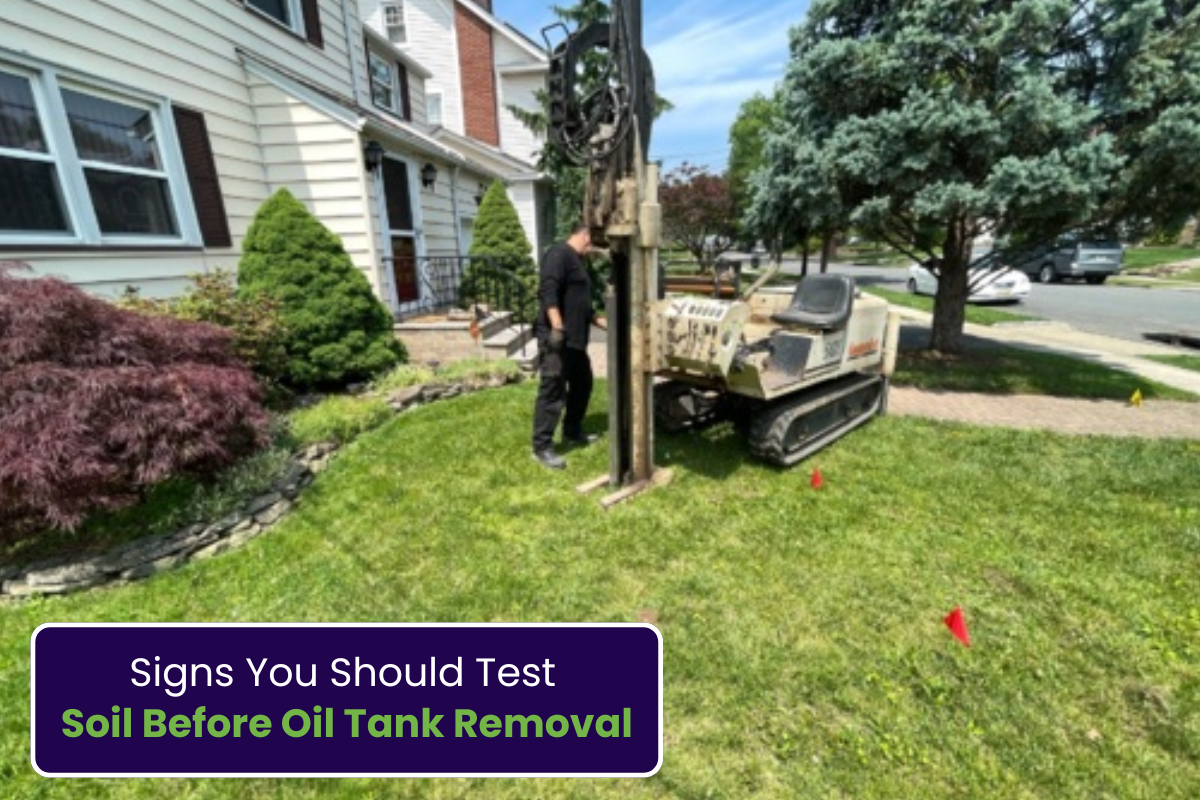
How Simple Tank Services is Revolutionizing Soil Remediation in New Jersy

New Jersey a vibrant community with a rich history, faces a growing concern: soil contamination. Industrial activity spills, and improper waste disposal can leave behind a legacy of toxins in the ground. This not only poses a health risk to residents but also hinders the development of the land. Here’s where best Simple Tank Services steps in, revolutionizing  soil remediation in New Jersey.

The Challenge of Contaminated Soil

Soil contamination occurs when harmful substances like lead, arsenic, or petroleum products seep into the ground. These contaminants can then migrate into groundwater, posing a threat to drinking water supplies. Additionally, contaminated soil can release harmful vapours, impacting air quality. Children playing in contaminated soil are particularly vulnerable to exposure.

Simple Tank Services: A Comprehensive Approach

Simple Tank Services understands the gravity of soil contamination and is committed to providing NJ with effective and sustainable solutions. They differentiate themselves through a comprehensive approach that encompasses several key aspects:

Advanced Techniques: We go beyond traditional methods. They utilize cutting-edge technologies like soil vapour extraction (SVE) and bioremediation. SVE removes volatile contaminants through a vacuum process, while bioremediation harnesses the power of microorganisms to break down pollutants naturally. These techniques ensure a thorough clean-up while minimizing environmental impact.

Expert Team: We boast a team of highly qualified and experienced professionals. Their team comprises environmental scientists, engineers, and technicians who possess in-depth knowledge of soil remediation best practices and regulations. This expertise ensures efficient project execution and adherence to the strictest environmental standards.

Customized Solutions: We recognize that every contamination case is unique. They conduct thorough site assessments to understand the type and extent of contamination. This meticulous approach allows them to tailor a remediation plan that addresses the specific needs of each project.

Environmental Sustainability: Simple Tank Services prioritizes eco-friendly practices. Their bioremediation techniques leverage natural processes to clean the soil, minimizing the use of harsh chemicals. Additionally, they ensure proper disposal of any extracted contaminants to prevent further environmental damage.

Community Focus: We understand the importance of clear communication with the Hillside community. They keep residents informed throughout the remediation process, addressing concerns and ensuring transparency. This community focus fosters trust and strengthens their commitment to environmental responsibility.

The Simple Tank Service Difference

Environmental Sustainability: Simple Tank Services prioritizes eco-friendly practices. Their bioremediation techniques leverage natural processes to clean the soil, minimizing the use of harsh chemicals. Additionally, they ensure proper disposal of any extracted contaminants to prevent further environmental damage.

Community Focus: We understand the importance of clear communication with the New Jersey community. They keep residents informed throughout the remediation process, addressing concerns and ensuring transparency. This community focus fosters trust and strengthens their commitment to environmental responsibility.

Conclusion

Soil remediation is an investment in the future of  NJ. By partnering with Simple Tank Services, residents and businesses can ensure a cleaner, safer environment for themselves and future generations. Their commitment to advanced techniques, a skilled team, and environmental responsibility make them the ideal partner for tackling  NJ soil contamination challenges.Contact Simple Tank Services today.If you suspect soil contamination on your property or have concerns about the environmental health of your neighbourhood, contact Simple Tank Services today. Their team of experts will be happy to answer your questions and guide you through the remediation process. Let’s work together to create a healthier  New Jersey.

The Top Benefits of Choosing Simple Tank Services for Soil Remediation in Hillside, NJ

Technology selection when it comes to soil remediation in Hillside, NJ, influences service delivery in a significant way. The distinguishing factor between Simple Tank Services and its competitors is that the company provides an integrated solution for treating contaminated soil, focuses on the safety of workers and the environment, and provides efficient services while paying close attention to the needs of its clients. undefined

Extensive Experience and Expertise: Simple Tank Services has a well-trained team and skilled professionals who have had massive experience in soil management. we also have legal compliance in terms of the area’s rules and the conditions of the physical land at Hillside. Such specification makes them capable of recommending and establishing the most suitable remediation plan for your needs, regardless of whether you have had a petroleum leak, lead contamination, or any other dangerous substance.

Commitment to Safety: On the same note, Simple Tank Services makes sure that the safety of everybody is well addressed in the whole process of remediation. Their technicians wear protective clothing that not only protects them but also the neighbouring community and the environment. It enjoys technological developments that enable safe practices to be undertaken in order to reduce the occurrence of adverse incidents.

Comprehensive Remediation Solutions: we don’t offer a one-size-fits-all solution. we take a comprehensive approach, tailoring their services to address the specific needs of your site. This includes:

Site Assessment:

we carry out an evaluation of the site we want to remediate so that we can determine the forms of contamination as well as the severity. This may include a process of survey and assessment of the soil and arise from the action that is to be taken.

Remediation Plan Development:

Based on the assessment findings, Simple Tank Services develops a customised remediation plan that outlines the most effective approach for removing contaminants from your soil. This plan will consider factors like the type of contaminant, the severity of contamination, and the specific characteristics of your property.

Remediation Techniques:

we utilise a wide range of remediation techniques to address various soil contamination scenarios. These may include excavation and removal of contaminated soil, in-situ treatment methods that neutralise contaminants on-site, or bio remediation, which leverages microorganisms to break down contaminants naturally.

Waste Disposal:

we ensure the safe and compliant disposal of contaminated soil and materials. we work closely with licensed waste disposal facilities to ensure proper handling and disposal according to all environmental regulations.

Cost-effectiveness: we understand the financial implications of soil remediation. we work diligently to develop cost-effective solutions that address your concerns without compromising on quality or safety. We provide transparent pricing structures and will work with you to find a solution that fits your budget.

Clear Communication and Transparency: we prioritise clear communication throughout the project. we keep you informed of every step of the process, from the initial assessment to the final cleanup. we are readily available to answer your questions and address any concerns you may have.

Focus on Customer Satisfaction: we are committed to exceeding customer expectations. we go the extra mile to ensure a positive experience by providing exceptional customer service. Their team is responsive, professional, and dedicated to achieving the best possible outcome for your project.

Licensed and Insured: we are fully licensed and insured company. This provides peace of mind, knowing that you are protected in case of any unforeseen circumstances during the remediation process.

Environmental Responsibility: we are committed to environmental responsibility. we use Eco-friendly remediation techniques whenever possible and strive to minimise their environmental impact throughout the project.

Conclusion

By choosing Simple Tank Services for your soil remediation project in Hillside, NJ, you gain a trusted partner with the expertise, experience, and commitment to safety and customer satisfaction that you deserve. Their comprehensive approach, cost-effectiveness, and dedication to environmental responsibility make them the ideal choice for restoring your property and protecting the environment.

How to Know If an Oil Tank Was Properly Abandoned

Abandoning an underground oil tank involves a careful and regulated process to prevent environmental contamination and potential hazards. Whether you’re a homeowner, buyer, or realtor, understanding the signs of proper abandonment is crucial. This guide will help you identify whether an underground oil tank removal was executed correctly and ensure peace of mind.

Why Proper Abandonment is Important

Improperly abandoned oil tanks can lead to soil and water contamination, posing significant health and environmental risks. It can also result in costly cleanup efforts and legal liabilities. Therefore, verifying that the abandonment process was correctly performed is essential.

Key Steps in Underground Oil Tank Removal and Abandonment

Before diving into the signs of proper abandonment, let’s review the essential steps involved in the underground oil tank removal process:

Permits and Inspections: Obtaining necessary permits and scheduling inspections with local authorities.

Tank Emptying: Safely removing any remaining oil and cleaning the tank.

Tank Removal or Filling: Excavating and removing the tank or filling it with an inert material like sand or foam if removal isn’t feasible.

Soil Testing: Conducting soil tests to check for contamination.

Proper Disposal: Disposing of the tank and any contaminated soil according to environmental regulations.

Documentation: Maintaining detailed records of the entire process, including permits, inspection reports, and soil test results.

Signs of Properly Abandoned Oil Tanks

Permits and Inspection Reports

One of the first things to check is whether the proper permits were obtained for the underground oil tank removal. Local authorities typically require permits for tank removal or abandonment. Additionally, inspection reports should indicate that the process was inspected and approved by relevant authorities.

Detailed Documentation

Proper abandonment includes thorough documentation of the entire process. This should include:

Permit applications and approvals

Inspection reports

Soil testing results

Details of the removal or filling process

Disposal records of the tank and any contaminated soil

Soil Testing Results

Soil testing is a critical part of the abandonment process. The results should show that no contamination was present or that any contaminated soil was properly remediated. Ensure that the soil testing was performed by a certified environmental professional.

Tank Removal or Filling Verification

If the tank was removed, there should be records detailing the excavation and removal process. For tanks that were filled in place, documentation should include the type of inert material used and confirmation that the tank was properly cleaned and filled.

Absence of Physical Evidence

A properly abandoned tank should leave no physical evidence, such as depressions in the ground or remnants of the tank. If the tank was filled in place, the area should be level and free of any signs of collapse or sinking.

Environmental Compliance

Check for compliance with local, state, and federal environmental regulations. Proper abandonment processes are designed to prevent future liability issues, so adherence to regulations is a good indicator of proper procedure.

What to Do If You Suspect Improper Abandonment

If you suspect that an oil tank was not properly abandoned, take the following steps:

Hire a Professional: Engage a certified environmental consultant to conduct an assessment.

Conduct Soil Testing: Perform additional soil testing to check for contamination.

Consult with Authorities: Contact local environmental authorities for guidance and potential records of the abandonment.

Plan for Remediation: If contamination is found, develop a remediation plan in compliance with environmental regulations.

At the end we can say that ensuring an underground oil tank removal and abandonment were properly conducted is crucial for safeguarding your property and the environment. By checking for permits, detailed documentation, soil testing results, and compliance with regulations, you can confirm that the process was executed correctly. If in doubt, always seek professional advice to address any concerns.For more information on underground oil tank removal and environmental safety, feel free to contact us or visit our blog for further resources.

The Ultimate Guide to Eco-Friendly Oil Tank Remediation Practices

Oil tank remediation is a critical process for ensuring environmental safety and sustainability, especially as we become more aware of the ecological impacts of oil spills and leaks. This guide will walk you through eco-friendly practices for oil tank remediation, helping you manage and remediate oil tanks in a way that minimizes environmental harm.

Understanding Oil Tank Remediation

Oil tank remediation refers to the process of cleaning up and removing old, unused, or leaking oil tanks and the contaminated soil around them. This is crucial for preventing oil leaks from contaminating the ground and water sources, which can have severe environmental and health consequences.

Why Eco-Friendly Remediation Matters

Traditional oil tank remediation methods can be invasive and harmful to the environment. Eco-friendly remediation practices aim to minimize the environmental footprint by using sustainable techniques and materials. These methods not only protect the environment but can also be cost-effective in the long run.

Eco-Friendly Remediation Practices

Assessment and Planning

Before starting any remediation work, conduct a thorough assessment of the site. Use eco-friendly assessment tools and techniques, such as soil vapor surveys and ground-penetrating radar, to determine the extent of contamination without disturbing the environment.

Bioremediation

Bioremediation is a natural process that uses microorganisms to break down contaminants in the soil and water. This method is highly effective and environmentally friendly as it uses natural processes to clean up oil spills. Consider using bioaugmentation, where specific strains of bacteria are introduced to accelerate the degradation process.

Phytoremediation

Phytoremediation involves using plants to absorb, accumulate, and detoxify contaminants from the soil and water. Certain plants, such as sunflowers and willows, are particularly effective at extracting heavy metals and hydrocarbons from contaminated sites. This method is sustainable and aesthetically pleasing.

Soil Washing

Soil washing is a physical process that removes contaminants from soil by using water or an environmentally safe washing solution. The cleaned soil can then be returned to the site, reducing the need for new soil and minimizing waste.

In-Situ Chemical Oxidation

In-situ chemical oxidation (ISCO) involves injecting oxidants directly into the contaminated soil or groundwater to chemically break down pollutants. This method can be targeted and controlled to minimize environmental impact.

Containment and Safe Removal

For oil tanks that must be removed, ensure they are handled with care to prevent further contamination. Use containment measures such as berms and liners during the removal process to catch any spills. Properly dispose of or recycle the tank materials following local environmental regulations.

Regular Monitoring

After remediation, continue to monitor the site to ensure that the contaminants have been effectively removed and that there is no ongoing environmental impact. Regular monitoring can help detect any issues early and allow for prompt action.

Benefits of Eco-Friendly Practices

Reduced Environmental Impact: Eco-friendly practices minimize damage to the environment, preserving natural habitats and ecosystems.

Cost-Effective: Many sustainable remediation methods can be more affordable in the long run, as they often require less energy and fewer resources.

Compliance with Regulations: Using eco-friendly methods can help ensure compliance with local, state, and federal environmental regulations.

Community Health: Reducing contaminants in the environment protects community health, preventing exposure to harmful substances.

Conclusion

Eco-friendly oil tank remediation practices are essential for protecting our environment and promoting sustainability. By using techniques like bioremediation, phytoremediation, soil washing, and in-situ chemical oxidation, you can effectively manage and remediate oil tanks with minimal environmental impact. Regular monitoring and careful planning further ensure the success of these methods.

Embrace these sustainable practices to contribute to a cleaner, healthier planet. For more information and professional assistance with oil tank remediation, contact experts in the field who specialize in eco-friendly solutions.

Common Mistakes to Avoid When Hiring an Oil Tank Removal Company in New Jersey

For New Jersey homeowners with a decommissioned heating oil tank, removal is a necessary step. But navigating the process can be confusing, especially when it comes to choosing the right company. Avoiding some common mistakes can save you time, money, and unnecessary headaches.

Mistake #1: Focusing Solely on Price

Price is undoubtedly a factor, but it shouldn’t be the deciding one. The cheapest option might seem appealing initially, but it could translate into hidden costs or incomplete work. Reputable New Jersey oil tank removal companies will provide detailed quotes outlining all anticipated services and potential contingencies.

Here’s what to consider beyond the bottom line:

  • Insurance and Licensing: Ensure the company has adequate insurance coverage to protect you in case of accidents or property damage during the removal. New Jersey requires oil tank removal companies to be licensed by the Department of Environmental Protection (NJDEP) – verify this with the company and the NJDEP website.
  • Experience and Qualifications: Look for a company with a proven track record in New Jersey oil tank removals. Experience translates to efficiency, a smoother process, and the ability to handle unforeseen circumstances.
  • Services Offered: Does the quote encompass everything? This includes removal, proper disposal of the tank and potentially contaminated soil, site cleaning, and any necessary permits.

Mistake #2: Skipping the NJDEP Notification

New Jersey law mandates homeowners to notify the NJDEP before commencing an oil tank removal. This allows the department to oversee the process and ensure proper environmental protocols are followed. The NJDEP website provides clear instructions and online forms for this notification.

Mistake #3: Not Understanding the Inspection Process

A thorough inspection is crucial before the removal begins. A reputable New Jersey oil tank removal company will conduct a site assessment to determine the tank’s size, location, type, and condition. This assessment also helps identify any potential environmental concerns like surrounding soil contamination.

Here’s what to expect during the inspection:

  • Visual Inspection: The company will visually assess the tank for signs of leaks, damage, or corrosion.
  • Tank Sweep (optional): This non-intrusive method uses specialized equipment to detect the presence of a buried tank and estimate its size and location.
  • Soil Sampling (optional): Depending on the inspection findings, soil samples around the tank might be recommended to check for contamination.

Mistake # 4: Not Factoring in Soil Sampling and Remediation

If the inspection raises concerns about a potential leak, the NJDEP might require soil sampling. This involves collecting soil samples around the tank and sending them to a certified laboratory for testing. The results will determine if remediation – the process of cleaning up contaminated soil – is necessary.

Be upfront with the company about your budget and inquire about the cost of soil sampling and potential remediation – these can be significant additional expenses.

Mistake #5: Not Getting Everything in Writing

Before work begins, ensure you have a signed contract with the New Jersey oil tank removal company. The contract should clearly outline:

  • The scope of work, including removal, disposal, cleaning, and permits.
  • The timeline for completion.
  • The agreed-upon price and payment schedule.
  • Warranties or guarantees offered by the company.
  • The process for handling unforeseen circumstances like discovering a leak or heavily contaminated soil.

By avoiding these common mistakes, New Jersey homeowners can ensure a safe, efficient, and environmentally responsible oil tank removal process. Taking the time to research reputable companies, understand the legalities, and get everything in writing will contribute to a smooth and successful project.


5 Signs It’s Time to Call an Oil Tank Removal Service

For many homeowners, a reliable oil tank provides warmth and comfort during the colder months. But like any other appliance, oil tanks don’t last forever. Over time, they can deteriorate, posing safety and environmental hazards. Knowing when to call an oil tank removal Company is crucial to ensure the safety of your home and the environment. Here are 5 key signs that indicate it’s time to say goodbye to your old oil tank:

Visible Signs of Damage: Regularly inspect your oil tank for any signs of wear and tear. Look for rust, cracks, dents, or bulges on the exterior surface. These imperfections can be indicators of a weakened tank structure, increasing the risk of leaks. Rust, in particular, can eat away at the metal shell, eventually causing holes that allow oil to escape. If you notice any of these signs, don’t hesitate to contact a qualified oil tank removal service for a professional assessment.

Age of Your Tank: Oil tanks, like most appliances, have a lifespan. While steel tanks can last for 20-30 years, underground tanks may need replacement sooner due to harsher environmental conditions. Aboveground plastic tanks typically last 15-20 years. If your tank is approaching or exceeding its expected lifespan, consider scheduling a professional inspection to determine its remaining functionality. An oil tank removal service can advise you on the best course of action, whether it’s replacement or removal.

Leaks and Oil Spills: Even a small leak from your oil tank can be a major problem. Oil is a hazardous material that can contaminate soil and groundwater, posing a serious threat to the environment and potentially your health. If you suspect a leak, look for signs like a strong oil odor around the tank, oily stains on the ground, or unusual dips in your oil level. In the case of a confirmed leak, it’s critical to contact an oil tank removal service immediately. They can safely contain the spill, remove the contaminated soil, and dispose of the old tank according to regulations.

Switching Heating Systems: Are you planning to upgrade your heating system to a more efficient or environmentally friendly option, such as natural gas, propane, or a heat pump? If so, you’ll likely need to remove your old oil tank. An oil tank removal service can handle the entire process, ensuring safe and proper disposal of the tank and any residual oil.

Peace of Mind: Even if your oil tank isn’t exhibiting any immediate signs of trouble, there’s a certain peace of mind that comes with knowing you have a safe and reliable heating system. If you’re unsure about the condition of your oil tank or simply want to explore alternative heating options, consulting with an oil tank removal service can provide valuable insights and recommendations.

Benefits of Professional Oil Tank Removal

Hiring a professional oil tank removal service offers several benefits:

Safety: Oil tank removal can be a complex process, especially for underground tanks. Trained professionals have the necessary expertise and equipment to handle the job safely and efficiently, minimizing risks of spills or leaks.

Environmental Responsibility: Oil tank removal services understand the environmental regulations surrounding oil disposal. They ensure the old tank and any contaminated soil are disposed of properly, protecting the environment from potential harm.

Efficiency: Removing an oil tank can be a time-consuming and laborious task. A professional service will complete the job quickly and efficiently, minimizing disruption to your home.

Peace of Mind: Knowing that your oil tank removal is handled by qualified professionals allows you to rest assured that the job is done correctly and according to regulations.

By recognizing the signs and understanding the benefits, you can make an informed decision about when to call an oil tank removal service. Taking proactive steps ensures the safety of your home, the environment, and your peace of mind.


The Perils of DIY Oil Tank Removal: The Imperative of Hiring Professional Oil Tank Removal Contractors


In the realm of home improvement, the allure of do-it-yourself projects is undeniable. The satisfaction of self-accomplishment coupled with potential cost savings often motivates homeowners to tackle tasks independently. However, when it comes to removing an oil tank, the stakes are high, and the risks associated with DIY attempts are significant.

DIY oil tank removal might seem feasible on the surface, but the intricacies and potential hazards involved render it a perilous endeavor. Here’s why entrusting this task to professional oil tank removal contractors is imperative:

Environmental and Health Hazards

Oil tanks, particularly older ones, pose significant environmental and health risks if mishandled during removal. They can contain residual oil and hazardous substances. A DIY approach may lead to spillage or leakage, contaminating the soil, groundwater, or nearby water sources. Such contamination could result in severe environmental damage and health concerns for both homeowners and the community.

Regulatory Compliance

Oil tank removal is governed by stringent regulations and guidelines to prevent environmental degradation. Professional contractors possess the expertise to navigate these regulations, securing the necessary permits and ensuring compliance with local ordinances. DIY attempts often lack the understanding of these legalities, potentially leading to fines, penalties, and legal repercussions for non-compliance.

Technical Complexity

The process of oil tank removal involves intricate technical aspects, from proper draining and cleaning to safe excavation and disposal. Professionals are equipped with specialized tools, knowledge, and experience to execute these tasks meticulously, minimizing the risk of accidents or damage to property. Conversely, DIY endeavors may lack the essential equipment and expertise, increasing the likelihood of accidents, property damage, or personal injury.

Financial Implications

While the initial inclination towards DIY projects stems from potential cost savings, the reality can be starkly different. Inadequate removal or accidental damage during a DIY attempt can escalate costs significantly. Professional contractors offer insurance coverage, safeguarding against potential liabilities arising from accidents or property damage during the removal process. Ultimately, the expenses associated with professional services often pale in comparison to the potential financial repercussions of a DIY mishap.

Peace of Mind

Engaging professional oil tank removal contractors provides homeowners with peace of mind. Entrusting experts in the field ensures a systematic and safe removal process, alleviating stress and uncertainties associated with a DIY venture. It allows homeowners to focus on other aspects of their property, confident that the removal is being handled competently and responsibly.

In conclusion, the hazards and complexities involved in oil tank removal necessitate the involvement of seasoned professionals. While the allure of DIY projects is understandable, certain tasks, especially those involving environmental and safety risks, demand expertise and experience beyond the scope of a layperson. Opting for professional oil tank removal contractors ensures a smooth, compliant, and safe removal process, ultimately safeguarding both property and the environment.

What Is Soil Remediation and Why Is It Important?


Healthy soil is a vital, but often overlooked, component of our ecosystem. It provides the foundation for plant life, filters rainwater, and supports a complex web of organisms. Unfortunately, human activities can contaminate soil with a variety of harmful substances. This is where soil remediation comes in.

Soil remediation is the process of removing or reducing contaminants from the soil to a safe level. These contaminants can include:

– Heavy metals such as lead, arsenic, and mercury

– Industrial chemicals like solvents, pesticides, and PCBs

-Petroleum products from oil spills or leaking underground storage tanks

Contaminated soil poses a significant threat to human health and the environment. Exposure to contaminants can lead to a variety of health problems, including respiratory issues, birth defects, and even cancer. Contaminated soil can also harm plant life, disrupt the natural food chain, and pollute groundwater.

Why is Soil Remediation Important?

There are several compelling reasons why soil remediation is crucial:

Protecting Human Health: As mentioned earlier, contaminated soil poses a direct threat to human health. Remediation efforts remove these contaminants, creating a safer environment for residents, workers, and children who may play in the area.

Restoring the Environment: Healthy soil is essential for a healthy ecosystem. Remediation helps restore the natural balance of the soil, allowing plants to thrive and supporting a diverse range of organisms.

Redeveloping Land: Contaminated land can be rendered unusable for residential, commercial, or agricultural purposes. Soil remediation allows for the safe redevelopment of this land, expanding usable space and potentially increasing property values.

Preventing Further Contamination: Contaminated soil can act as a source of ongoing pollution, contaminating groundwater or spreading to other areas through wind or erosion. Remediation helps prevent this domino effect, safeguarding the surrounding environment.

How is Soil Remediation Done?

There are a variety of soil remediation techniques available, each with its own advantages and disadvantages. The most suitable method will depend on the specific type and level of contamination present. Some common methods include:

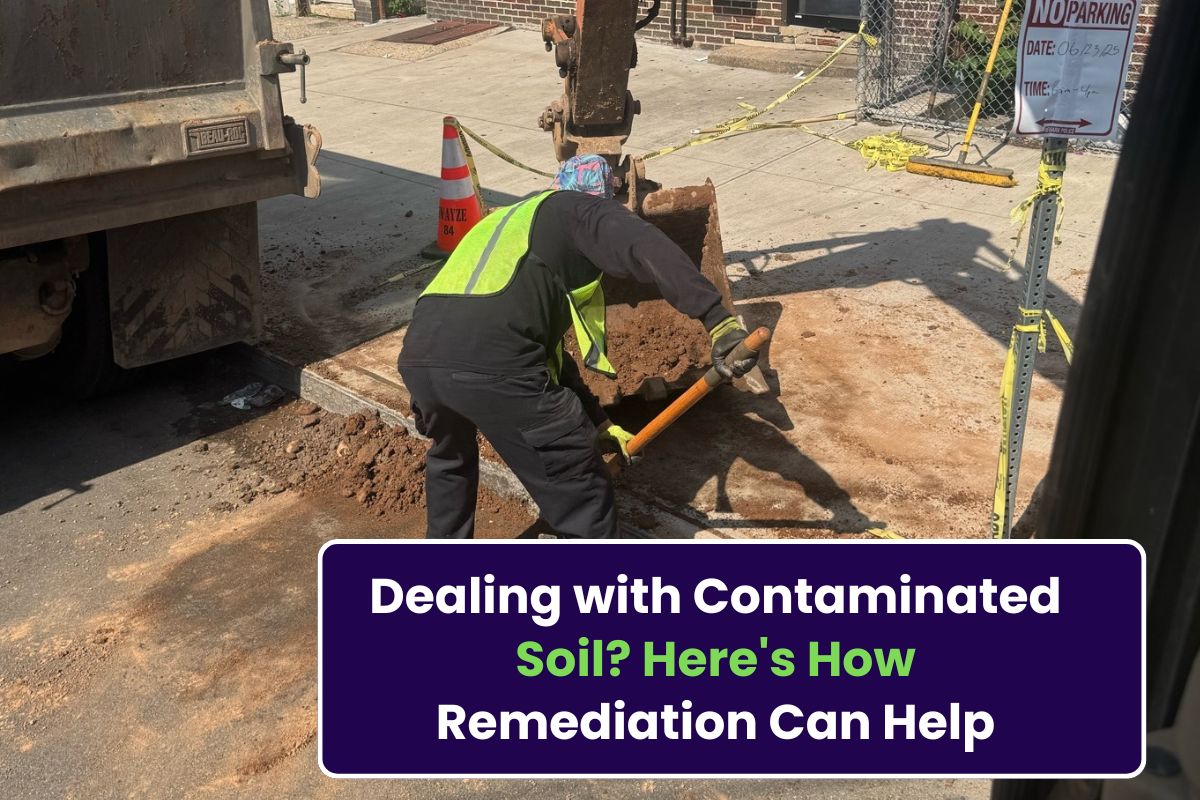
Excavation: This involves physically removing the contaminated soil and transporting it to a licensed treatment facility. While effective, excavation can be disruptive and expensive.

Landfilling: Excavated contaminated soil may be disposed of in a specially designed landfill. Strict regulations govern this process to ensure the safe containment of contaminants.

In Situ Treatment: This approach involves treating the contaminated soil in place without removing it. Techniques like bioremediation, which uses microorganisms to break down contaminants, or chemical treatment, which immobilizes or destroys contaminants, fall under this category. In situ treatment can be less disruptive than excavation but may take longer to achieve results.

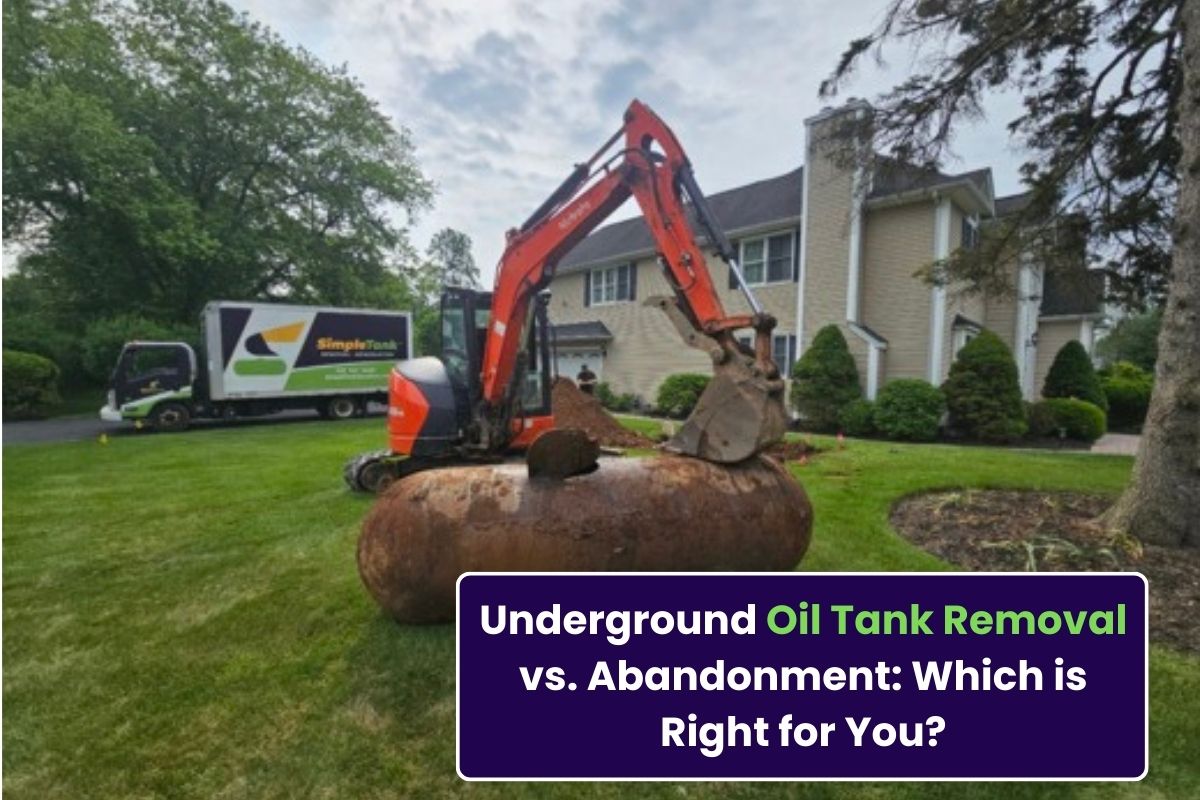
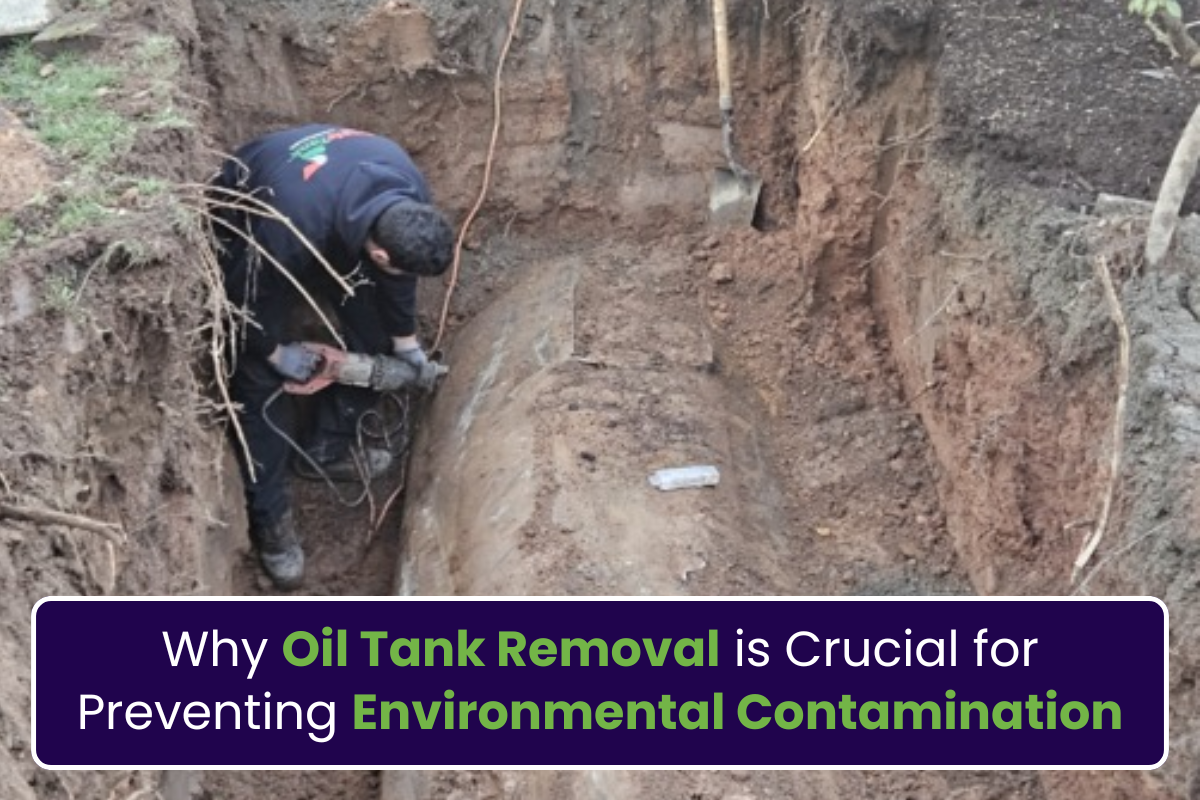
Oil Tank Removal: Leaking underground storage tanks (USTs) are a common source of soil contamination. Oil tank removal companies specialize in the safe removal and disposal of these tanks, as well as the remediation of any resulting soil contamination.

The Role of Oil Tank Removal Companies

As mentioned above, leaking USTs are a significant source of soil contamination. Oil tank removal companies play a vital role in protecting public health and the environment by:

Safe Removal of Oil Tanks: These companies use specialized equipment and procedures to safely remove USTs, minimizing the risk of spills and leaks.

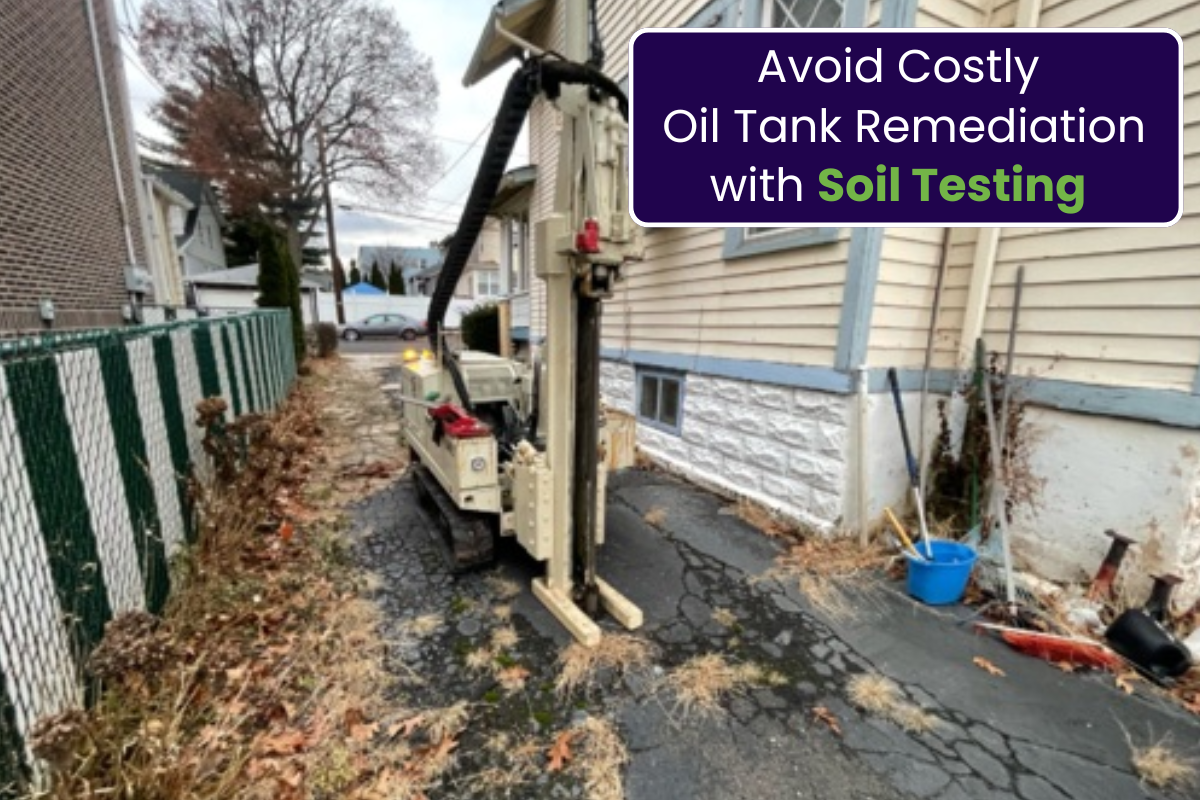
Soil Assessment: They conduct thorough soil testing to determine the extent and nature of any contamination.

Developing Remediation Plans: Oil tank removal companies work with environmental engineers to develop a customized remediation plan based on the specific needs of the site.

Remediation Implementation: They implement the chosen remediation strategy, ensuring proper execution and adherence to environmental regulations.

Conclusion

Soil remediation is a vital process for protecting human health, restoring the environment, and ensuring the safe and sustainable use of land. By working with qualified professionals, such as oil tank removal companies and environmental engineers, we can effectively address soil contamination and create a cleaner future for ourselves and generations to come.

Top 5 Reasons Why You Should Consider Oil Tank Removal


If you’re a homeowner with an underground oil tank, you might be wondering whether it’s time to consider oil tank removal. While it might seem like a daunting task, there are compelling reasons to take this step. Here are the top five reasons why you should seriously consider oil tank removal, and why hiring a professional oil tank removal company for oil tank services is essential.

Environmental Concerns: One of the primary reasons to consider oil tank removal is the potential environmental impact. Over time, underground oil tanks can deteriorate, leading to leaks that contaminate the soil and groundwater. This contamination poses a significant risk to the environment and can result in long-term damage. By opting for oil tank removal, you contribute to safeguarding the environment and protecting your property from the consequences of oil leaks.

Property Value Enhancement: Homes with underground oil tanks may face challenges in the real estate market. Many potential buyers are wary of properties with aging oil tanks, fearing potential environmental hazards and costly cleanup. By proactively removing the oil tank, you enhance your property’s value and appeal to a broader range of buyers. This can streamline the selling process and ensure you get the best return on your investment.

Compliance with Regulations: Environmental regulations regarding underground oil tanks are becoming more stringent. Local authorities may require homeowners to adhere to specific guidelines, including regular inspections and maintenance. By opting for oil tank removal, you ensure compliance with these regulations, avoiding potential fines and legal complications. A professional oil tank removal company can navigate the regulatory landscape and ensure that the removal process meets all necessary standards.

Prevention of Health Hazards: Leaking oil tanks not only pose a threat to the environment but can also lead to health hazards for you and your family. Oil vapors and fumes can enter your home, causing respiratory issues and other health problems. Additionally, exposure to contaminated soil can have long-term health consequences. Removing the oil tank eliminates these risks, creating a safer living environment for you and your loved ones.

Cost Savings in the Long Run: While the initial cost of oil tank removal may seem like a significant investment, it is a proactive measure that can save you money in the long run. Dealing with a leaking tank and the resulting environmental cleanup can be an expensive endeavor. By removing the oil tank before it becomes a problem, you avoid the potential financial burden of addressing contamination issues and property damage.

In conclusion, considering oil tank removal is a prudent decision for homeowners with underground oil tanks. It not only protects the environment, enhances property value, and ensures regulatory compliance but also prevents health hazards and offers long-term cost savings. When undertaking this crucial task, engaging the services of a professional oil tank removal company is essential to ensure a seamless and compliant process.

5 Key Signs It’s Time to Replace Your Oil Tank

Maintaining a safe and efficient home requires paying attention to all its components, including the oil tank if your heating system depends on it. While these tanks are built to last, they are not immune to wear and tear. Recognizing the signs that it’s time to replace your oil tank is crucial for preventing environmental damage, ensuring your family’s safety, and avoiding costly emergency services. Here, we outline five key signs that indicate the need for a replacement, emphasizing the role of a professional oil tank removal company in this process.

  1. Visible Rust and Corrosion

The most visible indicator of a tank in distress is the presence of rust and corrosion. These elements can compromise the structural integrity of the tank, leading to leaks or a complete failure. It’s essential to inspect your tank regularly for any signs of rust, especially around its legs, seams, and bottom. If rust is present, it’s a clear sign that the tank’s protective coatings have failed and moisture is affecting the metal. Consulting with a reputable oil tank removal company can provide you with a professional assessment and replacement options.

  1. Unstable Foundation

Oil tanks need to be placed on a stable foundation to ensure their longevity. Over time, the base may settle or shift, causing the tank to tilt or become unstable. This can lead to internal damage and stress on connections and piping, increasing the risk of leaks. If you notice any changes in the positioning of your tank or if it appears to be tilting, it’s a strong indication that it needs to be assessed and possibly replaced. Professionals from an oil tank removal company can safely dismantle the old tank and install a new one on a secure foundation.

  1. Inconsistent Fuel Usage

An unexpected increase in fuel consumption can signal that your oil tank has developed leaks or is no longer functioning efficiently. While there could be other reasons for a spike in fuel use, such as changes in weather or heating habits, it’s wise to inspect your tank if you notice a significant difference. An oil tank removal company can perform a thorough check to identify leaks or inefficiencies and recommend whether a replacement is necessary.

  1. Age of the Tank

The age of your oil tank is a critical factor in assessing its condition. Most tanks have a lifespan of 15 to 20 years, depending on their construction material and maintenance history. If your tank is approaching or has surpassed this age range, it’s prudent to consider replacement even if no immediate signs of failure are evident. An older tank poses a higher risk of unexpected leaks and environmental damage. Engaging an oil tank removal company for an inspection can help you determine the best time for replacement.

  1. Deterioration of Components

Components like gauges, vents, and caps play a significant role in the safe operation of your oil tank. Over time, these parts can deteriorate due to weather exposure or mechanical damage, compromising the tank’s functionality. Regular checks can help identify issues with these components, but if deterioration is widespread, it may indicate that the entire system requires attention. A professional oil tank removal company can assess these components and advise on the necessity of a full tank replacement.

Conclusion

Recognizing when it’s time to replace your oil tank is crucial for the safety, efficiency, and environmental integrity of your home heating system. Visible rust, an unstable foundation, inconsistent fuel usage, the age of the tank, and deterioration of components are all key signs that a replacement may be needed. Consulting with a professional oil tank removal company ensures that any necessary replacements are conducted safely and efficiently, safeguarding your home and the environment.

Warning Signs That Your Oil Tank Needs to Be Removed

Having an oil tank at your property can provide a convenient way to store heating oil, especially in regions where alternative heating methods are not readily available or are more expensive. However, oil tanks, whether above ground or underground, come with their own set of challenges and maintenance requirements. Over time, an oil tank can deteriorate, leading to potential environmental hazards and costly cleanups. It’s essential to recognize the warning signs that your oil tank needs to be removed before it becomes a significant issue. This article will highlight these warning signs and discuss how contacting a reputable oil tank removal company can mitigate risks associated with an aging or damaged oil tank.

  1. Visible Rust and Corrosion

One of the most apparent signs that an oil tank needs attention is visible rust and corrosion on its surface. Rust indicates that the integrity of the tank is compromised, making leaks more likely. If rust is present, especially around the tank’s base or on its supports, it’s time to consider contacting an oil tank removal company to assess the situation and possibly remove the tank.

  1. Unexplained Heating Oil Consumption

If you notice that your heating oil consumption has significantly increased without a corresponding increase in usage, this could be a sign of a leak. Leaks can occur due to cracks or holes in the tank, which are not always visible, especially in underground tanks. A professional assessment can help determine if the tank is the source of the leak and needs to be removed.

  1. Persistent Odor of Heating Oil

A persistent odor of heating oil around the tank area or inside your property is a clear sign of a problem. This could indicate a leak or spill that has gone unnoticed. Such odors should not be ignored, as they can also pose health risks to occupants. Contacting an oil tank removal company can help identify the source of the odor and resolve the issue.

  1. Water Presence in the Tank

Water found in the oil tank during routine maintenance can indicate a breach in the tank’s integrity. Water can lead to the corrosion of the tank from the inside out, exacerbating any existing issues. A professional can assess whether the tank can be repaired or if removal is the best course of action.

  1. Aging Tank

Oil tanks have a finite lifespan, typically between 15 to 20 years for modern models. If your tank is nearing or has surpassed this age range, it’s wise to have it inspected regularly. An aging tank is more likely to fail, so preemptive removal might be advisable to prevent environmental damage and potential fines.

  1. Changes in Property Drainage

Significant changes in the drainage pattern of your property, especially near the location of an underground oil tank, can indicate a problem. Shifts in the soil could damage the tank, leading to leaks. If you notice new areas of wetness or pooling water, it might be time to have your tank inspected and possibly removed.

Conclusion

Recognizing the warning signs that your oil tank needs to be removed is crucial in preventing environmental damage and ensuring the safety of your property. Visible rust, unexplained oil consumption, persistent odors, water presence in the tank, aging, and changes in property drainage are all indicators that it’s time to take action. Hiring a reputable oil tank removal company can provide peace of mind by safely and efficiently handling the removal process. Doing so not only protects your property but also contributes to the well-being of the environment.

Understanding the Environmental Impact of Oil Tank Removal in New Jersey

Oil tank removal is a crucial process that ensures the safety of both the environment and the residents of New Jersey. With the potential environmental hazards associated with aging and corroded oil tanks, it becomes imperative to address the environmental impact of oil tank removal in the state. This article explores the significance of oil tank removal, emphasizing the role of oil tank removal companies in mitigating environmental risks.

Environmental Concerns Associated with Aging Oil Tanks

New Jersey, like many other states, has a history of residential and commercial properties relying on oil tanks for heating and other purposes. However, over time, these tanks can corrode, leading to leaks that pose serious environmental threats. Oil spills from deteriorating tanks can contaminate soil, groundwater, and surface water, harming plant and animal life while also impacting the health of nearby residents.

Understanding the Impact of Oil Tank Removal

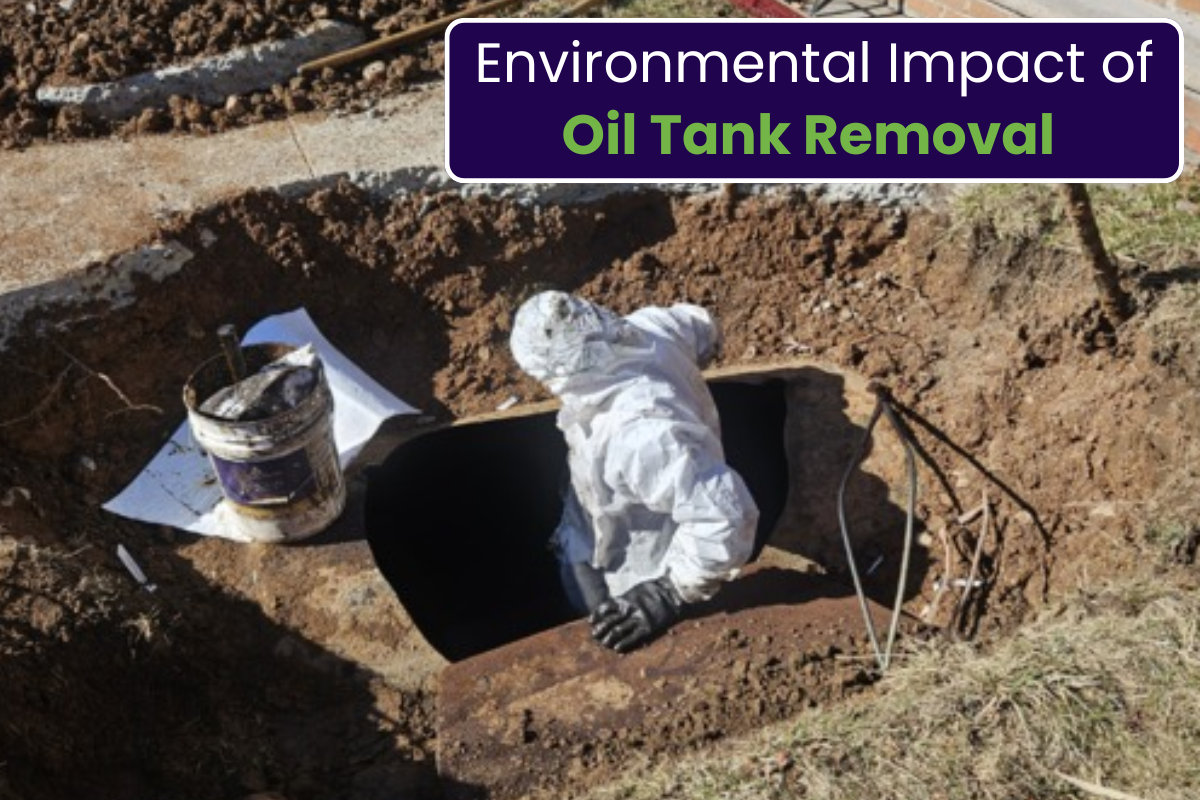
Oil tank removal is a multifaceted process that involves assessing, decommissioning, and safely eliminating old or leaking tanks. One of the primary environmental benefits of oil tank removal is the prevention of soil and water contamination. By identifying and addressing potential leaks early on, oil tank removal companies play a crucial role in safeguarding New Jersey’s ecosystems.

Proper disposal of the removed tanks is equally important to minimize environmental impact. Reputable oil tank removal companies adhere to strict guidelines for recycling and disposing of tanks in an environmentally responsible manner. This includes recycling materials whenever possible and ensuring that hazardous waste is treated and disposed of in accordance with environmental regulations.

The Role of Oil Tank Removal Companies

Oil tank removal companies are instrumental in managing the environmental impact of oil tank removal in New Jersey. These companies employ skilled professionals who conduct thorough assessments to identify potential leaks and determine the best course of action. The use of advanced technologies and methodologies helps minimize the disturbance to the surrounding environment during the removal process.

Furthermore, oil tank removal companies often collaborate with environmental agencies to ensure compliance with state regulations. By obtaining necessary permits and adhering to established guidelines, these companies contribute to a seamless and environmentally conscious oil tank removal process.

Keywords and Environmental Stewardship

Oil tank removal companies play a pivotal role in maintaining environmental stewardship throughout the removal process. As the demand for these services grows, it is essential for companies to prioritize environmentally friendly practices. The careful integration of keywords, such as “oil tank removal company,” reflects a commitment to transparency and accessibility in promoting eco-friendly practices.

Conclusion

In conclusion, understanding the environmental impact of oil tank removal in New Jersey is essential for safeguarding the state’s ecosystems and ensuring the well-being of its residents. Oil tank removal companies, through their expertise and commitment to environmental stewardship, contribute significantly to the prevention of soil and water contamination. As the demand for oil tank removal services continues to rise, it is imperative for companies to prioritize eco-friendly practices, thereby fostering a sustainable and environmentally conscious approach to this essential process.

The Crucial Role of Soil Remediation in Environmental Conservation


The Earth’s soil is a precious resource, playing a pivotal role in sustaining life and supporting ecosystems. However, due to various human activities, soil contamination has become a pressing issue, necessitating effective soil remediation processes. Soil contamination occurs when hazardous substances, such as chemicals, heavy metals, or petroleum products like oil, infiltrate the soil, posing severe threats to the environment and human health. This is where specialized entities like an oil tank removal company play a crucial role in mitigating the damage.

Soil, being a fundamental component of ecosystems, directly impacts food production, water quality, and the overall health of ecosystems. Contaminated soil affects agricultural lands, reducing crop yields and potentially introducing harmful elements into the food chain. Additionally, pollutants in the soil can leach into groundwater, compromising its quality and making it unsafe for consumption.

Among the various contaminants, oil and petroleum products stand out as significant contributors to soil pollution. Leaks or spills from oil tanks, pipelines, or industrial activities can introduce harmful hydrocarbons into the soil, leading to long-lasting damage. Addressing this issue requires specialized expertise, and this is where an oil tank removal company plays a vital role. These companies employ techniques like soil excavation, bioremediation, or chemical treatments to effectively remove or neutralize oil-based contaminants from the soil.

Soil remediation, especially in cases involving oil contamination, is critical for environmental conservation for several reasons. Firstly, it helps prevent the spread of contaminants to other areas. Oil and petroleum products have the potential to migrate through the soil, reaching water bodies or adjoining lands, exacerbating environmental damage. Prompt and thorough remediation prevents further contamination, preserving the integrity of surrounding ecosystems.

Moreover, soil remediation aids in restoring soil fertility and productivity. Contaminated soil often loses its ability to support plant growth and may remain barren for years. Remediation processes aim to detoxify the soil, allowing it to regain its natural properties and fostering the return of vegetation. This is not just about restoring aesthetics; it’s about reinstating the balance of ecosystems and supporting biodiversity.

Furthermore, by addressing soil contamination, remediation efforts contribute to safeguarding human health. Contaminated soil can pose serious health risks through direct contact or by contaminating food grown in affected areas. Removing or neutralizing contaminants minimizes these risks, ensuring the safety of communities living nearby.

In essence, the work of an oil tank removal company is integral to the broader spectrum of soil remediation. Their specialized knowledge and techniques are instrumental in tackling oil-related soil contamination. Through their expertise, these companies contribute significantly to environmental conservation efforts by restoring the health and functionality of the soil.

However, it’s crucial to acknowledge that soil remediation is a complex and resource-intensive process. It requires a concerted effort from various stakeholders, including governments, industries, and environmental organizations. Adequate regulations, funding, and technological advancements are essential to enhance remediation practices and address soil contamination comprehensively.

In conclusion, soil remediation, particularly in cases involving oil contamination, stands as a linchpin in environmental conservation efforts. It not only prevents further environmental degradation but also restores the vitality of ecosystems and ensures the well-being of both the environment and human populations. The expertise and dedication of entities like an oil tank removal company play a pivotal role in this essential task of preserving our planet’s precious soil resources.

The Crucial Role of Soil Remediation in Environmental Conservation

The Earth’s soil is a precious resource, playing a pivotal role in sustaining life and supporting ecosystems. However, due to various human activities, soil contamination has become a pressing issue, necessitating effective soil remediation processes. Soil contamination occurs when hazardous substances, such as chemicals, heavy metals, or petroleum products like oil, infiltrate the soil, posing severe threats to the environment and human health. This is where specialized entities like an oil tank removal company play a crucial role in mitigating the damage.

Soil, being a fundamental component of ecosystems, directly impacts food production, water quality, and the overall health of ecosystems. Contaminated soil affects agricultural lands, reducing crop yields and potentially introducing harmful elements into the food chain. Additionally, pollutants in the soil can leach into groundwater, compromising its quality and making it unsafe for consumption.

Among the various contaminants, oil and petroleum products stand out as significant contributors to soil pollution. Leaks or spills from oil tanks, pipelines, or industrial activities can introduce harmful hydrocarbons into the soil, leading to long-lasting damage. Addressing this issue requires specialized expertise, and this is where an oil tank removal company plays a vital role. These companies employ techniques like soil excavation, bioremediation, or chemical treatments to effectively remove or neutralize oil-based contaminants from the soil.

Soil remediation, especially in cases involving oil contamination, is critical for environmental conservation for several reasons. Firstly, it helps prevent the spread of contaminants to other areas. Oil and petroleum products have the potential to migrate through the soil, reaching water bodies or adjoining lands, exacerbating environmental damage. Prompt and thorough remediation prevents further contamination, preserving the integrity of surrounding ecosystems.

Moreover, soil remediation aids in restoring soil fertility and productivity. Contaminated soil often loses its ability to support plant growth and may remain barren for years. Remediation processes aim to detoxify the soil, allowing it to regain its natural properties and fostering the return of vegetation. This is not just about restoring aesthetics; it’s about reinstating the balance of ecosystems and supporting biodiversity.

Furthermore, by addressing soil contamination, remediation efforts contribute to safeguarding human health. Contaminated soil can pose serious health risks through direct contact or by contaminating food grown in affected areas. Removing or neutralizing contaminants minimizes these risks, ensuring the safety of communities living nearby.

In essence, the work of an oil tank removal company is integral to the broader spectrum of soil remediation. Their specialized knowledge and techniques are instrumental in tackling oil-related soil contamination. Through their expertise, these companies contribute significantly to environmental conservation efforts by restoring the health and functionality of the soil.

However, it’s crucial to acknowledge that soil remediation is a complex and resource-intensive process. It requires a concerted effort from various stakeholders, including governments, industries, and environmental organizations. Adequate regulations, funding, and technological advancements are essential to enhance remediation practices and address soil contamination comprehensively.

In conclusion, soil remediation, particularly in cases involving oil contamination, stands as a linchpin in environmental conservation efforts. It not only prevents further environmental degradation but also restores the vitality of ecosystems and ensures the well-being of both the environment and human populations. The expertise and dedication of entities like an oil tank removal company play a pivotal role in this essential task of preserving our planet’s precious soil resources.

Safeguarding Your Home: Detecting and Resolving Risks from Buried Oil Tanks

Buried oil tanks are a relic of older heating systems, common in many homes built before the shift to modern alternatives. While once a standard, these tanks now pose a potential threat due to corrosion, leaks, and environmental hazards. Identifying and mitigating these risks is crucial for homeowners to safeguard their properties and the surrounding environment.

Detecting the Presence of Buried Oil Tanks

The first step in managing the risks associated with buried oil tanks is to confirm their presence. Homeowners can start by checking historical records, property surveys, or speaking with previous owners to determine if an oil tank was ever installed. Signs such as disconnected vent pipes, abandoned oil lines, or patches of unusually healthy vegetation in the yard might indicate the tank’s location.

Professional Inspection: Consulting professionals trained in detecting buried tanks is advisable. These experts use specialized equipment like ground-penetrating radar or metal detectors to accurately locate and assess the tank’s condition.

Risks Associated with Buried Oil Tanks

Buried oil tanks, over time, are susceptible to corrosion, leading to leaks that contaminate soil and groundwater. Environmental contamination poses health risks and may result in costly cleanups. Moreover, leaking oil can seep into the foundation, causing structural damage to the property.

Environmental Impact: The leakage of oil from these buried tanks can be detrimental to the environment, affecting not only the property but also neighboring areas and ecosystems. It’s critical to address these risks promptly.

Resolving the Risks

Upon confirming the presence of a buried oil tank, homeowners should consider professional removal or remediation to mitigate potential dangers.

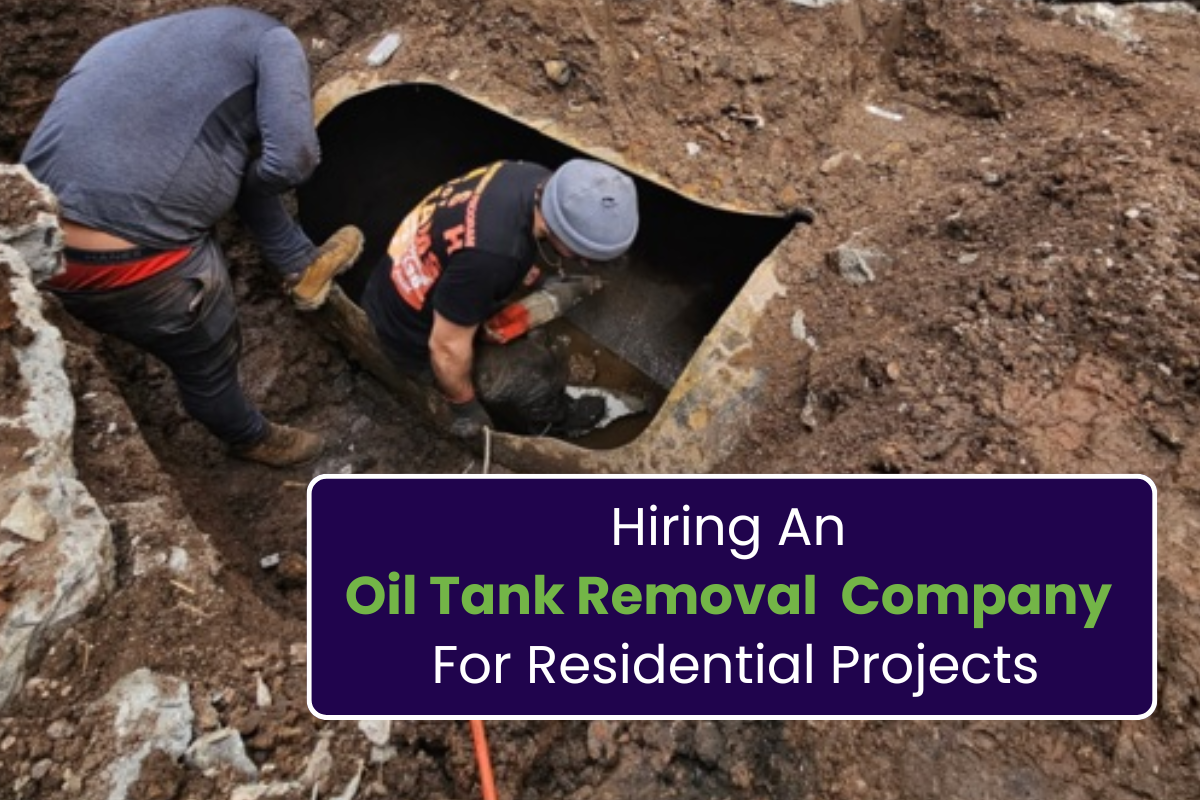
Tank Removal Services: Hiring a certified oil tank removal company is crucial. These companies possess the expertise and equipment necessary to safely excavate and dispose of the tank and any contaminated soil.

Remediation: If a leak is detected, remediation involves soil testing, cleanup, and ensuring no further contamination. This process may vary in complexity and cost depending on the extent of the damage.

Prevention and Future Precautions

For homeowners planning to replace their oil heating systems or in the process of buying a property with a buried oil tank, preventive measures are essential.

Regular Inspections: Regular inspections by professionals can help identify early signs of deterioration, preventing potential leaks and environmental hazards.

Tank Decommissioning: Properly decommissioning a buried oil tank involves cleaning it, removing any remaining oil, and filling it with an inert material to prevent collapse.

Conclusion

Buried oil tanks, once a standard practice, now pose considerable risks to homes and the environment. Identifying their presence, understanding associated risks, and taking appropriate action through professional removal or remediation are crucial steps for homeowners. Regular inspections, preventive measures, and timely interventions can help mitigate these risks, ensuring the safety of homes and the environment.

Remember, the expertise of certified oil tank removal companies is invaluable in addressing these issues. Prioritize the safety of your property and surroundings by addressing buried oil tank risks promptly and efficiently.

5 Signs it’s Time to Remove Your Oil Tank

Oil tanks are a common fixture in many homes, providing a reliable source of fuel for heating systems. However, they also come with risks, especially as they age. Over time, oil tanks deteriorate, leading to potential environmental hazards and safety concerns. Recognizing when it’s time to remove your oil tank is crucial for preventing disasters and ensuring the safety of your property. Here are five signs that indicate it might be time to consider oil tank removal.

Corrosion and Rust

One of the most evident signs that your oil tank needs removal is visible corrosion or rust. Metal tanks, especially those exposed to fluctuating temperatures and moisture, are susceptible to corrosion over time. Rust weakens the tank structure, leading to leaks and spills. Inspect your tank regularly for any signs of rust, particularly around the seams, joints, or the bottom. If you notice significant rust or corrosion, it’s imperative to contact an oil tank removal company immediately.

Leaks and Oil Stains

Leakage around the tank or oil stains on the ground nearby are clear indications of a problem. Leaks might not only stem from corrosion; they can also result from physical damage or cracks due to aging. Any sign of oil seepage demands immediate action. Not only does leakage pose environmental hazards, but it can also lead to costly soil remediation if left unattended. A professional oil tank removal company can assess the extent of the damage and safely remove the tank.

Obsolete or Abandoned Tanks

Older properties might have obsolete or abandoned oil tanks that are no longer in use. These tanks, if not properly decommissioned or removed, pose a significant risk. Even if the tank seems inactive, it could still have residual oil and be prone to leaks or structural failure. Considering removal for obsolete or abandoned tanks is a proactive step to prevent any potential environmental or safety issues in the future.

Changes in Heating Systems

If you’ve upgraded your heating system to an alternative fuel source or switched to a different type of oil tank, it might be time to remove the old one. Keeping an unused tank on your property not only takes up space but also poses unnecessary risks. Professional oil tank removal services can safely extract and dispose of the tank, ensuring your property remains safe and compliant with regulations.

Regulatory Compliance

Regulations regarding oil tank maintenance and removal vary by region. However, many areas have stringent guidelines regarding the proper handling and removal of oil tanks. Failing to comply with these regulations can result in hefty fines or legal implications. Checking local regulations and ensuring your oil tank meets compliance standards is essential. If removal is necessary to adhere to regulations, consulting with an experienced oil tank removal company is crucial.

When dealing with oil tank removal, it’s imperative to enlist the services of a reputable and certified company. Professional removal ensures safety, proper disposal of oil residues, and adherence to environmental regulations.

In conclusion, being vigilant about the condition of your oil tank is vital for preventing environmental hazards, property damage, and legal complications. Recognizing these signs and promptly engaging a qualified oil tank removal company can mitigate risks and ensure a safe environment for your property and community.

If you suspect any of these signs with your oil tank, don’t delay—reach out to a trusted oil tank removal company to assess the situation and take appropriate action.

Unveiling the Essentials of Properties with Underground Storage Tanks: A Comprehensive Guide

Underground storage tanks (USTs) are integral components of many properties, serving as containers for a variety of substances, notably oil-based products. While these tanks are essential for storage purposes, they can present unique challenges and considerations, particularly when it comes to removal. Understanding the dynamics of properties housing underground storage tanks, and the necessity of professional services like an oil tank removal company, is crucial.

The Significance of Underground Storage Tanks

USTs are commonly used to store petroleum products such as gasoline, diesel, and heating oil. They are prevalent in residential, commercial, and industrial settings, catering to diverse needs like fueling vehicles, powering machinery, and heating homes. Their concealed nature offers space efficiency and minimizes environmental exposure, but it also necessitates careful monitoring and maintenance.

Risks and Challenges

Over time, underground storage tanks are prone to corrosion, leaks, or deterioration due to factors like age, material degradation, or improper maintenance. Leaks from these tanks can contaminate soil and groundwater, posing severe environmental and health hazards. Detection of leaks is often challenging due to their concealed nature, making early identification critical to prevent extensive damage.

Regulations and Compliance

Given the potential environmental and health risks associated with USTs, regulatory bodies have established stringent guidelines for their installation, operation, and removal. Compliance with these regulations is mandatory and involves periodic inspections, leak detection systems, and proper closure procedures when tanks are no longer in use. Failure to comply can result in hefty fines and legal consequences.

The Role of Professional Oil Tank Removal Companies

When it comes to decommissioning or removing underground storage tanks, seeking professional assistance from specialized oil tank removal companies is imperative. These companies possess the expertise, equipment, and certifications required to handle USTs safely and efficiently. Their services encompass various crucial stages:

Assessment and Testing: Thorough evaluation to determine the condition of the tank, potential leaks, and soil contamination.

Safe Removal: Utilizing industry-standard techniques and equipment to extract the tank without causing further damage or environmental harm.

Environmental Remediation: Addressing any soil or groundwater contamination caused by leaks from the tank, ensuring proper cleanup and restoration.

Compliance and Documentation: Ensuring adherence to regulatory requirements and providing necessary documentation for closure and compliance purposes.

Cost Considerations and Long-Term Benefits

The cost of UST removal varies based on factors like tank size, location, and extent of contamination. While the initial expense might seem significant, it pales in comparison to the potential costs of environmental damage or legal liabilities resulting from neglected tanks. Moreover, removing outdated or unused USTs increases property value, eliminates potential hazards, and prevents future liabilities.

Conclusion

Properties housing underground storage tanks demand careful attention, compliance with regulations, and proactive maintenance. Entrusting the handling and removal of these tanks to professional oil tank removal companies ensures adherence to safety protocols, environmental protection, and regulatory compliance. Prioritizing the proper management of underground storage tanks not only mitigates risks but also contributes to safeguarding the environment and the well-being of communities.

The Role of Soil Analysis after Oil Tank Removal: 5 Reasons Why It Matters

When an oil tank is removed from a property, the task doesn’t end there. Ensuring that the soil beneath remains healthy and uncontaminated is equally vital. Soil analysis, often overlooked, plays a pivotal role in determining the environmental impact of oil tank removal. A soil testing service is not just an additional step; it’s a necessary safeguard for multiple reasons.

Environmental Preservation: Soil analysis after oil tank removal is a fundamental step toward environmental preservation. Oil spills or leaks from tanks can seep into the ground, leaving behind hazardous chemicals. Without proper testing, these contaminants can linger for years, posing risks to both the environment and human health. A soil testing service helps identify any lingering pollutants, enabling timely remediation measures.

Legal Compliance: Meeting regulatory standards is imperative when dealing with oil tank removal. Soil analysis is often a mandatory requirement by local or state authorities to ensure compliance with environmental regulations. Failure to conduct proper soil testing can lead to legal liabilities, fines, and even delayed property transactions. A comprehensive analysis ensures adherence to these legal standards, mitigating potential issues in the future.

Property Value Preservation: The condition of the soil significantly impacts the value of a property. Any residue of oil or contaminants left unchecked can affect the land’s fertility and overall usability. Soil analysis post-oil tank removal helps in preserving and, in some cases, restoring the quality of the soil. This not only safeguards the value of the property but also ensures its suitability for various uses like gardening, landscaping, or construction.

Health and Safety: Contaminated soil can pose serious health risks to individuals exposed to it. Chemicals from oil spills can infiltrate groundwater, affecting its quality and potentially endangering nearby communities. Soil analysis is crucial in identifying such risks, allowing for appropriate remediation to safeguard public health and safety. It provides peace of mind, assuring that the land is safe for current and future inhabitants.

Preventive Measures for Future Concerns: Soil analysis acts as a preventive measure against future concerns. Identifying any residual contamination early on allows for prompt action, preventing further spread or deeper infiltration of pollutants. Addressing these issues proactively can save significant costs and efforts that might arise if contamination spreads unchecked over time.

Engaging a professional soil testing service post-oil tank removal is an investment that pays dividends in various aspects. It not only safeguards the environment and health but also ensures compliance with regulations while preserving property value. Ultimately, it grants the assurance that the land is clean, safe, and ready for its intended use.

In conclusion, soil analysis after oil tank removal is not merely an optional step but a necessity for various reasons, ranging from environmental protection to safeguarding human health and property value. Prioritizing soil testing post-removal is a responsible and proactive approach toward ensuring a clean and secure environment for all.

Essential Tips for Purchasing a Home with an Underground Oil Tank in New Jersey

Buying a house is an exciting journey filled with decisions and considerations. In New Jersey, one particular concern that frequently arises during the home buying process is the presence of an underground oil tank. While these tanks were once commonly used for heating purposes, their presence can present challenges during a property transaction. However, with the right knowledge and precautions, purchasing a home with an underground oil tank in New Jersey can be navigated smoothly. Here are some essential tips to consider:

Tank Inspection: Before finalizing the purchase, insist on a thorough inspection of the underground oil tank. Engage a reputable oil tank removal company in New Jersey to conduct a comprehensive assessment. They will evaluate the tank’s condition, potential leakage, and any environmental risks associated with it. This inspection is critical to understanding the tank’s status and potential remediation costs.

Review Environmental Records: In New Jersey, environmental regulations regarding underground oil tanks are stringent. Research the property’s environmental history and request any available records related to the tank. Check for past leaks or clean-ups, as these could impact the property’s value and future liabilities.

Legal Compliance: Ensure that the tank complies with New Jersey state laws and regulations. Some older tanks might not meet current standards, and bringing them up to code can be expensive. Consulting with a real estate attorney who specializes in underground oil tank issues is advisable to understand legal ramifications.

Insurance Coverage: Verify if the homeowner’s insurance covers any potential issues related to underground oil tanks. Some insurers might have specific clauses or limitations regarding these tanks. Discuss this with your insurance provider to comprehend the extent of coverage or any potential additional costs.

Remediation Costs: If the tank requires removal or remediation, obtain estimates from multiple oil tank removal companies in New Jersey. Seek quotes that include not only the removal process but also any soil testing and cleanup expenses. These estimates will help in negotiating the property price or understanding the financial commitments post-purchase.

Negotiation and Contingencies: Use the inspection results and cost estimates as negotiation points. You can negotiate with the seller to either remove the tank before the sale or adjust the price to accommodate potential remediation expenses. Including contingencies in the purchase contract regarding the tank’s condition is also prudent.

Future Prevention: If you decide to proceed with the purchase, consider investing in homeowner’s insurance that specifically covers underground oil tank issues. Additionally, regular maintenance and inspections of the heating system can prevent potential problems down the line.

Consult Professionals: Throughout the process, seek guidance from professionals experienced in dealing with underground oil tanks. Real estate agents, environmental consultants, oil tank removal companies, and legal experts can provide invaluable insights and guidance.

Buying a house with an underground oil tank in New Jersey requires diligence and careful consideration. While the presence of a tank shouldn’t necessarily deter you from purchasing a property, it’s crucial to approach the situation with awareness and thorough evaluation. By following these tips and working closely with knowledgeable professionals, you can make an informed decision and navigate the process confidently.

Unveiling the Risks and Solutions of Underground Oil Tank Leaks

Underground oil tanks have long been fixtures on many properties, providing a convenient storage solution for heating oil. However, as time passes, these tanks can deteriorate, leading to leaks that pose significant environmental and financial risks. Understanding the implications of these leaks and the essential role of specialized oil tank removal companies and services becomes paramount for property owners.

The Perils of Oil Tank Leaks

The primary concern with an underground oil tank leak is environmental contamination. Oil leaks can seep into the soil and groundwater, causing widespread pollution. This contamination not only threatens the immediate vicinity but can also spread over time, impacting neighboring properties and water sources.

Moreover, the financial repercussions can be substantial. Property owners are legally responsible for the cleanup costs associated with leaked oil, which can escalate quickly, leading to exorbitant expenses if not addressed promptly. Home insurance policies often don’t cover these costs, leaving the burden squarely on the property owner.

Detecting Leaks: Signs and Challenges

Detecting an underground oil tank leak is challenging since these tanks are buried. However, several signs might indicate a leak, such as a sudden increase in fuel consumption without explanation, unexplained oil stains in the vicinity of the tank, or a strong odor of oil around the property.

Yet, these signs are not always definitive, emphasizing the need for professional assessment. Specialized oil tank services employ advanced techniques like soil testing, ground-penetrating radar, and tank integrity assessments to accurately detect leaks and evaluate the extent of contamination.

Role of Oil Tank Removal Companies and Services

When a leak is suspected or confirmed, prompt action is imperative. This is where oil tank removal companies play a pivotal role. These specialized firms have the expertise, equipment, and certifications necessary to handle the complexities of underground tank removal and remediation.

A reputable oil tank removal company ensures compliance with environmental regulations, safely excavates the tank, and conducts thorough cleanup and remediation processes. They work in adherence to stringent guidelines, preventing further environmental damage and mitigating the financial liabilities for the property owner.

Mitigation and Preventive Measures

Preventing leaks in the first place is ideal. Regular maintenance and inspection of underground oil tanks are crucial. Timely detection of rust, corrosion, or other signs of deterioration can prevent leaks from occurring or escalating.

For older properties, proactive measures like oil tank abandonment or removal, even if the tank is not currently leaking, can prevent future issues and provide peace of mind.

Conclusion

Understanding the risks associated with underground oil tank leaks is essential for property owners. Identifying signs of leaks, relying on specialized oil tank services for accurate assessments, and promptly engaging reputable tank removal companies in case of leaks are vital steps to safeguard the environment and mitigate financial liabilities.

Ultimately, prioritizing preventive measures and seeking professional expertise when dealing with underground oil tanks can save property owners from significant headaches and potential environmental disasters.

Remember, when it comes to underground oil tank leaks, awareness and swift action are key to protecting both your property and the environment.