
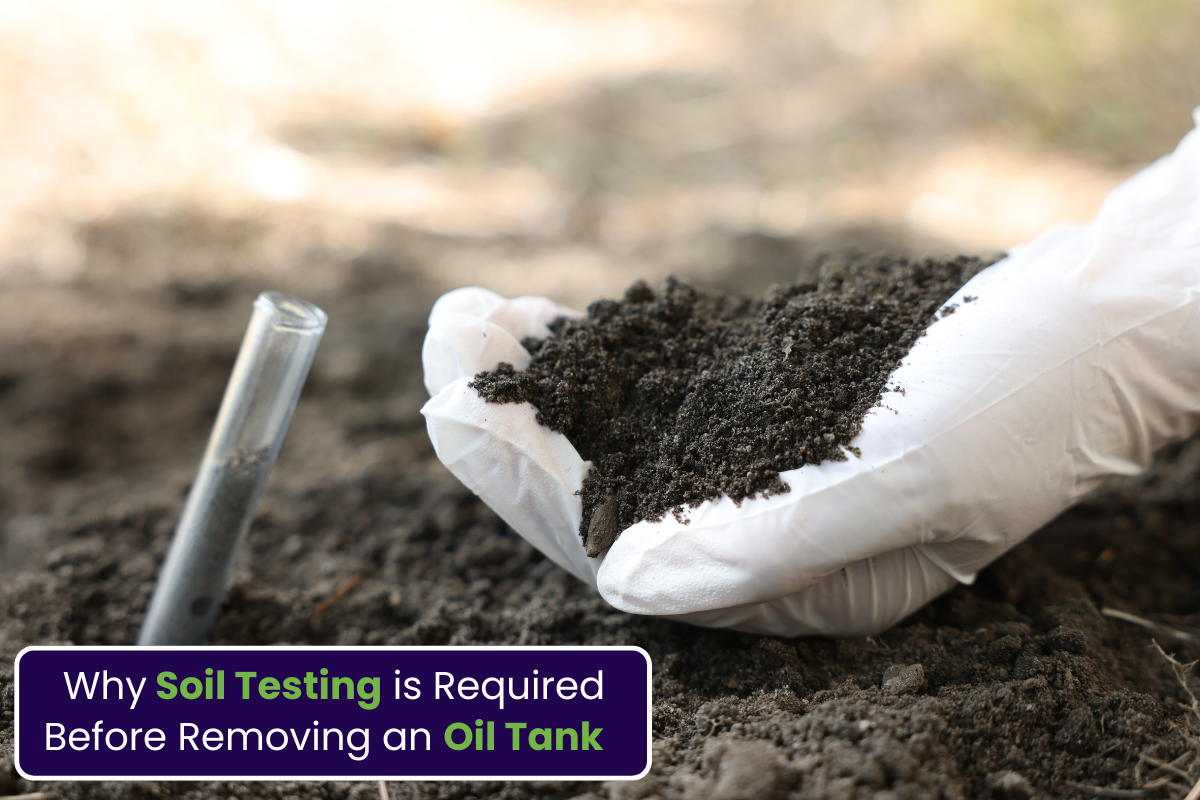
Removing an underground oil tank is a major property improvement step, especially for homeowners concerned about environmental safety or preparing their property for sale. But before removing the tank, one crucial step is always recommended — soil testing before oil tank removal. This process ensures the ground around the tank is safe, contamination-free, and compliant with state regulations. In this guide, we explain why soil testing matters, how it works, and what it typically costs.
Why Soil Testing Before Oil Tank Removal Is Important
Before any underground oil tank is removed, professionals perform soil testing to check if oil leakage has occurred. Many older steel tanks corrode over time, causing slow or significant leaks into the surrounding soil. This contamination can:
Harm the environment
Increase property liability
Delay real estate transactions
Result in costly remediation
Affect groundwater and nearby structures
Soil testing allows property owners to identify issues early and avoid long-term damage.
Soil Testing Before Oil Tank Removal — What Does It Detect?
Soil testing is designed to identify soil contamination from heating oil, including:
1. Petroleum Hydrocarbons
These are chemicals found in heating oil. Their presence in the soil indicates leakage.
2. Volatile Organic Compounds (VOCs)
VOCs can spread through soil and create strong odors or harmful exposure risks.
3. Heavy Metals & Toxic Substances
Corrosion from the tank can release metals that are harmful to soil and groundwater.
4. Residual Oil Saturation
Testing determines how deep and widespread the contamination is.
This information helps determine whether simple removal is enough or if soil remediation is required.
How Soil Testing Works Before Oil Tank Removal
The soil testing process is straightforward and typically completed before excavation begins.
Step 1: Site Survey
A professional inspector visits your property and reviews the tank location, access points, and environmental concerns.
Step 2: Soil Sampling
Technicians drill small boreholes around the tank area and extract soil samples from different depths.
Step 3: Laboratory Testing
Samples are sent to an accredited environmental lab where they are tested for petroleum contamination and related chemicals.
Step 4: Reporting & Documentation
Results are compiled into an official report that shows contamination levels and whether cleanup is needed.
Step 5: Removal Planning
Based on results, your contractor determines the safest and most efficient way to remove the tank.
This process ensures compliance with environmental guidelines and allows smooth property transactions, especially during home sales.
Types of Soil Testing Used Before Oil Tank Removal
1. BASIC SOIL SCREENING (Initial Check)
This is a fast test using hand-held instruments to detect surface-level contamination.
2. LABORATORY ANALYSIS (Detailed EPA-Approved Testing)
The most accurate EPA-approved method. Technicians test samples for hydrocarbons, VOCs, and metals. Many homeowners use professional soil testing services to confirm whether simple tank removal or full remediation is needed..
3. Groundwater Testing (Optional but Sometimes Necessary)
If contamination reaches deep layers, groundwater testing determines if oil has spread further.
How Much Does Soil Testing Cost Before Oil Tank Removal?
The cost depends on the testing method, number of samples, and state requirements, but here’s a typical price range:
1. Basic Soil Testing Costs ($250 – $650)
This includes 2–3 soil samples and general contamination screening.
2. Detailed Laboratory Soil Testing ($800 – $2,000)
This includes:
Multiple samples
Deep-level testing
Lab-certified reports
Compliance documentation
3. Additional Cost Factors Influencing Price
-Tank size
-Property access
-Depth of tank
-Number of samples required
-Local soil conditions
-State environmental regulations
-Presence of groundwater
Although soil testing adds upfront cost, it can save thousands in potential remediation issues later.
Oil Tank Removal Costs Without and With Contamination
Understanding the cost difference helps property owners prepare.
Oil Tank Removal Without Contamination
Most clean removals cost $1,500 – $3,000 depending on tank size and excavation difficulty.
Oil Tank Removal With Contamination
If soil testing detects contamination, cleanup may cost $3,000 – $15,000+ depending on severity.
This is why soil testing is an essential step — it prevents surprise expenses during removal.
Benefits of Soil Testing Before Oil Tank Removal
1. Ensures Environmental Safety
Soil testing protects your property and surrounding areas from contamination risks.
2. Avoids Legal Liability
If contamination spreads to neighboring land, you may be held responsible. Testing prevents future disputes.
3. Speeds Up Real Estate Transactions
Home buyers expect tank removal to be documented properly. Soil test reports provide proof of property safety.
4. Helps Plan the Removal Process
Knowing contamination levels helps contractors choose the right removal strategy.
5. Saves Money in the Long Run
Early detection reduces cleanup costs and minimizes excavation complexity.
Signs You May Need Soil Testing Before Tank Removal
While all tank removals should include testing, you may need urgent soil analysis if you notice:
Oil smell in soil
Discolored grass or vegetation
Wet or mushy ground above tank
High oil usage from your heating system
History of tank leakage
These signs indicate active or past leakage.
FAQs
1. Is soil testing required for every oil tank removal?
In most states, yes — especially when selling a home or removing an underground storage tank.
2. How long does soil testing take?
Sampling takes less than an hour, while lab results typically arrive in 2–5 business days.
3. Can I remove a tank without soil testing?
Not recommended. It may lead to legal or environmental issues later.
4. What happens if contamination is found?
Professionals will plan soil remediation, which may include excavation, soil disposal, and backfilling.
5. Does homeowner’s insurance cover contamination?
Some policies may include limited coverage, but this varies by company and policy type.
Summary
Soil testing before oil tank removal is a crucial step that protects your property, ensures environmental safety, and prevents costly surprises. It confirms whether contamination exists, guides the removal process, and provides the documentation needed for real estate and legal compliance. For reliable inspection, sampling, and tank removal services, Simple Tank Services offers professional expertise and environmentally responsible solutions tailored to every property’s needs.