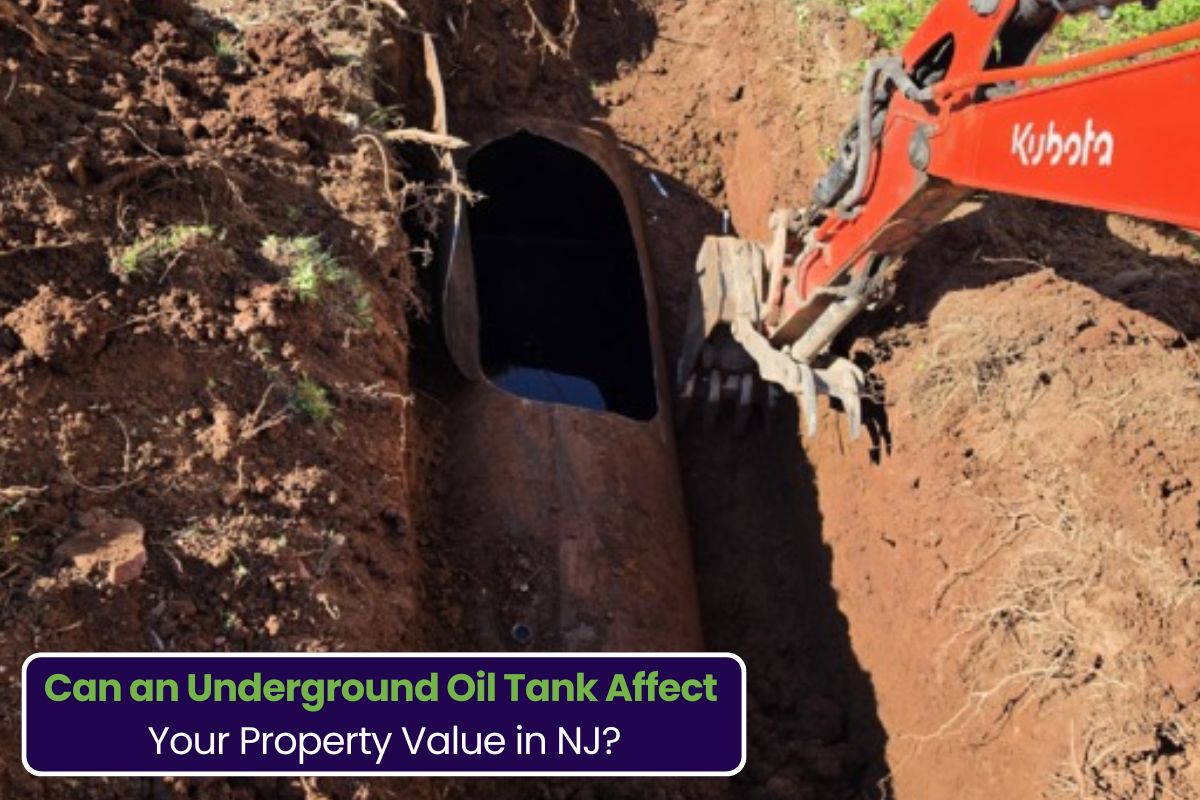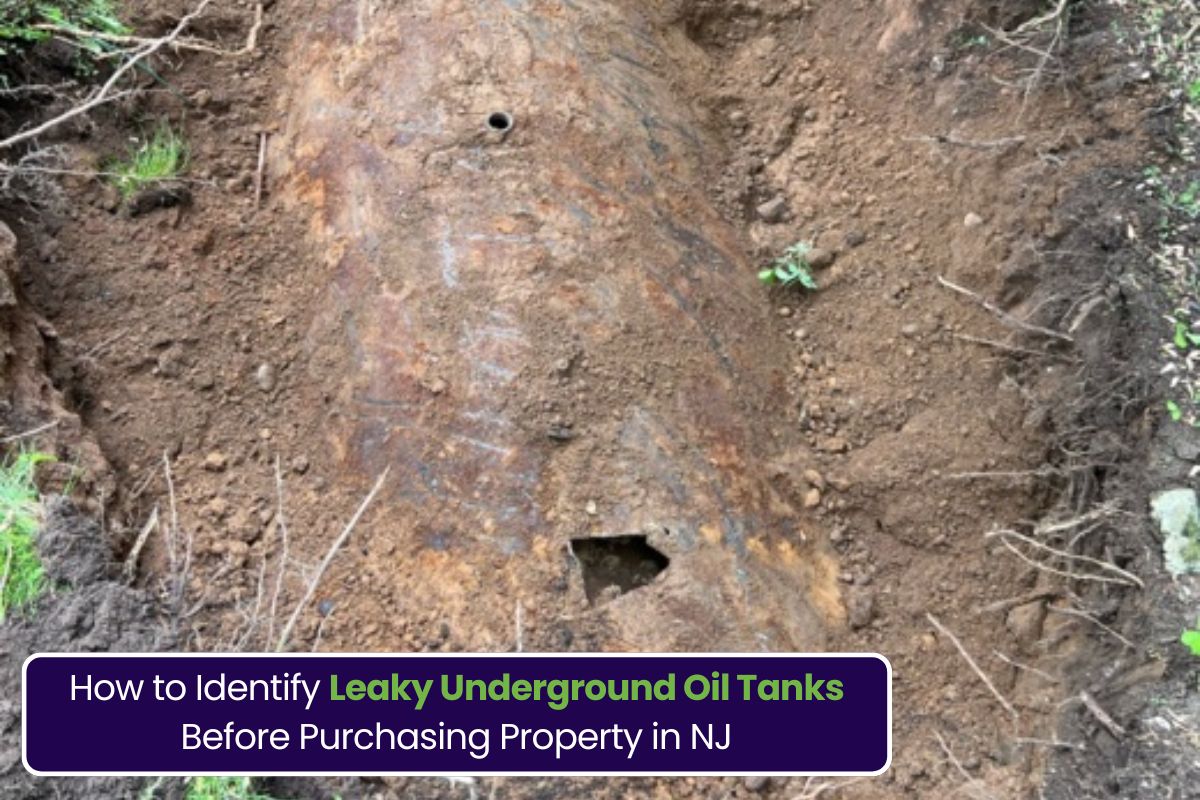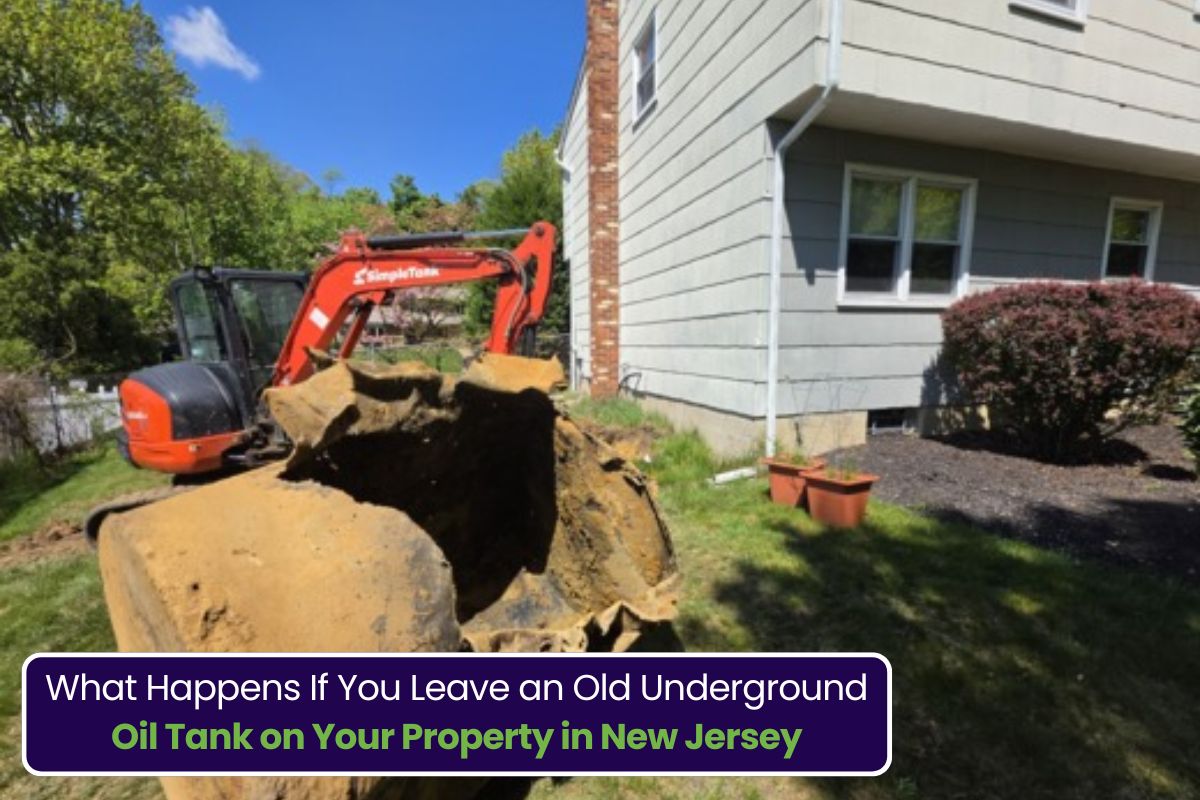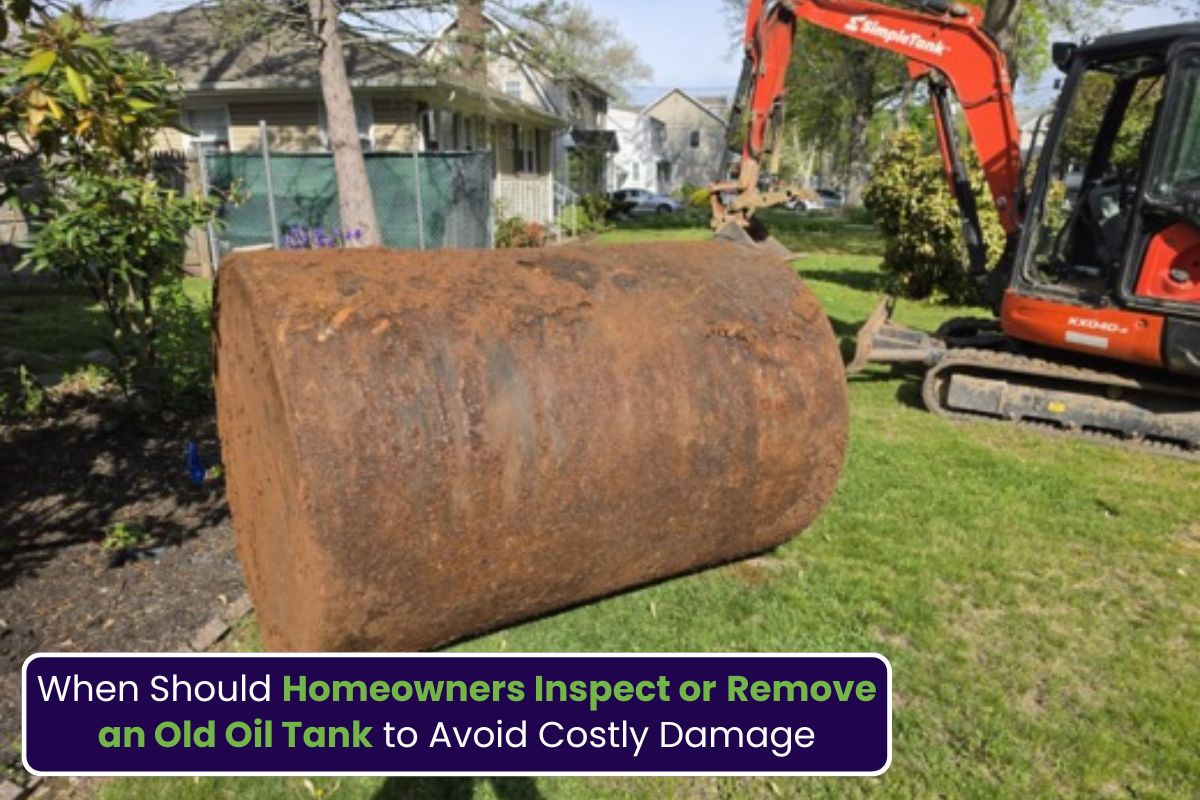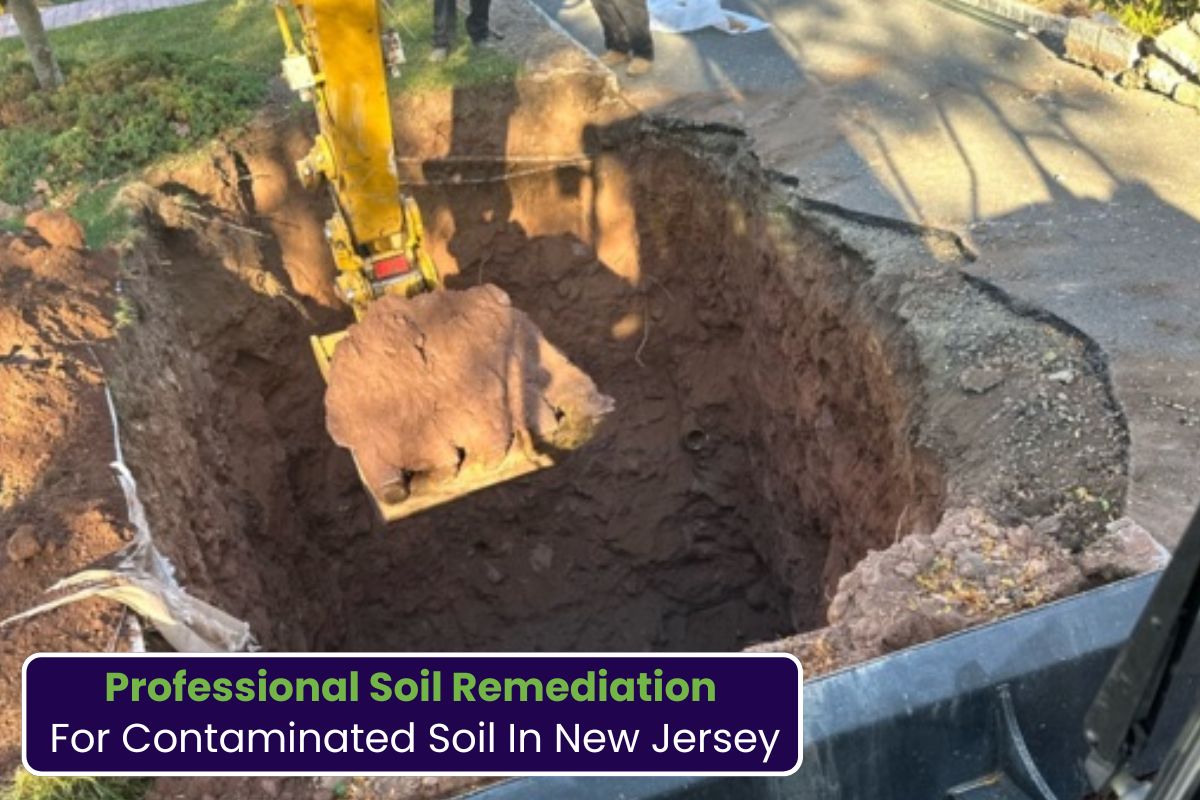
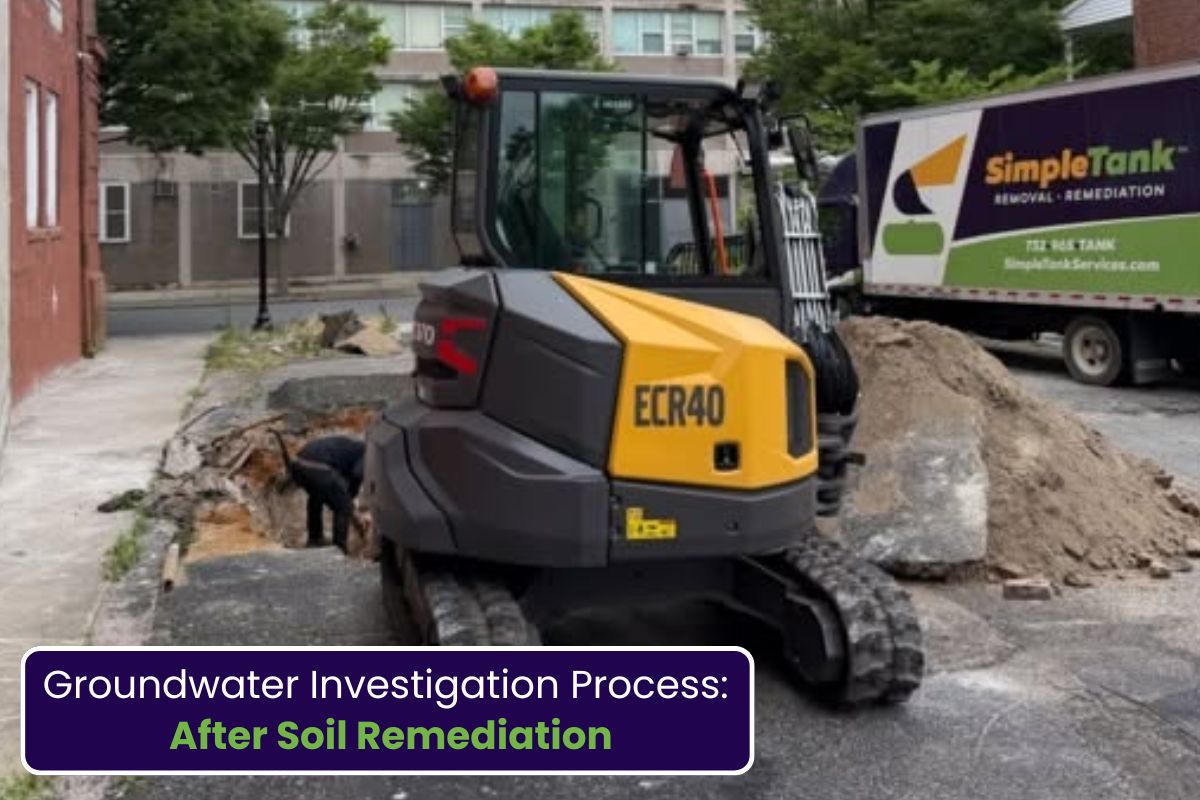
When contaminated soil is removed from a property, many homeowners and property owners assume the environmental issue has been completely resolved. However, soil cleanup is only one part of the restoration process. The next critical step is understanding whether contaminants have affected the groundwater beneath the property. This is where the Groundwater Investigation Process becomes essential.
Underground heating oil tanks, fuel leaks, and other sources of contamination can allow pollutants to move through the soil and eventually reach groundwater. Even after contaminated soil has been excavated, environmental professionals must verify that groundwater remains protected or determine whether additional remediation is required.
A detailed groundwater investigation provides valuable information about environmental conditions below the surface, helping property owners meet regulatory requirements while protecting surrounding ecosystems and drinking water resources. This process ensures that remediation efforts are complete and that the property is safe for future use.
Why Groundwater Investigation Is Necessary After the Soil Remediation Process
Removing contaminated soil eliminates the primary pollution source, but environmental professionals cannot simply assume groundwater has remained unaffected. Liquids such as heating oil can migrate through soil layers before excavation begins. Depending on soil conditions, groundwater depth, and the amount of contamination, pollutants may continue moving underground.
The Soil Remediation Process is designed to eliminate contaminated materials, but confirming groundwater quality requires additional investigation. Testing groundwater helps determine whether contaminants remain below the surface, whether they are naturally decreasing over time, or whether further cleanup measures are necessary.
This verification protects nearby wells, neighboring properties, local waterways, and the long-term environmental health of the community.
Understanding the Groundwater Investigation Process
The groundwater investigation begins only after environmental specialists determine that soil remediation has been completed successfully. The objective is to collect reliable scientific data that accurately reflects groundwater conditions beneath the property.
The investigation generally follows a structured process that includes site evaluation, monitoring well installation, groundwater sampling, laboratory testing, data interpretation, and regulatory reporting. Every step follows state environmental guidelines to ensure accurate results.
Rather than relying on assumptions, environmental professionals collect measurable evidence before declaring a site environmentally safe.
Environmental Site Assessment Before Groundwater Testing
Before groundwater samples are collected, specialists perform an Environmental Site Assessment to understand the property’s geological and environmental conditions.
During this phase, professionals review:
-Historical property records
-Previous contamination reports
-Underground storage tank removal documentation
-Soil excavation reports
-Local geology and groundwater flow direction
-Nearby drinking water sources
This information helps determine the best locations for groundwater sampling and ensures that testing represents actual environmental conditions.
A thorough assessment also reduces unnecessary drilling while improving the accuracy of the investigation.
Installation of Groundwater Monitoring Wells
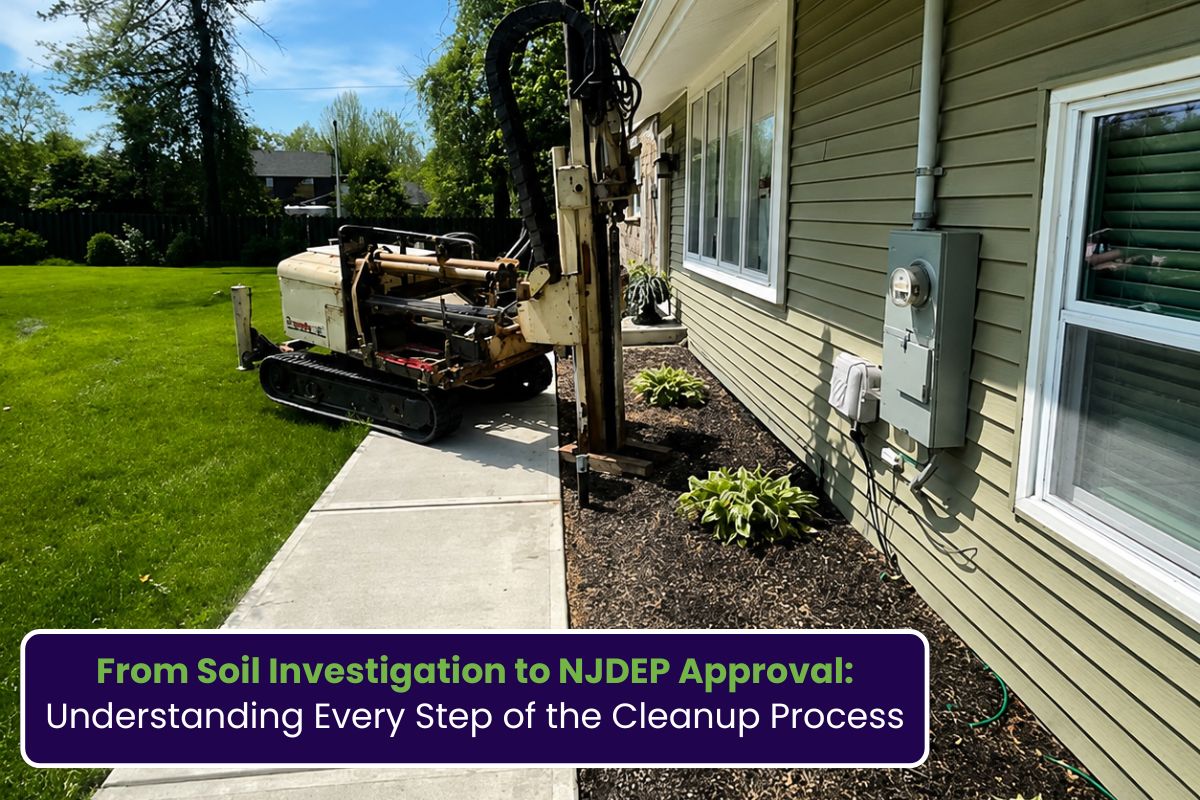
One of the most important steps involves installing Groundwater Monitoring Wells around the affected area.
These specially designed wells allow environmental professionals to safely collect groundwater samples from beneath the surface without disturbing surrounding soil. The number and location of wells depend on factors including:
-Property size
-Extent of previous contamination
-Groundwater depth
-Soil composition
-Direction of groundwater movement
Monitoring wells are carefully constructed to prevent outside contamination while providing accurate long-term sampling access if additional monitoring is required.
Proper installation plays a significant role in producing dependable laboratory results.
Collecting Groundwater Samples
After monitoring wells are installed, groundwater samples are collected using specialized equipment designed to avoid cross-contamination.
Before sampling begins, technicians typically remove standing water from each well to ensure fresh groundwater enters the well naturally. Samples are then collected in laboratory-approved containers using strict quality control procedures.
Environmental professionals carefully document:
-Sample location
-Collection time
-Weather conditions
-Water levels
-Equipment calibration
-Chain of custody records
Every sample is handled according to laboratory protocols to preserve its chemical composition until analysis.
Laboratory Testing and Data Analysis
Collected groundwater samples are sent to certified environmental laboratories for detailed chemical analysis.
Laboratories test for contaminants commonly associated with petroleum releases, including:
-Petroleum hydrocarbons
-Volatile organic compounds (VOCs)
-Semi-volatile organic compounds
-Benzene
-Toluene
-Ethylbenzene
-Xylene compounds
The laboratory compares detected concentrations against state environmental standards. These results determine whether groundwater meets regulatory requirements or whether additional corrective action may be needed.
Environmental scientists then review the laboratory findings alongside site history, soil remediation data, and groundwater flow patterns before preparing their conclusions.
Determining Whether Additional Cleanup Is Required
Laboratory findings do not automatically mean further remediation is necessary. Environmental experts evaluate multiple factors before making recommendations.
If contaminant concentrations remain below regulatory thresholds, groundwater may require no additional treatment. In some situations, natural environmental processes gradually reduce remaining contamination over time.
However, if elevated contaminant levels are identified, professionals may recommend additional corrective actions such as:
-Continued groundwater monitoring
-Targeted groundwater treatment
-Additional soil excavation
-Recovery system installation
-Long-term environmental monitoring
Every recommendation is based on scientific evidence and environmental regulations rather than assumptions.
Regulatory Reporting and Documentation
Environmental investigations require extensive documentation.
After reviewing laboratory results, specialists prepare technical reports describing:
-Investigation procedures
-Sampling locations
-Laboratory findings
-Groundwater conditions
-Site maps
-Professional conclusions
-Recommended next steps
These reports are submitted to regulatory agencies as part of the environmental closure process.
Accurate documentation demonstrates that cleanup activities have been completed responsibly while supporting future property transactions and regulatory compliance.
How Long Does Groundwater Monitoring Continue?
Every contaminated property presents unique environmental conditions, making monitoring timelines different for each project.
Some sites require only one round of groundwater sampling after soil removal, while others may require several monitoring events over months or even years.
Factors affecting monitoring duration include:
-Initial contamination levels
-Groundwater movement
-Soil characteristics
-Seasonal groundwater fluctuations
-Regulatory requirements
-Laboratory results
Environmental professionals continue monitoring until sufficient scientific evidence confirms that groundwater conditions satisfy environmental standards.
Protecting Property Value Through Professional Investigation
Environmental investigations are not only about regulatory compliance—they also protect property owners from future liabilities.
A professionally completed groundwater investigation provides documented evidence that contamination has been properly evaluated and managed. This documentation can simplify future property sales, refinancing, redevelopment projects, and insurance matters.
Professional environmental services also help reduce uncertainty by identifying potential issues before they become larger environmental concerns.
For properties affected by Groundwater Contamination in New Jersey, timely investigation following soil remediation provides confidence that cleanup efforts have addressed both visible and underground environmental impacts.
Why Professional Expertise Matters
Groundwater investigations require technical knowledge, specialized equipment, certified laboratories, and a thorough understanding of environmental regulations.
Experienced environmental professionals know how to evaluate contamination pathways, interpret laboratory results, and recommend practical solutions that protect both public health and the environment.
Proper investigation reduces unnecessary costs while ensuring environmental decisions are based on accurate scientific evidence rather than estimates.
Whether contamination originated from an underground storage tank or another source, following established investigation procedures helps achieve complete environmental restoration.
Frequently Asked Questions
Q1. What is the groundwater investigation process?
The groundwater investigation process is a series of environmental testing procedures performed after soil remediation to determine whether contaminants have reached underground water sources and whether additional cleanup is required.
Q2. Why is groundwater tested after soil remediation?
Groundwater testing confirms that contamination has not spread beneath the property and helps ensure environmental regulations have been met before a site is considered fully remediated.
Q3. How are groundwater samples collected?
Environmental professionals install monitoring wells, remove standing water, and collect fresh groundwater samples using specialized equipment before sending them to certified laboratories for analysis.
Q4. What happens if groundwater contamination is found?
If contamination exceeds regulatory standards, environmental specialists evaluate the extent of the impact and recommend appropriate corrective actions such as groundwater treatment, continued monitoring, or additional remediation.
Q5. How long does groundwater monitoring usually last?
The monitoring period varies depending on contamination levels, groundwater conditions, laboratory results, and regulatory requirements. Some sites require a single sampling event, while others may require monitoring over several months or longer.
Summary
Completing soil remediation is an important milestone, but confirming groundwater quality is equally essential for achieving a successful environmental cleanup. A professional groundwater investigation verifies whether contaminants have reached underground water sources, supports regulatory compliance, protects surrounding properties, and provides confidence that the site is environmentally safe for future use. With experienced environmental services and a commitment to thorough site evaluation, Simple Tank Services helps property owners navigate every stage of the investigation and remediation process with confidence and professional support.