
One third of the world’s soils are now degraded, according to the Food and Agriculture Organization. This stark reality underscores the urgent need for effective soil remediation to protect both the environment and public health.
This guide offers a comprehensive look at soil remediation strategies that will define sustainable land management in 2025. Whether you are a landowner, developer, or policy maker, understanding these solutions is essential for responsible stewardship.
We will explore the causes and impacts of soil contamination, the evolving regulatory landscape, and a step-by-step remediation process. You will also discover the latest technological advances, real-world case studies, and future trends shaping the field.
By the end of this article, you will have actionable insights and practical steps to address soil remediation challenges, ensuring compliance and sustainability for years to come.
Understanding Soil Contamination: Causes, Impacts, and Urgency
Soil contamination is a pressing challenge with wide-reaching consequences. Understanding how and why contamination occurs is the first step in effective soil remediation. By examining causes, impacts, and current statistics, stakeholders can appreciate the urgency and necessity of action.
Key Sources of Soil Contamination
Soil contamination stems from a range of activities and events. The most common sources include:
-
Industrial operations such as manufacturing, mining, and waste disposal
-
Use of agricultural chemicals, including pesticides and fertilizers
-
Urbanization, construction, and infrastructure expansion
-
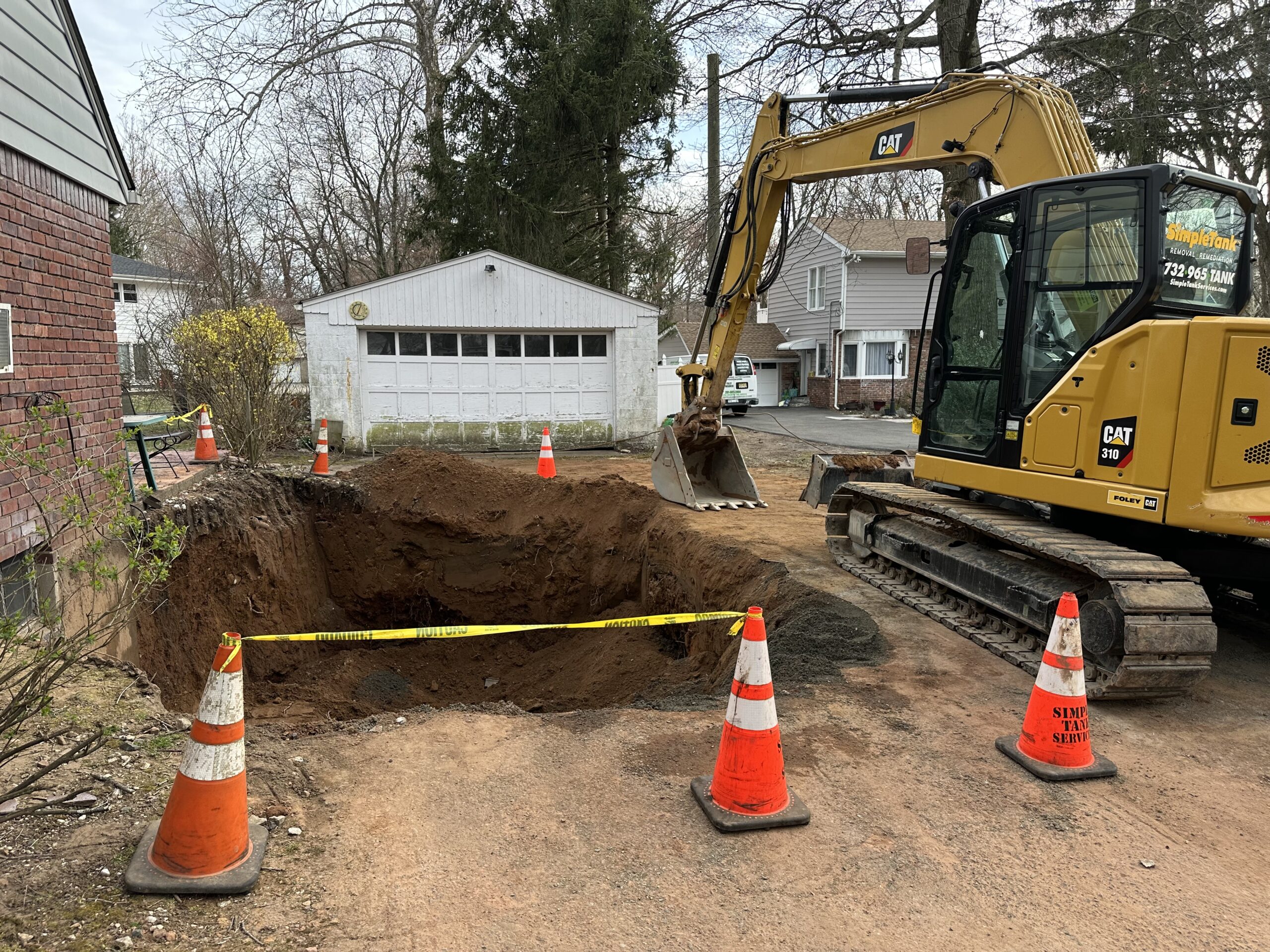
Oil tank leaks and hydrocarbon spills
-
Both natural and human-caused contamination
For those new to this field, What is Soil Remediation and Why is it Important provides a clear overview of why addressing these sources is vital.
Environmental and Human Health Impacts
Contaminated soils can leach toxins into groundwater and surface water, affecting drinking supplies and ecosystems. Heavy metals and hydrocarbons often accumulate in plants and animals, entering the food chain. This bioaccumulation increases risks of cancer, respiratory, and neurological disorders in humans. Soil degradation also leads to reduced agricultural productivity, threatening food security and local economies.
Site Assessment and Liability
Before starting soil remediation, a thorough site assessment is mandatory. This includes soil sampling, risk analysis, and identifying contaminants. Legal responsibility for contamination often extends to current property owners, developers, and sometimes past land users. A clear chain of custody and accurate records are essential to avoid costly liability or delays during property transfers.
Permitting and Documentation
Most soil remediation initiatives require multiple permits at different government levels. Common documentation includes site assessment reports, remediation plans, and compliance logs. Accurate, up-to-date records are crucial during real estate transactions and regulatory inspections. Transparent documentation helps demonstrate due diligence and ensures smoother project approval.
Funding and Incentive Programs
Governments offer a range of financial incentives for soil remediation, including grants, tax credits, and support for brownfield redevelopment. Public-private partnerships can help share costs and accelerate land restoration. Accessing these funds requires careful application, thorough project planning, and compliance with program requirements. Early engagement with funding agencies improves project outcomes.
Site Investigation and Risk Assessment
The first step in soil remediation is a comprehensive site investigation. Environmental professionals collect soil samples, conduct laboratory analyses, and use remote sensing or GIS tools to map contamination patterns. Identifying pollutants such as heavy metals, hydrocarbons, or organics is critical.
Risk assessment protocols evaluate potential threats to human health and the ecosystem. For example, New Jersey mandates strict soil testing before property transfers, emphasizing the value of early detection. Thorough investigation lays the groundwork for selecting the right soil remediation approach.
Selecting the Right Remediation Strategy
Choosing an effective soil remediation strategy depends on several factors. Decision-makers weigh contaminant type, site size, regulatory requirements, and sustainability goals. Both in situ (on-site) and ex situ (off-site) methods are considered.
A detailed cost-benefit analysis helps prioritize solutions that balance efficiency and minimal environmental impact. Engaging stakeholders, including local communities, ensures that the selected soil remediation technique addresses both technical and social needs.
As we’ve explored, soil remediation is more urgent than ever, with new challenges and regulations shaping how we manage our land in 2025. Whether you’re a homeowner concerned about an old oil tank, a developer navigating compliance, or simply want peace of mind about your property’s future, having a knowledgeable and transparent partner makes all the difference. At Simple Tank Services, we take pride in offering fixed pricing and expert guidance every step of the way, so you always know what to expect. If you’re ready to take the next step or have questions about your specific situation, Contact Us.