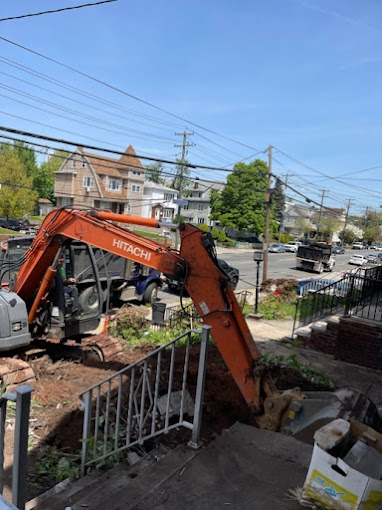
VLOG

Why Soil Remediation Is Key to Sustainable Land Development

When we think about sustainable land development, the focus often falls on energy efficiency, waste reduction, and renewable resources. However, there’s one critical component of sustainability that is often overlooked: soil health. Whether you’re developing land for residential, commercial, or industrial use, soil remediation plays a vital role in ensuring that development is not only successful but also environmentally responsible.

What Is Soil Remediation?

Soil remediation is the process of cleaning and restoring contaminated soil to a safe and healthy condition, often by removing or neutralizing harmful pollutants. This process helps make the land suitable for its intended use, whether for agriculture, construction, or development. Contaminants like heavy metals, pesticides, petroleum products, and industrial chemicals can build up in soil over time, rendering it unusable and unsafe for development or agriculture. Soil remediation methods include techniques like excavation, bioremediation, soil washing, and chemical treatments, all aimed at cleaning up these pollutants to restore the land’s natural balance.

Why Is Soil Remediation Essential for Sustainable Land Development?

Protecting Ecosystems and Public Health

Contaminated soil can cause serious environmental damage. When pollutants leach into groundwater, they can contaminate local water supplies, affecting both ecosystems and human communities. Soil remediation helps mitigate these risks by removing harmful substances and preventing further environmental degradation. By addressing these issues upfront, developers contribute to healthier ecosystems, safer communities, and cleaner water sources.

Meeting Regulatory Requirements

Many areas have strict regulations regarding soil quality, especially in urban or industrial zones. Before any construction or land development project begins, proper soil testing and remediation are often required to meet environmental standards. Failure to address contamination can lead to legal complications, fines, and delays, which can be costly and time-consuming for developers.

Restoring Land for Future Use

Land that is contaminated or degraded due to previous industrial activities or neglect can be difficult or impossible to develop. Soil remediation helps make these properties viable for new construction, transforming once-polluted sites into valuable real estate. This is especially important in urban redevelopment projects, where vacant or underutilized land can be revitalized to create affordable housing, green spaces, or commercial developments.

Enhancing Property Value

A clean, healthy site is much more attractive to potential buyers or tenants. If you’re developing land for residential or commercial purposes, investing in soil remediation can increase the property’s value. Remediated land is safer, more stable, and more appealing, making it a sound investment for long-term growth and profitability.

Promoting Sustainable Practices

In today’s world, sustainability is a key priority. Sustainable land development isn’t just about minimizing waste or reducing energy consumption—it also involves maintaining the health of the land itself. By incorporating soil remediation into your development plans, you’re committing to responsible land stewardship. This not only improves the environmental impact of your project but also demonstrates a long-term commitment to sustainability.

Supporting Local Agriculture

In agricultural communities, soil contamination can lead to a loss of fertile land, making it harder to grow crops and sustain local economies. Soil remediation restores the land’s ability to support agriculture, benefiting local farmers and food production. It helps reduce the use of synthetic fertilizers and pesticides by restoring the soil’s natural fertility.

The Process of Soil Remediation

Soil remediation is a multi-step process that typically begins with soil testing to determine the types and levels of contaminants present. Once the contaminants are identified, remediation experts can select the appropriate technique based on the severity of the contamination, the land’s intended use, and environmental conditions.

Some of the common methods include:

Excavation and Disposal: Contaminated soil is physically removed and replaced with clean soil.

Bioremediation: Natural organisms such as bacteria or fungi are used to break down pollutants.

Soil Washing: A chemical solution is used to extract contaminants from the soil.

Chemical Treatment: Contaminants are neutralized or transformed using specific chemicals.

Conclusion

Soil remediation is an essential element of sustainable land development, enabling developers to turn polluted or contaminated land into valuable, usable properties. By addressing soil contamination early in the process, you ensure that your development project meets regulatory standards, supports local ecosystems, and maximizes property value. If you are looking for professional soil remediation services to ensure your land development projects are safe and sustainable, contact Simple Tank Services today. Our expert team specializes in efficient soil cleanup, offering reliable solutions tailored to your specific needs.
 

From Inspection to Removal: Managing Your Underground Oil Tank

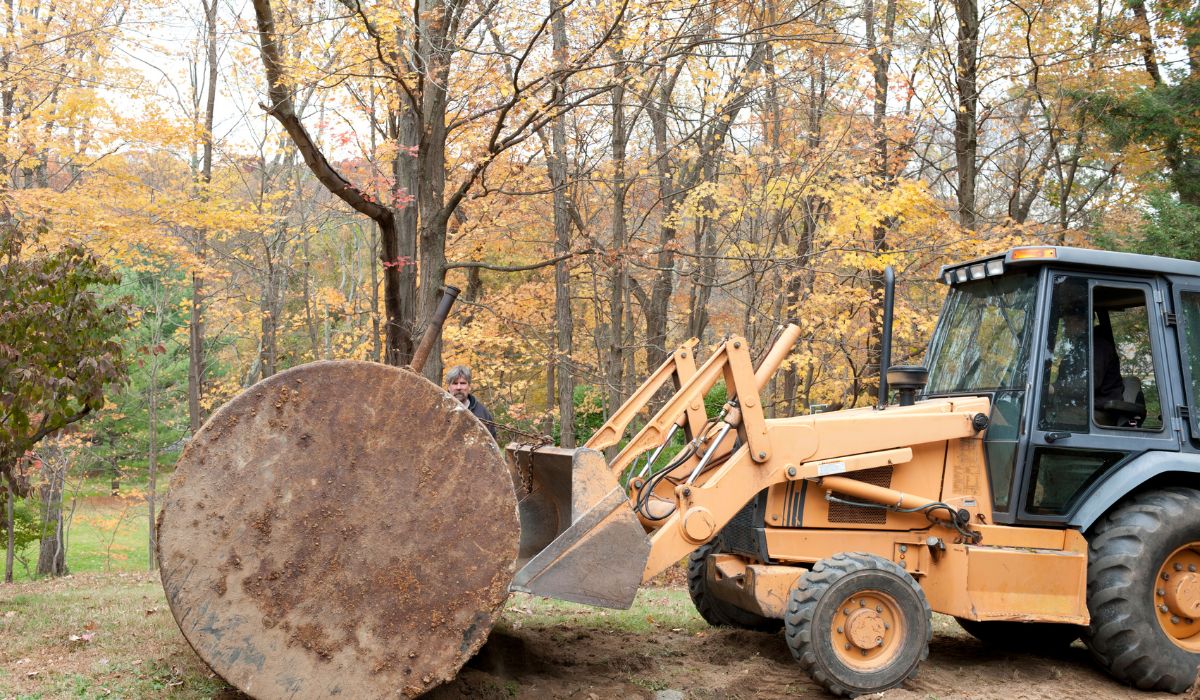
Underground oil tanks have been widely used for decades to store heating oil for residential and commercial properties. However, as environmental awareness grows and tanks age, managing these systems has become a critical concern. Whether you’re a homeowner or a property manager, understanding the process from inspection to removal is essential to ensure safety, compliance, and environmental protection.

Step 1: Initial Inspection

The first step in managing an underground oil tank is a thorough inspection. This involves checking for:

Visible Signs of Leaks: Look for oil stains or dead vegetation near the tank’s location.

Structural Integrity: Inspect the area for signs of rust, corrosion, or damage to the tank’s casing.

Oil Usage Patterns: Sudden spikes in oil consumption could indicate a leak.

Professionals often use advanced tools such as soil testing and ultrasonic equipment to detect leaks and assess the tank’s condition.

Step 2: Understanding Regulations

Every region has specific regulations governing underground oil tanks. These rules outline inspection requirements, environmental standards, and removal protocols.

Permits: Before removal, you’ll likely need a permit from your local municipality.

Compliance: Ensure your tank meets state and federal environmental safety standards to avoid fines.

Researching or consulting with professionals familiar with local regulations is crucial.

Step 3: Decision: Repair or Remove?

After the inspection, decide whether to repair or remove the tank. If the tank is in good condition and minor repairs can make it safe, opting for repairs may be a sensible choice. However, older tanks or those showing significant damage are better off removed to prevent future issues.

Step 4: Preparing for Removal

If removal is the best course of action, preparation is key:

Drain the Tank: Remove any remaining oil and sludge from the tank to prevent spills during excavation.

Hire Licensed Professionals: Work with a certified oil tank removal company to handle the process safely and efficiently.

Notify Authorities: Inform local environmental or safety authorities as required by regulations.

Step 5: Safe Removal Process

The removal process typically involves:

Excavation: Digging around the tank to expose it fully.

Cleaning: Cleaning the interior of the tank to eliminate residue.

Extraction: Carefully lifting and removing the tank from the ground.

Soil Testing: Testing the surrounding soil for contamination.

If contamination is detected, additional cleanup measures like soil remediation may be required.

Step 6: Post-Removal Cleanup and Documentation

After the tank is removed:

Fill the Excavation Site: Backfill the hole with soil or other approved materials.

Dispose of the Tank: Ensure the tank and any contaminated materials are disposed of according to environmental regulations.

Obtain Documentation: Keep records of the removal, including permits, soil testing results, and disposal receipts, for future reference or property sales.

Benefits of Proactive Management

Managing your underground oil tank proactively offers several advantages:

Environmental Protection: Prevent leaks that can harm soil and groundwater.

Cost Savings: Avoid costly fines and remediation expenses by addressing issues early.

Property Value: A well-maintained or properly removed tank increases your property’s marketability.

Conclusion

From inspection to removal, managing an underground oil tank requires careful planning and professional expertise. Whether you’re ensuring compliance with regulations or protecting the environment, taking these steps will help you handle the process smoothly and responsibly. For best results, always work with Simple Tank Services who can guide you through every stage of the process.


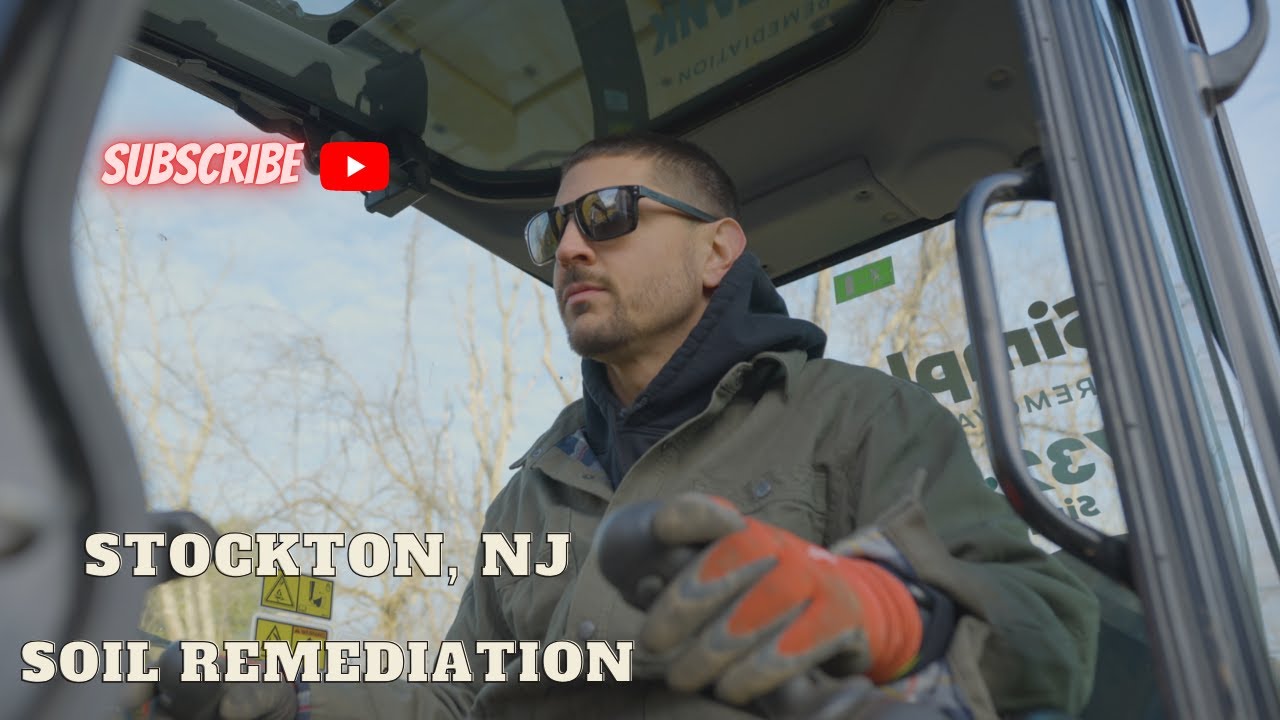
Tank TV Episode 29 – Soil Remediation Stockton NJ


In this episode, Simple Tank performs a Soil Remediation on a property in Stockton NJ.

Join us as we tackle a soil remediation project in Stockton, where we addressed contamination issues caused by a leaking 550-gallon tank. About a month ago, our team removed the old tank and installed a 275-gallon raw tank in the basement. During the removal, we discovered holes in the tank and contaminated soil that needed to be addressed promptly.

In this video, you’ll see the process of cleaning up the contaminated soil, bringing the property into compliance, and ensuring a safer environment for the homeowner. Watch as we manage logistics, including coordinating trucks for clean fill and contamination removal, and work methodically to clean up areas near the house and driveway.

This video provides insight into the challenges and steps involved in soil remediation and highlights our commitment to delivering efficient and professional results.


Tank TV Episode 28 – Soil Remediation Stockton NJ


Discover how we tackle soil remediation projects efficiently and professionally! In this video, we’re on-site in Stockton, NJ where we recently removed an old oil tank with visible contamination. Our team used advanced tools, including a PID meter, to identify contamination levels exceeding safety limits.

Watch as we collaborate with a geologist to extract samples, ensuring the property is safe for future use. With our expertise, we aim to deliver results that allow our clients to move forward confidently, repair their property, and prepare it for listing.


Tank TV Episode 27 – 275 Basement Tank Removal & 550 Gallon Sand Filled /w DEP Sampling


In this video, we showcase our professional oil tank removal and inspection process, emphasizing safety, precision, and compliance with township regulations. The process begins with the removal of the tank, patching any holes, and ensuring all copper lines are properly disconnected. Once prepared, the township inspector is called to verify the removal, check for visible holes or contamination, and confirm compliance with required standards. After the inspection, the tank is transported, and the scrapper’s receipt is provided to the township to officially close the permit.

The video also takes you to a 550-gallon oil tank removal project in Mountain Side, where our team navigates challenges like nearby gas and water lines through careful hand-digging and lawn protection measures. We address common issues, such as decommissioned tanks still containing oil, with the necessary preparation and care. Finally, we highlight the steps taken to ensure no contamination, including extracting soil samples for laboratory testing, filling voids with certified clean fill to prevent lawn depressions, and working with a geologist to expedite the submission of clean test results.

This detailed process ensures homeowners can quickly obtain their “No Further Action” letter, a critical step for timely property closings. This video demonstrates our expertise in handling oil tank removal projects efficiently, safely, and in compliance with all regulations.


How Soil Remediation Services Can Revitalize Contaminated Land

Contaminated land is a growing concern for communities and businesses alike. Whether it’s from industrial activities, agricultural runoff, or improper waste disposal, polluted soil can pose serious risks to both the environment and human health. Fortunately, soil remediation services offer an effective solution to restore contaminated land, revitalizing it for safe use and long-term sustainability. In this blog, we will explore how soil remediation works and why it’s crucial for the environment.

What is Soil Remediation?

Soil remediation is the process of removing, neutralizing, or containing pollutants in the soil to restore it to a healthier, safer state. The goal is to mitigate the impact of contamination on the surrounding ecosystem and make the land suitable for future use, whether for residential, commercial, or agricultural purposes. This process can involve a variety of techniques, depending on the level of contamination and the specific pollutants present.

How Does Soil Remediation Work?

Soil remediation can be approached in several ways, each tailored to the type of contamination and the characteristics of the site. Some common methods include:

Excavation and Removal:

In cases of severe contamination, the contaminated soil may need to be excavated and removed from the site entirely. This soil is then treated off-site or disposed of safely in a designated landfill.

Bioremediation:

This environmentally-friendly technique uses microorganisms (bacteria, fungi, etc.) to break down organic pollutants such as petroleum, pesticides, or solvents. Over time, the contaminants are biodegraded, leaving the soil cleaner and safer. Bioremediation is ideal for areas with moderate contamination and can be done on-site with minimal disruption.

Phytoremediation:

In phytoremediation, certain plants are used to absorb or break down soil contaminants. Plants like sunflowers and mustard can pull heavy metals and toxins from the soil, storing or transforming them into less harmful substances. This method is slow but effective, and it provides the added benefit of reintroducing greenery to the site.

Soil Washing:

Soil washing involves using water and chemical agents to separate contaminants from the soil. The soil is treated with a solution that loosens and removes pollutants, making it easier to separate the contaminants. This process is particularly effective for removing metals and other inorganic pollutants.

Vapor Extraction:

This method involves applying a vacuum system to the soil, drawing out contaminants in gas form. The extracted vapours are then safely treated or destroyed.

Why Is Soil Remediation Important?

Environmental Health:

Soil contamination can lead to groundwater pollution, harming local ecosystems and wildlife. By cleaning up contaminated land, we reduce the risk of toxic substances leaching into nearby water sources, protecting both wildlife and human populations.

Public Health:

Exposure to polluted soil can have serious health consequences, from skin rashes and respiratory issues to long-term diseases like cancer. Soil remediation helps eliminate these risks by cleaning up hazardous pollutants, creating a healthier environment for everyone.

Land Reuse and Economic Benefits:

Land that has been contaminated may be deemed unusable, potentially leading to vacant properties and abandoned areas. Soil remediation makes these lands suitable for redevelopment, boosting local economies and providing opportunities for new housing, commercial spaces, or public parks.

Sustainability:

Soil remediation contributes to environmental sustainability by ensuring that contaminated land is restored and preserved for future generations. It helps to mitigate the impact of industrialization and development on our planet, allowing for responsible land use without compromising environmental health.

The Role of Professional Soil Remediation Services

While there are several methods of soil remediation, the expertise of professionals is essential to effectively assess contamination levels and implement the most appropriate solution. Professional soil remediation services provide:

Comprehensive site assessments to determine the extent of contamination.

Customized remediation plans tailored to the specific needs of the site.

Expert knowledge of regulations and environmental standards to ensure compliance.

Advanced equipment and techniques to achieve the most effective results.

Ongoing monitoring to ensure the remediation is successful and the land remains safe.

Conclusion

Soil remediation services play a vital role in revitalizing contaminated land, transforming polluted spaces into safe, usable areas. Whether for environmental protection, public health, or economic development, the process offers significant benefits. By employing professional services, landowners and businesses can restore polluted properties, contributing to a cleaner, healthier, and more sustainable future.

If you have contaminated land in need of remediation, contact a Simple Tank Services to discuss your options and start the process of revitalization today.


Avoid Costly Environmental Damage: The Importance of Oil Tank Removal

Underground oil tanks, once a common solution for residential and commercial heating, are now considered a significant environmental liability. Many older properties still have these tanks buried beneath them, often forgotten until a problem arises. If left unchecked, these tanks can lead to severe environmental damage and costly cleanup operations. Here, we explore why removing underground oil tanks are crucial and how proactive measures can save you time, money, and the environment.

The Hidden Risks of Underground Oil Tanks

While underground oil tanks may seem harmless when intact, they pose significant risks over time:

Leaks and Soil Contamination: Aging tanks are prone to corrosion, leading to leaks. Leaked oil contaminates the surrounding soil, making it unsafe for landscaping, agriculture, or future construction.

Groundwater Pollution: Oil leakage can seep into underground water supplies, polluting drinking water and affecting local ecosystems. This contamination can spread far beyond your property.

Explosive Hazards: Residual oil vapors in aging tanks can ignite under certain conditions, posing a risk to nearby structures and residents.

Decreased Property Value: Properties with old or leaking oil tanks are often flagged during inspections, making them less appealing to potential buyers and reducing market value.

Legal and Regulatory Penalties: Many states and municipalities have strict regulations regarding underground oil tanks. Failing to comply can result in hefty fines and mandated cleanup operations.

Why Proactive Removal Matters

Removing underground oil tanks before issues arise offers several advantages:

Prevent Environmental Damage: Proactive removal ensures that leaks or spills never have the chance to harm the environment. This not only protects your property but also preserves the surrounding ecosystem.

Reduce Financial Liability: Cleanup operations for contaminated soil and water are expensive. Early removal can prevent these costly remediation efforts.

Ensure Compliance with Regulations: By removing your oil tank, you’ll stay compliant with local and state laws, avoiding fines and legal complications.

Improve Property Value: A clean bill of environmental health makes your property more attractive to potential buyers or tenants.

Peace of Mind: Knowing that your property is free from the risks associated with underground oil tanks offers significant peace of mind.

The Oil Tank Removal Process

Inspection and Assessment: Professionals inspect the property to locate the tank and assess its condition. This step determines whether removal or decommissioning is necessary.

Permitting: Removal often requires permits to ensure compliance with local regulations.

Excavation and Removal: The tank is excavated and safely removed. Any residual oil is pumped out, and the tank is cut into manageable pieces for disposal.

Soil Testing: After removal, the surrounding soil is tested for contamination. If necessary, remediation steps are taken to restore soil health.

Documentation and Reporting: Proper documentation is provided to certify that the tank was removed safely and in compliance with regulations. This is crucial for future property transactions.

Choosing the Right Contractor

When choosing a professional for oil tank removal, keep the following factors in mind:

Experience: Look for contractors with a proven track record in oil tank removal and environmental remediation.

Certifications: Ensure they are licensed and insured, with expertise in handling hazardous materials.

Reputation: Read reviews and ask for references to gauge customer satisfaction.

Comprehensive Services: Choose a company that offers end-to-end services, including permitting, removal, and soil remediation.

Final Thoughts

Underground oil tanks may no longer serve their original purpose, but they continue to pose hidden dangers to property owners and the environment. Addressing this issue proactively can prevent costly environmental damage, protect your investment, and ensure a safer future for everyone.

If you suspect an underground oil tank on your property, don’t wait for problems to arise. Contact Simple Tank Services today to safeguard your property and the environment.

How to Ensure Safe Underground Oil Tank Removal: Tips from the Experts

Removing an underground oil tank from your property is an essential step for both safety and environmental reasons. Whether you’re preparing to sell your home or you’ve recently discovered a hidden oil tank, it’s crucial to take the right precautions during the removal process. Improper removal can lead to serious risks such as soil contamination, fire hazards, and costly damage to your property. To help you navigate the process, here are expert tips on how to ensure safe underground oil tank removal.

Hire Licensed and Experienced Professionals

The first step in ensuring a safe oil tank removal is hiring a licensed professional with experience in handling underground tanks. Look for companies with certifications and a solid track record in tank removal. Professionals will have the right tools, knowledge, and training to complete the job safely and efficiently.

Why it matters: Improper handling can lead to environmental damage, including oil spills and contamination. Experienced professionals can identify the best approach for removing your tank and ensuring that the area is properly decontaminated.

Conduct a Thorough Inspection of the Tank

Before removal begins, a thorough inspection is essential to assess the condition of the tank. Experts typically conduct a visual inspection and may use special tools to detect any leaks or signs of corrosion. A detailed inspection will help determine whether the tank is still functional, leaking, or causing any soil contamination.

Why it matters: Identifying issues before removal allows professionals to plan the safest and most effective course of action. If the tank has already leaked, you’ll need specialized cleaning and disposal procedures to prevent further damage to the surrounding environment.

Obtain the Necessary Permits and Approvals

In many areas, underground oil tank removal requires a permit. The removal company should be familiar with local regulations and obtain all necessary permits before beginning the process. This includes notifying local authorities and ensuring compliance with environmental standards.

Why it matters: Proper permits help avoid legal issues and ensure the removal process adheres to local environmental laws, including proper disposal of the tank and any hazardous materials.

Ensure Safe Disposal of the Tank

After removal, the tank must be disposed of safely. Professional companies will handle disposal in accordance with environmental regulations, ensuring that it doesn’t end up in a landfill where it could harm the environment. Some companies may recycle parts of the tank to minimize waste.

Why it matters: Incorrect disposal could lead to environmental contamination and heavy fines. Ensuring safe disposal helps reduce the environmental impact and guarantees compliance with disposal laws.

Clean and Decontaminate the Area

Once the tank is removed, the area where it was located must be thoroughly cleaned and decontaminated. Experts will check for any residual oil or contamination in the surrounding soil, and may take soil samples to assess contamination levels. If necessary, they will conduct soil remediation to prevent further environmental impact.

Why it matters: Even if the tank is removed without incident, lingering oil residues in the soil can lead to long-term damage to your property and surrounding ecosystem. Proper cleaning ensures your property is safe and meets environmental standards.

Monitor the Property Post-Removal

After the tank is removed and the area has been cleaned, it’s important to monitor the property for any signs of contamination or damage. Some companies offer post-removal monitoring, which includes periodic inspections to ensure that no hidden contamination has surfaced.

Why it matters: Even after the tank has been removed, new issues can arise. Ongoing monitoring ensures that your property remains free from contaminants and that any potential issues are identified early.

Know the Costs and Budget Accordingly

Understanding the costs associated with underground oil tank removal is important for effective planning. Prices can vary depending on the size and condition of the tank, as well as the complexity of the removal process. While it’s tempting to opt for the cheapest service, remember that cutting corners can lead to additional costs down the road if the job isn’t done properly.

Why it matters: Budgeting for a professional, thorough tank removal can prevent future repair and cleanup costs. It’s better to invest in a quality service upfront than deal with costly environmental damage or legal fines later.

Check for Insurance Coverage

Ensure the company you hire carries adequate insurance coverage, including liability and workers’ compensation. This provides you with protection in case something goes wrong during the removal process.

Why it matters: Insurance protects both you and the workers involved in the removal. It guarantees that you won’t be financially responsible for any accidents or property damage during the job.

Conclusion

Underground oil tank removal is a significant undertaking that requires careful planning and expertise. By following these expert tips and hiring a professional team, you can ensure a safe and effective removal process, protect your property from contamination, and avoid costly future issues. Always prioritize safety, compliance, and environmental responsibility to guarantee the best results.

If you’re ready to schedule your underground oil tank removal or have questions, don’t hesitate to contact  Simple Tank Services to guide you through the process. Safe, efficient, and environmentally responsible removal is just a call away!


The Hidden Danger Beneath: Why Underground Oil Tank Removal Matters

When purchasing a home, many buyers focus on surface-level factors such as the condition of the roof, plumbing, or kitchen. But what if the biggest risk to your property lies buried beneath the ground? Underground oil tanks, commonly used for home heating, may be a hidden threat that could affect the safety, value, and environmental integrity of your home. Here’s why underground oil tank removal is so crucial.

What Is an Underground Oil Tank?

An underground oil tank is a storage container buried beneath the ground, often in older homes, used to store heating oil. These tanks were once a popular heating method, but with advancements in heating technology, many homes no longer use oil. Over time, the tanks can corrode and leak, causing potential damage to the surrounding soil and groundwater.

The Risks of Leaving an Underground Oil Tank in Place

 Environmental Hazard

The most significant risk associated with old underground oil tanks is the potential for oil leaks. Over time, tanks corrode and weaken, especially when left unused. When oil leaks from a tank, it can seep into the surrounding soil and contaminate groundwater, leading to costly environmental damage. In some cases, contamination can spread far beyond the property, affecting local ecosystems and public water supplies. Soil remediation and clean up after a leak can be expensive and complex, but removing the tank can help prevent these issues from ever arising.

 Health and Safety Concerns

Oil leaks don’t just harm the environment—they can also pose a risk to your health. The presence of petroleum products in the soil can create hazardous conditions, including inhalation of fumes or skin exposure to harmful chemicals. Over time, prolonged exposure to oil and related toxins may increase the risk of serious health problems. In addition to potential contamination, a leaking underground tank can cause structural damage to the foundation of your home, potentially making the ground unstable.

 Property Value Implications

A property with an old underground oil tank is often seen as less desirable in the real estate market. Home buyers are increasingly aware of the risks associated with these tanks and may be hesitant to purchase a home that has one buried on the property. If the tank is not removed before selling, it could lower the home’s value or even delay the sale. In some cases, lenders may refuse to provide a mortgage until the tank is properly dealt with. Removing the tank not only protects the environment but also safeguards the long-term value of your property.

 Potential Legal and Regulatory Issues

In many areas, leaving an underground oil tank in place can lead to legal liabilities. Environmental protection regulations may require homeowners to remove old tanks, especially if they are found to be leaking. If contamination is detected, the homeowner may be responsible for cleaning up the site and covering the costs of environmental remediation. By proactively removing the tank, you avoid the risk of running afoul of local environmental laws and incurring hefty fines.

The Benefits of Underground Oil Tank Removal

Prevents Leaks and Contamination

Removing an unused oil tank before it starts leaking helps prevent costly damage to your property, the environment, and your health. If you live in an area with aging oil tanks, removal reduces the risk of contamination and gives you peace of mind knowing your property is safe.

 Enhances Property Value and Marketability

A home with no underground oil tank is more attractive to potential buyers. By removing the tank, you make your property more marketable and protect its resale value. Buyers can feel more confident knowing the property is free from potential environmental hazards.

 Simplifies Home Renovation and Future Use

Removing an old underground oil tank opens up possibilities for renovation or land use without the worry of an outdated, unused system affecting future plans. Whether you’re planning a garden, building an extension, or simply improving your backyard, removing the tank makes the land more usable and safer.

The Underground Oil Tank Removal Process

Removing an underground oil tank requires specialized expertise to ensure safety and compliance with local regulations. The process typically involves the following steps:

Inspection and Assessment: A professional will inspect the property to determine the condition of the tank and whether it has caused any contamination.

Excavation and Removal: The tank is carefully excavated from the ground, ensuring that the surrounding area is not disturbed.

Disposal and Clean-up: The tank is properly disposed of, and any contaminated soil is remediated.

Soil Testing: After removal, the soil is tested for contaminants to ensure no further environmental risks remain.

Conclusion

While the idea of an underground oil tank might seem like a minor concern, the risks associated with it are anything but small. From environmental contamination to health hazards, property devaluation, and legal complications, leaving an old oil tank in place can lead to expensive problems down the road. Removing the tank not only eliminates these risks but also safeguards the future of your property.

If your home has an underground oil tank, consider having it removed by a professional to protect both your home and the environment. Proactive action today can save you a great deal of trouble—and money—in the future. Contact Simple Tank Services to schedule your service!

Signs Your Land May Need Professional Soil Remediation Services

Your property’s usability, human health, and the environment can all be seriously jeopardized by contaminated soil. Understanding when expert soil remediation is required is essential for safeguarding your investment and guaranteeing safety, regardless of whether you own residential, commercial, or industrial land. However, how can you determine whether the land you own is contaminated? These are some tell-tale indicators that expert soil remediation services could be necessary for your property.

The property’s history of chemical or industrial use
It’s very likely that the soil on your property has been contaminated if it was ever utilized for industrial operations, chemical-intensive agriculture, or as a location to store hazardous goods. Pesticides, petroleum byproducts, and heavy metals are common pollutants that can persist in the soil for years. An expert evaluation can identify the level of contamination and the necessary clean up.

Odours in the Soil That Are Odd or Odour some
Unpleasant odours from chemicals, petroleum products, or organic waste decomposing in the ground are frequently the result of soil contamination. Strong, lingering smells that you notice when excavating or strolling around your property are a blatant sign of potential soil contamination.

Discoloured vegetation or soil
Rich and earthy in colour, healthy soil promotes vigorous plant growth. Chemical contamination may be the cause of the grey, greasy, or discoloured soil on your property. Additionally, it may indicate that the soil is contaminated and requires clean up if grass or plants in particular regions are having trouble growing or exhibit odd discolouration.

Oil or other pollutants present on the surface
Red flags are obvious indications of oil, chemical runoff, or other contaminants on the surface of the soil or close to water sources on your land. Over time, these pollutants may seep into the earth, impacting nearby ecosystems, groundwater, and soil.

Industrial sites or environmental incidents close by
The likelihood of soil contamination rises if your property is close to landfills, industrial operations, or locations where chemical spills or natural disasters have happened. Even if your land wasn’t directly engaged in the occurrence, contaminants can nevertheless affect it by migrating through the soil or water.

Health Concerns Raised by Local Residents
Numerous health concerns, including skin irritation, respiratory disorders, and chronic illnesses, can result from exposure to contaminated soil. Unusual health issues that you or other visitors encounter may be caused by contaminants in the soil; thus, an urgent study is required.

Land Development Compliance Requirements
Environmental rules frequently call for a soil quality survey while preparing land for new buildings. Professional remediation will be required to satisfy legal requirements and guarantee safe land use if the tests show contamination. Project delays or expensive fines may result from breaking these rules.

Inexplicable Variations in the Quality of Groundwater
The quality and safety of groundwater can be impacted by contaminants in the soil that seep into it. Unusual taste, odour, or discolouration in adjacent wells or water sources could be an indication of polluted soil that requires clean up.

Reasons to take immediate action
Contamination of the soil can have negative effects on ecosystems, contaminate water sources, and endanger the health of everyone who comes into contact with it. By using expert soil remediation services to address these problems as soon as possible, you can avoid more serious and expensive concerns later on.

Conclusion

It’s time to take action if you’ve seen any of these indicators on your property. By assisting you in locating and eliminating contamination, professional soil remediation services can safeguard the environment and your property. Avoid waiting for the issue to get worse. To assess your property and develop a restoration strategy, get in touch with Simple Tank Services. Early pollution removal protects your land’s long-term functionality, safety, and value.


The Risks of Unattended Underground Oil Tanks and How to Safely Remove Them

An underground oil tank may appear to be a hidden issue to many homeowners because it is placed underground and out of view. However, these tanks provide serious hazards to the environment and your property if they are not inspected. It’s crucial to comprehend the possible risks associated with an abandoned or neglected subterranean oil tank, whether you’re selling your house or moving to a new one. We’ll discuss the dangers of leaving underground oil tanks unattended in this blog, along with safe removal techniques to save your house, your health, and the environment.

An underground oil tank: what is it?
An underground oil tank is a subterranean container that is usually used to hold heating oil for home heating systems. Although many of these tanks have been replaced or decommissioned over time, some may still exist and be forgotten. These tanks were typical in residences constructed prior to the 1980s. These tanks may deteriorate with age, posing major hazards.

The Dangers of Environmental Contamination from Unattended Underground Oil Tanks
The danger of environmental pollution is the main issue with outdated, underutilized oil tanks. Heating oil can seep into the surrounding soil as a result of oil tanks rusting, corroding, or developing leaks over time. This poses a major risk to public health since it not only contaminates the soil but also has the ability to seep into neighbouring groundwater and reach water supplies. It is crucial to address this issue before it worsens because cleaning up oil spills and contaminated locations can be expensive and challenging.

Health hazards

The chemicals in heating oil are dangerous to humans and animals. When an underground oil spill occurs, toxins can leach into the air, soil and water, causing respiratory problems, skin irritation and other health problems for those living nearby Prolonged exposure to pollution can cause cancer and other serious diseases. Making sure water goes into the tank and is properly disposed of helps protect your health and the health of the community.

Property values ​​decline

Unused underground oil tanks can significantly reduce the value of your property. Potential buyers may be concerned about costs and environmental liabilities associated with tank removal and pollution cleanup. Also, not removing the tank can be contentious during a home inspection or sale. Intentionally removing the tank can preserve your property value and prevent future problems.

Structural damage to your property

When an underground oil reservoir leaks or ruptures, the oil can spill into the surrounding soil, potentially damaging your foundation, soil, and ecosystem as the oil seeps into the soil , causing the foundation to weaken and damage the surrounding soil. In addition, underground storage tanks can pose a risk of flooding, especially if there is heavy rain or snow, causing serious damage to your property.

Legal and insurance issues

Many states have laws and regulations governing the safe and proper disposal of oil underground. If the tank leaks and causes environmental damage, you could be held liable for cleanup, which could result in hefty fines or lawsuits. In addition, some insurance companies do not cover underground oil damage, leaving you in financial trouble in the event of an oil spill or leak.

How to safely drain an underground oil pipeline

Draining water from an underground oil tank is a major task that must be handled by professionals. Here is an overview of safe disposal methods.

Research and analysis

The first step is to have the tank inspected properly. The certified contractor will inspect the condition of the tank and surrounding soil for signs of leaks or contamination. If the tank was already leaking, an environmental assessment may be necessary to determine the extent of contamination.

Permits and regulations

In many places, you will need a permit to remove oil from underground. A licensed operator will be familiar with local laws and regulations, ensuring that the disposal process meets all necessary requirements. Failure to obtain proper permits can result in costs and delays in the process.

Drain the tank and clean it

Residual oil should be wiped off before draining the tank. This is an important step to prevent expansion during removal. The oil will be thoroughly drained and the flask cleaned to ensure that no harmful substances are present.

Mining and Extraction

Once the tank is emptied and rinsed, drilling begins. The tank shall be thoroughly emptied and the surrounding soil inspected for contamination. If contamination is detected, the soil should be removed and treated. The tank will then be disposed of safely in accordance with environmental standards.

A Prosperous Land

If the soil around the tank is contaminated with oil, a treatment may be necessary. This may include cleaning or amending contaminated soil, or in extreme cases using specialized methods such as bioremediation or excavation. This process ensures that your property is returned to a safe and healthy condition.

Testing after extraction

Once the tank and contaminated soil have been removed, additional soil and groundwater tests are conducted to ensure that the environmental risk is not prolonged and further remediation will be required if contamination is found.

Why work now

The risks of untapped underground oil spills are real, but they can be addressed immediately. By removing the tank as soon as possible, you avoid environmental damage, protect your property value, and eliminate health or legal risks. The longer you wait, the higher the risks, and once contamination occurs, it can be that much harder to deal with.

At Simple Tank Services, we specialize in the safe and effective removal of underground oil tanks. Our experienced team follows the necessary procedures to ensure that removal work is completed quickly, safely and in compliance with all local regulations. We will help you protect your home and surroundings with reliable professionals and services.

If you think you have an underground oil tank or need to plan an evacuation, don’t wait. Contact us today to start ensuring your property protection and peace of mind.

Understanding the Environmental Impact of Soil Remediation

Soil contamination poses a significant threat to ecosystems, human health, and the stability of local environments. From industrial pollution to accidental spills, contaminated soil can affect everything from the water supply to the biodiversity of an area. Soil remediation is a vital tool that helps to restore the health of contaminated land and reduce these negative effects. However, while remediation efforts are necessary, they also come with environmental considerations.

In this blog, we’ll delve into the environmental impacts of soil remediation—both the benefits and potential challenges—and explore how sustainable remediation practices are helping to achieve cleaner soil while minimizing further ecological disruption.

Why Soil Remediation Matters

Soil is a critical component of our ecosystem, supporting plant growth, water filtration, and nutrient cycling. Contaminated soil can disrupt these essential functions, leading to:

Water Pollution: Pollutants in soil can leach into groundwater, rivers, and lakes, impacting both drinking water and aquatic life.

Loss of Biodiversity: Toxic chemicals can harm plants, animals, and microorganisms, leading to a reduction in biodiversity and harming food webs.

Human Health Risks: Harmful substances in soil, such as heavy metals and organic pollutants, can cause health issues in humans through direct contact or by entering the food chain.

Soil remediation seeks to remove these contaminants, restoring the land’s natural ability to support life. However, effective remediation is not only about removing pollutants but doing so in a way that minimizes further environmental impact.

Environmental Benefits of Soil Remediation

Protecting Water Sources

Contaminated soil can contribute to water pollution through leaching, runoff, and infiltration. Soil remediation techniques, such as chemical oxidation and soil washing, prevent toxic substances from reaching water sources. Clean soil acts as a natural filter, reducing harmful pollutants from entering the groundwater and protecting drinking water and aquatic ecosystems.

Promoting Sustainable Land Use

Soil remediation enables the reuse of land for agriculture, recreation, construction, or conservation. Remediated land becomes valuable again, preventing the need for deforestation or development on previously untouched land. This reduces habitat destruction and supports sustainable land management practices.

Environmental Challenges of Soil Remediation

While soil remediation brings numerous benefits, the process itself can have its own environmental challenges, including:

Energy Consumption and Emissions

Some soil remediation techniques, like thermal desorption (which uses heat to remove contaminants), require significant energy input. This can result in greenhouse gas emissions if fossil fuels are used. Transportation of contaminated soil to off-site facilities also contributes to carbon emissions, making these methods less sustainable for large-scale projects.

Use of Chemicals

Methods like chemical oxidation and soil washing involve the introduction of chemicals to the soil, which may have environmental consequences if not carefully managed. Although these chemicals are chosen for their effectiveness, there’s a risk that residual chemicals could persist in the soil or leach into water sources, posing additional environmental risks.

Disruption of Soil Structure and Microorganisms

Excavation and heavy machinery can compact soil, disturb its natural structure, and harm soil organisms essential for nutrient cycling. In cases where soil is removed and replaced, the disruption may be long-lasting, affecting soil fertility and reducing biodiversity.

Eco-Friendly Approaches to Soil Remediation

As awareness of environmental impact grows, new approaches to soil remediation are being developed with a focus on sustainability. These methods reduce the environmental footprint of soil remediation projects while still achieving effective results.

Bioremediation and Phytoremediation

Bioremediation uses microorganisms to break down contaminants into harmless byproducts, while phytoremediation involves using plants to absorb and stabilize pollutants. Both are eco-friendly, as they rely on natural processes and do not require energy-intensive equipment or chemicals. These methods are particularly effective for organic pollutants like hydrocarbons and certain metals.

In Situ Remediation

In situ remediation techniques treat soil directly at the site rather than excavating and transporting it elsewhere. This minimizes soil disruption and reduces the carbon footprint associated with transportation. In situ methods include injecting chemicals or biological agents to degrade pollutants on-site, which is often less invasive.

Green Chemistry for Soil Treatment

Emerging green chemistry approaches involve using less toxic, biodegradable chemicals for soil remediation. These alternatives are designed to minimize ecological impact and prevent further contamination. For example, certain plant-based solvents can replace harsher chemicals used in traditional soil washing techniques.

Conclusion: A Balanced Approach to Soil Remediation

Soil remediation is essential for restoring land affected by contamination, but it must be carried out with consideration for its own environmental impact. The choice of remediation method should balance effectiveness with sustainability, aiming to minimize energy use, chemical application, and ecosystem disruption. Contact Simple Tank Services to schedule your soil remediation services!


Why Removing an Underground Oil Tank is Crucial for Property Safety

For many property owners, underground oil tanks may seem like a harmless relic of the past. However, these tanks can pose significant risks to both property safety and the environment if left unattended. Understanding why underground oil tank removal is crucial can help homeowners and businesses make informed decisions about protecting their property, health, and financial investment. Here’s a closer look at the importance of removing underground oil tanks and the safety benefits that come with it.

Preventing Environmental Contamination

One of the most pressing reasons for removing underground oil tanks is to prevent environmental contamination. Over time, these tanks can corrode, leak, and allow oil to seep into the surrounding soil and groundwater. Oil spills contaminate natural resources and lead to costly environmental clean-ups. Additionally, oil contamination can spread to nearby water supplies, impacting drinking water quality for entire communities. By proactively removing an old oil tank, property owners help protect the environment and prevent widespread contamination.

Reducing Health Hazards

Leaking oil tanks can release toxic substances like benzene and other volatile organic compounds (VOCs) into the ground and air, posing health risks to those living on the property. Exposure to these substances can lead to respiratory issues, skin irritations, and even long-term health problems like cancer. Removing underground oil tanks eliminates the risk of harmful exposure, creating a safer living or working environment.

Avoiding Structural Damage to Your Property

An undetected oil leak can compromise the foundation of a building. Oil seeping into the ground can weaken the surrounding soil, causing the earth to shift and potentially leading to foundation cracks or other structural problems. Additionally, the weight of a deteriorating tank itself can cause issues underground. By removing the tank, you prevent potential damage to your property’s foundation, which could lead to costly repairs and structural instability over time.

Reducing Financial Liabilities and Legal Risks

If a tank leaks, property owners are typically responsible for clean up costs, which can be substantial depending on the extent of contamination. Additionally, many states have specific regulations regarding oil tank management, and failure to comply can result in legal consequences, fines, and costly remediation processes. By removing the tank, property owners can avoid these financial and legal headaches while ensuring their property adheres to environmental safety standards.

Boosting Property Value and Marketability

An underground oil tank can be a red flag for potential buyers. Buyers may be wary of possible contamination, future liabilities, and the high costs associated with tank removal and clean up. Proactively removing an underground oil tank not only reassures potential buyers of the property’s safety but can also make it easier to secure financing for the sale, as many lenders require tank removal for mortgage approvals. In today’s market, a property free from oil tanks is far more appealing and has a higher resale value.

Simplifying Insurance and Compliance

Home insurance providers often hesitate to offer coverage for properties with underground oil tanks due to the potential risk of leaks and environmental damage. Even if a provider offers coverage, the premiums can be higher due to the perceived risks. Removing an underground oil tank makes it easier to obtain adequate and affordable home insurance coverage, and it ensures compliance with state and local regulations. This step reduces hassle, saves money on insurance, and lowers the risk of denied claims.

Minimizing Fire Hazards

Oil is highly flammable, and any leaks from an underground tank can create a fire hazard on your property. In certain cases, old oil tanks may also emit fumes that can increase the risk of ignition if they accumulate around the tank or in enclosed spaces nearby. Removing the tank eliminates this fire hazard, giving you peace of mind and ensuring the safety of everyone on the property.

How to Remove an Underground Oil Tank Safely

Now that the reasons for removal are clear, here’s an overview of the typical steps involved in the process:

Site Assessment: A professional team inspects the site to assess the tank’s condition, size, and location and to check for potential leaks or soil contamination.

Permit Acquisition: Local governments often require permits to remove an oil tank, so securing the proper documentation is essential to ensure the process is legally compliant.

Tank Excavation: A team carefully excavates around the tank to safely remove it from the ground, using machinery and tools designed for the task.

Disposal and Soil Testing: Once the tank is removed, it is properly disposed of following environmental guidelines. The soil is also tested to check for any contamination and, if necessary, the area is treated to ensure safety.

Backfill and Restoration: After the tank is removed and the site is deemed safe, the ground is backfilled, leveled, and restored to match the rest of the property.

Final Thoughts

Removing an underground oil tank is a proactive measure that safeguards property value, environmental health, and personal safety. Given the potential dangers associated with these tanks, neglecting their removal can lead to more significant issues over time. By addressing the situation early, property owners not only protect themselves from future liabilities but also contribute to a cleaner and safer community.

Whether you’re a homeowner or a commercial property owner, consider reaching out to a Simple Tank Services to evaluate the situation. Taking this step now can save you from costly repairs, legal complications, and health hazards in the future, ultimately offering peace of mind that your property is safe and secure.

The Future of Soil Remediation: Innovations in Land Restoration

Soil contamination has become a pressing environmental issue, with hazardous chemicals and pollutants seeping into the earth from industrial activities, agricultural practices, and improper waste disposal. These contaminants pose serious risks to ecosystems, human health, and the overall environment. Thankfully, soil remediation is a process that addresses these issues, offering solutions to cleanse and restore polluted land. As technology and environmental science advance, the future of soil remediation is filled with innovative techniques that promise more effective and sustainable land restoration.

In this blog, we’ll explore the latest innovations in soil remediation, highlighting how these advances are shaping the future of land restoration.

What is Soil Remediation?

Soil remediation is the process of removing contaminants from soil to restore it to a safe and healthy state. The contaminants can range from heavy metals and petroleum products to pesticides and industrial chemicals. The goal is to adjust soil conditions to reduce pollution, protect the ecosystem, and ensure safe land use.

Traditional methods of soil remediation include excavation and disposal of contaminated soil, soil washing, and chemical treatments. While effective, these methods can be costly, time-consuming, and potentially harmful to the environment. As a result, newer, more sustainable solutions are being developed to adjust soil remediation practices for greater efficiency and environmental responsibility.

Innovations Shaping the Future of Soil Remediation

Phytoremediation

One of the most promising advancements in soil remediation is phytoremediation, a method that utilizes plants to absorb, break down, or stabilize contaminants in the soil. Certain plants, known as hyper accumulators, can absorb heavy metals and toxins through their roots and store them in their tissues. Phytoremediation can be used in both large and small-scale projects, making it a versatile option for various types of contaminated sites.

The benefits of phytoremediation include:

Low cost and maintenance

Reduction of erosion and improvement of soil structure

Aesthetic appeal through green landscapes during the remediation process

Bioremediation

Bioremediation leverages the power of microorganisms to decompose and detoxify contaminants in the soil. Certain bacteria and fungi naturally break down harmful substances into less toxic or harmless compounds. This process can be enhanced by adjusting soil conditions, such as adding nutrients, oxygen, or moisture, to create an ideal environment for microbial activity. Bioremediation is particularly effective for organic contaminants like petroleum hydrocarbons and pesticides.

Innovative approaches in bioremediation include bioaugmentation, where specific microbial strains are introduced to target particular contaminants, and biostimulation, which stimulates existing microbial communities in the soil to accelerate the remediation process.

Nanoremediation

Nanotechnology is making waves in soil remediation by using nanoparticles to remove contaminants from the soil. Nanoparticles have unique properties that allow them to react with and neutralize pollutants at the molecular level. For example, iron nanoparticles can be injected into the soil to break down hazardous compounds like chlorinated solvents, pesticides, and heavy metals.

Electrokinetic Remediation

Electrokinetic remediation involves applying a low-voltage electric current through the soil to mobilize and extract contaminants. This technique is particularly useful for remediating heavy metals and other inorganic pollutants that are difficult to remove through traditional methods. The electric field helps to move contaminants toward collection wells, where they can be extracted and treated.

While electrokinetic remediation requires specialized equipment and expertise, it is a promising solution for sites with dense soils or areas where other methods may be ineffective.

Thermal Desorption

Thermal desorption is an innovative technique that uses heat to vaporize and remove volatile contaminants from the soil. By heating the soil, contaminants such as hydrocarbons and solvents are converted into a gas, which can then be captured and treated. This method is especially effective for remediating organic pollutants in soil and is often used for large-scale industrial contamination.

Sustainability in Soil Remediation

As we look to the future, the focus on sustainability in soil remediation will continue to grow. Combining eco-friendly techniques like phytoremediation and bioremediation with cutting-edge technologies like nanoremediation and data-driven insights allows for more effective, cost-efficient, and environmentally responsible land restoration.

By adjusting soil remediation practices to be more sustainable, we can protect natural resources, preserve biodiversity, and ensure that contaminated land can be safely used for future generations.

Conclusion

The future of soil remediation is bright, with innovations that promise more effective and sustainable ways to restore contaminated land. Whether through the use of plants, microorganisms, nanotechnology, or advanced data systems, these innovations are transforming how we approach land restoration. As these technologies continue to evolve, soil remediation services will become more accessible, efficient, and environmentally friendly, offering a cleaner and healthier future for all. Contact now to Simple Tank Services to schedule a soil remediation services!

If you’re in need of soil remediation services, now is the time to explore these cutting-edge solutions and ensure the safe restoration of your land.

Essential Guide to Safely Managing and Removing Underground Oil Tanks Effectively

Underground oil tanks were once a common choice for storing heating oil in residential and commercial properties. However, they can pose significant environmental risks as they age and deteriorate. If you own property with an underground oil tank, it’s crucial to manage and remove it properly to avoid potential hazards such as soil contamination and groundwater pollution. This guide provides essential steps to safely manage and remove underground oil tanks while explaining how professionals like Simple Tank Services can assist in the process.

Understanding the Risks of Underground Oil Tanks

Over time, underground oil tanks can corrode and leak, leading to serious environmental and financial problems. When leaks occur, hazardous materials seep into the surrounding soil, potentially contaminating local water supplies and harming ecosystems. Additionally, leaking tanks can result in costly cleanup efforts and legal liabilities for property owners.

Even if the tank is not actively leaking, old and unused underground oil tanks are ticking time bombs. They pose risks to the property’s future value and can complicate any potential sale or transfer. Therefore, it is crucial to proactively address the presence of underground oil tanks.

Signs That Your Underground Oil Tank May Be Leaking

Detecting a leaking underground oil tank early can significantly reduce potential damage. Here are some signs to watch for:

Unexplained increase in heating oil usage

Dead vegetation or soil discoloration near the tank area

Oil sheen on nearby water sources or surface puddles

Unusual odors in the yard or basement

If you notice any of these indicators, it’s important to contact a professional oil tank removal service, such as Simple Tank Services, to assess the situation.

Steps to Managing Underground Oil Tanks

Inspection and Testing:
If you suspect the presence of an underground oil tank or if you know you have one, it’s essential to have it inspected regularly. Simple Tank Services can perform tank inspections and precision testing to determine if the tank is still structurally sound or if it poses a risk of leakage.

Monitoring:
For property owners still using underground oil tanks, regular monitoring is critical. This involves checking oil levels and watching for any signs of malfunction. Professional monitoring systems can be installed to provide real-time alerts if a leak or issue arises.

Planning for Removal:
Removing underground oil tanks is often the best long-term solution. Whether the tank is still in use or has been decommissioned, planning for its removal is essential to prevent future problems. Tank removal involves a series of steps, including excavation, proper disposal of any remaining oil, and the safe removal of the tank itself.

The Process of Underground Oil Tank Removal

Permitting and Preparation:
Before any work begins, your local government may require permits for tank removal. A qualified service like Simple Tank Services will handle all permitting and site preparation, ensuring that the process complies with local regulations.

Excavation and Removal:
The tank is carefully excavated from the ground, and any residual oil is safely removed. After excavation, the tank is cleaned and transported to a licensed facility for proper disposal.

Soil Testing and Remediation:
Once the tank is removed, soil testing is conducted to check for contamination. If contamination is found, additional remediation efforts are required to clean the affected soil and prevent environmental damage.

Take Action to Safely Manage Underground Oil Tanks

If your property contains an underground oil tank, it’s important to take action. Whether through regular monitoring or professional removal, managing the situation today will help you avoid potential hazards in the future. With the expertise of Simple Tank Services, you can ensure the process is handled safely, efficiently, and with minimal disruption.

The Dangers of Leaving an Underground Oil Tank on Your Property

Underground oil tanks were once a common method for storing heating oil, particularly in older homes. However, as time passes, these tanks can become a serious liability. Many homeowners are unaware of the potential risks associated with leaving an underground oil tank on their property. In this blog, we will explore the dangers of neglected underground oil tanks, how they can impact your home, and why it’s crucial to address them promptly.

 Risk of Oil Leaks and Soil Contamination

One of the most significant dangers of an underground oil tank is the potential for leaks. Over time, oil tanks can corrode, crack, or deteriorate, leading to leaks that contaminate the surrounding soil. Even a small leak can cause extensive environmental damage, as oil seeps into the ground, potentially reaching water sources, harming vegetation, and creating a toxic environment for wildlife.

If soil contamination occurs, homeowners may face costly cleanup procedures and possible fines. In many regions, environmental laws require that soil affected by oil contamination be remediated to prevent further damage to the ecosystem. Ignoring a leaking underground oil tank could turn a simple removal into a major environmental restoration project.

Contamination of the water supply

In addition to soil erosion, underground oil spills pose a serious threat to nearby water bodies. If the leak is not detected or repaired, the oil can seep into the ground and seep into nearby groundwater or wells. This can make the water unsafe for drinking, cooking, or washing, and can pose health risks to your family and community.

Treating water from underground oil spills can be difficult and expensive. In extreme cases, it can render the water source unusable, forcing homeowners to seek alternative sources of water at greater cost.

Depreciation of property values

Leaving an old or abandoned oil tank underground on your property can significantly reduce its value. Many prospective buyers are wary of purchasing oil properties, as they understand the risks involved. Lenders and insurance companies may be reluctant to approve loans or financing for underground shower homes because of potential liabilities.

Even if the oil tank isn’t leaking yet, if it is, it can make the sale of your home more difficult or delayed. Homebuyers are increasingly aware of the dangers of old oil tanks, and removing one before selling your property can enhance its market appeal and make the transaction go smoothly.

Legal and financial responsibilities

Many places have strict regulations regarding underground oil disposal, especially if it is abandoned or no longer in use. If there is a water leak and environmental damage is found, the homeowner can be held legally and financially responsible for cleanup costs. Fines and penalties can quickly escalate, especially if the landlord is found to have failed to address the problem in a timely manner.

In some cases, if a leak spreads beyond your property, you could also be held liable for damage to adjacent property. This can lead to lawsuits, significant financial losses, and even lawsuits, jeopardizing your homeownership.

Health Hazards

In addition to the environmental and economic risks, underground oil poses health risks to you and your family. Prolonged exposure to oil-contaminated soil or water can cause respiratory problems, skin burns, headaches, organ damage, etc. Oily fumes can also escape your home, creating a dangerous living environment, especially for young children, the elderly and pets.

Toxic water and chemicals associated with oil leaks can have long-lasting effects, making it important to remove a damaged oil barrel before it affects your family’s well-being.

Unexpected maintenance costs

If not properly maintained or disposed of, aging underground oil can be a serious problem. Leaks, corrosion, and system malfunctions can lead to unexpected maintenance costs. In addition, when the tank begins to run dry, it can cause ongoing issues that require constant maintenance, turning a minor inconvenience into a major expense.

Actively disposing of old petrol tanks is a far more cost-effective option than facing the financial burden of emergency repairs or environmental remediation while waiting for a breakdown.

Insurance information

Many insurance companies refuse to cover underground oil properties or charge exorbitant rates. Insurance companies recognize the dangers of old oil tanks, and some may require proof of disposal before issuing or renewing an insurance policy. If you are not properly paid, you could be left financially responsible for the costs associated with tank removal, maintenance and any damage caused by leaks.

Conclusion: Don’t ignore the risks

Leaving an underground oil tank on your property is a gamble with serious consequences. Environmental Risks From water pollution to declining property values ​​to potential legal liability the short-term banking risks of delayed withdrawal from there is quite enough Whether you plan to sell your home, protect the environment, or simply avoid a major shock, deal with your underground oil tank sooner rather than later is best.

The Importance of Soil Testing for Healthy Plants and Crops

Soil is the foundation of any thriving garden or agricultural endeavour. It provides essential nutrients, water, and support for plants, making it crucial to understand its health and composition. One of the most effective ways to ensure optimal soil quality is through regular soil testing. In this blog, we will explore why soil testing is essential for healthy plants and crops and how it can lead to improved agricultural practices.

Understanding Soil Composition

Soil is not just dirt; it is a complex mixture of minerals, organic matter, water, and air. Each component plays an important role in plant growth. Soil testing helps identify the specific composition of your soil, including pH levels, nutrient content, and the presence of contaminants. By knowing what’s in your soil, you can make informed decisions about how to improve it.

Nutrient Management

Plants require various nutrients, including nitrogen, phosphorus, potassium, calcium, and magnesium, to thrive. Soil testing provides a detailed analysis of the nutrient levels in your soil. This information allows you to tailor your fertilization strategy to meet the specific needs of your plants, ensuring they receive the right nutrients at the right time. Over-fertilization can lead to nutrient runoff and environmental damage, while under-fertilization can stunt plant growth.

pH Levels Matter

Soil pH is a critical factor in plant health. It affects nutrient availability and microbial activity in the soil. Most plants prefer a pH range of 6.0 to 7.5. Soil testing can determine the pH level of your soil, allowing you to make adjustments if necessary. For example, if your soil is too acidic, you can add lime to raise the pH, or if it’s too alkaline, sulphur can help lower it. Maintaining the proper pH level is essential for optimal nutrient absorption.

Identifying Contaminants

Contaminants in the soil can adversely affect plant health and even pose risks to human health. Soil testing can reveal the presence of harmful substances such as heavy metals, pesticides, and pathogens. By identifying these contaminants, you can take the necessary steps to remediate the soil, ensuring a safe and healthy growing environment for your plants and crops.

Improving Soil Structure

Soil structure refers to the arrangement of soil particles and the spaces between them. A well-structured soil promotes good drainage, aeration, and root development. Soil testing can provide insights into the physical characteristics of your soil, helping you understand how to improve its structure. For instance, if your soil is compacted, you may need to incorporate organic matter or use techniques like aeration to enhance its health.

Enhancing Crop Yields

Healthy soil leads to healthy plants, which in turn results in better crop yields. Regular soil testing allows you to monitor changes in soil health over time and make adjustments as needed. By optimizing nutrient levels and addressing any deficiencies or imbalances, you can significantly enhance the productivity of your garden or farm.

Cost-Effective Farming

Investing in soil testing can save you money in the long run. By understanding your soil’s specific needs, you can avoid unnecessary expenditures on fertilizers and amendments. Additionally, healthier plants are less susceptible to pests and diseases, reducing the need for costly interventions.

Conclusion

In summary, soil testing is a vital practice for anyone looking to cultivate healthy plants and crops. It provides essential insights into soil composition, nutrient levels, pH balance, and potential contaminants. By regularly testing your soil, you can make informed decisions that lead to improved plant health, increased crop yields, and more sustainable agricultural practices. Whether you’re a home gardener or a commercial farmer, investing in soil testing is a crucial step toward achieving a thriving and productive growing environment. Don’t underestimate the importance of healthy soil; it is the foundation upon which your garden or farm flourishes.

Ready to Test your Soil?

If you’re interested in optimizing your soil health, consider contacting Simple tank services today to get started!

Safely Removing Underground Oil Tanks: A Step-by-Step Process

Removing an underground oil tank can be a complex and potentially hazardous task, but with the right approach, it can be done safely and efficiently. In this blog, we’ll guide you through the step-by-step process of underground oil tank removal, ensuring that you understand the importance of safety and compliance with local regulations.

Assess the Situation

Before beginning the removal process, it’s crucial to assess the condition of your underground oil tank. Look for signs of leakage, corrosion, or damage. If you’re unsure, it’s best to consult with a professional who specializes in underground oil tank removal. They can perform tests to determine whether the tank poses any risks.

Check Local Regulations

Underground oil tank removal is often subject to local and state regulations. Before proceeding, familiarize yourself with the necessary permits and environmental regulations in your area. This ensures that the removal process complies with all legal requirements and minimizes environmental impact.

Hire a Professional Service

While some homeowners may consider a DIY approach, it’s generally safer and more effective to hire a licensed and experienced professional for underground oil tank removal. These experts have the knowledge, tools, and equipment necessary to handle the job safely, including potential hazardous materials.

Prepare the Site

Once you’ve hired a professional, they will prepare the site for removal. This involves:

Clearing the Area: Remove any obstacles around the tank, such as landscaping or debris.

Disconnecting Utilities: Ensure that any utilities connected to the tank are safely disconnected to prevent accidents during removal.

Drain and Clean the Tank

Before the tank can be removed, it must be drained and cleaned to eliminate any residual oil or contaminants. This process typically involves:

Pumping Out Remaining Oil: Professionals will use specialized equipment to pump out any remaining oil from the tank.

Cleaning the Interior: The interior of the tank will be cleaned to remove sludge and residues, making it safe for removal.

Excavate the Tank

Once the tank is empty and clean, the professionals will excavate the area around it. This involves:

Digging around the Tank: Careful excavation is necessary to expose the tank without causing damage to surrounding structures or utilities.

Removing the Tank:  After exposing the tank, it will be carefully removed from the ground using specialized equipment.

Disposal and Site Restoration

After the tank has been removed, it must be disposed of according to local regulations. Many professionals will handle this aspect for you, ensuring that the tank is disposed of safely and legally. Additionally, the site may need to be restored by backfilling the excavation and re-seeding any disturbed landscaping.

Conduct Soil Testing

After the removal, it’s advisable to conduct soil testing to check for any contamination that may have occurred during the tank’s lifetime. If contamination is found, further remediation steps may be necessary.

Document the Process

Keep a detailed record of the removal process, including permits, inspections, and soil testing results. This documentation is essential for future property transactions and can be crucial for insurance purposes.

Conclusion

Adjusting to the realities of underground oil tank removal involves understanding the complexities and safety considerations associated with the process. By following these steps and working with professionals, you can ensure that your underground oil tank is removed safely and in compliance with all regulations. If you’re facing the need for underground oil tank removal, don’t hesitate to reach out to Simple tank services who can guide you through the process.

The Environmental and Economic Benefits of Professional Soil Remediation

Soil contamination is a pressing issue that can have far-reaching effects on both the environment and the economy. Professional soil remediation services offer a solution to this problem, providing numerous benefits that extend beyond just cleaning up contaminated land. In this blog, we’ll explore the environmental and economic advantages of professional soil remediation, highlighting why it’s an essential investment for any contaminated site.

Understanding Soil Remediation

Soil remediation refers to the process of removing or neutralizing pollutants from contaminated soil. This process can involve various techniques, such as bioremediation, chemical treatment, and physical removal. The goal of soil remediation is to restore the soil to a condition that is safe for both human health and the environment.

Environmental Benefits of Soil Remediation

Improved Ecosystem Health

Contaminated soil can harm local ecosystems by leaching pollutants into groundwater, affecting plants, animals, and microorganisms. Professional soil remediation helps to remove or neutralize these contaminants, restoring the health of the ecosystem. Clean soil supports plant growth and helps maintain biodiversity, which is crucial for a balanced environment.

Protection of Water Resources

Pollutants in soil can easily migrate into groundwater and surface water, posing risks to drinking water supplies and aquatic life. By addressing soil contamination, remediation efforts prevent further water pollution, safeguarding valuable water resources and protecting public health.

Enhanced Air Quality

Some contaminants in soil can release harmful vapors into the air, contributing to air pollution. Soil remediation eliminates these sources of air pollution, leading to improved air quality and reducing the risk of respiratory issues for nearby communities.

Reduced Risk of Health Issues

Contaminated soil can pose significant health risks to humans, including exposure to toxic substances and hazardous materials. Professional soil remediation mitigates these risks by cleaning up contaminated sites, ensuring that land is safe for residential, commercial, and recreational use.

Economic Benefits of Soil Remediation

Increased Property Value

Contaminated land can significantly lower property values due to the potential health risks and cleanup costs associated with it. By investing in professional soil remediation, property owners can increase the value of their land, making it more attractive for development or sale.

Enhanced Marketability

Clean, remediated land is more marketable and appealing to potential buyers or investors. Remediation can open up opportunities for new construction projects, commercial developments, and agricultural use, leading to increased economic activity and job creation.

Compliance with Regulations

Many regions have strict regulations regarding soil contamination and cleanup. Professional soil remediation ensures that properties meet these regulatory standards, helping avoid potential fines and legal issues. Compliance also prevents disruptions to business operations and development projects.

Long-Term Cost Savings

While soil remediation requires an upfront investment, it can result in long-term cost savings. Addressing contamination early can prevent more severe and expensive problems in the future, such as additional environmental damage or health issues. Additionally, clean land can lead to lower insurance premiums and reduced liability risks.

Boost to Local Economies

Soil remediation projects can stimulate local economies by creating jobs and generating business for contractors, environmental consultants, and related industries. The revitalization of contaminated sites can also attract new businesses and development projects, contributing to economic growth in the area.

Conclusion

Professional soil remediation offers significant environmental and economic benefits that make it a valuable investment for any contaminated site. By improving ecosystem health, protecting water and air quality, and enhancing property value, soil remediation not only addresses immediate contamination issues but also supports long-term sustainability and economic development. Whether you’re a property owner, developer, or community leader, investing in soil remediation is a proactive step towards a cleaner, healthier, and more prosperous future.For more information on soil remediation services and how they can benefit your property, contact Simple Tank Services today.

The Hidden Dangers of Old Underground Oil Tanks and How Removal Can Help

Underground oil tanks were once a popular choice for heating homes and businesses, but as time has passed, they’ve become more of a liability than an asset. Many older properties still house these oil tanks, often forgotten until a problem arises. While they might seem harmless when left undisturbed, old underground oil tanks pose several hidden dangers to your property and the environment. Understanding these risks and knowing when to remove them can help protect your home, safeguard your health, and avoid costly problems.

Soil and Groundwater Contamination

One of the most significant risks associated with aging underground oil tanks is the potential for leaks. Over time, the metal that comprises these tanks can corrode, leading to cracks or holes that allow oil to seep into the surrounding soil. This contamination can spread to nearby groundwater, affecting drinking water supplies and causing widespread environmental damage. Cleaning up soil and water contamination is an expensive and complicated process, making early detection and removal critical.

Health Risks

When oil leaks into the soil, it can release harmful chemicals and vapors, including benzene—a known carcinogen. These chemicals pose serious health risks to humans, especially if they infiltrate a home’s foundation or contaminate local water sources. Prolonged exposure to oil-contaminated soil and water can lead to respiratory issues, skin irritation, and long-term illnesses. By removing old underground oil tanks before a leak occurs, homeowners can avoid potential health hazards for themselves and their neighbours.

Property Damage

An old underground oil tank that begins to leak can cause significant damage to your property. The surrounding soil may become saturated with oil, leading to foundation damage, landscaping destruction, and decreased property value. In some cases, the oil can infiltrate your home, causing unpleasant odors and requiring extensive repairs. The longer a leaking tank is left in place, the greater the damage—and the higher the cost to restore your property.

Legal and Financial Liability

If your old underground oil tank leaks, the responsibility for cleaning up the environmental damage typically falls on the property owner. Depending on the extent of the contamination, cleanup costs can run into tens of thousands of dollars. Additionally, many states have strict environmental regulations regarding underground oil tanks, and failure to address leaks could result in hefty fines. In real estate transactions, old oil tanks can also complicate the sale of your property, as potential buyers may be hesitant to take on the risk of an undisclosed leak.

Fire and Explosion Hazards

Oil, especially in older, corroded tanks, is a potential fire hazard. If an oil leak is exposed to an ignition source, such as electrical equipment or a nearby gas line, it can cause a fire or even an explosion. This risk increases as the tank continues to deteriorate, making removal the best preventative measure.

How Removal Can Help

Given the significant risks associated with old underground oil tanks, it’s clear that removal is the safest option. Here’s how removal can help:

Prevent Leaks and Environmental Damage: By removing the tank before it corrodes and leaks, you prevent oil from contaminating the soil and water around your property. This protective step not only protects the environment but also saves you from expensive cleanup costs.

Protect Your Health: Removing the oil tank eliminates the risk of harmful chemical exposure from leaking oil, ensuring that your family and community remain safe from potential health hazards.

Increase Property Value: A property with an old underground oil tank can be a red flag for potential buyers. Removing the tank can increase your property’s market value and make it easier to sell in the future.

Avoid Legal and Financial Risks: Early removal helps you avoid the legal liability and financial burden that come with oil spills, environmental damage, and fines for non-compliance with regulations.

Enhance Safety: Removing the tank eliminates the risk of fire or explosion, ensuring that your property remains safe for you and your family.

Conclusion

While old underground oil tanks may seem out of sight and out of mind, the hidden dangers they pose to your property, health, and finances are very real. If you have an old tank on your property, now is the time to take action. Professional oil tank removal services can assess your situation, safely remove the tank, and give you peace of mind knowing your property is secure. Taking protective steps to remove an old underground oil tank is not just an investment in your property. It’s an investment in the safety and well-being of your family and the environment. Contact Simple tank services for hassle free solutions!