
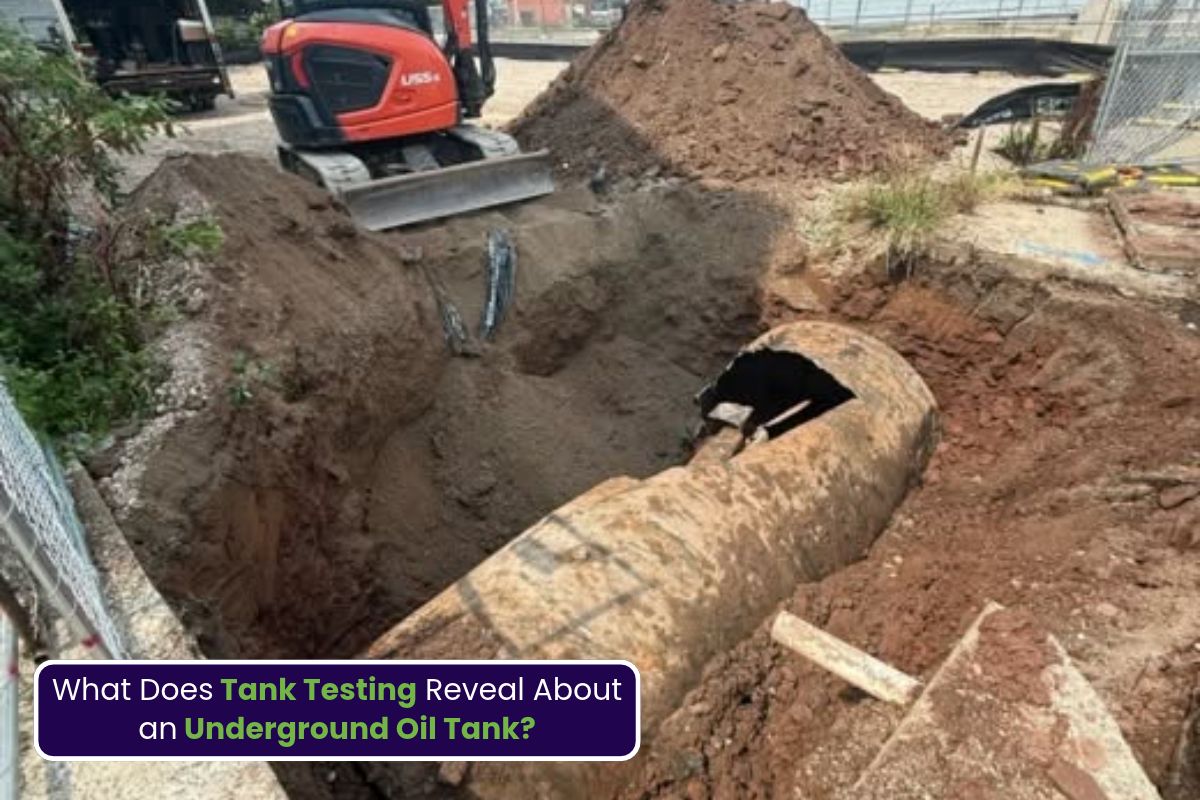
Underground oil tanks are often difficult to evaluate because they remain hidden beneath the ground. Over time, corrosion, moisture, and soil conditions can affect their structural condition. Property owners may not notice potential problems until warning signs appear. Understanding what a professional inspection can reveal helps homeowners identify risks and determine whether further investigation is necessary.
What Information Can a Professional Tank Inspection Provide?
A professional tank testing procedure helps evaluate the condition of an underground oil tank and identify potential concerns. Depending on the inspection method, it can provide useful information about:
-Tank Integrity: Helps identify weaknesses that may affect the tank’s ability to hold heating oil.
-Potential Leaks: Certain testing methods can detect signs of product loss or possible leakage.
-Corrosion: Inspections may reveal rust, deterioration, or other signs of aging.
-Environmental Risks: Findings may indicate whether additional soil investigation is necessary.
These results help homeowners understand the tank’s condition and consider appropriate next steps.
What Are the Warning Signs of Underground Oil Tank Problems?
Underground oil tanks can develop problems without showing immediate signs above the surface. However, certain warning indicators may suggest the need for professional evaluation.
Common signs include:
-Persistent heating oil odors around the property.
-Unexplained changes in oil consumption.
-Unusual dead or stressed vegetation near the tank.
-Visible corrosion on accessible tank components.
-Evidence of oil leakage around piping or connections.
These signs do not automatically confirm a leak, but homeowners should investigate them rather than ignore potential concerns.
Can an Oil Tank Inspection Identify Soil Contamination?
An underground oil tank inspection and soil investigation serve different purposes. An inspection evaluates the tank’s condition, while soil sampling helps determine whether petroleum-related contaminants are present in the surrounding ground.
A tank may pass an inspection even if a previous leak has occurred. Historical releases, damaged piping, or deteriorated connections may have caused contamination before the inspection.
Soil samples analyzed by a qualified laboratory can help identify potential contaminants and determine whether further environmental action is necessary.
What Factors Affect Underground Oil Tank Conditions?
Several factors can influence the condition and lifespan of an underground heating oil tank.
-Age: Older tanks may experience natural deterioration after years of underground exposure.
-Corrosion: Moisture and surrounding soil conditions can cause metal tanks to corrode and develop weak areas.
-Ground Conditions: Soil composition and groundwater exposure can influence the rate of deterioration.
-Maintenance History: Neglected maintenance and damaged connections may contribute to tank problems.
Understanding these factors helps homeowners recognize the importance of professional evaluation.
When Should Homeowners Consider an Inspection?
Property owners should consider an underground oil tank inspection when purchasing an older property, preparing a home for sale, discovering an unused tank, or noticing unusual heating oil odors.
An evaluation may also be helpful when there are concerns about possible leakage or environmental contamination. Early investigation can help homeowners understand potential problems and make informed decisions about removal or additional testing.
What Should Homeowners Do If a Problem Is Found?
If an inspection identifies potential damage or leakage, a qualified environmental professional can recommend the appropriate next steps.
Depending on the findings, this may include additional soil sampling, underground oil tank removal, or soil remediation if petroleum contamination is confirmed.
Homeowners should maintain inspection reports, laboratory results, and removal documentation for future reference.
Frequently Asked Questions
Q1. Can an underground oil tank inspection detect leaks?
Certain inspection methods can identify potential leaks or changes in tank integrity. Additional investigation may be needed to confirm surrounding soil contamination.
Q2. Can a tank pass an inspection after a previous leak?
Yes. A tank may pass a current inspection even if an earlier leak occurred. Passing results do not automatically rule out historical contamination.
Q3. Is soil sampling necessary after tank removal?
Soil sampling helps determine whether petroleum-related contamination exists around the excavation area. Applicable requirements depend on site conditions and environmental regulations.
Q4. What happens if contaminated soil is discovered?
A qualified environmental professional can evaluate the affected area and recommend an appropriate soil remediation approach based on laboratory findings.
Final Thoughts
Understanding underground oil tank conditions helps property owners identify potential environmental concerns and make informed decisions. Simple Tank Services assists New Jersey property owners with oil tank removal, soil testing, and remediation services.
Have concerns about an underground oil tank on your property? Contact us today to discuss your project and explore the next steps.