VLOG

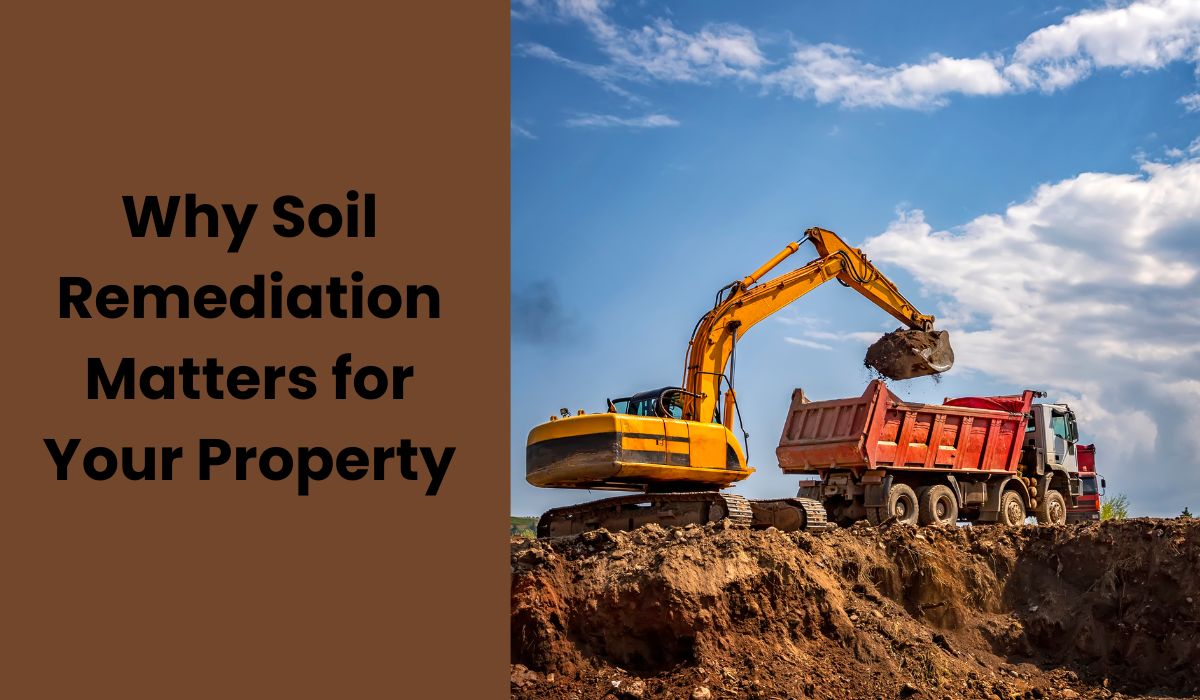
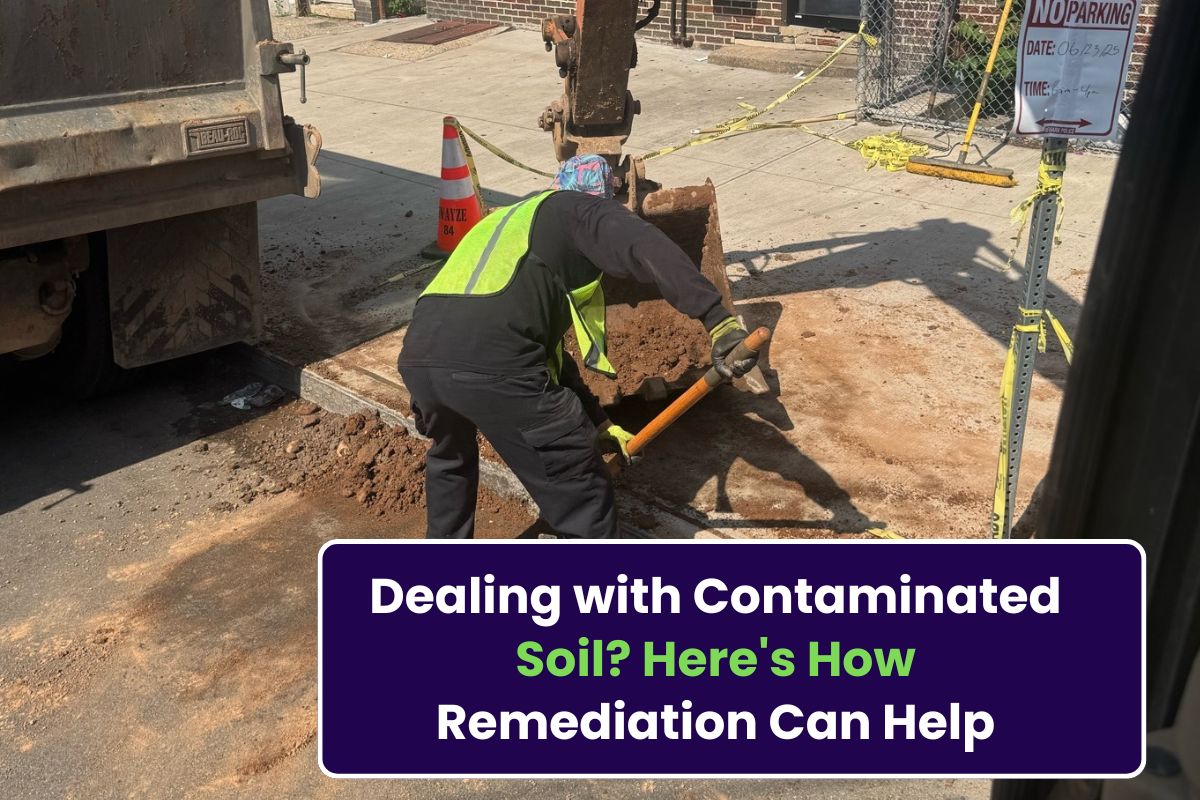
Dealing with Contaminated Soil? Here’s How Remediation Can Help

Soil contamination is more common than many people realize. Whether caused by industrial activity, leaking underground storage tanks, pesticide use, or accidental chemical spills, contaminated soil poses serious risks to human health, plant life, and nearby water sources. If you’ve discovered or suspect soil pollution on your property, it’s crucial to act quickly—and that’s where soil remediation comes in.

What Is Soil Remediation?

Soil remediation is the process of removing, reducing, or neutralizing contaminants from the soil to restore its safety and usability. The goal is to eliminate health hazards and prevent further environmental damage, making the land suitable for its intended purpose—whether that’s residential, commercial, agricultural, or recreational use.

Common Causes of Soil Contamination

Contaminated soil can result from a variety of sources, including:

Old fuel or oil tanks leaking into the ground

Pesticides or herbicides used on agricultural land

Industrial waste or manufacturing byproducts

Improper disposal of hazardous materials

Heavy metals like lead, arsenic, or mercury

These pollutants don’t just stay in one place—they can migrate to groundwater, harm wildlife, and even impact air quality through dust particles.

Signs You May Have Contaminated Soil

While some contaminants are invisible, there are a few warning signs to look for:

Unusual or persistent odors in the soil

Discolored or stained soil patches

Poor plant growth or vegetation death

A history of industrial or chemical use on the property

If your property has any of these indicators, professional soil testing is recommended as the first step.

How Soil Remediation Helps

Here’s how soil remediation services can help restore your land:

Site Assessment and Testing

Experts begin with a thorough site evaluation, including soil sampling and lab analysis. This helps identify the type and concentration of contaminants present.

Customized Remediation Plan

Based on the findings, professionals develop a tailored remediation strategy. This may include physical removal, soil washing, stabilization, or biological treatments depending on the contamination type and site conditions.

Safe Removal or Treatment of Pollutants

The remediation team uses approved techniques to remove or neutralize contaminants. For instance:

Excavation removes contaminated soil for off-site disposal.

Bioremediation uses microbes to break down organic pollutants.

Soil vapour extraction addresses volatile compounds like petroleum.

Restoration and Monitoring

Once the remediation process is complete, the land is restored, and follow-up testing ensures safety. Regular monitoring may be conducted to confirm long-term effectiveness.

Why Professional Help Matters

DIY clean-up of contaminated soil isn’t just risky—it’s often illegal. Professional soil remediation providers are trained to handle hazardous materials safely, follow EPA and state regulations, and use industry-approved methods to ensure full compliance and environmental protection.

Final Thoughts

If you’re dealing with contaminated soil, don’t wait. The longer pollutants remain in the ground, the greater the risks to your property, health, and the surrounding ecosystem. Soil remediation is not just a solution—it’s an investment in safety and sustainability.

Need help with soil remediation? Contact Simple Tank Services provider to assess your site and restore your land with confidence.

 

From Detection to Disposal: How Experts Handle Underground Oil Tanks

Underground oil tanks were once a popular solution for home heating—especially in older homes across the Northeast and Mid-Atlantic regions. But as technology has evolved and environmental awareness has grown, these buried tanks have become more of a liability than an asset. Leaks, corrosion, and contamination are serious concerns, making underground oil tank removal an essential task for many property owners.
If you’ve discovered or suspect an oil tank buried beneath your property, don’t panic—but don’t ignore it either. In this blog, we’ll walk you through how professionals handle the process from detection to safe disposal, and why hiring experts is crucial for your safety and peace of mind.

Step 1: Detection – Finding the Hidden Tank
Many homeowners don’t even realize there’s an oil tank on their property until they spot signs such as a capped pipe in the yard, uneven landscaping, or documentation from previous owners. If you suspect a buried tank, the first step is confirmation.
Professionals may use:
Ground-penetrating radar (GPR)
Magnetometers to detect metal underground
Soil sampling for oil residue
Historic property records and permits
This step is vital to ensure no accidental damage or contamination occurs during future excavation.

Step 2: Permits and Planning
Once a tank is confirmed, professionals begin planning the removal. In most areas, including states like New Jersey, Maryland, and Pennsylvania, permits are required before digging can begin. Tank removal companies handle:
Filing for local or state permits
Notifying environmental agencies if needed
Scheduling inspections
Coordinating with utility companies for safe excavation
This paperwork is critical to ensure the process complies with local and environmental laws—and protects you from legal liability.

Step 3: Safe Excavation
Once all approvals are in place, the removal crew begins excavating the tank. Using excavators or backhoes, they carefully dig around the tank to avoid punctures or spillage.
The tank is uncovered and cleaned of residual oil.
Any leftover fuel or sludge is pumped out into approved containers.
Hazardous materials are properly disposed of according to environmental standards.
This is not a DIY job—improper handling can result in soil and groundwater contamination, which is both costly and harmful.

Step 4: Tank Removal and Inspection
Once emptied and cleaned, the tank is lifted out of the ground using specialized equipment. After removal, a thorough inspection follows:
The tank is checked for leaks, corrosion, and damage.
If leaks are discovered, soil sampling and contamination testing are required.
Contaminated soil may need to be excavated and replaced.
This inspection is usually documented and reported to local authorities to close the permit and ensure environmental compliance.

Step 5: Disposal and Site Restoration
After inspection, the tank and all associated materials are transported to licensed recycling or disposal facilities. If any contaminated soil was removed, clean fill dirt is brought in to restore the excavation site.
The removal company will:
Fill and level the ground
Seed or sod the area if requested
Provide documentation proving the tank was removed and disposed of correctly
This is especially important if you plan to sell your home, as most buyers and real estate agents require proof of safe tank removal.

Why Hiring Experts Matters
Underground oil tank removal isn’t just about digging and hauling—it’s a complex process involving environmental risks, legal compliance, and safety concerns. Professionals bring:
Experience with local codes and environmental regulations
Proper tools and equipment for detection and excavation
Certified waste disposal methods
Insurance coverage for any unforeseen complications
Attempting this process on your own or hiring an unlicensed contractor can result in fines, failed inspections, or even long-term property damage.

Final Thoughts
From hidden liability to environmental hazard, underground oil tanks can present real challenges for homeowners. But with the right team by your side, the process of detection, removal, and disposal can be smooth, efficient, and worry-free.
If you suspect or know there’s an underground oil tank on your property, don’t wait. Contact Simple Tank Services today to assess the situation. It’s an investment in your property’s value, your family’s safety, and the environment.

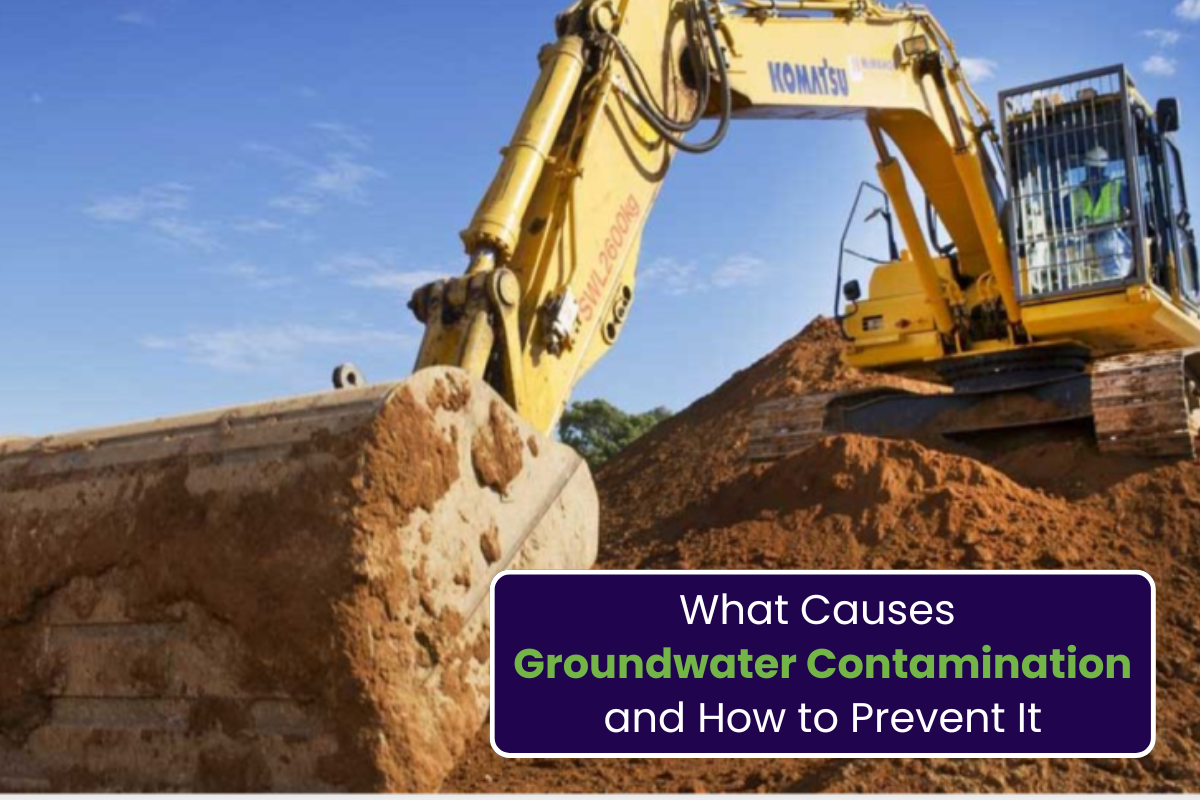
What Causes Groundwater Contamination in New Jersey and How Can You Prevent It?

Groundwater plays a vital role in New Jersey’s water supply, serving millions of residents and businesses across the state. However, as urbanization and industrial activity increase, so does the risk of groundwater contamination. Polluted groundwater not only impacts drinking water quality but also poses significant threats to public health, agriculture, and the environment.

Understanding the causes of groundwater contamination and knowing how to prevent it is key to protecting this critical resource. In this article, we’ll explore the leading sources of groundwater pollution in New Jersey and offer practical ways to safeguard your land and water for the future.

Common Causes of Groundwater Contamination in New Jersey

1. Leaking Underground Storage Tanks (USTs)

One of the most frequent causes of groundwater contamination in New Jersey comes from old or leaking underground oil tanks. Many homes and commercial properties built before the 1980s had underground tanks used to store heating oil. Over time, these tanks can corrode and leak oil into the surrounding soil and groundwater.

Once oil seeps into the ground, it spreads quickly, potentially contaminating nearby wells, aquifers, and even municipal water supplies. Hiring a certified oil tank removal company in NJ is often the most effective way to detect, remove, and remediate contaminated sites before they become a health hazard.

2. Industrial Waste and Chemical Spills

New Jersey has a long history of manufacturing and industrial operations. While these industries support the economy, they can also leave behind harmful byproducts. Improper disposal of chemicals, heavy metals, and solvents can leach into the ground and reach underground water reserves.

Sites formerly used for manufacturing, dry cleaning, or chemical storage are particularly vulnerable. Even accidental spills on construction sites can create long-lasting impacts if not handled promptly and professionally.

3. Agricultural Runoff

Farms across New Jersey often use fertilizers, herbicides, and pesticides to maintain crop yield. Unfortunately, when these chemicals are overused or applied before rainfall, they can percolate through the soil and contaminate groundwater. Nitrate contamination, in particular, poses serious health risks, especially for infants and pregnant women.

4. Landfills and Improper Waste Disposal

Improper waste disposal, whether from households or businesses, is another significant contributor. Landfills that aren’t properly lined or monitored can release leachate—a liquid mix of decomposing materials and toxins—into the soil. Similarly, illegal dumping of hazardous materials, paint, batteries, or used motor oil can severely impact groundwater quality.

5. Septic System Failures

In rural and suburban parts of New Jersey, many properties still rely on septic systems for wastewater treatment. If these systems are not properly maintained or installed, they can leak sewage into the ground, introducing harmful bacteria and viruses into the water supply.

How to Prevent Groundwater Contamination

1. Remove or Upgrade Aging Oil Tanks

If you own a property with an underground oil tank—especially one that’s unused or more than 30 years old—it’s crucial to have it inspected. An experienced oil tank removal company in NJ can assess whether the tank poses a contamination risk and safely remove it. Proactive removal helps prevent future leaks and costly environmental cleanups.

2. Use Proper Storage and Disposal Techniques

Make sure all chemicals, fuels, and hazardous substances are stored in approved containers and kept away from drainage areas or bare soil. Dispose of waste materials at certified hazardous waste collection centers rather than in regular trash or drains.

3. Regularly Inspect Septic Systems

Schedule regular inspections for your septic system and ensure that tanks are pumped at recommended intervals. Avoid flushing non-biodegradable items, grease, or chemicals into your system. Good maintenance goes a long way in preventing leaks and groundwater pollution.

4. Implement Eco-Friendly Farming Practices

Farmers and landowners can reduce contamination risks by adopting sustainable agriculture practices. This includes using controlled-release fertilizers, creating buffer zones near water bodies, and minimizing pesticide application. These changes not only protect the environment but also enhance soil health.

5. Choose Effective Groundwater Contamination Solutions

When contamination is already present, it’s important to work with professionals who specialize in groundwater contamination solutions. These may include soil excavation, groundwater treatment, bioremediation, and long-term monitoring. The right remediation approach depends on the pollutant type, site conditions, and extent of contamination.

Final Thoughts

Groundwater contamination in New Jersey is a serious issue—but it’s not irreversible. By understanding its causes and acting proactively, residents, businesses, and landowners can make a big difference in protecting this vital resource. Whether you’re dealing with an aging oil tank, managing a farm, or maintaining a septic system, taking action today can help ensure clean, safe water for generations to come.

If you suspect contamination on your property or need expert guidance, don’t hesitate to consult an oil tank removal company in NJ or a team that specializes in groundwater contamination solutions. The investment you make now will save you time, money, and environmental impact in the future.

What Are the Environmental Risks of Ignoring Oil Tank Removal in New Jersey?

Underground oil tanks were once a popular solution for home heating in New Jersey. However, as years pass and tanks age, they can pose serious environmental hazards if left ignored. Property owners who delay or avoid removing old or abandoned oil tanks not only jeopardize the environment but also risk facing expensive liabilities and legal consequences.

In this blog post, we’ll explore the environmental risks of ignoring oil tank removal in New Jersey and why hiring a qualified oil tank removal company is not just a smart move—but an urgent necessity.

The Hidden Danger Beneath Your Property

Buried oil tanks are often “out of sight, out of mind,” especially when no immediate problems are visible. However, corrosion, wear, and temperature fluctuations cause steel tanks to degrade over time. This creates small holes and cracks that lead to gradual oil leaks. Many homeowners don’t even realize there’s a leak until contamination is detected in soil, groundwater, or nearby wells.

Unfortunately, New Jersey’s dense population and older housing stock make the risk even greater. Thousands of properties across the state still have underground oil tanks that may already be leaking hazardous substances.

Groundwater Contamination

New Jersey depends heavily on groundwater as a source of drinking water. When an underground tank leaks oil, the contamination doesn’t stay confined to your yard—it can seep into nearby groundwater sources and spread. Even a small leak can cause significant environmental damage over time, affecting not only your property but your neighbors and local ecosystems.

Leaked oil can contaminate aquifers, leading to dangerous levels of benzene and other volatile organic compounds (VOCs) in the water supply. These pollutants are toxic and can pose serious health risks, including liver and kidney damage, immune system disruption, and increased cancer risk with long-term exposure.

Soil Pollution and the Need for Remediation

One of the most immediate impacts of an oil leak is soil contamination. The chemicals in heating oil can change the composition of the soil, killing plant life and making the land unsafe for use. Once contaminated, soil becomes unsuitable for gardening, landscaping, and even construction.

This is where a soil remediation service becomes critical. Remediation involves removing or neutralizing pollutants from the soil, restoring the land to a safe and usable condition. However, the longer the contamination is ignored, the more extensive—and expensive—the cleanup becomes. In some cases, property owners are required by state regulations to conduct soil remediation before selling or developing the land.

Harm to Local Ecosystems

Leaking oil tanks also impact wildlife and plant ecosystems, especially in suburban and rural areas of New Jersey. Oil that reaches nearby wetlands, streams, or forests can harm fish, birds, and other native species. It may also disrupt food chains and alter soil conditions that support local plant life.

Environmental risks aren’t just confined to your property—they ripple outward, potentially harming protected areas or violating state and federal environmental regulations. The financial penalties and legal challenges that can follow are often devastating for homeowners or real estate investors.

Legal and Financial Repercussions

Ignoring an old oil tank doesn’t just pose environmental risks—it can also lead to serious financial trouble. If contamination is discovered later, homeowners are legally responsible for the cleanup. This can cost tens of thousands of dollars, especially if groundwater has been affected or if multiple properties are involved.

Furthermore, many banks and insurance companies in New Jersey now require proof that any oil tanks have been removed or decommissioned before approving a mortgage or property sale. Ignoring tank removal can make it harder to sell your home, reduce your property value, or result in your insurance claim being denied in the event of a leak.

The Role of a Professional Oil Tank Removal Company

To avoid these risks, working with a licensed and experienced oil tank removal company is essential. These professionals can identify, locate, and safely remove underground tanks using state-approved procedures. They also handle all necessary permits, testing, and documentation to ensure compliance with New Jersey Department of Environmental Protection (NJDEP) regulations.

A reputable oil tank removal company can also perform post-removal testing to confirm whether any contamination occurred and recommend a soil remediation service if needed. Acting proactively not only safeguards the environment but also protects your financial future and legal standing.

Final Thoughts

Oil tank removal is not something homeowners in New Jersey can afford to overlook. Ignoring an old or leaking oil tank may seem like a cost-saving decision in the short term, but it can result in long-lasting environmental damage and costly legal liabilities. Contaminated soil, poisoned groundwater, and damaged ecosystems are just the beginning.

Hiring a certified oil tank removal company and, when necessary, a soil remediation service is the most responsible and effective way to eliminate these risks. Protect your property, your community, and the environment by taking action today.

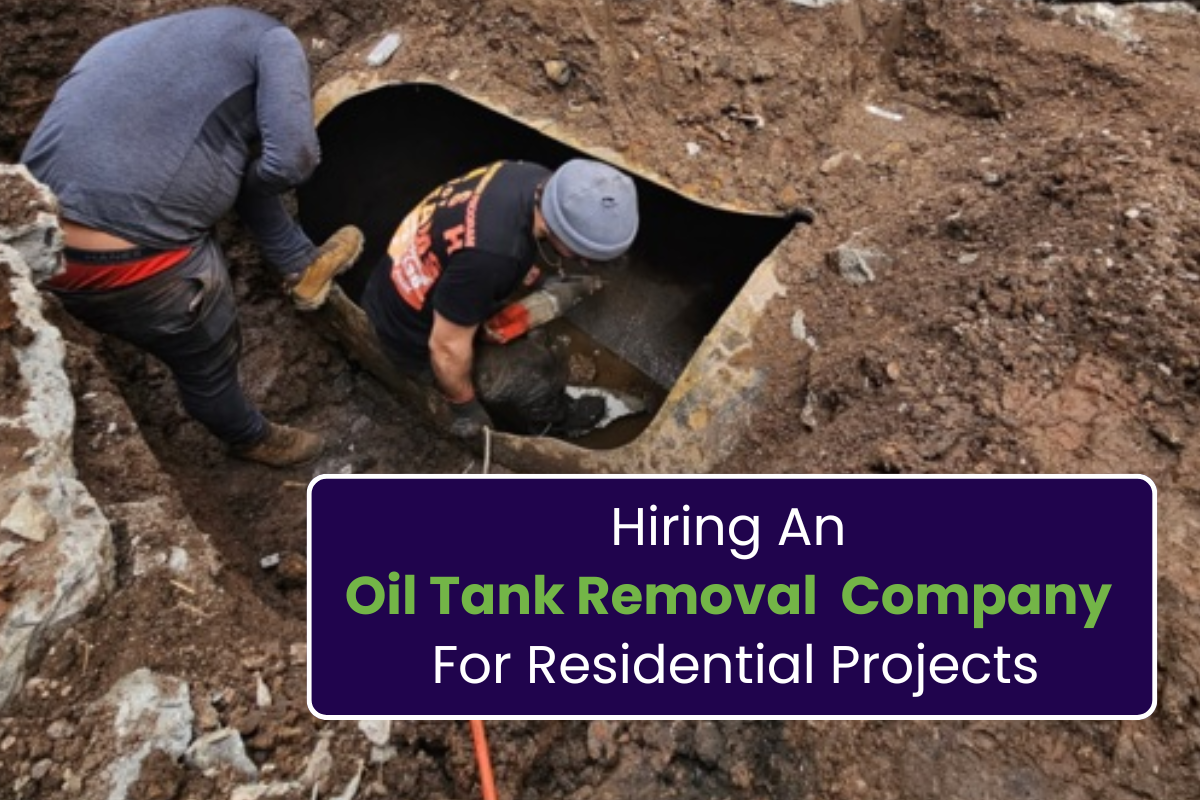
What to Look for When Hiring an Oil Tank Removal Company for Residential Projects in New Jersey

Oil tanks were once a staple of residential heating systems across New Jersey. But as properties age and environmental concerns increase, more homeowners are opting to remove old, underground storage tanks—especially those that have been out of use for years. Whether you’re planning to sell your home or are concerned about environmental safety, removing an oil tank is not a job to take lightly. Hiring a qualified oil tank removal company in NJ can help you avoid costly surprises and ensure the job is done safely, legally, and efficiently. Here’s what to consider before making your decision.

Proper Licensing and Insurance

The first and most important factor to check is whether the company is fully licensed and insured to handle oil tank removal in New Jersey. Oil tank removal often involves excavation, environmental testing, and potentially hazardous materials. You’ll want a company that holds proper state certifications and is familiar with New Jersey Department of Environmental Protection (NJDEP) regulations. Adequate insurance coverage, including general liability and workers’ compensation, protects you from legal and financial liabilities in case something goes wrong during the process.

Experience with Residential Projects

Not all oil tank removal contractors specialize in residential projects. Some focus primarily on commercial or industrial properties, which may have very different requirements and timelines. Look for a company with a proven track record in handling residential oil tank removals. Experienced contractors understand the nuances of working in residential neighborhoods, including navigating local ordinances, preserving landscaping, and maintaining clear communication with homeowners.

Transparent and Detailed Estimates

Before starting the project, ask for a written estimate that outlines all expected costs, including excavation, tank removal, disposal, backfill, and restoration of your property. The company should also include any costs related to soil testing or additional cleanup if contamination is found. Be wary of quotes that seem unusually low—they may not include essential components of the job, leading to surprise charges later.

Environmental Compliance and Soil Testing

Oil tank removal isn’t just about pulling the tank out of the ground. There’s also the potential for oil leaks that may have contaminated the surrounding soil. A reputable oil tank removal company in NJ will conduct proper soil testing both before and after removal. If contamination is detected, they should also be equipped to provide soil remediation services, ensuring the affected area is treated and returned to safe environmental standards. This is especially important if you plan to sell the property or build on the site in the future.

Positive Reputation and Reviews

Check online reviews and ask for references. A reliable company should have a solid reputation with past clients, especially in residential work. Look for companies with high ratings on platforms like Google, Yelp, or Better Business Bureau, and take note of any complaints related to unfinished work, poor communication, or unexpected fees. Don’t hesitate to ask the company directly for testimonials or case studies related to residential tank removal.

Availability of End-to-End Services

Many homeowners prefer a one-stop solution that handles everything from permits and inspections to final landscaping. Hiring a company that offers end-to-end services can simplify the process significantly. This includes acquiring local permits, coordinating with inspectors, managing oil disposal, conducting soil analysis, and performing cleanup if contamination is present. If the company can’t handle everything in-house, make sure they work closely with trusted subcontractors who specialize in soil remediation services and environmental testing.

Responsiveness and Customer Service

Prompt communication and professionalism are essential in any home service, and oil tank removal is no different. The company should be willing to answer all your questions, explain the process in layman’s terms, and keep you informed at every step. If you’re having a hard time getting a callback or clear answers before the work even begins, it may be a red flag regarding how the project will be handled once it’s underway.

Proper Documentation

After removal, you should receive full documentation, including permits, tank closure reports, and results from any soil testing conducted. This paperwork is critical for your records and will likely be required during a home inspection if you ever decide to sell the property. Without proper documentation, you could run into legal and financial complications down the road—even if the tank was removed safely.

Final Thoughts

Hiring the right oil tank removal company in NJ isn’t just about cost—it’s about expertise, safety, and protecting your property’s long-term value. From proper licensing and insurance to experience with residential projects and the ability to provide soil remediation services, the right partner will make a complicated process much smoother and more secure. Before you commit, do your due diligence, ask detailed questions, and insist on transparency at every stage. With the right professional team, you can remove the risk—literally—from your yard and gain peace of mind knowing your property is in good hands.

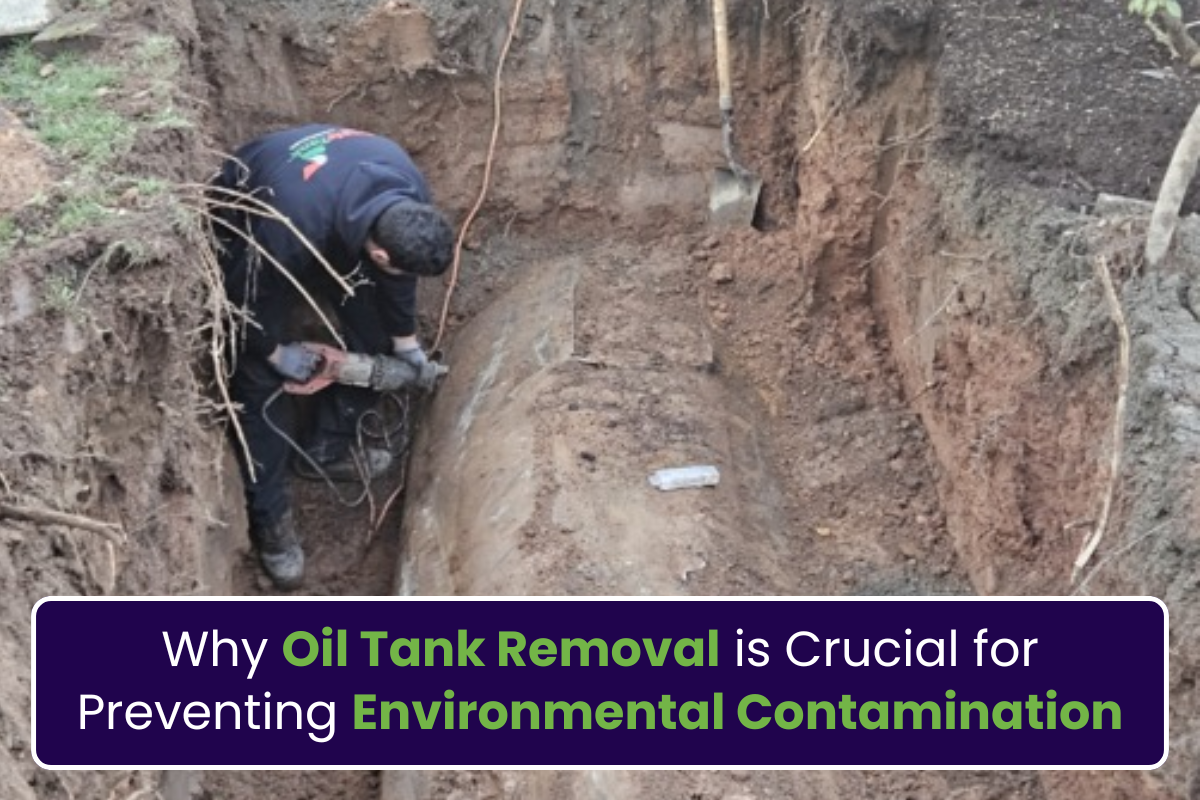
Why Oil Tank Removal is Crucial for Preventing Environmental Contamination

Underground and above-ground oil tanks have been a common feature on residential and commercial properties for decades, especially in older buildings. These tanks were originally installed to store heating oil, but as energy systems modernized, many of them were abandoned or forgotten. While these tanks may seem harmless when no longer in use, the reality is that they pose a serious environmental threat if left unchecked. Oil tank removal is not just a property improvement measure—it is a critical step toward protecting the environment, preserving property value, and ensuring public safety.

The Environmental Risks of Abandoned Oil Tanks

When an oil tank is left unused, it doesn’t simply stop being a concern. Over time, tanks corrode and deteriorate, particularly those made of steel. As they rust, they become vulnerable to leaks, allowing oil to seep into the surrounding soil and groundwater. This can lead to severe environmental contamination, affecting local water sources, vegetation, and wildlife. Even small leaks can have significant impacts if left unaddressed for an extended period.

One of the most alarming consequences of an oil leak is groundwater contamination. Since many communities rely on groundwater for drinking water, a leaking oil tank can compromise entire water systems. This can result in not only health hazards but also costly cleanup processes mandated by environmental protection agencies.

Why Immediate Oil Tank Removal Matters

Timely removal of old or unused oil tanks is essential for several reasons. First and foremost, it helps prevent hazardous oil leaks from contaminating the environment. Even tanks that appear intact can have slow leaks that go unnoticed until serious damage has occurred. Regular inspection and prompt removal by a certified oil tank removal company ensure that the potential for contamination is eliminated before it begins.

In addition, tank removal helps property owners remain compliant with environmental regulations. Many municipalities and states have strict laws regarding underground storage tanks, and non-compliance can result in hefty fines or even legal action. By proactively removing an oil tank, you demonstrate environmental responsibility and avoid penalties.

How the Oil Tank Removal Process Works

The removal of an oil tank is a meticulous process that requires professional expertise. It begins with locating the tank and determining whether it is above or below ground. The next step involves safely draining any remaining oil and cleaning the interior to prevent flammable residue. From there, the tank is extracted, and the surrounding area is assessed for any signs of contamination.

This is where the benefits of soil testing come into play. Once the tank is removed, environmental specialists collect soil samples from around the tank area to detect whether oil has leaked into the ground. Soil testing is crucial for determining the extent of contamination, if any, and guiding the appropriate cleanup response. Without this step, environmental damage could remain hidden and worsen over time.

In cases where contamination is confirmed, remediation may involve soil removal, treatment, or even groundwater decontamination. While this may seem daunting, addressing the issue early prevents larger-scale problems and higher costs down the road.

Long-Term Property and Financial Advantages

Besides environmental safety, oil tank removal can significantly boost your property’s market value and appeal. Real estate professionals frequently encounter situations where potential buyers walk away from properties due to the presence of an old oil tank. Even the suspicion of a tank can slow down sales or lower property value. Removing a tank and providing clean soil test results makes a property far more attractive to buyers.

Additionally, insurance companies are increasingly reluctant to cover properties with aging oil tanks due to the risks involved. A leak could result in thousands of dollars in damages, and some policies may not cover oil contamination at all. Removing the tank and obtaining a clean bill of environmental health can make it easier to secure homeowner’s insurance and reduce long-term liability.

Trusting the Experts

Choosing a reputable oil tank removal company is key to ensuring the process is safe, thorough, and compliant with all local regulations. Professionals bring the experience, equipment, and certifications necessary to carry out the work without disrupting the surrounding environment. They also manage any required permits, documentation, and disposal of hazardous materials, offering peace of mind to property owners.

Furthermore, an experienced company will integrate environmental safeguards like soil testing into their process, helping you understand your property’s condition and any next steps that may be needed. Their detailed reporting also provides documentation you can share with future buyers or regulatory agencies if needed.

Summary

Oil tanks, especially those forgotten underground, can be ticking time bombs for environmental contamination. What might seem like a harmless relic of the past can lead to costly cleanups, legal issues, and health risks if not addressed. Prompt removal by a professional oil tank removal company is a proactive step that protects both the environment and your investment. And with the benefits of soil testing, you can gain clarity on any contamination risks and ensure your property remains safe and compliant. When it comes to oil tanks, waiting is not an option—removal is the responsible and essential choice.

5 Warning Signs That Indicate Soil Damage from a Leaking Oil Tank

Underground and aboveground oil tanks are commonly used for heating and fuel storage in residential, commercial, and industrial properties. While these tanks are built for durability, age, corrosion, or improper installation can lead to leaks over time. One of the most serious consequences of a leaking oil tank is soil contamination—a hidden threat that often goes unnoticed until significant environmental and property damage occurs. Knowing the early warning signs of soil damage can save property owners thousands of dollars in cleanup costs and legal liabilities. Below are five key indicators that suggest your property may be suffering from soil damage due to a leaking oil tank.

Strong Odors Around the Tank or Soil

One of the first and most noticeable signs of a leaking oil tank is a strong, persistent smell of fuel or oil in the area surrounding the tank. These odors can sometimes be mistaken for vehicle exhaust or other mechanical smells, but if the scent lingers even when no equipment is running, it’s a red flag. This smell often comes from volatile organic compounds (VOCs) that escape into the soil and air as oil seeps out of the tank. If you’re noticing unusual fuel-like odors in your basement, yard, or near your tank, it’s time to consult an oil tank removal company for a thorough inspection.

Discolored Soil or Vegetation Dying

Oil leaks change the chemical composition of the soil, making it inhospitable to plants. If you start to see patches of dead grass, wilting flowers, or discolored soil around the area where the tank is buried or positioned, this could be a sign of contamination. While drought or pests can also affect plant life, sudden or localized die-off is more likely to be related to environmental stressors—like a fuel leak. This is particularly concerning if the vegetation in surrounding areas appears healthy. Soil testing and professional soil remediation services are often necessary to confirm the extent of the damage and begin restoration.

Oily Sheen on Groundwater or Rainwater Puddles

If you observe a shiny, oily film on top of puddles in your yard or near the tank area, this could be a major warning sign. Even a small amount of leaked oil can create a visible sheen on water surfaces. This usually indicates that the leak has reached the groundwater level or is mixing with rainwater runoff. Contaminated water not only damages the surrounding ecosystem but also poses serious risks if it migrates to public water supplies. If you suspect groundwater contamination, immediate action is required, including contacting environmental authorities and hiring a certified oil tank removal company.

Sudden Spike in Heating Costs

An unmonitored oil tank that’s leaking can cause a gradual or sudden loss of fuel, forcing heating systems to use more oil than necessary. If you’re refilling your oil tank more frequently without a corresponding increase in heating demand, a leak may be to blame. While the loss may initially seem small, over time it contributes to both financial loss and environmental harm. Addressing these leaks early helps you avoid significant fuel waste and extensive property damage.

Unexplained Health Symptoms

Prolonged exposure to oil-contaminated soil or air can lead to health issues, particularly respiratory problems, headaches, skin irritation, or nausea. These symptoms are especially common in enclosed areas where vapor from the leaked oil can accumulate. If household members or employees start experiencing unexplained or recurring health problems, and you suspect a nearby oil tank is leaking, it’s critical to bring in environmental professionals to conduct indoor air quality tests and assess the contamination. Fast intervention, including engaging soil remediation services, can help restore air quality and reduce health risks.

Why Early Detection Matters

Ignoring signs of a leaking oil tank doesn’t just affect your property—it can impact the environment and public health. Leaked oil can seep into groundwater, disrupt ecosystems, and violate environmental regulations, potentially exposing property owners to fines or lawsuits. That’s why early detection and action are vital.

Partnering with a trusted oil tank removal company ensures the safe and efficient extraction of outdated or damaged tanks. Following removal, expert soil remediation services can help decontaminate the affected area, restoring the land and preventing long-term environmental damage.

Final Thoughts

Whether your oil tank is decades old or relatively new, routine inspections and monitoring are essential. If you notice any of the five warning signs—strong odors, dying vegetation, oily water surfaces, unusual heating costs, or unexplained health issues—it’s time to act. Hiring professionals for tank removal and soil remediation ensures your property remains safe, clean, and compliant with environmental standards.

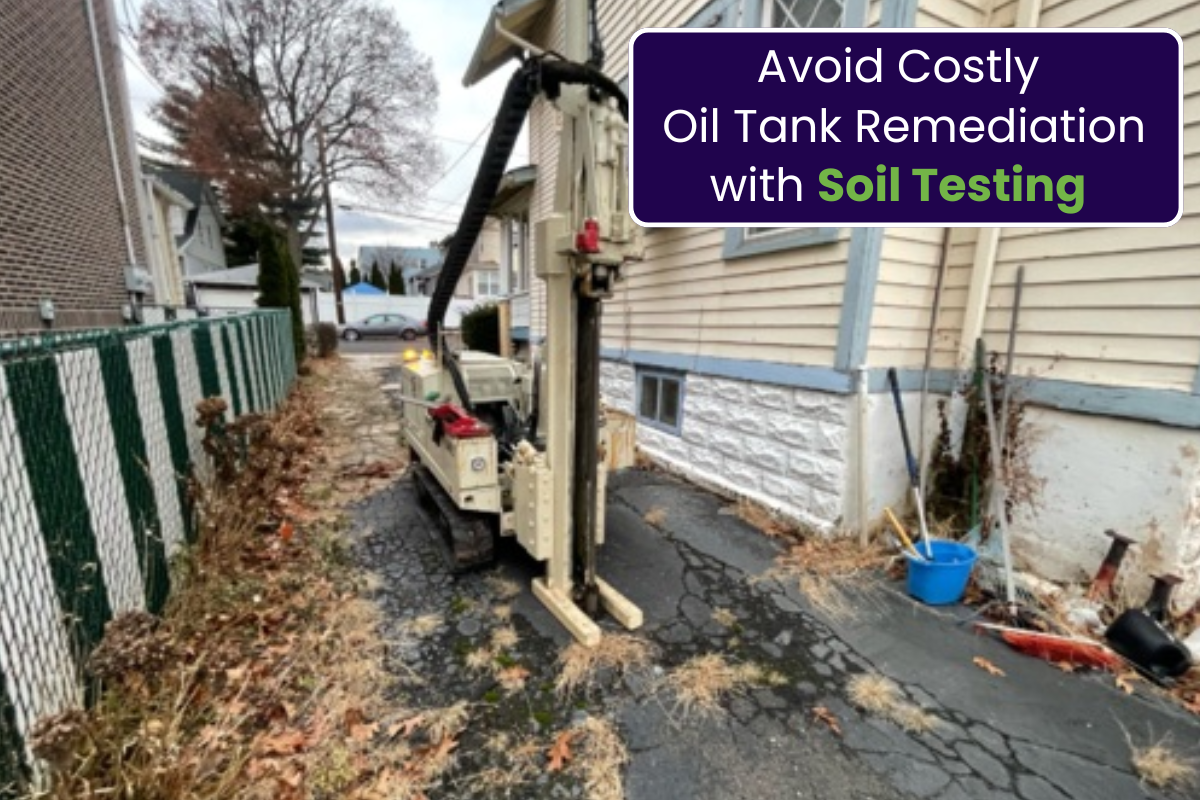
How Soil Testing in New Jersey Can Help Avoid Costly Oil Tank Remediation

Underground oil tanks were once a common way to heat homes across New Jersey. However, with aging infrastructure and growing environmental regulations, they’ve become more of a liability than a convenience. Homeowners and property developers alike now face the daunting task of determining whether these tanks pose a contamination risk. Fortunately, there’s a reliable and cost-effective way to address the issue early—soil testing. In fact, scheduling a soil testing service in NJ can be the difference between a manageable situation and a financially draining remediation process.

The Risks of Ignoring Oil Tanks

Many properties in New Jersey still have underground oil tanks that are no longer in use. Over time, these tanks can rust and leak, causing oil to seep into the surrounding soil. Even small leaks can lead to widespread contamination, impacting groundwater and posing serious health and environmental risks. In such cases, state regulations may require extensive cleanup that can cost tens of thousands of dollars.

If contamination is discovered late—such as during the sale of a property—it can delay or even derail real estate transactions. Lenders may refuse to finance contaminated properties, and buyers may walk away from the deal. All of this can be avoided with a timely soil test.

Why Soil Testing Is Essential

Soil testing is a diagnostic procedure that checks for contamination in the ground around and beneath the oil tank. Whether you suspect a leak or simply want peace of mind, a professional soil analysis can confirm if petroleum byproducts have migrated into the soil. This allows homeowners and businesses to understand the extent of any potential issue and take appropriate action early.

A certified soil testing service in NJ will follow state-mandated procedures to collect soil samples at specific depths and locations around the tank. These samples are then analyzed at licensed laboratories, providing accurate and legally recognized results.

When to Conduct Soil Testing

There are several scenarios where soil testing should be considered:

Before property sale or purchase: Buyers often require soil testing as part of due diligence to ensure the property is free of environmental hazards.

After tank removal: Testing is usually performed after an underground oil tank is removed to verify whether any leaks occurred during its lifetime.

If there are signs of leakage: Dead vegetation, stained soil, or an unusual odor may indicate a leaking tank.

When switching to a new heating system: Homeowners transitioning to natural gas or electric systems often choose to decommission old oil tanks. Soil testing can confirm whether additional remediation is needed.

The Cost-Saving Benefits of Early Detection

It’s easy to delay soil testing, especially if the tank appears intact. However, proactive testing can save property owners significant money. If contamination is discovered early, remediation tends to be less invasive and less costly. This might involve localized soil removal or chemical treatment, both of which are far more affordable than large-scale excavations.

Additionally, some homeowner insurance policies may offer limited coverage for oil tank cleanup—but only if contamination is detected before it spreads. Early testing gives property owners more control and more options when it comes to remediation and insurance claims.

Choosing the Right Partner

When dealing with oil tanks and potential contamination, it’s important to work with experienced professionals. A certified oil tank removal company

not only manages the physical removal of old tanks but often works in tandem with soil testing labs to ensure full compliance with New Jersey’s environmental laws. Many reputable companies offer both removal and testing services, streamlining the process and reducing costs.

Always look for providers who are licensed, insured, and familiar with local and state regulations. Ask for documentation and test results that meet NJDEP (New Jersey Department of Environmental Protection) standards, especially if the results will be used in a real estate transaction.

Final Thoughts

Oil tank remediation can be one of the most expensive and disruptive issues facing New Jersey homeowners. But it doesn’t have to be. With the help of a professional soil testing service in NJ, property owners can identify potential risks before they escalate. Partnering with a trusted oil tank removal company adds another layer of assurance, helping you comply with regulations and protect your investment. In a state where environmental standards are high and property values are even higher, soil testing isn’t just a precaution—it’s a smart financial decision.

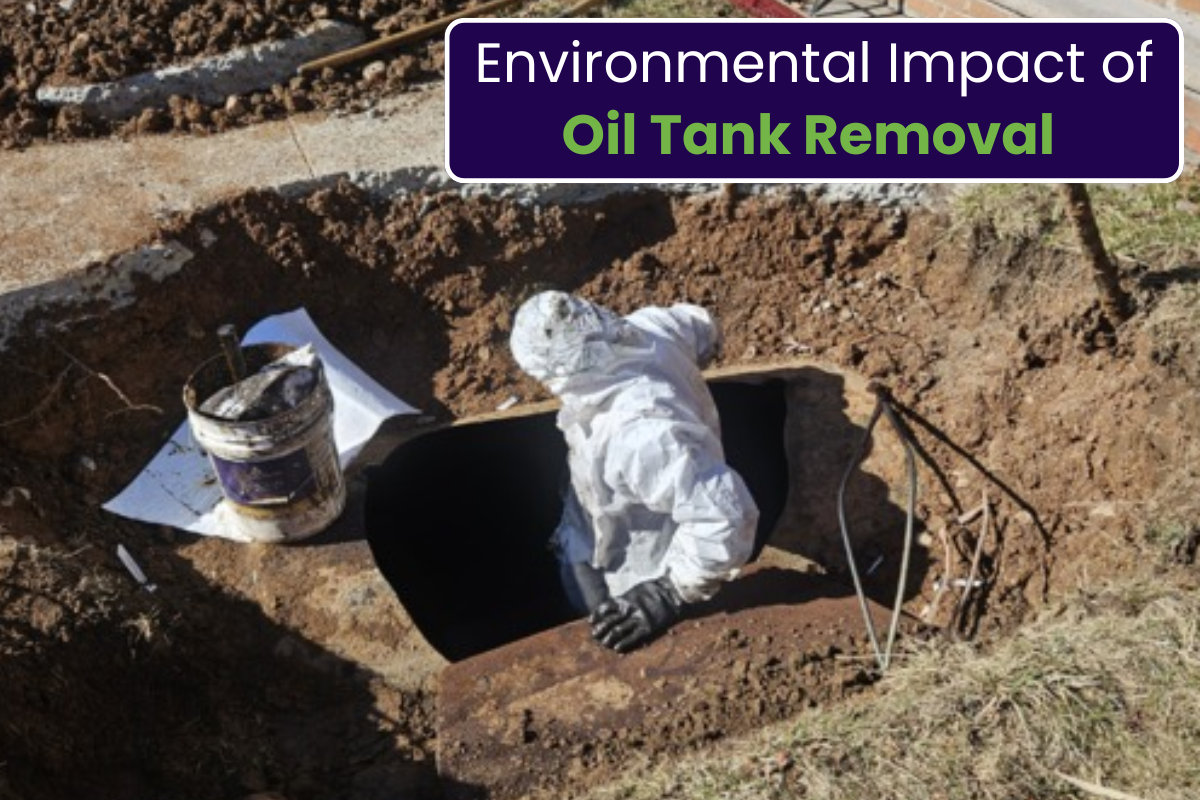
What You Should Know About the Environmental Impact of Oil Tank Removal

Removing an underground or aboveground oil tank might seem like a straightforward process—dig it up and haul it away. But the environmental impact of oil tank removal runs much deeper. Improperly handled removals can lead to lasting soil contamination, groundwater pollution, and long-term ecological damage. That’s why understanding the environmental considerations before, during, and after oil tank removal is essential for homeowners, property managers, and businesses alike.

Why Oil Tank Removal Matters

Oil tanks, especially those installed decades ago, were not built to the environmental standards we recognize today. Many are made of steel and prone to corrosion over time. A leaking tank can quietly contaminate the surrounding soil and water, often without immediate visual evidence. The longer the leak persists, the more difficult and expensive it becomes to remediate the damage.

Tank removal is not just about getting rid of an aging structure—it’s about preventing pollution and ensuring the land remains safe for future use. For this reason, tank removal is often mandated by local or state regulations once the tank is no longer in active use.

Common Environmental Risks of Oil Tanks

The environmental risks associated with old oil tanks can be significant:

-Soil contamination: Leaking oil can saturate surrounding soil with hydrocarbons, making it hazardous and unusable for plant life or safe construction.

-Groundwater pollution: Once contaminants seep deep enough, they can reach groundwater sources, affecting wells and local ecosystems.

-Air quality issues: Fumes from degraded fuel can evaporate into the air, impacting air quality and posing health risks to people in the vicinity.

-Legal liabilities: Property owners can be held liable for environmental damage caused by tanks on their land, especially if they fail to act in time.

The Role of an Experienced Oil Tank Removal Company

Hiring an experienced oil tank removal company is the first step toward ensuring a safe and environmentally responsible removal process. These professionals are trained to assess the condition of the tank, identify potential leaks, and follow local environmental regulations throughout the project.

A reputable company will begin with a site inspection, use proper excavation techniques, and follow up with thorough documentation. If contamination is found, they’ll coordinate with environmental engineers and remediation specialists to address it safely and efficiently. Their goal is to ensure the site is returned to a stable, hazard-free condition—whether that means filling the excavated area with clean soil or developing a more complex remediation plan.

Why Soil Testing is Non-Negotiable

One of the most crucial steps in any oil tank removal project is soil testing services. Even if the tank shows no visible signs of leaking, there could still be contamination below ground. Soil testing involves collecting samples from around the tank site and analyzing them for petroleum hydrocarbons and other pollutants.

Timely soil testing offers several benefits:

-Verifies environmental safety: It confirms whether the area is free from harmful substances or needs remediation.

-Supports compliance: Many municipalities require testing to issue final closure documents or real estate transfer approvals.

-Provides peace of mind: For property owners, knowing their land is clean and safe can prevent future liability or costly surprises.

If contamination is detected, the results of the soil test help determine the appropriate cleanup strategy. In some cases, only minor excavation and removal of affected soil are required. In more serious cases, chemical treatments or bioremediation methods may be recommended to fully restore the site.

Long-Term Environmental Considerations

Once an oil tank is removed and the site is confirmed clean, the job isn’t necessarily over. Continued monitoring may be necessary for properties located near water sources or in environmentally sensitive areas. In commercial or industrial cases, environmental audits may also be required periodically to ensure long-term compliance.

From a sustainability perspective, removing an unused oil tank is an environmentally responsible choice. It reduces the risk of future pollution, supports cleaner land development, and aligns with modern environmental stewardship values.

Final Thoughts

Oil tank removal is far more than a construction task—it’s an environmental responsibility. When handled properly, it protects not only your property but also your surrounding community and ecosystem. The key is working with a knowledgeable oil tank removal company that understands the importance of comprehensive soil testing services, follows best practices, and helps you navigate environmental regulations confidently.

If you’re planning a tank removal, take the time to understand the environmental impacts involved. Your diligence today can prevent significant environmental and financial consequences tomorrow.

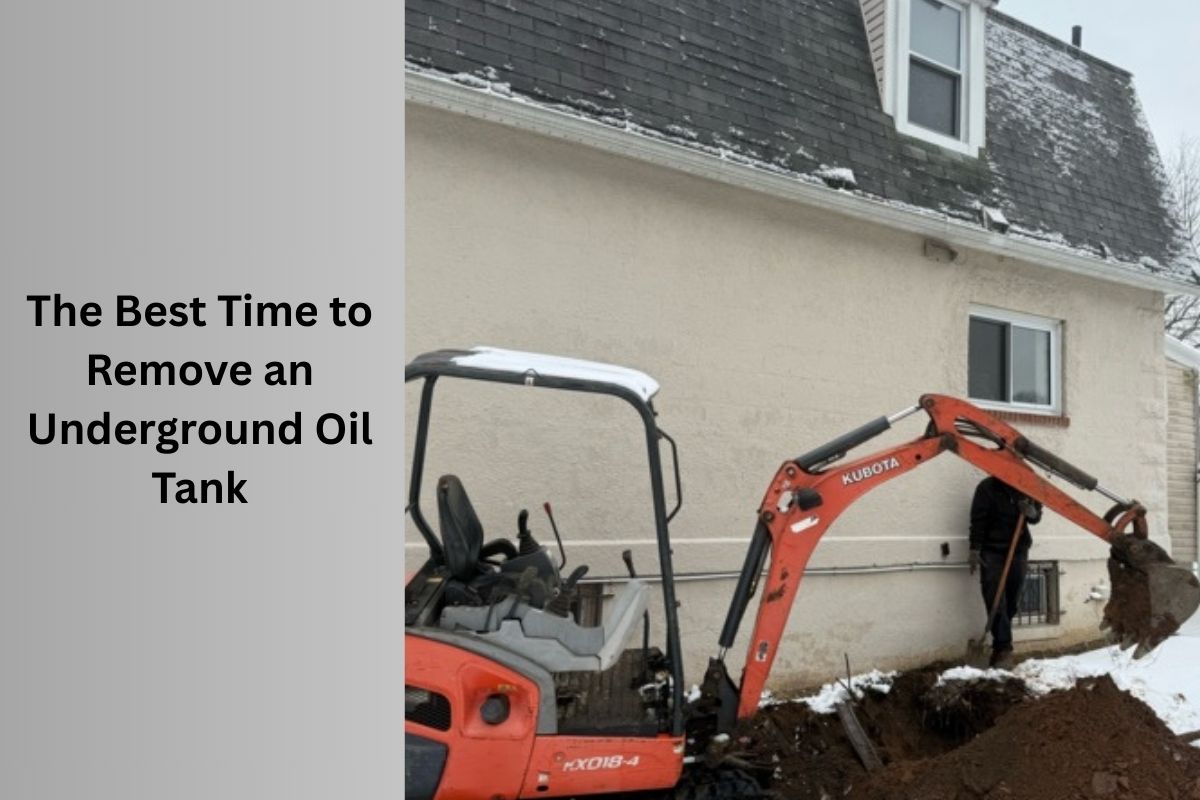
The Best Time to Remove an Underground Oil Tank

Underground oil tanks were once a common feature in homes and commercial properties, serving as a fuel source for heating systems. However, as environmental concerns and property risks associated with these tanks have increased, many homeowners and business owners are choosing to remove them. But when is the best time to remove an underground oil tank? Timing is crucial, as it can impact costs, environmental safety, and regulatory compliance. This blog will explore the best time to undertake underground oil tank removal to ensure a smooth, cost-effective, and safe process.

Why Timing Matters for Oil Tank Removal

Removing an underground oil tank is not a simple task. It requires careful planning, professional expertise, and adherence to local regulations. Choosing the right time for removal can help you:

Avoid environmental hazards – A leaking oil tank can contaminate soil and groundwater.

Reduce costs – Emergency removals or winter removals may cost more due to unfavorable weather and difficult excavation conditions.

Ensure compliance – Certain regulations and permits may require action within a specific timeframe.

Prevent property devaluation – A hidden or damaged tank can affect property value and delay real estate transactions.

Best Seasons for Underground Oil Tank Removal

Spring and Summer: The Ideal Seasons

Spring and summer are considered the best times for underground oil tank removal. The weather conditions are more favorable, making excavation easier and reducing the risks associated with removal. Here’s why:

Milder Weather Conditions: Warmer temperatures allow the ground to remain soft, making it easier for excavation crews to dig and remove the tank without excessive labor costs.

Longer Daylight Hours: Contractors can work more efficiently with extended daylight, leading to quicker project completion.

Lower Risk of Delays: Unlike winter, where snow and frozen ground can create delays, spring and summer generally provide a stable work environment.

Better Scheduling Availability: Many contractors have more availability during these seasons, allowing you to schedule removal at a convenient time without urgent fees.

Fall: A Good Alternative

If you miss the opportunity to remove your oil tank in the spring or summer, fall is still a reasonable option. While temperatures begin to drop, the ground is not yet frozen, making excavation possible. However, waiting too long into late fall can bring unpredictable weather, which might lead to delays or additional costs.

Winter: The Least Favorable Time

Winter is generally not recommended for underground oil tank removal unless it is an emergency. The challenges of removing an oil tank during winter include:

Frozen Ground: Excavation becomes much harder when the ground is frozen, leading to higher labor costs and potential equipment issues.

Snow and Ice: Adverse weather conditions can cause delays and safety concerns for workers.

Limited Contractor Availability: Fewer contractors may be available due to reduced operations during the cold months, potentially increasing costs.

Emergency Fees: If the removal is urgent due to a leak or environmental concern, emergency fees may apply, making the process more expensive.

Signs That You Shouldn’t Delay Removal

While timing is important, certain situations require immediate action, regardless of the season:

Leak Detection: If you notice oil odors, discolored soil, or an unexplained increase in heating oil usage, the tank may be leaking.

Real Estate Transactions: If you plan to sell your home or buy a property with an underground oil tank, removal or testing should be done promptly to avoid complications.

Regulatory Compliance: Some local laws may require removal within a specific timeframe, especially if the tank is old or abandoned.

Insurance Concerns: Some insurance companies refuse to cover properties with underground oil tanks due to liability risks.

Final Thoughts

The best time to remove an underground oil tank is during spring or summer when weather conditions are optimal, and contractor availability is higher. Fall is a good alternative, but winter removal should be avoided unless absolutely necessary. No matter the season, if you suspect a leak or are involved in a property transaction, it’s best to act quickly.

Hiring a Simple Tank Services ensures that the process is handled safely and in compliance with local regulations. If you have an old or unused underground oil tank on your property, don’t wait—schedule a consultation today to plan for a safe and timely removal.

Common Soil Problems and How Testing Can Help Fix Them

Soil is the foundation of healthy plant growth, strong foundations, and successful agricultural yields. However, various soil problems can affect its quality and functionality, leading to poor crop production, weak structures, and environmental concerns. Fortunately, soil testing plays a crucial role in diagnosing and addressing these issues effectively. This blog explores common soil problems and how soil testing can help fix them.

Soil Erosion

The Problem:

Soil erosion happens when topsoil is washed or blown away due to wind, water, or improper land management. This can expend important nutrients, making it more difficult for flowers to develop and leading to land degradation through the years.

How Testing Helps:

Soil assessments can decide the feel and composition of the soil, figuring out its susceptibility to erosion. If the soil is simply too sandy or lacks organic depend, amendments consisting of compost or cowl plants may be delivered to improve its structure and reduce erosion.

Soil pH Imbalance

The Problem:

Soil pH without delay impacts plant health because it determines nutrient availability. If the soil is too acidic (low pH) or too alkaline (excessive pH), flowers may also fail to soak up important vitamins, leading to stunted booms and poor yields.

How Testing Helps:

A soil check measures pH degrees, allowing for corrective moves. Lime may be added to raise the pH if the soil is too acidic, while sulphur or organic matter can help lower the pH in overly alkaline soils.

Nutrient Deficiency

The Problem:

Essential vitamins like nitrogen (N), phosphorus (P), and potassium (K) are crucial for plant health. Deficiencies in those vitamins can result in yellowing leaves, terrible root development, and reduced crop yields.

How Testing Helps:

A soil test offers a nutrient evaluation, assisting identify deficiencies. Based on the results, particular fertilizers or organic amendments which include compost, manure, or biochar may be applied to restore nutrient balance.

Compacted Soil

The Problem:

Compacted soil restricts root boom, reduces water infiltration, and bounds air circulation. This regularly affects weak plant improvement and terrible drainage, in particular in areas with heavy foot traffic or machinery use.

How Testing Helps:

Soil tests check bulk density and penetration resistance, indicating compaction ranges. If compaction is detected, answers like aeration, adding organic be counted, or planting cowl plants can improve soil structure.

Poor Drainage and Water Retention

The Problem:

Some soils drain too fast, leaving plants dehydrated, while others preserve an excessive amount of water, inflicting root rot and fungal illnesses. This issue is often associated with soil texture and composition.

How Testing Helps:

A soil take a look at determines soil texture (sand, silt, clay) and drainage capacity. Based on the findings, amendments like sand, peat moss, or organic count number may be brought to enhance water retention or drainage.

Soil Contamination

The Problem:

Soil infection takes place due to pollutants like heavy metals, pesticides, or business waste. This can pose fitness dangers to human beings, animals, and plants, making land improper for agriculture or improvement.

How Testing Helps:

Comprehensive soil checks stumble on contaminants and their concentrations. Remediation strategies, consisting of soil replacement, bioremediation (the use of flowers to take in pollution), or chemical treatments, can be implemented based totally on the test results.

Salinity Issues

The Problem:

High salt levels in the soil can preclude plant increase, leading to leaf burn, stunted improvement, and even plant dying. This is commonplace in arid regions or regions with immoderate fertilizer use.

How Testing Helps:

A soil test measures salt concentration. If excessive salinity is detected, answers such as stepped forward irrigation strategies, organic amendments, or salt-tolerant vegetation may be implemented to mitigate harm.

Lack of Organic Matter

The Problem:

Organic count is essential for keeping soil fitness because it improves nutrient availability, soil shape, and moisture retention. Soil lacking natural count number can end up dry, nutrient-terrible, and difficult to cultivate.

How Testing Helps:

A soil check identifies the organic rely content. Adding compost, cover plants, or manure can increase natural dependence, improving soil fertility and plant increase.

Presence of Harmful Pests and Pathogens

The Problem:

Certain soil-borne pests and diseases, such as nematodes, fungi, and bacteria, can assault plant roots, decreasing productivity and weakening plant health.

How Testing Helps:

Soil checks can discover harmful organisms present inside the soil. Based on the consequences, biological controls, crop rotation, or soil solarization (the use of heat to kill pathogens) may be used to manage the problem.

Conclusion

Soil trying out is a crucial tool for diagnosing and fixing diverse soil problems. Whether you’re a farmer seeking to maximize crop yield, a gardener aiming for healthier flowers, or a construction expert ensuring soil stability, soil trying out affords treasured insights. By addressing common soil issues via right checking out and amendments, you can create a sustainable and productive environment for plant life and improvement tasks.

Investing in Simple Tank Services can save time, enhance land use, and prevent high-priced mistakes. If you have any soil problems on your home, don’t forget to schedule a soil check soon!


Top Signs Your Land Needs Professional Soil Remediation

Soil is the muse of a healthy environment, assisting plant increase, water filtration, and universal environment balance. However, contamination from business activities, chemical spills, and improper waste disposal can degrade soil excellent, making remediation essential. If you are unsure whether your land requires expert soil remediation, here are the top signs and symptoms to look for.

Presence of Unusual Odors

One of the most important symptoms of soil contamination is a robust, uncommon odor. If your land emits a chronic chemical, gas, or rotten egg smell, it could indicate the presence of hazardous substances such as petroleum hydrocarbons, sulfur compounds, or commercial solvents. These contaminants can pose critical environmental and health risks, requiring instantaneous professional assessment and remediation.

Discolored or Stained Soil

Healthy soil is usually brown or dark in coloration, relying on its composition. However, in case you observe unnatural colours together with black, blue, inexperienced, or yellow patches, this could suggest infection from heavy metals, chemical compounds, or oil spills. Discoloration suggests the presence of pollution which could hinder plant boom and pose dangers to human and animal fitness.

Poor Plant Growth or Vegetation Death

If plant life in your land struggles to develop, shows symptoms of stunted increase, or dies , contaminated soil may be the perpetrator. Toxic materials like heavy metals, insecticides, and commercial chemicals can disrupt plant health by means of changing soil pH and nutrient availability. If a couple of plant species fail to thrive in the same place, professional soil trying out and remediation may be essential.

Presence of Heavy Metals or Chemicals

Industrial waste, mining sports, and agricultural runoff can introduce hazardous heavy metals such as lead, mercury, arsenic, and cadmium into the soil. These elements pose extensive risks to human health in the event that they input the meals chain or water supply. If your land has a records of commercial use, it’s clever to behavior soil checking out to decide if expert remediation is wanted.

Water Contamination

If nearby water resources, including wells, ponds, or streams, display signs and symptoms of infection—consisting of a bizarre taste, oily surface movie, or unusual color—soil pollutants may be the basis reason. Contaminants from the soil can seep into groundwater, posing risks to ingesting water first-class and aquatic ecosystems. A professional soil remediation carrier can become aware of and deal with the infection supply.

History of Industrial or Agricultural Use

Land formerly used for business production, mining, or agricultural activities is much more likely to have soil infection. Chemical spills, pesticide overuse, and mistaken waste disposal may additionally have left poisonous residues in the soil. If you’re making plans to broaden or repurpose such land, professional soil trying out and remediation are vital to ensure safety and compliance with environmental regulations.

Increased Health Issues in People or Animals

Exposure to infected soil can motive various fitness problems in human beings and animals, inclusive of respiration problems, pores and skin inflammation, nausea, and neurological problems. If those who live or work near your land regularly experience unexplained illnesses, soil infection may be a contributing issue. Professional remediation can help cast off health risks and repair a secure surroundings.

Regulatory Compliance and Environmental Violations

Local and federal environmental groups set rules to save you and mitigate soil contamination. If government have flagged your land for non-compliance due to high stages of pollutants or pollutants, you have to take on the spot movement. Failing to cope with infection troubles can result in hefty fines, legal headaches, and regulations on land use. Hiring a professional soil remediation carrier guarantees compliance with environmental legal guidelines and protects your funding.

Presence of Oil or Chemical Residues

Visible oil slicks, chemical residues, or debris within the soil indicate pollution that requires urgent interest. These contaminants can significantly impact soil structure, water pleasant, and surrounding ecosystems. Professional remediation specialists use advanced techniques together with bioremediation, chemical remedy, and soil excavation to repair the land.

Persistent Erosion or Drainage Issues

Contaminated soil frequently loses its natural composition and shape, main to erosion, poor drainage, and instability. If your land often stories water pooling, landslides, or excessive soil runoff, it can suggest underlying contamination. Addressing these troubles through remediation enables restore soil balance and forestalls similarly degradation.

Conclusion

If your land famous any of these warning signs, professional soil remediation is essential to restoring its fitness and usability. Soil contamination no longer most effective affects flora and water assets however additionally poses intense dangers to human and animal health. Consulting with environmental experts and conducting thorough soil trying out can help decide the exceptional remediation method. Investing in Simple Tank Services guarantees compliance with environmental requirements and promotes a safer, sustainable destiny in your land.

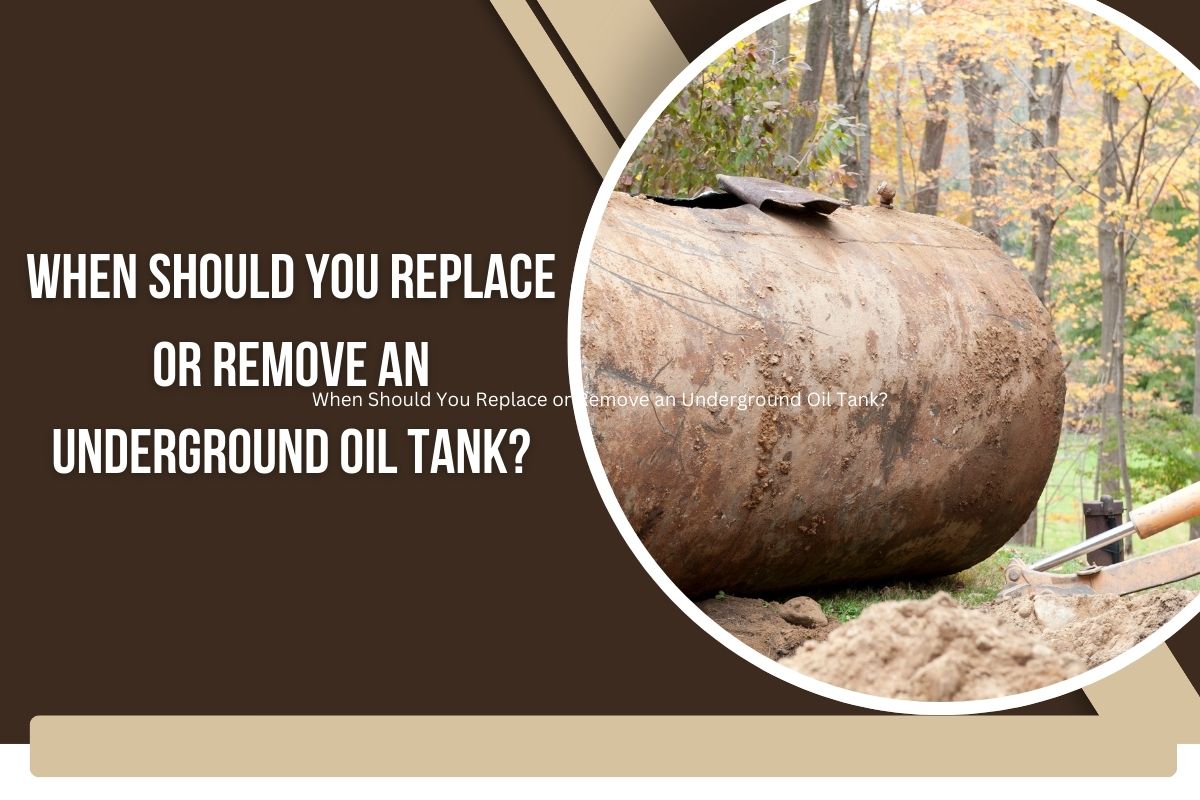
When Should You Replace or Remove an Underground Oil Tank?

Underground oil tanks were a common function in lots of houses and businesses, mostly for heating functions. However, those tanks can pose widespread environmental and financial dangers in the event that they end up vintage, corroded, or leak risky materials into the soil and groundwater. Knowing when to update or eliminate an underground oil tank is crucial to protective your property, the environment, and your investment. In this weblog, we are able to discover the signs and symptoms that indicate the want for elimination or replacement, the risks of keeping an outdated tank, and the blessings of proactive upkeep.

Signs That Your Underground Oil Tank Needs Attention

Age of the Tank

One of the primary elements to keep in mind is the age of your underground oil tank. Most metal tanks have a lifespan of 15 to 30 years, depending on environmental conditions and renovation. If your tank is approaching or exceeding this range, it’s miles surprisingly advocated to assess its situation and consider alternative or elimination to keep away from capability leaks.

Visible Corrosion or Rust

Over time, underground oil tanks can corrode because of publicity to moisture and soil chemical compounds. If you note rust on uncovered elements of the tank, it’s miles a strong indication that the integrity of the shape may be compromised. A corroded tank is at a better threat of leaking, that may cause high-priced environmental remediation.

Unexplained Increase in Fuel Consumption

A surprising spike in gasoline intake could suggest that your oil tank is leaking. If your heating device is not ingesting extra oil due to extended usage, but you’re nonetheless wanting frequent refills, a leak may be present underground.

 Oil Odors in Your Home or Yard

If you come across a sturdy gasoline scent round your house, especially near wherein your underground oil tank is buried, this will be a sign of leakage. Even if the smell is faint, it need to no longer be not noted, as small leaks can turn into larger, extra dangerous issues over the years.

Soil or Water Contamination

Oil leaks from underground tanks can seep into the encircling soil and water sources, causing environmental damage. If you note useless plants, blackened soil, or an oily sheen on nearby water sources, these may be symptoms of an oil spill. In such cases, instant removal of the tank is vital to save you similarly harm.

Tank Testing Results Indicate Issues

If you are unsure approximately the circumstance of your underground oil tank, expert trying out can provide clarity. Hydrostatic testing, soil checking out, and stress checks can monitor leaks or weaknesses in the tank. If these exams imply a trouble, elimination or replacement should be considered right away.

Risks of Keeping an Outdated Underground Oil Tank

Failing to replace or get rid of an getting old underground oil tank can bring about several dangers, such as:

Environmental Damage: Leaking oil contaminates the soil and groundwater, main to high-priced cleanup processes and capacity felony liabilities.

Property Devaluation: Properties with vintage or leaking oil tanks may be difficult to sell, as shoppers may additionally hesitate because of capacity cleanup costs and environmental issues.

Health Hazards: Oil leaks can release dangerous fumes and pollution that pose health dangers to you and your family.

Expensive Repairs: The longer a leaking tank remains in vicinity, the extra luxurious the remediation method can be. Addressing the difficulty early can save widespread cash in the end.

Replace the Tank If:

You nonetheless depend upon oil heating and want to upgrade to a more modern, safer tank.

Your cutting-edge tank is displaying early signs of wear and tear however has not but leaked.

You need to prevent capacity problems without transitioning away from oil heating.

Remove the Tank If:

The tank has already leaked, and contamination is detected.

You plan to interchange to an opportunity heating gadget, along with herbal fuel or electric powered heating.

You are selling your private home and need to keep away from complications with buyers.

Local regulations require the elimination of previous underground oil tanks.

The Process of Removing an Underground Oil Tank

If you make a decision to do away with your underground oil tank, observe those steps:

Hire a Licensed Professional: Removing an underground oil tank is a specialised mission that requires allows and compliance with environmental policies.

Empty and Clean the Tank: Before excavation, the tank have to be emptied and cleaned to dispose of residual oil.

Excavate the Tank: The contractor will dig around the tank and carefully carry it from the ground.

Inspect and Assess Soil Conditions: If infection is discovered, additional remediation efforts will be vital.

Proper Disposal: The removed tank need to be disposed of following nearby environmental suggestions.

Restore the Site: Once the tank is removed, the excavation web page can be filled and restored to its unique situation.

Conclusion

Replacing or doing away with an underground oil tank is a responsible choice that can save you environmental hazards, financial burdens, and felony liabilities. If your tank is old, corroded, or leaking, taking motion sooner rather than later will save you from costly repairs and ability infection. Whether you opt for substitute or entire removal, hiring  Simple Tank Services which will make certain a safe and compliant method. If you think that your underground oil tank needs interest, don’t wait—time table an inspection and take proactive steps to guard your private home and the environment.

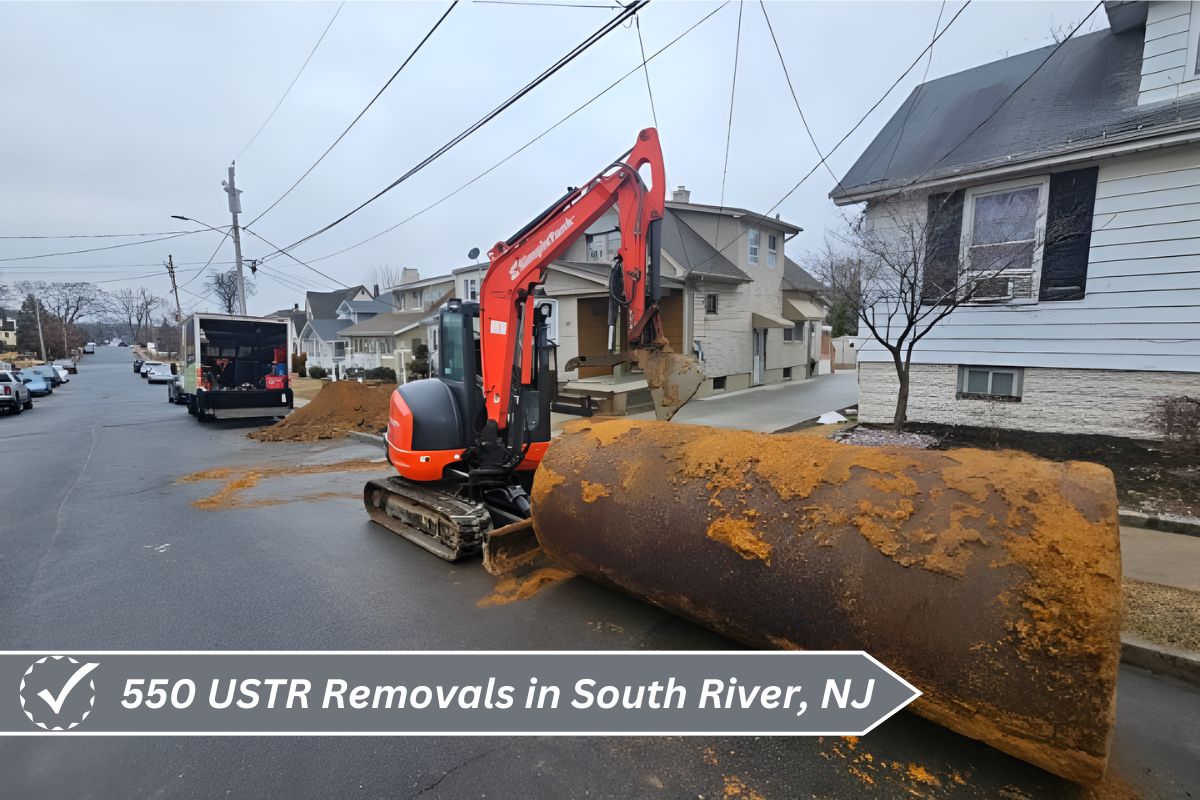
Successful 550-Gallon UST Removal in South River, NJ

Underground storage tanks (USTs) can be a hidden liability, especially when they’ve been in place for decades. Recently, we completed a 550-gallon UST removal in South River, NJ, ensuring a smooth and safe process for our client.

The Challenge: A Long-Buried Oil Tank

Our client had an old tank that had been storing fuel for the past 35 years. With concerns about potential leaks and environmental risks, they decided to take proactive action before it could cause any issues.

Like many homeowners, they were unsure about the condition of the tank or the potential costs associated with soil contamination. That’s where our expertise came in—guiding them through every step of the process.

Our Approach: Safe & Efficient Tank Removal

From the initial site assessment to the final backfilling, we handled the entire project with precision:

Permitting & Compliance: We secured all necessary permits and ensured compliance with state and local regulations.

Excavation & Tank Extraction: Using specialized equipment, we carefully unearthed and removed the tank without damaging the surrounding property.

Soil Testing & Safety Checks: After removal, we conducted soil testing to confirm there was no contamination. Fortunately, the results came back clean, saving the homeowner from costly remediation.

Final Restoration: The excavation site was restored to its original condition, leaving no trace of the underground tank.

Why Timely UST Removal Matters

Abandoned USTs can lead to leaks, soil contamination, and expensive cleanup costs. Many homeowners don’t realize they’re responsible for any environmental damage caused by an old tank. By addressing the issue now, our client was able to prevent future risks and costly repairs.

Trusted Oil Tank Removal Services in South River, NJ

If you have an aging underground oil tank, don’t wait for problems to arise. Our professional team is here to provide safe, compliant, and efficient UST removal services. Contact us today to schedule an assessment and protect your property.


Is Your Underground Oil Tank Leaking? Here’s What to Do

Underground oil tanks have been once a commonplace functions in homes and business homes, providing an efficient manner to store heating oil. However, through the years, those tanks can corrode, leak, and cause enormous environmental and financial troubles. If you suspect your underground oil tank is leaking, immediate movement is vital to save you infection and luxurious upkeep. Here’s what you want to realize approximately detecting, addressing, and preventing underground oil tank leaks.

Signs of a Leaking Underground Oil Tank

Early detection of an oil tank leak can save you from vast harm and regulatory fines. Here are some common symptoms that your underground oil tank can be leaking:

Unusual Odors – A strong oil scent for your basement, backyard, or close to the tank place can indicate a leak.

Discolored Soil or Grass – If you observe dead vegetation or darkened soil above the tank location, oil leakage might be the motive.

Oil Sheen on Water Surfaces – If oil is leaking into groundwater, you may see an oily sheen on puddles, nearby streams, or properly water.

Sudden Increase in Heating Oil Consumption – If your oil stages drop greater quicker than ordinary without increased usage, leakage will be going on.

Stains in the Basement or Near the Tank Location – Dark stains on walls, floors, or foundations close to the oil traces would possibly sign a slow leak.

Frequent Heating Issues – If your heating machine stories frequent malfunctions or air blockages, it is able to be because of oil loss from a leaking tank.

Steps to Take If Your Underground Oil Tank Is Leaking

If you suspect your underground oil tank is leaking, it’s critical to behave quickly. Follow these steps to minimize damage and ensure a safe decision:

Stop Using the Oil Tank

Immediately give up using the tank to prevent leakage. If the heating machine remains drawing oil, it may boost up the leak and cause greater environmental harm.

Contact a Licensed Oil Tank Removal Specialist

Reach out to an authorized expert skilled in underground oil tank removal and remediation. They can investigate the situation, check for leaks, and recommend the satisfactory course of movement.

Conduct a Soil and Groundwater Test

A professional will perform a soil and groundwater test to determine the extent of contamination. These exams help perceive whether or not the oil has spread beyond the tank place.

Notify Local Environmental Authorities

Depending on neighborhood regulations, you may be required to record the leak to environmental businesses. Some states impose strict tips on oil tank leaks, so it’s critical to conform with prison requirements.

Remove the Contaminated Soil

If the leak has unfolded, excavation of the contaminated soil may be necessary. An expert remediation group will deal with the safe removal and disposal of unsafe substances.

Consider Tank Removal or Abandonment

You will need to decide whether or not to dispose of the tank completely or abandon it in the vicinity. If the tank is past restoration, elimination is commonly the best choice. In some cases, abandonment via filling the tank with sand or foam can be an opportunity if removal is just too disruptive.

Test and Remediate Groundwater

If the oil leak has reached groundwater resources, extra remediation steps including pumping out infected water, putting in filtration structures, and ongoing monitoring can be required.

Install a New, Safe Heating System

If you still want heating oil, recollect upgrading to an above-floor tank or changing to an opportunity heating source, which include natural fuel or electric heating.

Preventing Future Leaks

To keep away from future oil tank leaks, follow these preventive measures:

Regular Inspections – Have your underground oil tank inspected yearly by an expert.

Monitor Oil Levels – Keep a watch on oil intake patterns to detect ability leaks early.

Replace Aging Tanks – If your underground oil tank is extra than 20-30 years old, recollect changing it with a current, leak-resistant model.

Install Leak Detection Systems – Use sensors and alarm systems to come across leaks earlier than they end up severe.

Choose Environmentally Friendly Heating Options – Switching to cleanser electricity sources like herbal fuel or heat pumps can remove the dangers associated with oil tanks.

Final Thoughts

A leaking underground oil tank is a critical problem that requires immediate interest. Ignoring it is able to result in soil and water contamination, hefty fines, and pricey cleanup expenses. By recognizing the warning signs and symptoms and taking fast motion, you could defend your property, health, and the surroundings. If you think there is a leak, don’t wait—contact a Simple Tank Services today for a thorough inspection and remediation plan.


The Importance of Soil Testing for Healthier, More Productive Gardens

Horticulture can be one of the most assigned activities, not only Frisk, Homegrown production, but also a peaceful place to relax and contact nature. However, the cultivation of a rich garden requires just more than water, sunlight and seeds. Healthy soil is the basis for any successful garden. Whether you grow vegetables, flowers or even a juicy lawn, soil quality plays an important role in plant health and productivity. It is one of the most effective methods to ensure that the soil is up to function, through regular soil testing.

In this blog we will find out why the soil testing is so important, how it can be of benefit to your garden, and what steps you can take to take the maximum benefit from your results.

What is soil test?

Soil testing is the process of analyzing soil samples to determine nutritional content, ph level and general health. Testing shows the fertility of the earth, the ability to maintain moisture and the presence of toxins or deficiencies that may affect the growth of the plant. Results for soil testing are necessary to help the gardeners determine what kind of soil change or fertilizer is needed to improve soil health and to ensure that the correct position for plants to bloom is.

Why is Soil Testing Important?

Identifies Nutrient Deficiencies and Imbalances

Soil is home to a wide array of nutrients that plants need to grow, including nitrogen, phosphorus, potassium, calcium, magnesium, sulphur, and trace elements like iron and manganese. However, not all soils are created equal. Some may lack certain essential nutrients or have an excess of others.

By conducting a soil test, you can identify specific nutrient deficiencies or imbalances in your soil. For instance, if your plants are showing signs of yellowing leaves (a potential symptom of nitrogen deficiency) or poor root development (often caused by low phosphorus), a soil test will provide the evidence needed to address these issues.

Once the results are in, you can amend the soil with the right fertilizers or organic materials to correct the deficiencies and bring your soil’s nutrient levels into balance.

Improves Soil pH Levels

The pH level of soil is a measure of its acidity or alkalinity. Plants have preferred pH ranges in which they grow best, and this can vary greatly between species. For example, blueberries thrive in acidic soil with a pH of 4.5 to 5.5, while most vegetables prefer a neutral pH between 6.0 and 7.0.

Soil that is too acidic or too alkaline can stunt plant growth and reduce yields. Soil testing provides precise pH readings, allowing you to take action if the soil is too acidic or alkaline. For example, adding lime can raise the pH (making it more alkaline), while sulphur can lower the pH (making it more acidic).

Promotes Better Fertilization Practices

Over-fertilizing or the usage of the wrong form of fertilizer is a not unusual mistake made with the aid of many gardeners. Not only can this be a waste of time and money, but it can also damage the surroundings. Excessive use of fertilizers can lead to runoff that pollutes close by water assets, and it may even damage flora by inflicting nutrient imbalances or toxicities.

Soil testing offers unique facts approximately the nutrients your soil already consists of, supporting you’re making greater knowledgeable decisions approximately fertilization. Instead of guessing or the use of accepted fertilizers, you can apply the right amount of the proper nutrients exactly wherein they may be wished.

Enhances Plant Growth and Yields

When your soil is nicely balanced with the right nutrients, pH degrees, and natural matter, plants can develop strong and healthful. A healthful soil atmosphere promotes higher root development, progressed water retention, and extended resistance to sicknesses and pests.

This interprets to healthier plants with improved yields. Whether you’re growing a vegetable lawn or flower beds, soil checking out guarantees your vegetation have the excellent possible start and retain to thrive all through the developing season.

Saves Money and Reduces Waste

Soil testing is a value-effective way to improve your lawn’s productiveness. Instead of buying numerous fertilizers and amendments blindly, you may recognition on exactly what your soil wishes. This saves you cash in the long run via preventing the unnecessary buy of merchandise that might not advantage your garden.

In addition, soil checking out reduces waste through assisting you avoid overuse of chemical compounds and fertilizers, making your gardening practices more sustainable.

How to Conduct Soil Testing

Collecting the Soil Sample

To get an accurate result, it’s critical to acquire a representative sample of your soil. Use a clean trowel or soil probe to gather samples from numerous locations round your garden. Take samples from four-6 inches deep for most flowers, or deeper for larger plants like bushes. Mix the samples together in a clean bucket to create a composite pattern.

Sending the Sample to a Lab

Once you’ve gathered your soil sample, you could both use a neighbourhood checking out package or ship it to a expert soil checking out laboratory. Many agricultural extension offerings or garden facilities offer soil checking out services. The lab will analyze your pattern and provide a detailed document of the outcomes.

Interpreting the Results

The soil take a look at outcomes will consist of facts approximately nutrient stages, pH, and any hints for amendments. Pay attention to any nutrient deficiencies or imbalances and recall applying the advised treatments, whether it’s adding lime to raise pH or incorporating natural compost to enhance soil structure.

Conclusion

Soil testing is an invaluable tool for any gardener looking to achieve healthier, more productive plants. It helps you understand the specific needs of your soil, allowing you to make targeted adjustments that improve soil fertility, structure, and pH. With services like Simple Tank Services, you can easily access soil testing and expert advice to take your garden to the next level. Healthy soil equals healthy plants, and by investing in soil testing, you’re setting your garden up for long-term success and sustainability.

Why Soil Remediation Matters for Your Property

Soil infection is a pressing trouble that could substantially affect both residential and industrial homes. Whether due to business hobby, leaking underground storage tanks, or unintended chemical spills, contaminated soil can pose serious dangers to human health, the surroundings, and assets cost. Soil remediation is the technique of putting off or neutralizing pollution within the soil to repair its protection and value. If you own a belongings, understanding the importance of soil remediation can help guard your funding and make a contribution to a cleanser environment.

Understanding Soil Contamination

Soil contamination takes place while dangerous substances, consisting of heavy metals, petroleum products, insecticides, or industrial chemical compounds, seep into the floor. These contaminants can originate from numerous assets, which include:

Underground garage tanks – Leaking oil or fuel tanks can launch harmful chemicals into the soil.

Industrial waste – Factories and manufacturing flora may additionally depart at the back of residues of toxic substances.

Pesticides and fertilizers – Excessive use of chemical compounds in agriculture can result in soil degradation.

Improper waste disposal – Landfills and dumping web sites may also contain dangerous substances that leach into the soil.

Over time, these contaminants can spread, affecting groundwater, flora, and even the air. If left untreated, soil infection can pose critical threats to public health and the encircling surroundings.

The Impact of Soil Contamination on Property

Contaminated soil will have intense outcomes for property owners, together with:

Health Risks – Pollutants in the soil can disclose citizens and workers to pollution thru direct touch, inhalation, or contaminated water sources. Long-term period publicity to sure contaminants can lead to breathing problems, skin disorders, or even intense illnesses like most cancers.

Decline in Property Value – An asset with contaminated soil is less suitable to buyers and investors. Potential customers may be hesitant due to the costs and liabilities related to remediation.

Legal and Regulatory Issues – Property proprietors are chargeable for making sure that their land meets environmental safety guidelines. If contamination is detected, the government might also impose fines or require obligatory cleanup efforts.

Environmental Damage – Contaminated soil influences surrounding ecosystems, harming plant and animal lifestyles and lowering biodiversity. It can also make contributions to water pollution while pollutants seep into nearby streams and groundwater assets.

How Soil Remediation Benefits Your Property

Soil remediation is a crucial step in addressing contamination issues and restoring land to a secure and functional country. Here’s why making an investment in soil remediation matters for your own home:

Enhances Property Value

Remediating infected soil notably will increase assets value via making the land safe for improvement or resale. An asset with clean, uncontaminated soil is more attractive to potential customers and investors, leading to higher monetary returns.

Ensures Compliance with Environmental Regulations

Many neighbourhood and federal agencies have strict environmental policies that belongings owners ought to comply with. Conducting soil remediation helps you meet these standards, heading off legal consequences and ability liabilities.

Protects Public Health

Removing contaminants from the soil reduces the chance of exposure to dangerous materials. Whether you personal residential, commercial, or agricultural land, soil remediation guarantees a more secure environment for occupants, people, and surrounding groups.

Prevents Further Environmental Damage

Timely remediation prevents the unfolding of contaminants close to water resources, plants, and the natural world. By taking motion early, property owners make a contribution to a more fit environment and minimize lengthy-term environmental impact.

Prepares Land for Future Development

If you plan to expand or amplify your home, soil remediation is vital for ensuring a stable basis. Clean soil affords a solid and safe base for construction projects, lowering capability delays and extra costs within the future.

Common Soil Remediation Techniques

There are several effective techniques for soil remediation, relying on the kind and severity of infection. Some of the most widely used strategies include:

Bioremediation – Uses microorganisms to interrupt down pollutants evidently.

Soil Excavation – Contaminated soil is physically removed and replaced with easy soil.

Chemical Treatment – Introduces chemical compounds to neutralize or wreck down toxins.

Thermal Remediation – Uses warmth to spoil contaminants inside the soil.

Soil Vapor Extraction – Removes volatile contaminants via a vacuum machine.

Each approach has its benefits and is selected based totally on the particular contaminants gift and the level of contamination.

When to Consider Soil Remediation

If you believe you studied soil infection in your private home, it’s miles important to conduct an expert soil evaluation. Some signs and symptoms that suggest they want for soil remediation consist of:

Unusual odors : A chemical or petroleum-like smell coming from the soil.

Discolored soil : Unexplained changes in soil shade or texture.

Dead or unhealthy plants : Plants struggling to grow or dying unexpectedly.

Nearby industrial hobby : Proximity to factories, gasoline stations, or waste disposal sites.

Consulting with an environmental specialist or remediation business enterprise can help determine the extent of contamination and the best route of motion.

Final Thoughts

Soil remediation is a vital procedure that protects asset price, ensures regulatory compliance, and promotes a fit environment. Whether you personal a residential or commercial property, addressing soil infection early can save you from luxurious prison and fitness-associated troubles within the future. By making an investment in soil remediation, you’re not simply safeguarding your property but additionally contributing to a cleaner and greater sustainable international. If you observed infection for your land, talk over with a Simple Tank Services to explore the fine answers for your home.


Avoiding Fines and Liability: The Importance of Oil Tank Removal

Underground oil tanks had been as soon as a not unusual feature in lots of homes and commercial houses, in general used for heating functions. However, through the years, these tanks can go to pot, corrode, and potentially leak hazardous materials into the encompassing soil and groundwater. Failing to nicely get rid of an underground oil tank can result in good sized fines, criminal liabilities, and environmental harm. This blog will discover the significance of oil tank elimination, ability risks, and how belongings owners can keep away from high-priced consequences.

Understanding the Risks of Underground Oil Tanks

Underground oil tanks pose several dangers to both the surroundings and asset owners. Over time, these tanks can rust and develop leaks, freeing oil into the soil and close by water resources. This infection will have serious environmental influences, which includes:

Soil Contamination:

Leaking oil can seep into the floor, making it difficult and luxurious to remediate.

Groundwater Pollution:

Contaminated groundwater can pose health dangers to nearby communities and wildlife.

Property Devaluation:

An undisclosed underground oil tank can lessen belongings prices and deter potential shoppers.

Fire Hazards:

Oil leaks can pose tremendous fire dangers, specifically if the leaked fabric comes into touch with an ignition supply.

Legal Consequences of Not Removing an Oil Tank

Many states and municipalities have strict policies concerning underground oil tanks. Property owners who fail to comply with these guidelines can face hefty fines and prison action. Some of the capability legal and monetary effects encompass:

Regulatory Fines:

Local and kingdom environmental agencies impose fines for non-compliance with oil tank rules.

Cleanup Costs: 

If contamination is determined, belongings owners are answerable for high-priced remediation efforts.

Lawsuits: 

Third parties stricken by oil infection, which include friends or local water authorities, may report lawsuits.

Insurance Issues: 

Many insurance policies do no longer cover damages associated with underground oil tank leaks, leaving property proprietors financially susceptible.

Signs It’s Time for Oil Tank Removal

If you own older assets or suspect the presence of an underground oil tank, it’s important to be aware about caution signs and symptoms that indicate they want for elimination. Some not unusual indicators encompass:

The presence of unexplained oil odors around your house.

Unusual patches of useless plant life or soil discoloration.

Rising heating payments due to leaks and inefficiencies.

Visible corrosion or damage to above-floor additives connected to the tank.

The Oil Tank Removal Process

Removing an underground oil tank is a multi-step technique that ought to be dealt with through certified specialists to make sure compliance with all regulations and safety requirements. The usual oil tank removal manner consists of:

Assessment and Inspection: 

A professional will verify the situation of the tank and decide the first-rate path of action.

Permitting: 

Proper permits ought to be obtained from nearby governments earlier than elimination begins.

Tank Excavation: 

The region around the tank is carefully excavated to avoid further contamination.

Tank Cleaning and Disposal: 

The tank is drained, cleaned, and correctly disposed of at a licensed facility.

Soil Testing: 

After removal, soil checking out is carried out to ensure no infection remains.

Site Restoration: 

Once the tank is eliminated, the web site is backfilled and restored to its authentic circumstance.

How to Avoid Fines and Liability

To prevent felony and financial repercussions, belongings owners must take proactive steps, which include:

Conducting Regular Inspections:  

Routine inspections can help discover leaks early and prevent most important problems.

Hiring Licensed Professionals: 

Ensure that certified and certified contractors take care of the elimination manner.

Staying Informed on Regulations: 

Familiarize yourself with nearby and state laws regarding underground oil tanks.

Proper Documentation: 

Keep facts of any inspections, removals, and soil tests for future reference.

Conclusion

Underground oil tank elimination is vital for protecting each the environment and belongings owners from high priced fines and liabilities. If left unaddressed, these tanks can cause extreme environmental damage, devalue property, and lead to enormous criminal and financial outcomes. By staying proactive and in search of expert assistance, belongings proprietors can make certain a safe and compliant oil tank elimination process. Don’t wait until it’s too late – take action these days to avoid fines and liabilities associated with underground oil tanks. Simple Tank Services offers expert solutions to help with professional and hassle-free oil tank removal, ensuring compliance and peace of mind.


How to Ensure a Smooth Underground Oil Tank Removal Process

If your property still is based on an underground oil tank for heating, it is crucial to don’t forget the potential risks and the significance of right elimination whilst the time comes. An outdated or deteriorating underground oil tank can lead to serious environmental hazards, including leaks and soil infection. To keep away from those problems and make certain a easy underground oil tank elimination manner, it is important to observe some critical steps. Here’s a manual on the way to make the technique as seamless and safe as feasible.

Consult a Professional for Inspection

Before identifying to proceed with underground oil tank elimination, it is crucial to consult a professional to investigate your tank. Many homeowners are unaware that their oil tanks may already be leaking or near the stop in their lifestyles span. A expert inspection will provide you with perception into the condition of the tank, its vicinity, and any potential risks of contamination within the surrounding soil. This assessment enables plan for the safe and proper elimination of the tank, making sure minimum effect on your house.

Check Local Regulations and Permits

Every country and local jurisdiction has extraordinary rules and policies concerning underground oil tank removal. Be certain to test together with your nearby government or an authorized elimination organisation to decide if a permit is required. Obtaining the right allows ensures which you are following the law and protective your property from ability fines or prison problems.

In a few areas, you might want to lease a certified contractor who is skilled in underground oil tank removal, because the procedure regularly requires special system and expertise of environmental legal guidelines.

Hire a Licensed and Experienced Removal Company

When it includes underground oil tank removal, you want to paintings with specialists who are knowledgeable and experienced in handling such responsibilities. Look for a organization that focuses on underground oil tank elimination, as this guarantees that the removal may be performed effectively and successfully. An experienced contractor may want to have the proper tools, strategies, and lets in to eliminate the tank, eliminate it responsibly, and make certain that your property is left in suitable condition.

Plan for the Excavation Process

Removing an underground oil tank often entails excavation. A expert will need to dig up the region across the tank to soundly access it, which could from time to time motive disruptions in your backyard or landscaping. It’s vital to plan hence and clear the places across the tank for clean get right of entry to. Your contractor ought to provide an explanation for the excavation method to make certain you’re aware of the capacity effect on your own home and the stairs taken to shield it at some stage in the elimination.

Tank Disposal and Cleanup

Once the tank is eliminated, proper disposal is crucial to make sure environmental protection. Tanks ought to be disposed of in line with local rules, and any oil or sludge in the tank have to be treated as it should be. After the tank is eliminated, a cleanup of the surrounding soil is often essential, specifically if there was any contamination. The elimination organization can also need to conduct soil checking out to decide if remediation is needed.

Consider Post-Removal Soil Testing

After the underground oil tank is removed, soil checking out is a crucial step. If there was any leakage or contamination from the oil tank, it’s vital to ensure that the encircling soil is wiped clean and loose from any harmful substances. In some cases, additional environmental work may be had to restore the assets. A thorough soil take a look at will affirm that your own home is secure from any lingering oil contamination.

Prepare for the Final Inspection

Once the tank is eliminated and the cleanup system is whole, many jurisdictions require a very last inspection to make sure that the website online is secure and that each one local codes were accompanied. This inspection will verify that the removal become carried out efficiently, the soil is easy, and any lets in are in order. Be sure to time table this inspection with the right government and maintain all essential office work for destiny reference.

Conclusion

Adjusting to underground oil tank removal may look like a daunting assignment; however with the proper planning and professional help, it may be a easy and efficient process. From inspection and allows to disposal and submit-removal trying out, following those steps guarantees that your underground oil tank is competently and legally removed. Protect your property and the surroundings by means of working with Simple Tank Services in New Jersey and making sure your own home is free from potential risks. Whether you’re getting ready for a brand new heating device or promoting your home, a smooth underground oil tank removal method will give you peace of mind.

If you’re looking to eliminate your underground oil tank, do not hesitate to discuss with professionals who can guide you thru every step of the manner.

Why Soil Remediation Is Key to Sustainable Land Development

When we think about sustainable land development, the focus often falls on energy efficiency, waste reduction, and renewable resources. However, there’s one critical component of sustainability that is often overlooked: soil health. Whether you’re developing land for residential, commercial, or industrial use, soil remediation plays a vital role in ensuring that development is not only successful but also environmentally responsible.

What Is Soil Remediation?

Soil remediation is the process of cleaning and restoring contaminated soil to a safe and healthy condition, often by removing or neutralizing harmful pollutants. This process helps make the land suitable for its intended use, whether for agriculture, construction, or development. Contaminants like heavy metals, pesticides, petroleum products, and industrial chemicals can build up in soil over time, rendering it unusable and unsafe for development or agriculture. Soil remediation methods include techniques like excavation, bioremediation, soil washing, and chemical treatments, all aimed at cleaning up these pollutants to restore the land’s natural balance.

Why Is Soil Remediation Essential for Sustainable Land Development?

Protecting Ecosystems and Public Health

Contaminated soil can cause serious environmental damage. When pollutants leach into groundwater, they can contaminate local water supplies, affecting both ecosystems and human communities. Soil remediation helps mitigate these risks by removing harmful substances and preventing further environmental degradation. By addressing these issues upfront, developers contribute to healthier ecosystems, safer communities, and cleaner water sources.

Meeting Regulatory Requirements

Many areas have strict regulations regarding soil quality, especially in urban or industrial zones. Before any construction or land development project begins, proper soil testing and remediation are often required to meet environmental standards. Failure to address contamination can lead to legal complications, fines, and delays, which can be costly and time-consuming for developers.

Restoring Land for Future Use

Land that is contaminated or degraded due to previous industrial activities or neglect can be difficult or impossible to develop. Soil remediation helps make these properties viable for new construction, transforming once-polluted sites into valuable real estate. This is especially important in urban redevelopment projects, where vacant or underutilized land can be revitalized to create affordable housing, green spaces, or commercial developments.

Enhancing Property Value

A clean, healthy site is much more attractive to potential buyers or tenants. If you’re developing land for residential or commercial purposes, investing in soil remediation can increase the property’s value. Remediated land is safer, more stable, and more appealing, making it a sound investment for long-term growth and profitability.

Promoting Sustainable Practices

In today’s world, sustainability is a key priority. Sustainable land development isn’t just about minimizing waste or reducing energy consumption—it also involves maintaining the health of the land itself. By incorporating soil remediation into your development plans, you’re committing to responsible land stewardship. This not only improves the environmental impact of your project but also demonstrates a long-term commitment to sustainability.

Supporting Local Agriculture

In agricultural communities, soil contamination can lead to a loss of fertile land, making it harder to grow crops and sustain local economies. Soil remediation restores the land’s ability to support agriculture, benefiting local farmers and food production. It helps reduce the use of synthetic fertilizers and pesticides by restoring the soil’s natural fertility.

The Process of Soil Remediation

Soil remediation is a multi-step process that typically begins with soil testing to determine the types and levels of contaminants present. Once the contaminants are identified, remediation experts can select the appropriate technique based on the severity of the contamination, the land’s intended use, and environmental conditions.

Some of the common methods include:

Excavation and Disposal: Contaminated soil is physically removed and replaced with clean soil.

Bioremediation: Natural organisms such as bacteria or fungi are used to break down pollutants.

Soil Washing: A chemical solution is used to extract contaminants from the soil.

Chemical Treatment: Contaminants are neutralized or transformed using specific chemicals.

Conclusion

Soil remediation is an essential element of sustainable land development, enabling developers to turn polluted or contaminated land into valuable, usable properties. By addressing soil contamination early in the process, you ensure that your development project meets regulatory standards, supports local ecosystems, and maximizes property value. If you are looking for professional soil remediation services to ensure your land development projects are safe and sustainable, contact Simple Tank Services today. Our expert team specializes in efficient soil cleanup, offering reliable solutions tailored to your specific needs.