Preparing Your Property for Oil Tank Removal: Tips from Experts

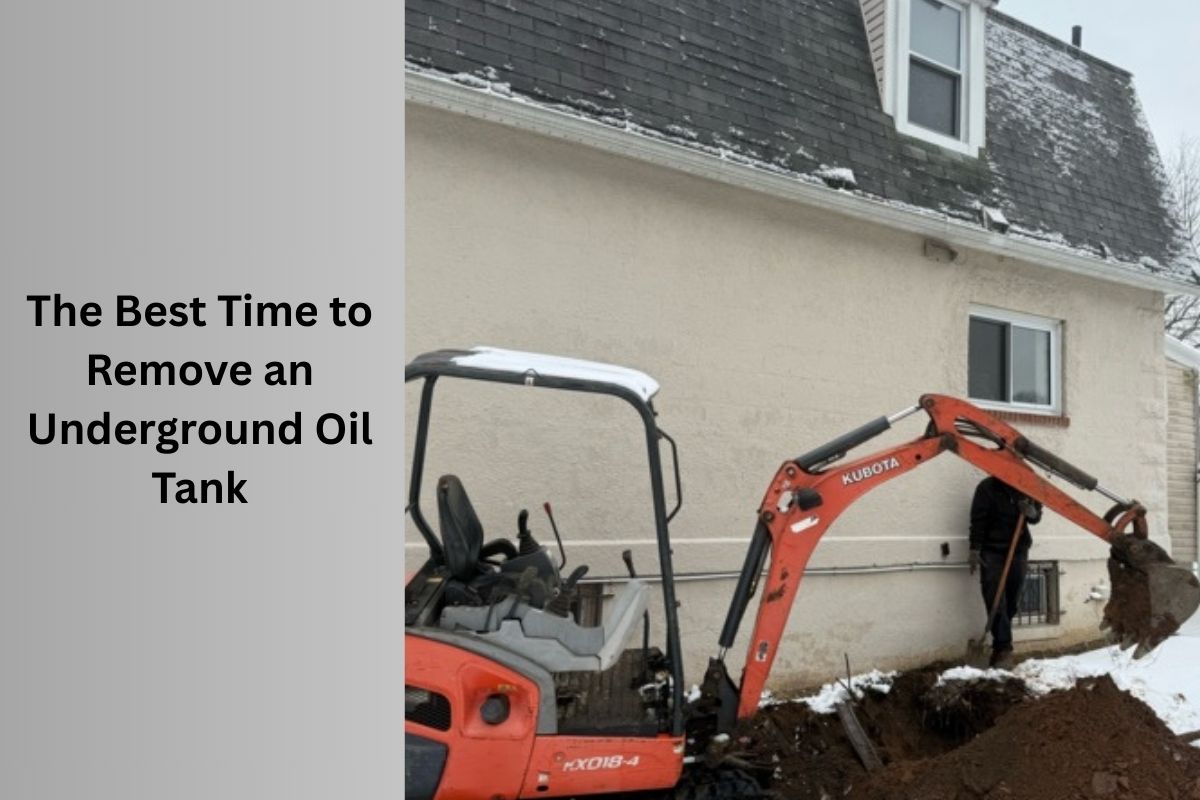
Removing an oil tank from your property is not as simple as digging it up and hauling it away. It involves a series of crucial steps that ensure safety, compliance with environmental laws, and the protection of your property’s value. Whether you are preparing for an underground or above-ground oil tank removal, taking the right preparatory measures can make the process smoother, faster, and more cost-effective. Here are some expert-recommended tips to help you get your property ready for a safe and efficient oil tank removal.

Understand the Importance of Proper Preparation

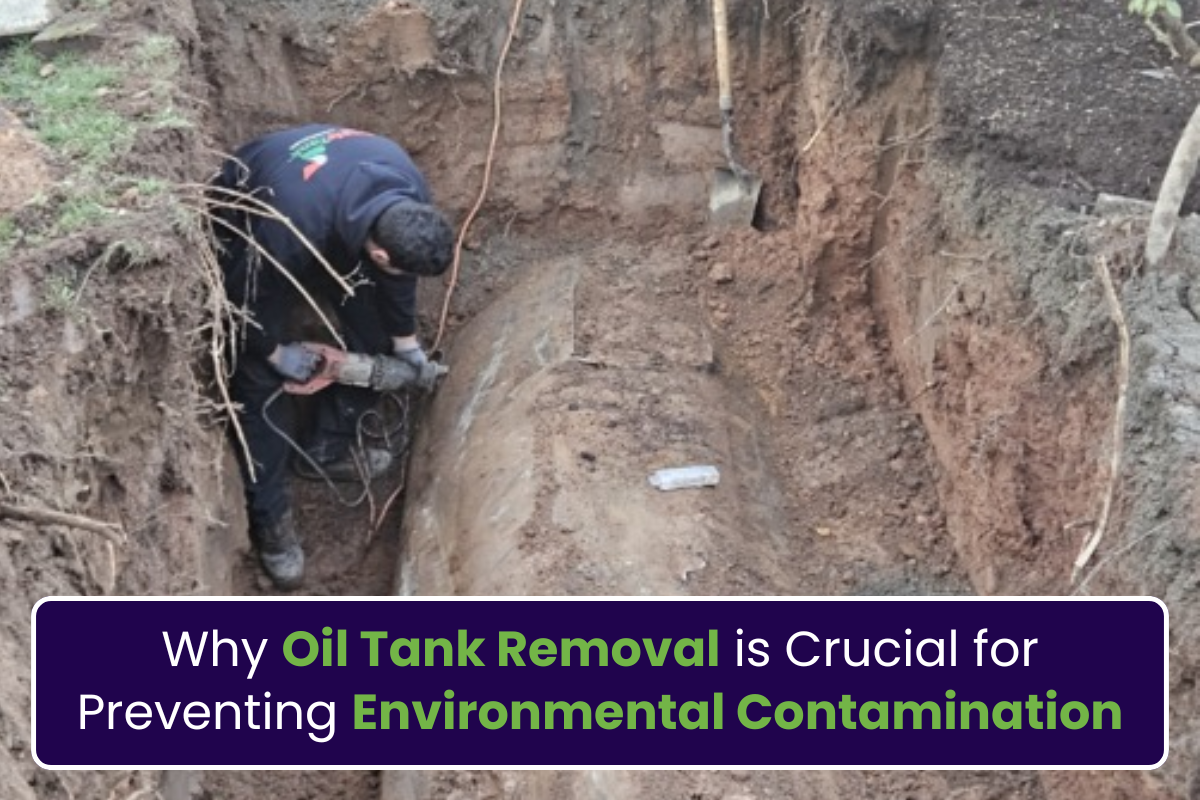
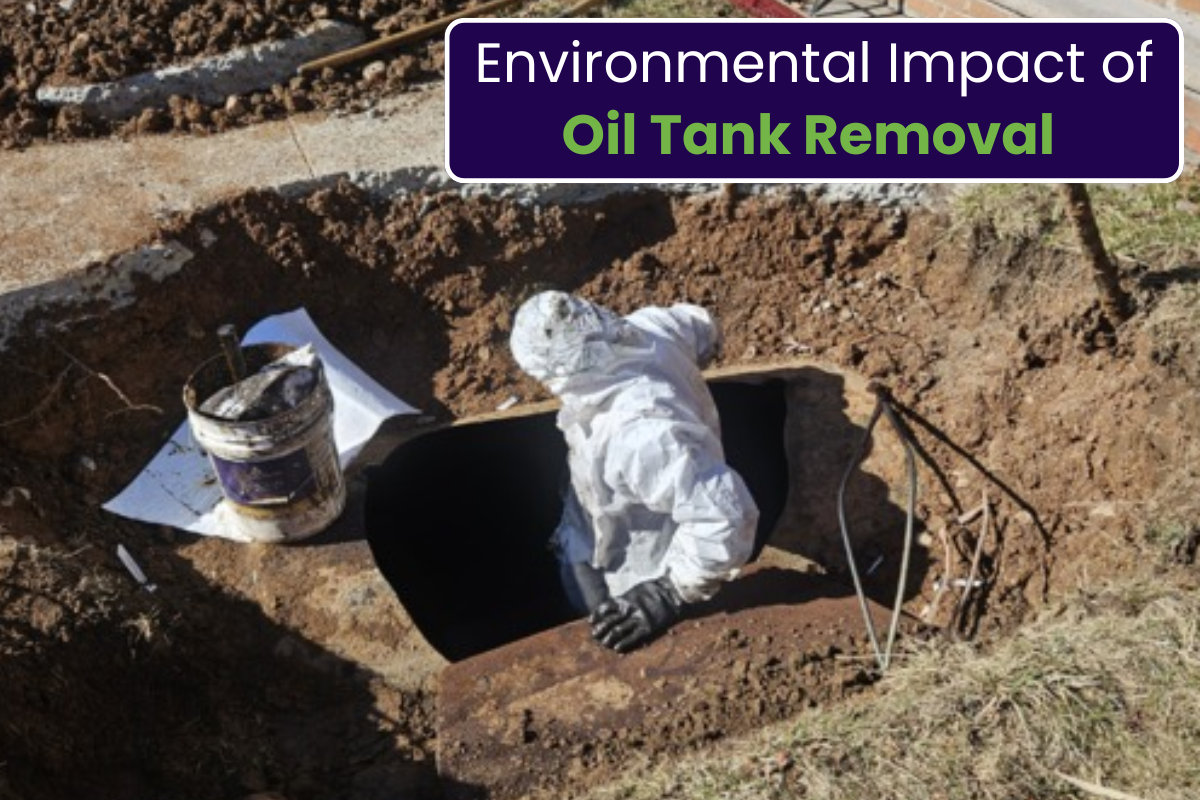
Oil tank removal is a complex task that requires careful planning. If not handled correctly, it can lead to soil contamination, fuel leaks, and even regulatory penalties. Proper preparation ensures that the removal process is compliant with local laws and minimizes risks to the environment and property. Before scheduling the job, it’s essential to know the type of tank installed, its location, and its condition. This helps the professionals create a removal plan tailored to your specific property needs.

Hire a Licensed Oil Tank Removal Company

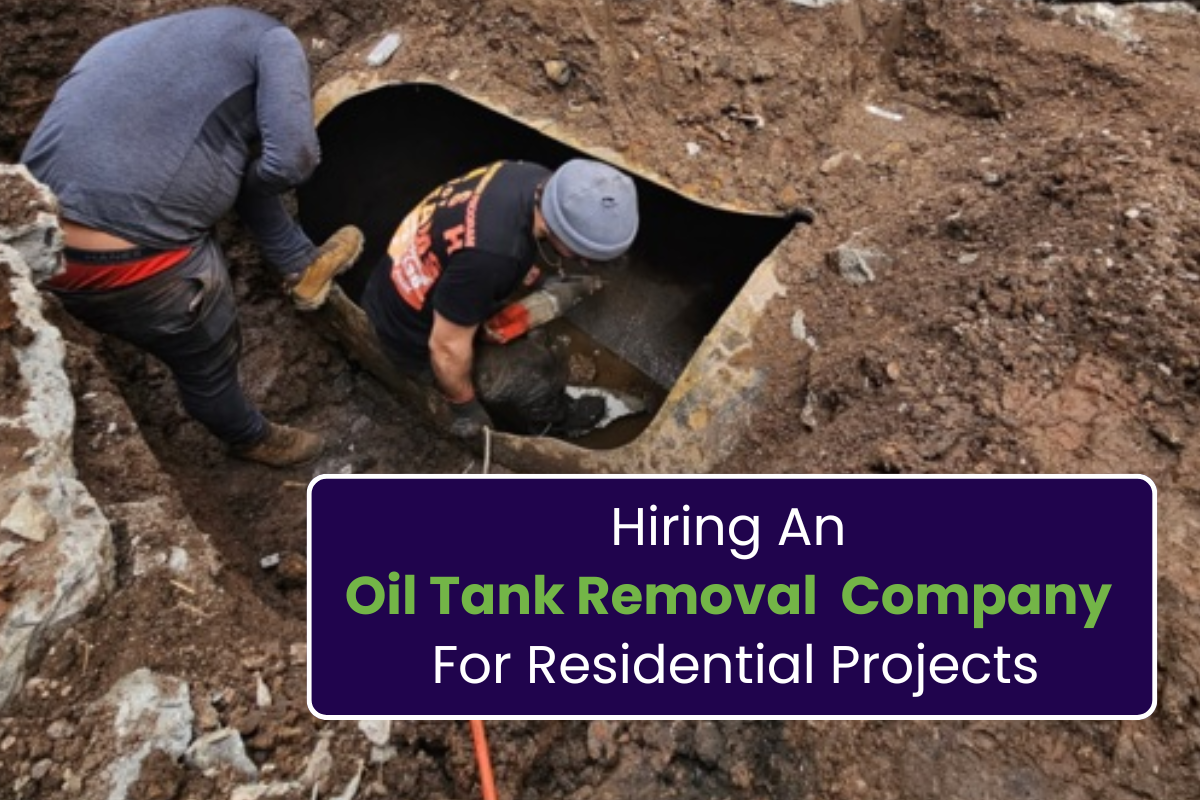
The most crucial step in preparing for oil tank removal is hiring a professional and licensed oil tank removal company. Experienced contractors understand the environmental regulations, safety standards, and technical requirements associated with tank removals. They will inspect your site, determine the best removal strategy, and handle permits or inspections required by local authorities. Working with experts ensures the job is completed safely and efficiently, without unexpected delays or costly mistakes. Always verify that the company is certified, insured, and experienced in both residential and commercial tank removals.

Schedule a Pre-Removal Inspection

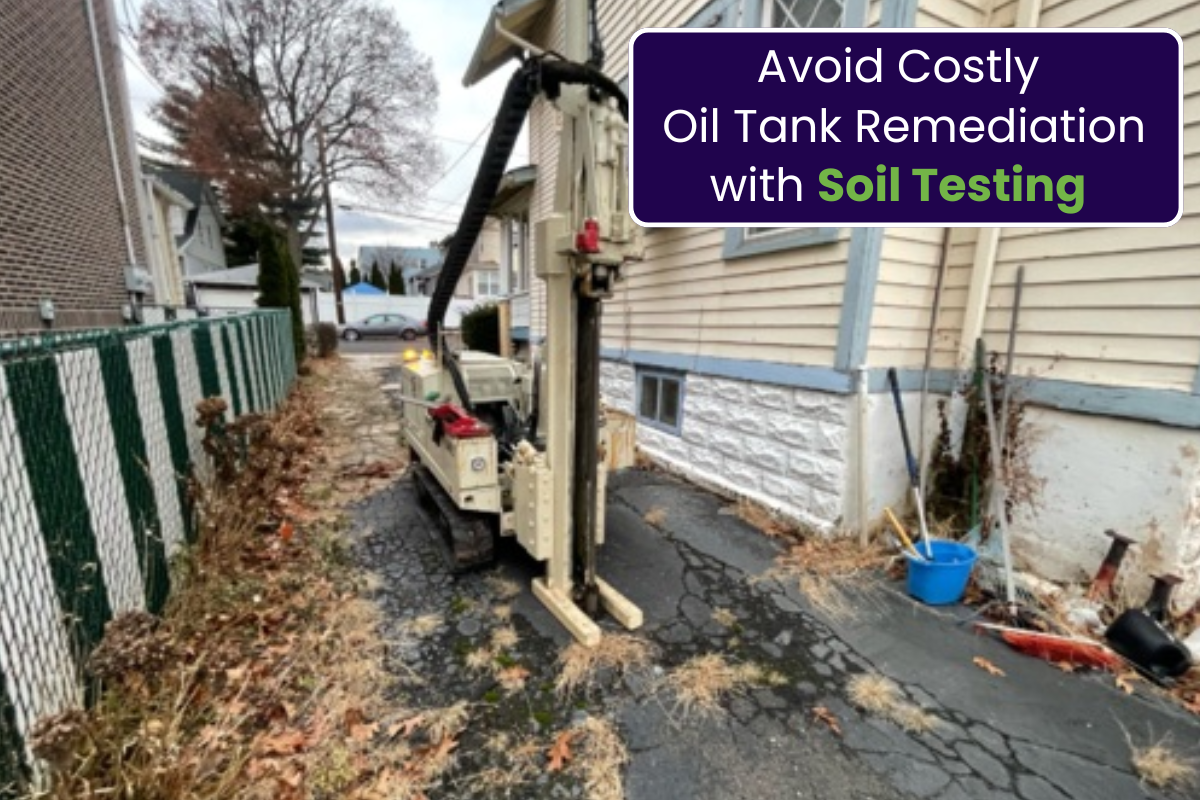
A professional inspection before the actual removal can identify potential challenges, such as leaks, corrosion, or soil contamination. During this stage, the technician may use ground-penetrating radar (GPR) or soil testing to assess the tank’s condition. This step is vital because it provides a clear understanding of whether the tank has been compromised and if remediation may be required afterward. A pre-removal inspection also helps the contractor estimate the time and cost involved more accurately.

Secure All Necessary Permits

Oil tank removal often requires permits from local environmental or building authorities. These permits ensure that the removal process complies with environmental safety standards. A professional oil tank removal company usually assists with filing the required paperwork and securing approvals on your behalf. However, as the property owner, you should confirm that all permits are in place before the project begins. Skipping this step can result in fines, delays, or legal complications later on.

Prepare the Surrounding Area

Before the removal team arrives, make sure the work area is accessible and free from obstacles. Clear away any outdoor furniture, vehicles, or landscaping materials that might obstruct equipment or personnel. If the tank is underground, ensure that the area above it is not covered with heavy structures, such as driveways or decks, which could complicate access. For indoor or basement tanks, clear pathways to allow workers to move safely in and out of the space.

Drain and Clean the Tank

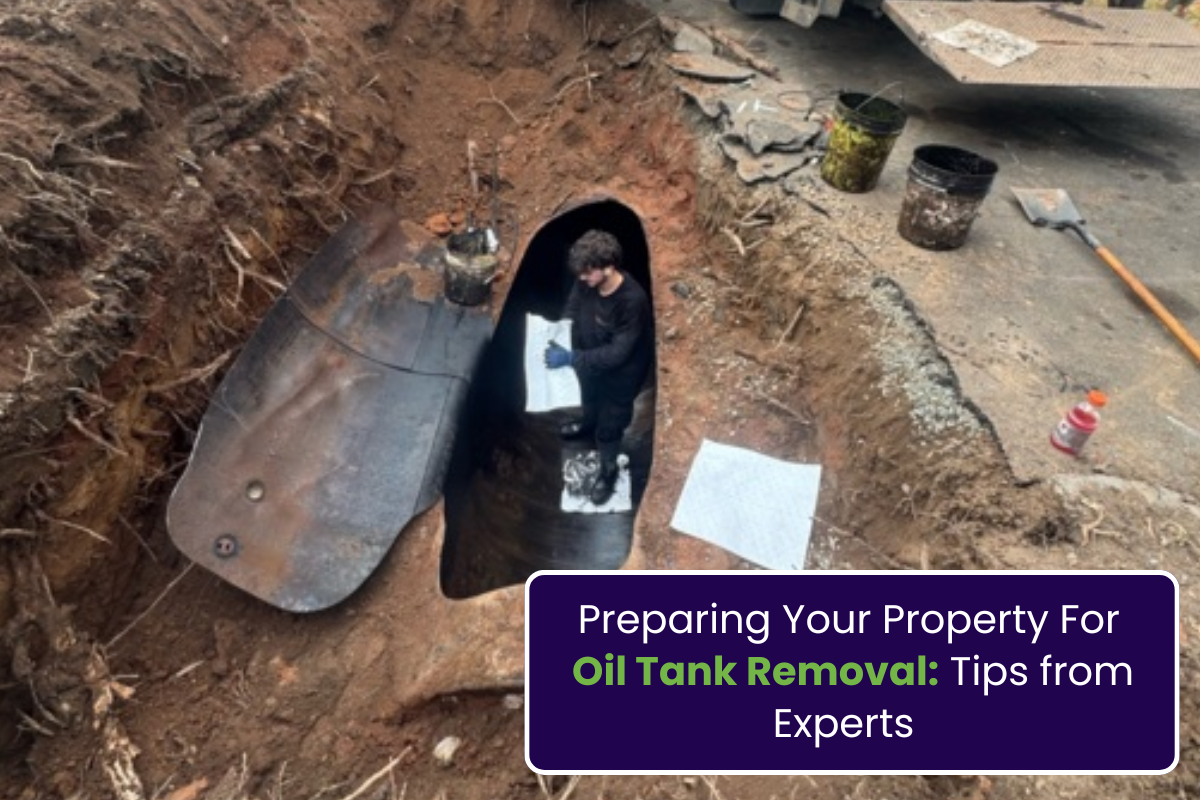
To prevent spills or contamination, the oil tank must be emptied before removal. Professionals will safely pump out any remaining oil or sludge and clean the tank using specialized equipment. This step ensures the tank is safe to transport and minimizes environmental risks. Never attempt to drain or clean the tank yourself — it requires professional-grade equipment and disposal methods to comply with environmental regulations.

Be Ready for Post-Removal Testing

Once the tank is removed, environmental testing is often required to check for soil contamination or leaks that might have occurred over time. If contamination is detected, remediation may be necessary to restore soil quality and ensure your property meets environmental standards. Post-removal testing is not just a regulatory step — it also protects your property value, especially if you plan to sell in the future.

Keep Documentation for Future Reference

After the removal process, your contractor should provide documentation such as inspection reports, environmental test results, and certificates of completion. Keep these records in a safe place — they serve as proof that the tank was properly removed and can be useful during property sales, insurance claims, or future inspections.

Final Words

Preparing your property for oil tank removal requires careful coordination, expert guidance, and adherence to environmental standards. From obtaining the right permits to ensuring proper cleanup and documentation, every step plays a vital role in maintaining safety and compliance. By following these expert tips and working with a trusted oil tank removal company, you can protect your property from potential hazards and future liabilities.

For professional, reliable, and environmentally responsible oil tank removal services, homeowners and businesses alike trust Simple Tank Services, where expertise meets safety and precision.
How an Oil Tank Removal Company in NJ Can Save You from Hidden Property Liabilities

Owning a property in New Jersey comes with its perks, but it also brings hidden responsibilities—one of which could be the presence of an underground oil tank. Many homeowners and property investors may not even realize that an old, forgotten oil tank can pose serious environmental and financial risks. Engaging a professional oil tank removal company in NJ is more than a precaution; it’s an essential step toward protecting your property from hidden liabilities.

Understanding the Risks of Abandoned Oil Tanks

Underground oil tanks, especially those that have been neglected for years, can develop leaks. These leaks are not only harmful to the environment but also extremely costly to manage. Contaminated soil and groundwater resulting from leaking tanks can lead to severe legal and financial obligations. Homeowners might face fines, cleanup costs, and even lawsuits if the contamination spreads beyond their property boundaries.

Moreover, hidden oil tanks can complicate property sales or transfers. Buyers are often wary of properties with potential environmental hazards. Failing to disclose an old oil tank may result in liability claims, making the property difficult to sell or refinance.

The Role of an Oil Tank Removal Company

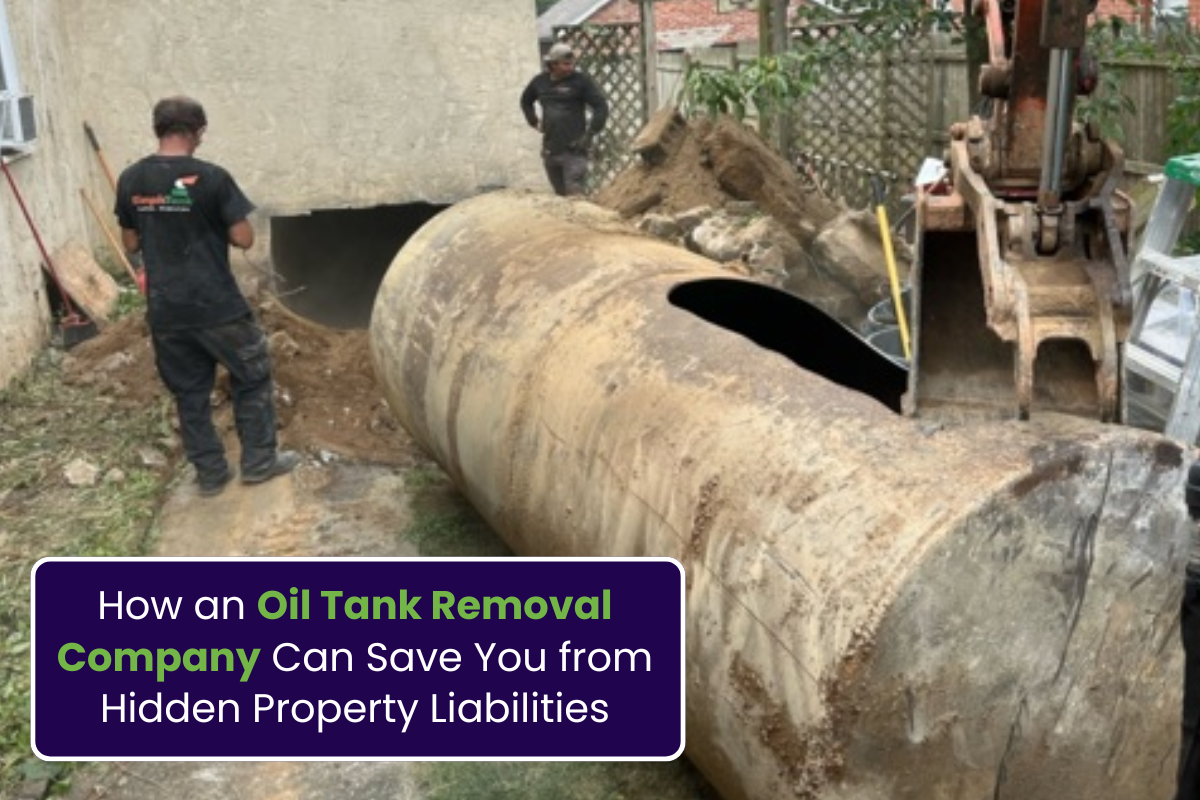
A professional oil tank removal company in NJ specializes in safely extracting and disposing of underground and above-ground oil tanks. Their expertise goes beyond simply removing the tank—they assess the surrounding soil, check for leaks, and ensure that the property complies with state and federal environmental regulations.

One of the key advantages of hiring such a company is their ability to conduct thorough site evaluations. Experienced teams use modern detection equipment to locate tanks, determine their condition, and identify any signs of contamination. Once the tank is removed, the team can provide certification, proving that the property is safe and compliant, which is crucial when selling or refinancing your home.

Importance of Soil Remediation

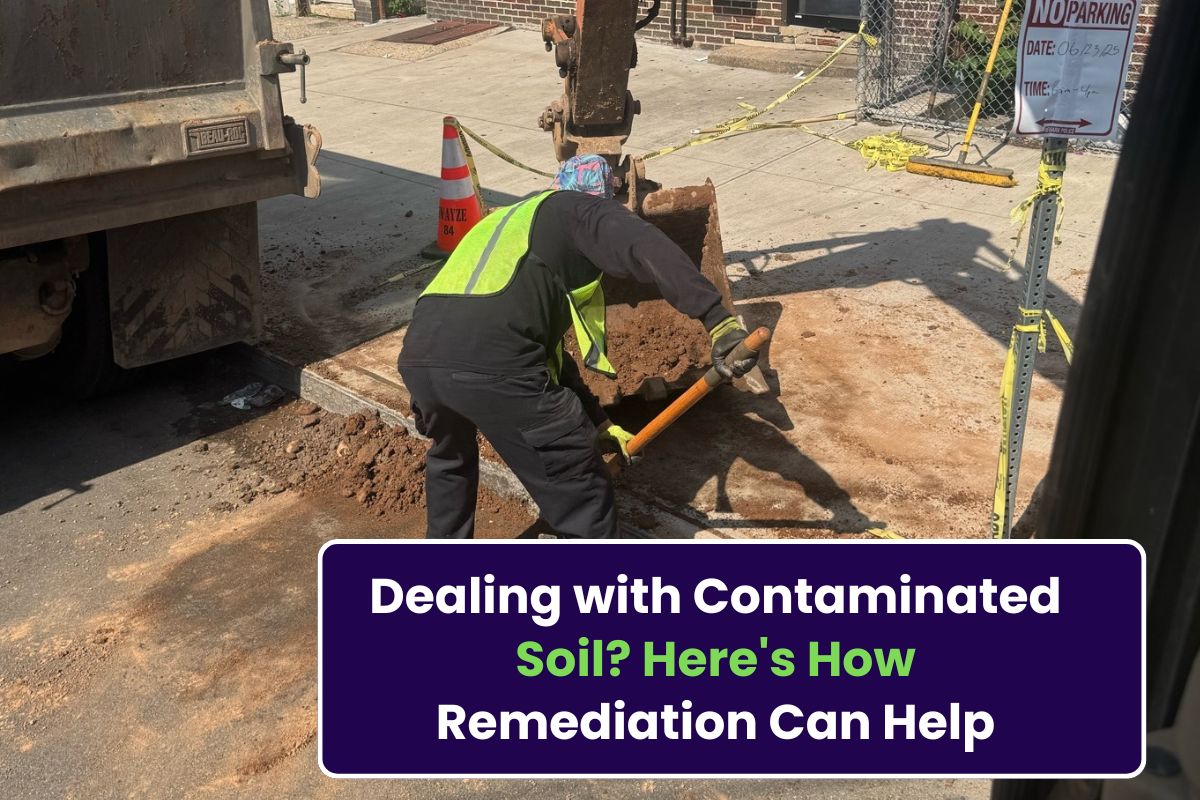
Even after the tank is removed, residual contamination in the soil may remain. This is where soil remediation comes into play. Soil remediation involves cleaning, removing, or neutralizing pollutants in the ground to restore it to a safe and usable condition. A professional oil tank removal company often partners with soil remediation experts to ensure that any contamination is fully addressed.

Proper soil remediation not only protects your health and the environment but also safeguards you from future liabilities. Contaminated soil left untreated can lead to regulatory penalties and expensive remediation costs down the line, making early intervention vital.

Financial Benefits of Professional Removal

While some property owners may consider DIY tank removal, the financial risks often outweigh the cost savings. Professional oil tank removal services help prevent costly environmental fines, legal claims, and potential decreases in property value. Insurance providers may also offer better coverage terms for properties that have undergone certified tank removal and soil remediation.

Additionally, proactive removal and remediation can increase your property’s marketability. Prospective buyers and investors are more confident in purchasing a property that has been professionally inspected and cleared of environmental hazards, which can translate into faster sales and better prices.

Compliance with Regulations

New Jersey has strict regulations regarding oil tank removal and environmental safety. Licensed oil tank removal companies ensure that all work is compliant with state laws and industry best practices. They handle permits, disposal, and reporting requirements, saving you the burden of navigating complex legal processes.

Compliance is not just about following the law—it’s about protecting yourself from potential liability. A certified removal and remediation report can serve as legal proof that you took responsible steps to maintain a safe property.

Peace of Mind for Homeowners

At the end of the day, hiring a professional oil tank removal company in NJ is about peace of mind. Knowing that your property is free from hidden hazards allows you to enjoy your home or investment without worry. It eliminates the uncertainties associated with aging infrastructure and environmental contamination while ensuring long-term safety and compliance.

Final Words

Hidden oil tanks can be a silent threat to property owners in New Jersey, posing environmental, financial, and legal risks. Engaging a professional oil tank removal company ensures the safe extraction of tanks and provides access to essential soil remediation services. This proactive approach not only mitigates potential liabilities but also enhances property value, marketability, and peace of mind. Whether you are a homeowner or real estate investor, investing in certified tank removal and soil remediation is a smart, responsible step toward protecting your property and your future.

Which Signs Show You Need Soil Investigation Before Oil Tank Removal?

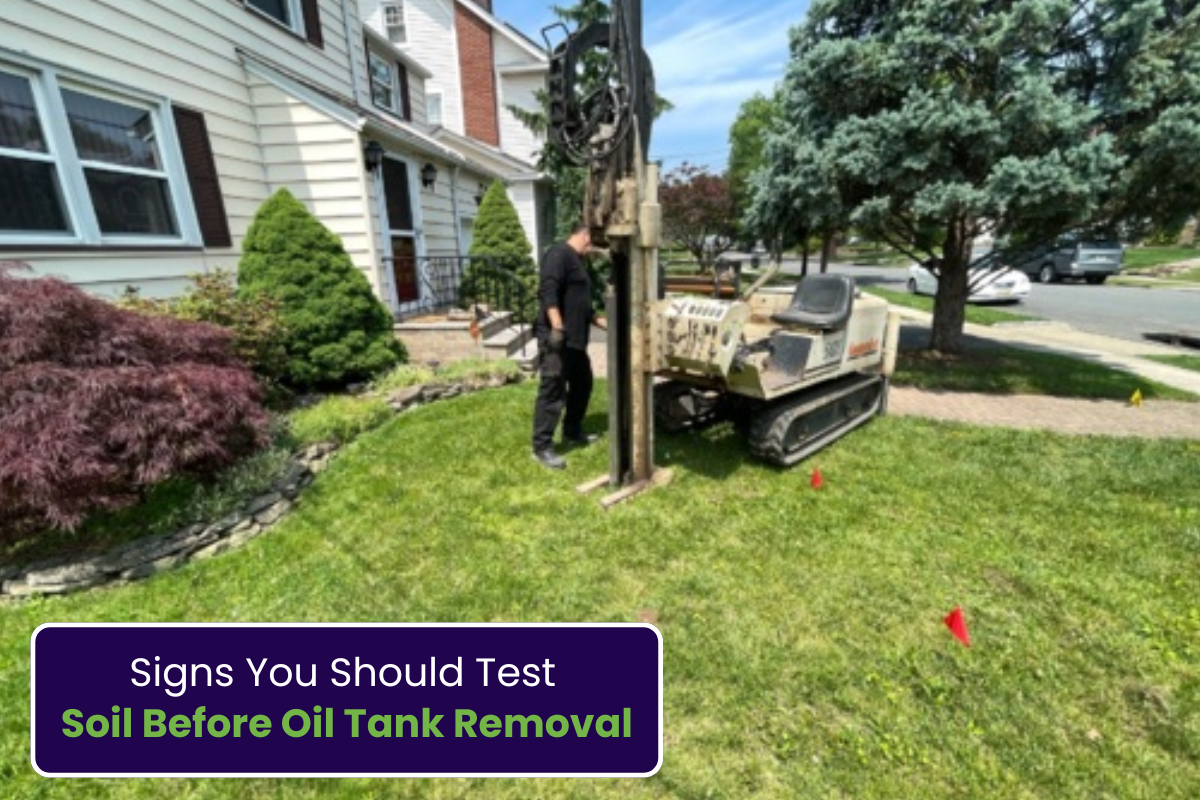
When it comes to oil tank removal, one of the most overlooked yet crucial steps is conducting a thorough soil investigation. Underground oil tanks, whether they are still in use or abandoned, can pose environmental and safety risks if leaks or contamination occur. A professional soil inspection helps identify hidden issues before the tank is removed, saving you from costly surprises later. But how do you know when soil testing is necessary? Below, we’ll explore the most common signs that show you need soil investigation before oil tank removal.

Age of the Oil Tank

If your underground oil tank is decades old, it is highly likely to have corrosion, cracks, or leaks. Steel tanks, in particular, deteriorate over time, and their protective coatings wear off. Once this happens, oil can seep into the soil unnoticed. An oil tank removal company will often recommend soil testing services for tanks that are 20 years old or more to check for possible contamination.

Unexplained Fuel Odors

One of the earliest warning signs of an oil leak is a strong fuel smell around your property. If you detect a petroleum odor in your basement, yard, or near the tank location, it could indicate that oil has leaked into the ground. A soil investigation in this situation ensures that any contamination is detected and handled before the removal process begins.

Dead or Discolored Vegetation

Healthy soil sustains plants and grass. If you notice patches of dead or discolored vegetation directly above or near your oil tank, it may be a sign of leaking fuel. Contaminated soil makes it difficult for plants to grow, creating unusual bare spots in your lawn. Professional soil testing services can confirm if the damage is due to oil leaks or other environmental factors.

Stained Soil or Water Accumulation

Dark, stained soil near the tank area or water pooling with a rainbow-like sheen are red flags of oil contamination. These visual signs suggest that the ground has already absorbed leaked oil. Before removal, soil investigation becomes critical to determine the extent of pollution and the remediation steps required.

History of Tank Repairs or Issues

If your oil tank has undergone frequent repairs, maintenance, or patchwork, the risk of leaks is much higher. Repeated issues usually signal that the tank’s structure is compromised. In such cases, an oil tank removal company will strongly advise soil testing to ensure that the ground has not been contaminated over the years.

Changes in Property Value or Transaction Requirements

If you plan to sell or buy a property with an underground oil tank, soil investigation is often a mandatory requirement. Real estate transactions frequently involve environmental checks to ensure the land is safe and uncontaminated. Soil testing services not only protect buyers but also help sellers avoid liability for hidden contamination discovered later.

Neighboring Tank Leaks

Contamination doesn’t always originate from your property. If a neighboring property has experienced oil tank leaks, there’s a chance your soil could be affected too, especially if the tanks are close together or the soil conditions allow for migration of pollutants. Soil testing before removal ensures no external contamination is overlooked.

Why Soil Investigation Matters Before Oil Tank Removal

Ignoring soil testing can lead to major environmental hazards and financial consequences. Leaked oil can contaminate groundwater, release harmful vapors, and make your property unsafe for use or sale. Cleaning up contaminated soil is far more expensive and time-consuming than addressing the problem early with testing.

By hiring an experienced oil tank removal company, you ensure that both the tank removal and soil investigation processes are handled professionally. Paired with reliable soil testing services, this approach provides peace of mind and ensures compliance with environmental regulations.

Final Thoughts

Soil investigation before oil tank removal isn’t just an optional precaution—it’s often a necessity. Signs such as fuel odors, dead vegetation, tank age, and visible soil staining should never be ignored. With the help of a trusted oil tank removal company and professional soil testing services, you can identify risks early, prevent costly cleanup, and protect your property’s value.

If you suspect any of these warning signs, don’t wait until the problem escalates. Schedule a soil investigation today to ensure your oil tank removal process is safe, efficient, and environmentally responsible.

How Soil Testing Helps Detect Contamination After Oil Tank Removal

When an underground or aboveground oil tank is removed from a property, the job doesn’t end with hauling away the tank. One of the most critical follow-up steps is soil testing. This process ensures that the surrounding environment has not been compromised by leaks or spills during the tank’s lifetime. Without proper soil analysis, homeowners and property managers could face hidden contamination issues that lead to long-term environmental and financial problems.

In this post, we’ll explore how soil testing works, why it’s vital after oil tank removal, and how hiring the right professionals can safeguard your property.

Why Soil Testing is Necessary After Oil Tank Removal

Oil tanks, particularly older ones, can corrode over time, creating cracks or pinholes that allow fuel to seep into the soil. Even small leaks may remain unnoticed for years, silently contaminating the surrounding ground and potentially reaching groundwater sources.

Once an oil tank is removed, there’s no way to confirm the condition of the soil beneath without proper testing. Contaminated soil poses several risks:

-Environmental hazards: Petroleum products can pollute nearby soil and water, harming ecosystems and wildlife.

-Health concerns: Exposure to contaminated soil or vapors from petroleum residues can affect human health.

-Property value issues: Contamination can reduce property value and complicate future sales or development plans.

-Legal liabilities: In many areas, property owners are legally responsible for addressing contamination if it’s discovered.

For these reasons, soil testing is not just a precaution but a necessary step to ensure the land remains safe and compliant with regulations.

How Soil Testing Works After Oil Tank Removal

When you hire an oil tank removal company, they often recommend or arrange soil testing as part of the removal process. The testing process generally involves the following steps:

-Sample Collection – Soil samples are collected from areas directly beneath and around where the tank was located. These samples are taken at varying depths to ensure a comprehensive evaluation.

-Laboratory Analysis – The samples are sent to a certified laboratory, where they are analyzed for petroleum hydrocarbons and other potential contaminants.

-Assessment of Results – Lab results indicate whether contamination is present and, if so, the extent of the problem.

-Action Plan – If contamination is detected, remediation strategies are developed. This may include removing contaminated soil, treating it on-site, or using bioremediation techniques to break down harmful substances.

By working with professionals who provide reliable soil testing services, property owners gain clear insights into the condition of their land and guidance on the next steps if contamination exists.

Benefits of Soil Testing After Tank Removal

Soil testing delivers multiple advantages beyond simply identifying contamination:

-Peace of Mind: Property owners can feel confident knowing their land is free of hidden hazards.

-Regulatory Compliance: Many local and state agencies require documentation of soil conditions after tank removal. Testing provides the necessary proof of compliance.

-Cost Savings: Detecting contamination early allows for quicker, less expensive remediation compared to addressing widespread issues later.

-Stronger Property Value: A clean bill of health from soil testing supports future property sales, development projects, or refinancing efforts.

-Long-Term Safety: Testing ensures the land is safe for residents, tenants, or businesses using the property.

Choosing the Right Professionals

Not all contractors provide the same level of expertise. It’s important to choose an experienced oil tank removal company that understands both safe removal practices and the importance of follow-up soil testing. Look for professionals who:

-Offer end-to-end services, including tank removal, testing, and remediation if necessary.

-Partner with accredited laboratories for accurate soil analysis.

-Are familiar with local regulations and environmental standards.

-Provide clear documentation and reports for your records.

By partnering with experts who specialize in both removal and soil testing services, you ensure the job is completed correctly and thoroughly, leaving no unanswered questions about your property’s safety.

Final Words

Removing an oil tank is an important first step in protecting your property, but without soil testing, the process remains incomplete. Leaks and spills can go unnoticed for years, creating hidden risks that affect your health, finances, and environment. Soil testing after oil tank removal provides the clarity and assurance property owners need.

By working with a professional oil tank removal company and choosing reliable soil testing services, you can safeguard your land, protect your investment, and ensure a safe, contamination-free future.

What Are the Key Steps in Oil Tank Removal and Why Soil Remediation Matters

Removing an old or unused oil tank is not just about getting rid of unwanted equipment—it’s about protecting your property, the environment, and ensuring compliance with safety regulations. Underground and above-ground tanks, when left unattended, can leak and contaminate surrounding soil or groundwater, leading to costly damages and health risks. This is where working with a professional oil tank removal company becomes essential.

Beyond tank extraction, another critical aspect of the process is soil remediation. Once a tank is removed, the ground beneath and around it must be tested to ensure no fuel leaks or chemical residues remain. If contamination is present, specialized soil remediation services are required to restore the site safely.

Let’s break down the key steps in oil tank removal and why soil remediation plays such an important role in protecting your property.

Step 1: Site Inspection and Assessment

Before any removal begins, professionals conduct a thorough site inspection. This includes identifying the tank’s location, size, age, and condition. For underground tanks, the inspection may involve ground-penetrating tools or small test digs to determine whether leaks or corrosion have occurred.

A detailed assessment helps determine the safest and most cost-effective removal strategy while ensuring compliance with local and state regulations.

Step 2: Obtaining Permits and Approvals

Oil tank removal is heavily regulated because of its environmental risks. A licensed contractor will handle the permitting process, ensuring all legal requirements are met before excavation begins. Permits help guarantee that the project follows proper safety standards and reduces liability risks for property owners.

Step 3: Tank Preparation and Cleaning

Before the tank can be removed, it must be properly emptied and cleaned. Professionals pump out any remaining oil or sludge, followed by cleaning the tank’s interior to eliminate hazardous residues. This step prevents spillage during removal and ensures that the tank can be safely transported for disposal or recycling.

Step 4: Tank Extraction

Once cleaned, the tank is carefully removed. For above-ground tanks, the process is straightforward—lifting and hauling. For underground tanks, excavation is required. Heavy machinery digs around the tank, and professionals lift it out with minimal disturbance to the surrounding soil.

During this step, contractors remain cautious of potential leaks. If the tank is corroded or punctured, additional precautions are taken to prevent spreading contaminants.

Step 5: Soil Testing

After tank removal, the exposed soil is tested for contamination. This is a critical step that determines whether fuel leakage occurred during the tank’s lifespan. Soil samples are analyzed in a certified laboratory to check for petroleum hydrocarbons or other pollutants.

If test results show contamination, soil remediation is required before the property can be declared safe.

Step 6: Soil Remediation (If Needed)

When leaks are detected, soil remediation services are necessary to clean and restore the affected area. The process may involve:

Excavation and removal of contaminated soil.

Bioremediation techniques, using microbes to break down pollutants naturally.

Soil vapor extraction, which removes volatile compounds.

These methods prevent harmful substances from spreading into groundwater, protecting the environment and reducing long-term liability for property owners.

Step 7: Documentation and Final Approval

Once removal and remediation are complete, contractors provide detailed documentation, including permits, soil test results, and a closure report. This paperwork is valuable for property owners, especially when selling the property, as it verifies that the site is clean and compliant with environmental laws.

Why Soil Remediation Matters

Many property owners focus on removing the tank itself but overlook the risks of contaminated soil. Even a small leak can release hundreds of gallons of oil into the ground over time. Left untreated, this contamination can:

Seep into groundwater, posing health hazards.

Damage landscaping and vegetation.

Decrease property value and complicate future sales.

Lead to fines or penalties for environmental violations.

By combining tank removal with proper soil remediation, you ensure that your property remains safe, compliant, and free from environmental hazards.

Final Words

Oil tank removal is a multi-step process that requires expertise, precision, and adherence to environmental standards. From initial inspection and permitting to tank extraction and soil testing, each step plays a vital role in protecting your property and community.

Most importantly, soil remediation should never be overlooked. It ensures that any contamination is thoroughly addressed, preventing long-term damage and costly liabilities. Partnering with an experienced oil tank removal company ensures the job is handled safely, while professional soil remediation services provide peace of mind that your land is clean and secure for the future.

What NJ Homeowners Often Overlook When Choosing an Oil Tank Removal Company

For many New Jersey homeowners, removing an old or unused oil tank is an important step in protecting both their property value and the environment. Buried oil tanks, if left unattended, can corrode over time, leading to costly leaks and soil contamination. While most homeowners understand the need to hire a professional, they often overlook key factors when selecting the right oil tank removal company in NJ. Missing these considerations can lead to higher expenses, delays, and even compliance issues down the road.

In this post, we’ll highlight the common things homeowners overlook and why paying attention to these details can save money, time, and future headaches.

Licensing and Insurance Coverage

One of the first mistakes many homeowners make is assuming every company advertising tank removal is properly licensed and insured. Oil tank removal requires specialized skills, equipment, and knowledge of state regulations. Hiring a company without the right credentials can put your property and finances at risk.

A licensed contractor ensures they meet New Jersey’s environmental and construction standards, while adequate insurance protects you in case of accidental damage or workplace injury. Before hiring, always ask for proof of both licensing and liability insurance.

Experience with Both Residential and Commercial Projects

Not all removal companies are equal in terms of experience. Some may specialize only in small residential projects, while others have expertise in larger commercial jobs. Choosing a provider without a proven track record in your type of project could result in delays or overlooked hazards.

For homeowners, it’s smart to look for an oil tank removal company in NJ that has extensive experience with residential properties, especially in your area. Local experience often means they are familiar with town regulations, permitting processes, and the unique challenges of New Jersey’s diverse soil conditions.

Hidden Costs in Pricing

Price is often a deciding factor for homeowners, but focusing solely on the lowest bid can backfire. Many companies offer low initial quotes but exclude essential services like soil testing, permitting, or tank disposal fees.

To avoid unpleasant surprises, ask for a detailed, written estimate that clearly outlines all costs, from removal to cleanup. Transparency in pricing not only builds trust but also ensures you won’t be hit with unexpected charges later.

Soil Testing and Remediation Options

One of the most overlooked aspects of tank removal is what happens after the tank is lifted out of the ground. Even if a tank looks intact, leaks may have occurred, leading to contamination. In New Jersey, if contaminated soil is found, remediation is required to meet environmental standards.

This is why it’s crucial to hire a company that offers soil remediation services alongside tank removal. A provider who can both detect and resolve contamination ensures the process is handled smoothly without needing to bring in additional contractors. It’s also important to confirm they use proper testing methods and can provide documentation for regulatory compliance.

Knowledge of Local Regulations and Permitting

Oil tank removal in New Jersey is heavily regulated to protect the environment and public health. Every township has its own permitting process, and not all homeowners realize how complex it can be. A reliable company should handle the paperwork, secure the necessary permits, and ensure the work meets local, state, and federal requirements.

If you choose a company unfamiliar with these regulations, you could face delays, fines, or even legal complications. Always ask how the company manages permitting and whether they will coordinate inspections with local officials.

Reputation and Customer Reviews

Online reviews, testimonials, and word-of-mouth recommendations are invaluable when choosing a tank removal service. Too often, homeowners skip this step and later regret it when they encounter poor communication or unfinished work.

Look for companies with strong reputations in your community and consistent positive feedback. Checking Better Business Bureau ratings, Google reviews, or asking neighbors about their experiences can provide insight into how trustworthy and professional the company is.

Post-Removal Documentation

After the tank is removed and the soil tested, you’ll need documentation proving that the job was completed to code. This paperwork is critical if you plan to sell your home in the future. Unfortunately, some homeowners overlook this requirement and face issues during property transactions.

Ensure that the company provides a final report with details of the removal, soil test results, and any remediation completed. Having this documentation on file protects your investment and demonstrates compliance with environmental standards.

Final Thoughts

Choosing the right oil tank removal company isn’t just about getting the tank out of the ground—it’s about protecting your home, your finances, and the environment. By paying attention to licensing, hidden costs, soil testing, remediation options, and reputation, New Jersey homeowners can avoid costly mistakes.

The best oil tank removal company in NJ will guide you through every step, from permits to final documentation, while also providing solutions like soil remediation services if contamination is found. Taking the time to carefully vet your options ensures peace of mind and long-term protection for your property.

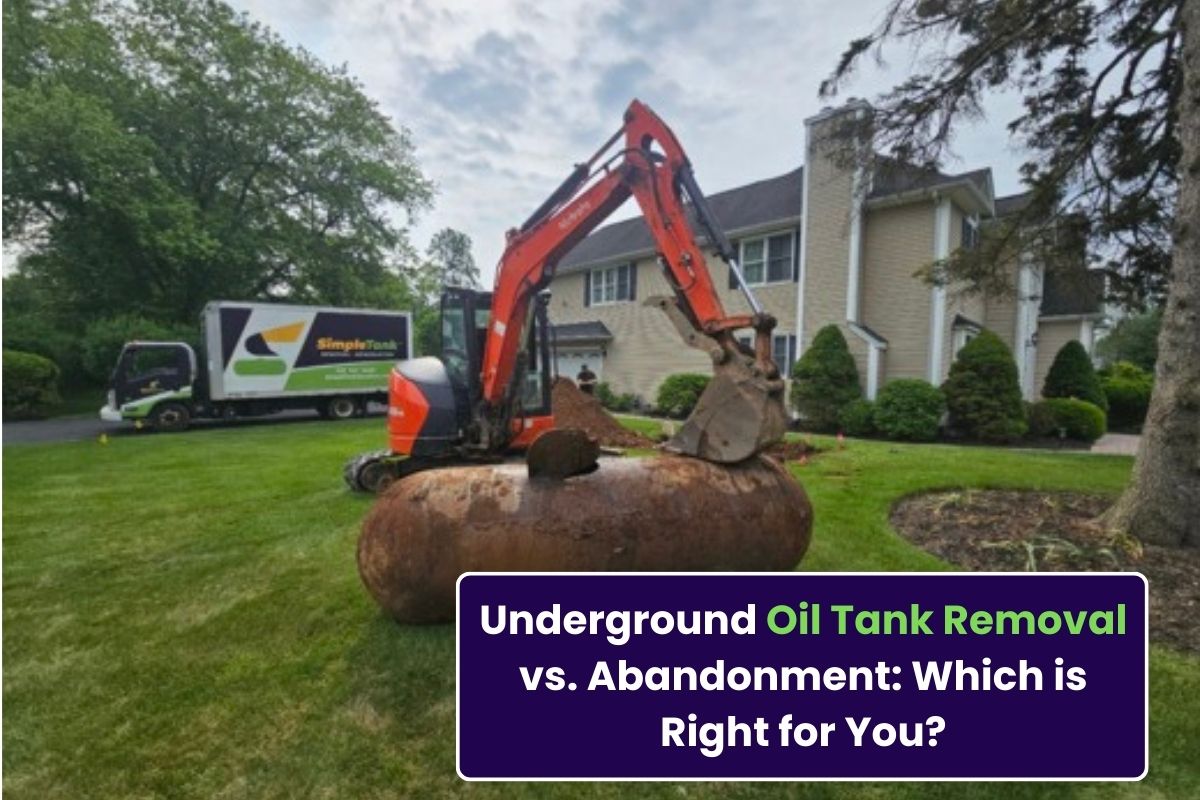
Underground Oil Tank Removal vs. Abandonment: Which is Right for You?

For many homeowners and property buyers, the discovery of an underground oil tank (UST) can bring a mix of confusion and concern. These tanks were once a common way to heat homes, but as natural gas and other modern heating options became standard, many USTs were left behind. Over time, they can corrode, leak, and create serious environmental and financial risks.

If you’ve discovered an underground oil tank on your property, you’ll likely face a key decision: remove it entirely or abandon it in place. Both options have their advantages and drawbacks, and understanding the differences can help you make the best choice for your property and long-term peace of mind.

What is Underground Oil Tank Removal?

Tank removal means completely excavating the tank, cleaning it of any oil residue, and safely disposing of it. The soil around the tank may also be tested for contamination, and if necessary, remediation will be carried out.

Benefits of Removal:

Permanent Solution – Once the tank is gone, you no longer have to worry about future leaks or issues.

Increases Property Value – Many buyers prefer properties without buried tanks since it reduces liability.

Transparency – There’s no uncertainty about the condition of the tank; it’s simply no longer there.

Easier Insurance Approval – Some insurers won’t cover homes with underground oil tanks, even if abandoned.

Drawbacks of Removal:

Higher Cost Upfront – Excavation and disposal are usually more expensive than abandonment.

More Disruptive – Removal involves digging, which may temporarily impact landscaping, driveways, or walkways.

What is Underground Oil Tank Abandonment?

Tank abandonment involves leaving the tank in place but rendering it harmless. A professional contractor will pump out and clean the tank, fill it with sand, foam, or slurry, and seal it. This prevents collapse and reduces the risk of oil residue leaks.

Benefits of Abandonment:

Lower Cost – Generally less expensive than full removal.

Less Disruption – Since the tank isn’t dug up, your yard and landscaping remain mostly intact.

Quick Process – Often completed faster than removal.

Drawbacks of Abandonment:

Tank Remains in the Ground – Even if filled, the metal tank can still corrode over time.

Resale Challenges – Many buyers are hesitant to purchase properties with abandoned tanks.

Insurance Issues – Some insurance companies may still consider it a liability.

Potential Environmental Risks – If cleaning is not done properly, leftover residue could still contaminate the soil.

Key Factors to Consider

Future Property Plans
If you plan to sell your property in the near future, removal is often the better choice. Buyers and lenders generally prefer clean sites with no underground risks.

Budget
If finances are a concern, abandonment may be a short-term solution. However, keep in mind that removal might be required later during a sale, meaning you could pay more in the long run.

Environmental Safety
Removal ensures you eliminate the risk of soil contamination. Even with abandonment, there’s always the possibility of future leaks if the cleaning process isn’t thorough.

Local Regulations
Some municipalities require removal instead of abandonment, while others may allow both. Always check with local authorities and work with a certified contractor.

Which Option is Right for You?

Choose Removal if:

You want complete peace of mind.

You’re preparing to sell your home.

You want to eliminate future liability and environmental risks.

Choose Abandonment if:

You need a cost-effective, faster solution.

You’re planning to stay in the home long-term and resale isn’t an immediate concern.

Your property layout makes excavation extremely difficult.

Final Thoughts

Deciding between underground oil tank removal and abandonment comes down to weighing cost, convenience, and long-term security. While abandonment may be a suitable temporary fix, removal is generally the more reliable option for protecting your property’s value and ensuring environmental safety.

No matter which route you choose, always hire a certified professional to handle the process. Attempting to deal with a UST on your own can be dangerous, costly, and may not meet local regulations.

If you’ve recently discovered an underground oil tank on your property, now is the time to act. Simple Tank Services can help you determine the condition of your tank and recommend the best course of action.

Why Groundwater Remediation is Essential for New Jersey Properties

Groundwater is one of New Jersey’s most important natural resources. Nearly half of the state’s residents rely on it for drinking water, while it also supports agriculture, businesses, and community life. But with New Jersey’s long industrial history and aging infrastructure, groundwater contamination has become a growing concern. Landowners cannot afford to view the state’s remediation process as a merely procedural box to check. Cleaning compromised aquifers must rank as an urgent, day-to-day commitment by property owners as they weigh health, economic welfare, and compliance to NJDEP benchmarks.

In this piece, we will clarify why state owners cannot delay cleanup, outline the health and financial stakes, and describe the state’s best practices for remediation.

Contaminated Water–How It Happens  

Groundwater pollution occurs the moment the earth allows hazardous substances to drip, seep, or spill into the water system. New Jersey cases reveal three repeating catalysts.

– Rusting underground tanks. Steel, fiberglass, and masonry will degrade over the decades. Punctured or corroding tanks propel full gallons of oil into both soil and aquifer.

– Industrial legacies. Chemicals, solvents, and lead congregate at aging industrial facilities, contaminating both soil and adjoining aquifers.

– Farm-to-ground trends. Excess phosphates, nitrates, and pesticides attach to soil particles until seasonal rain drags the contaminants into the underground water region.

– Aging septic systems, overflowing landfills, and undetected spills all create wounds in New Jersey’s groundwater that can heal only slowly, if at all.

– Once harmful substances slip underground, they travel quietly, mapping routes to neighboring homes, public wells, and fragile marshes that can carry the compounds hundreds of miles away.

Neglect satisfies none of the risks, only compounds them: drinking water can carry cocktail additives of heavy metals and volatile organic compounds, each linked to illnesses that strike the lungs, the brain, or the gut. Rivers and creeks can brown, showing the story of pollutants that once sat inert in buried trash, now killing fish and extirpating plant communities. Even homes and farms whose owners are meticulous can leak value; lenders and buyers away. Utilities and freight haulers must factor in the invisible debt, now topping billion-dollar settlements whose stark news none can overlook..Inet: the State Department of Environmental Protection can impose surprise bills and perch on polluter-response. Clean water, surging on credits, regulations: the State can bank on shifting all cleanup costs to the nearest owners, even when they paid full value and serviced all systems on first plant’s diagnosis. Unreported spills, gas widens.

Why Groundwater Cleanup Has to Happen Now in Jersey

With its legacy of factories, old pipes, and crowded towns, Jersey faces more groundwater challenges than many other states. That’s the reason groundwater cleanup help is not something anyone in a Jersey neighborhood or business should put off.

Getting the work done means:

The well your children drink from is still safe.

Sellers can list their property with confidence and buyers can close without hidden surprises.

You don’t face fines or forced work from the NJDEP that can slow sales and add stress.

The marsh and river that don’t get fouled today will cost far less to protect than repair.

Procrastinating means spending even more tomorrow and letting the plume spread.

The Groundwater Remediation Process

Groundwater rehabilitation projects based in New Jersey usually observe this systematic method:

Site Evaluation & Analysis—Soil cores and water samples are taken to map out how far the pollutants have spread.

Compliance with Standards—An action plan is tailored to fulfill all the relevant NJDEP groundwater standards.

Tailored Remediation Options—Choices may include excavating affected soil, using pump-and-treat technology, applying bioremediation, or introducing engineered chemical agents.

Execution & Oversight—The selected remedy is put into action while frequent sampling is conducted to track how well the process is working.

Regulatory Finalization—When the NJDEP confirms that the contamination has been addressed, the site is granted formal closure, securing its future marketability and safety.

Why You Need Professional Groundwater Remediation Services

Groundwater treatment is highly technical and requires specialized expertise, equipment and regulatory knowledge. Attempting to handle contamination without a professional can lead to incomplete cleaning, fine and ongoing risk.

Certified New Jersey Ground Water Recent Experts Ensure:

Compliance with NJDEP standards.

Proper, effective removal of contaminants.

Protection of property value and community health.

Proper documentation for future property transactions.

Protect your property and future

For property owners, there is an investment in groundwater treatment, safety, compliance and peace of mind. If contamination comes from a leaked oil tank, industrial site, or agricultural runoff, the right therapeutic partner can protect the value of your family, your community and your property. If you suspect groundwater contamination on your property, do not wait. Contact a reliable provider of ground water cleaning services in New Jersey to assess and take action. Early work saves money, reduces risk, and ensures long -term security.

Final consideration:

Groundwater is a lifeline for New Jersey residents. With strict NJDEP standards and history of industrial development, groundwater treatment in NJ is essential for health, property price and protection of the environment. By working with Simple Tank Services , you can make sure that your property is safe, obedient and prepared for the future.


Avoid Liability with Proper Underground Oil Tank Removal

If your property has an underground oil tank, you could be sitting on a hidden liability. Once widely used for heating oil storage, these tanks are often forgotten about—until they leak. And when they do, the environmental damage and legal consequences can be costly. Proper underground oil tank removal is not just a safety measure; it’s a smart financial decision that protects you from hefty fines, lawsuits, and cleanup expenses.

In this guide, we’ll explore why timely removal is critical, what the process involves, and how you can safeguard your property and peace of mind.


Why Underground Oil Tanks Are a Liability

Many underground oil tanks were installed decades ago, often made of steel that corrodes over time. As they age, these tanks are prone to leaks that can contaminate soil and groundwater. The environmental damage can extend beyond your property, affecting neighbors and triggering state or federal environmental regulations.

Potential liabilities include:

Costly cleanups – Soil remediation can cost thousands—or even tens of thousands—of dollars.

Legal action – Property owners may be held responsible for contamination, even if they weren’t aware of the leak.

Property value loss – Contamination concerns can deter buyers and make it harder to sell your property.

Insurance gaps – Many homeowner insurance policies don’t cover oil tank leaks.

Signs It’s Time for Removal

Even if your tank hasn’t leaked yet, removing it before problems occur is the safest route. Common signs it’s time to act include:

The tank is over 20–30 years old

You notice oil odors or visible staining in the soil

Heating efficiency has dropped

Past records of leakage or repairs

Uncertainty about the tank’s condition

If you’re unsure, a professional tank inspection can assess the risk and recommend next steps.

The Proper Underground Oil Tank Removal Process

Professional oil tank removal follows strict safety and environmental guidelines to ensure compliance with local and federal regulations. Here’s how it typically works:

Permits & Approvals – Before work begins, professionals secure necessary permits from your local municipality.

Locating the Tank – Ground-penetrating radar or other detection tools identify the exact location and size of the tank.

Draining the Tank – All remaining oil is safely pumped out and stored or disposed of according to regulations.

Excavation – The surrounding soil is carefully removed to expose the tank without causing spills.

Tank Removal – The tank is lifted out and transported to an approved disposal or recycling facility.

Soil Testing – Samples are taken to check for contamination. If found, remediation steps are taken immediately.

Documentation – You receive a closure report documenting that the tank was removed properly—valuable proof for future property transactions.

How Proper Removal Protects You from Liability

When done correctly, underground oil tank removal eliminates the risk of future leaks and provides legal protection. With a certified removal and clean soil report:

You meet environmental compliance standards and avoid regulatory fines.

You prevent potential lawsuits from neighbours affected by contamination.

You maintain property value and make the home more attractive to buyers.

You reduce financial risk by addressing the issue before it becomes an emergency.

Choosing the Right Oil Tank Removal Company

Not all contractors are equipped to handle the complexities of underground oil tank removal. When choosing a service provider, look for:

Proper licensing and insurance

Experience with local and state regulations

Positive reviews and references

Clear, detailed estimates

Commitment to environmentally safe practices

Hiring an expert ensures the job is done right the first time—saving you stress, time, and money in the long run.

Final Thoughts

Underground oil tanks can be a ticking time bomb for property owners. Waiting until a leak happens puts your finances, property value, and legal standing at risk. By taking proactive steps to remove your underground oil tank through a licensed professional, you can avoid liability, protect the environment, and preserve your peace of mind. Don’t wait for a costly surprise—schedule an inspection and take control of your property’s safety today.


How Soil Remediation Prevents Groundwater Contamination

When it comes to protecting our environment, soil remediation plays a crucial role—especially in preserving the quality of our groundwater. Groundwater is a vital resource, supplying drinking water to millions of people and supporting agriculture and industry across the globe. However, when soil becomes contaminated with hazardous substances, these pollutants can migrate into the groundwater, posing serious risks to human health and ecosystems. This is where soil remediation steps in as a powerful defense.

What Is Soil Remediation?

Soil remediation is the process of removing, reducing, or neutralizing contaminants present in the soil to restore it to a safe and usable state. Contaminants may include petroleum products, heavy metals, pesticides, solvents, and other industrial chemicals. These pollutants can originate from leaking underground storage tanks, improper disposal practices, industrial accidents, or agricultural runoff.

There are several methods of soil remediation, including:

Excavation and removal (dig and haul)

Soil vapor extraction

Bioremediation using microbes

Thermal desorption

Chemical oxidation

Each method is selected based on the type and extent of contamination, soil conditions, and the specific goals of the remediation project.

The Connection Between Soil and Groundwater

Soil and groundwater are interconnected systems. Rainwater or irrigation water percolates through the soil layers and can carry contaminants deeper into the earth. If left untreated, these pollutants can eventually reach the water table—the underground boundary where the soil is fully saturated with water—and spread into nearby wells, springs, or aquifers. Once contamination reaches groundwater, cleanup becomes more difficult, expensive, and time-consuming.

That’s why addressing soil contamination at the source is essential to stopping pollution before it infiltrates the groundwater supply.

How Soil Remediation Prevents Groundwater Contamination

Source Containment and Elimination
Soil remediation starts by identifying and containing the source of contamination. Whether it’s a leaking fuel tank or industrial spill, removing the source stops the continued release of pollutants into the environment. By excavating or treating contaminated soil, we prevent these substances from leaching further into the ground.

Barrier Protection
Some remediation methods create physical or chemical barriers that prevent contaminants from migrating downward. For example, solidification and stabilization techniques use binding agents to immobilize pollutants, reducing their mobility and ability to reach groundwater.

Reduction of Contaminant Concentration
Techniques like chemical oxidation or bioremediation work by breaking down harmful chemicals into harmless byproducts. As the concentration of contaminants in the soil decreases, so does the potential for those pollutants to infiltrate the groundwater system.

Improved Soil Health
Remediation enhances the natural filtering capacity of the soil. Healthy, uncontaminated soil can act as a buffer that filters rainwater and traps pollutants before they reach deeper layers. Rehabilitating polluted soil supports this natural defense system.

Regulatory Compliance and Risk Management
Many state and federal environmental regulations require property owners to remediate contaminated soil to prevent groundwater pollution. Proactive remediation not only safeguards public health but also reduces legal liabilities and financial risks associated with future contamination.

Real-World Impact: Case Study Example

In urban redevelopment projects, especially on former industrial or brownfield sites, soil remediation is often the first critical step. One such case involved a former gas station where petroleum hydrocarbons had seeped into the soil. By excavating the contaminated soil and treating the remaining area with bioremediation techniques, environmental engineers successfully prevented the migration of toxins into a nearby aquifer used for municipal drinking water.

Without timely intervention, the contamination could have required millions of dollars in groundwater cleanup and posed serious health hazards to the local population.

Final Thoughts

Soil remediation is more than just cleaning up dirty soil—it’s a proactive solution that protects one of our most essential natural resources: groundwater. By addressing contamination at the surface level, we can stop pollutants from seeping into the water we drink, use, and depend on every day. Whether for industrial sites, construction projects, or agricultural land, investing in soil remediation is an investment in public health, environmental safety, and long-term sustainability. If you suspect your property may be contaminated or you’re planning new development on a site with environmental concerns, consult with a professional soil remediation service. Simple Tank Services can assess, plan, and execute a strategy to restore your land—and protect your groundwater for generations to come.