
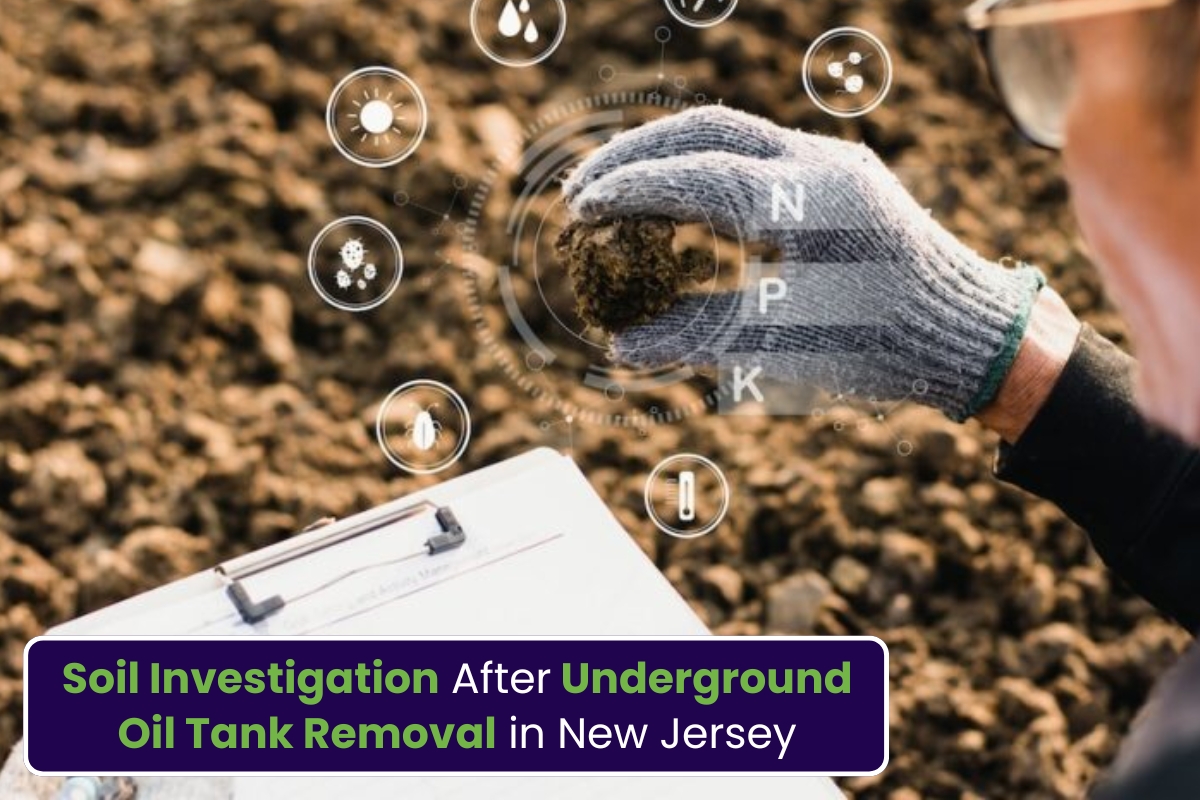
Removing an underground oil tank from a residential property is an important step in protecting both the environment and the safety of the property. Many homes built decades ago used underground tanks to store heating oil, but over time these tanks can deteriorate, leak, and contaminate the surrounding soil.
While the removal of the tank itself is a critical task, the work does not end there. After the tank is removed, professionals often perform soil testing to determine whether any petroleum products leaked into the ground. This step helps property owners understand the condition of their property and ensures that any contamination is identified and addressed quickly.
A proper Soil Investigation in New Jersey helps homeowners confirm whether the soil is safe or if additional remediation is needed. Without this investigation, hidden contamination could remain undetected and create problems in the future.
In this guide, we will explain why soil investigation is essential after underground tank removal, how the process works, and how it protects both property owners and the environment.
Understanding the Underground Oil Tank Removal Process
Before discussing soil testing, it is helpful to understand the underground oil tank removal process. Many older homes still have buried heating oil tanks that were installed decades ago. Over time, corrosion can weaken the metal and cause leaks.
During the removal process, professionals typically:
-Locate and expose the buried tank
-Pump out any remaining oil or sludge
-Carefully remove the tank from the ground
-Inspect the tank for signs of corrosion or leaks
-Collect soil samples from the excavation area
This process allows technicians to determine whether oil has leaked into the surrounding soil. If contamination is suspected, further testing will be required to evaluate the extent of the issue.
Even if the tank appears intact, soil testing is still recommended because small leaks can occur over time without obvious signs.
Why Soil Testing Is Important After Tank Removal
Identifying Hidden Soil Contamination
One of the biggest concerns with underground tanks is the possibility of slow leaks that go unnoticed for years. Oil can seep into the surrounding soil and spread beyond the immediate area of the tank.
Through environmental soil testing, technicians analyze soil samples to detect petroleum hydrocarbons and other contaminants. This testing provides a clear picture of whether contamination exists and how far it may have spread.
Early detection allows for faster remediation and prevents contamination from affecting groundwater or nearby properties.
Protecting Property Value
Undetected soil contamination can significantly impact the value of a property. When buyers discover that a property once had an underground tank, they often request proof that the site is safe.
A documented Soil Investigation in New Jersey provides reassurance that the property has been properly inspected after tank removal. This documentation can help property owners avoid delays or complications when selling their home.
In many cases, having professional reports available makes the real estate transaction smoother and more transparent.
Environmental Protection and Safety
Oil leaks do more than damage property. They can also affect nearby ecosystems and water sources.
If petroleum products enter the soil, they may eventually reach groundwater or drainage systems. This can harm plants, wildlife, and even drinking water supplies.
A soil contamination inspection helps determine whether the soil surrounding the removed tank has been affected. If contamination is found, remediation professionals can remove or treat the affected soil before the issue spreads further.
This step protects not only the property owner but also the surrounding community.
Compliance With Local Environmental Regulations
In many areas, environmental regulations require proper documentation after underground tank removal. These regulations are designed to ensure that contaminated soil does not remain untreated.
Local authorities may require soil sampling reports or environmental documentation before closing permits or approving property sales.
By conducting a soil investigation after the tank removal, property owners can demonstrate compliance with environmental standards and avoid potential legal or financial complications.
Working with experienced professionals ensures that the process follows proper environmental guidelines and reporting procedures.
How Soil Investigation Is Conducted
A soil investigation is a systematic process carried out by environmental professionals. The goal is to evaluate soil conditions around the former tank location.
The typical process includes:
Site Assessment
Technicians examine the excavation area and surrounding ground to identify possible contamination zones.
Soil Sampling
Samples are collected from different depths and locations around the tank pit.
Laboratory Testing
The soil samples are sent to certified laboratories where they are tested for petroleum hydrocarbons and other contaminants.
Results and Evaluation
The results determine whether contamination exists and whether remediation is necessary.
This detailed analysis helps property owners understand the true condition of the soil beneath their property.
The Role of Soil Investigation in Residential Oil Tank Removal
When performing residential oil tank removal, professionals often combine tank extraction with soil analysis. This integrated approach ensures that any environmental concerns are addressed immediately.
If contamination is discovered, remediation specialists may remove contaminated soil, treat the affected area, or recommend further environmental monitoring.
By addressing these issues early, homeowners can prevent more expensive environmental problems in the future.
Additionally, documenting soil conditions after tank removal helps maintain transparency for future property transactions.
Preventing Future Environmental Problems
A proper soil investigation does more than confirm the presence of contamination. It also helps prevent future environmental issues.
If contamination is identified early, remediation can stop pollutants from spreading deeper into the soil or reaching groundwater systems.
This proactive approach protects both property owners and nearby communities from long-term environmental damage.
Professional environmental services play a critical role in maintaining safe residential and commercial properties.
FAQs
Q1. Why is soil testing necessary after underground oil tank removal?
Soil testing helps determine whether oil leaked from the tank and contaminated the surrounding soil.
Q2. How long does soil investigation take?
Most soil testing processes take a few days to complete, including laboratory analysis of soil samples.
Q3. Can oil tank leaks affect groundwater?
Yes, if contamination spreads through the soil, it can potentially reach groundwater sources.
Q4. Is soil investigation required before selling a property?
Many buyers and lenders request soil testing documentation to confirm the property is free from contamination.
Q5. What happens if contaminated soil is found?
Environmental professionals may remove the contaminated soil or apply remediation techniques to clean the affected area.
Summary
Removing an underground oil tank is only part of the process of protecting a property. After the tank is removed, soil testing helps determine whether any contamination has occurred and whether remediation is necessary.
A thorough soil investigation provides important environmental information, protects property value, and ensures compliance with environmental regulations. Property owners who take this step can move forward with confidence knowing that their land is safe.
Professional services such as Simple Tank Services help property owners complete the tank removal and soil testing process efficiently and responsibly, ensuring that both safety and environmental standards are met.