
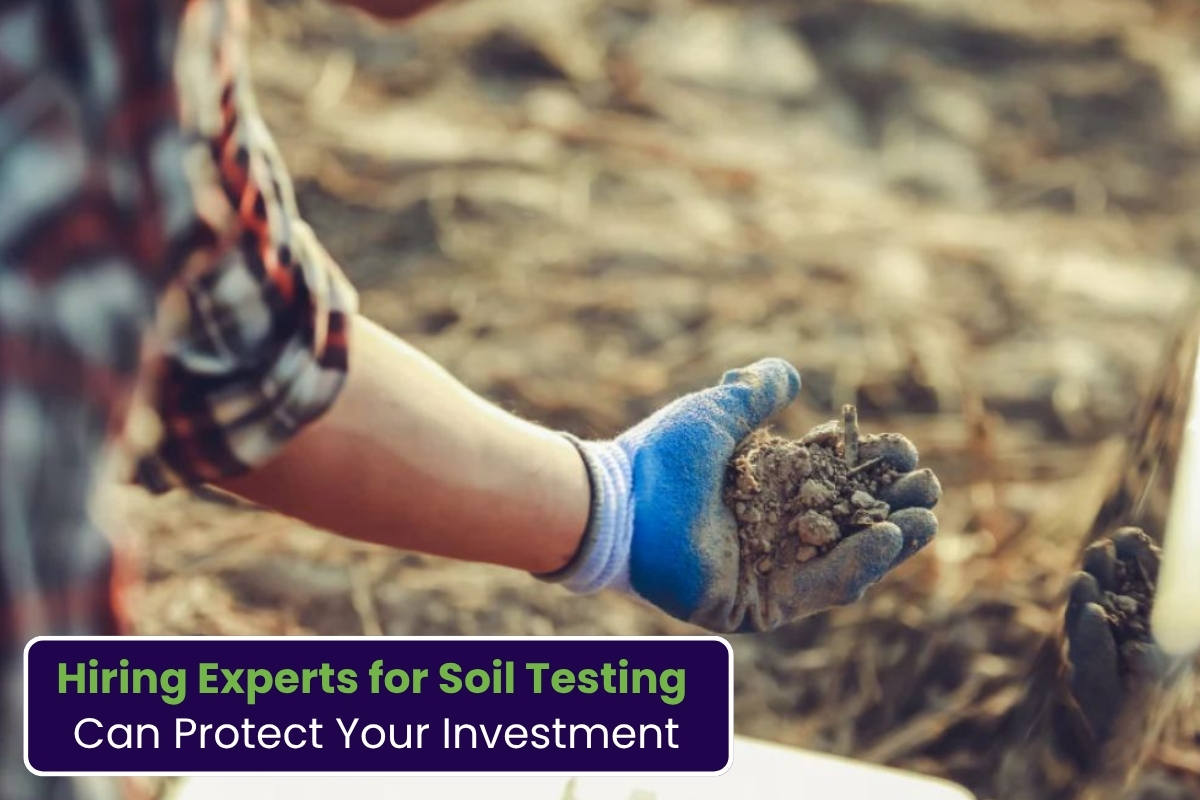
Investing in land, whether for residential, commercial, or industrial purposes, is a significant financial decision. However, one critical step that many property owners overlook is professional soil testing. The condition of the soil directly impacts construction stability, environmental safety, and long-term property value. Without accurate testing, hidden issues beneath the surface can lead to costly repairs, regulatory complications, and even structural failures.
Hiring experts ensures that soil analysis is conducted with precision, using advanced techniques and industry-standard procedures. This approach not only safeguards your investment but also provides clarity and confidence before moving forward with any development project.
Understanding the Importance of Soil Testing
Soil testing is not just about analyzing dirt—it is a scientific process that evaluates soil composition, contamination levels, moisture content, and load-bearing capacity. These factors determine whether the land is suitable for construction or requires remediation.
Professional services like Soil Testing in New Jersey help identify potential risks such as underground contamination, unstable soil layers, or poor drainage conditions. Detecting these issues early allows property owners to take corrective measures before construction begins, preventing expensive setbacks later.
How Expert Soil Testing Prevents Financial Loss
Accurate Site Assessment
One of the main advantages of hiring professionals is their ability to perform a thorough and accurate site assessment. Experts use specialized equipment to analyze soil layers and detect inconsistencies that may not be visible to the untrained eye.
By leveraging geotechnical soil testing services, professionals can determine whether the soil can support heavy structures or if additional reinforcement is required. This ensures that your project starts on a solid foundation.
Early Detection of Contamination
Contaminated soil can pose serious health and environmental risks. Issues such as oil spills, chemical leaks, or industrial waste can remain hidden underground for years.
Through soil contamination testing, experts can identify hazardous substances and recommend effective remediation strategies. Addressing contamination early not only protects the environment but also prevents legal liabilities and project delays.
Compliance with Environmental Regulations
Modern construction projects must comply with strict environmental regulations. Failing to meet these standards can result in penalties, project shutdowns, or legal complications.
Professional testing ensures adherence to local and federal guidelines, including environmental soil testing requirements. Experts provide detailed reports that can be used for permits, approvals, and documentation, making the process smoother and more efficient.
The Role of Experts in Construction Success
Detailed Soil Analysis Reports
Experts provide comprehensive reports that include soil classification, load-bearing capacity, and contamination levels. These reports serve as a blueprint for engineers and contractors, helping them make informed decisions.
Customized Recommendations
Every site is different, and experts tailor their recommendations based on specific soil conditions. Whether it involves soil stabilization, drainage improvement, or excavation, professional guidance ensures optimal results.
Why DIY Soil Testing Is Risky
While DIY kits may seem cost-effective, they lack the accuracy and depth required for construction projects. These kits often provide limited information and fail to detect deeper issues.
Professional soil analysis for construction involves advanced tools, laboratory testing, and expert interpretation. Relying on incomplete data can lead to incorrect decisions, putting your entire investment at risk.
Long-Term Benefits of Professional Soil Testing
Increased Property Value
Properties with verified soil quality and environmental safety are more attractive to buyers and investors. Professional testing adds credibility and enhances market value.
Reduced Maintenance Costs
Identifying and addressing soil issues early reduces the likelihood of future repairs. This leads to lower maintenance costs and improved structural durability.
Improved Safety
Stable and contamination-free soil ensures the safety of occupants and surrounding environments. This is especially important for residential and commercial developments.
When Should You Conduct Soil Testing?
-Before purchasing land
-Prior to construction or development
-After environmental incidents like spills
-During property redevelopment projects
Conducting soil testing at the right time helps avoid unexpected challenges and ensures a smooth project timeline.
Choosing the Right Soil Testing Experts
When selecting a soil testing company, consider the following factors:
-Experience and industry expertise
-Use of advanced equipment and techniques
-Compliance with environmental standards
-Detailed reporting and consultation services
Working with professionals who specialize in Soil Testing in New Jersey ensures that your project meets all safety and regulatory requirements.
Common Soil Issues Identified by Experts
-Poor drainage and water retention
-Soil contamination from chemicals or oil
-Weak load-bearing capacity
-High moisture content
-Uneven soil composition
Addressing these issues early helps prevent structural damage and costly repairs.
The Cost vs. Value of Professional Soil Testing
Many property owners hesitate to invest in soil testing due to upfront costs. However, the long-term benefits far outweigh the initial expense.
Professional testing helps:
-Avoid construction delays
-Prevent structural failures
-Ensure regulatory compliance
-Protect environmental health
In essence, it is a small investment that safeguards a much larger one.
FAQs
Q1. Why is soil testing important before construction?
Soil testing helps determine whether the land is stable and safe for construction, preventing structural issues and costly repairs.
Q2. How often should soil testing be done?
It depends on the project, but testing is recommended before construction, after environmental incidents, and during redevelopment.
Q3. What does soil contamination testing detect?
It identifies harmful substances like oil, chemicals, and industrial waste that may pose environmental or health risks.
Q4. Can soil testing increase property value?
Yes, verified soil quality and safety make properties more attractive to buyers and investors.
Q5. How long does professional soil testing take?
The process can take a few days to a couple of weeks, depending on the complexity of the site and required analysis.
Summary
Hiring experts for soil testing is a crucial step in protecting your investment. From identifying contamination to ensuring structural stability, professional testing provides the insights needed for successful project execution. By working with experienced specialists, you can minimize risks, reduce costs, and ensure compliance with environmental regulations. Incorporating reliable services like Soil Testing in New Jersey, Simple Tank Services, into your project planning ensures long-term safety, efficiency, and peace of mind.