
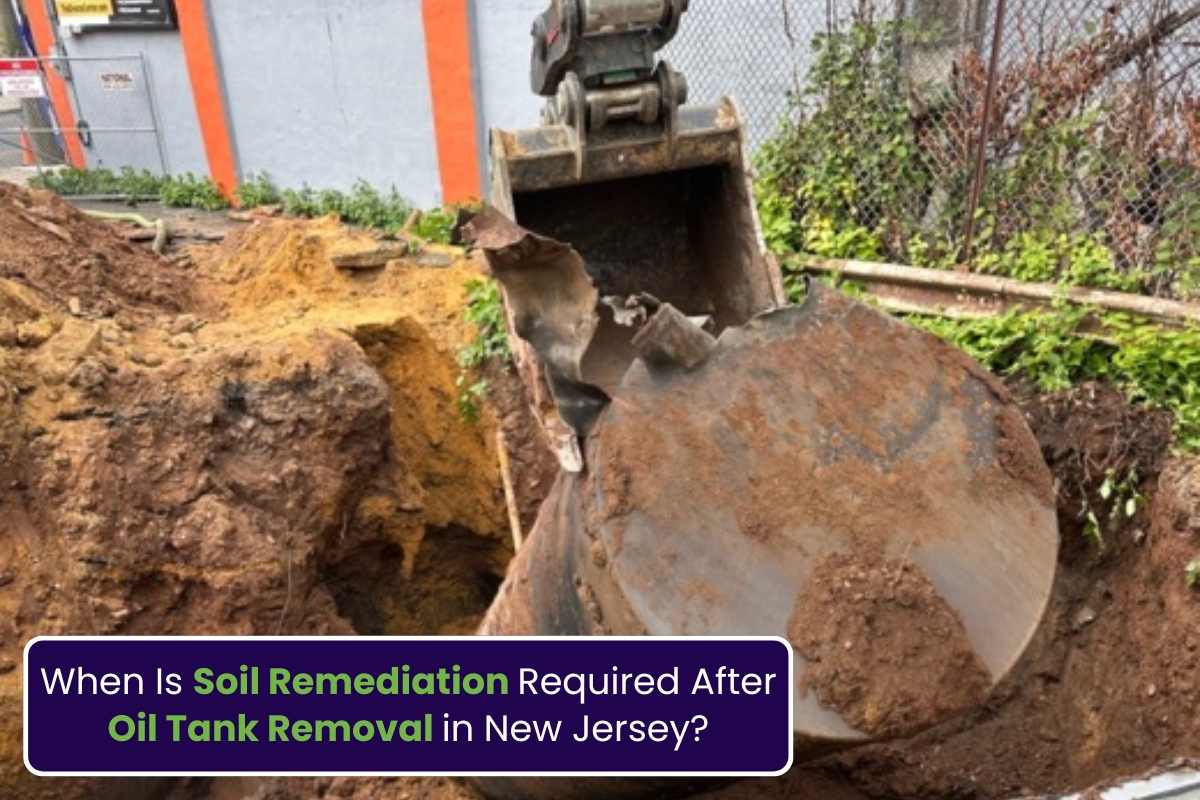
Removing an underground or above-ground oil tank is a big step toward protecting your property and the environment. However, many New Jersey property owners are surprised to learn that oil tank removal doesn’t always end the process. In certain situations, soil remediation becomes necessary to address contamination caused by leaking heating oil.
Understanding when soil remediation is required, how it works, and why it matters can save you from legal issues, failed property sales, and unexpected costs. This guide explains everything homeowners, buyers, and commercial property owners need to know about Soil Remediation in New Jersey after oil tank removal.
Understanding Oil Tank Removal and Soil Contamination
Oil tanks, especially older steel tanks, can corrode over time. Even small leaks can allow heating oil to seep into surrounding soil without obvious surface signs. By the time a tank is removed, contamination may already exist underground.
In New Jersey, environmental regulations are strict due to groundwater sensitivity and dense residential development. That’s why tank removal contractors must assess the surrounding soil during and after removal.
When Is Soil Remediation Required After Oil Tank Removal in New Jersey?
Visible Signs of Oil Contamination During Tank Removal
If stained soil, oil odors, or sludge are discovered during excavation, Soil Remediation in New Jersey is usually required. These signs indicate that petroleum has migrated beyond the tank itself.
Failed Soil Testing Results
After removal, environmental soil testing after oil tank removal is commonly performed. If lab results show petroleum levels above state-approved limits, remediation becomes mandatory to meet New Jersey Department of Environmental Protection (NJDEP) standards.
Groundwater Impact or Risk
If contamination threatens groundwater or nearby wells, remediation is required immediately. This is especially common in areas with shallow water tables or sandy soil conditions.
Property Sale or Refinancing Requirements
Many lenders and buyers require clean environmental reports. If contamination is discovered during a real estate transaction, remediation must be completed before closing.
Why Soil Remediation Is Taken Seriously in New Jersey
New Jersey has one of the most regulated environmental frameworks in the U.S. Oil contamination can:
-Reduce property value
-Delay or cancel home sales
-Lead to NJDEP enforcement actions
-Pose long-term health and environmental risks
Proper remediation ensures compliance while restoring land usability and safety.
Types of Soil Remediation Used After Oil Tank Removal
Excavation and Soil Disposal
This is the most common remediation method. Contaminated soil is removed and transported to an approved disposal facility. Clean fill is then brought in to restore the area.
In-Situ Treatment
In some cases, remediation occurs without excavation. Treatments may break down petroleum compounds directly in the soil, minimizing disruption.
Groundwater Monitoring
If contamination is close to groundwater, long-term monitoring may be required to confirm that pollution levels are declining.
Each method is selected based on contamination depth, soil type, and NJDEP guidelines.
NJDEP Guidelines for Soil Remediation in New Jersey
The NJDEP sets strict cleanup standards that dictate:
-Acceptable contamination thresholds
-Testing and documentation requirements
-Remediation methods and reporting timelines
Failing to follow these guidelines can result in fines or future liability, even years after tank removal.
Working with licensed professionals familiar with NJDEP soil cleanup standards is critical to avoid compliance issues.
How Environmental Soil Testing After Oil Tank Removal Works
Environmental soil testing after oil tank removal involves collecting soil samples from:
-Beneath the former tank
-Surrounding excavation walls
-Any visibly affected areas
Samples are analyzed in certified laboratories, and results determine whether remediation is necessary. This step protects property owners from hidden liabilities.
Cost Factors Associated With Soil Remediation
Several factors influence remediation costs:
-Extent of contamination
-Depth of impacted soil
-Disposal and transportation fees
-Testing and reporting requirements
While remediation adds cost, addressing contamination early is often far less expensive than dealing with legal disputes or delayed property transactions.
Choosing a Qualified Contractor for Oil Tank Removal and Remediation
Not all contractors are equipped to handle remediation. Look for professionals who:
-Are licensed and insured in New Jersey
-Understand NJDEP reporting procedures
-Offer both tank removal and remediation services
-Provide clear documentation for property records
Experienced oil tank removal and soil remediation contractors streamline the process and reduce long-term risk.
Long-Term Benefits of Proper Soil Remediation
Completing remediation offers several advantages:
-Protects groundwater and surrounding properties
-Improves resale value
-Prevents future environmental liability
-Provides peace of mind for homeowners and buyers
Clean soil means your property is safer, marketable, and compliant with state regulations.
Frequently Asked Questions (FAQ)
How do I know if soil remediation is required after tank removal?
Soil testing results, visible contamination, or NJDEP requirements determine whether remediation is necessary.
Is soil testing mandatory in New Jersey?
While not always legally required, soil testing is strongly recommended and often required by lenders or buyers.
How long does soil remediation take?
Most residential projects take a few days to a few weeks, depending on contamination severity and reporting requirements.
Can I sell my home if soil contamination is found?
Yes, but remediation usually must be completed first to satisfy buyers, lenders, and state regulations.
Does homeowners insurance cover soil remediation?
Some policies offer limited coverage. It’s best to check with your insurer early in the process.
Summary
Understanding when soil remediation is required after oil tank removal in New Jersey helps property owners avoid costly surprises and legal complications. From environmental soil testing after oil tank removal to meeting NJDEP soil cleanup standards, proper remediation protects both your investment and the environment. Working with experienced oil tank removal and soil remediation contractors ensures the process is handled correctly from start to finish — delivering safe, compliant results you can trust, Simple Tank Services.