
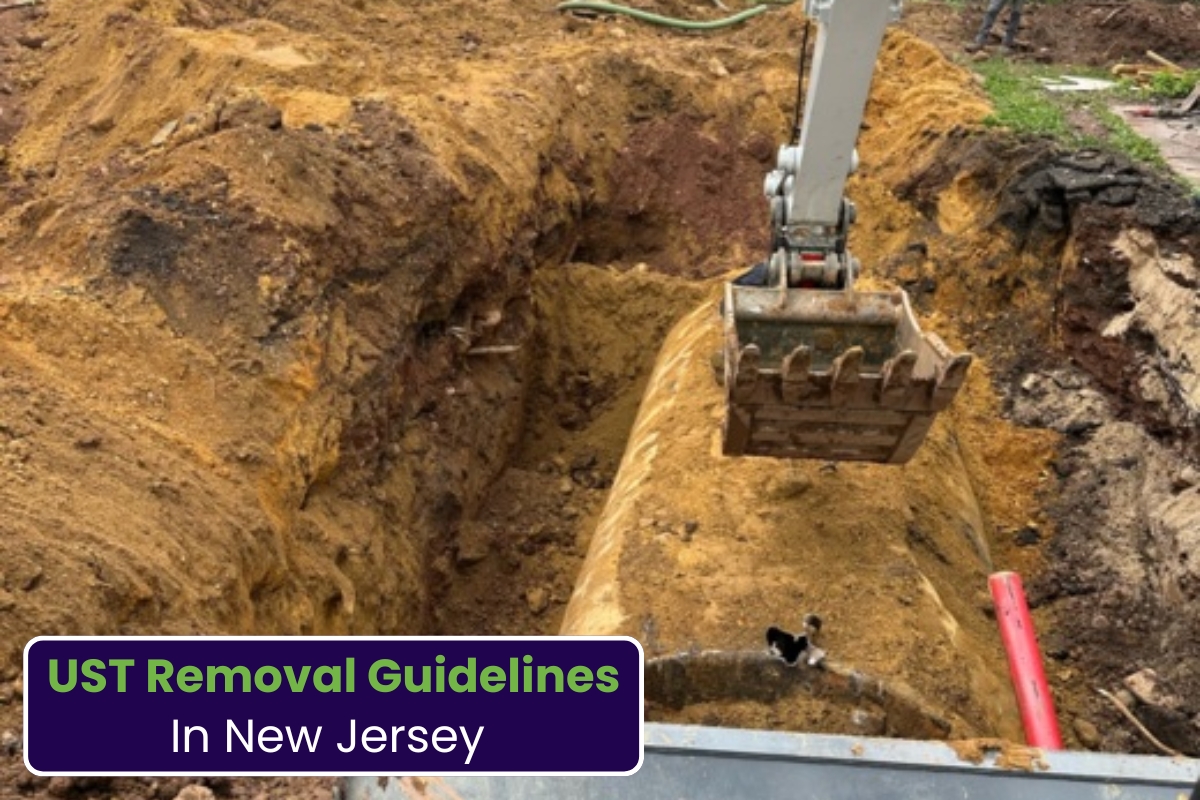
Underground Storage Tanks (USTs) play an essential role in many New Jersey homes and commercial properties, especially older ones that relied on buried oil tanks for heating. However, aging tanks often corrode, leak, and contaminate soil and groundwater—making proper removal a legal and environmental necessity. Understanding the UST removal requirements in New Jersey is crucial for homeowners, buyers, sellers, and businesses to avoid fines, liabilities, and expensive site remediation work. This comprehensive guide explains the laws, permits, processes, compliance needs, and the importance of choosing qualified professionals for UST removal.
What Are UST Removal Requirements in New Jersey?
New Jersey has strict UST regulations due to the high risk of petroleum leaks. These laws fall under the NJ Department of Environmental Protection (NJDEP), which outlines mandatory steps for safe tank abandonment, removal, and remediation. UST removal requirements include:
-Obtaining proper permits before any excavation
-Hiring certified contractors
-Testing soil for contamination
-Reporting leaks during removal
-Following cleanup guidelines if contamination is found
-Submitting required closure documents to NJDEP
These rules protect public health, property values, and the environment, while also shielding homeowners from long-term liability.
Why UST Removal Matters in New Jersey
New Jersey has one of the highest densities of older residential oil tanks in the U.S., and many structures built before the 1990s still contain buried USTs. Choosing professional oil tank removal in NJ is essential because:
-Old steel tanks corrode underground
-Leaks create hazardous waste conditions
-Contamination cleanup can cost tens of thousands
-Real estate transactions require proof of safe tank closure
-Insurance companies often deny claims for tank leaks
Ignoring a buried UST can lead to major legal and financial consequences, making timely removal the safest option.
NJ Laws Governing UST Removal
1. NJDEP Regulations
NJDEP mandates that any UST containing hazardous substances or petroleum must be removed or properly abandoned if no longer in use. Key legal rules include:
-Tanks over 10% below ground are regulated
-Closure must follow NJAC 7:14B standards
-A certified contractor must supervise all work
-Soil sampling is required after removal
2. Environmental Liability Laws
Property owners are legally responsible for contamination—even if the leak occurred before they purchased the property. New Jersey’s Spill Compensation and Control Act enforces strict liability, meaning the owner is accountable regardless of fault.
3. Real Estate Transaction Requirements
During property sales, lenders and buyers commonly request:
-UST removal records
-Soil testing results
-NJDEP closure approvals
Without these documents, mortgage approval can be delayed or denied.
Permits Required for UST Removal in New Jersey
Before work begins, property owners must secure specific permits. These usually include:
1. Local Construction or Fire Permit
Most municipalities require a permit for excavation and tank removal. Inspectors may also examine the tank after extraction.
2. Utility Mark-Out (NJ One Call)
Before digging, New Jersey law requires that utilities are marked to prevent damage to gas, electric, water, or fiber lines.
3. Environmental or Health Department Notifications
Some counties mandate advance notice when dealing with potentially contaminated materials.
4. Disposal Manifest
UST waste must be transported to an approved disposal facility, and a manifest must accompany the material for compliance verification.
Step-by-Step Process of UST Removal in New Jersey
Understanding the removal process helps property owners stay compliant and avoid surprises.
Step 1: Initial Inspection
A certified contractor inspects the site, reviews documentation, identifies the tank location, and provides a removal plan.
Step 2: Obtaining Permits
All necessary municipal and state permits are secured before excavation begins.
Step 3: Excavation and Tank Exposure
Contractors dig around the tank, expose it safely, and prepare it for extraction.
Step 4: Tank Cleaning
Before removal, the tank must be:
-Pumped out
-Cleaned internally
-Purged of vapors
Step 5: Tank Extraction and Transport
The tank is lifted out, inspected for corrosion, and transported to a certified disposal facility.
Step 6: Soil Sampling (Mandatory)
NJDEP requires soil samples to be taken directly below the tank area. These samples determine:
-Whether contamination exists
-If remediation is required
-Whether the tank can be legally closed
Step 7: Reporting and Documentation
If contamination is found, the contractor must immediately report it to NJDEP. A remediation plan is then created and executed as required.
Step 8: Backfilling and Site Restoration
The area is backfilled with clean soil and restored to its original condition.
Step 9: Final Closure Report
The contractor submits a tank closure report that includes:
-Photos
-Soil testing results
-Permits
-Waste manifests
-Removal procedures
This documentation is essential for insurance companies, future buyers, and legal compliance.
Choosing the Right UST Removal Professionals
Hiring certified experts for oil tank services ensures:
-NJDEP-compliant removal
-Accurate soil testing
-Proper waste disposal
-Safety during excavation
-Complete documentation
In the mid-point of the blog, here is the required keyword placement:
If you’re searching for a reliable UST removal solution, hiring an experienced UST removal company in New Jersey ensures compliance and peace of mind.
Choosing experienced professionals reduces liability and guarantees that all technical and legal steps are handled correctly.
Common Penalties for Non-Compliance with UST Removal Requirements in New Jersey
Failing to follow regulations can result in:
-Costly fines from NJDEP
-Legal action under state environmental laws
-Property value loss
-Insurance claim denials
-Mandatory remediation at the owner’s expense
Compliance is always cheaper and safer than ignoring an aging UST.
FAQs
1. Is UST removal required by law in NJ?
Yes. If a UST is no longer in use, it must be properly abandoned or removed according to NJDEP guidelines.
2. How long does the removal process take?
Most residential UST removals take one day, but contaminated sites may require extended remediation.
3. Do I need soil testing after removing my tank?
Yes. NJ law mandates soil sampling to confirm whether contamination occurred.
4. How much does UST removal cost in New Jersey?
Costs vary by tank size, accessibility, and condition, but most residential removals range from $1,500–$3,500, excluding remediation.
5. Can I sell my home with an old UST on the property?
Most lenders refuse mortgages on properties with unverified or active USTs, so removal is strongly recommended.
Summary
Understanding the UST removal requirements in New Jersey is essential for staying compliant with state laws, preventing environmental damage, avoiding costly penalties, and protecting property value. Because the process involves permits, soil testing, NJDEP regulations, and proper disposal, homeowners should always work with trained professionals. For fully compliant and reliable service, Simple Tank Services offers expert guidance, safe tank removal, and complete documentation to ensure your property remains protected and worry-free.