
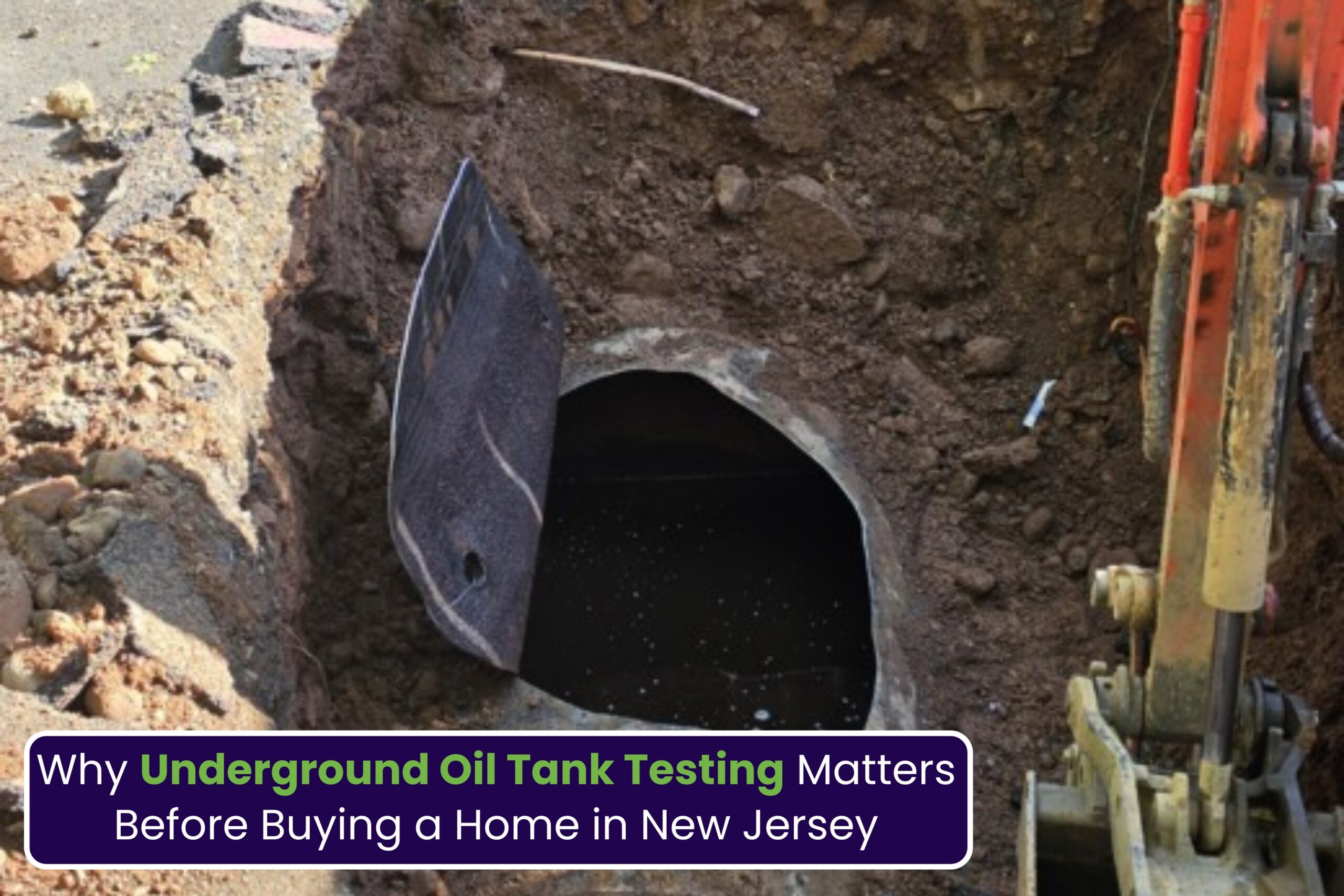
Buying a home is one of the biggest investments you’ll ever make. While most buyers focus on visible aspects like structure, interiors, and location, there’s one hidden factor that can lead to massive financial and environmental risks: underground oil tanks.
In older homes across New Jersey, underground heating oil tanks were commonly used. Many of these tanks are still buried beneath properties, often forgotten. Without proper testing, these tanks can leak, contaminate soil, and create serious legal liabilities for homeowners.
That’s why Underground Oil Tank Testing in New Jersey is not just an optional step, it’s a critical part of the home-buying process.
Understanding Underground Oil Tanks and Their Risks
Underground oil tanks were widely used for heating purposes, especially in homes built before the 1980s. Over time, these tanks corrode due to moisture and soil conditions, increasing the risk of leaks.
A leaking oil tank can lead to:
– Soil contamination
– Groundwater pollution
– Expensive environmental cleanup
– Legal issues during property transfer
Many buyers only discover these issues after purchasing the property, which can cost thousands of dollars in remediation. This makes Oil Tank Testing in New Jersey an essential precaution before closing any deal.
Why Oil Tank Testing Matters Before Buying a Home
Protects You from Hidden Costs
A buried oil tank may not be visible during a standard home inspection. However, if it leaks, cleanup costs or more. Testing helps identify problems early so you can negotiate repairs or reconsider the purchase.
Ensures Environmental Safety
New Jersey has strict environmental regulations. Contaminated soil can harm surrounding ecosystems and groundwater. Testing ensures the property complies with environmental standards and avoids future legal trouble.
Helps in Property Value Assessment
A property with a leaking oil tank loses value instantly. Buyers are less likely to invest in homes with environmental risks. Proper testing provides transparency and helps maintain fair property value.
Required by Lenders and Insurance Providers
Many lenders and insurance companies require proof of oil tank testing before approving loans or policies. Skipping this step could delay or even cancel your home purchase.
Types of Underground Oil Tank Testing in New Jersey
Understanding the different testing methods can help you make informed decisions. Here are the three most common and reliable techniques:
Soil Testing (Soil Sampling Analysis)
This is one of the most widely used methods for detecting leaks. Professionals collect soil samples around the suspected tank area and analyze them for petroleum contamination.
How It Works:
– Samples are taken from different depths
– Tested in a certified lab
– Results indicate presence of oil contamination
Why It Matters:
Soil testing is highly accurate and provides clear evidence of leaks. It is often recommended when the tank’s condition is unknown.
Tank Sweep (Magnetic Scanning)
A tank sweep uses advanced scanning equipment to detect the presence of underground metal tanks.
How It Works:
– Technicians scan the property using magnetometers
– Detect buried metal objects
– Identify tank location and size
Why It Matters:
This method is crucial when you’re unsure whether a tank exists on the property. It prevents unexpected discoveries after purchase.
Pressure Testing (Tank Integrity Testing)
Pressure testing checks whether the tank is structurally sound and leak-free.
How It Works:
– Tank is pressurized with air or liquid
– Monitored for pressure drops
– Indicates leaks or structural damage
Why It Matters:
This test is ideal for tanks that are still in use or recently decommissioned. It ensures the tank is not actively leaking.
Signs That a Property May Have an Underground Oil Tank
Even if a tank isn’t visible, certain clues can indicate its presence:
– Older homes (built before 1985)
– Oil fill pipes or vent pipes outside
– Unusual patches of dead grass
– Strong petroleum odors
– Historical records showing oil heating
If you notice any of these signs, scheduling Underground Oil Tank Testing in New Jersey becomes even more important.
The Cost of Skipping Oil Tank Testing
Ignoring oil tank testing can lead to serious consequences:
Financial Risks
Cleanup costs can escalate quickly depending on the extent of contamination.
Legal Liabilities
New Jersey laws hold property owners responsible for environmental damage even if the leak occurred before purchase.
Resale Challenges
Selling a home with an undisclosed oil tank issue can be difficult and may reduce buyer interest.
How Oil Tank Testing Supports Smart Home Buying Decisions
A well-informed buyer always looks beyond the surface. Oil tank testing provides:
– Clear understanding of property condition
– Strong negotiation leverage
– Peace of mind for long-term investment
It transforms a risky purchase into a confident decision.
Choosing the Right Professionals for Testing
Not all testing services are the same. It’s important to choose experienced professionals who follow New Jersey environmental standards.
Look for:
– Licensed and certified technicians
– Advanced testing equipment
– Transparent reporting
– Proven track record
Experienced providers ensure accurate results and help guide you through next steps if issues are found.
What Happens If a Leak Is Found?
If testing reveals contamination, don’t panic. There are solutions available:
– Tank removal
– Soil remediation
– Environmental cleanup
In many cases, buyers can negotiate with sellers to cover these costs or reduce the property price accordingly.
FAQs
Q1. Why is oil tank testing important before buying a home?
Oil tank testing helps detect hidden leaks or contamination, protecting buyers from unexpected repair costs and legal issues.
Q2. How much does underground oil tank testing cost in New Jersey?
Costs vary depending on the testing method, but typically range from a few hundred to a few thousand dollars.
Q3. Can I buy a house with an underground oil tank?
Yes, but it’s essential to test the tank first and understand any risks or cleanup responsibilities involved.
Q4. How long does oil tank testing take?
Most testing procedures can be completed within a few hours, but lab results for soil testing may take a few days.
Q5. What happens if contamination is found?
If contamination is detected, cleanup and remediation will be required. Buyers can negotiate with sellers to cover these costs.
Summary
Buying a home without checking for underground oil tanks is like signing a contract with unknown risks. From environmental hazards to financial burdens, the consequences can be severe.
That’s why Underground Oil Tank Testing in New Jersey is an essential step for every homebuyer. It protects your investment, ensures compliance with regulations, and gives you peace of mind.
If you’re planning to purchase a property, working with trusted professionals like Simple Tank Services can make the process smooth and reliable. Their expertise ensures accurate testing and helps you make informed decisions before closing the deal.