
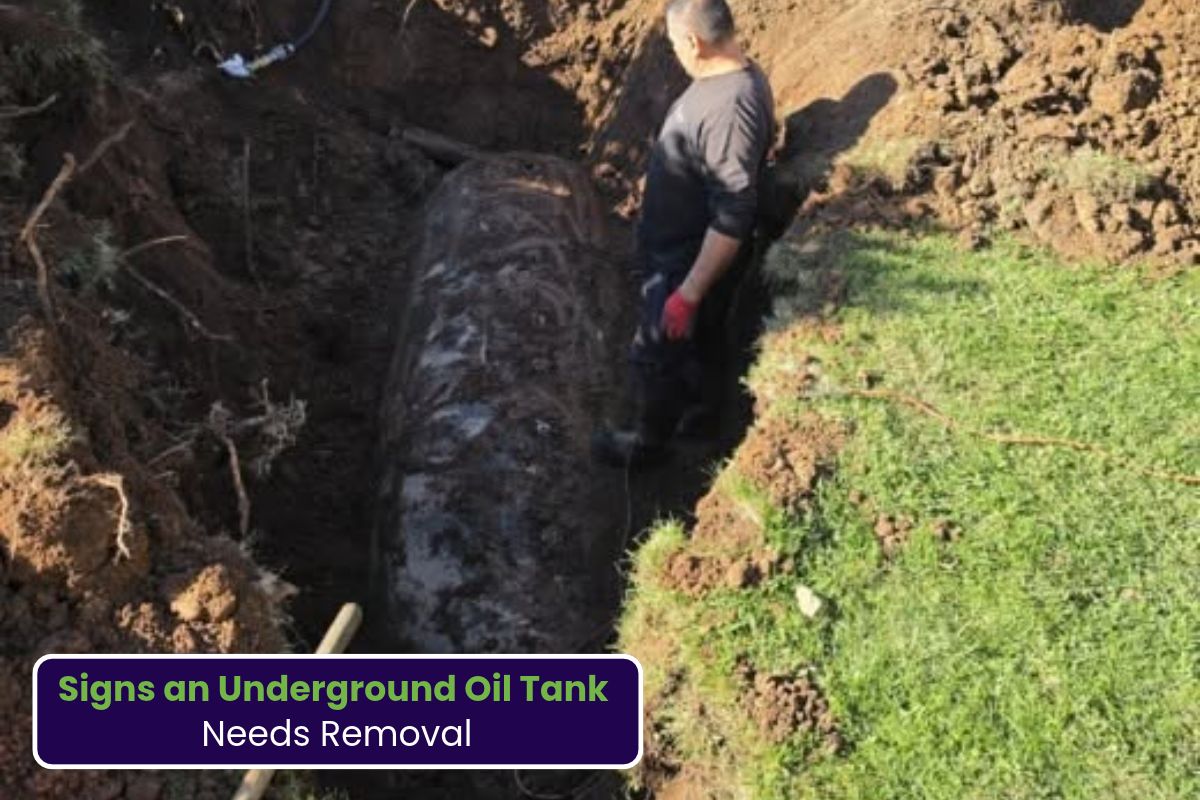
Underground oil tanks can develop problems over time due to corrosion, aging materials, and environmental conditions. Since these tanks are buried beneath the ground, homeowners may not notice potential issues until a leak or other warning sign appears. Recognizing these problems early can help prevent soil contamination, property damage, and costly cleanup work.
If your property has an old or unused heating oil tank, understanding the warning signs can help you decide when professional inspection and removal may be necessary.
Unexplained Increase in Oil Consumption
One of the common warning signs of a leaking underground oil tank is an unexpected increase in fuel consumption. If your heating system is using more oil than usual without a significant change in usage or weather conditions, the tank may have a leak.
However, increased consumption can also result from heating system problems. Having your heating equipment checked can help identify the actual cause.
Strong Oil Smell Around Your Property
A persistent petroleum or heating oil smell around your basement, yard, or nearby areas may indicate a possible tank leak. Underground leaks can release oil into surrounding soil, allowing odors to reach the surface.
Never ignore unusual fuel odors, especially when they occur away from your furnace or oil burner. A professional environmental inspection can help determine whether the tank is responsible.
Dead or Discolored Grass Near the Tank
Have you noticed patches of dead grass or unusual vegetation changes around the suspected tank location? These changes may indicate that heating oil has entered the surrounding soil.
Fuel contamination can affect the condition of nearby plants and may require soil testing to determine whether environmental cleanup is necessary.
Water or Oil in the Tank
Water accumulation inside an underground heating oil tank can contribute to internal corrosion and affect the tank’s condition. Similarly, recurring problems with your oil burner may indicate an issue with the fuel supply or storage system.
A professional inspection can help determine whether these problems are related to the tank or another part of the heating system.
Oil Stains or Sheen in Basement Areas
Oil stains on basement walls or floors, especially near tank-related piping, should be investigated. Another warning sign is an oily sheen in a basement sump pump or French drain.
These conditions may suggest that heating oil has reached nearby surfaces or groundwater. Prompt professional evaluation can help identify the source and determine the next steps.
Your Underground Tank Is Old or No Longer in Use
Older underground oil tanks may have deteriorated over the years, increasing the possibility of corrosion and leakage. Even if an unused tank appears harmless, its condition may be uncertain because it is hidden beneath the ground.
Scheduling an inspection can help homeowners understand the tank’s condition and determine whether professional Underground Oil Tank Removal is the appropriate solution.
Why Is Professional Oil Tank Inspection Important in New Jersey?
Homeowners should not rely on visible warning signs alone to determine whether an underground oil tank is leaking. A qualified professional can evaluate the tank, inspect the surrounding area, and recommend appropriate testing when necessary.
In New Jersey, residential heating oil tanks fall under the NJDEP’s Unregulated Heating Oil Tank (UHOT) Program. If a discharge is discovered, the property owner must follow applicable reporting and remediation requirements. Tank closure must also be performed by an appropriately certified contractor.
Professional evaluation can help identify potential soil contamination and determine whether soil testing or remediation is needed.
Frequently Asked Questions
Q1. How do I know if my underground oil tank is leaking?
Common warning signs include unexplained oil consumption, petroleum odors, dead vegetation, water inside the tank, and oil sheen in basement drainage areas. Professional inspection is recommended to confirm the issue.
Q2. Should an unused underground oil tank be removed?
An unused tank should be professionally evaluated to understand its condition and potential environmental risks. Removal may be recommended depending on its condition, property plans, and applicable local requirements.
Q3. Can an underground oil tank leak contaminate soil?
Yes. Heating oil can enter surrounding soil and potentially affect groundwater. Professional soil testing helps determine whether contamination is present.
Q4. Who should remove an underground oil tank in New Jersey?
Homeowners should hire a contractor certified for underground storage tank closure under New Jersey requirements. Additional environmental professionals may be needed if contamination is discovered.
Final Thoughts
Recognizing early warning signs can help New Jersey homeowners address underground tank problems before they become more serious. Simple Tank Services provides professional tank removal and related environmental services to help homeowners make informed decisions about their properties. Taking action early can help protect your property and reduce the risk of unexpected cleanup expenses.
Contact us today to discuss your underground oil tank concerns and schedule a professional evaluation.