
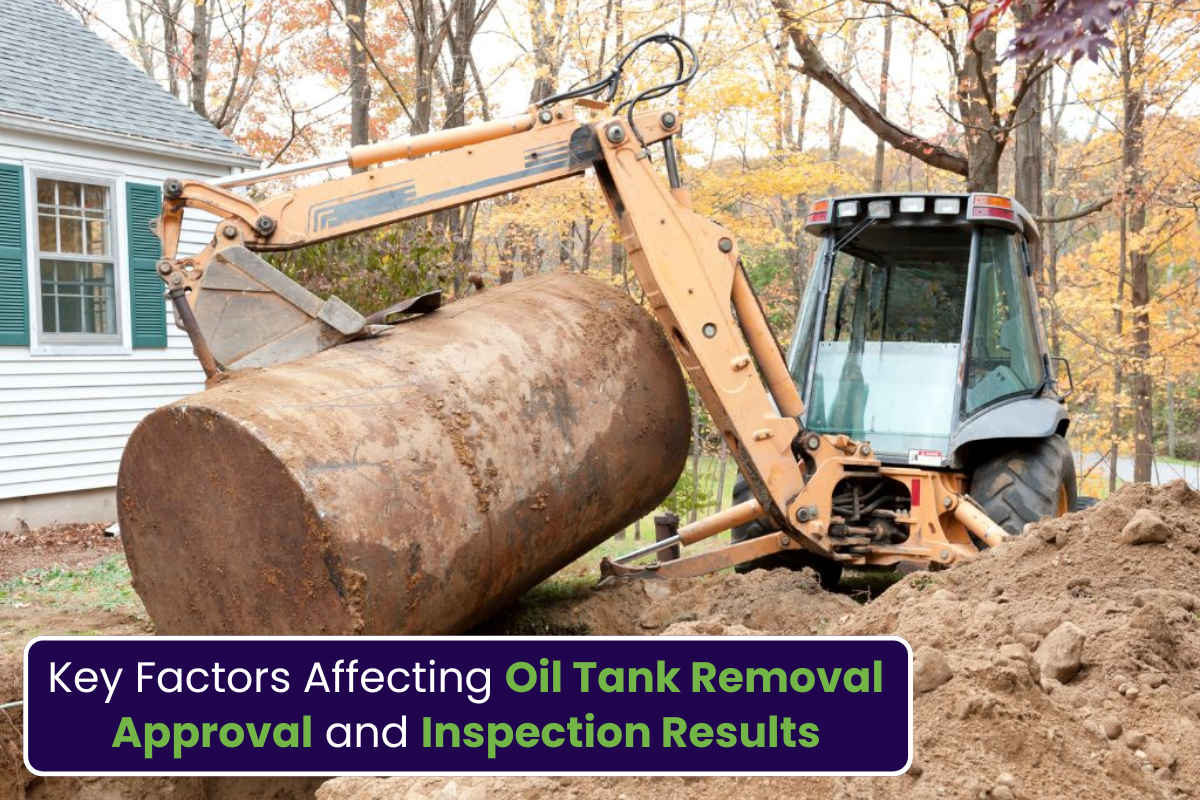
Removing an underground or above-ground oil tank is not just a simple excavation task—it involves strict regulatory compliance, environmental safety checks, and detailed inspection procedures. Homeowners and property buyers often underestimate how many variables can influence approval and inspection outcomes. Understanding these factors helps avoid delays, penalties, and costly remediation.
If you’re planning Oil Tank Removal in New Jersey, knowing what inspectors evaluate and what authorities require can significantly improve your chances of a smooth approval process.
Why Oil Tank Removal Approval Matters
Before any tank removal project begins, proper permits and approvals must be secured. Local municipalities and environmental agencies enforce strict guidelines to prevent soil contamination and groundwater pollution.
Failure to meet approval standards can result in:
-Project delays
-Additional environmental testing
-Increased remediation costs
-Legal compliance issues
This makes preparation and compliance critical from the start.
Tank Condition and Structural Integrity
One of the first factors inspectors assess is the condition of the tank. Older tanks, especially those made of steel, are more prone to corrosion and leakage.
If a tank shows signs of:
-Rust or deterioration
-Oil seepage
-Structural weakness
It may trigger additional environmental inspections. Damaged tanks often require soil testing, which can delay approval timelines.
Soil Contamination Levels
Environmental Compliance for Oil Tank Removal
Soil testing plays a central role in determining whether removal can proceed smoothly. Inspectors check for petroleum contamination around the tank area.
If contamination is detected:
-Soil remediation may be required
-Additional permits may be needed
-Approval timelines can extend significantly
Clean soil conditions, on the other hand, lead to faster inspection clearance and reduced costs.
Proper Documentation and Permits
Incomplete or inaccurate documentation is one of the most common reasons for approval delays.
Required documents typically include:
-Permit applications
-Site plans
-Tank registration details
-Environmental reports
Working with professionals ensures all paperwork is accurate and submitted correctly, helping streamline the approval process for oil tank removal in New Jersey.
Compliance with Local Regulations
Underground Oil Tank Inspection Requirements
Each municipality in New Jersey may have slightly different requirements. However, common inspection standards include:
-Safe excavation practices
-Proper tank cleaning before removal
-Certified disposal methods
Inspectors verify that all procedures align with state and local environmental laws. Non-compliance can lead to immediate project shutdowns.
Contractor Experience and Certification
Hiring a qualified and licensed contractor significantly impacts approval success.
Experienced contractors:
-Understand regulatory requirements
-Follow proper safety protocols
-Handle documentation efficiently
This reduces the risk of inspection failures and ensures smoother project execution.
Tank Location and Accessibility
The physical location of the oil tank also affects inspection results.
Challenges may include:
-Tanks located near building foundations
-Limited excavation space
-Proximity to utility lines
Difficult access can complicate removal and may require additional safety measures, which inspectors will closely evaluate.
Proper Tank Cleaning and Disposal
Oil Tank Removal Permit Process NJ
Before removal, tanks must be properly cleaned to eliminate residual oil and vapors. Inspectors check whether:
-The tank has been safely emptied
-Hazardous materials are handled correctly
-Disposal follows approved environmental guidelines
Improper cleaning or disposal can result in failed inspections and legal consequences.
Groundwater Protection Measures
If the tank is located in an area with high groundwater levels, inspectors will pay extra attention to contamination risks.
Preventive steps include:
-Installing barriers
-Monitoring groundwater quality
-Conducting additional environmental assessments
These measures help ensure environmental safety and compliance.
Final Inspection and Closure Reports
Residential Oil Tank Removal Guidelines
After the tank is removed, a final inspection is conducted. This includes:
-Verifying complete tank removal
-Confirming soil condition
-Reviewing documentation
A closure report is then issued, which is essential for property transactions and future development approvals.
Impact on Property Value and Transactions
Oil tank removal approvals directly influence real estate transactions. Buyers often require proof that:
-The tank has been safely removed
-No contamination exists
-All inspections are passed
A failed inspection can delay or even cancel property sales.
Common Mistakes That Delay Approval
Avoid these common errors:
-Skipping soil testing
-Hiring unlicensed contractors
-Submitting incomplete permits
-Ignoring local regulations
Addressing these issues early ensures a smoother inspection process.
FAQs
Q1. How long does oil tank removal approval take in New Jersey?
Approval timelines vary but typically range from a few days to several weeks, depending on permits and environmental conditions.
Q2. Is soil testing mandatory for oil tank removal?
Yes, in most cases soil testing is required to check for contamination and ensure environmental compliance.
Q3. What happens if contamination is found during inspection?
If contamination is detected, remediation procedures must be completed before final approval is granted.
Q4. Can I remove an oil tank without a permit?
No, permits are mandatory. Unauthorized removal can lead to penalties and legal issues.
Q5. Does oil tank removal increase property value?
Yes, removing a tank and obtaining proper certification improves property value and buyer confidence.
Summary
Oil tank removal approval depends on multiple technical, environmental, and regulatory factors. From tank condition and soil quality to documentation and contractor expertise, each element plays a critical role in determining inspection outcomes. Proper planning, compliance, and professional execution can significantly reduce delays and risks. By understanding these key factors, property owners can ensure a successful and stress-free removal process with Simple Tank Services.