
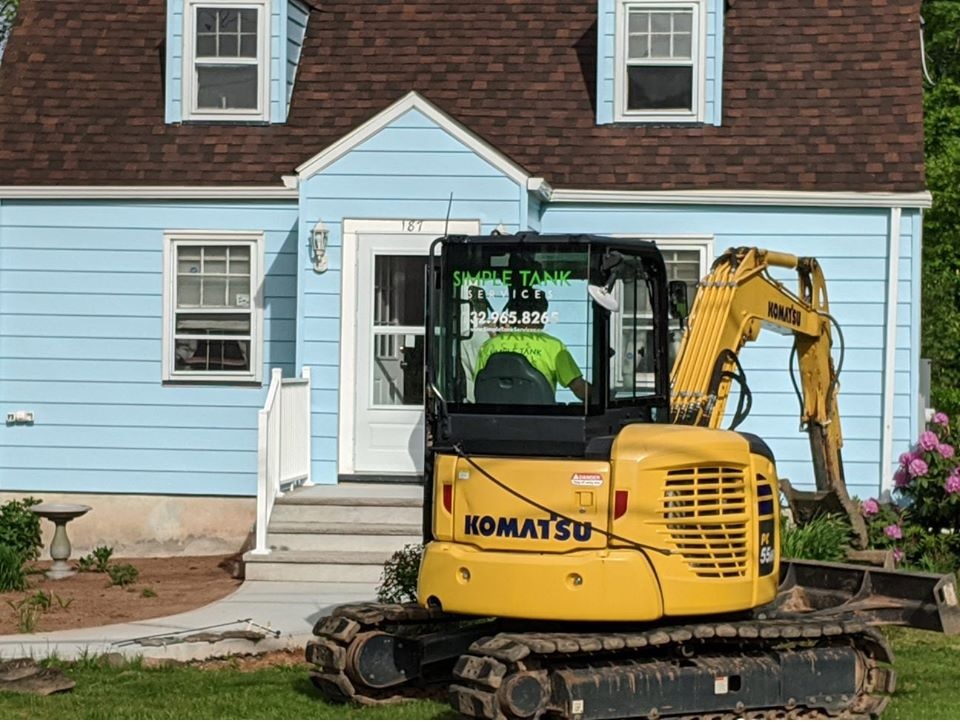
Did you know that improper tank removal can expose property owners to costly fines and dangerous environmental hazards? As regulations tighten in 2025, the need for safe, compliant tank removal has never been more critical.
Leaking or outdated tanks can contaminate soil and water, put your health at risk, and even lower your property value. Ignoring these risks can delay real estate transactions and lead to unexpected legal liabilities.
This comprehensive guide delivers step-by-step instructions and expert advice for a smooth, legal, and cost-effective tank removal process. You will discover essential steps, regulatory requirements, preparation tips, removal procedures, soil remediation strategies, and best practices to safeguard your investment.
Start your journey to compliance and property protection with this roadmap for safe tank removal.
Understanding Tank Removal: Types, Risks, and Regulations
Tank removal is a critical process for property owners, especially as regulations tighten in 2025. To understand why tank removal matters, it is important to first know the types of tanks commonly found on residential and commercial properties.
Common Tank Types
|
Tank Type |
Typical Use |
Location |
|---|---|---|
|
Underground Storage Tank (UST) |
Fuel, chemicals, heating oil |
Buried below ground |
|
Aboveground Storage Tank (AST) |
Fuel, water, chemicals |
On or above ground |
|
Residential Heating Oil Tank |
Home heating oil |
Above or below ground |
Each tank type presents unique challenges during tank removal, depending on its size, construction, and installation location.
Risks of Aging or Abandoned Tanks
Aging or abandoned tanks pose several risks:
-
Soil and groundwater contamination from leaks
-
Health hazards due to vapor intrusion or direct exposure
-
Legal liabilities, including fines and mandatory cleanup orders
These risks can significantly impact property value. For example, a leaking underground tank can halt a real estate transaction or require expensive remediation. According to Risks of Underground Oil Tank Leaks, undisclosed leaks often lead to environmental claims and devaluation.
Impact on Property Value and Transactions
Properties with unresolved tank removal issues may face:
-
Loss of buyer interest
-
Reduced appraisal values
-
Delays in financing or closing
Buyers are increasingly cautious, and lenders may require proof of proper tank removal before approving a mortgage.
Regulatory Overview and Updates for 2025
Tank removal is governed by federal, state, and local agencies. The EPA sets national standards for USTs, while states like New Jersey enforce additional requirements through agencies such as NJDEP. Local municipalities may have their own permit and inspection processes.
Regulations are evolving. For instance, 2025 brings stricter closure deadlines for older tanks in several states, plus new requirements for secondary containment and enhanced reporting. Staying current with these changes is essential for compliance and avoiding penalties.
Case Study and Statistics
Consider a property that lost 20 percent of its value after a leaking tank was discovered post-sale. The average cleanup cost for contaminated sites can exceed $20,000, with some cases going much higher. Studies estimate that thousands of tanks nationwide are at risk of leaking, making proactive tank removal a prudent choice for property protection.
Step 1: Site Assessment and Initial Planning
Preparing for tank removal begins with a thorough site assessment and detailed planning. This stage sets the foundation for a safe, compliant, and cost-effective process. A proactive approach helps property owners avoid costly surprises and ensures all legal requirements are met.
Why Site Assessment is Critical
A professional site assessment is the first essential step in any tank removal project. Experts use advanced tools like ground-penetrating radar (GPR) to accurately locate underground tanks, determine their size, and assess their condition. Identifying the presence of leaks or corrosion early can prevent widespread soil or groundwater contamination.
Environmental consultants also look for signs of previous spills or abandoned tanks that may not appear on public records. For example, during a property sale inspection, an unregistered tank may be discovered, leading to unexpected delays and additional costs. By investing in a proper site assessment, property owners can mitigate risks and plan for any necessary remediation before tank removal begins.
Developing a Removal Plan
After the assessment, a clear tank removal plan is developed to guide the next steps. This plan includes an itemized proposal outlining the scope of work, estimated costs for removal, remediation, and site restoration. Accurate budgeting at this stage helps avoid overruns and ensures funds are available for each phase.
Securing permits is crucial before any work starts. Local authorities often require notification well in advance, and failure to comply can result in fines or project delays. Property owners should also coordinate with licensed contractors and environmental consultants to schedule the work and address any site-specific challenges. Effective planning streamlines tank removal and reduces the risk of unforeseen complications.
Regulatory Compliance and Documentation
Regulatory compliance is a cornerstone of successful tank removal. Property owners must gather and maintain all required documentation, including permits, notifications, and post-removal reports. Understanding liability transfer and ensuring proper insurance coverage are vital to protect against future claims.
Maintaining comprehensive records is especially important for future property transactions or refinancing. Missing paperwork can lead to costly fines or delays in closing deals. For example, incomplete documentation has resulted in projects being halted until proper records were produced.
Consulting resources such as the Underground Oil Tank Removal Contracts page can help clarify the contractual and compliance aspects of tank removal. Prioritizing documentation at every stage ensures a legally sound and smooth process.
Step 2: Preparing the Site for Tank Removal
Before any tank removal can begin, careful preparation of the site is essential. This phase sets the foundation for a safe, compliant, and efficient process. By following strict protocols, you can avoid costly mistakes and ensure environmental protection throughout the project.
Safety Protocols and Environmental Protections
Every tank removal project must prioritize safety for both workers and the environment. Begin by implementing OSHA safety standards, which require the use of personal protective equipment such as gloves, goggles, and respirators. Establish containment barriers around the tank area to prevent accidental spills and cross-contamination.
Air quality monitoring is crucial, especially when dealing with vapor hazards from underground tanks. Ventilation fans and gas detectors help maintain a safe atmosphere. Keep spill kits and emergency response plans on hand in case of unexpected leaks. These measures protect not only your team but also surrounding soil and groundwater from contamination.
Utility Markouts and Access Preparation
Before excavation begins for tank removal, it is vital to identify and mark all underground utilities. Contact local utility companies to schedule professional markouts. Clearly flag water, gas, electric, and communication lines to prevent accidental damage during digging.
Next, clear the site of vegetation, debris, and any obstacles that could impede equipment access. Plan the movement of heavy machinery, considering site logistics and minimizing disruption to the property. Proper access preparation reduces delays and ensures that the tank removal proceeds without unnecessary complications.
Notifying Stakeholders and Neighbors
Communication is a key aspect of responsible tank removal. Notify neighbors, tenants, and local authorities about the upcoming work. Provide details about the schedule, expected noise, and safety precautions in place.
Address any concerns about traffic or disruptions early in the process. Open communication helps build trust and ensures the project runs smoothly for everyone involved.
Example Timeline and Checklist
A well-structured timeline keeps the tank removal project on track. Here is a sample checklist to guide your preparation:
|
Task |
Responsible Party |
Timeline |
|---|---|---|
|
Site assessment |
Environmental consultant |
Day 1 |
|
Permit acquisition |
Property owner/contractor |
Day 2-5 |
|
Utility markouts |
Utility company |
Day 6 |
|
Site clearing |
Contractor |
Day 7 |
|
Stakeholder notification |
Property owner |
Day 7 |
Each task must be documented and verified before moving to the next stage. For a deeper look at the Oil Tank Removal Process, review industry best practices and tips from experienced professionals.
Following this checklist ensures compliance, efficiency, and safety at every step of tank removal.
Step 3: Tank Extraction and Handling Contaminated Materials
Tank removal reaches its most critical stage during extraction and material handling. At this point, safety and compliance are paramount, as improper procedures can lead to environmental damage, regulatory penalties, or costly project delays. Here is how to ensure this step is handled professionally and in line with the latest standards.
Safe Tank Extraction Procedures
Tank removal begins with a thorough review of the site assessment and removal plan. For aboveground tanks, technicians disconnect all lines, purge vapors, and use vac-trucks or pumps to safely extract residues. Underground tanks require excavation, shoring for trench safety, and careful lifting with cranes or excavators.
Specialized equipment, such as non-sparking tools, is used to minimize ignition risks. All steps must align with current federal and state guidelines. For example, the EPA UST Regulation Revisions outline critical requirements for safe tank removal, including operator training and secondary containment. Following these protocols reduces the risk of accidental leaks or regulatory violations.
Handling and Disposal of Residual Contents
During tank removal, managing leftover liquids, sludge, and vapor is essential for safety and compliance. Contractors first sample and test residual contents to classify them as hazardous or non-hazardous waste. Approved containers are used for transfer, and materials are transported only to licensed disposal or recycling facilities.
A common pitfall is neglecting to fully drain tanks, which may result in spills and secondary contamination. To avoid this, crews always double-check tanks after extraction. Documenting every step of the disposal process is not only best practice but also required by most jurisdictions for tank removal projects.
Soil and Groundwater Sampling
Once the tank is removed, soil and groundwater around the excavation site are sampled to detect any contamination. Samples are collected at multiple depths and locations, then sent to certified laboratories for analysis. Results determine if remediation is needed and are crucial for closing out tank removal projects with regulatory agencies.
Proper documentation of sampling procedures and results is mandatory. If contamination is detected, detailed reports must be submitted, and further actions outlined. This step helps property owners demonstrate due diligence and protects them from future liability related to tank removal.
Emergency Response and Spill Management
Despite careful planning, spills or leaks can occur during tank removal. Immediate action is critical. Crews deploy spill containment kits and absorbent materials to capture leaked substances. Air monitoring equipment is used to ensure the safety of workers and nearby residents.
All incidents are documented and reported to local authorities as required. Having an emergency response plan in place is a non-negotiable aspect of responsible tank removal. Quick response not only minimizes environmental impact but also keeps projects on track and in compliance with legal requirements.
Step 4: Soil Remediation and Site Restoration
Once tank removal is complete, the next step is to ensure the site is safe, clean, and compliant. Soil remediation and site restoration are essential to protect your property, meet regulatory demands, and restore value.
Assessing and Addressing Contamination
After tank removal, professionals analyze soil and groundwater samples to determine if contamination is present. Interpreting these results is critical, as even minor leaks can pose significant risks to health and property. The scope of remediation depends on the severity and extent of contamination detected.
For example, during a recent tank removal, a homeowner discovered elevated petroleum levels in the soil, requiring immediate action. A thorough assessment outlines the necessary steps to remove pollutants and ensures all regulatory guidelines are met. Accurate evaluation at this stage lays the groundwork for a successful remediation process.
Soil Remediation Techniques
There are several proven soil remediation techniques following tank removal. The most common approach is excavation, where contaminated soil is removed and safely disposed of according to local regulations. In-situ methods, such as bioremediation or chemical treatment, are also used to treat soil without excavation.
Choosing the right technique depends on contamination type, site access, and regulatory requirements. For property owners in New Jersey, the Soil Remediation in New Jersey resource provides detailed guidance on selecting and implementing effective solutions after tank removal. Always ensure all hazardous materials are managed and transported by licensed professionals.
Site Backfilling and Restoration
Once soil remediation is complete, site backfilling and restoration begin. Clean soil is placed into the excavated area, restoring proper grading and stability. Depending on the original site features, landscaping, paving, or rebuilding may follow to return the area to its previous condition.
A successful restoration after tank removal ensures the property is both visually appealing and structurally sound. This step also helps prevent erosion, uneven settlement, or future environmental issues. Proper site restoration is essential for maintaining property value and safety.
Monitoring and Final Reporting
The final step after tank removal is ongoing monitoring and comprehensive reporting. Follow-up soil and groundwater tests confirm the effectiveness of remediation. Detailed reports are prepared for regulatory agencies and kept with property records.
Maintaining this documentation is crucial for future property transactions or refinancing. Consistent monitoring ensures that no residual contamination remains and that your property remains compliant and safe for years to come.
Step 5: Post-Removal Best Practices and Future Prevention
Proper post-removal practices are critical for ensuring long-term property safety and regulatory compliance. Once tank removal is complete, your responsibilities do not end. Maintaining organized documentation is essential. These records will be invaluable for future property sales, refinancing, or insurance claims.
Keep all permits, environmental reports, remediation summaries, and receipts. If you ever need to prove that tank removal was performed legally and safely, having these documents readily available can prevent costly disputes. For example, one homeowner in New Jersey avoided a legal battle during the sale of their property by providing a complete record of tank removal, including soil test results and regulatory clearances.
Continuous monitoring is another best practice. Even after successful tank removal, residual contamination or ground settlement may occur. Schedule periodic inspections of the site, especially during the first year after remediation. Early detection of issues can save thousands in future cleanup costs.
If your property still uses heating oil or fuel storage, regular inspections of remaining tanks and associated systems are vital. Look for signs of leaks, corrosion, or unstable ground. Consider upgrading to modern, double-walled tanks or alternative energy systems. These upgrades not only improve safety but may also qualify you for insurance discounts or local incentives.
Educate all property occupants about environmental safety. Post-removal, ensure everyone knows what to do if they notice unusual odors, visible spills, or ground shifts. A proactive approach reduces risk and builds confidence among residents or tenants.
As regulations evolve, stay informed about state and local requirements. For example, California property owners should review the California UST Closure Deadline 2025, which mandates closure of certain underground tanks by the end of 2025. Compliance with such rules is essential for future prevention and avoiding penalties.
Below is a quick-reference table highlighting key post-removal best practices and statistics:
|
Best Practice |
Benefit |
Statistic/Note |
|---|---|---|
|
Maintain all tank removal records |
Prevents legal disputes, aids resale |
1 in 5 deals delayed due to missing documents |
|
Schedule site monitoring |
Early detection saves on remediation |
12% require follow-up cleanup |
|
Inspect and upgrade remaining systems |
Reduces future environmental risks |
Modern tanks reduce leaks by 70% |
|
Educate occupants |
Promotes quick response to issues |
Awareness reduces incident response time |
By following these post-removal steps, you protect your property investment and ensure ongoing compliance. Effective tank removal management does not stop at extraction; it extends into diligent recordkeeping, monitoring, and future-proofing your site.
Expert Tips for a Smooth Tank Removal in 2025
Planning a successful tank removal project in 2025 requires more than just following the steps. Property owners benefit most by applying expert insights, reducing unexpected costs, and staying compliant throughout the process.
Follow these expert tips to ensure a smooth tank removal:
-
Hire Licensed, Experienced Contractors
Always select contractors with a strong track record in tank removal. Ask for references and verify licensing to avoid liability issues. -
Compare Pricing Models
Evaluate both fixed-price and variable pricing models. Fixed-price contracts offer cost certainty, while variable pricing may adjust based on site conditions. Review all terms to prevent budget surprises. -
Demand Transparent Proposals
Insist on detailed, itemized proposals. This helps you spot hidden fees and ensures you know exactly what services are included in the tank removal process. -
Leverage Modern Technology
Choose professionals who use advanced detection and removal technologies. Innovations such as ground-penetrating radar and remote monitoring can make tank removal safer and more efficient. -
Stay Informed on Regulations
Regulations can change quickly. For example, Oregon UST Rule Updates 2025 highlights new contractor requirements and removal standards. Check your state’s latest guidelines before starting any project. -
Act Early to Save Costs
Proactive tank removal often leads to significant savings. For instance, early detection of a minor leak helped one homeowner avoid thousands in cleanup expenses compared to waiting until a major spill occurred. -
Maintain Comprehensive Documentation
Keep all permits, reports, and receipts organized. Complete documentation is invaluable for future property sales and protects you from legal disputes.
By applying these expert strategies, you can ensure your tank removal is efficient, compliant, and cost-effective. Careful planning and professional support are the keys to protecting both your investment and the environment.
As you’ve seen throughout this guide, navigating tank removal in 2025 requires careful planning, expert knowledge, and adherence to evolving regulations. Whether you’re concerned about environmental risks, property value, or simply want the peace of mind that comes with a job done right, partnering with experienced professionals makes all the difference. At Simple Tank Services, we take pride in offering fixed-price solutions and transparent service every step of the way. If you’re ready to safeguard your property and ensure compliance, I encourage you to explore Our Services to see how we can help.