
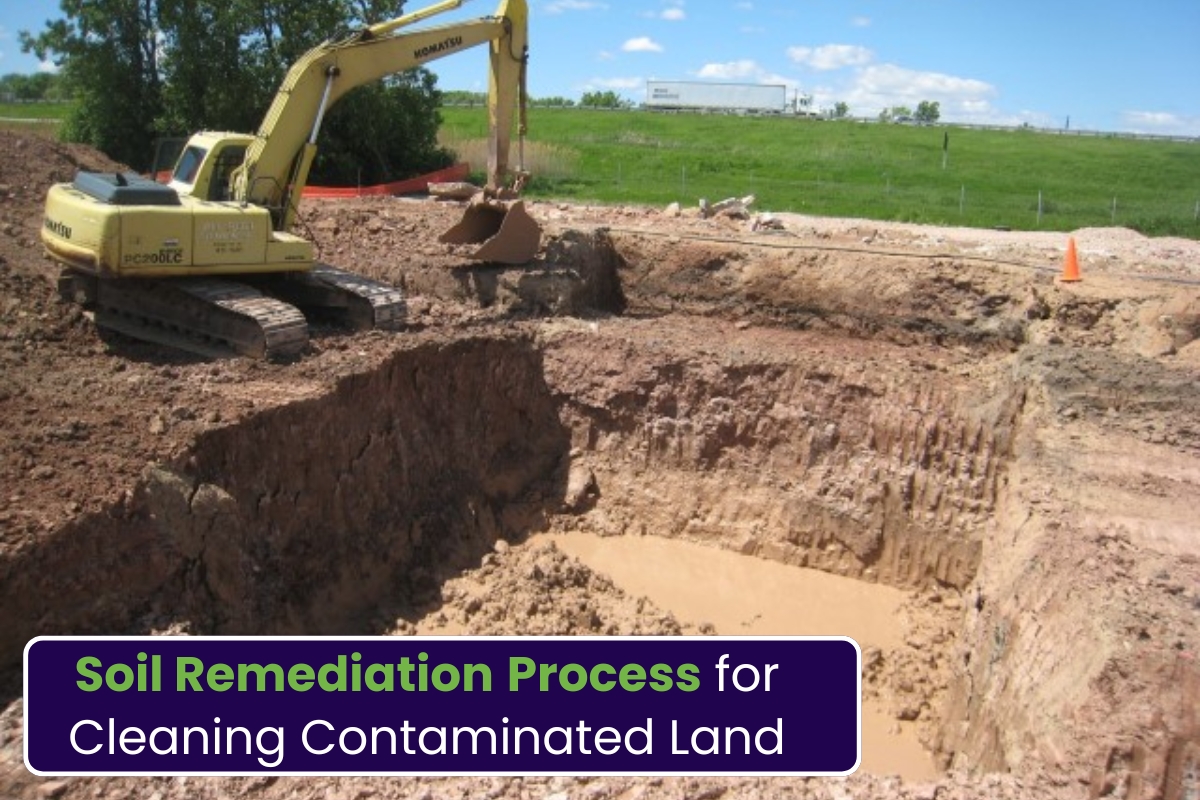
Soil contamination is a serious issue that can affect residential properties, commercial developments, and industrial sites. Whether caused by underground oil tanks, chemical spills, or long-term industrial activity, contaminated soil can pose environmental and health risks if not handled properly. That’s why professional Soil Remediation in New Jersey plays a critical role in restoring land safely and efficiently.
In this guide, we’ll explain the best practices used to clean contaminated sites, how the remediation process works, and why proper handling protects both property owners and the environment.
Understanding Soil Contamination
Soil becomes contaminated when hazardous substances seep into the ground. Common pollutants include:
-Petroleum hydrocarbons
-Heavy metals
-Industrial solvents
-Chemical residues
Over time, these contaminants can migrate deeper into the soil and potentially reach groundwater. Without proper action, contamination may spread beyond the original site.
Professional Soil Remediation in New Jersey ensures these risks are managed according to environmental regulations while restoring the property to safe conditions.
Step 1: Environmental Site Assessment NJ
Before remediation begins, experts conduct a detailed Environmental Site Assessment NJ to determine the extent of contamination.
This assessment includes:
-Reviewing historical property records
-Identifying possible contamination sources
-Collecting soil samples
-Laboratory testing
Accurate assessment is essential because it determines which remediation method will be most effective. Skipping this step can lead to incomplete cleanup and future liabilities.
Step 2: Contaminated Soil Removal Process
One of the most common remediation methods is the Contaminated Soil Removal Process. This involves excavating polluted soil and safely transporting it to approved disposal facilities.
When Is Soil Removal Necessary?
-High levels of petroleum contamination
-Strong chemical odors
-Visible staining or oily residue
-Regulatory requirements
Excavation is often the fastest way to eliminate heavily polluted soil, especially when contamination is concentrated in one area.
However, removal is not always the only solution. In some cases, alternative treatment methods may be more cost-effective and environmentally friendly.
Step 3: Soil Testing and Analysis Services
After initial removal or treatment, Soil Testing and Analysis Services are performed to verify that contamination levels meet state safety standards.
Testing confirms:
-Whether cleanup goals were achieved
-If additional remediation is needed
-Compliance with New Jersey environmental laws
Proper documentation from soil testing is crucial for property sales, refinancing, or redevelopment projects.
Step 4: Hazardous Waste Cleanup Procedures
When contamination involves toxic chemicals or hazardous materials, specialized Hazardous Waste Cleanup Procedures are required.
These procedures may include:
-Soil vapor extraction
-Bioremediation techniques
-Chemical oxidation treatments
-Groundwater monitoring systems
Each site is unique, so remediation strategies are tailored to match contamination levels and environmental conditions.
Best Practices in Soil Remediation
Successful remediation requires more than just removing polluted soil. It involves strategic planning and compliance with environmental guidelines.
Accurate Contamination Mapping
Identifying the exact boundaries of contamination prevents unnecessary excavation and reduces costs.
Regulatory Compliance
New Jersey has strict environmental standards. Working with experienced professionals ensures adherence to state and federal regulations.
Use of Certified Laboratories
Reliable lab testing ensures accurate results and prevents future disputes.
Detailed Documentation
Comprehensive reporting protects property owners during inspections or property transactions.
Why Professional Soil Remediation Matters
Attempting to handle contamination without professional guidance can create serious risks. Improper cleanup may lead to:
-Continued environmental damage
-Legal penalties
-Reduced property value
-Health concerns for occupants
Professional remediation teams follow established procedures to ensure thorough and safe cleanup.
By investing in proper remediation, property owners secure long-term environmental safety and financial protection.
Long-Term Benefits of Soil Remediation
Effective soil cleanup provides several advantages:
-Restores land usability
-Protects groundwater quality
-Increases property market value
-Reduces liability risks
-Supports safe redevelopment projects
Properties that undergo documented remediation often attract more buyers and investors because environmental risks are minimized.
Signs Your Property May Need Remediation
You may need remediation if you notice:
-History of underground oil tanks
-Past industrial activity
-Fuel odors in soil
-Unusual vegetation damage
Environmental inspection notices
Early intervention reduces cleanup costs and prevents contamination from spreading further.
Choosing the Right Remediation Partner
When selecting a remediation company, consider:
-Experience with New Jersey environmental laws
-Proven track record
-Transparent pricing
-Detailed reporting and documentation
An experienced team ensures the cleanup process runs smoothly from assessment to final clearance.
Frequently Asked Questions
Q1. What causes soil contamination?
Soil contamination is commonly caused by oil leaks, chemical spills, industrial waste, or underground storage tank failures.
Q2. How long does soil remediation take?
The timeline depends on the level of contamination and the remediation method used. Some projects take days, while others may require several weeks.
Q3. Is soil remediation expensive?
Costs vary based on contamination severity, soil volume, and treatment method. Early detection typically reduces overall expenses.
Q4. Can contaminated soil affect groundwater?
Yes, pollutants can migrate through soil layers and impact groundwater sources if not treated properly.
Q5. Is remediation required before selling property?
In many cases, environmental clearance is necessary during property transactions to avoid legal or financial complications.
Summary
Cleaning contaminated land requires careful planning, professional assessment, and strict adherence to environmental standards. From site evaluations to soil removal and advanced treatment methods, each step plays a vital role in restoring safety and compliance. Proper remediation protects property value, prevents environmental harm, and ensures regulatory approval. When handled by experienced professionals like Simple Tank Services, contaminated sites can be transformed into safe, usable land once again.