
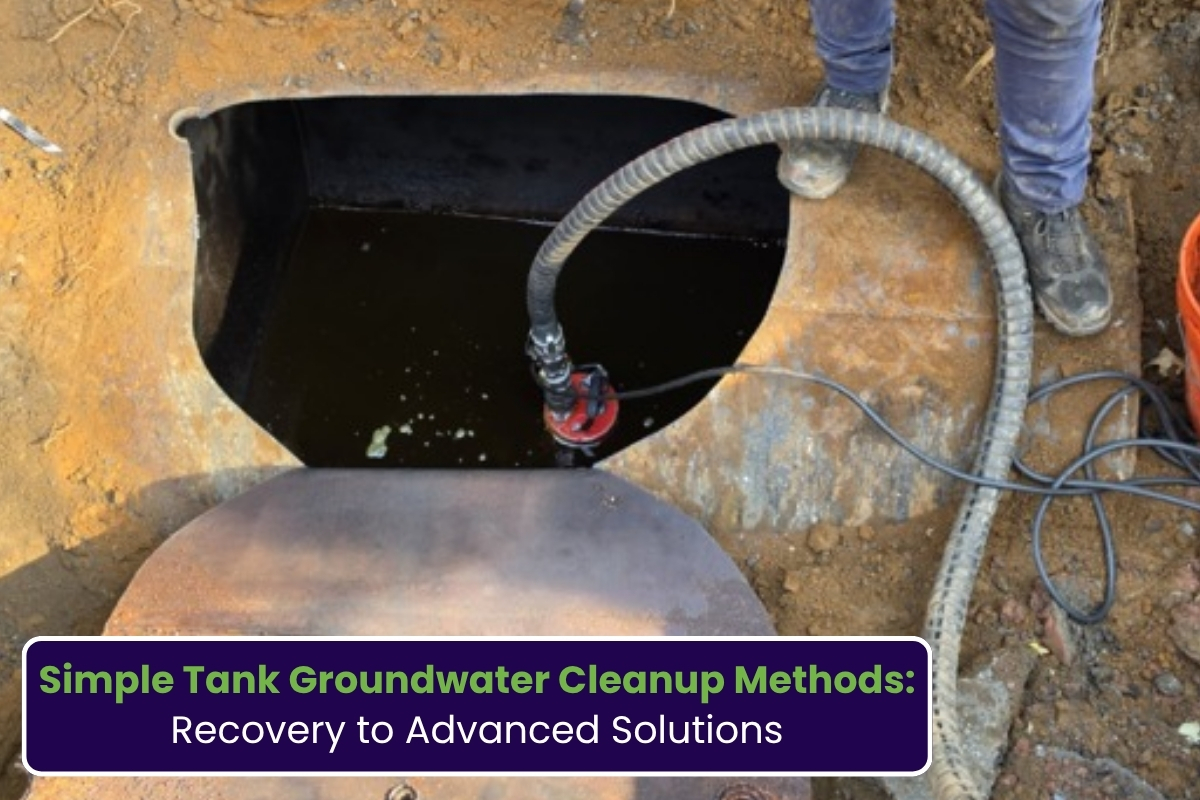
Groundwater contamination is a serious environmental concern, especially in residential and commercial properties where underground storage tanks have been used for years. Whether it’s heating oil tanks or fuel storage systems, even a small leak can lead to widespread damage beneath the surface.
Understanding the right cleanup methods—from natural recovery to advanced remediation technologies—can help property owners take the right action at the right time.
Understanding Groundwater Contamination in New Jersey
In regions like Groundwater Contamination in New Jersey, aging underground storage tanks and environmental factors often contribute to subsurface pollution. When petroleum products seep into the soil, they eventually reach groundwater, posing risks to drinking water supplies and surrounding ecosystems.
This issue requires a structured cleanup approach that ensures not only soil remediation but also groundwater restoration.
Causes of Tank-Related Groundwater Contamination
Several factors contribute to groundwater contamination from storage tanks:
-Corrosion of old steel tanks
-Improper installation or lack of maintenance
-Overfilling or accidental spills
-Cracks or leaks in underground piping
Once contamination begins, it spreads silently underground, making early detection crucial.
Natural Recovery Methods (Monitored Natural Attenuation)
One of the simplest and most cost-effective cleanup approaches is natural recovery, also known as monitored natural attenuation.
How It Works
This method relies on natural biological, chemical, and physical processes to break down contaminants over time.
Benefits
-Cost-effective solution
-Minimal site disturbance
-Environmentally friendly
Limitations
-Takes longer to achieve results
-Requires continuous monitoring
Natural recovery is ideal for sites where contamination levels are low and not actively spreading.
Soil Remediation Techniques for Effective Cleanup
Soil Remediation Techniques for Effective Cleanup
Soil remediation plays a critical role in preventing contaminants from reaching groundwater.
Common Methods Include:
-Excavation and removal of contaminated soil
-Soil vapor extraction (SVE)
-Bioremediation using microorganisms
By addressing contaminated soil early, property owners can significantly reduce long-term groundwater damage.
Advanced Groundwater Remediation Solutions
Advanced Groundwater Remediation Solutions
When contamination levels are severe, advanced remediation methods are required.
Popular Techniques:
-Pump and Treat Systems: Contaminated water is extracted, treated, and reintroduced
-Air Sparging: Injecting air to remove volatile contaminants
-Chemical Oxidation: Breaking down pollutants using chemical agents
These methods are highly effective but require professional expertise and monitoring.
Tank Removal and Source Elimination
The most important step in any cleanup process is removing the source of contamination.
Key Steps Include:
-Safe tank removal
-Disposal of contaminated materials
-Site assessment and testing
Without eliminating the source, contamination will continue regardless of remediation efforts.
The Importance of Groundwater Testing and Monitoring
Groundwater Testing and Monitoring
Regular groundwater testing ensures that remediation efforts are working effectively.
Monitoring Includes:
-Installing observation wells
-Periodic water sampling
-Laboratory analysis
This data helps determine whether further action is needed or if the site is safe.
Choosing the Right Cleanup Method
The right cleanup method depends on several factors:
-Level and spread of contamination
-Soil type and groundwater depth
-Property usage (residential or commercial)
-Regulatory requirements
For example, in Groundwater Contamination in New Jersey, strict environmental regulations often require a combination of remediation methods to ensure complete cleanup.
Preventing Future Groundwater Contamination
Prevention is always better than remediation. Property owners should:
-Conduct regular tank inspections
-Replace old tanks with modern systems
-Install leak detection systems
-Maintain proper documentation
Taking these steps can help avoid costly cleanup processes in the future.
Role of Professionals in Cleanup Projects
Groundwater cleanup is not a DIY task. Environmental professionals use advanced tools, regulatory knowledge, and scientific methods to ensure effective remediation.
Hiring experienced experts ensures:
-Compliance with environmental laws
-Accurate contamination assessment
-Long-term site safety
FAQs
Q1. What causes groundwater contamination from tanks?
Leaks, corrosion, and improper maintenance of underground storage tanks are the most common causes.
Q2. How long does groundwater cleanup take?
It depends on contamination severity. Natural methods may take years, while advanced solutions can speed up the process.
Q3. Is groundwater contamination dangerous?
Yes, it can affect drinking water quality and harm human health and the environment.
Q4. Can contaminated groundwater be fully cleaned?
With proper remediation techniques and monitoring, groundwater can often be restored to safe levels.
Q5. Do I need professional help for tank cleanup?
Yes, professional services ensure safe removal, accurate testing, and compliance with regulations.
Summary
Groundwater contamination from storage tanks can pose serious risks if not addressed promptly. From natural recovery methods to advanced remediation technologies, each approach plays a vital role depending on the severity of contamination. Early detection, proper tank removal, and continuous monitoring are key to successful cleanup. With the right strategy and professional support, property owners can restore environmental safety and protect valuable water resources. At every stage of the process, choosing reliable experts like Simple Tank Services. ensures efficient and compliant groundwater remediation.