
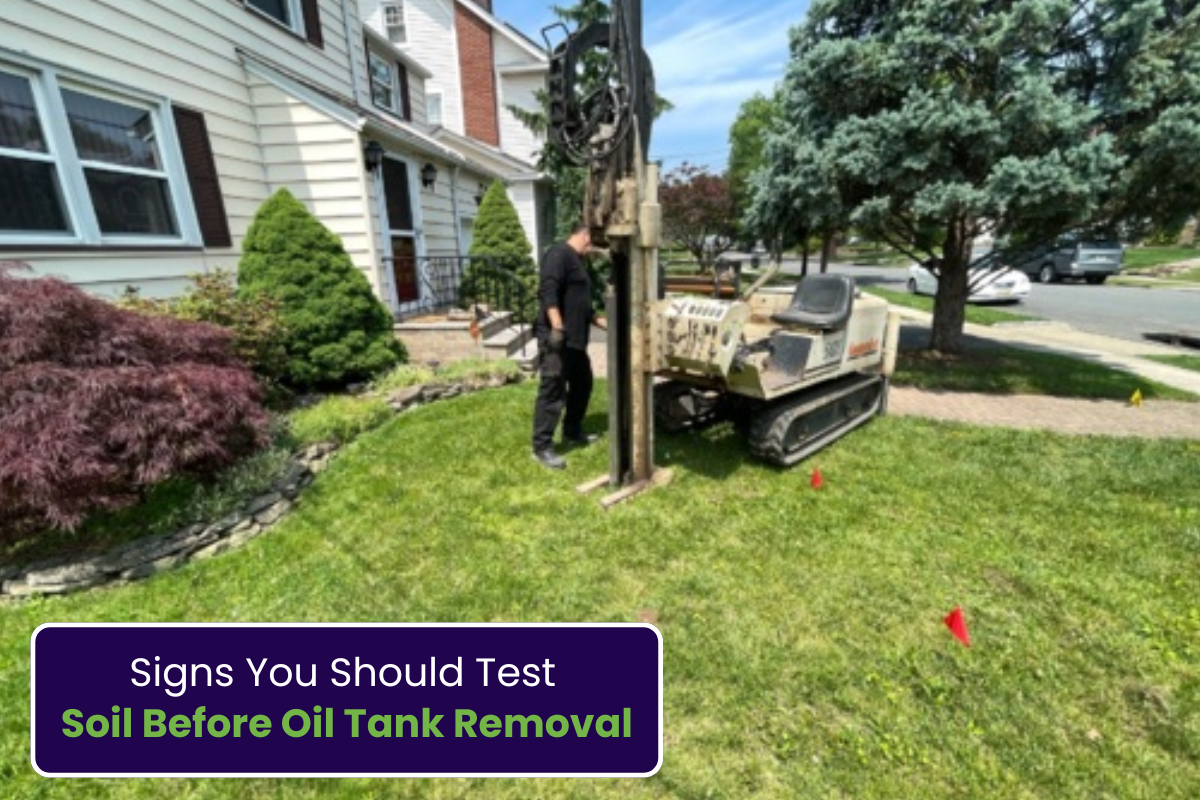
When it comes to oil tank removal, one of the most overlooked yet crucial steps is conducting a thorough soil investigation. Underground oil tanks, whether they are still in use or abandoned, can pose environmental and safety risks if leaks or contamination occur. A professional soil inspection helps identify hidden issues before the tank is removed, saving you from costly surprises later. But how do you know when soil testing is necessary? Below, we’ll explore the most common signs that show you need soil investigation before oil tank removal.
Age of the Oil Tank
If your underground oil tank is decades old, it is highly likely to have corrosion, cracks, or leaks. Steel tanks, in particular, deteriorate over time, and their protective coatings wear off. Once this happens, oil can seep into the soil unnoticed. An oil tank removal company will often recommend soil testing services for tanks that are 20 years old or more to check for possible contamination.
Unexplained Fuel Odors
One of the earliest warning signs of an oil leak is a strong fuel smell around your property. If you detect a petroleum odor in your basement, yard, or near the tank location, it could indicate that oil has leaked into the ground. A soil investigation in this situation ensures that any contamination is detected and handled before the removal process begins.
Dead or Discolored Vegetation
Healthy soil sustains plants and grass. If you notice patches of dead or discolored vegetation directly above or near your oil tank, it may be a sign of leaking fuel. Contaminated soil makes it difficult for plants to grow, creating unusual bare spots in your lawn. Professional soil testing services can confirm if the damage is due to oil leaks or other environmental factors.
Stained Soil or Water Accumulation
Dark, stained soil near the tank area or water pooling with a rainbow-like sheen are red flags of oil contamination. These visual signs suggest that the ground has already absorbed leaked oil. Before removal, soil investigation becomes critical to determine the extent of pollution and the remediation steps required.
History of Tank Repairs or Issues
If your oil tank has undergone frequent repairs, maintenance, or patchwork, the risk of leaks is much higher. Repeated issues usually signal that the tank’s structure is compromised. In such cases, an oil tank removal company will strongly advise soil testing to ensure that the ground has not been contaminated over the years.
Changes in Property Value or Transaction Requirements
If you plan to sell or buy a property with an underground oil tank, soil investigation is often a mandatory requirement. Real estate transactions frequently involve environmental checks to ensure the land is safe and uncontaminated. Soil testing services not only protect buyers but also help sellers avoid liability for hidden contamination discovered later.
Neighboring Tank Leaks
Contamination doesn’t always originate from your property. If a neighboring property has experienced oil tank leaks, there’s a chance your soil could be affected too, especially if the tanks are close together or the soil conditions allow for migration of pollutants. Soil testing before removal ensures no external contamination is overlooked.
Why Soil Investigation Matters Before Oil Tank Removal
Ignoring soil testing can lead to major environmental hazards and financial consequences. Leaked oil can contaminate groundwater, release harmful vapors, and make your property unsafe for use or sale. Cleaning up contaminated soil is far more expensive and time-consuming than addressing the problem early with testing.
By hiring an experienced oil tank removal company, you ensure that both the tank removal and soil investigation processes are handled professionally. Paired with reliable soil testing services, this approach provides peace of mind and ensures compliance with environmental regulations.
Final Thoughts
Soil investigation before oil tank removal isn’t just an optional precaution—it’s often a necessity. Signs such as fuel odors, dead vegetation, tank age, and visible soil staining should never be ignored. With the help of a trusted oil tank removal company and professional soil testing services, you can identify risks early, prevent costly cleanup, and protect your property’s value.
If you suspect any of these warning signs, don’t wait until the problem escalates. Schedule a soil investigation today to ensure your oil tank removal process is safe, efficient, and environmentally responsible.