
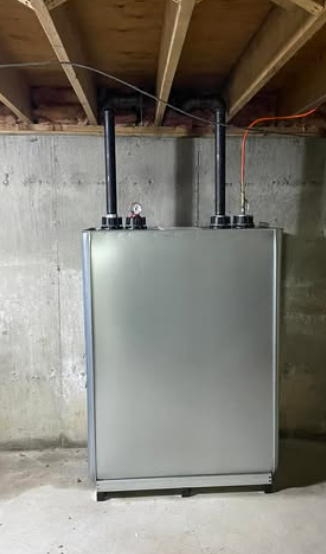
Are you thinking about installing a roth tank on your property in 2026? Choosing the right fuel storage system can safeguard your investment and give you peace of mind.
With new regulations and growing safety concerns, buyers need reliable information. This guide covers everything from roth tank technology and compliance to sizing, installation, and maintenance.
Discover what sets these tanks apart, learn how to select the best option for your needs, and understand key cost factors. Use this comprehensive resource to make a confident, compliant purchase that protects your property and the environment.
Understanding Roth Tanks: What Sets Them Apart?
Choosing the right storage tank is a critical decision for property owners. With evolving safety standards and environmental concerns, the roth tank stands out as a modern solution for secure and reliable fluid storage. Let us explore what makes it unique.
Roth Tank Technology Explained
The roth tank features advanced double-wall construction. The inner tank is made from high-density polyethylene (HDPE), providing a seamless, rust-proof barrier for fuel. Surrounding this is a galvanized steel outer tank, creating a robust secondary containment layer.
This design delivers multiple benefits:
-
Leak protection: If the inner tank fails, the outer shell contains any spills.
-
Corrosion resistance: Plastic liner prevents rust, unlike traditional steel tanks.
-
Longevity: With proper care, a roth tank can last over 30 years.
-
Environmental safety: The double-wall setup minimizes soil and water contamination risk.
Compared to single-wall or basic steel tanks, the roth tank offers superior safety and durability. Many models are UL-listed, meeting strict industry standards for fire and impact resistance. For a deeper look at construction and compliance, see the Roth Double-Wall Heating Oil Tanks overview.
Key Applications and Uses
A roth tank is versatile enough for a range of settings:
-
Residential: Commonly used for home heating oil storage.
-
Commercial and industrial: Safely stores waste oil, lubricants, or alternative fuels.
-
Aboveground and underground: Can be installed indoors or outside, depending on site needs.
-
Alternative fuels: Compatible with biodiesel and diesel exhaust fluid (DEF).
Regions with strict environmental regulations, such as the Northeast U.S., have seen a surge in roth tank adoption. This is often due to code requirements for double-wall containment and spill prevention. Whether for a home or business, the roth tank adapts to changing fuel types and installation scenarios.
Common Myths and Misconceptions
Misunderstandings about the roth tank can lead to hesitation among buyers. Let us address some common myths:
-
“Plastic tanks are not durable.” In reality, the inner HDPE shell is engineered for strength and chemical resistance, rivaling steel.
-
Installation is complex. Actually, the roth tank has clear installation guidelines and is lighter than steel, making placement straightforward.
-
Warranty confusion. Many believe coverage is limited, but the roth tank often comes with a robust 30-year warranty.
-
Cost concerns. While initial investment may be higher, long-term savings on maintenance and liability are significant.
-
Overlooked safety features. Integrated leak detection ports and secure caps enhance overall safety.
By understanding the facts, buyers can realize the true value a roth tank brings to property protection and regulatory compliance.
Roth Tank Construction, Features, and Safety
A roth tank stands out for its advanced engineering and commitment to safety. Understanding its construction, features, and compliance benefits is key to making an informed decision.
Double-Wall Design and Materials
The roth tank features a double-wall construction, which is central to its reputation for durability and safety. The inner tank is made from high-density polyethylene (HDPE), a material chosen for its resistance to corrosion and chemical degradation. Surrounding this is a layer of galvanized steel, forming a robust outer shell that provides structural reinforcement.
This dual-layer approach allows the roth tank to detect leaks early through integrated ports and visual indicators. Any breach in the inner tank is captured by the secondary containment, preventing environmental contamination. Fire and impact resistance are also enhanced by this design, as the steel exterior shields the polyethylene liner from damage.
The roth tank meets rigorous industry standards, such as UL 2258 and UL 142. For a detailed breakdown of its features and compliance, see the Roth Double-Wall Tank System.
Built-in Safety and Environmental Protections
Safety is at the heart of every roth tank installation. Overfill prevention mechanisms are standard, ensuring that accidental spills are minimized during filling. Each roth tank is designed to hold 110% of the inner tank’s volume, providing ample secondary containment in case of a leak.
Corrosion-resistant fittings and connections further protect the tank from environmental wear. Lockable fill and vent caps add an extra layer of security, preventing unauthorized access and reducing the risk of tampering.
A key advantage of the roth tank is its 30-year limited warranty, which speaks to the manufacturer’s confidence in its safety and longevity. These features collectively ensure that your investment remains secure and environmentally responsible.
Regulatory and Insurance Considerations
Choosing a roth tank can simplify compliance with local, state, and federal regulations. Its double-wall design helps property owners meet secondary containment requirements, which are now standard in many regions. Documentation for code compliance is typically straightforward, thanks to the tank’s UL certification and robust safety features.
Insurance providers often recognize the safety benefits of a roth tank by offering reduced premiums for compliant installations. This can translate to significant long-term savings. For example, New Jersey mandates secondary containment, and a roth tank is often the preferred solution for meeting these standards.
Proper documentation and professional installation ensure that your roth tank remains an asset, both for regulatory compliance and when seeking insurance coverage.
Sizing and Selecting the Right Roth Tank
Choosing the right roth tank for your property is a crucial decision that impacts safety, efficiency, and long-term value. With multiple sizes and configurations available, understanding your specific needs helps ensure your investment is both practical and future-proof.
Assessing Your Storage Needs
Begin by evaluating your average fuel or fluid consumption throughout the year. This step determines the minimum capacity your roth tank should offer. Common sizes include 110, 165, 275, 400, and 500+ gallons, each suited for different usage patterns and property sizes.
Consider the available space where you plan to install the roth tank. Indoor basements often have different space limitations compared to outdoor slabs. For example, a 275-gallon roth tank typically has a smaller footprint than a standard steel tank of similar capacity, making it ideal for tight indoor spaces.
Choosing the proper size not only prevents frequent refills but also helps manage costs over time. Assess both current and anticipated needs to avoid undersizing or oversizing, which can lead to inefficiencies or wasted space.
Evaluating Site and Installation Constraints
Installation requirements play a significant role in roth tank selection. It’s important to verify clearance distances from walls, appliances, and property lines. Local codes may dictate specific spacing, so always consult municipal guidelines before finalizing your plan.
Decide between indoor basement placement and outdoor slab installation. Each option presents unique challenges, such as weight-bearing requirements and exposure to environmental factors. Logistics, including the ability to transport the roth tank to the installation site, should also be considered.
Accessibility for refueling and routine inspections is another key factor. Ensure there is adequate space around the roth tank for service personnel and delivery equipment. Proper planning at this stage minimizes operational headaches later.
Installation Process and Best Practices for 2026
Selecting the right installation approach is crucial for maximizing the safety and lifespan of your roth tank. Whether you’re upgrading an existing system or starting fresh, careful planning and adherence to best practices will ensure compliance and peace of mind.
Pre-Installation Planning and Permits
Proper planning is the foundation of every successful roth tank installation. Start by conducting a thorough site assessment, including soil testing for stability and environmental safety. Check local and state regulations, as many areas require specific permits and documentation before work begins.
Prepare the installation site by selecting a level surface, such as a concrete pad or slab, that can support the full weight of a filled roth tank. Allow adequate clearance from walls, appliances, and property lines to facilitate inspections and refueling.
Review local code requirements, which often specify minimum distances and secondary containment measures. For comprehensive guidance on installation and regulatory considerations, consult the Roth DWT Installation Manual 2023. This resource provides step-by-step instructions aligned with industry standards.
Step-by-Step Installation Overview
The installation process for a roth tank follows a structured sequence to ensure safety and compliance. Begin by positioning the tank on the prepared foundation, confirming it is level and stable. Secure the tank to prevent shifting or settling over time.
Connect the fill, vent, and gauge components according to manufacturer specifications. Each connection must be tight and properly sealed to prevent leaks or vapor escape. After assembly, conduct a leak test using approved methods, such as pressure or vacuum testing, to verify system integrity.
Complete an initial inspection, documenting all steps for future reference. The typical installation timeline for a 275-gallon roth tank ranges from a few hours to a full day, depending on site conditions and complexity. Always follow local inspection protocols before placing the tank into service.
Maintenance, Monitoring, and Longevity
Keeping your roth tank in optimal condition requires regular attention and a proactive approach. Proper maintenance not only ensures safety but also maximizes the lifespan and value of your investment.
Routine Inspection and Maintenance Tasks
Routine care is essential for every roth tank owner. Begin with visual inspections to check for leaks, corrosion, or damage to the exterior and fittings. Regularly clean vent and fill pipes to prevent blockages and maintain proper airflow.
A typical maintenance checklist includes:
-
Inspecting leak detection ports and alarms
-
Examining the base for stability or shifting
-
Checking for signs of moisture or staining around the tank
Annual professional inspections are highly recommended to verify all safety systems are functional. By following a consistent schedule, you help your roth tank perform reliably for decades.
Extending Tank Life and Warranty Coverage
Environmental factors such as humidity and temperature can influence how long your roth tank lasts. Proper anchoring and support are crucial, especially in areas prone to shifting soil or flooding. Always follow manufacturer guidelines for installation and site preparation.
To maintain warranty eligibility, keep records of all inspections and maintenance. Avoid unauthorized modifications, as these may void coverage. For additional peace of mind, homeowners should review their insurance coverage for oil tanks to understand what protections apply to their roth tank investment.
Roth’s 30-year limited warranty is a testament to the tank’s durability, but it requires careful adherence to care and documentation standards.
Troubleshooting and Common Issues
Recognizing issues early helps prevent costly repairs. Watch for unusual odors, visible stains, or alarm triggers near your roth tank. If you notice any of these warning signs, act promptly by contacting qualified service professionals.
In case of a suspected leak or spill, follow emergency procedures and notify local authorities if needed. Quick response limits environmental impact and protects property value. Keep contact information for emergency services readily available near your roth tank.
By staying vigilant and informed, you can resolve most issues before they escalate, ensuring long-lasting performance and safety.
Innovations and 2026 Market Outlook
By 2026, roth tank technology has evolved to include smart monitoring capabilities and IoT integration, allowing for real-time leak detection and fuel tracking. These innovations help owners stay proactive about maintenance and compliance.
Market trends show a growing preference for double-wall tanks, especially in regions with strict environmental regulations. Anticipated updates to fuel storage codes are expected to further drive roth tank adoption, securing their place as a future-proof choice for property owners.
After exploring the key features, safety benefits, and regulatory considerations of Roth tanks, you can see how crucial it is to make informed decisions for your property. Choosing the right tank not only protects your investment but also ensures compliance and peace of mind for years to come. If you want a partner who brings transparency and fixed pricing to every project, we are here to help you navigate the entire process—from removal to installation and soil remediation. Ready to take the next step toward a safer, compliant solution?
Our Services