
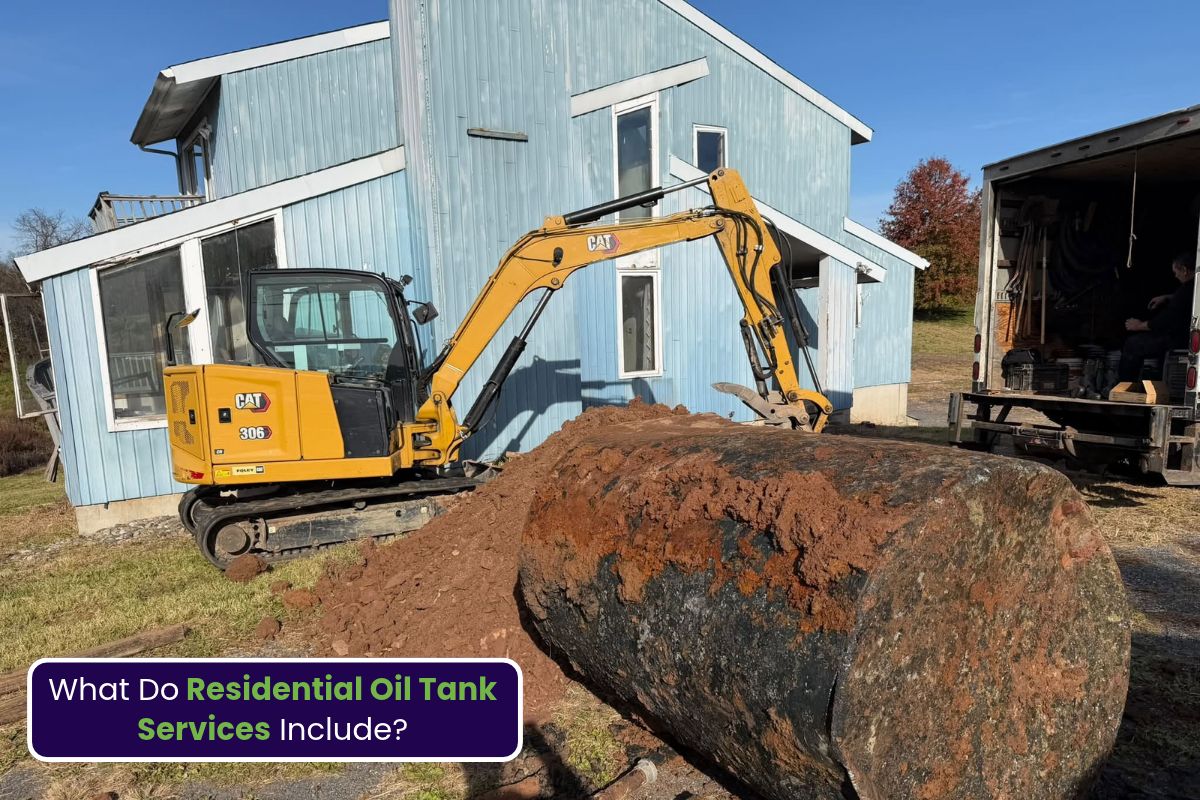
An old heating oil tank can raise questions for homeowners, especially when its age, condition, or location is unclear. A tank may be above ground, in a basement, or buried underground, and each situation requires a different approach. Professional oil tank services help property owners assess the tank, plan suitable work, and address possible environmental concerns.
Understanding the services available helps homeowners make informed decisions, avoid unexpected issues, and protect their residential properties.
What Are Professional Oil Tank Services?
Professional oil tank services can include tank inspection, removal, soil testing, and cleanup when contamination is confirmed. The right combination depends on the tank’s location, condition, accessibility, and the homeowner’s needs. A qualified contractor should assess the property before recommending a specific service.
1. Oil Tank Inspection and Property Assessment
A professional may review property records, locate visible fill and vent pipes, assess access, and look for corrosion, damaged piping, staining, or unusual petroleum odors.
An inspection helps determine next steps, but a visual check alone cannot confirm whether surrounding soil is free of contamination. Further investigation may be recommended if a buried tank or possible leak is involved.
2. Safe Oil Tank Removal
When an old or unwanted tank needs to be removed, the contractor plans the work around its location and the property layout. Underground oil tank removal generally involves preparing the work area, excavating to expose the tank, handling remaining contents as required, removing the tank, and arranging proper disposal.
Basement and aboveground tanks require different handling because access and site conditions vary. Homeowners should ask whether the written estimate includes permits, inspections, tank disposal, backfill, and restoration of the disturbed area.
3. Soil Testing and Environmental Evaluation
Soil testing can be important during an underground tank project, particularly when a tank shows signs of leakage or a release is suspected. Professionals collect samples from appropriate locations and send them to a laboratory to check for petroleum-related contamination.
Results help determine whether cleanup is needed. Sampling depends on site conditions and applicable requirements; not every removal reveals contamination.
4. Soil Remediation if Contamination Is Found
If testing confirms petroleum-impacted soil, soil remediation may be needed. Depending on the extent and location of contamination, work may include excavating affected soil, arranging proper disposal, bringing in clean backfill, and completing follow-up sampling or documentation.
Ask whether remediation is included in the tank removal price or will be evaluated and quoted separately if contamination is discovered.
5. Documentation and Project Communication
The provider should give a written scope, explain inclusions and exclusions, and identify which records will be supplied. Homeowners should ask about permits, inspection records, laboratory results, disposal information, and applicable closure documents.
Keep these records for future property transactions, insurance questions, or maintenance.
How Should You Choose an Oil Tank Contractor?
Choose a contractor with relevant experience, appropriate qualifications, suitable equipment, and knowledge of local requirements. Request a written estimate outlining the work, extra costs, and how unexpected soil conditions will be handled.
Before starting, homeowners should also ask who will coordinate inspections, explain laboratory findings, and provide project documentation. Clear communication helps prevent confusion throughout the process.
FAQs About Residential Oil Tank Services
Q1. What services might a homeowner need?
Depending on the tank and property, services may include inspection, oil tank removal, soil testing, and remediation.
Q2. Is soil testing required after every tank removal?
No. Sampling depends on the tank’s condition, evidence of a release, site conditions, and applicable requirements.
Q3. Can an old underground tank affect a home sale?
It may raise questions for buyers, lenders, or insurers. Inspection findings and clear removal or environmental records can help explain the tank’s status.
Q4. What happens if soil contamination is found?
Further investigation and remediation may be recommended based on laboratory results and applicable regulations.
Q5. Why should homeowners hire professional oil tank services?
Experienced professionals can help manage tank removal, evaluate potential contamination, and explain the appropriate next steps.
Final Thoughts
Understanding professional oil tank services helps homeowners make informed decisions, plan necessary work, and address possible environmental concerns. For residential oil tank removal, soil testing, or remediation guidance in New Jersey, contact Simple Tank Services to discuss your property and the appropriate next steps.