
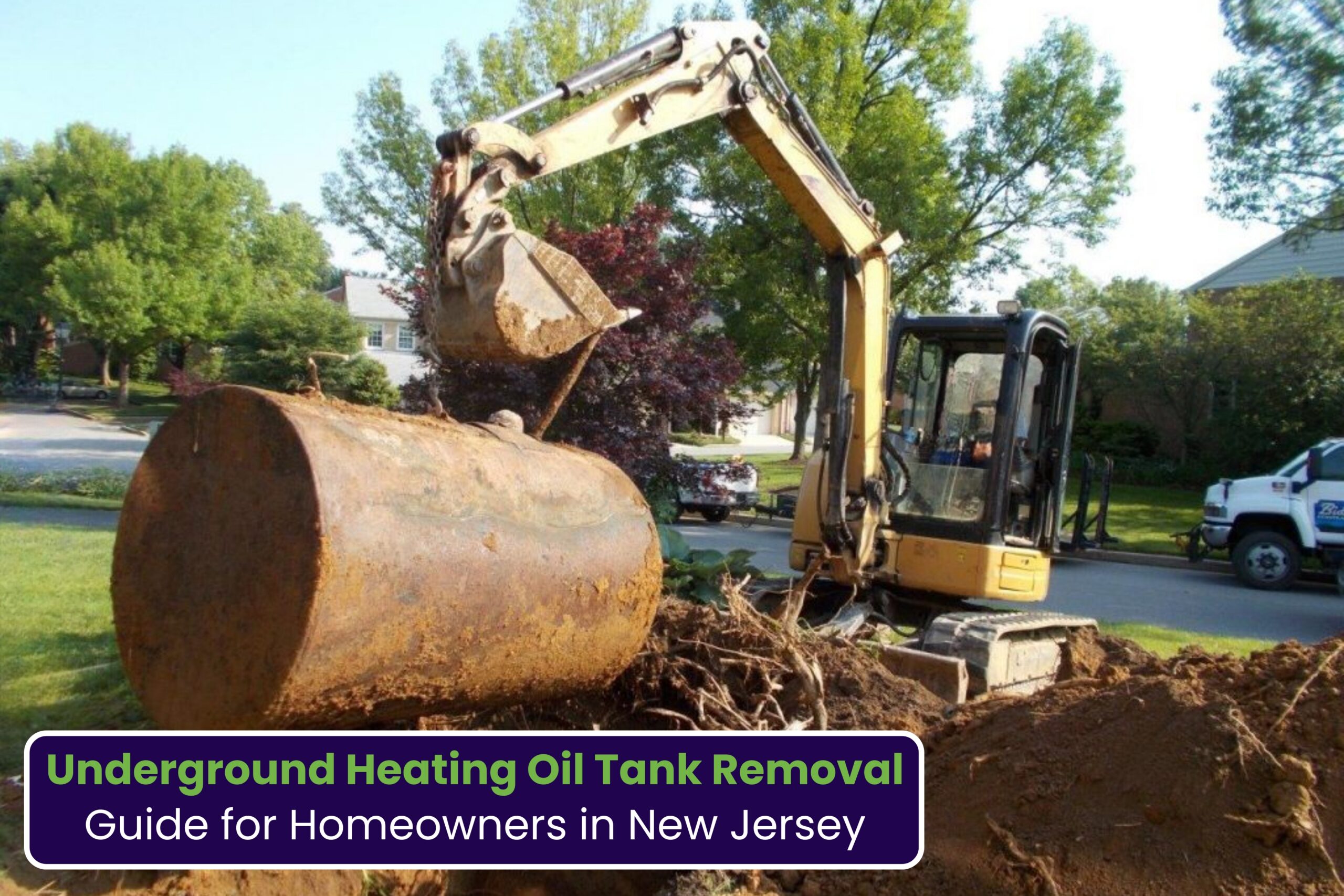
Underground heating oil tanks were once a standard feature in many homes across New Jersey. However, as systems age, they can become a serious environmental and financial liability. Whether you’re planning a property sale, upgrading your heating system, or responding to signs of leakage, understanding the removal process is essential. This guide walks homeowners through everything—from compliance and inspections to cost expectations—so you can approach the project with clarity and confidence.
Why Underground Oil Tanks Are a Concern
Many older homes in New Jersey still have buried oil tanks, often installed decades ago. Over time, these tanks can corrode, leading to leaks that contaminate soil and groundwater. This can trigger expensive remediation requirements and even impact nearby properties.
Beyond environmental risks, an unused or leaking tank can complicate real estate transactions. Buyers often require tank sweeps and certifications before closing, making removal a proactive investment rather than a reactive expense.
Understanding Oil Tank Removal in New Jersey
When it comes to oil tank removal in New Jersey, strict environmental regulations govern the process. The state requires homeowners to follow specific guidelines to ensure safe extraction and proper disposal.
The removal process typically includes obtaining permits, conducting a tank sweep, excavating the tank, and testing surrounding soil. If contamination is detected, remediation steps must follow immediately to meet compliance standards.
Hiring a licensed contractor is not optional—it’s essential. Certified professionals understand local codes and can provide the necessary documentation to prove the job was completed correctly.
Pre-Removal Planning and Tank Inspection
Before beginning the removal process, homeowners must evaluate the condition and location of the tank. This stage helps determine the complexity of the project and identifies any potential environmental risks.
Tank Sweep and Detection
A tank sweep uses specialized equipment to confirm the presence and size of the underground tank. Even if you’re unsure whether a tank exists, this step eliminates guesswork and ensures no hidden liabilities remain.
Soil Testing Before Removal
Soil testing before removal is critical for identifying contamination early. By analyzing soil samples around the tank, contractors can determine whether leaks have occurred and plan remediation strategies accordingly.
Skipping this step can lead to unexpected costs later, especially if contamination is discovered after excavation begins.
Navigating Environmental Regulations for Oil Tanks
New Jersey has some of the strictest environmental laws regarding underground tanks. Homeowners must comply with state and local guidelines to avoid fines and delays.
Permits and Documentation
Before removal begins, permits must be obtained from local authorities. These permits ensure that the project meets safety and environmental standards. Proper documentation is also required after removal, including disposal records and soil test results.
Compliance and Safety Standards
Licensed contractors follow established protocols to prevent spills and protect surrounding areas. This includes using approved equipment, monitoring excavation, and ensuring safe transportation of the tank.
Understanding environmental regulations for oil tanks helps homeowners avoid legal complications and ensures a smooth process from start to finish.
Step-by-Step Oil Tank Removal Process
The removal process involves several carefully coordinated steps, each designed to minimize risk and ensure compliance.
First, contractors excavate the area around the tank using heavy equipment. Once exposed, the tank is cleaned to remove any remaining oil or sludge. This step is crucial for preventing spills during extraction.
Next, the tank is carefully lifted from the ground and transported to an approved disposal facility. After removal, soil samples are collected and tested to confirm whether contamination is present.
If the soil is clean, the excavation site is backfilled and restored. If contamination is detected, additional steps such as soil removal or treatment may be required.
Cost Factors and Budget Planning
The cost of removing an underground oil tank varies depending on several factors. Homeowners should understand these variables to plan their budget effectively.
Oil Tank Removal Cost NJ
The oil tank removal cost NJ homeowners face depends on tank size, depth, accessibility, and whether contamination is present. A straightforward removal is typically less expensive, while projects involving soil remediation can significantly increase costs.
Additional Expenses to Consider
Beyond basic removal, homeowners may need to budget for permits, inspections, and landscaping restoration. It’s also wise to set aside contingency funds in case unexpected issues arise during excavation.
Choosing the Right Contractor
Selecting a qualified contractor is one of the most important decisions in this process. Not all service providers have the expertise or certifications required to handle underground tank removal safely.
Look for contractors with proven experience, proper licensing, and positive customer reviews. They should provide a clear scope of work, detailed estimates, and transparent timelines.
Communication is equally important. A reliable contractor will explain each step, answer your questions, and keep you informed throughout the project.
Long-Term Benefits of Tank Removal
Removing an underground oil tank offers several long-term advantages. It eliminates environmental risks, improves property value, and simplifies future real estate transactions.
Homeowners also gain peace of mind knowing their property is free from hidden hazards. In many cases, removal can even reduce insurance concerns, as some policies may exclude coverage for tank-related damage.
Additionally, transitioning to modern heating systems can improve energy efficiency and reduce overall maintenance costs.
FAQ Section
Q1. How do I know if I have an underground oil tank on my property?
A professional tank sweep inspection can detect buried tanks using specialized equipment. This is the most reliable way to confirm their presence.
Q2. Is removing an underground oil tank mandatory in New Jersey?
While not always mandatory, removal is strongly recommended, especially if the tank is unused or leaking, to avoid environmental and legal risks.
Q3. How long does the removal process take?
Most projects are completed within one to three days, depending on the complexity and whether contamination is found.
Q4. What happens if contamination is discovered?
If soil contamination is detected, remediation steps such as soil removal or treatment will be required to meet environmental standards.
Q5. Can I sell my home with an underground oil tank?
Yes, but it can complicate the sale. Many buyers request removal or certification, making it beneficial to address the issue beforehand.
Summary
Preparing for underground tank removal requires careful planning, environmental awareness, and compliance with state regulations. From early inspection to final soil testing, each step plays a critical role in protecting your property value and avoiding costly penalties. Partnering with experienced professionals like Simple Tank Services ensures safe handling, proper documentation, and peace of mind throughout the process.