
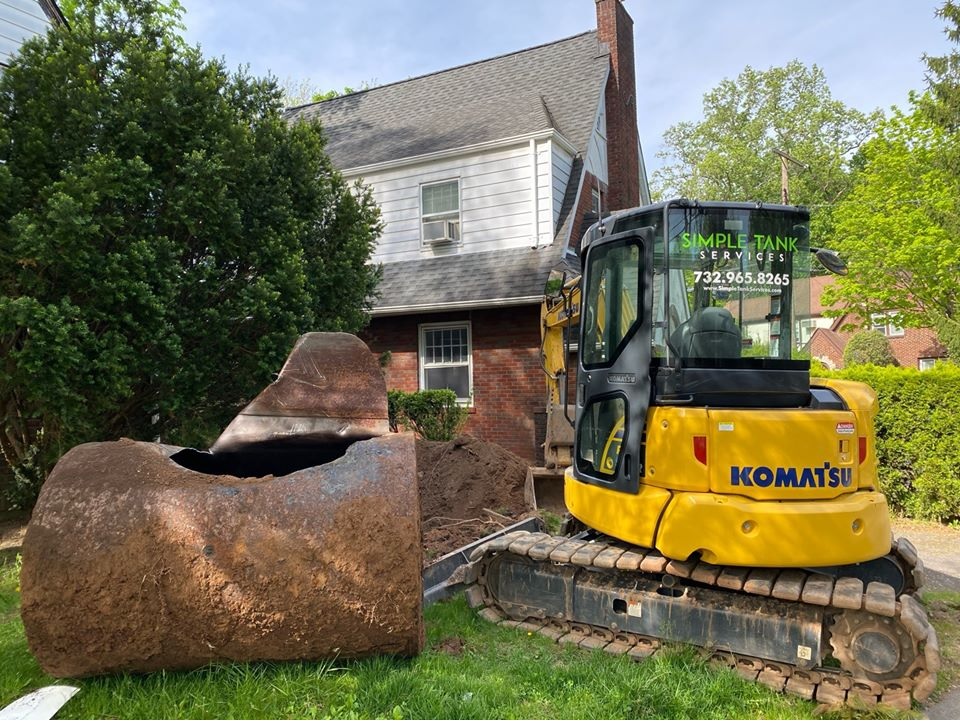
Oil tanks play a vital role in keeping homes and businesses warm as we move into 2025. However, poor oil tanks management can lead to serious risks—leaks, environmental hazards, and costly repairs.
With stricter regulations and rising fuel prices, the demand for safe, efficient, and compliant oil tanks installation and maintenance is higher than ever. Choosing the right system and following best practices is essential for safety and cost savings.
This guide offers expert advice on selecting, installing, and maintaining oil tanks. You will learn about tank types, installation steps, regulations, maintenance, troubleshooting, and future trends.
Ready to protect your property and peace of mind? Follow the latest guidance to ensure your oil tanks are reliable and future-proof.
Understanding Oil Tanks: Types, Materials, and Uses
Selecting the right oil tanks is a crucial decision for property owners in 2025. The range of available options, materials, and applications continues to expand. Understanding these differences ensures safe, efficient, and compliant fuel storage for both homes and businesses.
Overview of Oil Tank Types
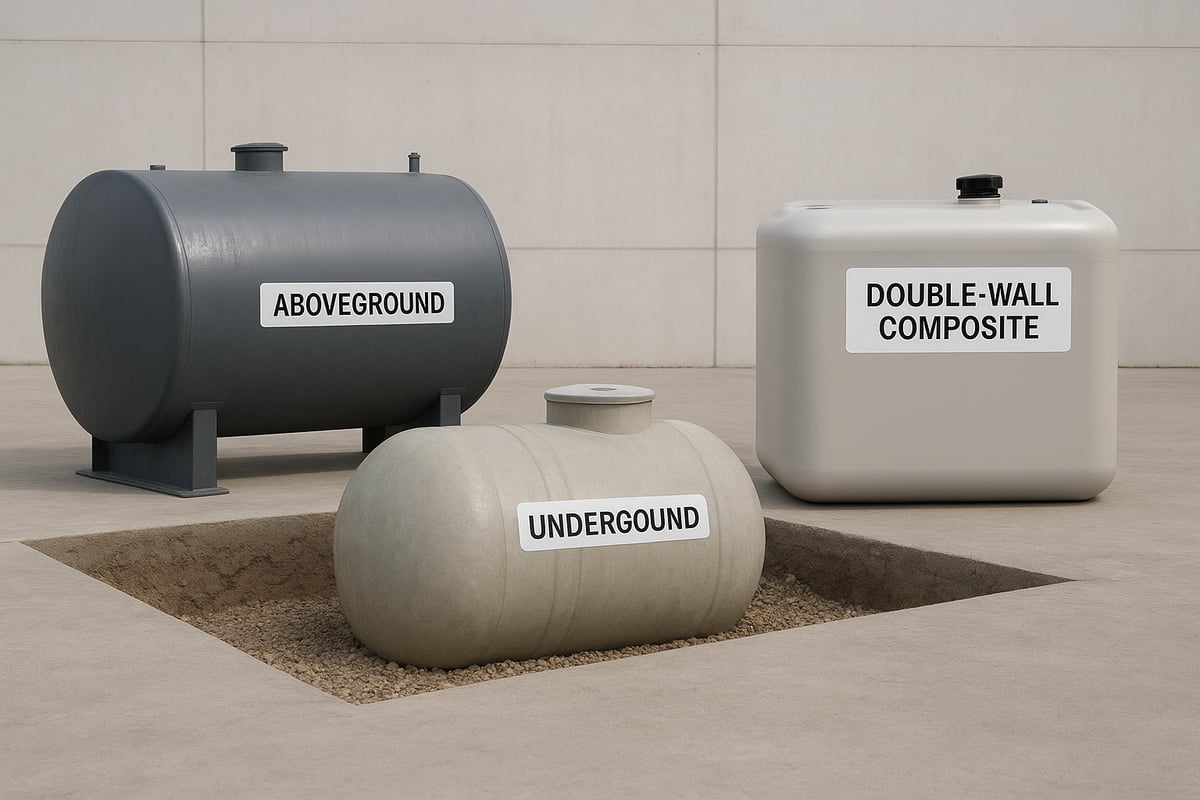
Oil tanks are available in two main types: aboveground and underground. Aboveground oil tanks are typically installed outdoors or in basements for easy access and inspection. Underground oil tanks are buried beneath the surface, saving space but requiring careful monitoring for leaks and corrosion.
For residential settings, aboveground oil tanks remain popular due to their accessibility and straightforward maintenance. Commercial properties may opt for larger underground oil tanks to maximize usable space and meet higher capacity needs. Construction also varies. Single-wall tanks offer basic containment, while double-wall tanks provide an added safeguard against leaks and environmental hazards. To learn more about compliance and safety for underground options, see these Underground oil tank regulations.
Common Materials Used in Oil Tanks
Oil tanks are constructed from a variety of materials, each offering unique benefits and trade-offs. The table below summarizes the most common options:
|
Material |
Durability |
Corrosion Resistance |
Typical Lifespan |
Common Environments |
|---|---|---|---|---|
|
Steel |
High |
Moderate |
15-25 years |
Indoor, aboveground |
|
Fiberglass |
High |
Excellent |
30+ years |
Underground, moist soils |
|
Polyethylene |
Moderate |
High |
15-20 years |
Outdoor, variable climates |
|
Composite |
High |
Superior |
30+ years |
Both aboveground/underground |
Steel oil tanks are valued for their strength but require protection against rust. Fiberglass is a top choice for underground oil tanks, resisting corrosion even in damp soil. Polyethylene and composite materials offer lightweight, durable alternatives for a variety of settings.
Typical Uses and Applications
Oil tanks serve many vital roles in modern infrastructure. Common applications include:
-
Home heating oil storage for furnaces and boilers
-
Industrial and commercial fuel management systems
-
Waste oil collection and recycling operations
The choice of oil tanks depends on the intended use, with residential tanks focused on heating and commercial tanks often designed for large-scale fuel distribution or storage.
Key Considerations When Choosing a Tank
Choosing the right oil tanks requires careful assessment of several factors. Capacity must match property size and anticipated fuel usage. Environmental conditions, such as soil type, water table, and climate, influence both tank material and installation method. Warranty coverage also matters, with leading brands offering extended protection, such as Granby’s 20-year warranty or Roth’s insurance-backed options.
Latest Innovations for 2025
The oil tanks industry continues to evolve with new technology and safety features. Recent innovations include advanced corrosion-resistant coatings, reducing maintenance needs and extending tank lifespans. Smart tank monitoring systems now provide real-time data on fuel levels and leak detection. Trends in double-wall and secondary containment solutions offer enhanced environmental protection and help meet stricter regulatory standards.
Modern oil tanks combine durability, technology, and compliance to deliver safer, more efficient storage solutions for every property type.
Federal, State, and Local Regulations
Oil tanks are regulated by a combination of federal, state, and local agencies. The Environmental Protection Agency (EPA) sets national guidelines, but many states, such as Colorado and Rhode Island, require compliance with their own more detailed standards. For 2025, regulations around installation, maintenance, and decommissioning have become stricter, especially for new oil tanks. It is essential to consult both EPA mandates and your local building department to ensure your oil tanks meet every requirement.
Environmental Protection and Secondary Containment
Environmental protection is a top priority for oil tanks, particularly with the risk of leaks and contamination. Double-wall tanks and secondary containment systems are now standard for many installations, providing extra layers of defense. Leak detection and monitoring are not just best practices but often required by law. To better understand the potential risks and necessary solutions, review the risks of underground oil tank leaks. Integrating these safeguards into your oil tanks setup helps protect property, groundwater, and your financial liability.
Inspection, Permitting, and Reporting
Regular inspections are mandatory for oil tanks, and schedules can vary by jurisdiction. Permitting processes often include site assessments and documentation of tank specifications. Owners must maintain accurate records of all inspections, maintenance, and repairs to stay compliant. When issues are detected, prompt reporting to authorities is required. Keeping detailed records ensures that oil tanks are operating within legal limits and can help with warranty or insurance claims.
Insurance and Liability Considerations
Insurance is a critical component of owning oil tanks. Many states require specific coverage to address potential leaks or environmental damage. Owners should review manufacturer warranties and consider third-party insurance policies, like Roth’s $1 million contamination coverage, for added peace of mind. Comparing available options in a table can help clarify choices:
|
Insurance Type |
Coverage Scope |
Typical Requirement |
|---|---|---|
|
Homeowner’s Insurance |
Limited, may exclude tanks |
Optional |
|
Tank-Specific Policy |
Leaks, contamination |
Often required |
|
Manufacturer Warranty |
Defects, certain failures |
Included with tank |
Having the right insurance for oil tanks not only protects assets but is often a legal necessity.
Consequences of Non-Compliance
Non-compliance with regulations for oil tanks can result in serious financial and legal consequences. Fines and penalties may be imposed for improper installation, lack of inspection, or failure to report leaks. Environmental remediation costs can be significant if a spill occurs. Additionally, non-compliant oil tanks can decrease property value and complicate real estate transactions. Following all safety standards and legal requirements is essential to avoid these risks and ensure smooth property ownership.
Oil Tank Maintenance: Best Practices for Longevity
Proper maintenance is the key to ensuring your oil tanks remain safe, efficient, and reliable throughout their service life. Neglecting regular care can lead to leaks, costly repairs, and even environmental hazards. By following proven best practices, you can extend the lifespan of your oil tanks and protect your investment.
Routine Inspection and Monitoring
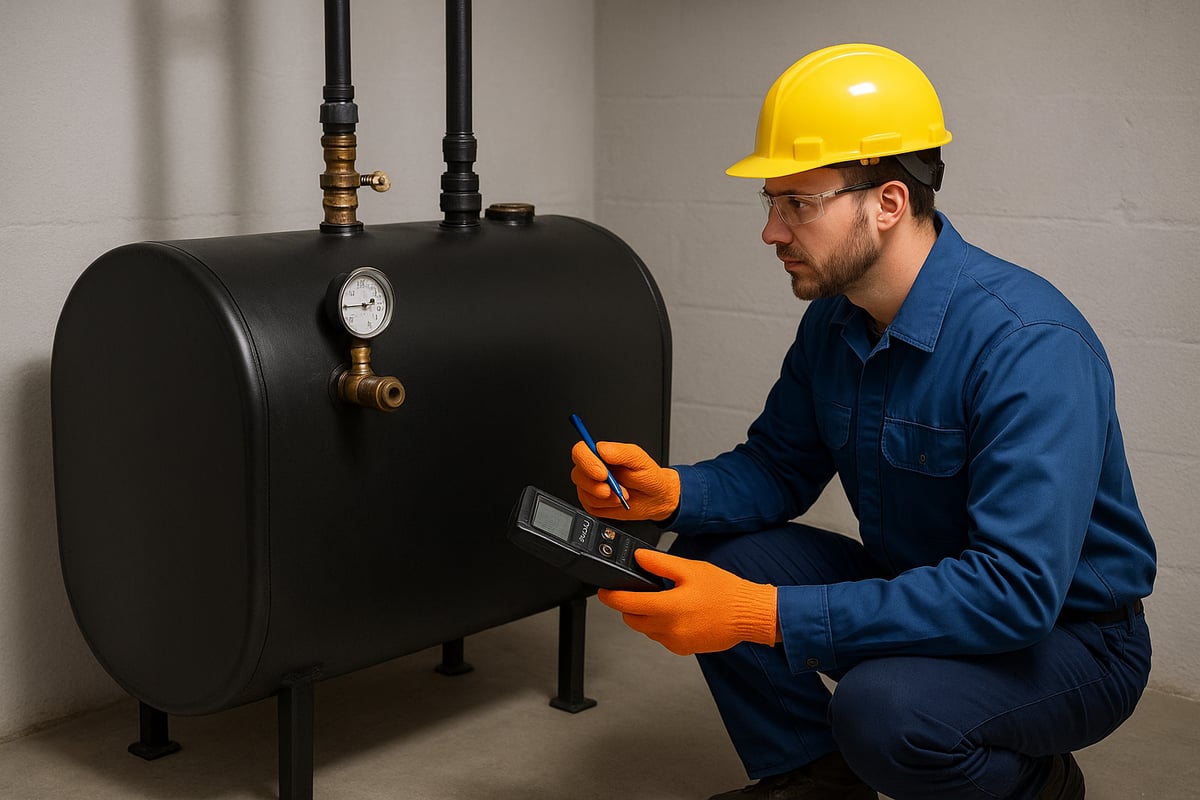
Routine inspection is the cornerstone of oil tanks longevity. Visual checks should be performed monthly for signs of corrosion, leaks, or shifting. Look for stains beneath the tank, rust on surfaces, and any unusual odors. Smart monitoring devices are now available, providing real-time alerts for changes in fuel level or pressure.
Annual professional inspections are recommended. Certified technicians use advanced tools to detect hidden issues, ensuring early intervention. For a detailed checklist of what to look for and how to respond, consult the Oil tank maintenance FAQ.
Key points during routine checks:
-
Examine tank legs and supports for settlement.
-
Inspect all fittings, valves, and gauges for tightness.
-
Verify vent and fill pipes are unobstructed.
Regular attention helps prevent small issues from becoming major problems with oil tanks.
Cleaning and Servicing Procedures
Thorough cleaning is vital for preventing buildup that can compromise oil tanks efficiency. Over time, water, sludge, and contaminants accumulate at the bottom, increasing corrosion risk and reducing fuel quality.
Recommended cleaning intervals vary by usage, but a general rule is every 3–5 years. Technicians pump out residual fuel, remove debris, and flush internal surfaces. Filters, valves, and gauges should also be serviced during this process. Replacing worn components prevents blockages and ensures accurate readings.
Servicing steps include:
-
Draining and safely disposing of old fuel.
-
Rinsing tank interiors with approved solutions.
-
Replacing or cleaning filters and inspecting all seals.
Routine cleaning extends the life of oil tanks and supports optimal system performance.
Preventing and Addressing Corrosion
Corrosion is a primary threat to oil tanks integrity. Protective coatings, such as epoxy or polyurethane, are applied during manufacturing or as a maintenance measure. These coatings shield against moisture and chemical reactions that degrade metal over time.
For underground installations, sacrificial anodes may be used to attract corrosive elements away from the tank shell. Environmental controls, like proper drainage and tank coverings, further limit exposure to damaging conditions.
Consider a case study: Granby’s high-performance coatings have demonstrated impressive results, reducing corrosion rates and increasing tank lifespan by several years. Regularly inspecting the coating’s condition is essential for continued protection of oil tanks.
Winterization and Seasonal Maintenance
Cold weather poses unique challenges for oil tanks. Freezing temperatures can cause condensation inside the tank, introducing water that leads to sludge and corrosion. To prepare for winter, insulate exposed tanks and pipes, and consider installing tank heaters where temperatures drop below freezing.
Seasonal maintenance checklist:
-
Inspect for cracks or leaks caused by temperature fluctuations.
-
Ensure all insulation is intact and secure.
-
Remove any snow or ice buildup from outdoor tanks.
Using tank tubs or covers not only protects the tank from weather but also enhances aesthetics and extends the lifespan of oil tanks in harsh climates.
Record-Keeping and Documentation
Accurate documentation supports compliance, warranty claims, and resale value. Maintain a detailed log of all oil tanks maintenance activities, including inspections, cleanings, repairs, and component replacements. Record dates, findings, and technician details.
A sample maintenance log:
|
Date |
Service Performed |
Technician |
Notes |
|---|---|---|---|
|
2025-03-10 |
Annual Inspection |
J. Smith |
No issues detected |
|
2025-06-15 |
Filter Replacement |
A. Lee |
Minor sediment found |
|
2025-11-05 |
Winterization Check |
J. Smith |
Insulation improved |
Tracking warranty and insurance coverage is equally important. Organized records ensure your oil tanks remain compliant and eligible for protection.
When to Replace or Upgrade Your Oil Tank
Even the best-maintained oil tanks eventually reach the end of their service life. Warning signs include persistent leaks, advanced corrosion, or repeated system failures. Modern tank technology offers improved safety, efficiency, and monitoring features that may justify an upgrade before failure occurs.
Manufacturer guidelines typically recommend replacement every 15–25 years, depending on material and environment. Newer models provide double-wall construction, enhanced coatings, and smart monitoring as standard features. Many manufacturers and local governments offer incentives for upgrading oil tanks, making the investment more affordable and beneficial.
When evaluating your current system, consider both safety and the potential for improved performance. Staying proactive with oil tanks replacement ensures peace of mind and long-term reliability.
Troubleshooting Common Oil Tank Issues
Proper troubleshooting is essential for maintaining safe and efficient oil tanks. Even the most robust systems can develop issues over time, so knowing how to identify and address these problems quickly protects both property and the environment.
Identifying and Addressing Leaks
Early detection of leaks in oil tanks is critical. Common warning signs include a persistent fuel odor, visible stains beneath or around the tank, and unexplained drops in system pressure. If you notice these symptoms, act immediately.
Use absorbent pads to contain small spills and prevent further spread. For larger leaks, isolate the area and contact a certified professional. Always follow local environmental reporting requirements for leaks. If a leak is severe or the tank is at the end of its lifespan, consider reviewing the Oil tank removal process to understand your next steps.
Dealing with Corrosion and Structural Damage
Corrosion can compromise the integrity of oil tanks, leading to leaks or structural failure. Assess the extent by inspecting the tank’s surface for rust, flaking paint, or bulging areas. Surface corrosion may be manageable with cleaning and protective coatings.
Temporary fixes, such as patching small holes, may buy time, but permanent solutions often involve replacing the affected section or the entire tank. If damage is extensive, always consult a qualified technician to ensure the oil tanks are safe and compliant.
Resolving Fuel Delivery and System Problems
Fuel delivery issues in oil tanks can disrupt heating or operations. Common causes include clogged filters, airlocks in the fuel line, or faulty pumps. Listen for unusual noises or check for inconsistent fuel flow.
To resolve these issues, start by cleaning or replacing filters. Bleed the system to eliminate airlocks and verify that all valves are open. Proper venting and pressure regulation are essential for optimal performance. If problems persist, schedule a professional inspection.
Managing Water and Sludge Accumulation
Water and sludge can accumulate inside oil tanks, reducing fuel quality and efficiency. Condensation, loose fittings, or damaged fill caps are frequent causes of water ingress. Over time, this leads to sludge that clogs lines and burners.
Regular cleaning and water removal are vital. Use water-detecting paste to check for contamination, and have the tank cleaned professionally if needed. Preventive measures include ensuring tight seals and using additives that break down sludge in oil tanks.
Professional Support and Emergency Services
Not all oil tanks issues can be solved with DIY methods. If you encounter persistent leaks, severe corrosion, or system malfunctions, engage a certified technician. Emergency response teams are available for major spills or hazardous situations.
Many local providers offer 24/7 service plans, ensuring rapid assistance when you need it most. Keeping contact information for trusted professionals on hand provides peace of mind and safeguards your investment.
Future Trends and Innovations in Oil Tank Technology
Emerging technologies are transforming oil tanks, making them safer, smarter, and more sustainable for both homes and businesses. Staying informed about these innovations is crucial for anyone considering new oil tanks or planning upgrades in 2025.
Smart Tank Monitoring and Automation
Oil tanks are becoming more intelligent, thanks to advancements in digital sensors and remote monitoring. Smart systems now provide real-time data on tank levels, temperature, and possible leaks. Many solutions integrate with home automation platforms, letting users track oil tanks from their smartphones or central dashboards.
Automated alerts inform owners of irregularities, minimizing risks and preventing costly spills. As a result, oil tanks are safer, and maintenance is more proactive. These innovations reduce downtime and help ensure uninterrupted heating or fuel supply.
Advanced Materials and Eco-Friendly Designs
Manufacturers are introducing new materials for oil tanks that resist corrosion and extend lifespan. Composite and high-grade polyethylene tanks are gaining popularity due to their durability and compatibility with biofuels. These materials help reduce environmental impact and improve safety.
Eco-friendly designs also include secondary containment and recyclable components. Some oil tanks now feature advanced insulation, minimizing heat loss and optimizing energy efficiency. Such trends reflect a growing demand for green solutions in fuel storage.
Regulatory Shifts and Industry Standards for 2025+
Regulations for oil tanks are evolving to address safety and environmental concerns. In 2025, many states are updating standards for design, installation, and leak detection. For example, Colorado’s new AST system design standards outline strict requirements for aboveground storage tank systems, ensuring compliance and safety.
These regulatory shifts encourage the adoption of double-wall oil tanks, advanced monitoring, and secondary containment. Keeping up with these changes helps owners avoid penalties and protect property value.
Market Insights and Consumer Preferences
The oil tanks market is shifting toward products with longer warranties and comprehensive insurance. Consumers prefer oil tanks that offer robust contamination coverage and easy integration with smart home systems. Data shows an uptick in proactive tank replacements, driven by tighter regulations and a desire for dependable performance.
Warranty-backed oil tanks are especially attractive to property owners looking for peace of mind and long-term security. As technology advances, user-friendly features and low-maintenance designs are also becoming top priorities.
Preparing for the Future: Upgrade Strategies
Evaluating existing oil tanks is essential for future readiness. Owners should assess tank age, material, and compliance with upcoming standards. Upgrading to modern oil tanks with smart monitoring and eco-friendly features can unlock insurance discounts and eligibility for local incentives.
Many regions offer rebates or tax benefits for installing advanced oil tanks. By planning upgrades now, owners ensure their fuel storage meets both today’s needs and tomorrow’s regulations, keeping properties safe and efficient.
Frequently Asked Questions About Oil Tanks
Curious about oil tanks and how to manage them effectively? Below, we answer the most common questions homeowners and business owners have about oil tanks, from lifespan to safety concerns.
What is the average lifespan of an oil tank?
Most oil tanks last between 15 and 30 years, depending on material, environment, and maintenance. Steel tanks may have a shorter life if exposed to moisture, while fiberglass models often last longer. Regular upkeep helps maximize oil tanks’ longevity.
How often should an oil tank be inspected and serviced?
Experts recommend inspecting oil tanks annually. This includes checking for leaks, corrosion, and ensuring all components function properly. A yearly professional inspection can prevent costly issues and maintain compliance with local regulations.
What are the warning signs of a failing oil tank?
Look for rust, damp spots, oil odors, or unexplained drops in fuel level. These symptoms can indicate leaks or structural problems. Early detection is key to preventing major oil tanks failures and environmental hazards.
Can old oil tanks be repaired, or should they always be replaced?
Minor issues like valve replacements or small leaks can sometimes be repaired. However, significant corrosion or structural damage usually means the tank should be replaced. For guidance on safe removal, consult New York heating oil tank removal guidelines.
What are the costs associated with installation and maintenance?
Installation costs for oil tanks vary widely based on tank size, type, and whether it’s aboveground or underground. Maintenance is generally affordable, especially when compared to the risks of neglect. Budget for annual inspections and cleaning.
Are there government programs or rebates for oil tank upgrades?
Many regions offer rebates or financial assistance for upgrading oil tanks, especially when replacing older models with safer, more efficient options. Check with your state energy office or local utility provider for current programs.
How do I choose between aboveground and underground tanks?
Aboveground oil tanks are easier to monitor and maintain, while underground tanks save space but may require more stringent compliance. Consider property layout, local regulations, and environmental factors when making your decision.
What should I do if I suspect a leak or contamination?
If you suspect an oil tanks leak, act quickly. Contact a certified technician and notify local authorities if needed. Prompt action minimizes environmental impact and may be legally required depending on your state.
After exploring the essential steps for selecting, installing, and maintaining your oil tank, you can see how crucial it is to work with a company that values transparency and reliability. At Simple Tank Services, we understand the challenges of oil tank management, from navigating regulations to ensuring your property’s safety and compliance. If you’re ready to take the next step or need expert guidance tailored to your specific needs, you can learn more about how we can help you protect your investment and the environment by visiting Our Services.