
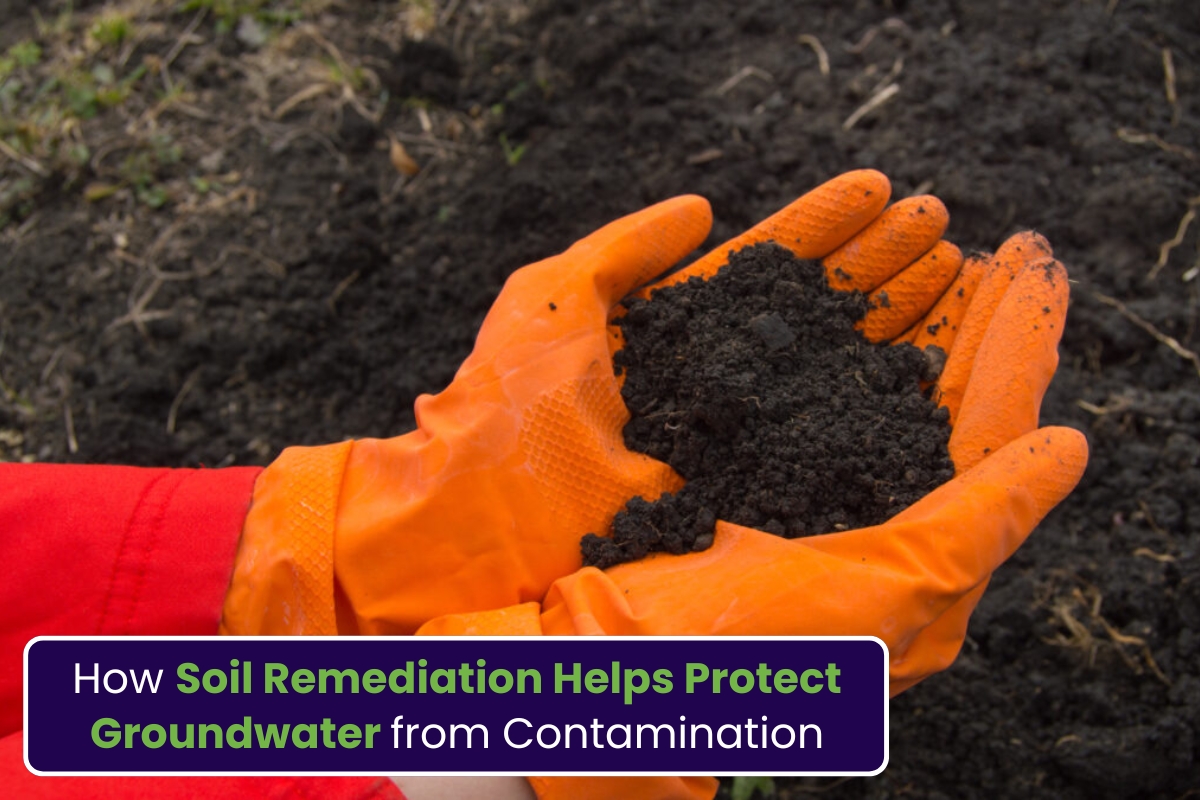
Groundwater is one of the most important natural resources on our planet. It provides drinking water for millions of people, supports agriculture, and maintains ecosystems. However, when soil becomes contaminated by hazardous substances such as petroleum products, industrial waste, or chemicals, those pollutants can eventually seep into groundwater supplies. Once groundwater becomes contaminated, it is extremely difficult and expensive to restore.
This is why soil remediation plays a vital role in environmental protection. By identifying, removing, or neutralizing pollutants in the soil, remediation efforts help prevent contamination from spreading into underground water sources. Effective remediation strategies not only restore land quality but also ensure long-term environmental safety for communities and businesses.
Understanding Soil Remediation and Why It Matters
Soil remediation refers to the process of cleaning up contaminated soil so that it becomes safe for the environment and human use again. Pollution can enter the soil through leaking storage tanks, chemical spills, industrial operations, or improper waste disposal. Over time, these contaminants move through the soil layers and can reach groundwater aquifers.
Professional environmental teams use advanced testing and treatment techniques to detect pollutants and determine the most effective cleanup strategy. In many regions, including areas that require Soil remediation in New Jersey, environmental regulations ensure that contaminated land is treated properly before redevelopment or construction begins.
The goal of remediation is not just removing pollutants but also restoring soil health and preventing contamination from migrating further into the ecosystem.
How Contaminants Travel from Soil to Groundwater
Groundwater contamination often begins with pollutants entering the soil surface. Rainfall, irrigation, or natural soil permeability can carry these contaminants deeper into the ground.
Several factors influence how quickly pollutants move through soil:
-Soil composition and permeability
-The type of contaminant present
-Rainfall and groundwater movement
-Depth of the water table
When harmful substances penetrate soil layers, they can dissolve in water and migrate into underground aquifers. This process threatens drinking water systems, agricultural irrigation, and natural habitats.
By addressing contamination at the soil level, remediation prevents pollutants from reaching groundwater in the first place.
Key Methods Used in Soil Remediation
Environmental professionals use a variety of remediation techniques depending on the type and severity of contamination. These methods focus on removing pollutants, stabilizing them, or breaking them down into harmless compounds.
Excavation and Removal
This method involves physically removing contaminated soil and transporting it to approved disposal facilities. It is often used when pollution levels are high or localized.
Bioremediation
Bioremediation uses naturally occurring microorganisms to break down contaminants such as petroleum products and organic chemicals. This environmentally friendly approach reduces pollution without causing additional environmental harm.
Chemical Treatment
Chemical agents can neutralize or transform contaminants into less harmful substances. This approach is commonly used in industrial pollution cases.
Soil Vapor Extraction
This technique removes volatile contaminants from the soil by applying a vacuum system that extracts polluted vapors from underground.
Each of these techniques contributes to effective groundwater contamination prevention by stopping pollutants before they reach aquifers.
The Role of Environmental Site Cleanup in Protecting Water Sources
One of the most important steps in addressing contaminated land is conducting a thorough environmental site cleanup. This process begins with environmental assessments that identify the source and extent of pollution.
Environmental experts analyze soil samples, groundwater data, and historical site activities to determine contamination risks. Once the assessment is complete, a remediation plan is developed to remove pollutants and restore the land.
Environmental cleanup not only protects groundwater but also allows properties to be safely redeveloped for residential, commercial, or industrial use.
Why Soil Contamination Treatment Is Essential for Communities
When land becomes polluted, the consequences extend far beyond the immediate area. Contaminants can spread underground and affect nearby wells, streams, and ecosystems.
Proper soil contamination treatment ensures that pollutants are removed before they cause long-term environmental damage. This is especially important for communities that rely heavily on groundwater for drinking water supplies.
Effective treatment also helps property owners meet environmental regulations and avoid legal or financial liabilities associated with contaminated land.
Long-Term Benefits of Groundwater Protection
Protecting groundwater through soil remediation offers several important benefits:
Improved Public Health
Contaminated groundwater can expose communities to harmful chemicals and toxins. Removing pollution from soil reduces this risk and protects public health.
Environmental Sustainability
Healthy soil supports plant life, wildlife habitats, and natural ecosystems. Remediation helps restore ecological balance.
Safe Property Development
Remediated land can be safely used for construction, agriculture, or commercial projects without environmental concerns.
Regulatory Compliance
Environmental laws require proper cleanup of contaminated land. Remediation ensures compliance and avoids penalties.
In regions where environmental protection standards are strict, including areas requiring Soil remediation in New Jersey, professional remediation services help property owners meet regulatory requirements while protecting natural resources.
The Importance of Professional Remediation Services
Soil remediation requires technical expertise, specialized equipment, and knowledge of environmental regulations. Professional remediation companies conduct detailed site assessments, select the appropriate treatment method, and ensure that contamination is fully addressed.
Experts also monitor groundwater conditions after remediation to confirm that pollutants are no longer spreading underground.
Without professional intervention, contaminated soil can continue to pose environmental risks for years. Proper remediation ensures that land is restored safely and responsibly.
FAQ
Q1. What is soil remediation?
Soil remediation is the process of removing or neutralizing contaminants in soil to restore it to a safe and usable condition.
Q2. Why is groundwater protection important?
Groundwater supplies drinking water, supports agriculture, and sustains ecosystems. Protecting it from contamination is essential for public health.
Q3. What causes soil contamination?
Common causes include leaking fuel tanks, chemical spills, industrial waste, and improper disposal of hazardous materials.
Q4. How long does soil remediation take?
The timeline varies depending on contamination levels, site size, and the remediation method used. Some projects take weeks while others may require months.
Q5. Can contaminated soil affect nearby water wells?
Yes. If pollutants seep through the soil into groundwater aquifers, nearby wells and water supplies can become contaminated.
Summary
Protecting groundwater is essential for public health, agriculture, and environmental sustainability. When soil becomes contaminated, pollutants can slowly migrate underground and threaten water supplies. Soil remediation plays a critical role in preventing this process by removing or neutralizing harmful substances before they spread.
Through effective environmental cleanup strategies such as excavation, bioremediation, and chemical treatment, contaminated land can be restored to a safe condition. Professional remediation services ensure that environmental regulations are met and groundwater resources remain protected for future generations.
For property owners and businesses dealing with contamination concerns, working with experienced providers like Simple Tank Services ensures that remediation is handled efficiently and responsibly while protecting both soil and groundwater quality.